Artwork
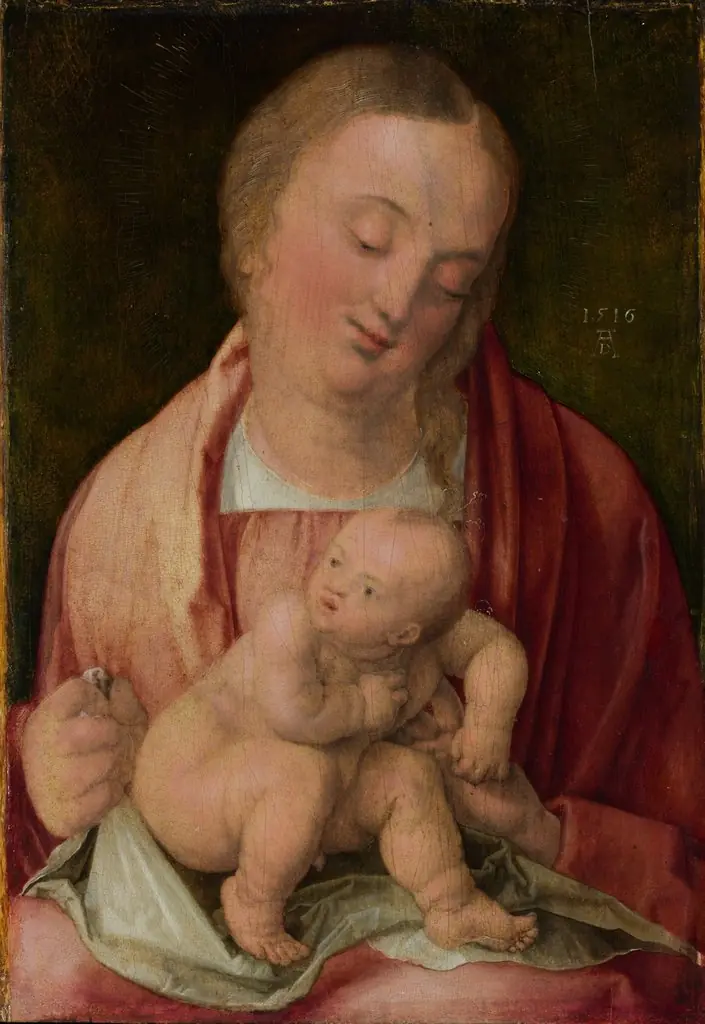
Maria mit Kind an der Brust
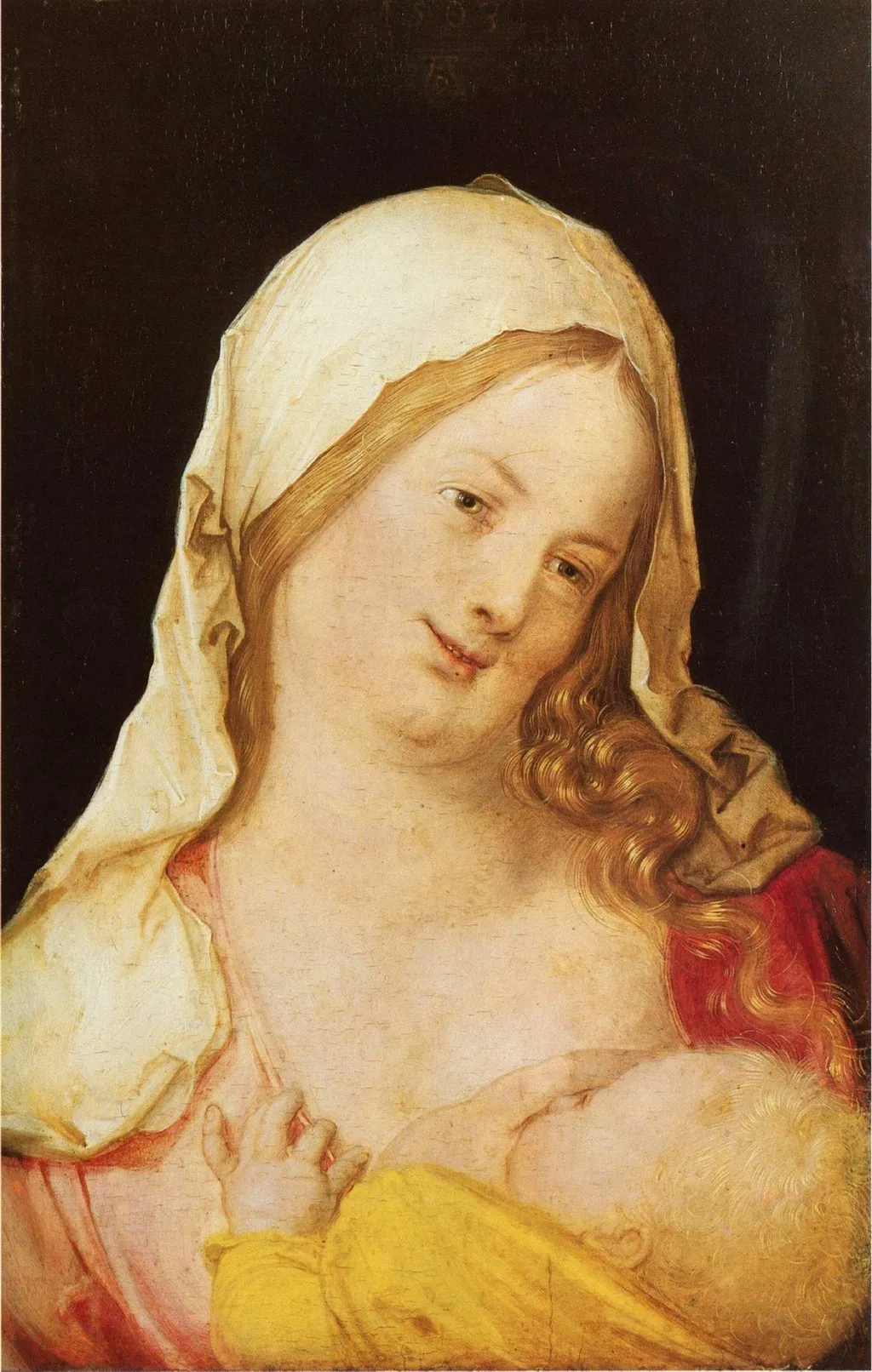
Maria mit Kind an der Brust is an oil painting by the Northern Renaissance artist Albrecht Dürer. It dates from 1503 and is held in the collection of the Kunsthistorisches Museum.
About this work
Overview
Executed in Nuremberg, it reflects Dürer’s engagement with both German artistic traditions and Italian innovations in composition and light.
Painted in 1503 by Albrecht Dürer, *Maria mit Kind an der Brust* is an oil-on-panel work from the Northern Renaissance. Executed in Nuremberg, it reflects Dürer’s engagement with both German artistic traditions and Italian innovations in composition and light. The painting is part of the Kunsthistorisches Museum’s permanent collection, where it remains a quiet example of devotional portraiture from the early 16th century.
Subject & Meaning
The painting portrays the Virgin Mary nursing the infant Jesus, a subject rooted in Christian devotion and the theological emphasis on Christ’s humanity. Mary’s serene expression and tender posture convey maternal tenderness without overt drama. The intimate, unadorned setting focuses attention on the bond between mother and child, reinforcing themes of divine incarnation and earthly compassion.
Technique & Style
Dürer employs chiaroscuro to model the figures with subtle gradations of light and shadow, giving the forms a soft, sculptural presence against a dark background. The textures of fabric, skin, and hair are rendered with precise brushwork, characteristic of Northern European oil painting. The palette is restrained—white, pale tones, and a single red sleeve—enhancing the quiet solemnity of the scene.
History & Provenance
Created during Dürer’s mature period, the painting likely served a private devotional purpose. It entered the Habsburg collections in the 16th or 17th century and was later transferred to the Kunsthistorisches Museum in Vienna, where it has remained since the museum’s founding. Its continuous presence in imperial holdings underscores its early recognition as a work of significance.
Context
In early 16th-century Nuremberg, religious imagery remained central to artistic production, even as humanist ideals spread. Dürer, influenced by Italian Renaissance principles through prints and correspondence, adapted these ideas into a Northern framework—emphasizing detail, emotional restraint, and spiritual intimacy over grandeur or theatricality.
Legacy
Though less celebrated than Dürer’s engravings or self-portraits, this painting exemplifies his ability to merge technical precision with spiritual quietude. It influenced later Northern artists in their treatment of sacred figures, reinforcing a tradition of intimate, psychologically grounded devotional imagery that persisted well beyond the Renaissance.
Own this work as a print
Artist & collection
Artist
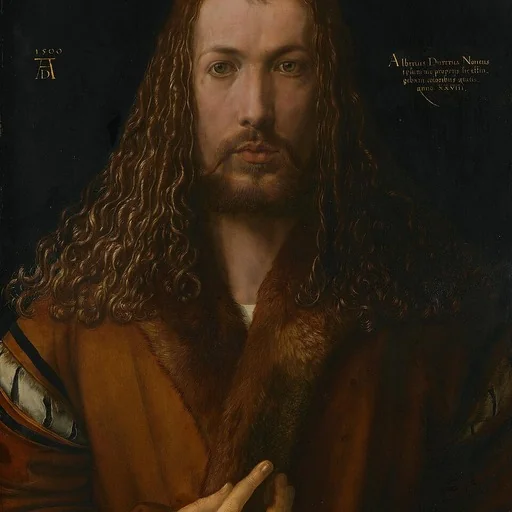
Albrecht Dürer spent his life in Nuremberg, a busy German city where artists traded prints like currency.

![Madonna and Child [obverse], by Albrecht Dürer](https://artifactworldgallery.com/img/albrecht-durer--madonna-and-child-obverse--d7b8ebf05d22ebe5-w320.webp)
![Lot and His Daughters [reverse], by Albrecht Dürer](https://artifactworldgallery.com/img/albrecht-durer--lot-and-his-daughters-reverse--b4ebf9b282faa17a-w320.webp)
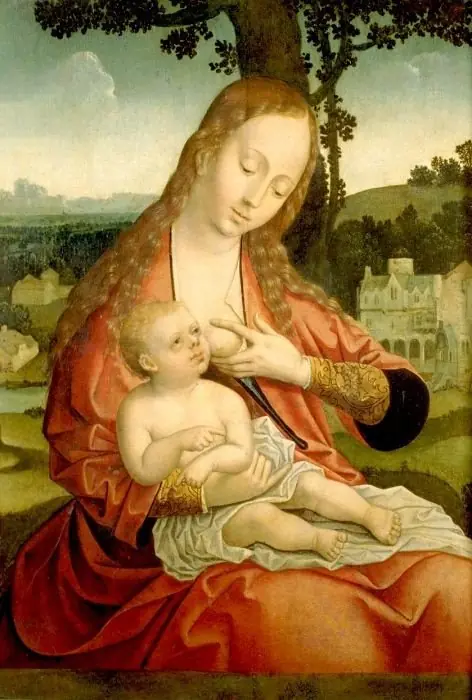 Maria mit dem Kind
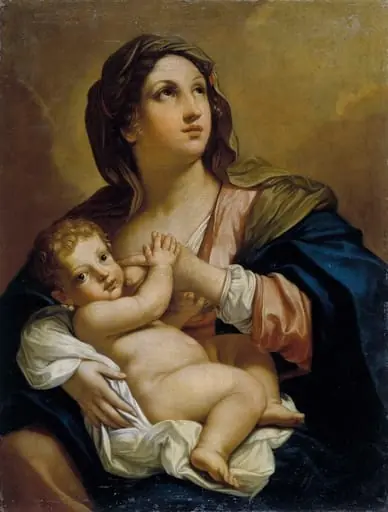 Neitsyt Maria ja Jeesus-lapsi
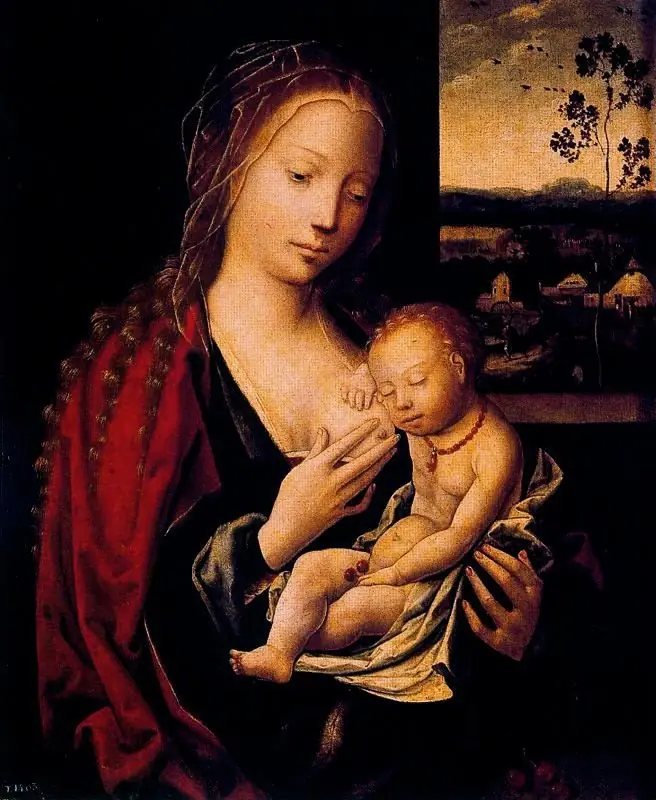 Virgin and Child
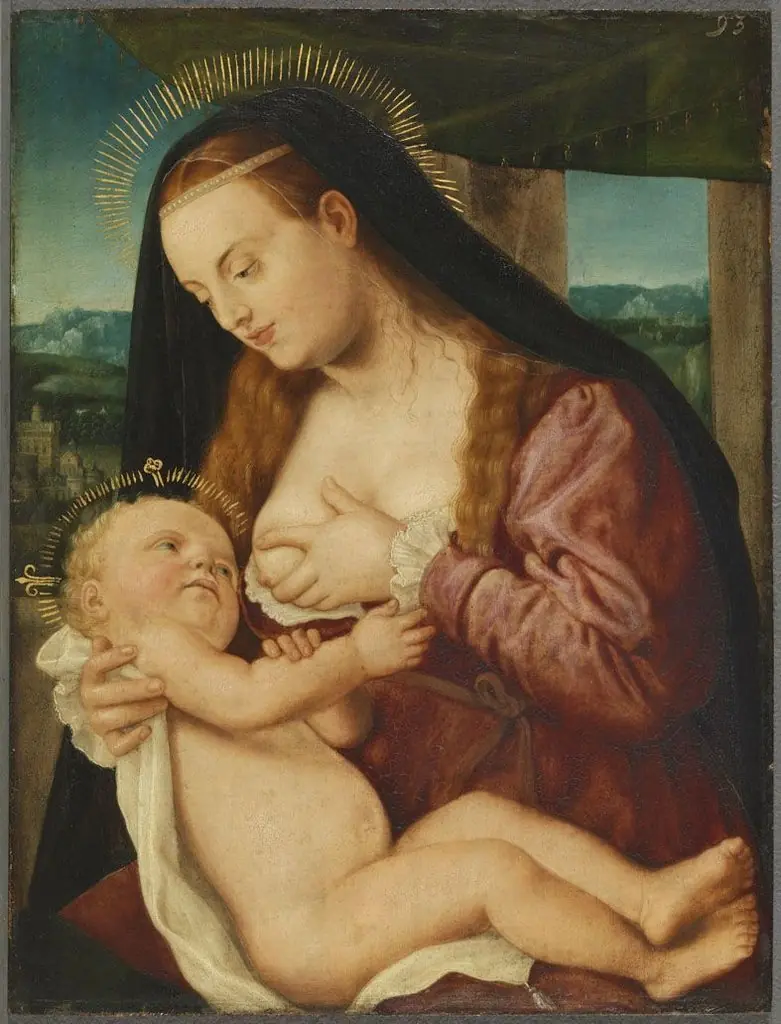 Maria mit dem Kind (zugeschrieben)
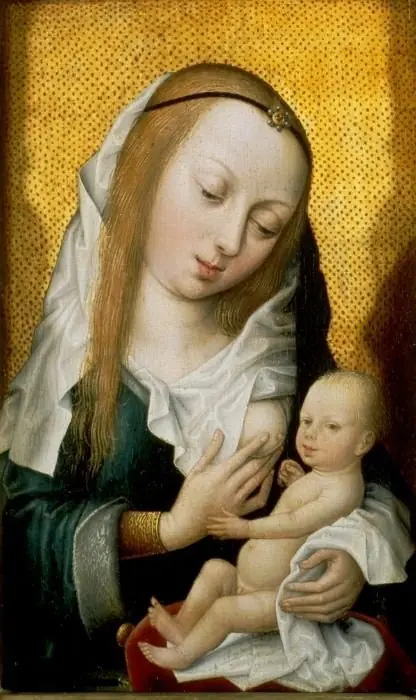 Maria mit dem Kind
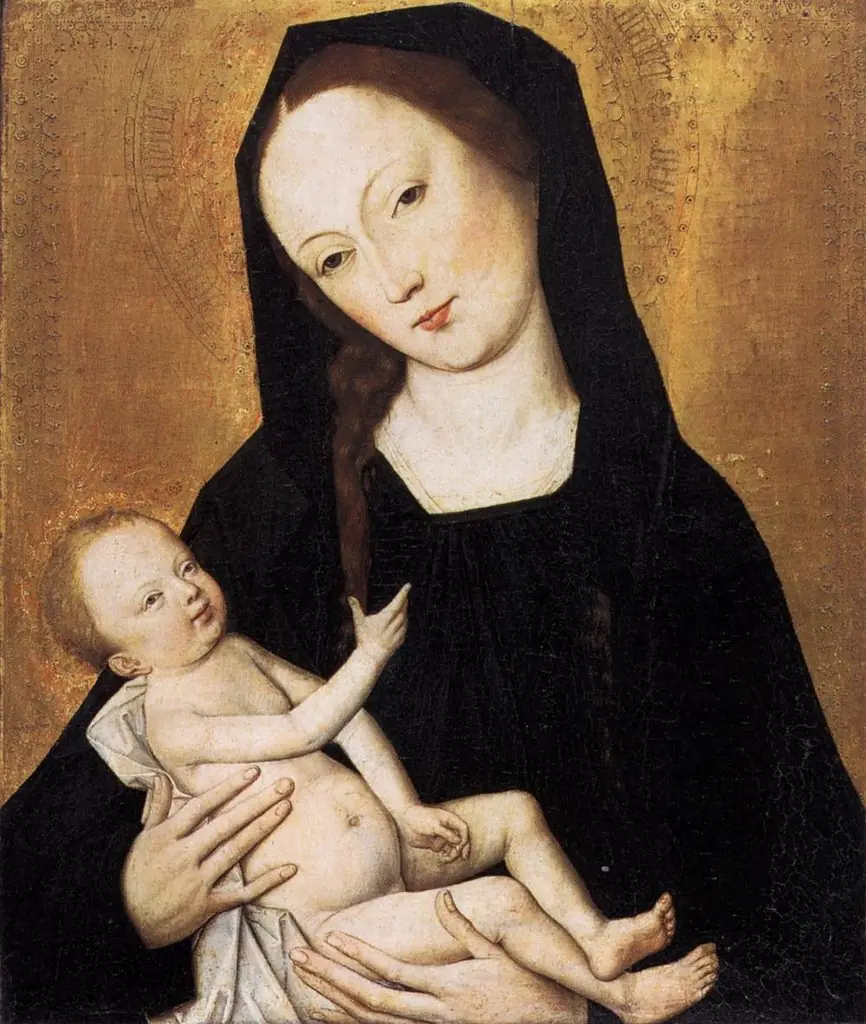 Maria mit dem Kind
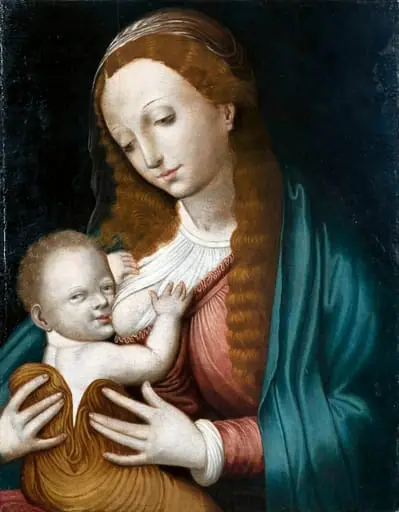 Fecioara cu Pruncul (Virgo Lactans)
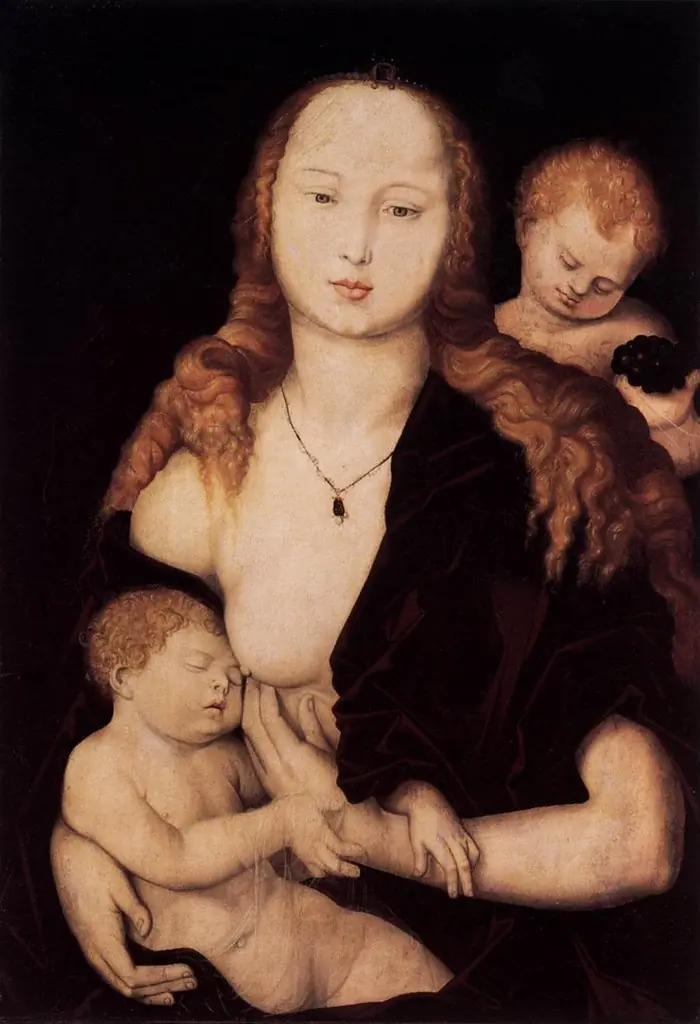 Mary with the Christ-child and an angel
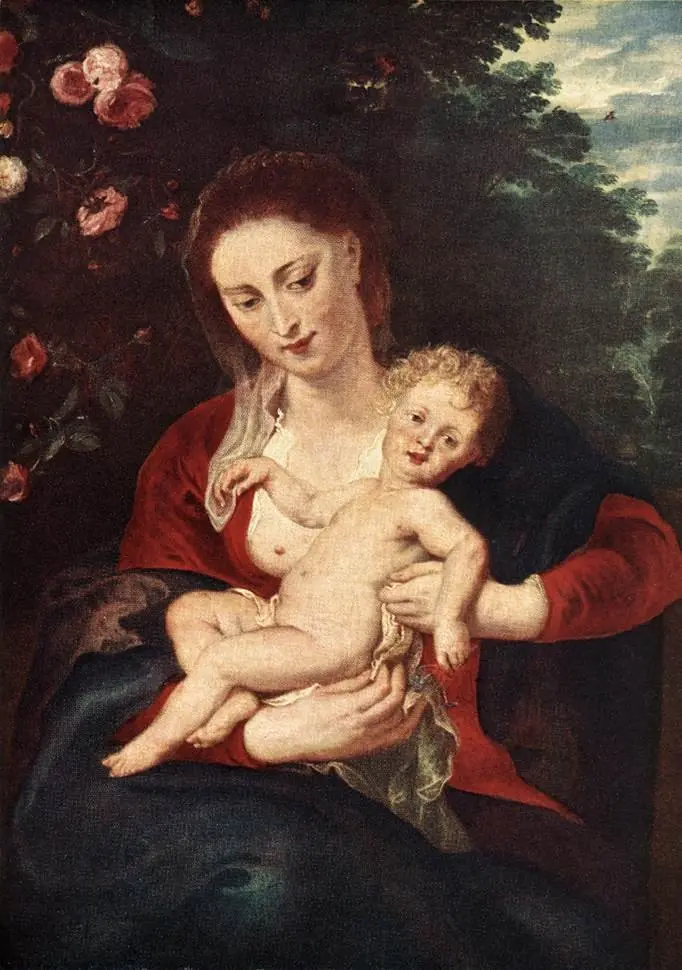 Madonna and Child with Periwinkle
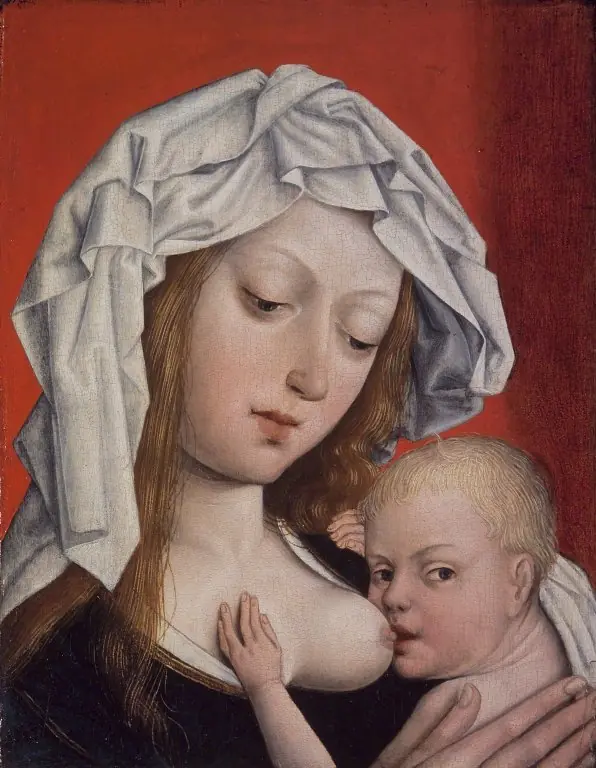 Madonna Nursing the Christ Child
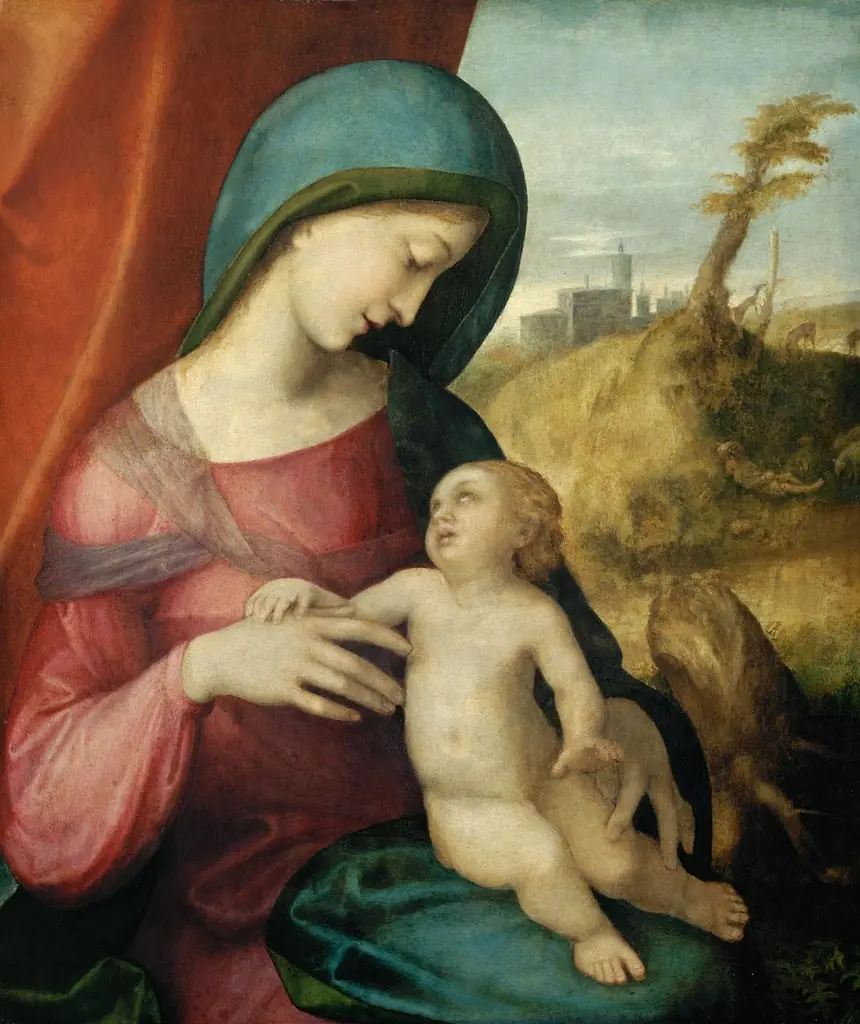 Mary and Child
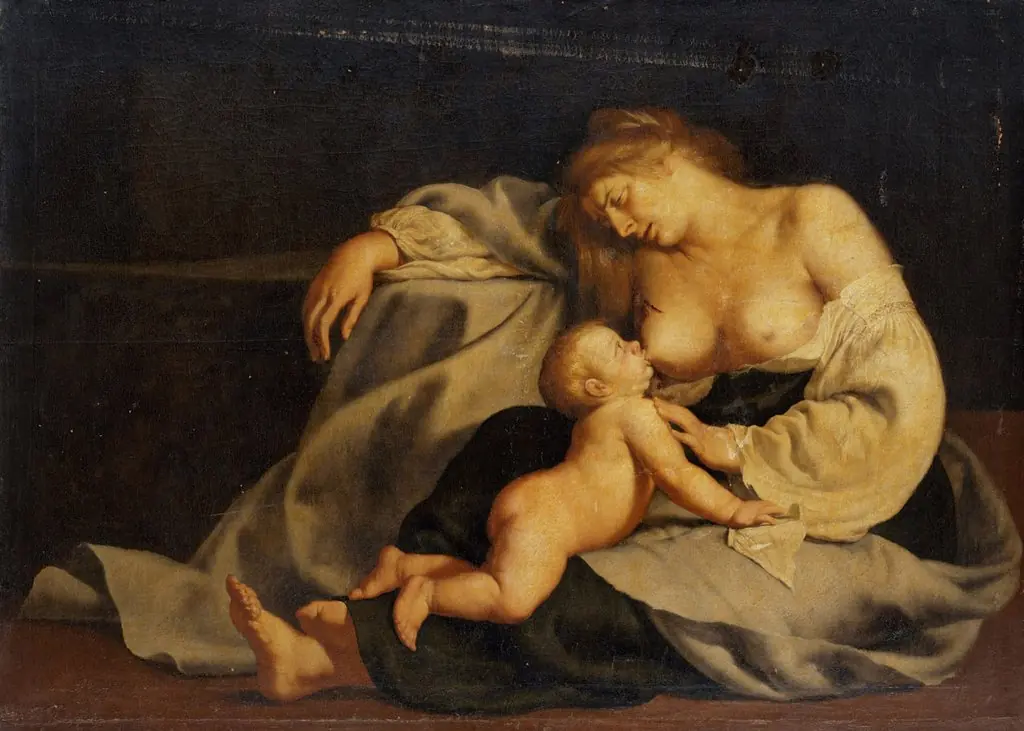 Sterbende Mutter nach einem Bild des Aristides von Theben