Artwork
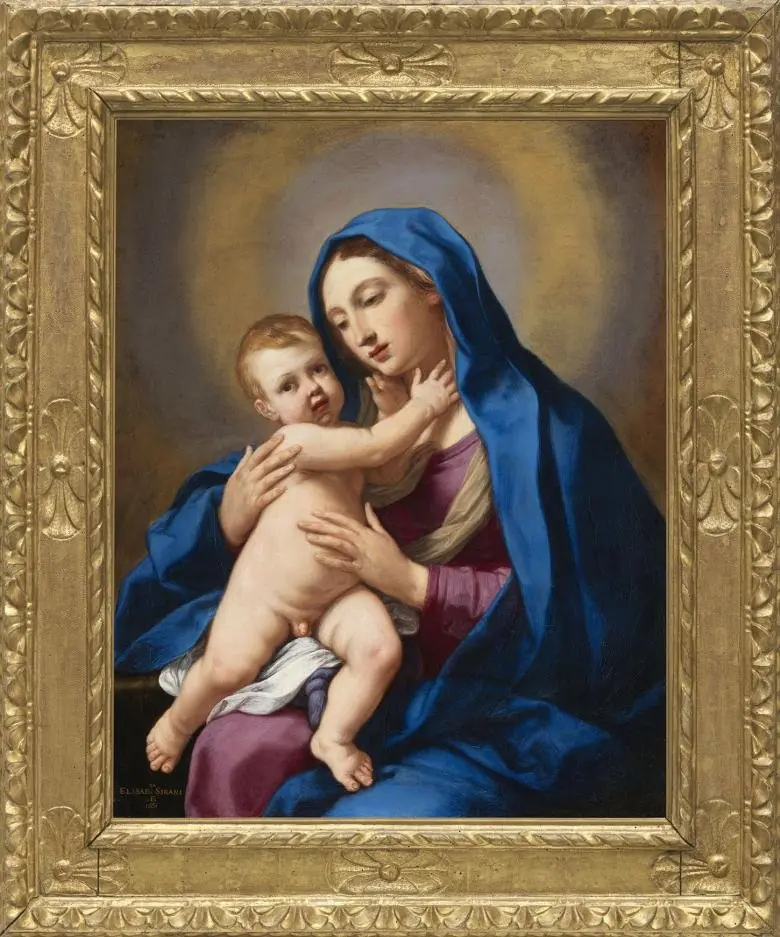
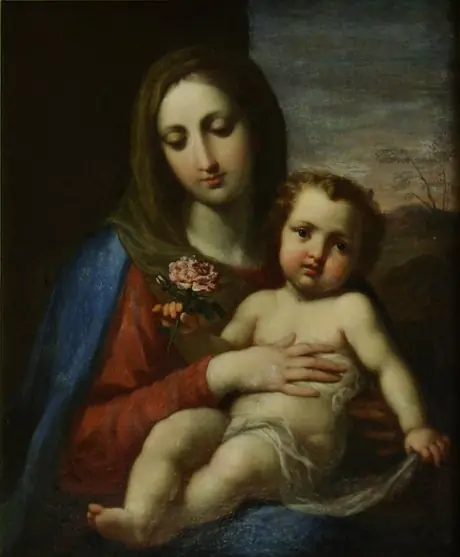
Neitsyt Maria ja Jeesus-lapsi
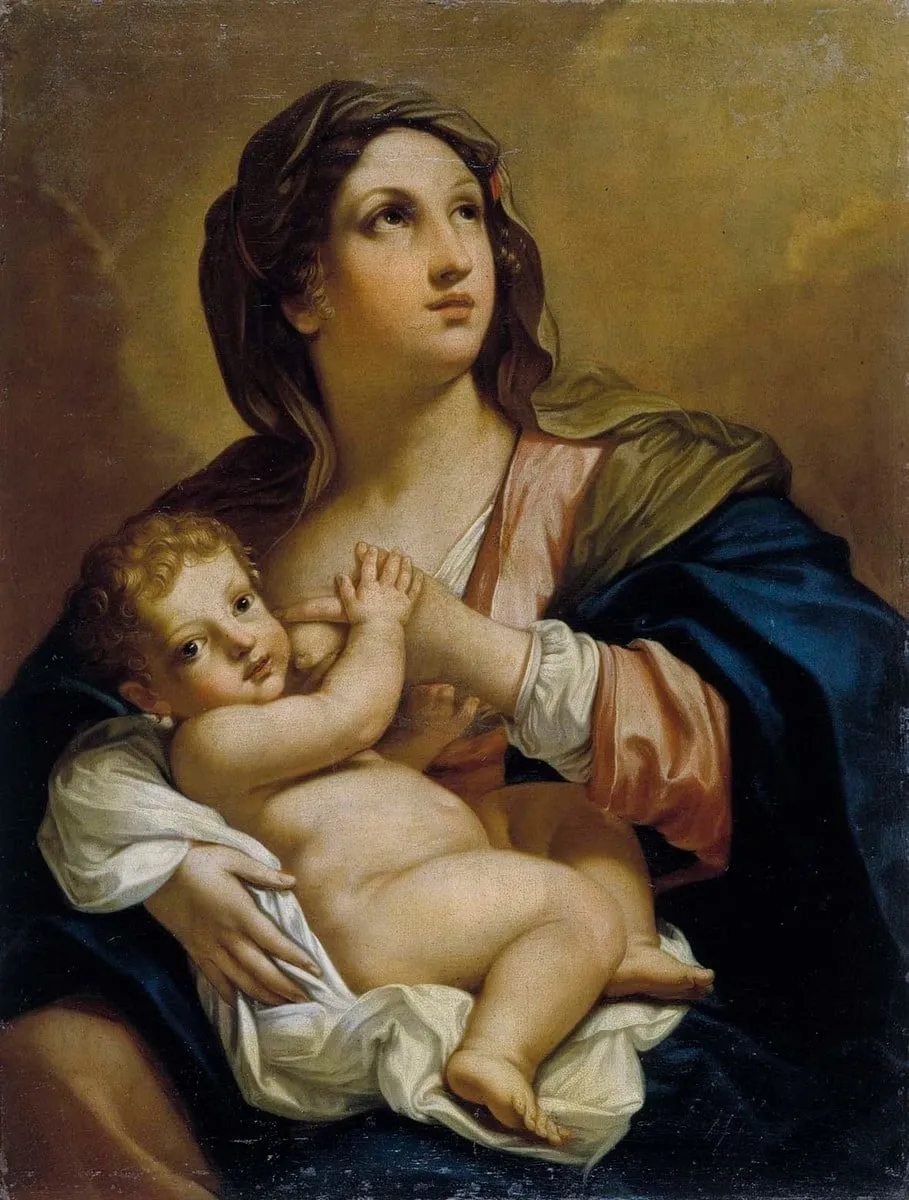
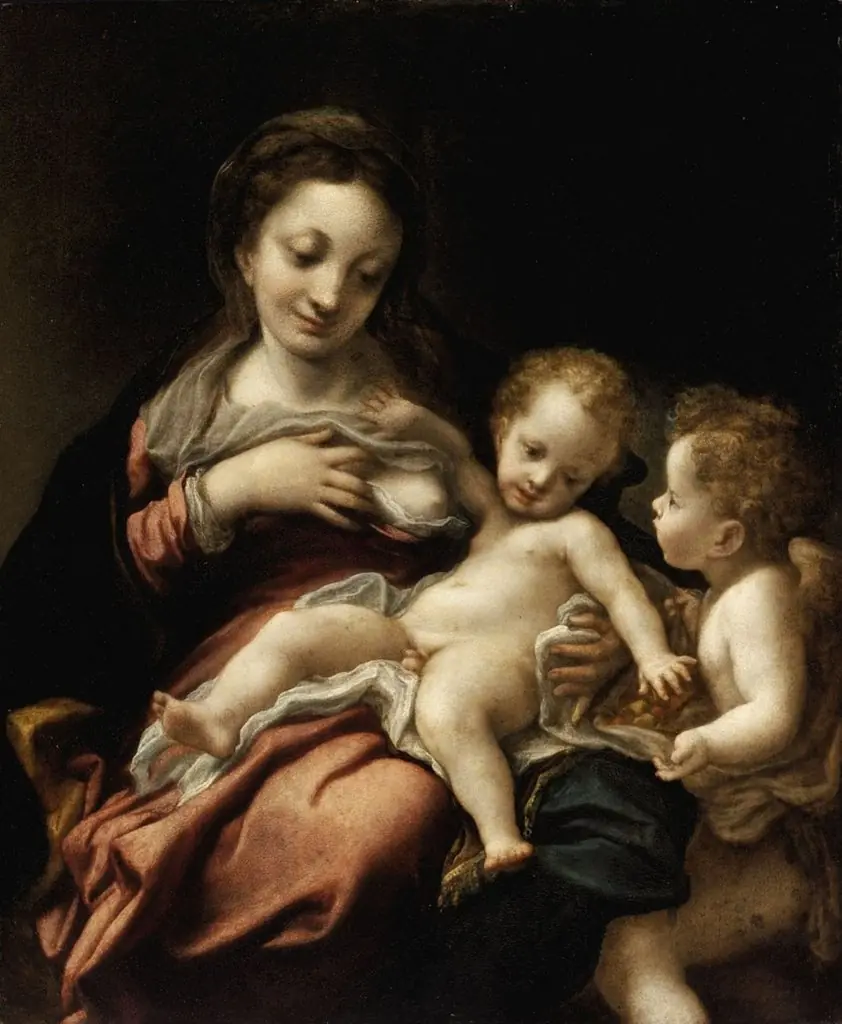
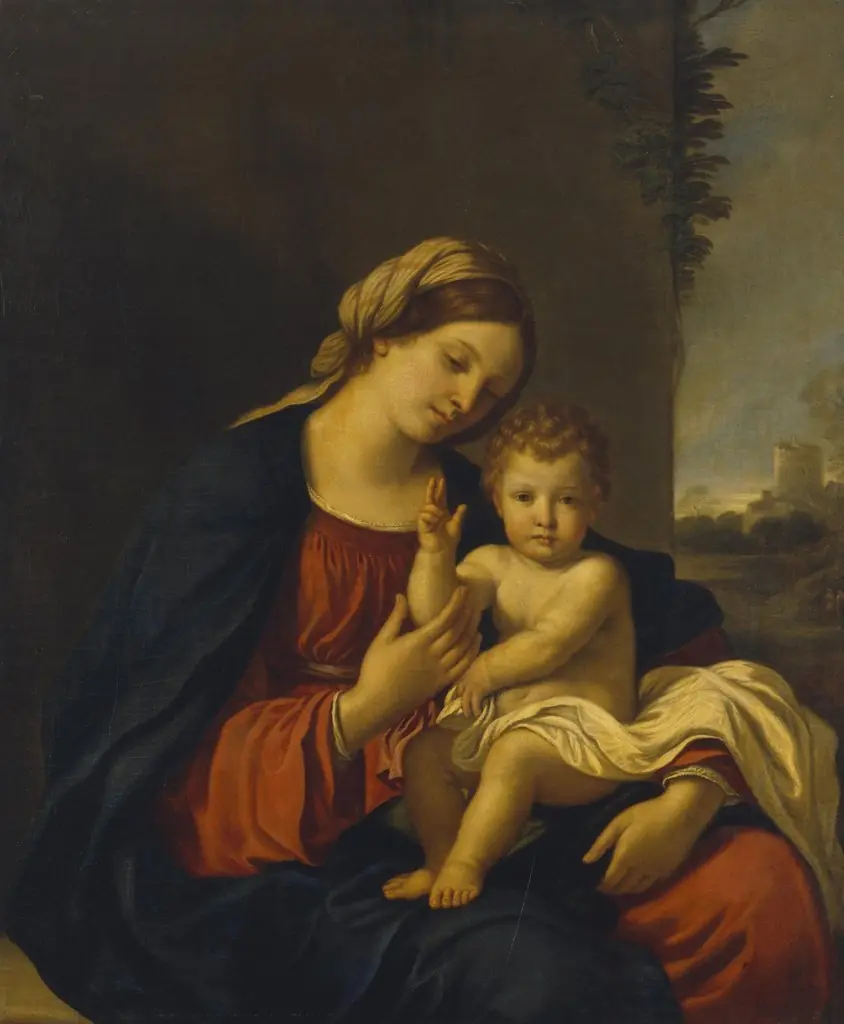
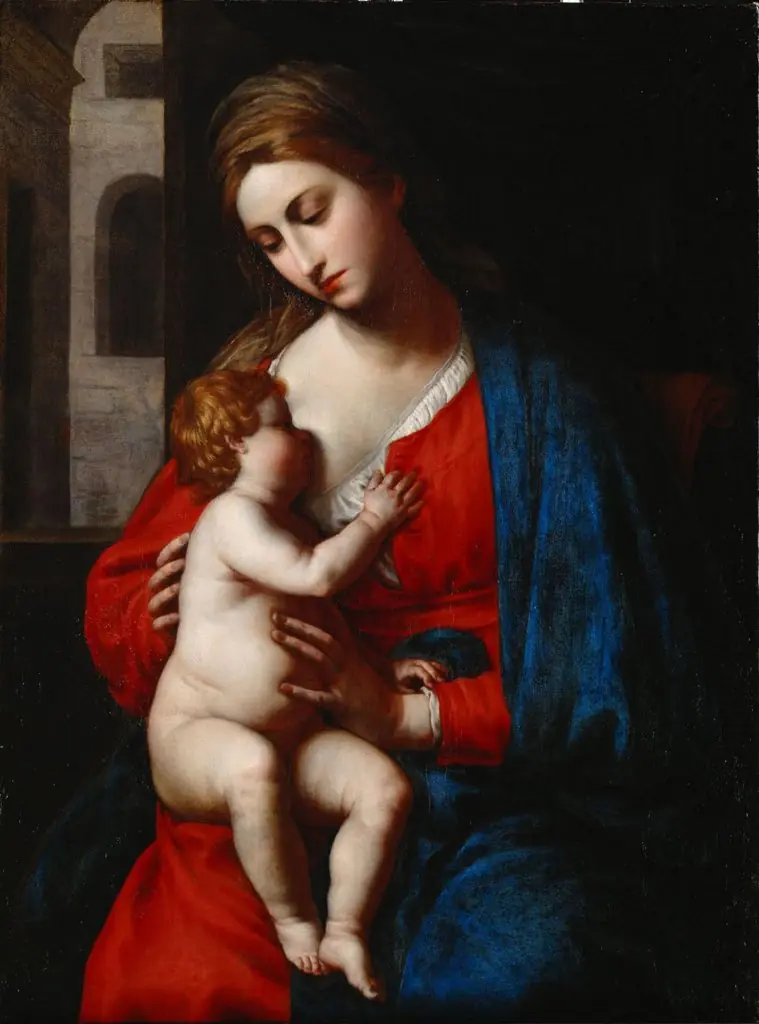
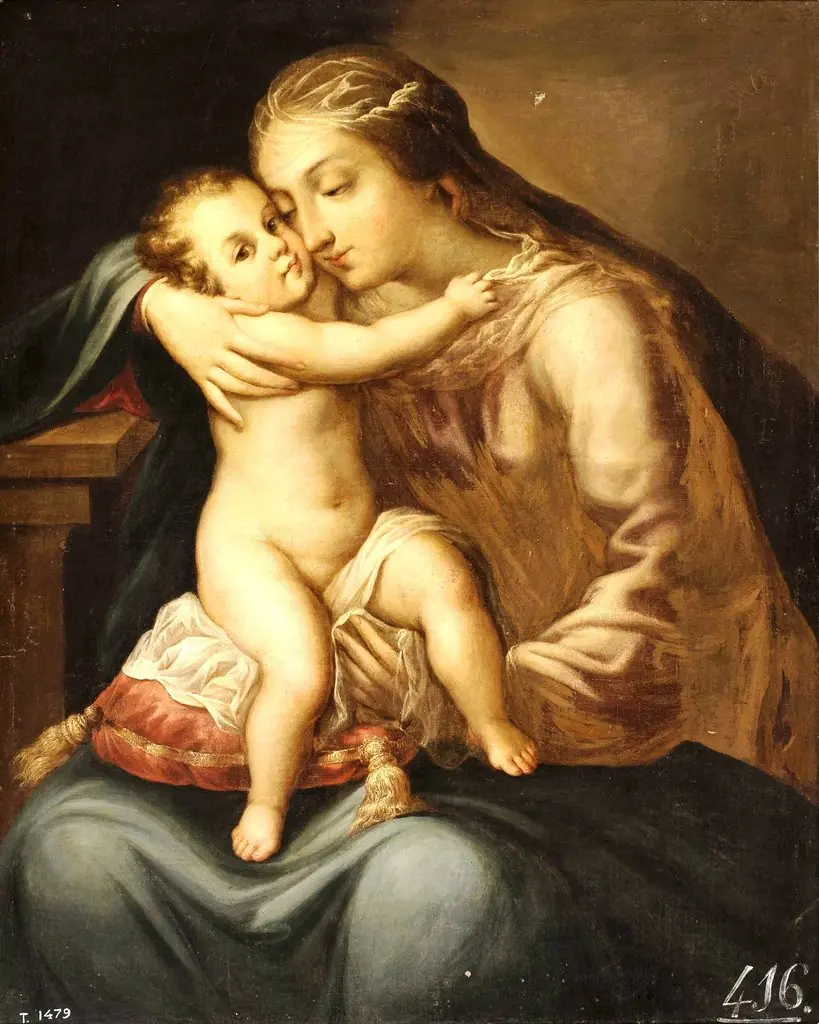
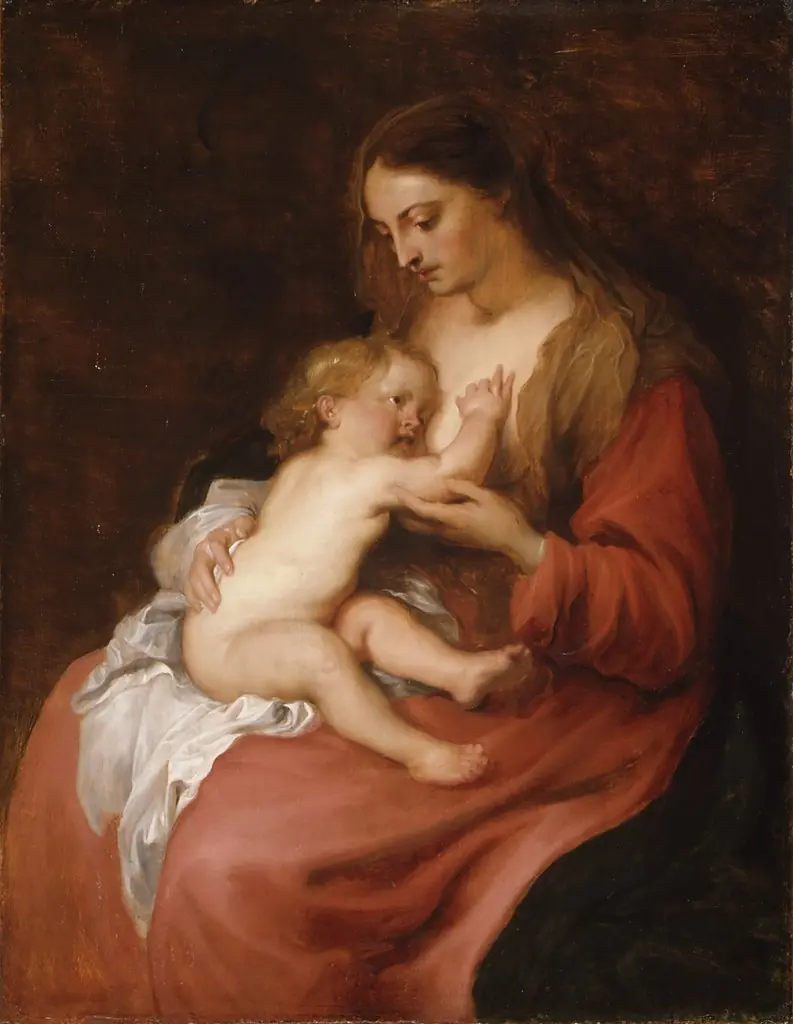
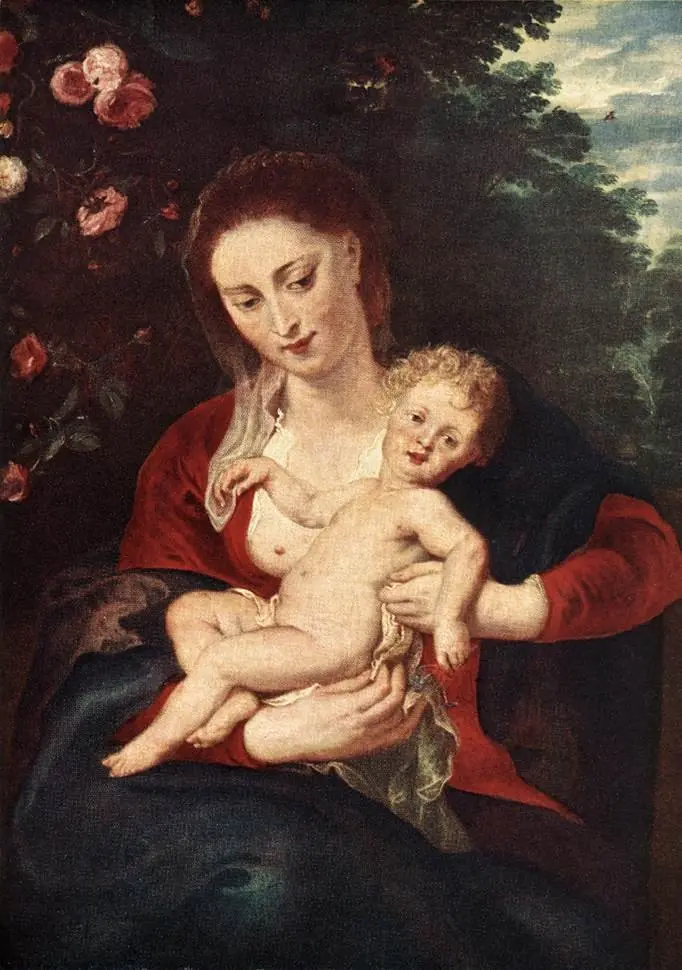
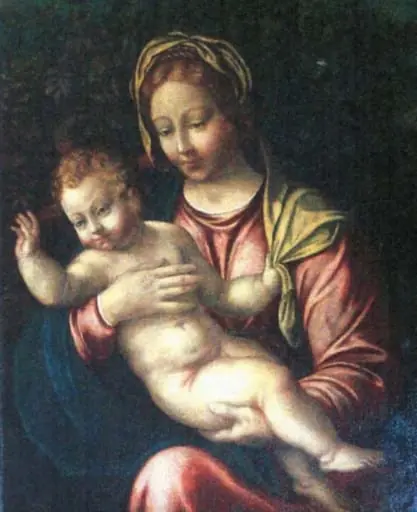
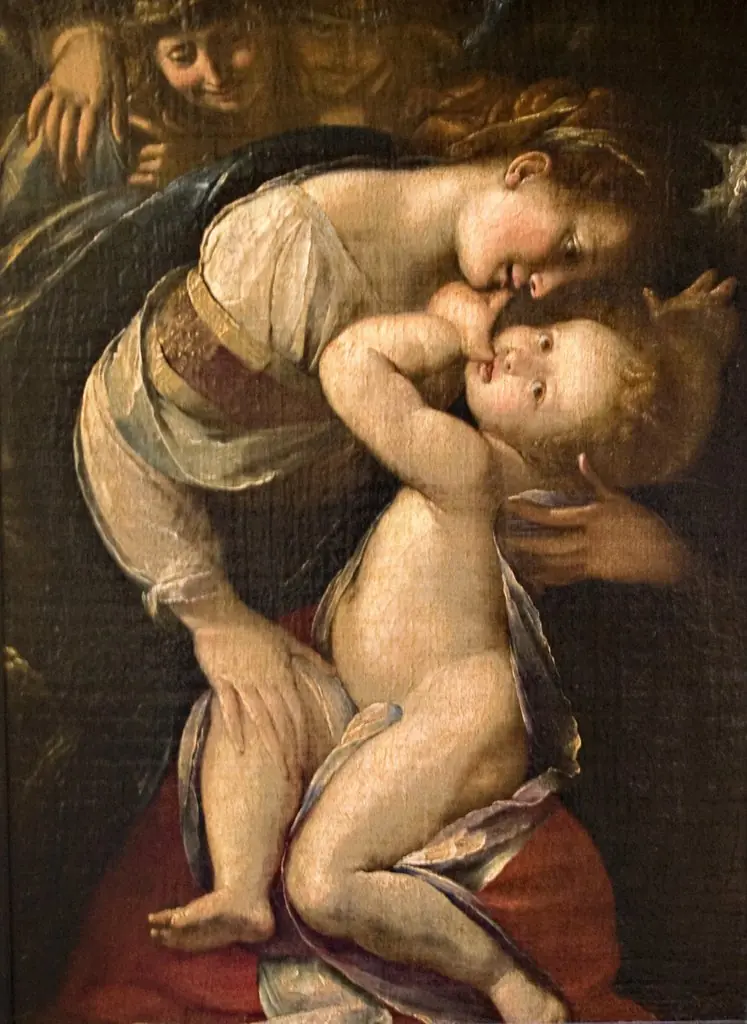
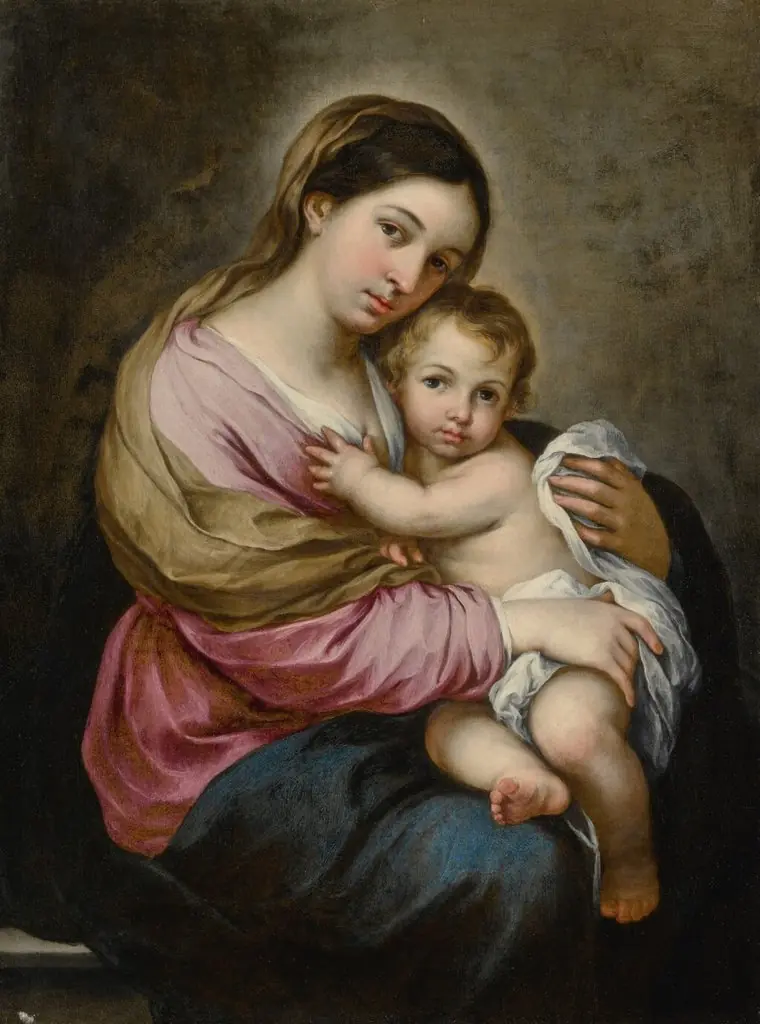
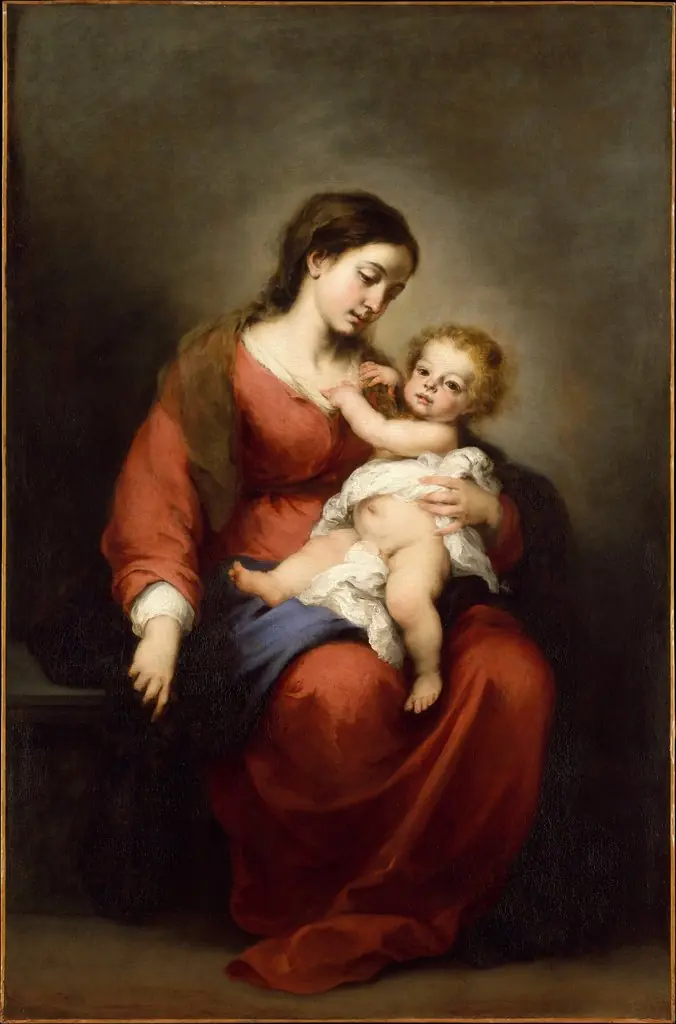
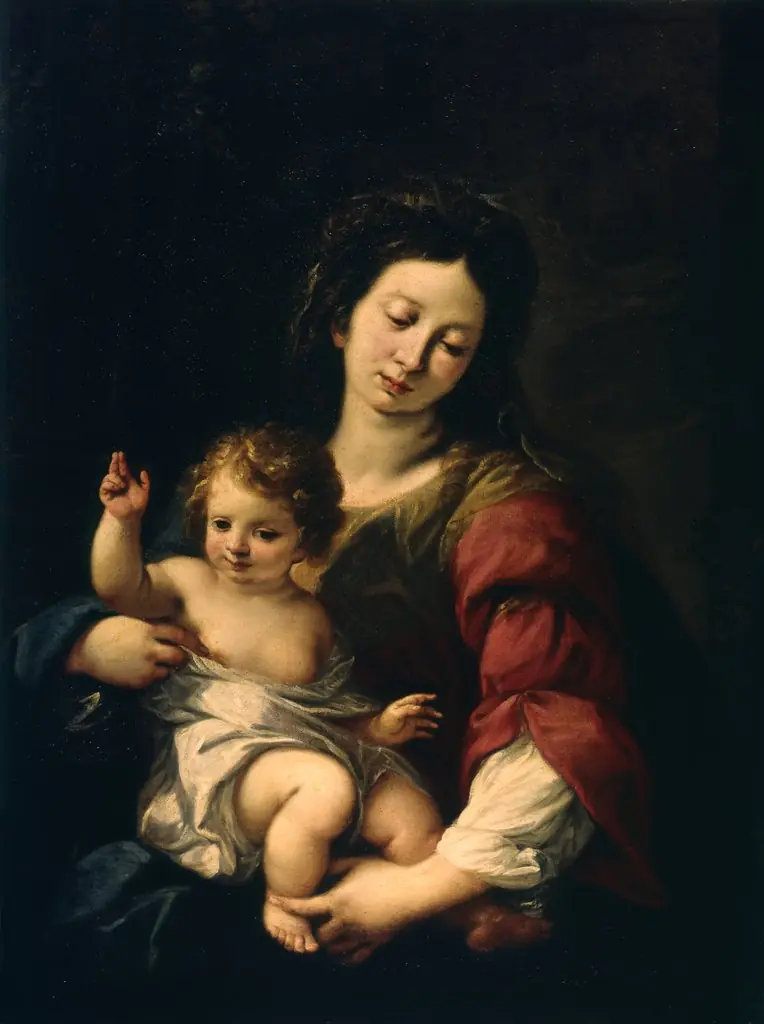
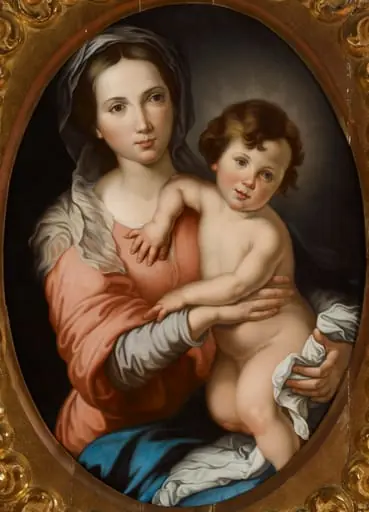
Neitsyt Maria ja Jeesus-lapsi is an unspecified painting by Elisabetta Sirani. It dates from 1665 and is held in the collection of the Finnish National Gallery.
About this work
Overview
Elisabetta Sirani painted *Neitsyt Maria ja Jeesus-lapsi* circa 1665, during the height of her brief but prolific career in Bologna.
Elisabetta Sirani painted *Neitsyt Maria ja Jeesus-lapsi* circa 1665, during the height of her brief but prolific career in Bologna. As one of the earliest female artists in the city to achieve professional recognition, she produced numerous religious compositions, often for private devotion or church commissions. Her work combined technical precision with emotional restraint, distinguishing her among contemporaries in a male-dominated field.
Subject & Meaning
The painting presents the Virgin Mary cradling the infant Jesus in a quiet, intimate moment. Rather than grand ceremonial symbolism, Sirani emphasizes tenderness and human connection. This focus on maternal warmth aligns with Counter-Reformation ideals that encouraged personal piety, making the divine accessible through everyday emotion rather than theatrical spectacle.
Technique & Style
Sirani employed chiaroscuro to model forms with subtle gradations of light and shadow, enhancing the three-dimensionality of the figures. Her brushwork is controlled yet fluid, avoiding the dramatic contrasts favored by some Caravaggisti. The composition is tightly framed, drawing attention to the faces and hands, where emotional nuance is conveyed through delicate gestures and soft transitions between tones.
History & Provenance
Created near the end of Sirani’s life, the painting was likely made for a private patron or religious institution in Bologna. After her sudden death in 1665 at age 27, her studio continued operating under her father’s management, preserving and distributing her works. The painting’s early provenance remains undocumented, but its survival suggests it was valued within her immediate circle.
Context
In mid-17th-century Bologna, women were rarely accepted as professional artists, yet Sirani trained in her father’s workshop and later ran her own studio with apprentices. Her success was unusual but not isolated—she benefited from the city’s strong artistic academies and a receptive Catholic elite. Religious imagery remained her primary subject, reflecting both personal faith and market demand.
Legacy
Sirani’s oeuvre influenced later generations of female artists in Italy, demonstrating that women could sustain professional careers in painting. Though her life was cut short, her output—including altarpieces, portraits, and devotional works—helped normalize the presence of women in artistic production. Her approach to sacred subjects, grounded in quiet humanity, contributed to a broader shift in Baroque religious art.
Artist & collection
Artist
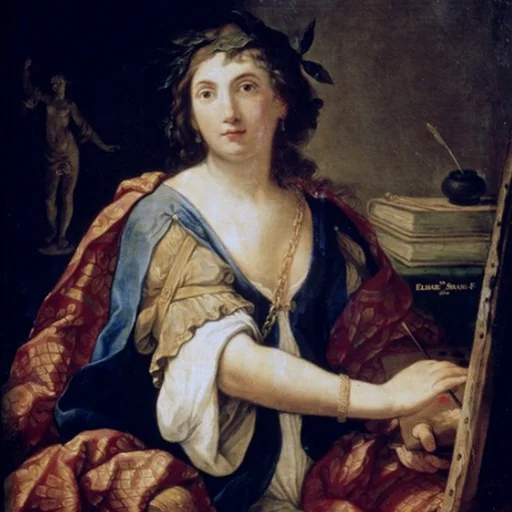
Elisabetta Sirani (8 January 1638 – 28 August 1665) was an Italian Baroque painter and printmaker who died in unexplained circumstances at the age of 27.