Artwork
Thierry of Alsace Brings the Holy Blood to Bruges
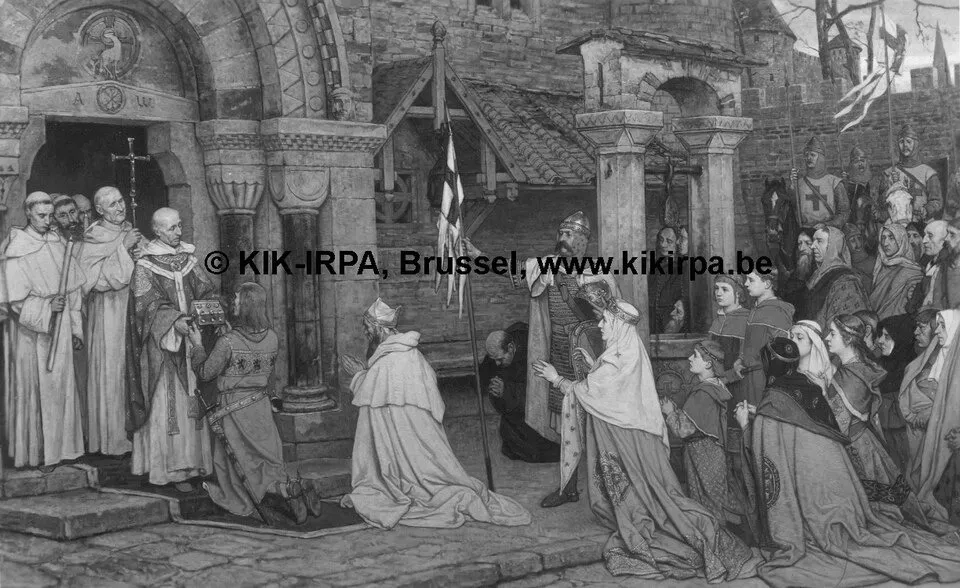
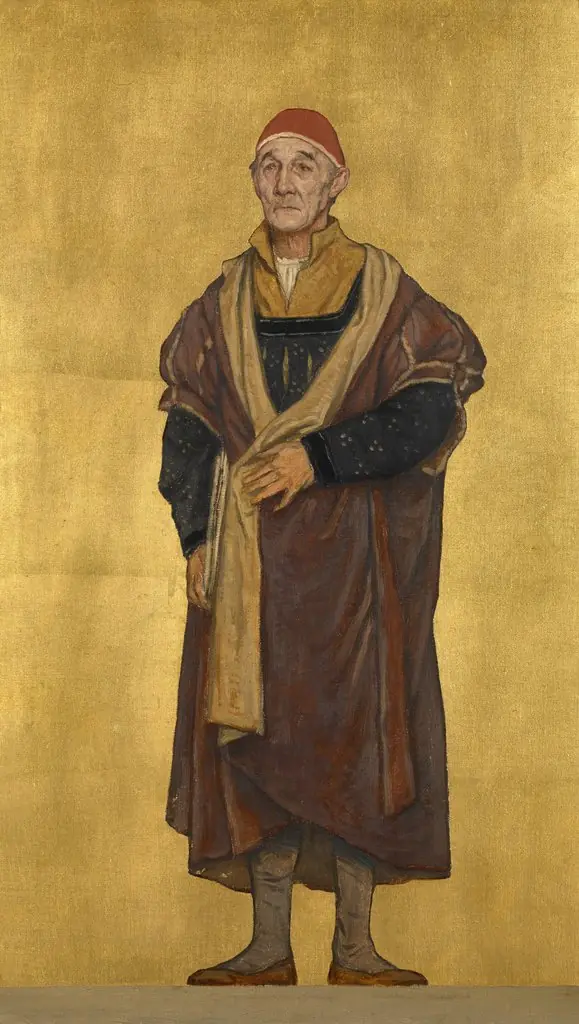
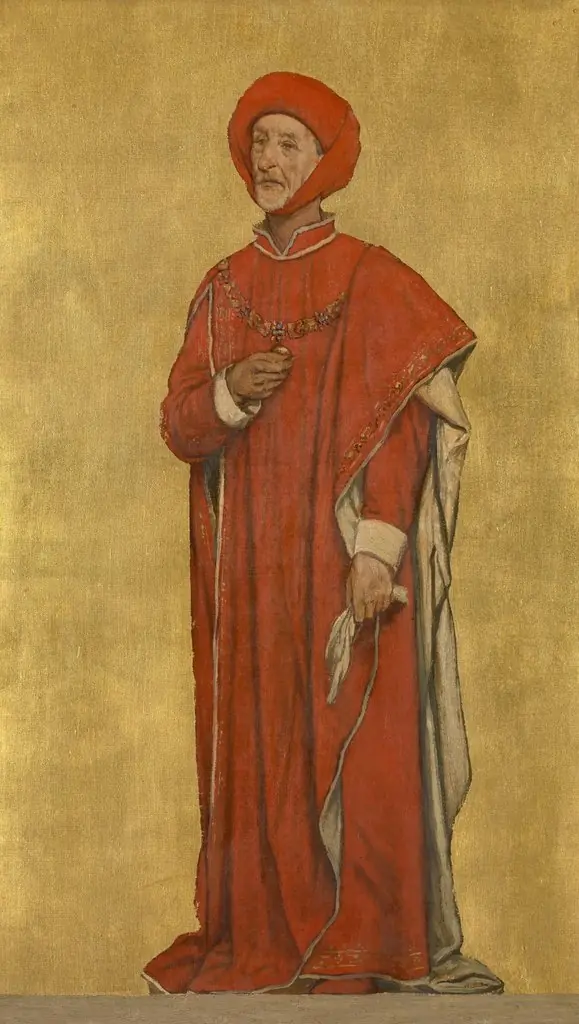
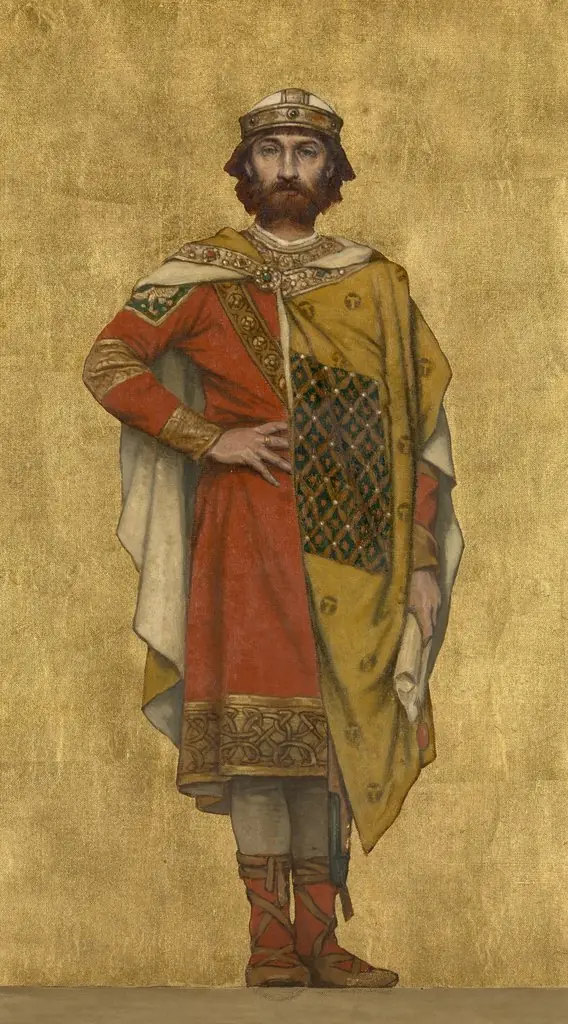
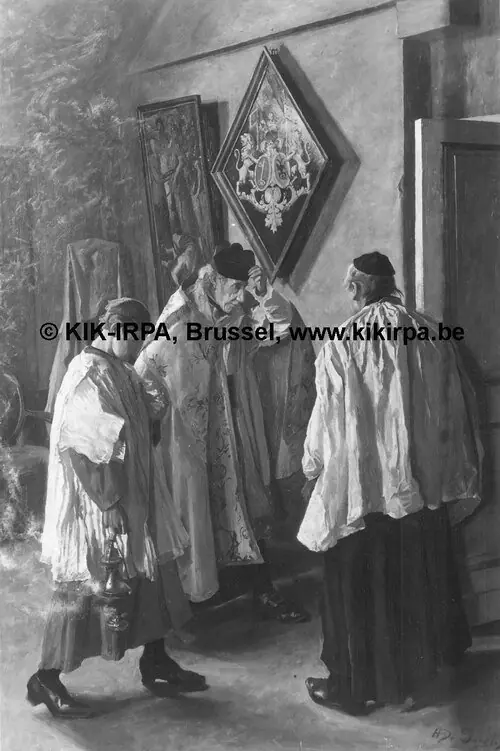
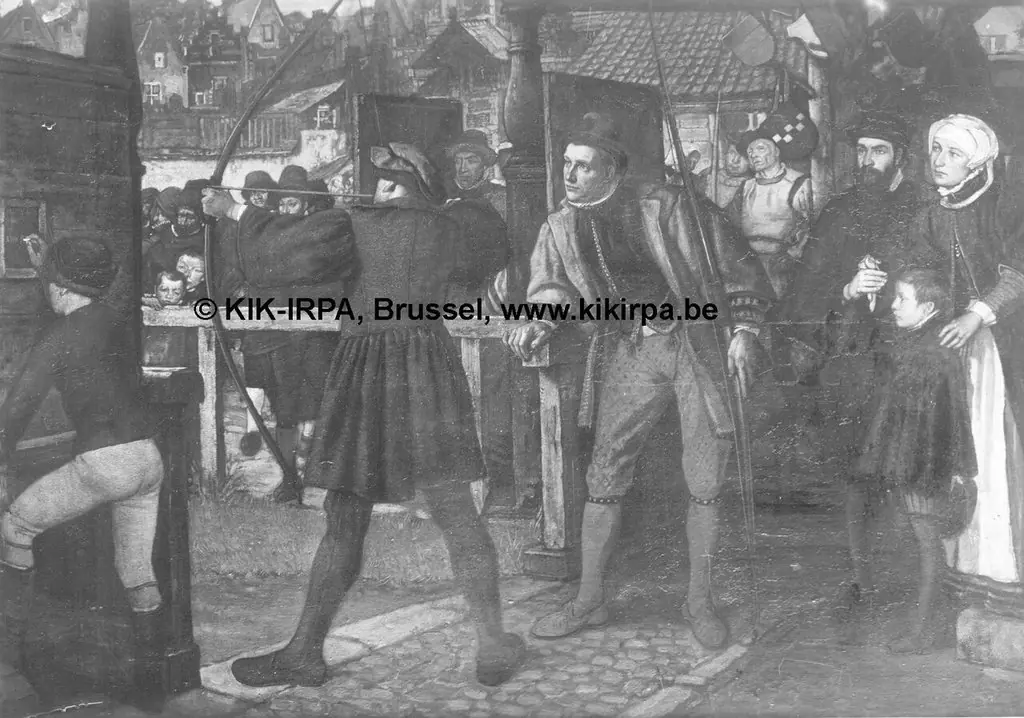
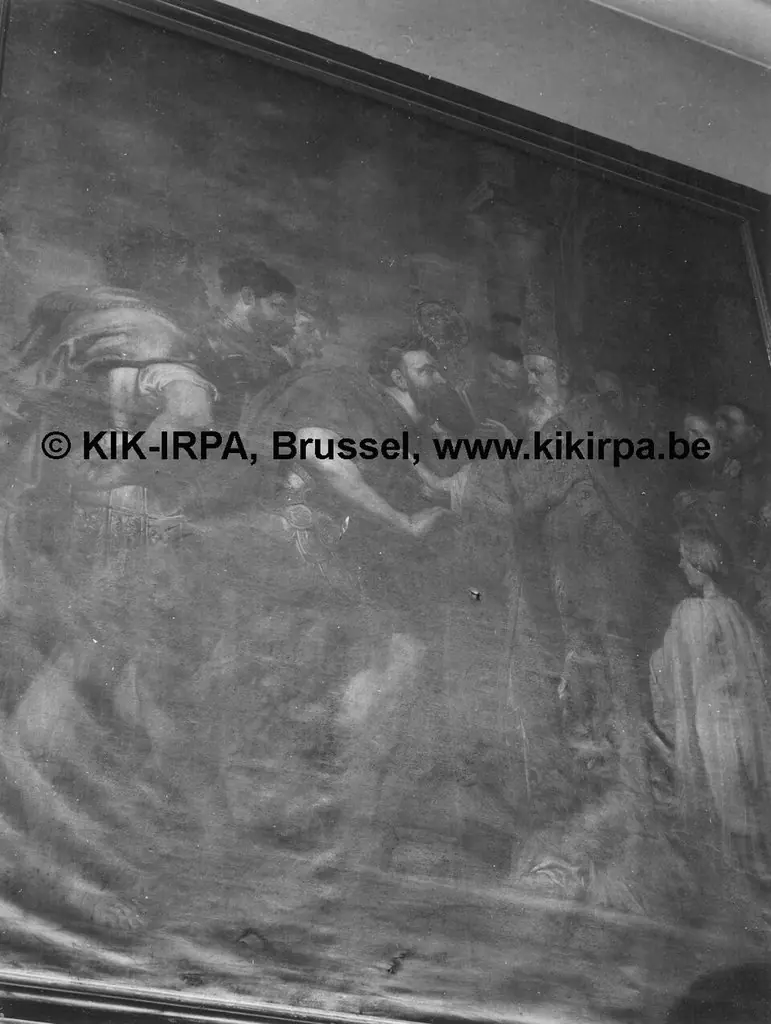
Thierry of Alsace Brings the Holy Blood to Bruges is an oil painting by the Post-Impressionist artist Albrecht De Vriendt. It dates from 1898 and is held in the collection of the Royal Museum of Fine Arts Antwerp.
About this work
Overview
It is held in the collection of the Royal Museum of Fine Arts Antwerp.
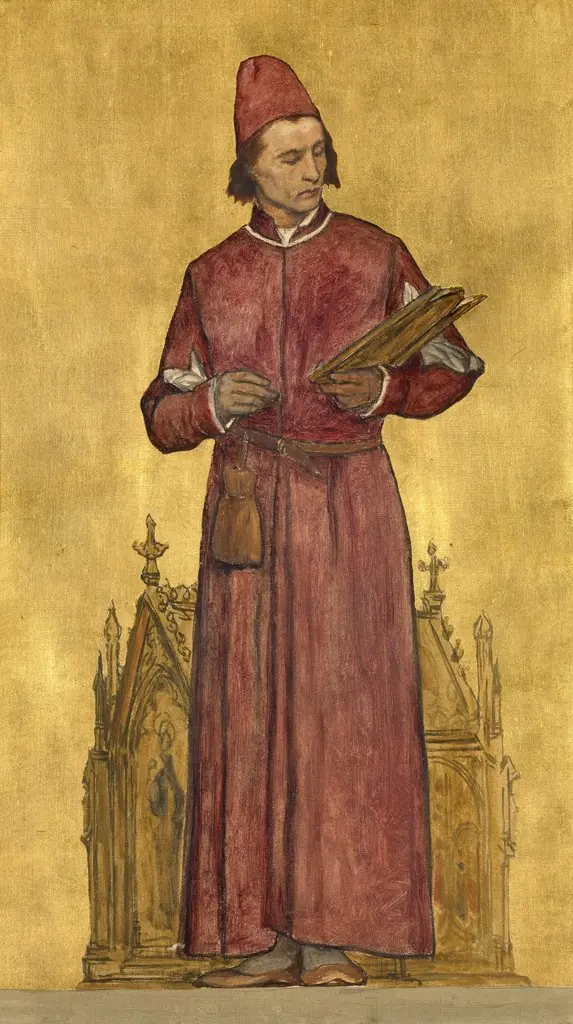
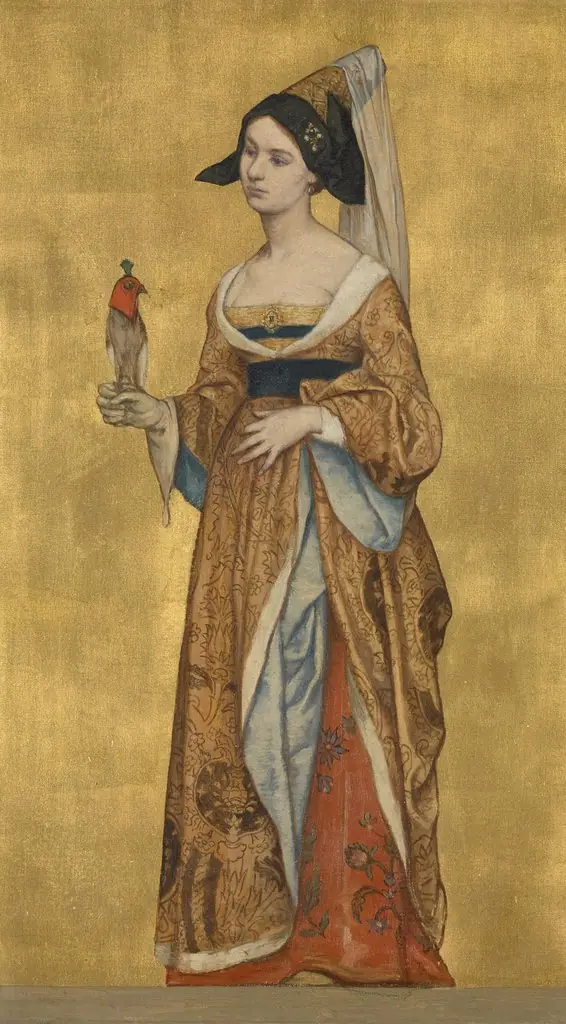
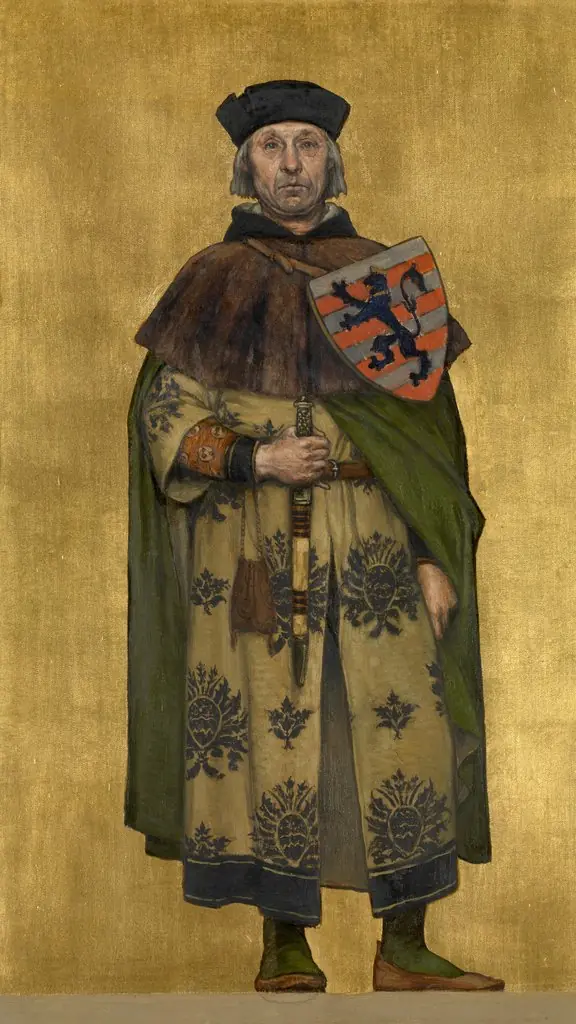
Painted in 1898 by Belgian artist Albrecht De Vriendt, this oil-on-canvas work depicts the ceremonial arrival of the Holy Blood relic in Bruges under the leadership of Thierry of Alsace. Executed in a restrained, realistic style, the painting belongs to the Belgian Romantic-historical tradition, which maintained its vitality in the late 19th century despite waning elsewhere in Europe. It is held in the collection of the Royal Museum of Fine Arts Antwerp.
Subject & Meaning
The scene illustrates the 12th-century transfer of a revered Christian relic—the Holy Blood—from the Crusader states to Bruges, brought by Count Thierry of Alsace. Central to the composition, Thierry stands in white robes, holding a banner that signifies the relic’s sacred status. The quiet procession and architectural backdrop emphasize the solemnity of the moment, framing the event as a pivotal act of religious devotion and civic identity for the city.
Technique & Style
De Vriendt employed oil paint to achieve a detailed, lifelike rendering of figures and architecture. The palette is dominated by muted earth tones—browns, grays, and soft ochres—enhancing the reverent atmosphere. Lighting is even and diffuse, avoiding dramatic contrasts. Figures are arranged with formal clarity, reflecting the conventions of 19th-century historical painting, where accuracy and dignity took precedence over emotional intensity.
History & Provenance
Commissioned as part of a broader cultural effort to visualize Belgium’s medieval past, the painting was completed in 1898 and entered the Royal Museum of Fine Arts Antwerp’s collection shortly thereafter. De Vriendt, a noted chronicler of historical narratives, drew from documented accounts of Thierry’s return from the Crusades, aligning the work with national efforts to reinforce regional heritage through visual storytelling.
Context
In late 19th-century Belgium, historical painting served as a tool for cultural affirmation amid rising nationalism. De Vriendt’s work reflects this trend, drawing on medieval themes to connect contemporary identity with a perceived noble past. The Holy Blood relic, still venerated in Bruges, provided a potent symbol of continuity, making its depiction both religiously significant and politically resonant.
Legacy
Though not widely exhibited beyond Belgium, the painting remains a representative example of the country’s sustained commitment to historical genre painting well into the modern era. De Vriendt’s approach—factual, composed, and restrained—contrasts with the expressive trends of Impressionism and Symbolism, preserving a quieter, more archival vision of history that continues to inform regional museum narratives.
Artist & collection
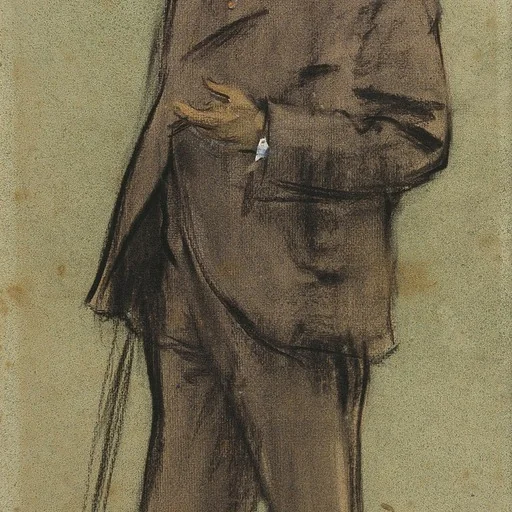
Artist
Albrecht Frans Lieven De Vriendt or Albrecht De Vriendt (In French-language publications referred to as Albert De Vriendt or Albert François Lieven De Vriendt) (Ghent, 8 December 1843 – Antwerp, 14 October 1900) was a…