Artwork
Untitled
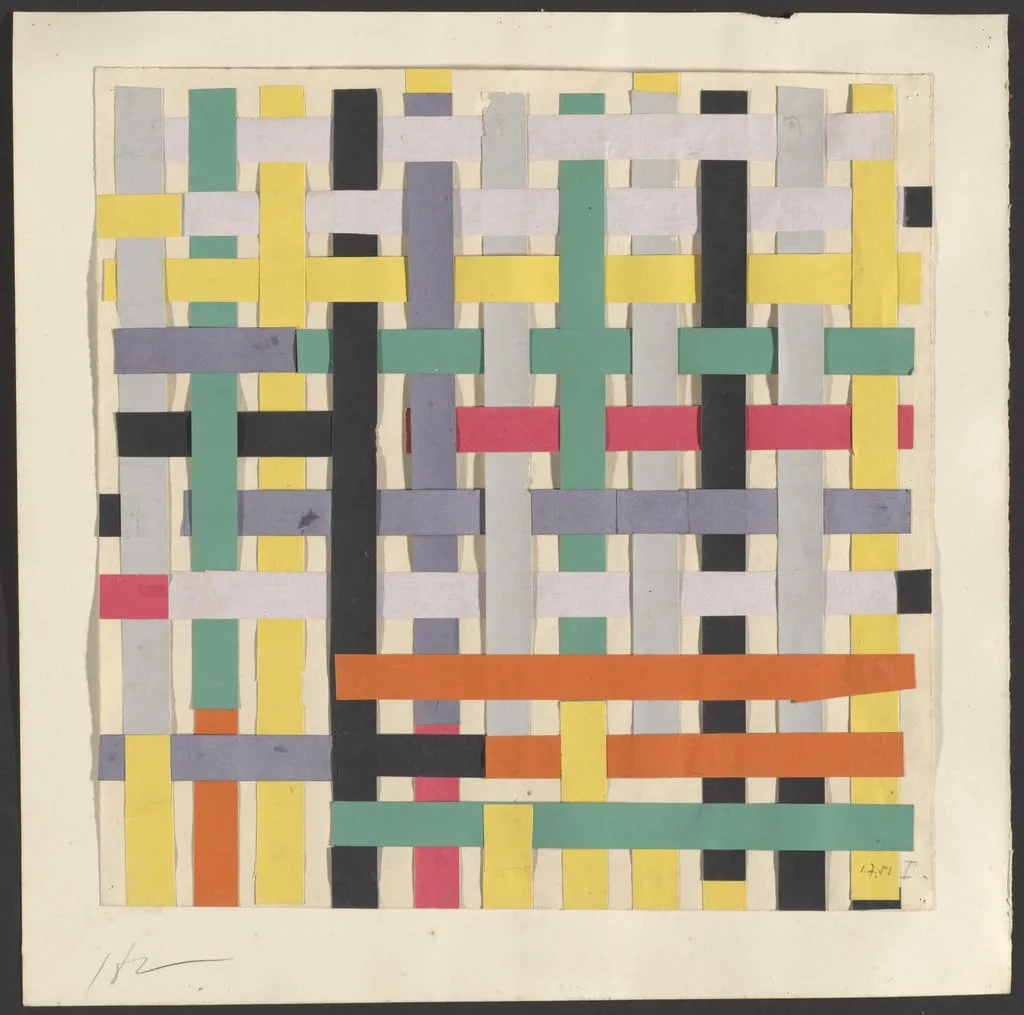
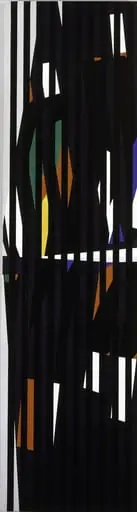
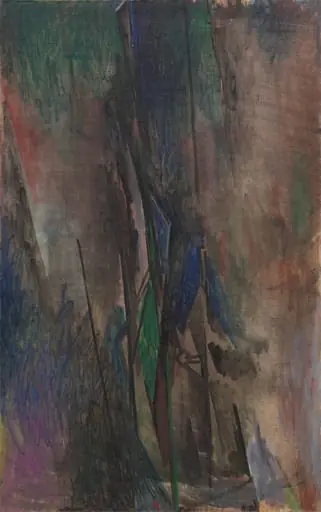
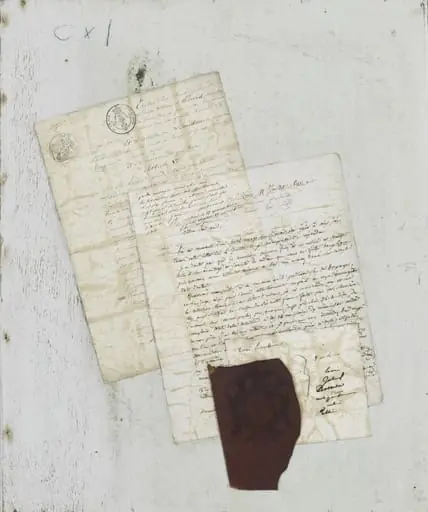
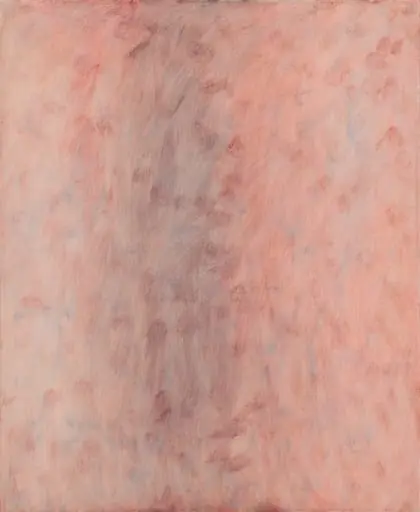
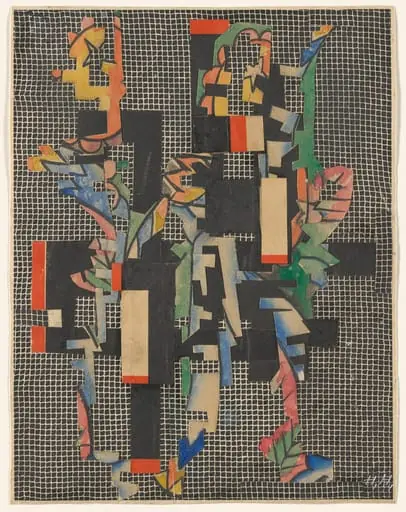
Untitled is a paint drawing by Alejandro Otero. It dates from 1951 and is held in the collection of the Museum of Modern Art.
About this work
Overview
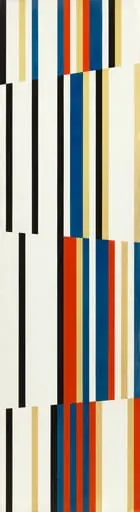
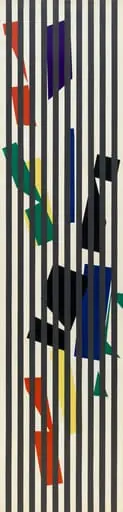
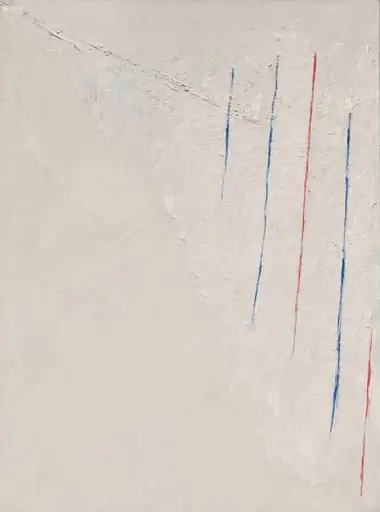
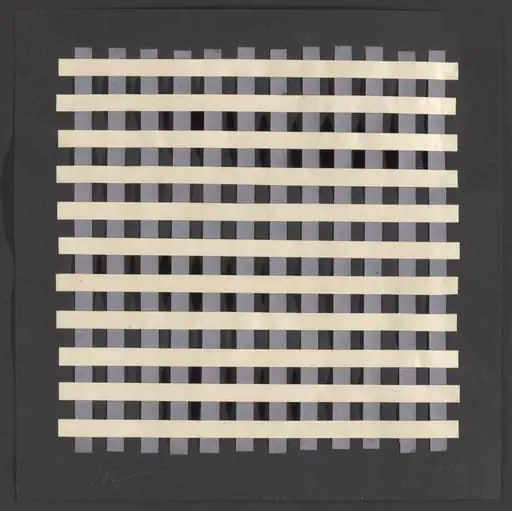
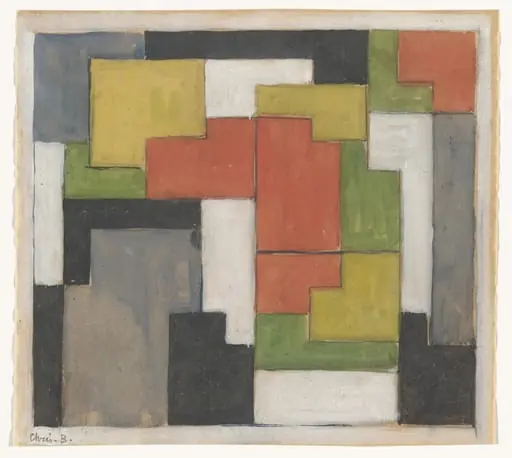
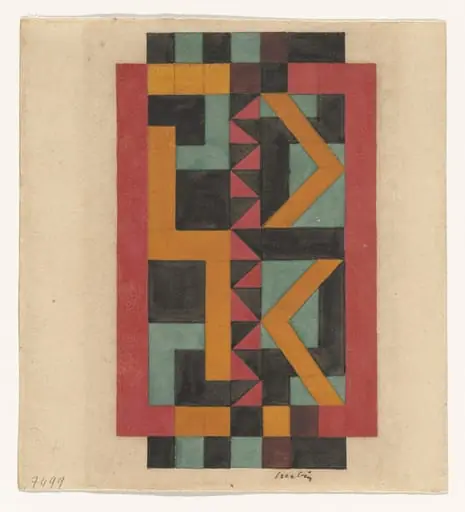
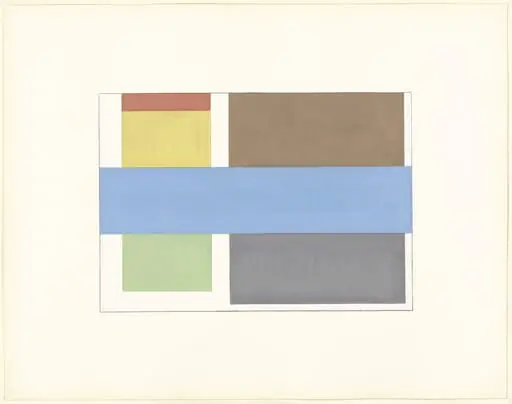
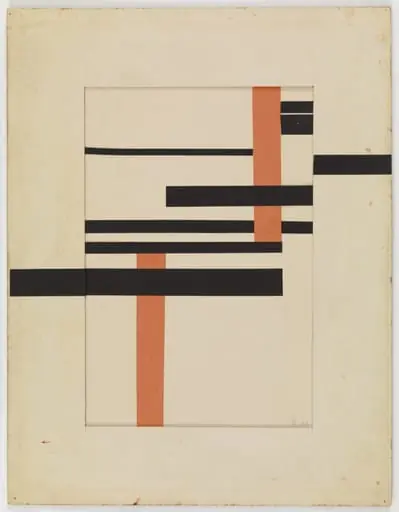
Created in 1951, this work by Venezuelan artist Alejandro Otero is a geometric composition made from hand-cut colored paper strips assembled on a paper support.
Created in 1951, this work by Venezuelan artist Alejandro Otero is a geometric composition made from hand-cut colored paper strips assembled on a paper support. It belongs to a series of collages Otero produced during a period of intense experimentation with form and color. The piece reflects his move away from figurative representation toward structured abstraction, aligning with broader international trends in postwar art while remaining rooted in his own cultural context.
Subject & Meaning
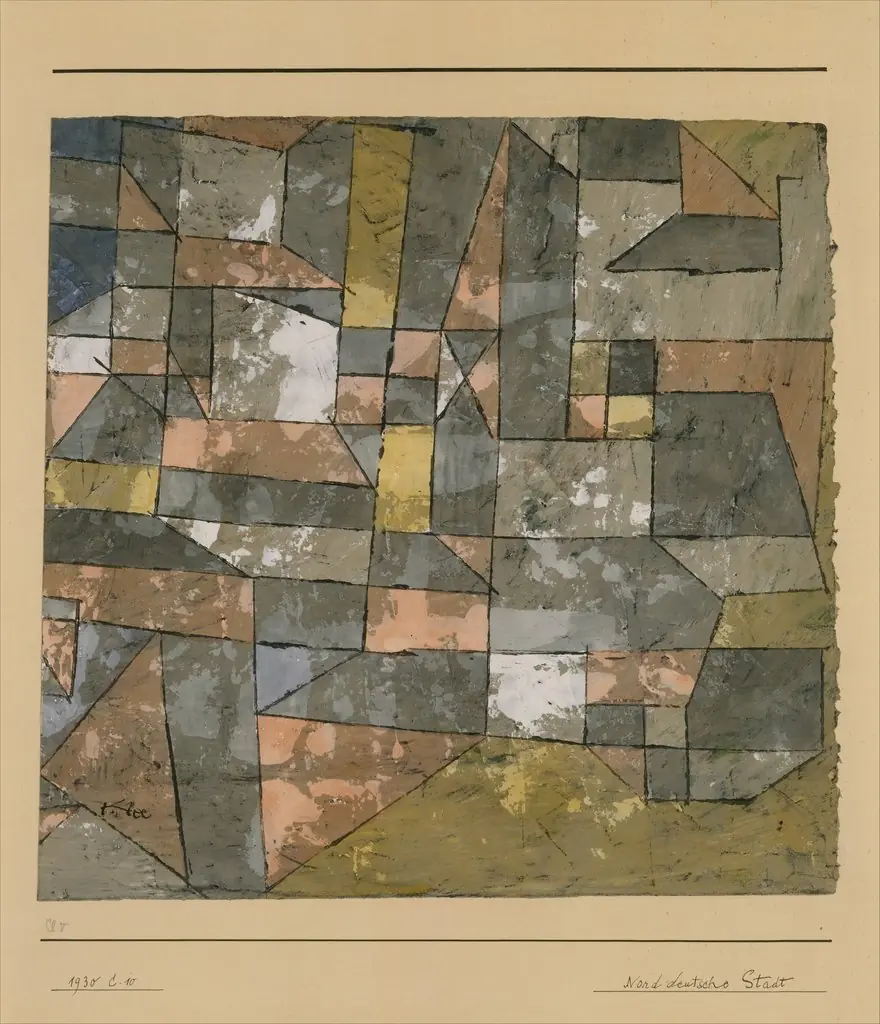
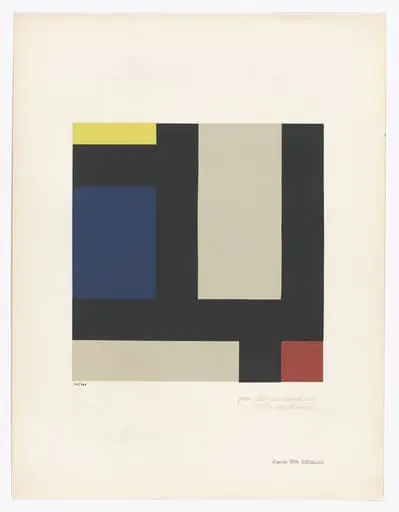
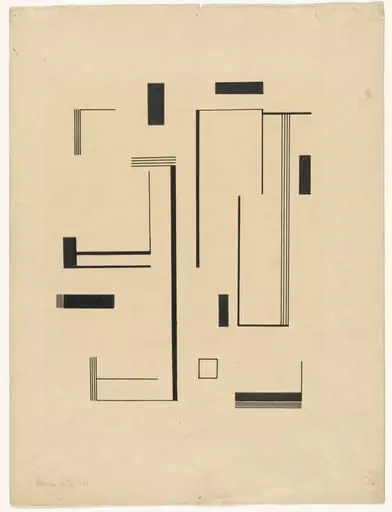
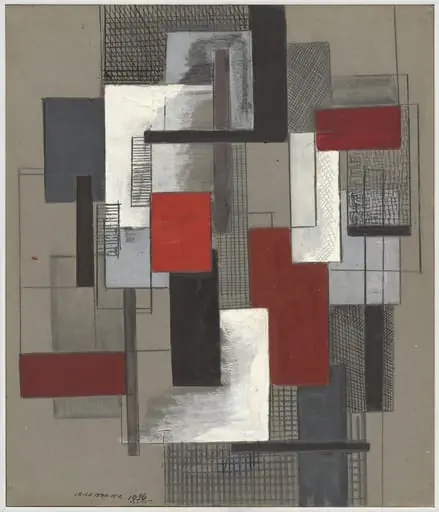
The work does not depict a recognizable subject but instead explores the relationships between color, line, and spatial division. The arrangement of irregularly sized strips creates rhythmic tension and visual equilibrium without narrative intent. Otero’s focus was on the autonomy of form—how simple elements, when ordered with precision, could generate complexity and emotional resonance through pure visual interaction.
Technique & Style
Otero constructed the piece by cutting and pasting colored paper into a grid of intersecting horizontal and vertical bands. Each strip varies in width and hue, with no two identical, producing a dynamic, non-repeating pattern. The hand-cut edges and uneven alignment emphasize the artist’s manual process, distinguishing it from mechanical precision. This method allowed for subtle variations in tone and texture, enhancing the work’s tactile and optical depth.
History & Provenance
The work entered the collection of The Museum of Modern Art as part of its broader effort to document international developments in modern abstraction. It was created during Otero’s formative years as a leading figure in Venezuela’s avant-garde, shortly after his involvement with Los Disidentes, a group that challenged traditional artistic norms in Latin America. Its inclusion in MoMA’s holdings reflects its significance in the global discourse on geometric art.
Context
In the early 1950s, artists across Europe and the Americas were redefining abstraction through non-representational forms. Otero’s collages emerged alongside movements like Concrete Art and Neo-Concretism, sharing an interest in mathematical order and industrial aesthetics. Yet his use of humble materials and handcrafted execution distinguished his approach from more rigid European counterparts, grounding abstraction in a distinctly Latin American sensibility.
Legacy
This work exemplifies Otero’s pivotal role in expanding the vocabulary of Latin American modernism. His cut-paper method influenced later generations of artists exploring seriality and color theory. Though modest in scale, the piece helped establish a precedent for abstraction rooted in material experimentation rather than grandiose gesture, contributing to a broader recognition of non-Western contributions to 20th-century geometric art.
Artist & collection
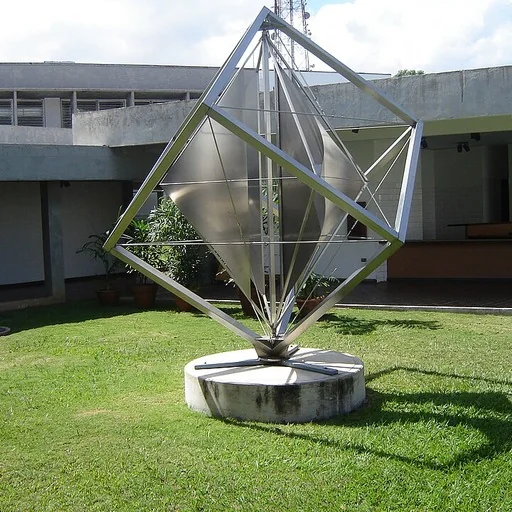
Artist
Alejandro Otero (El Manteco, Bolívar, March 7, 1921 — Caracas, August 13, 1990) was a Venezuelan painter of Geometric abstraction, a sculptor, a writer and a cultural promoter. He was a founding member of the Los Disidentes group.