Artwork
A Florentine Page
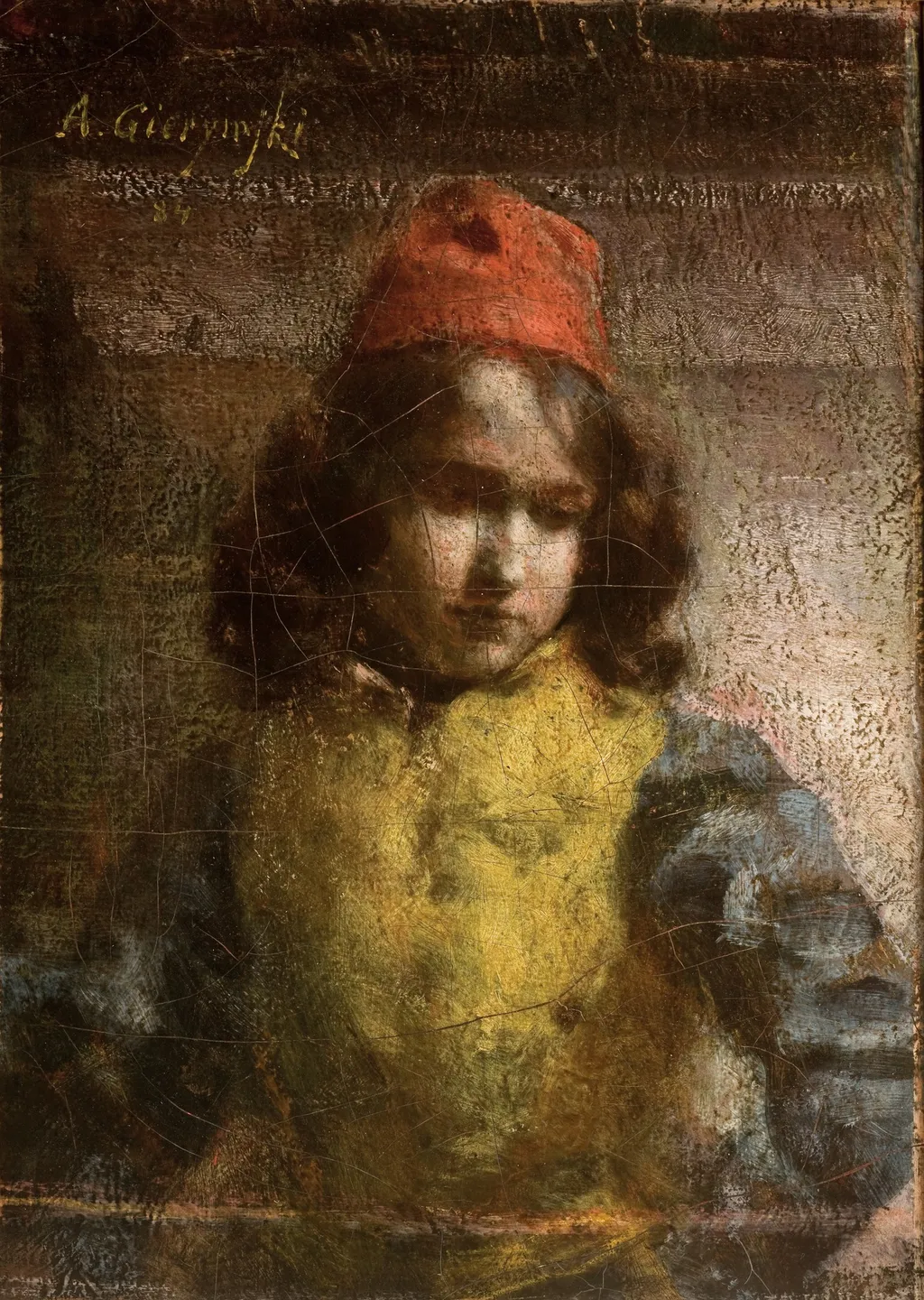
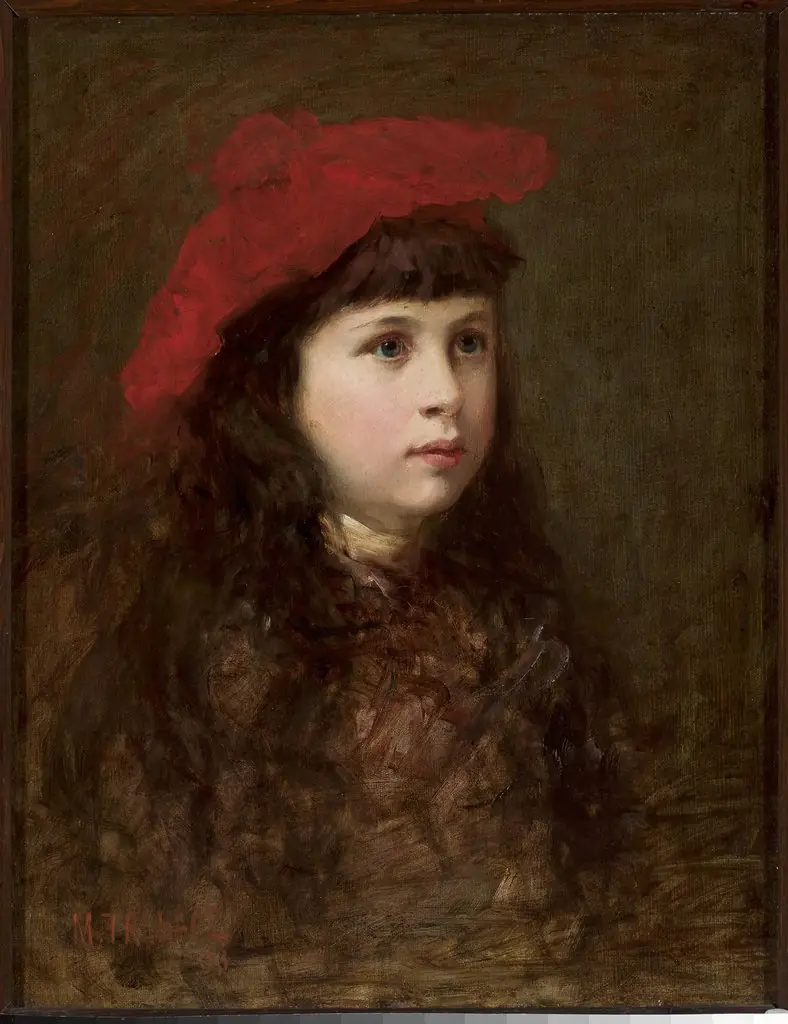
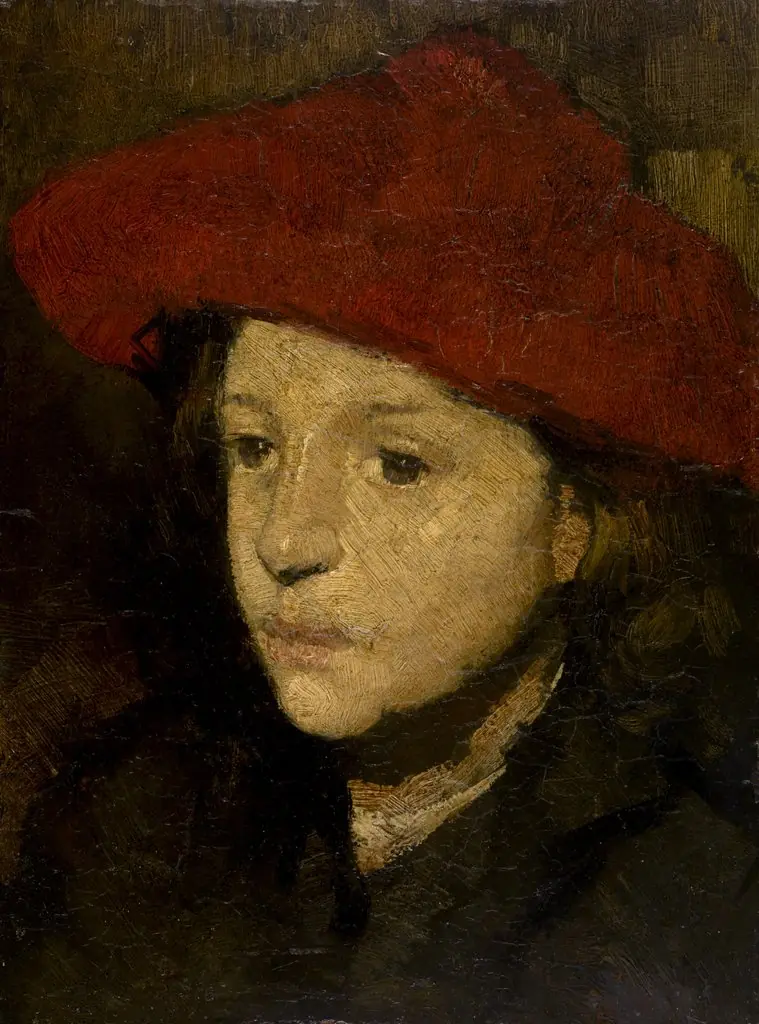
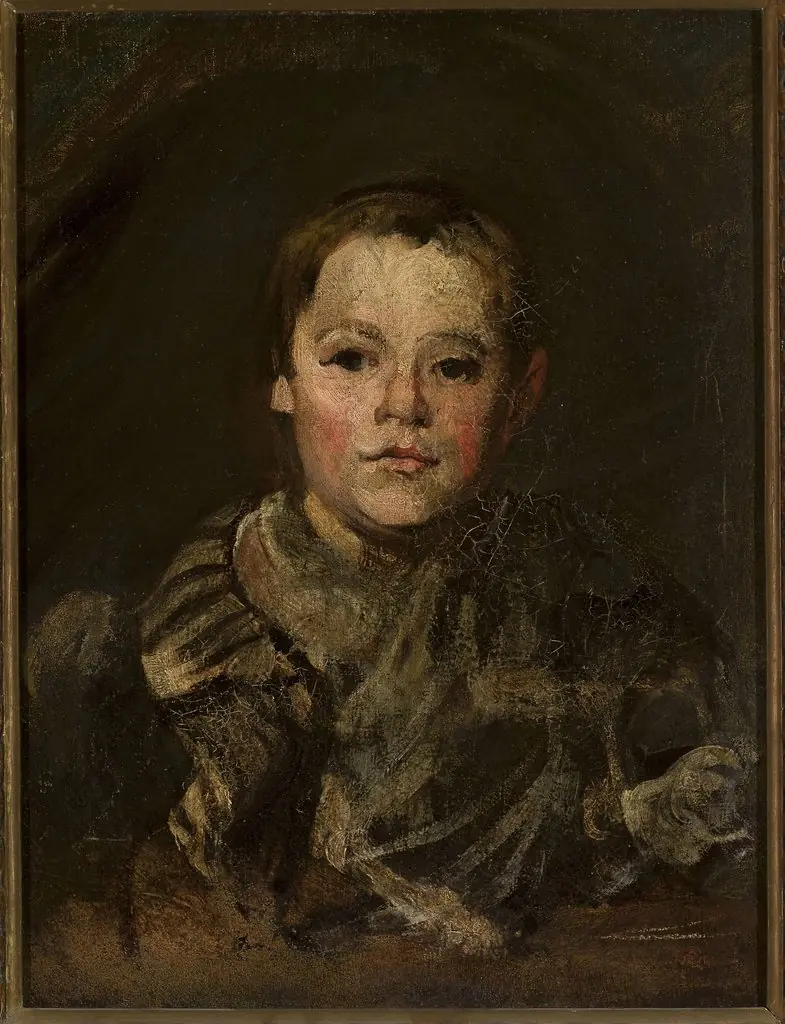
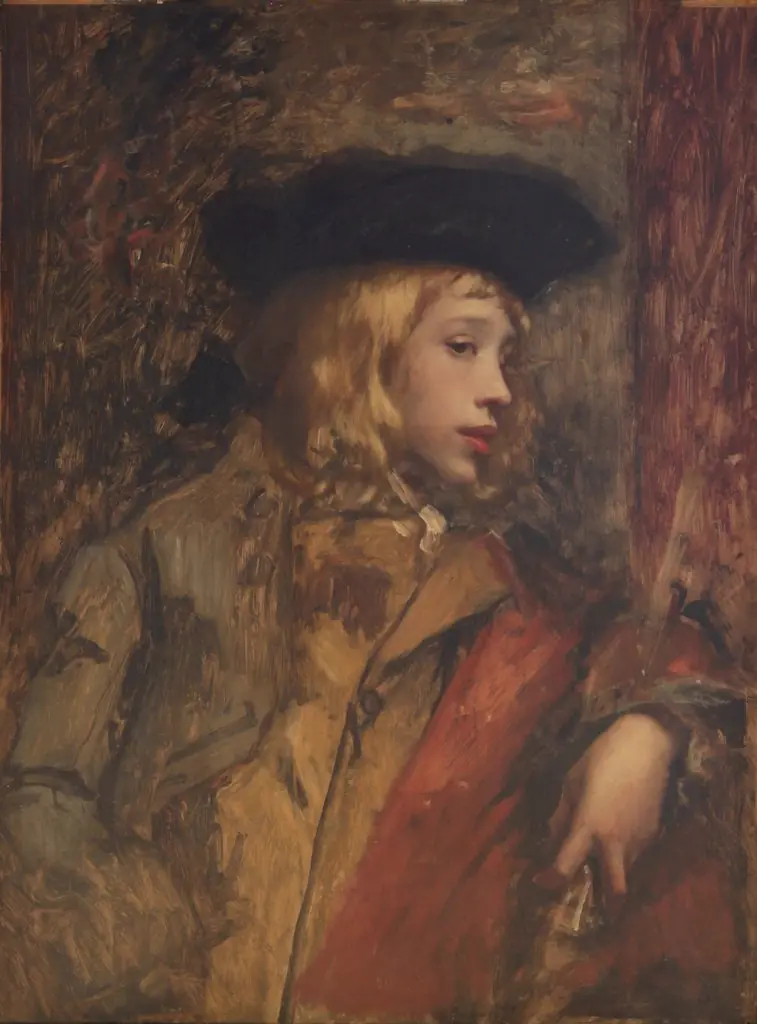
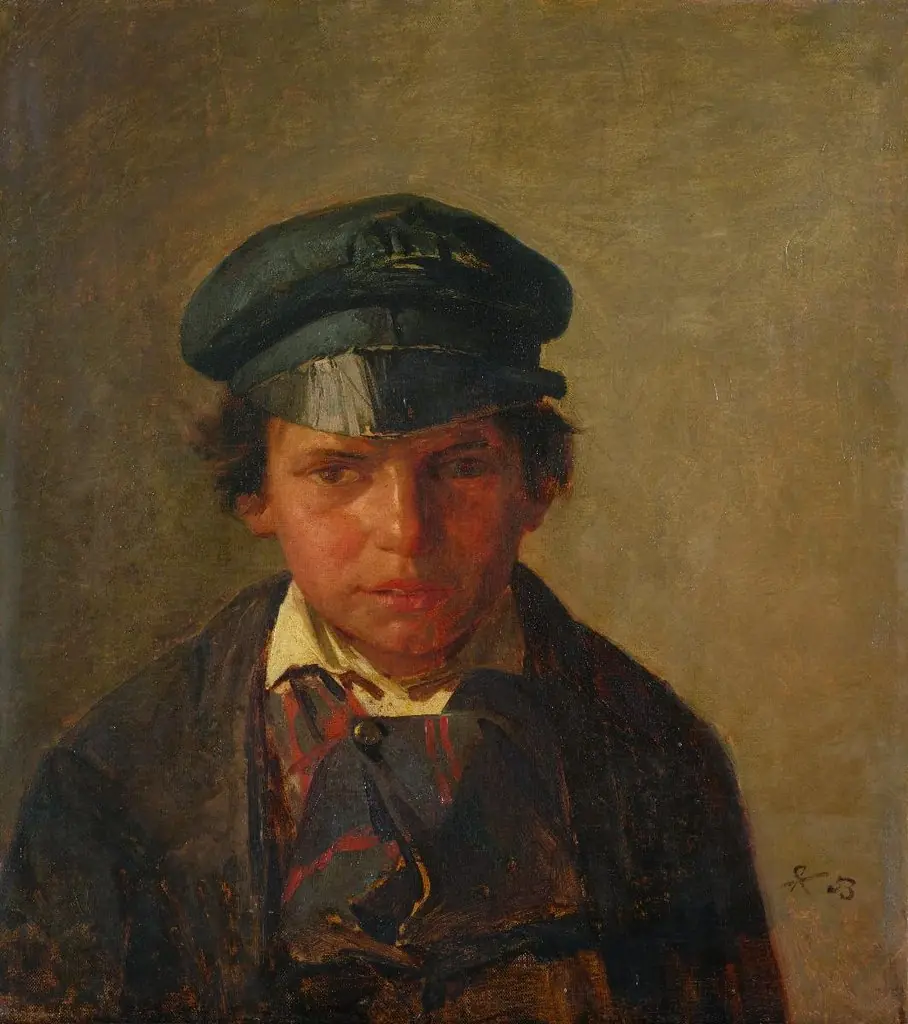
A Florentine Page is an oil painting by the Impressionist artist Aleksander Gierymski. It dates from 1892 and is held in the collection of the National Museum in Kraków.
About this work
Overview
Painted in 1892, *A Florentine Page* is an oil portrait by Aleksander Gierymski, capturing a young boy in Florence during the artist’s time in Italy.
Painted in 1892, *A Florentine Page* is an oil portrait by Aleksander Gierymski, capturing a young boy in Florence during the artist’s time in Italy. The work reflects Gierymski’s transition from academic training toward a more observational style, blending realism with subtle impressionistic handling of light and color. It stands as one of several portraits he produced while traveling abroad, away from his Polish roots.
Subject & Meaning
The subject is a page, likely a young attendant in a Florentine household, depicted with quiet dignity. His downward gaze and restrained expression convey introspection rather than theatricality. The refined clothing—yellow shirt, high collar, dark jacket, and red hat—suggests social position without overt grandeur. Gierymski avoids sentimentality, presenting the boy as a figure of quiet presence within his environment.
Technique & Style
Gierymski employs loose, textured brushwork to render fabric and skin, emphasizing the play of ambient light on surfaces. The warm, earthy background recedes softly, allowing the boy’s attire to emerge through tonal contrasts rather than sharp outlines. Color is used expressively but not arbitrarily; the red hat and yellow shirt anchor the composition without dominating it, demonstrating a nuanced understanding of chromatic harmony.
History & Provenance
Created during Gierymski’s extended stay in Italy, the painting was likely completed in Florence around 1892. After his death, it entered the collection of the National Museum in Kraków, where it remains today. Its journey from a private study of a foreign youth to a public artifact reflects broader interest in Polish artists’ engagement with European artistic currents during the late 19th century.
Context
Gierymski’s work emerged amid a Polish artistic community increasingly drawn to Western European trends. While trained in Warsaw and Munich, his time in Italy exposed him to naturalistic approaches that diverged from academic conventions. *A Florentine Page* exemplifies how Polish painters absorbed impressionistic sensibilities without fully abandoning realism, contributing to a distinct national dialogue within broader European modernism.
Legacy
Though not widely exhibited during his lifetime, Gierymski’s portraits like this one influenced later generations of Polish artists seeking to move beyond historical or romantic themes. His quiet, attentive depictions of everyday figures helped shift focus toward psychological nuance and atmospheric truth. Today, the painting is recognized as a quiet but significant example of cross-cultural observation in late 19th-century painting.
Artist & collection
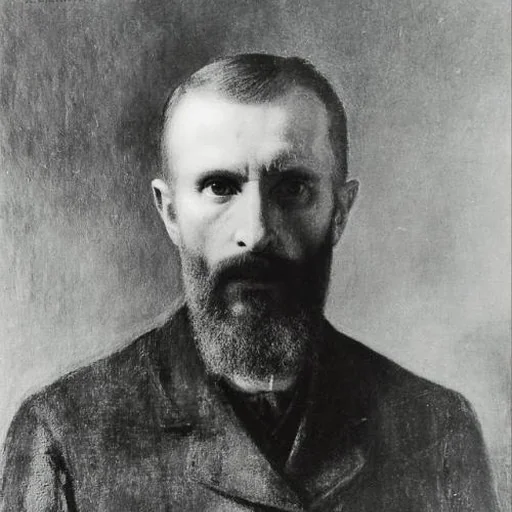
Artist
Ignacy Aleksander Gierymski (30 January 1850, Warsaw – d. 6–8 March 1901, Rome) was a Polish painter of the late 19th century, the younger brother of Maksymilian Gierymski. He was a representative of Realism as well as…