Artwork
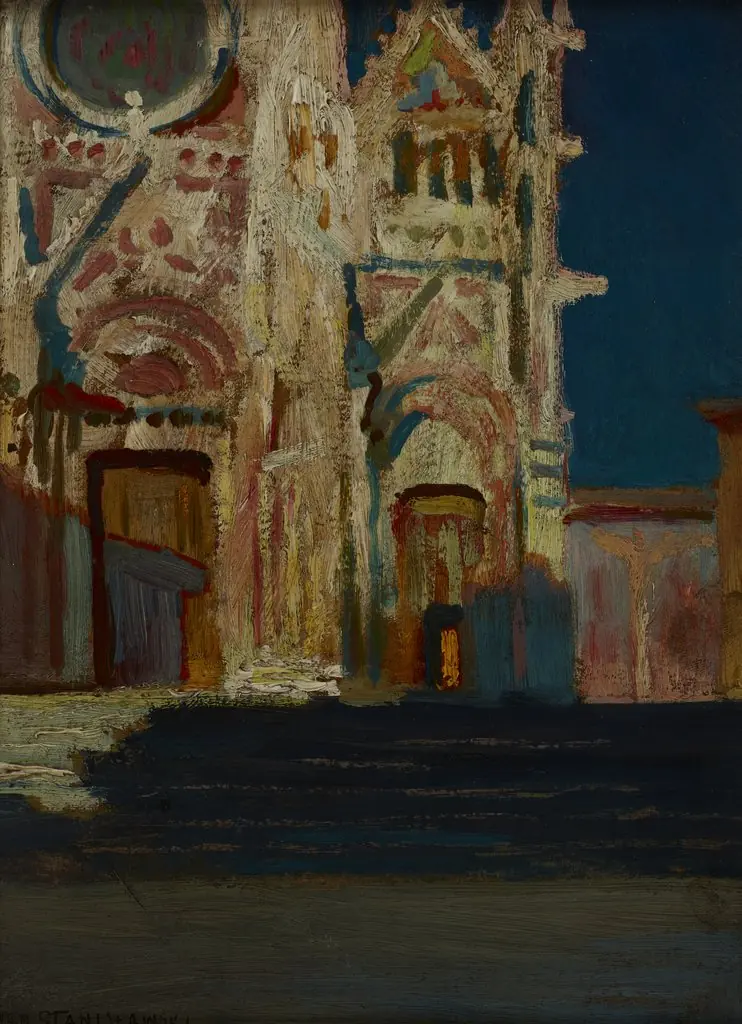
Portal of the church of St. Anastasia in Verona
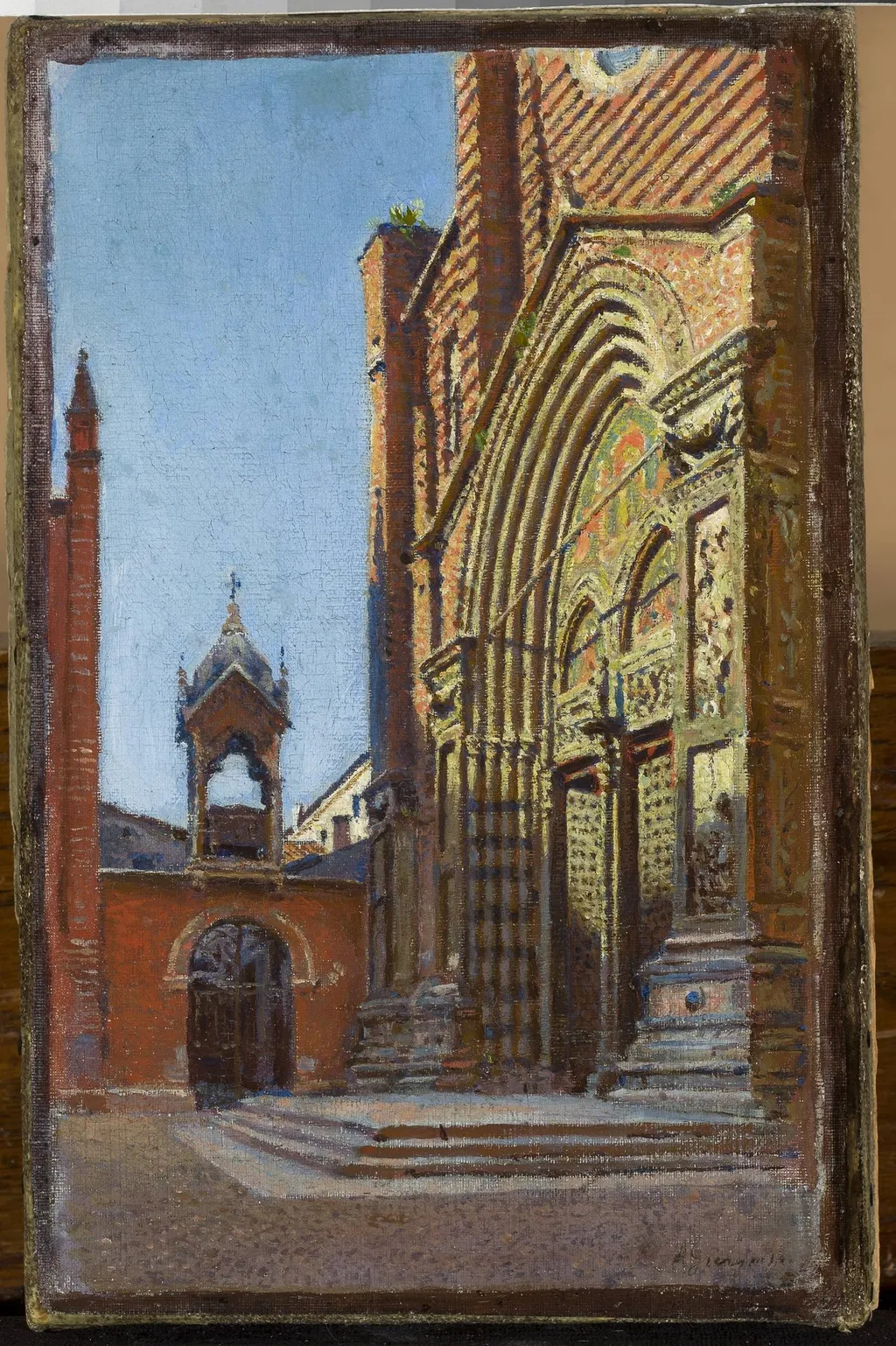
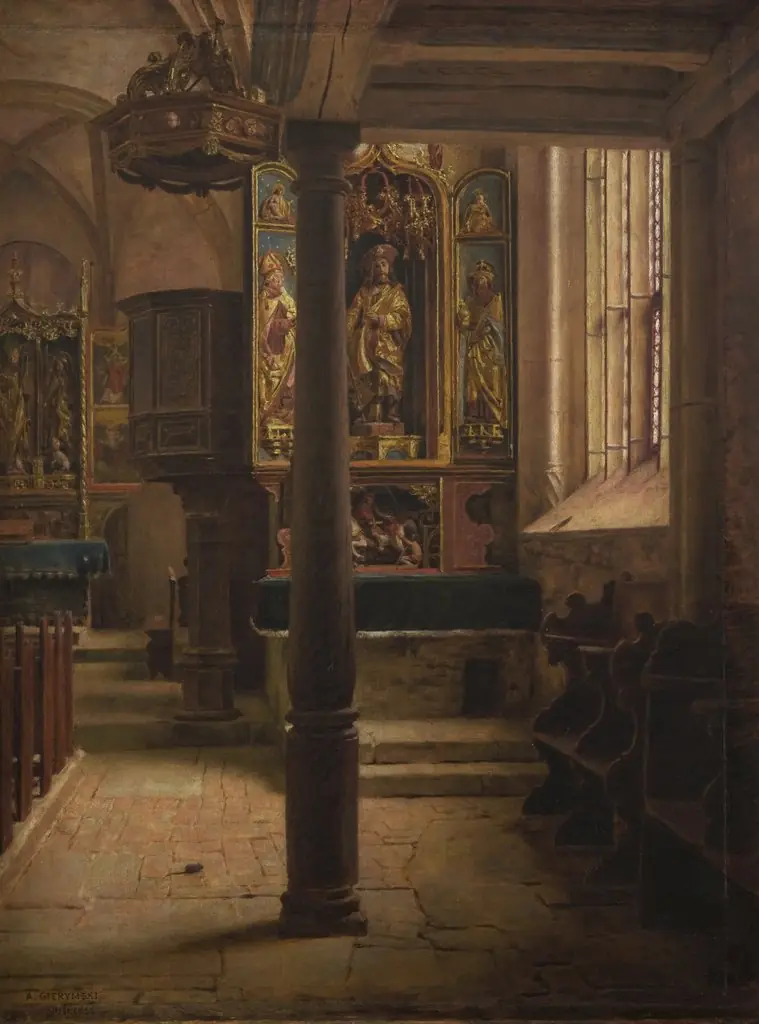
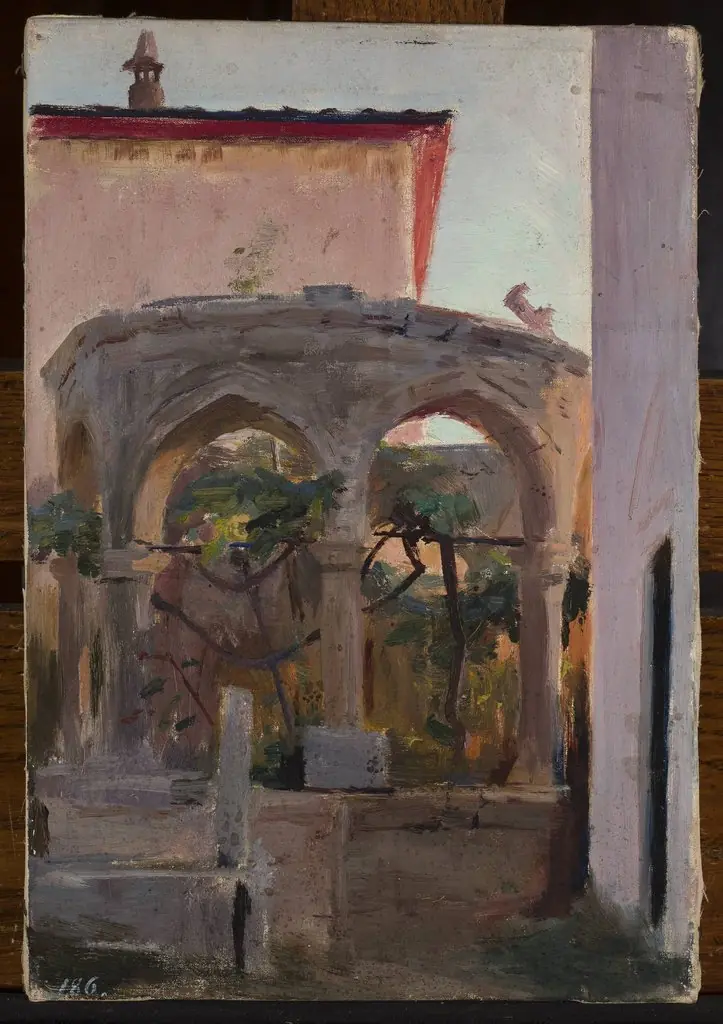
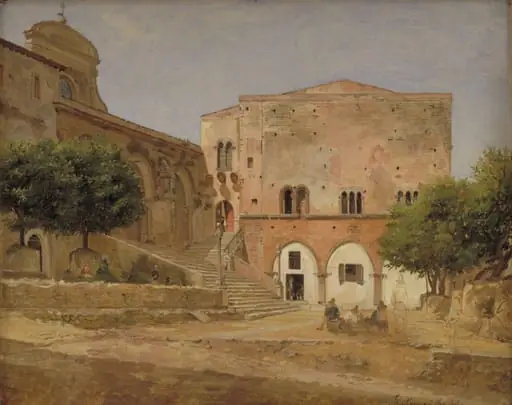
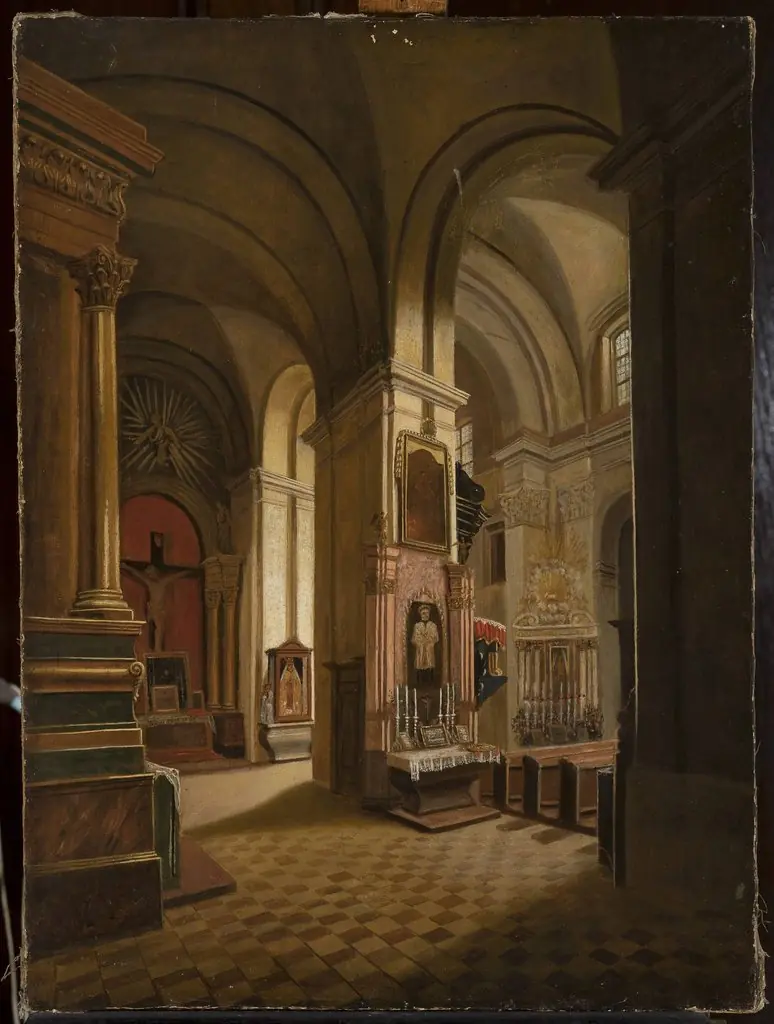
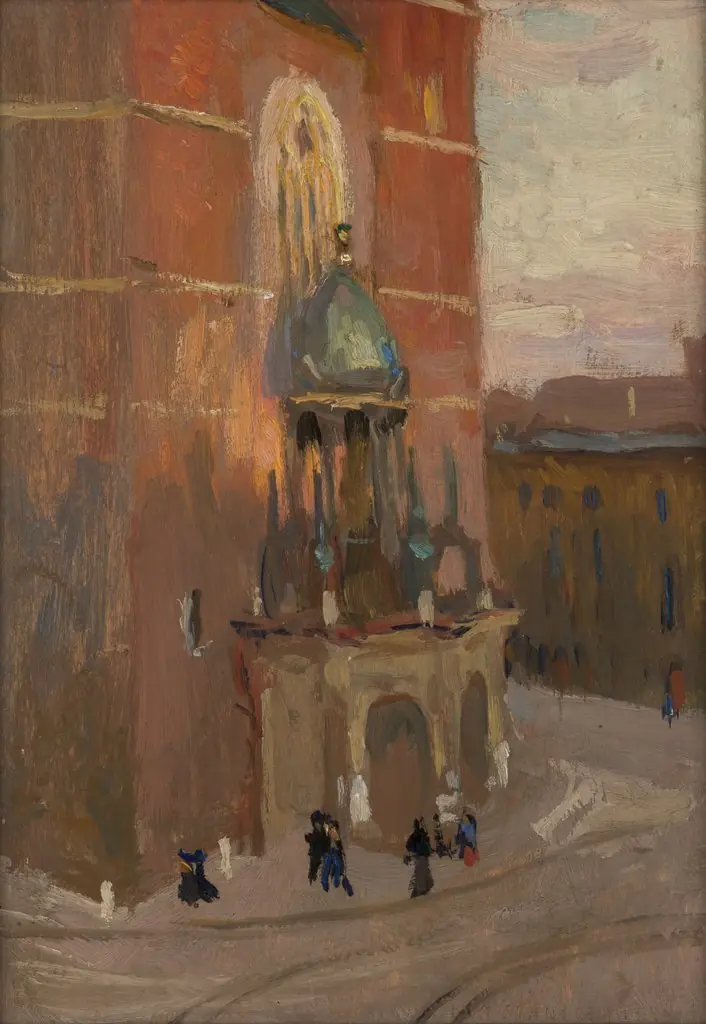
Portal of the church of St. Anastasia in Verona is an oil painting by the Post-Impressionist artist Aleksander Gierymski. It dates from 1900 and is held in the collection of the National Museum in Warsaw.
About this work
Overview
It is held in the National Museum in Warsaw, where it represents his mature engagement with architectural subjects and atmospheric light.
Painted in 1900 by Aleksander Gierymski, this oil on canvas depicts the western portal of the Church of St. Anastasia in Verona. The work belongs to Gierymski’s later period, marked by a shift toward Post-Impressionist sensibilities after his exposure to Western European artistic developments. It is held in the National Museum in Warsaw, where it represents his mature engagement with architectural subjects and atmospheric light.
Subject & Meaning
The painting focuses on the Gothic entrance of the church, emphasizing its stone façade, sculpted figures, and arched portal. Rather than a religious narrative, the subject is architectural presence itself — a quiet meditation on structure, time, and the interplay of human craftsmanship with natural light. The clear sky and precise shadows suggest a moment of stillness, inviting contemplation over grandeur.
Technique & Style
Gierymski employed oil paint to render fine architectural details with precision, using controlled brushwork and subtle tonal gradations. Light falls diagonally across the façade, enhancing the texture of carved stone and the depth of recessed niches. The handling of chiaroscuro avoids dramatic contrast, instead favoring nuanced transitions that ground the scene in observed reality, reflecting his transition from Realism toward a more atmospheric style.
History & Provenance
Created during Gierymski’s final years, the painting emerged after his travels in Italy and exposure to Venetian and Lombard art. It entered the collection of the National Museum in Warsaw shortly after his death in 1901, preserved as part of a broader effort to document Polish artists’ engagement with European traditions. Its provenance remains unbroken since acquisition.
Context
Gierymski, a Polish painter active in the late 19th century, was influenced by both Polish Realism and French Impressionism. This work reflects his move beyond national themes toward universal architectural forms, aligning with broader European trends that valued observation over symbolism. His brother Maksymilian’s military scenes contrast with this quiet, non-narrative focus on place and structure.
Legacy
The painting stands as a testament to Gierymski’s evolution from genre realism toward a more personal, light-sensitive approach. While not widely exhibited internationally, it remains a key example in Polish art history of how Eastern European artists absorbed Western techniques without abandoning their observational rigor. It continues to inform studies of late 19th-century architectural painting in Central Europe.
Artist & collection
Artist
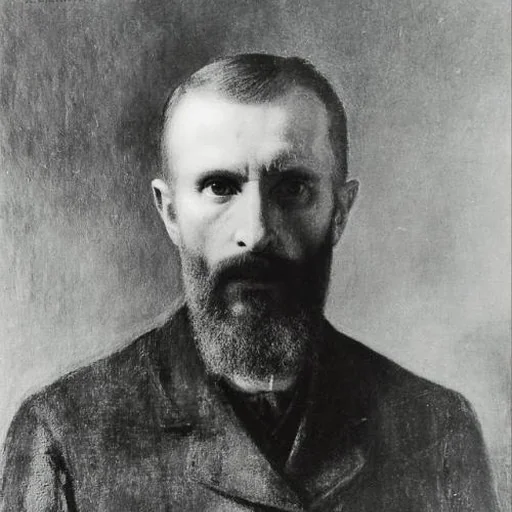
Ignacy Aleksander Gierymski (30 January 1850, Warsaw – d. 6–8 March 1901, Rome) was a Polish painter of the late 19th century, the younger brother of Maksymilian Gierymski. He was a representative of Realism as well as…