Artwork
Dream of Gediminas about the Iron Wolf
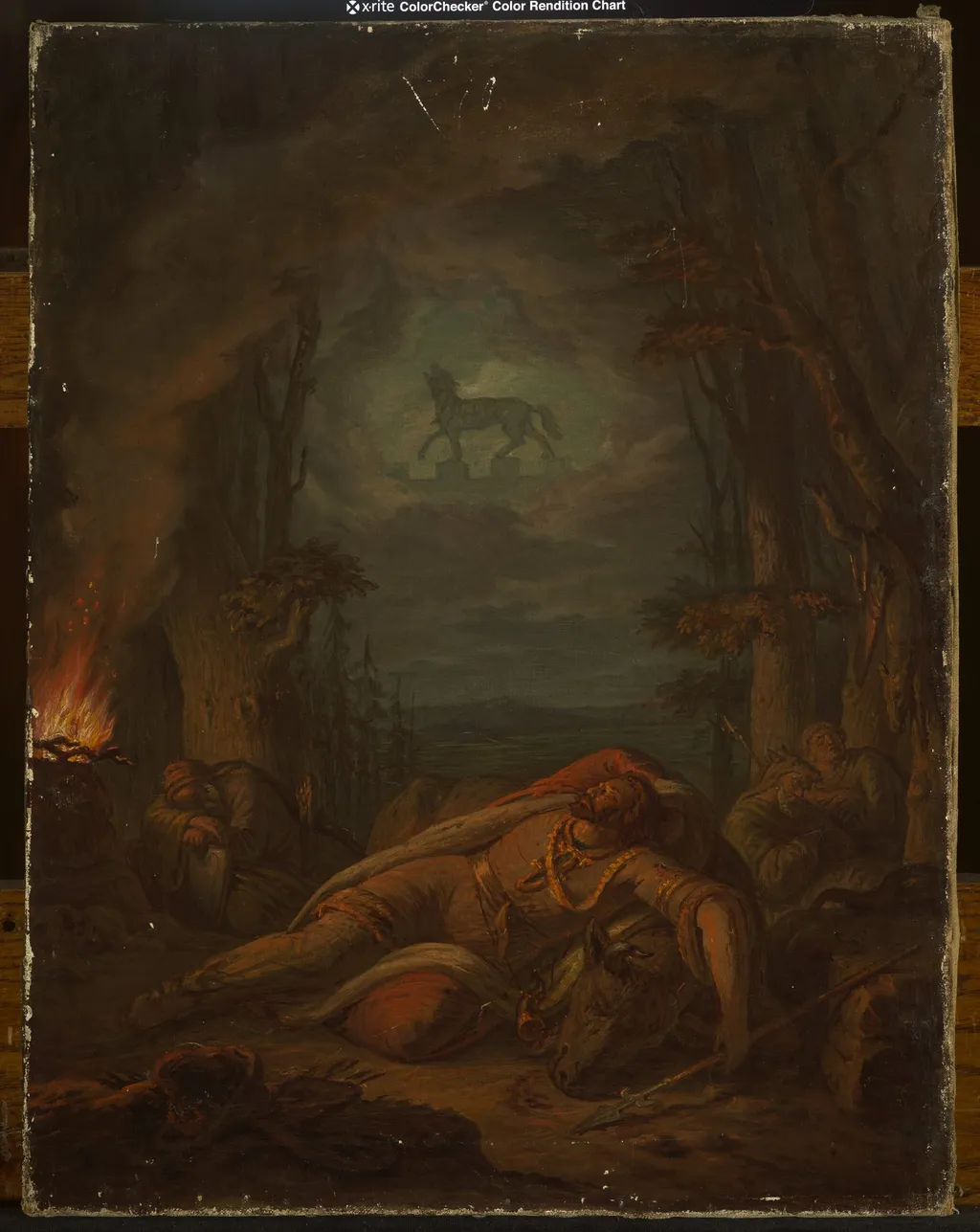
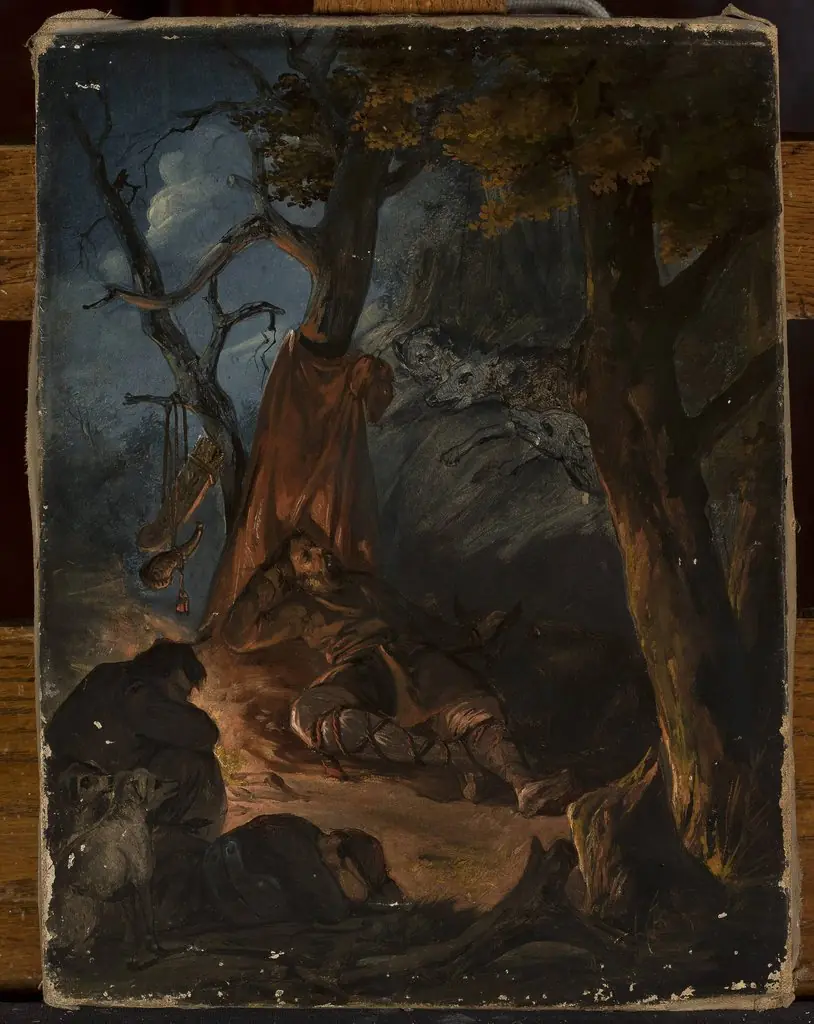
Dream of Gediminas about the Iron Wolf is an oil painting by Aleksander Lesser. It dates from 1859 and is held in the collection of the National Museum in Warsaw.
About this work
Overview
Painted around 1859 by Aleksander Lesser, this oil on canvas depicts a visionary moment from Polish legend. Lesser, a Polish artist of Jewish heritage, specialized in historical narratives rooted in national identity. The work resides in the National Museum in Warsaw, reflecting his engagement with mythic pasts and the cultural consciousness of 19th-century Poland.
Subject & Meaning
The wolf in the sky, rendered as a spectral form, merges natural and divine realms, suggesting destiny emerging from subconscious fear.
The painting illustrates Grand Duke Gediminas’s dream, in which an iron wolf howled atop a hill, foretelling the rise of a great city—later interpreted as Vilnius. The figure on the ground, tormented and reclining, embodies the ruler’s inner turmoil as he receives this supernatural omen. The wolf in the sky, rendered as a spectral form, merges natural and divine realms, suggesting destiny emerging from subconscious fear.
Technique & Style
Lesser employs chiaroscuro to heighten emotional tension, contrasting deep shadows with flickering firelight that sculpts the figure’s contorted form. Twisted trees frame the scene, their gnarled branches echoing the unease of the dream. The wolf is not rendered realistically but as a luminous apparition, dissolving into the night sky, reinforcing the dream’s ethereal quality through atmospheric ambiguity.
History & Provenance
Created during a period of Polish cultural revival under foreign partition, the painting emerged from Lesser’s broader project to visualize national myths. It entered the National Museum in Warsaw’s collection in the late 19th century, where it has remained as part of a curated effort to preserve historical imagery amid political suppression of Polish identity.
Context
Lesser worked amid rising Romantic nationalism in partitioned Poland, where artists turned to legend and folklore to sustain cultural memory. His depiction of Gediminas’s dream aligned with broader efforts to construct a shared historical consciousness. As a Jewish artist engaging with Christian-national themes, his work also subtly reflected the complex interplay of identities within Polish society.
Legacy
The painting endures as a visual anchor for the founding myth of Vilnius, frequently referenced in Polish historiography and public memory. While not widely reproduced, its influence persists in how national legends are visually encoded—emphasizing psychological depth over literal narrative, and blending realism with symbolic vision in service of collective identity.
Artist & collection
Artist
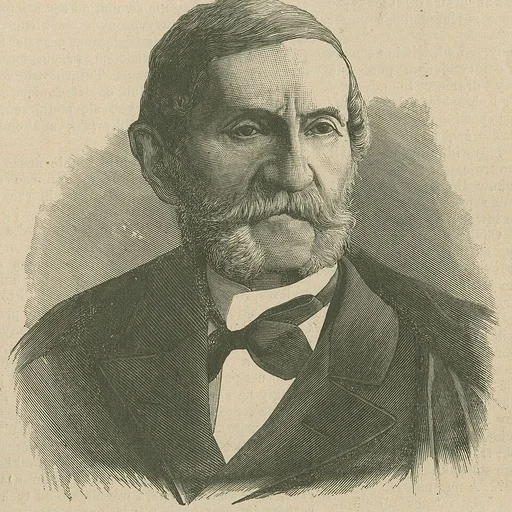
Aleksander Lesser (13 May 1814 – 13 March 1884) was a Polish painter, illustrator, sketch artist, art critic, and amateur researcher of antiquities.

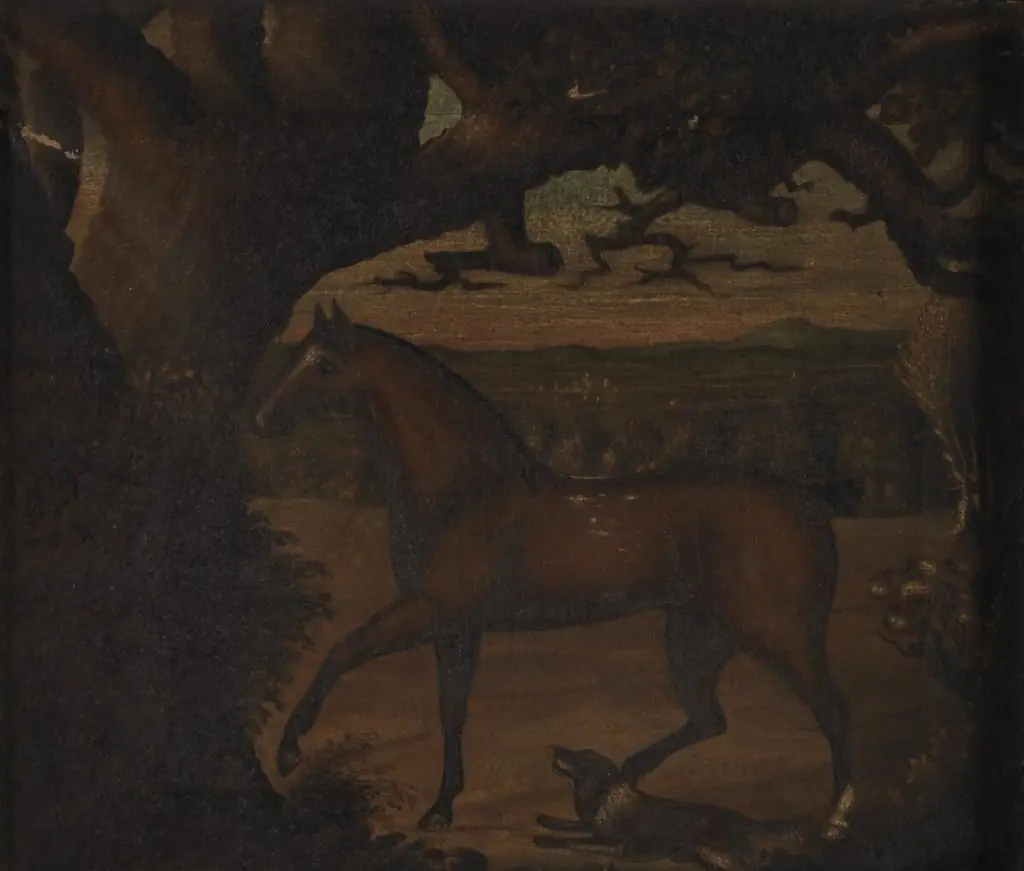 Horse and dog in landscape
 Mihai Viteazul triumfând la Călugăreni
 Nocturnal Crayfishing
 Victory
 Rzewuski, priest Marek and Pułaski in the Niepołomice Forest
 Leatherstocking's Rescue
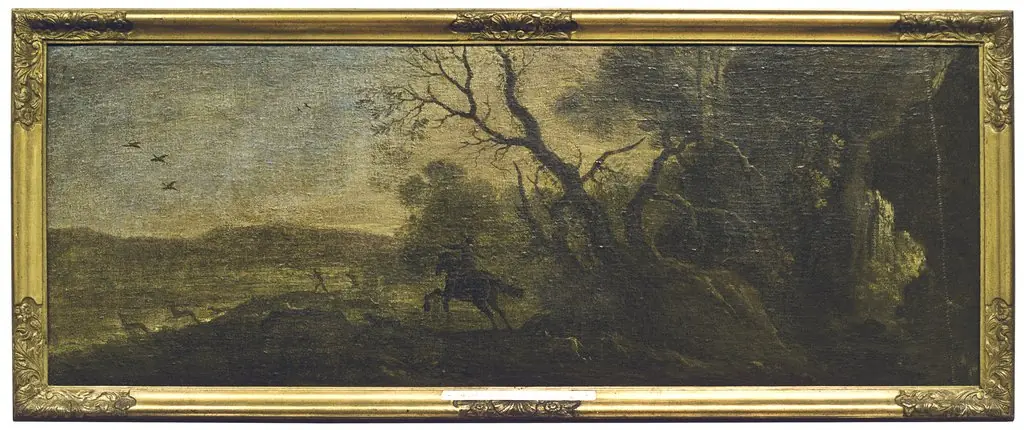 Landskap
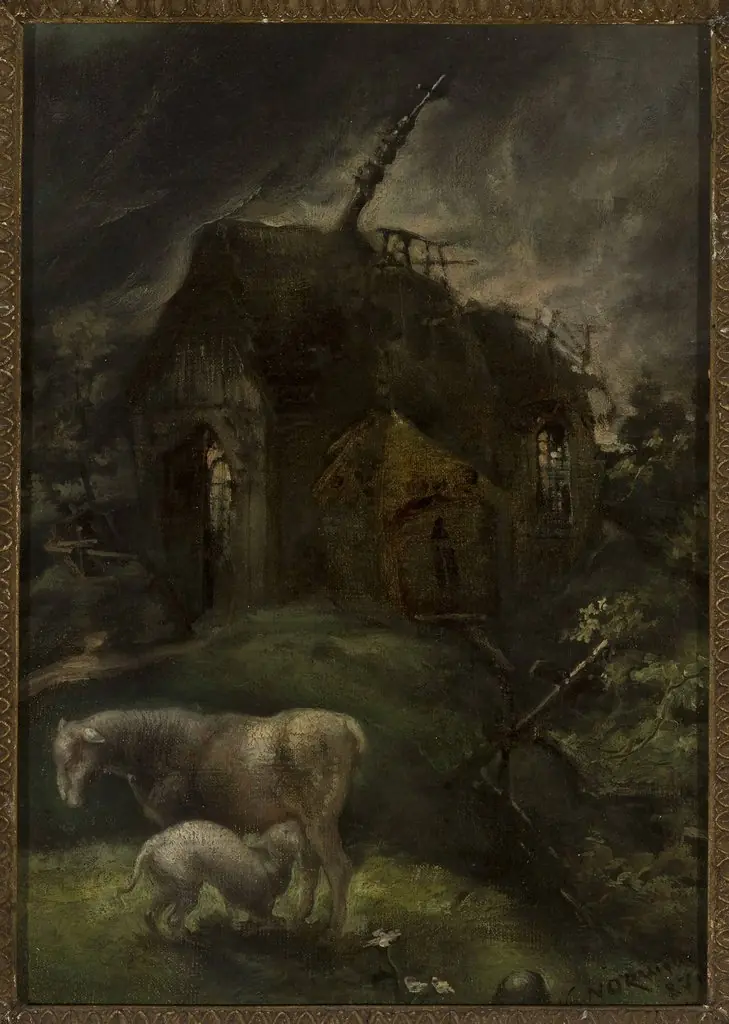 Ruined shrine
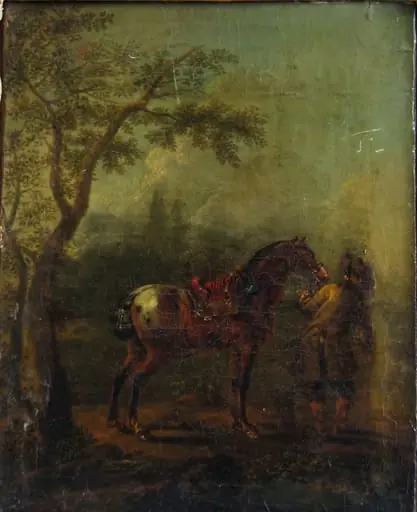 Cal murg deschis și un grăjdar; pandant: Cal murg închis și un grăjdar
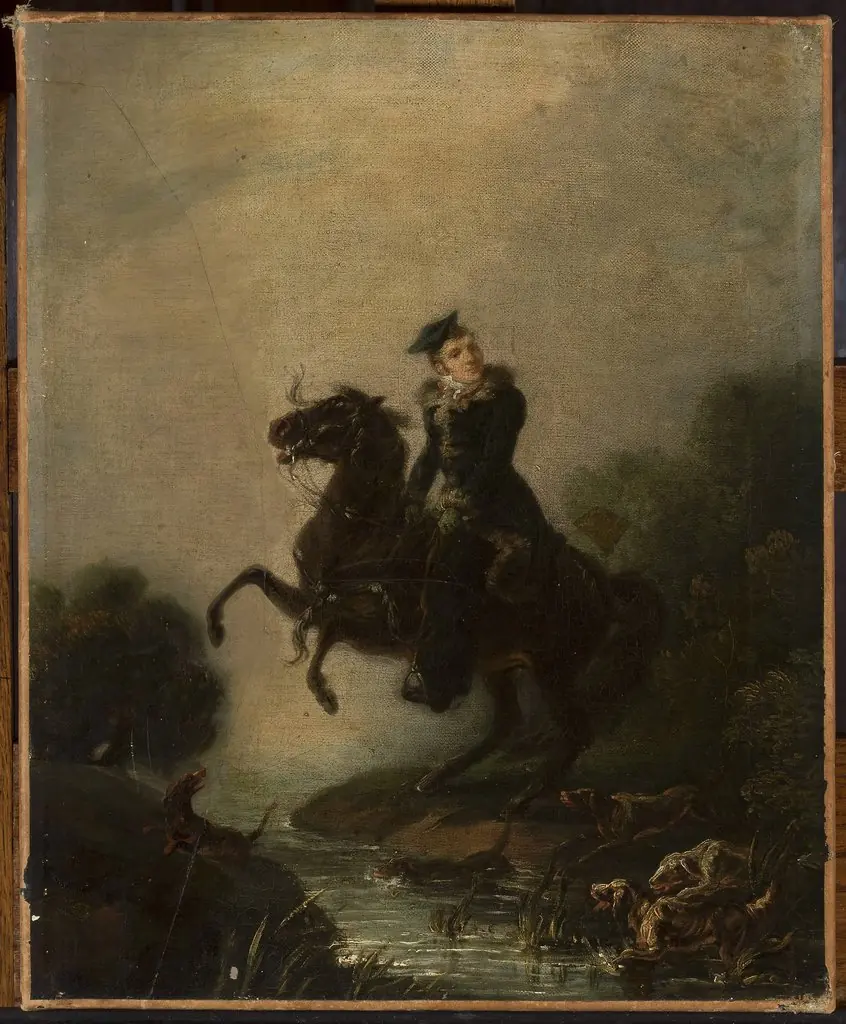 Portrait of Ignacy Konarski on horseback
 Vânătoare de căprioare
 Dream of Gediminas