Artwork
Untitled
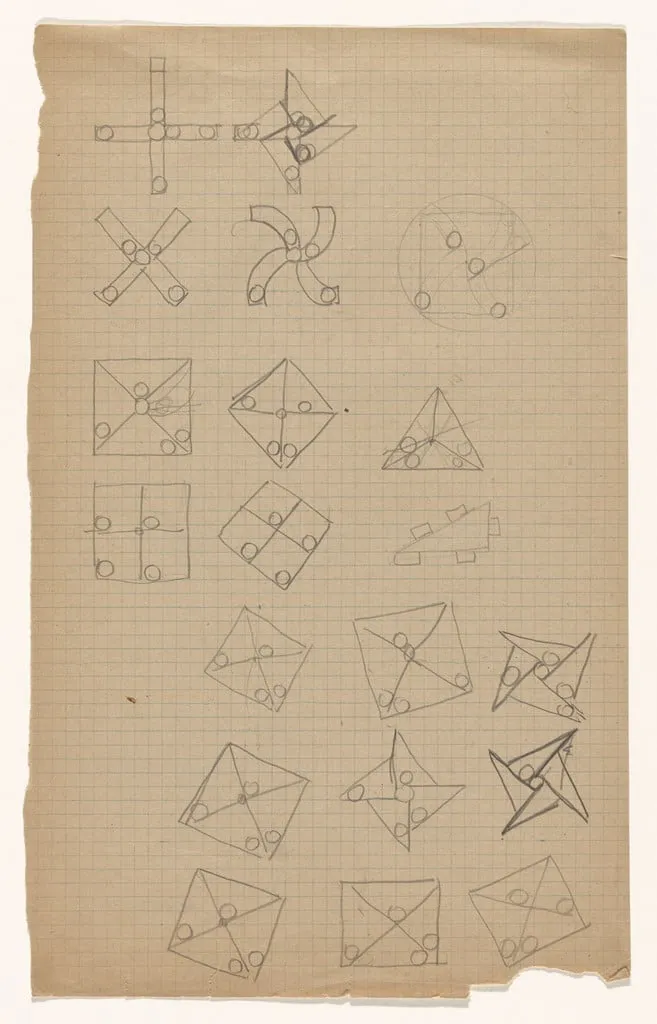
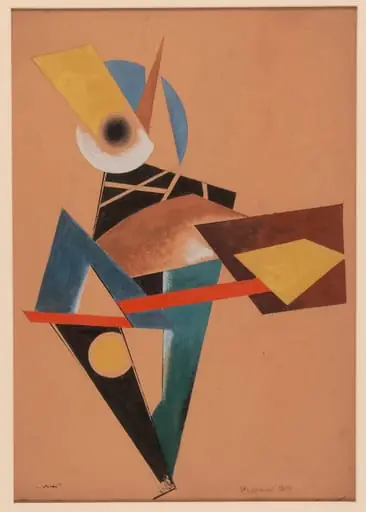
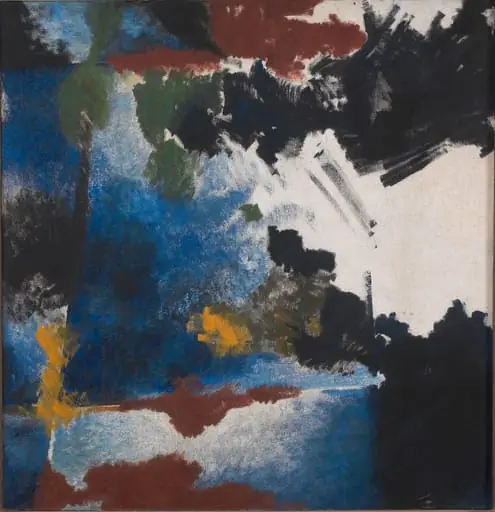
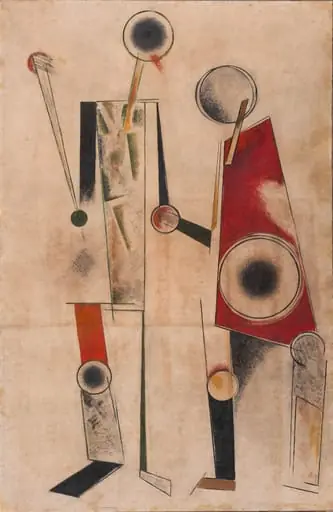
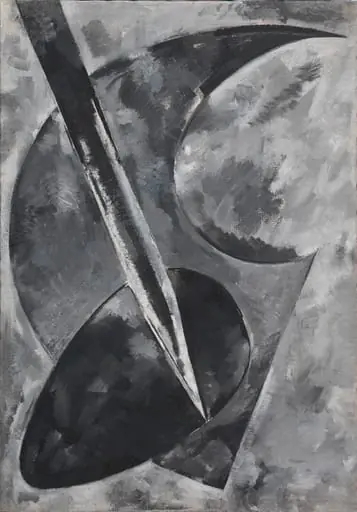
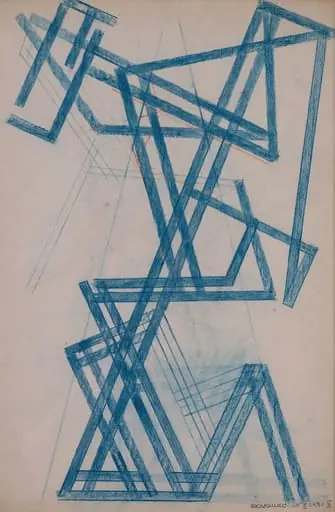
Untitled is a graphite drawing by Aleksandr Rodchenko. It dates from 1922 and is held in the collection of the Museum of Modern Art.
About this work
Overview
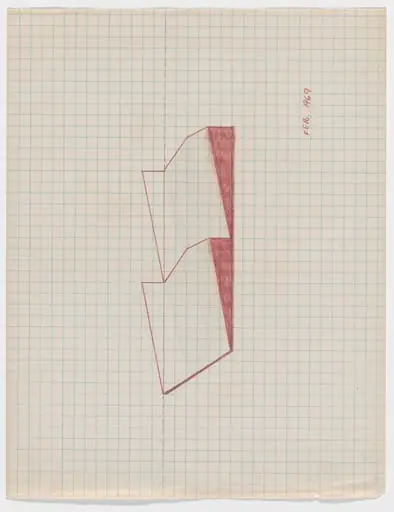
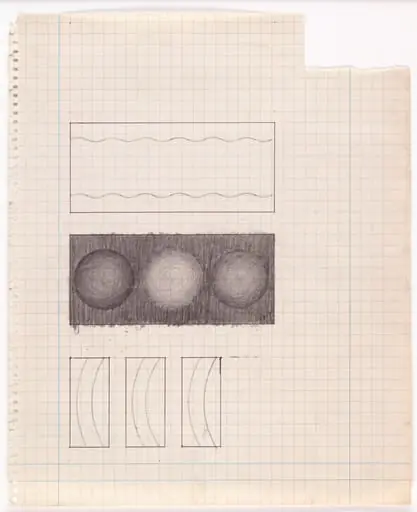
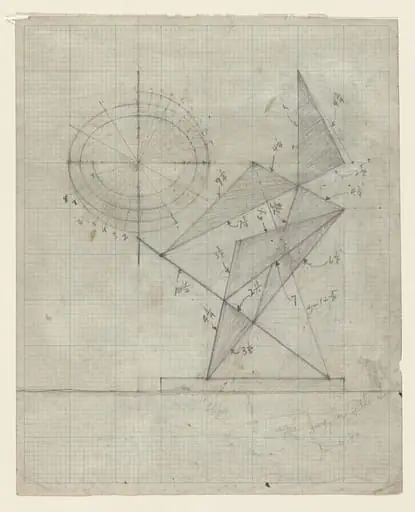
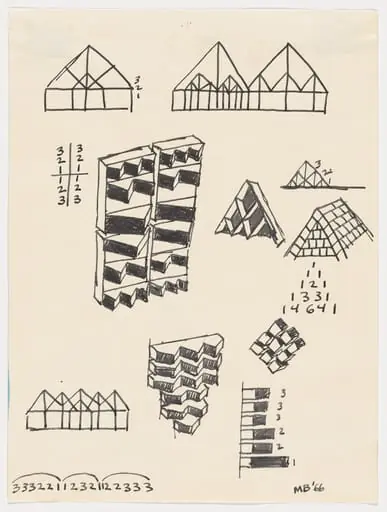
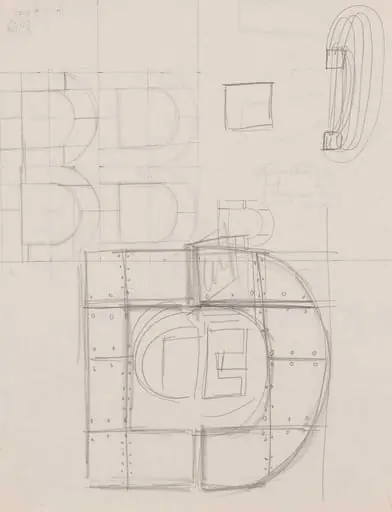
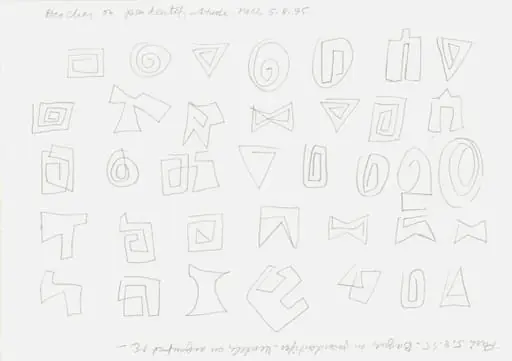
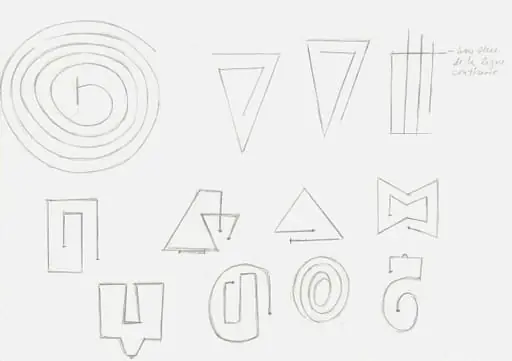
It consists of a series of geometric forms—lines, circles, squares, and star-like patterns—arranged in a structured yet dynamic grid.
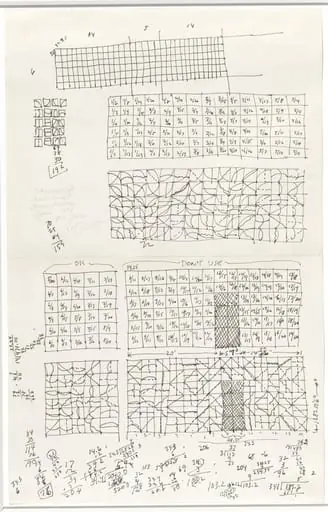
Created in 1922, this pencil drawing on graph paper is one of many experimental works by Aleksandr Rodchenko. It consists of a series of geometric forms—lines, circles, squares, and star-like patterns—arranged in a structured yet dynamic grid. The light, tentative strokes suggest a process of exploration rather than a finished composition, emphasizing the artist’s interest in visual relationships over representational content.
Subject & Meaning
The drawing does not depict a recognizable scene or object. Instead, it functions as a study in abstraction, where basic shapes are manipulated to test balance, repetition, and spatial tension. Rodchenko treats form as a variable in a visual equation, probing how minimal elements can generate rhythm and structure without narrative or symbolism. The work reflects a broader shift toward constructivist principles in early Soviet art.
Technique & Style
Executed in soft pencil on ruled graph paper, the drawing leverages the grid as both foundation and constraint. Lines are faint, suggesting rapid, iterative sketching. Shapes are deliberately irregular—some tilted, others asymmetrical—introducing subtle instability within an otherwise ordered system. The technique prioritizes precision in variation, revealing Rodchenko’s methodical approach to deconstructing visual form.
History & Provenance
The drawing entered the collection of The Museum of Modern Art in New York, where it remains part of its permanent holdings. While its exact provenance prior to acquisition is not fully documented, it aligns with a series of works Rodchenko produced during his most active period of geometric experimentation, roughly 1920–1924, when he was deeply engaged with Constructivist theory and design.
Context
Made during the early years of the Soviet Union, this work emerged amid a cultural push to redefine art’s role in society. Rodchenko, alongside peers like El Lissitzky, rejected traditional aesthetics in favor of functional, rational forms. This drawing reflects a broader movement to use geometry as a language of modernity, aligning art with industrial and scientific ideals rather than decoration or illusion.
Legacy
Rodchenko’s grid-based drawings influenced later generations of minimalists and conceptual artists who explored structure, repetition, and systems. Though small and unassuming, this work exemplifies how abstraction could serve as a tool for inquiry rather than expression. Its quiet rigor continues to inform discussions about the relationship between order, chance, and intention in visual composition.
Artist & collection
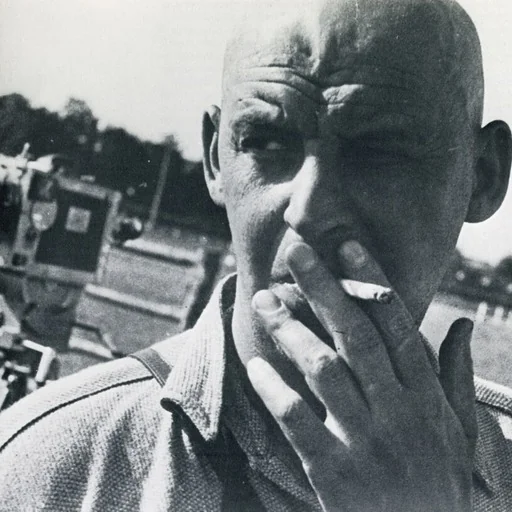
Artist
Aleksander Mikhailovich Rodchenko (Russian: Александр Михайлович Родченко; 5 December 1891 – 3 December 1956) was a Russian and Soviet artist, sculptor, photographer, and graphic designer.