Artwork
Landscape with Camaldolite monks praying at a road-side shrine
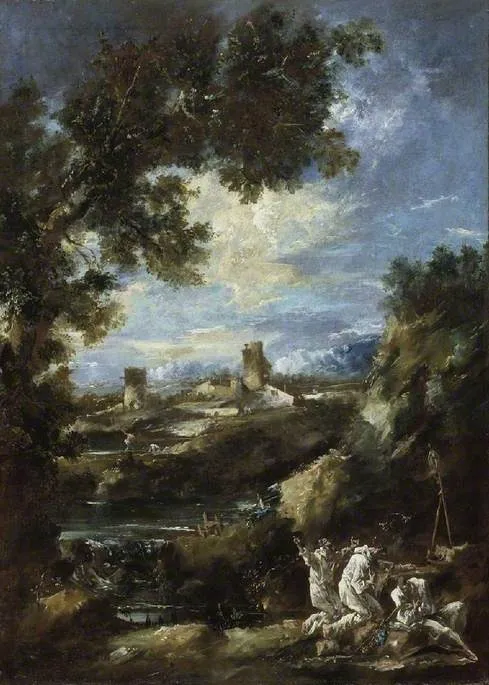
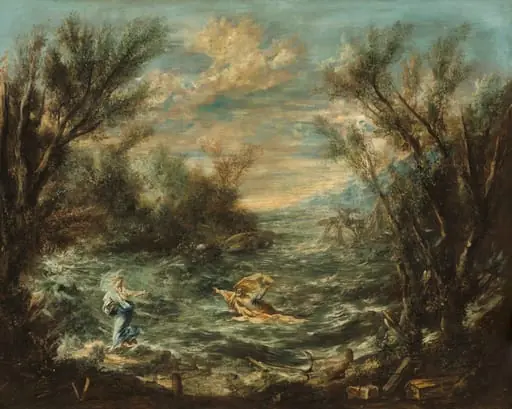
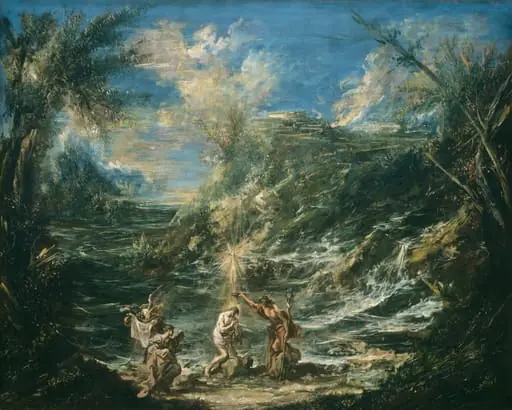
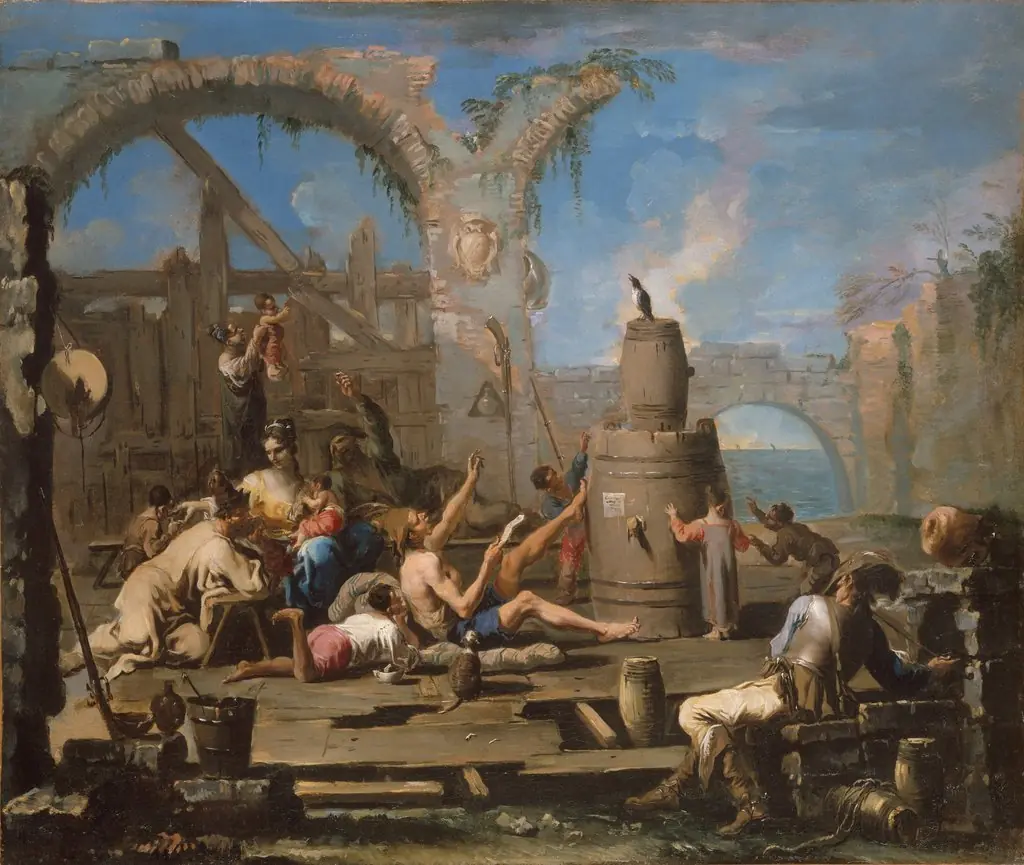
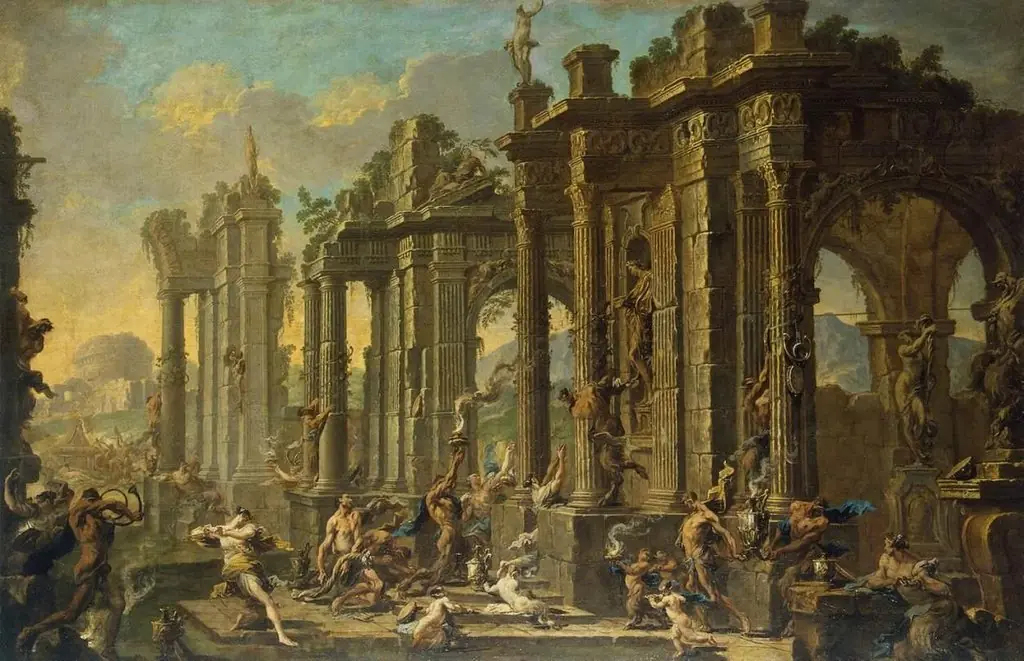
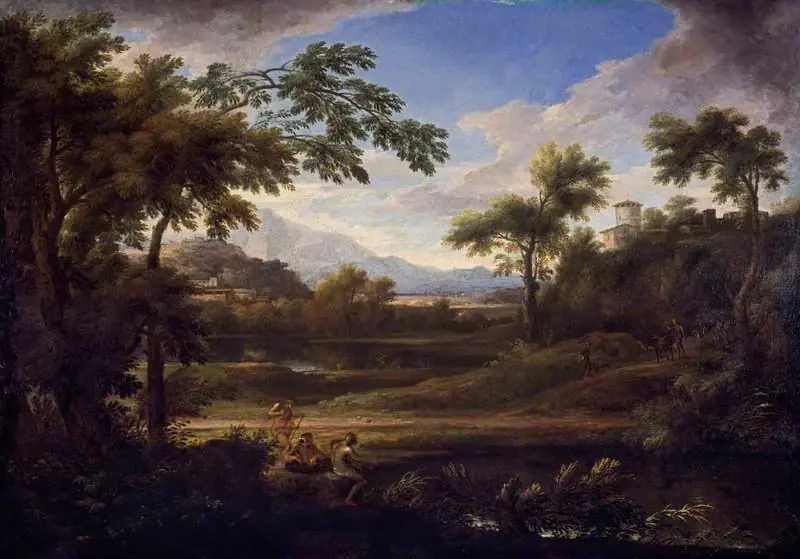
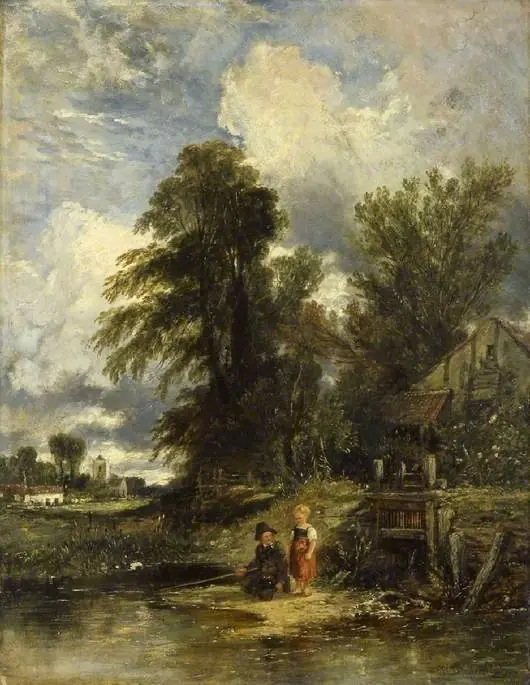
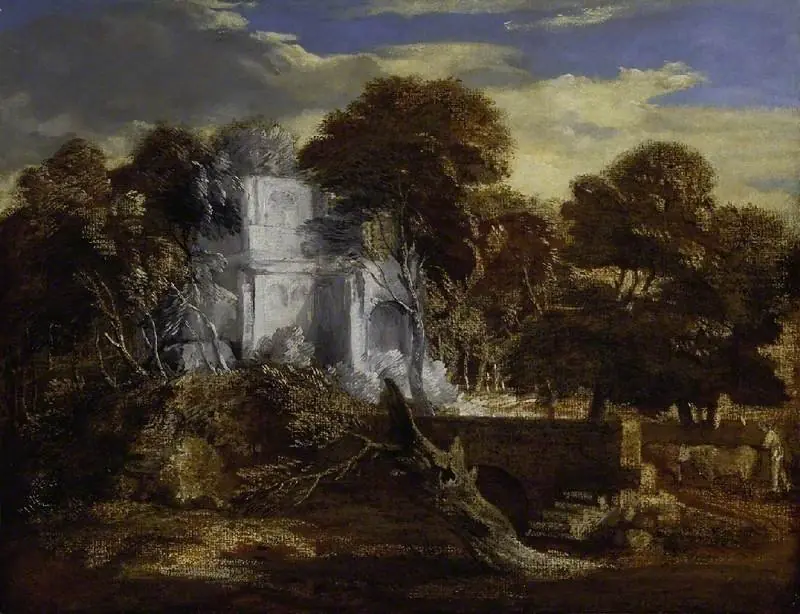
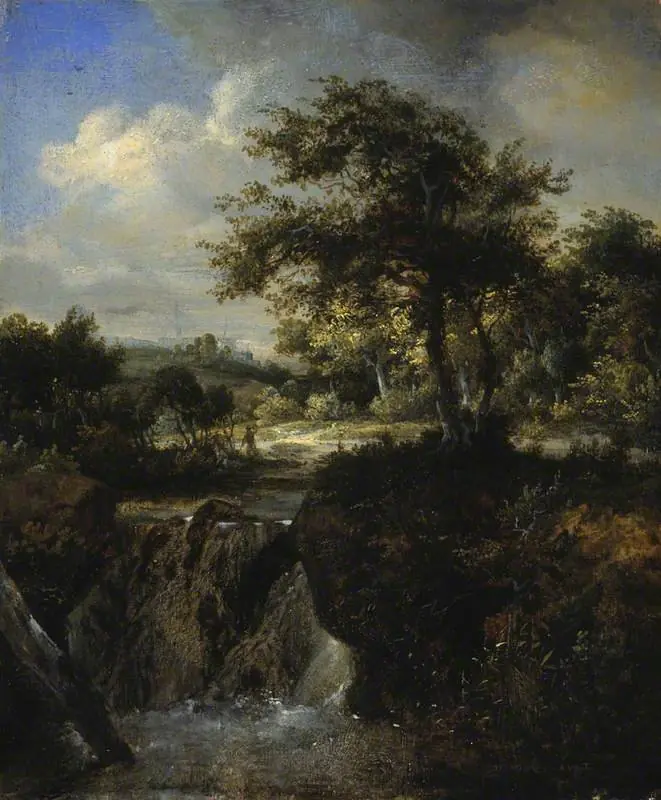
Landscape with Camaldolite monks praying at a road-side shrine is an oil painting by Alessandro Magnasco. It dates from 1720 and is held in the collection of the Fitzwilliam Museum.
About this work
Overview
Alessandro Magnasco’s *Landscape with Camaldolite monks praying at a road‑side shrine* is an oil painting executed in 1720. The work belongs to the late‑Baroque period and is part of the Fitzwilliam Museum’s holdings. It presents a mist‑filled countryside scene in which two cloistered figures kneel before a modest stone shrine.
Subject & Meaning
The composition centers on two Camaldolese monks, identifiable by their dark habits, engaged in silent prayer beside a roadside shrine. The surrounding landscape, with its winding path and moonlit sky, frames the act of devotion as an intimate encounter between the sacred and the natural world.
Technique & Style
Magnasco employs rapid, expressive brushwork that creates an atmospheric haze over the terrain. Strong chiaroscuro—contrasting the bright moon and thick clouds with deep shadows—highlights the figures and accentuates the sculptural quality of the stone shrine and surrounding trees.
History & Provenance
Painted in 1720, the canvas entered the Fitzwilliam Museum collection at an unspecified later date, where it remains on display. Its attribution to Magnasco, also known as il Lissandrino, aligns with his documented output of religious and landscape subjects during the early eighteenth century.
Context
The work reflects Magnasco’s broader interest in combining devotional narratives with dramatic natural settings, a hallmark of late‑Baroque art. By placing monastic contemplation within a stark, moonlit environment, the painting engages contemporary themes of piety, solitude, and the sublime qualities of the landscape.
Artist & collection
Artist
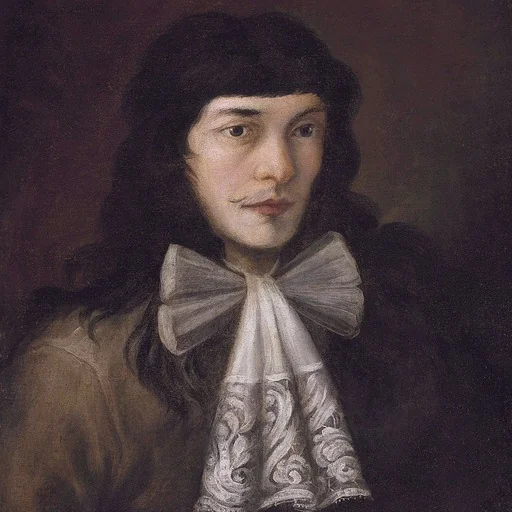
Alessandro Magnasco (February 4, 1667 – March 12, 1749), also known as il Lissandrino, was an Italian late-Baroque painter active mostly in Milan and Genoa.