Artwork
Mahl der Einsiedler in einer Höhle
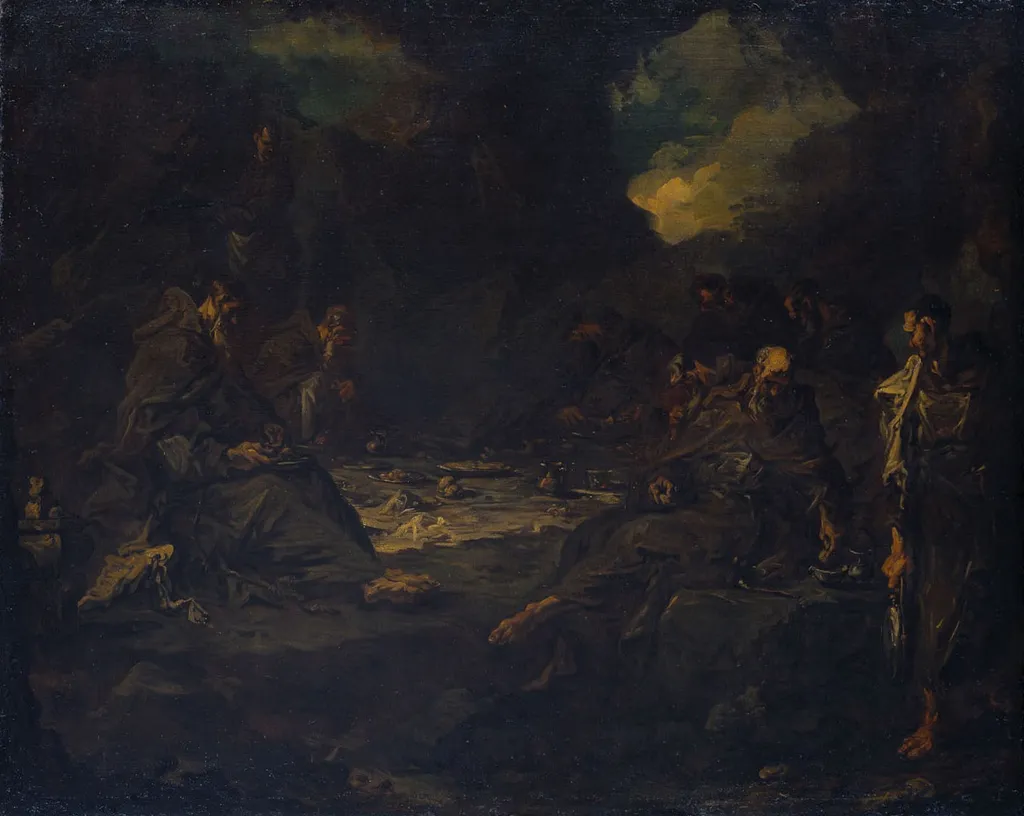
Mahl der Einsiedler in einer Höhle is an unspecified painting by the Rococo painting artist Alessandro Magnasco. It dates from 1735 and is held in the collection of the Kunsthistorisches Museum.
About this work
Overview
Alessandro Magnasco’s *Mahl der Einsiedler in einer Höhle* (1735) is an oil painting from the Rococo era, now part of the collection of the Kunsthistorisches Museum. The work portrays a group of cloaked figures gathered around a central object within a dimly lit cavern, illuminated by a faint source of light from the upper right.
Subject & Meaning
The scene suggests a hermit’s communal meal, though the exact nature of the food or ritual remains ambiguous. The figures, all dressed in dark robes, convey a sense of solemnity and isolation, emphasizing the austere lifestyle associated with hermitic existence.
Technique & Style
Magnasco employs his characteristic rapid brushwork and stark chiaroscuro, creating fragmented forms that appear almost restless. The palette is dominated by deep tones, punctuated by lighter highlights that emerge from the single light source, lending the composition a dramatic, almost theatrical atmosphere.
History & Provenance
Executed in 1735 while Magnasco was active in Milan and Genoa, the painting later entered the holdings of the Kunsthistorisches Museum, where it remains on display as part of the museum’s European Baroque collection.
Context
Magnasco’s oeuvre is noted for its phantasmagoric and often grotesque subjects, setting him apart from the more decorative Rococo painters of his time. This work reflects his interest in marginal, solitary figures and his skill in rendering atmospheric interiors with expressive, loose strokes.
Artist & collection
Artist
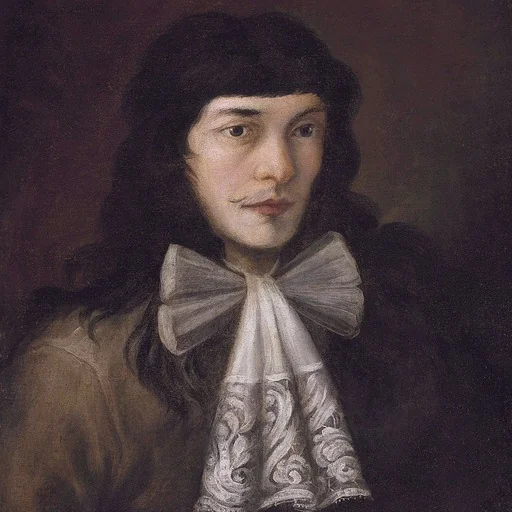
Alessandro Magnasco (February 4, 1667 – March 12, 1749), also known as il Lissandrino, was an Italian late-Baroque painter active mostly in Milan and Genoa.

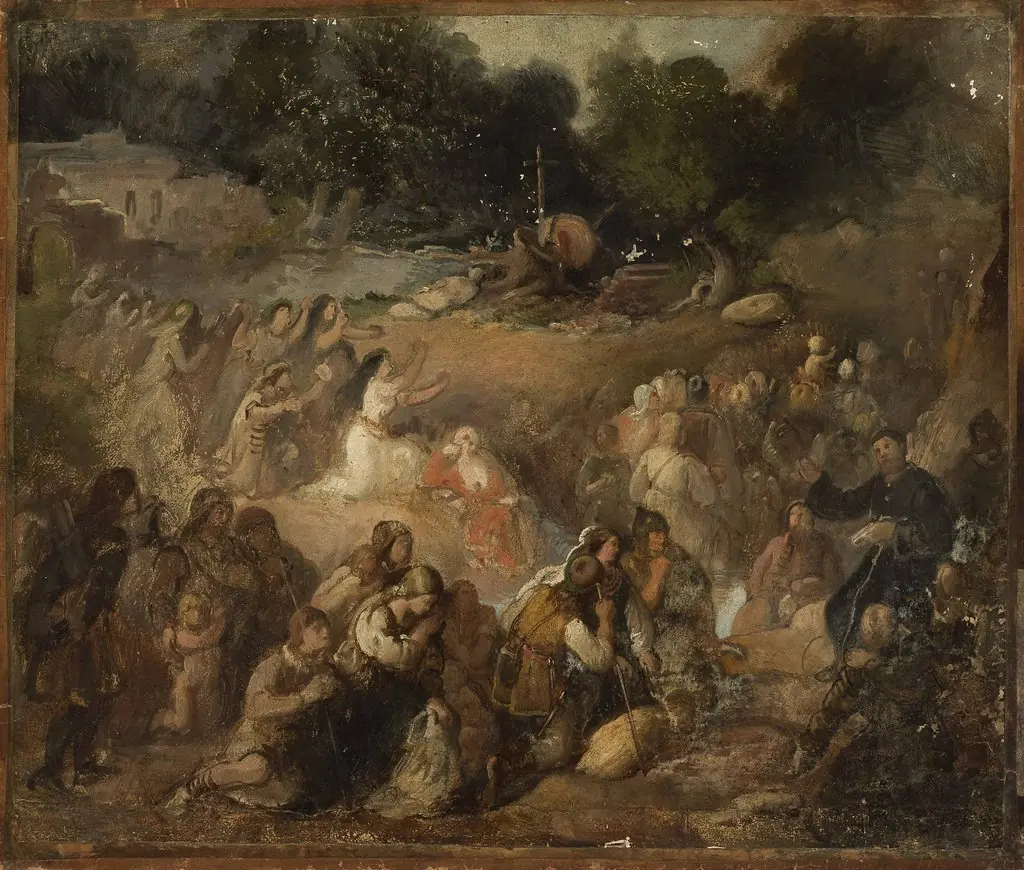 Baptism of Lithuania
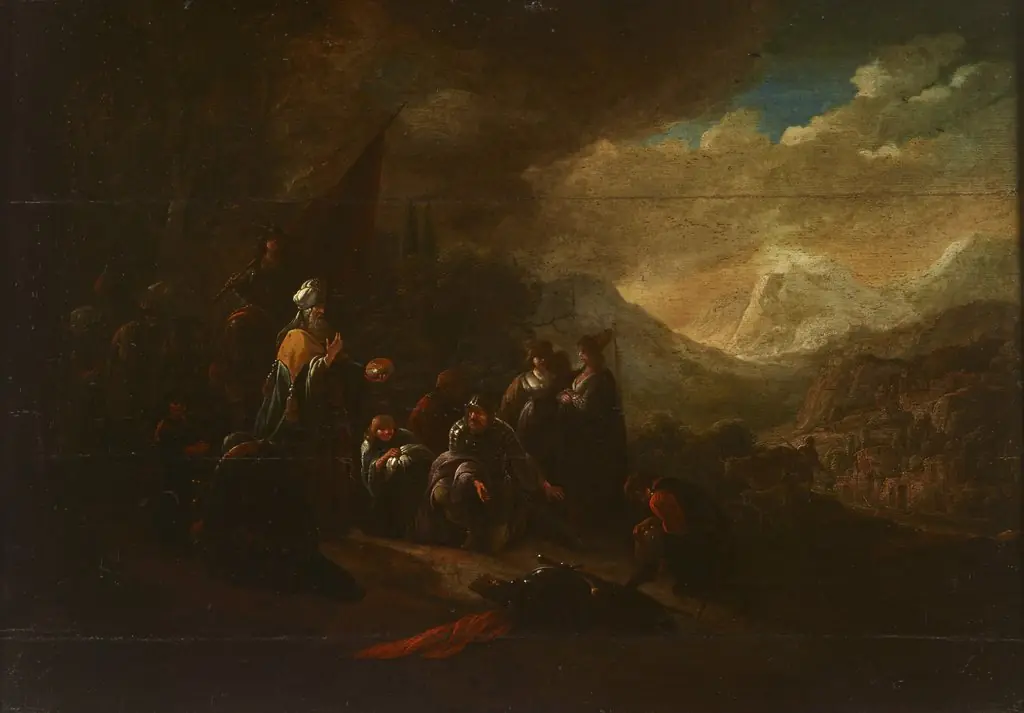 Melchizedek and Abraham
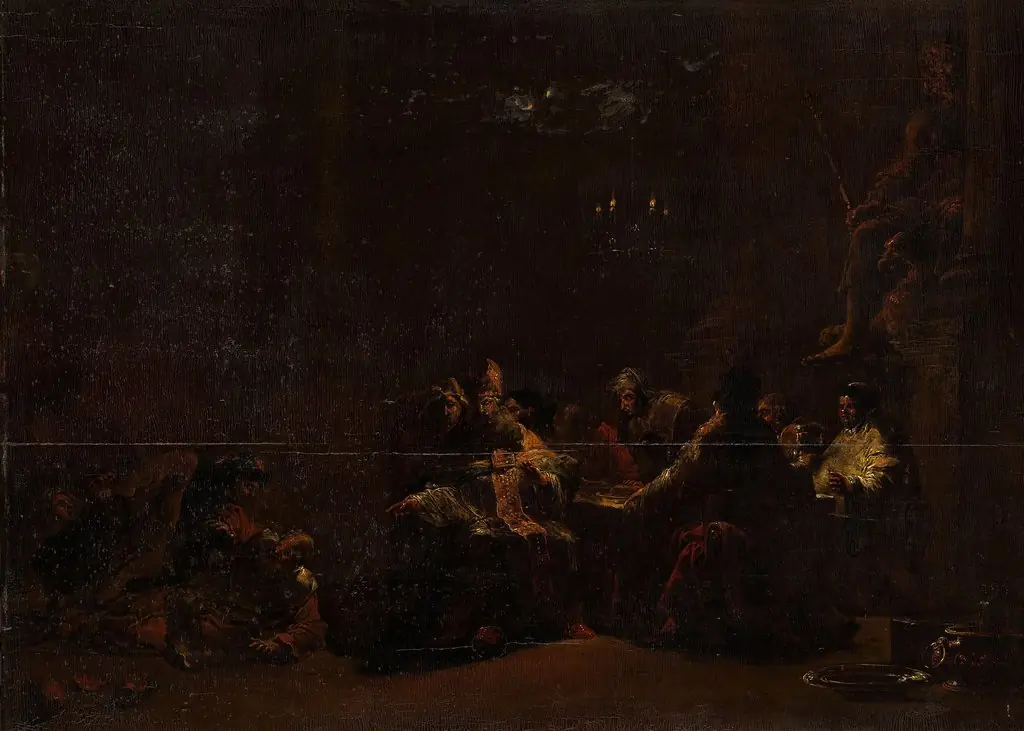 Pashur smiting Jeremiah in the Temple
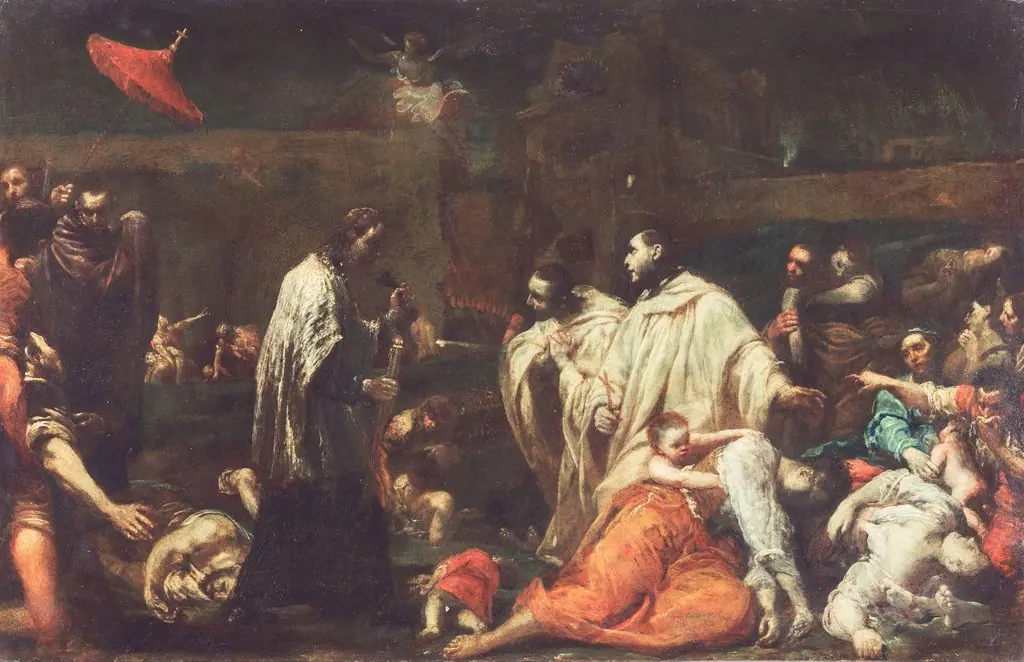 Blessed Bernard Tolomei Interceding for the Cessation of the Plague in Siena
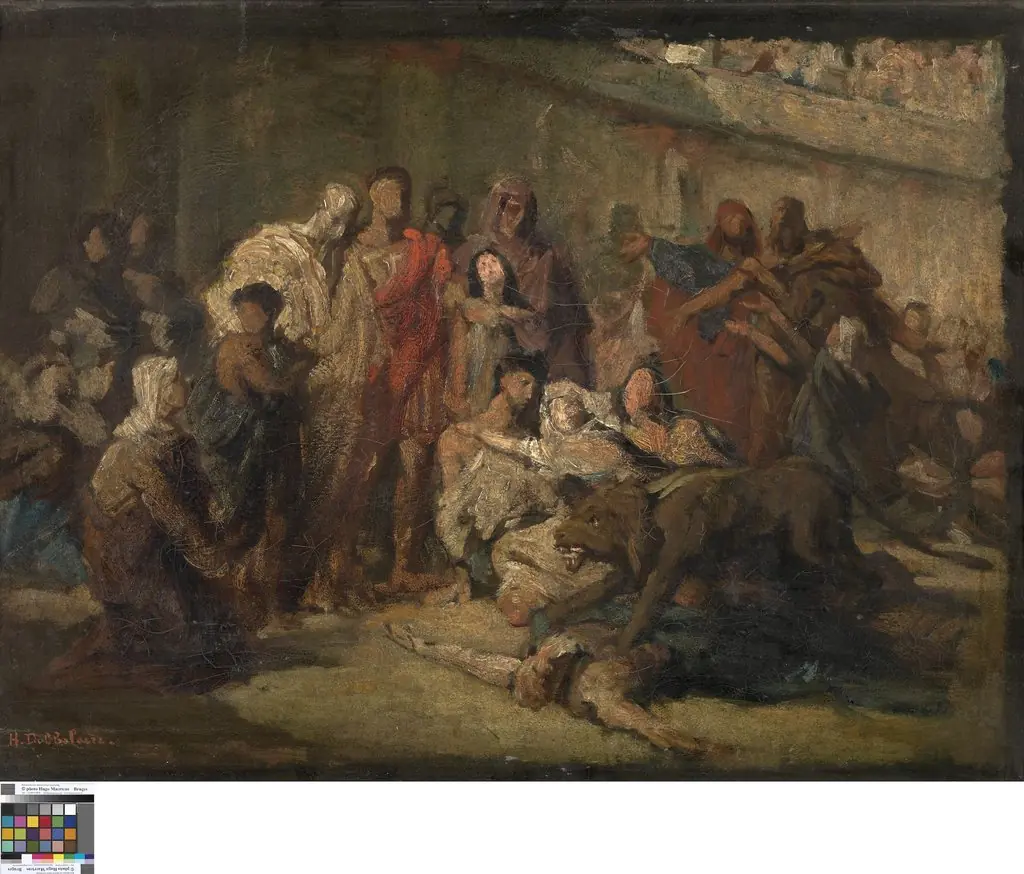 Martelaren in het circus
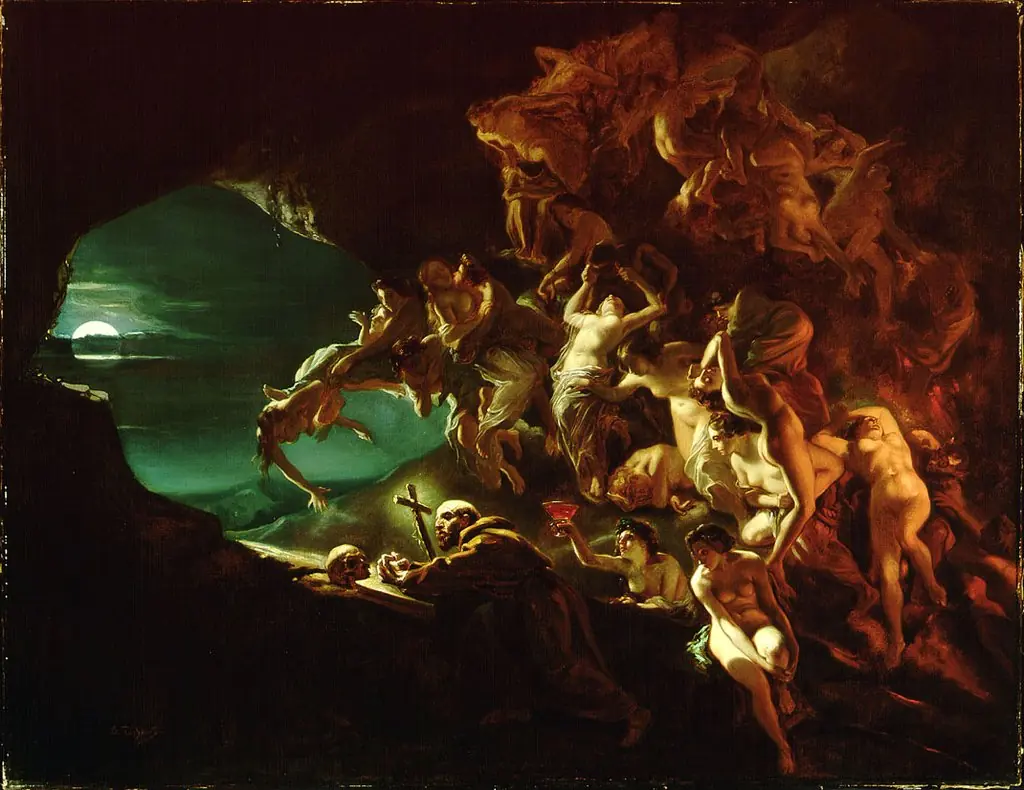 Temptation of Saint Hilarion
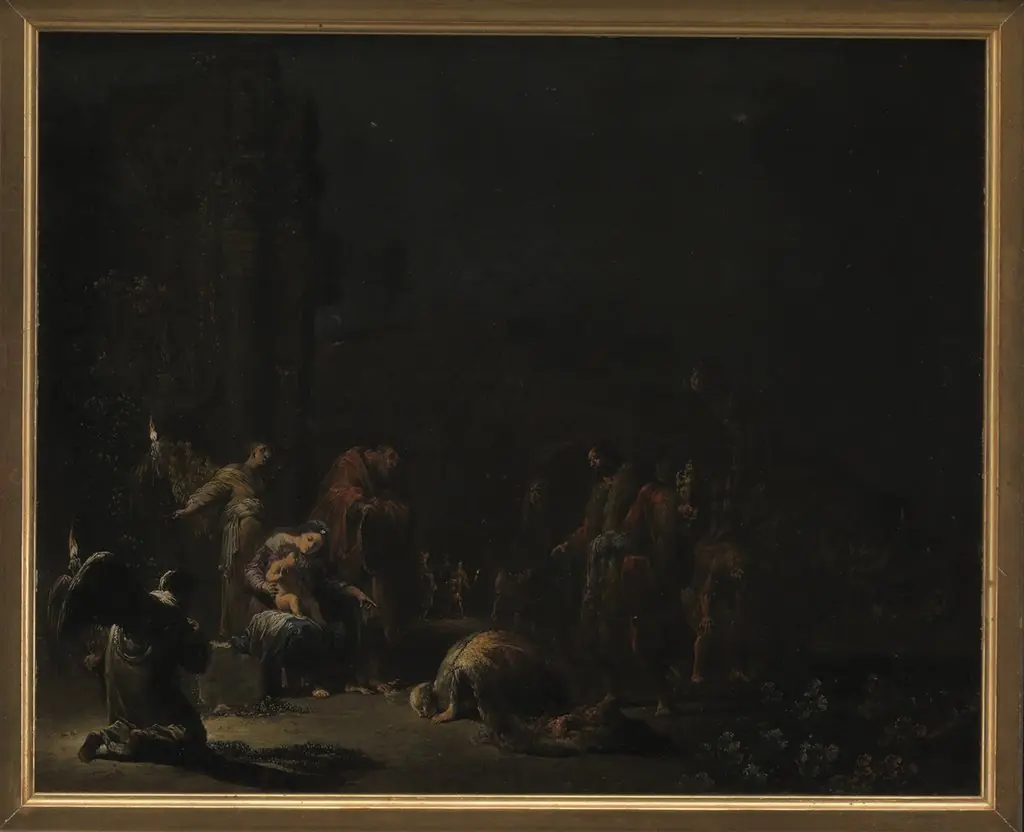 The Adoration of the Magi
 The Adoration of the Magi
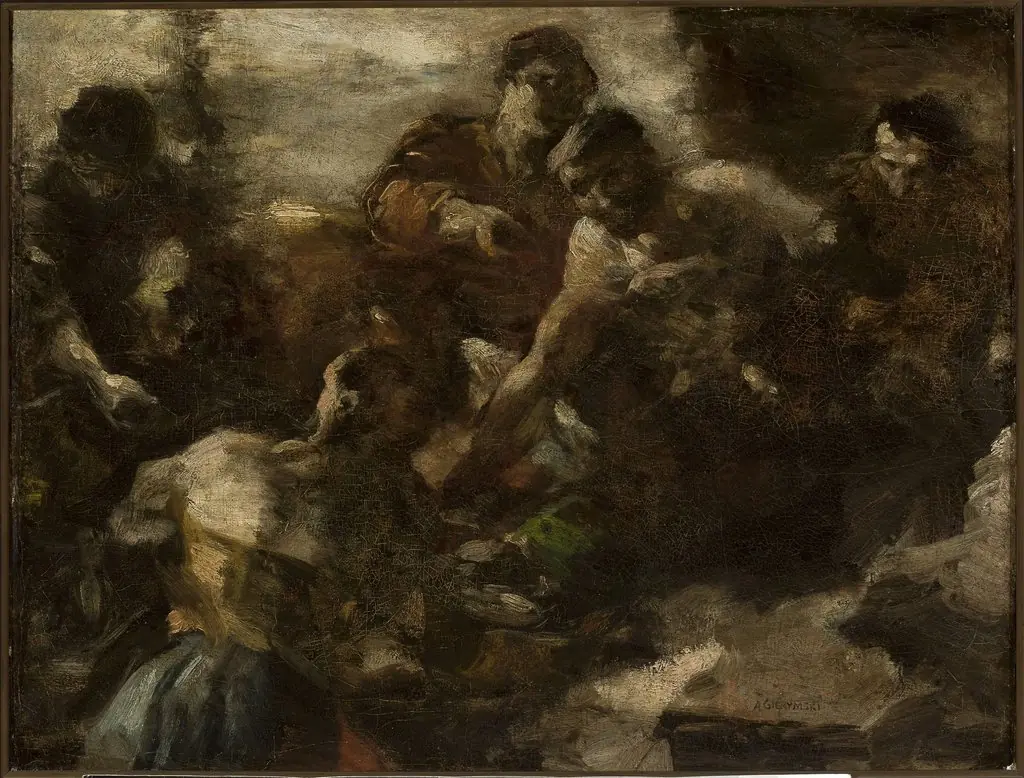 Tavern in Rome, sketch
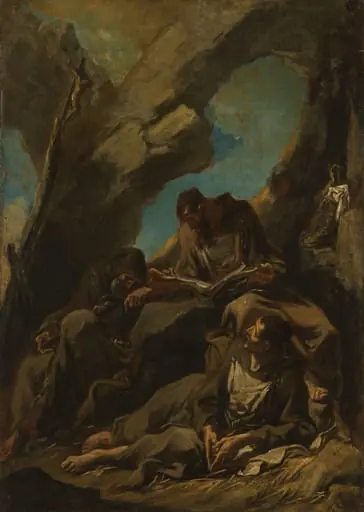 Three Camaldolese Monks in Meditative Prayer
 Die Ermordung des hl. Severus
 Don Quixote and the Dead Mule