Artwork
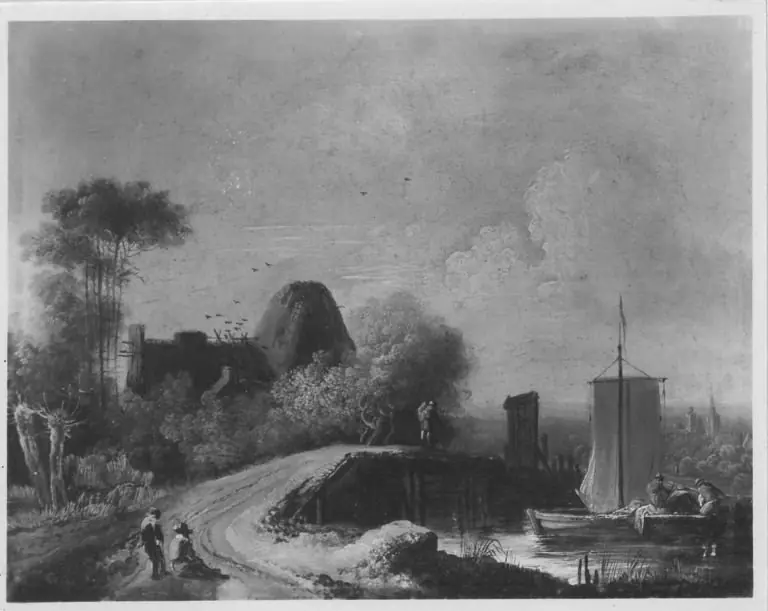
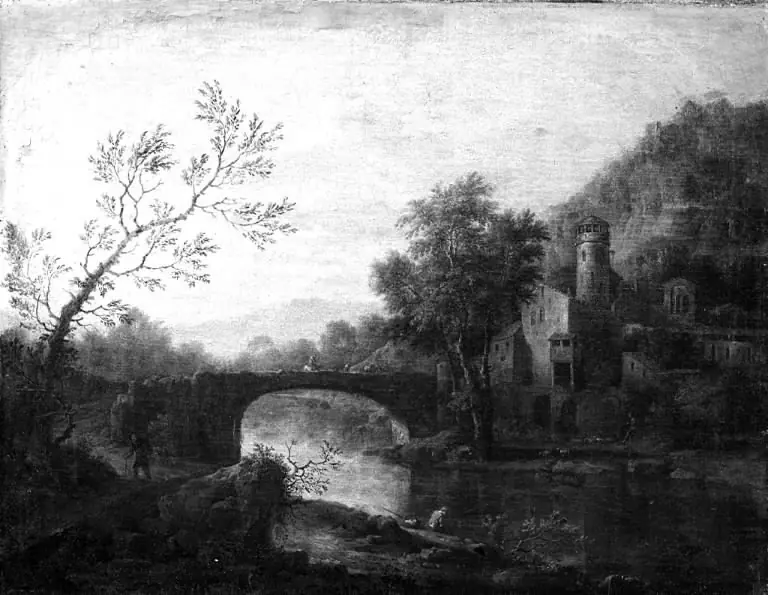
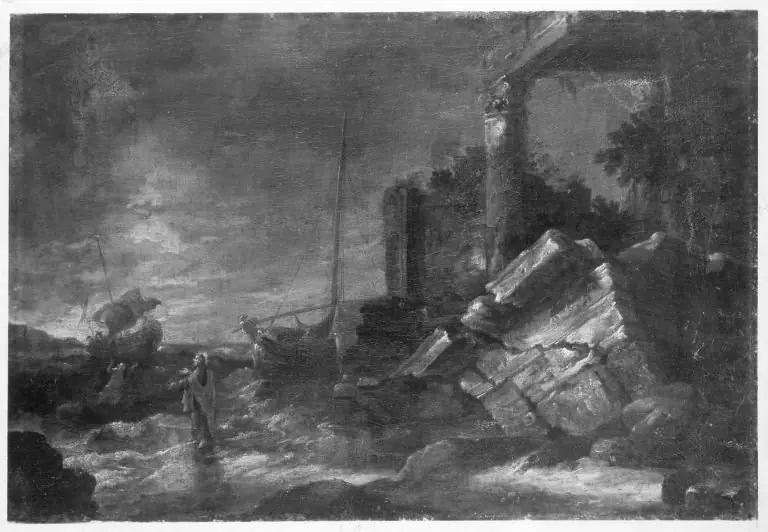
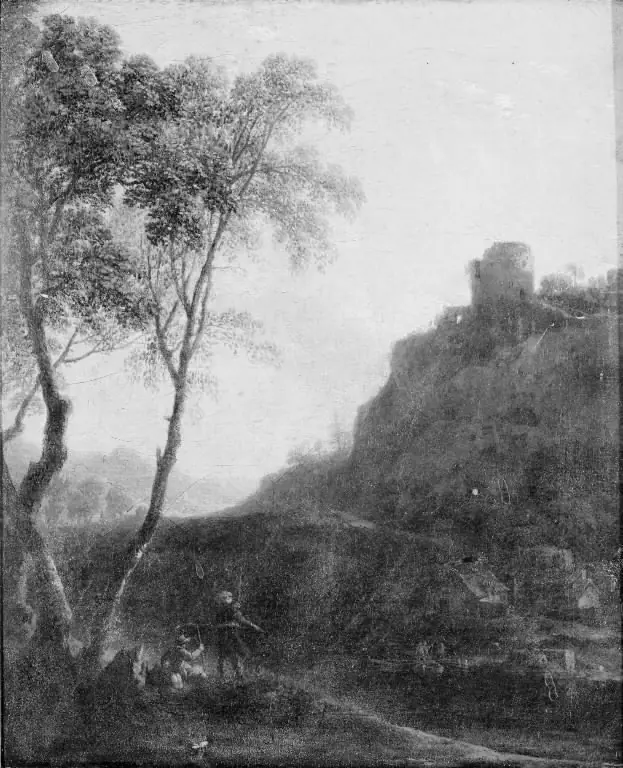
Landschaft mit unvollendetem Turm (Fälschung nach)
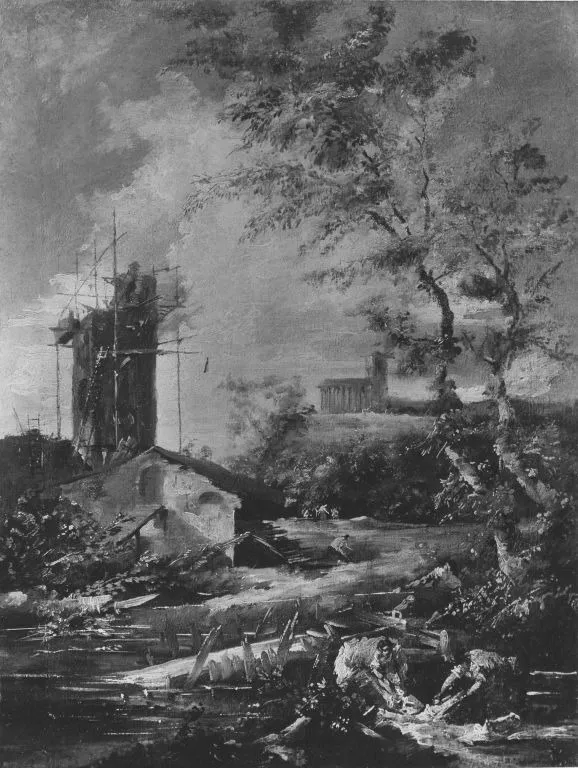
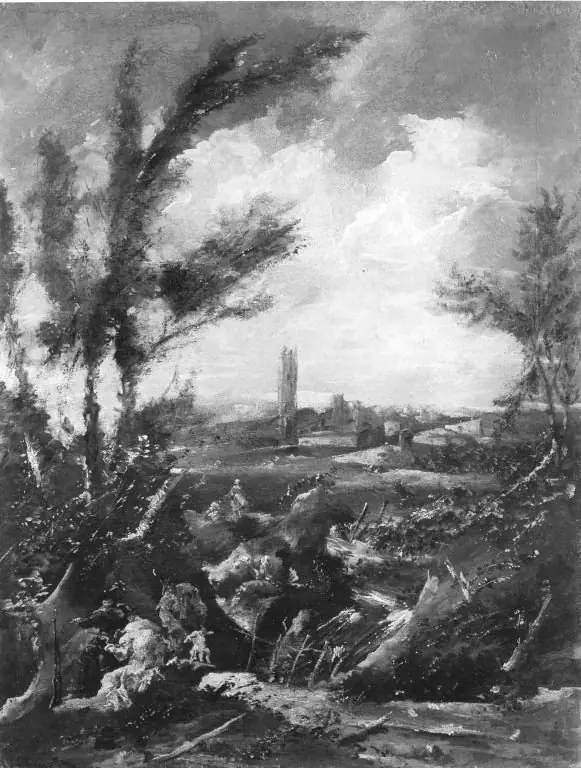
Landschaft mit unvollendetem Turm (Fälschung nach) is an unspecified painting by the Early Baroque Italian artist Alessandro Magnasco. It dates from 1708 and is held in the collection of the Bavarian State Painting Collections.
About this work
Overview
The composition conveys a sense of disorder and impending collapse.
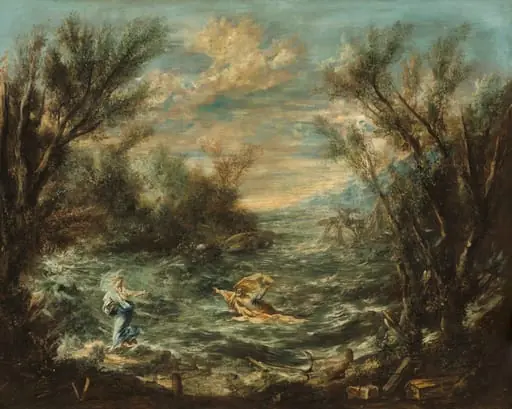
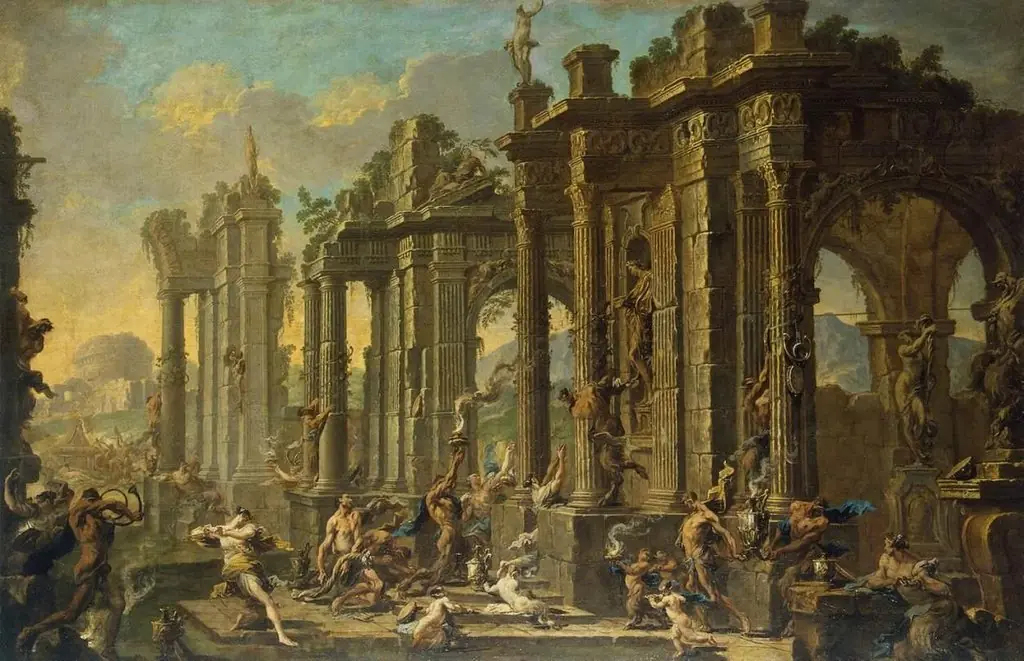
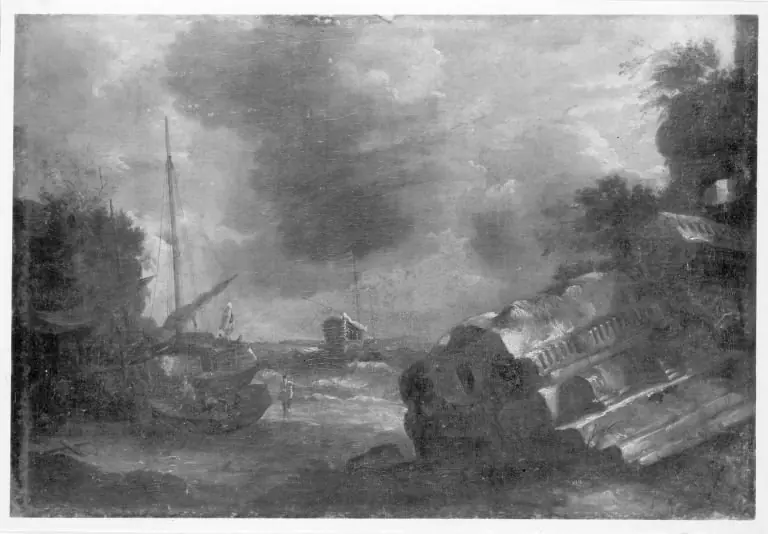
Created in 1708, this oil painting presents a turbulent, ruin‑filled scene dominated by a half‑finished tower whose crumbling walls and tangled ropes suggest abandonment. Dark, heavy clouds loom above a desolate landscape where debris litter the ground, a toppled boat rests near a shore, and a faint, temple‑like structure recedes on a distant hill. The composition conveys a sense of disorder and impending collapse.
Subject & Meaning
The central motif of the incomplete tower, juxtaposed with the storm‑laden sky and wrecked surroundings, evokes themes of impermanence and the fragility of human endeavors. The broken architecture and overturned vessel may allude to the futility of grand projects when confronted by nature’s forces, while the distant temple hints at a lingering, perhaps unattainable, ideal.
Technique & Style
The artist employs rapid, fragmented brushwork that imparts a restless energy to the scene. Stark chiaroscuro contrasts illuminate the tower’s silhouette against the brooding clouds, guiding the viewer’s eye through the chaotic terrain. The palette is restrained, dominated by muted earth tones and deep shadows, enhancing the painting’s urgent, almost theatrical atmosphere.
History & Provenance
Attributed to Alessandro Magnasco, known as il Lissandrino, the work reflects his late‑Baroque period activity in northern Italy. Though the piece bears a note indicating it is a later copy or forgery, it entered the collection of the Alte Pinakothek, where it remains part of the museum’s holdings of 18th‑century Italian painting.
Context
Magnasco’s oeuvre is characterized by imaginative, often nightmarish landscapes that diverge from the more polished vistas of his contemporaries. This painting aligns with his penchant for dramatic, almost theatrical scenes, situating it within a broader tradition of Baroque artists who explored the interplay of light, shadow, and emotional intensity to convey narrative tension.
Artist & collection
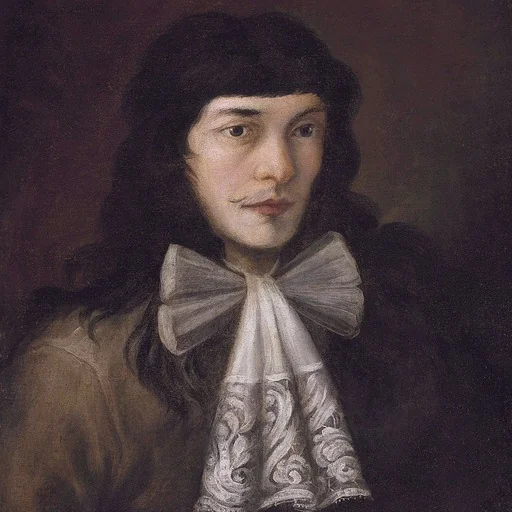
Artist
Alessandro Magnasco (February 4, 1667 – March 12, 1749), also known as il Lissandrino, was an Italian late-Baroque painter active mostly in Milan and Genoa.