Artwork
Wooded Landscape
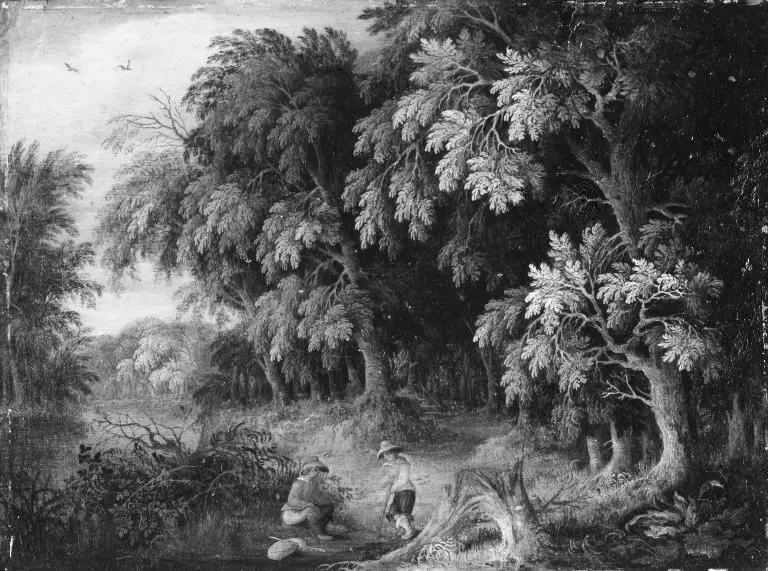
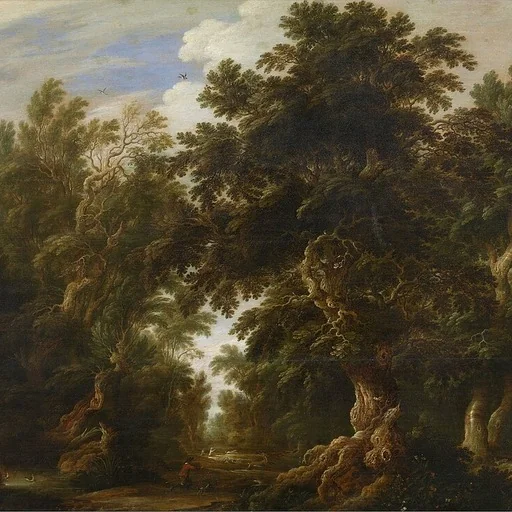
Wooded Landscape is an unspecified painting by the Flemish Baroque painting artist Alexander Keirincx. It dates from 1617 and is held in the collection of the Statens Museum for Kunst.
About this work
If you're interested in exploring more works like this, you might want to look into the artist Alexander Keirincx, who created this piece in 1617.
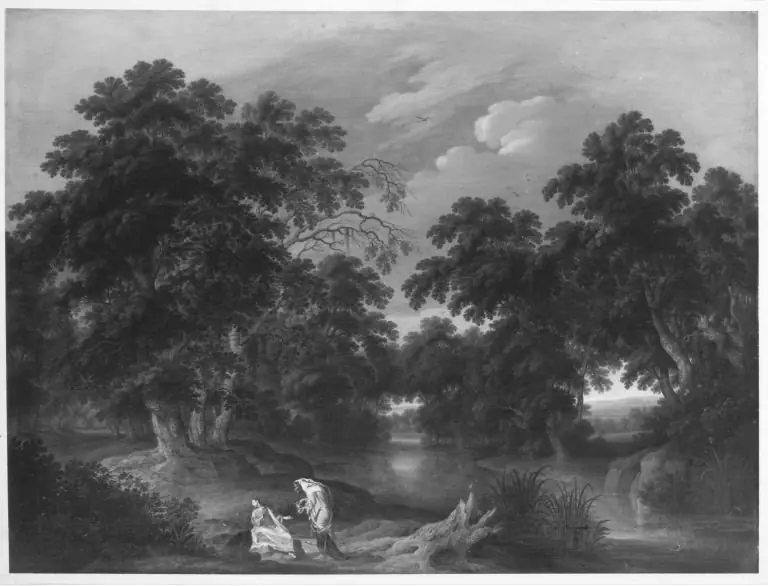
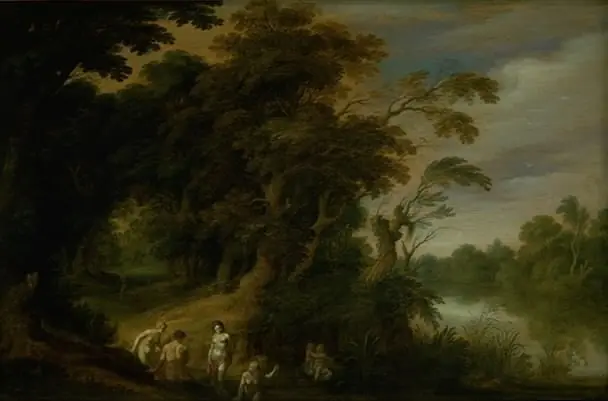
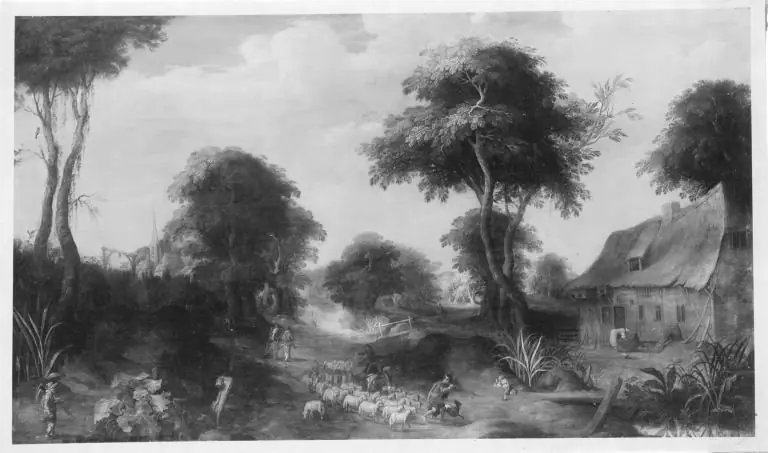
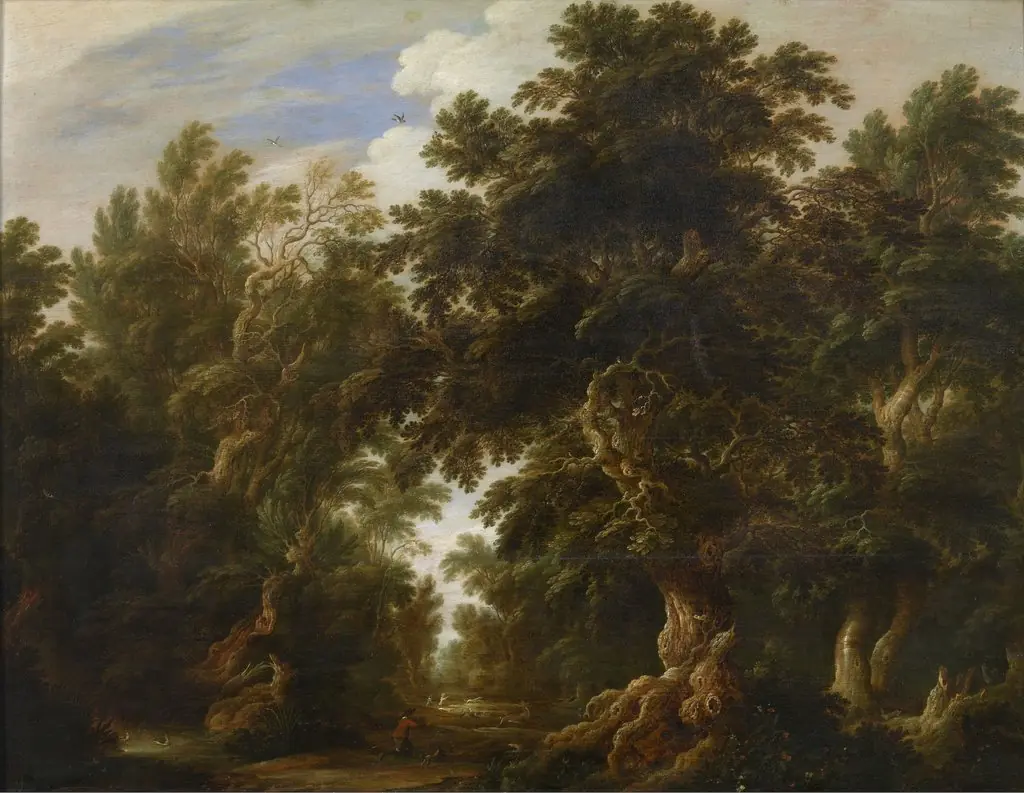
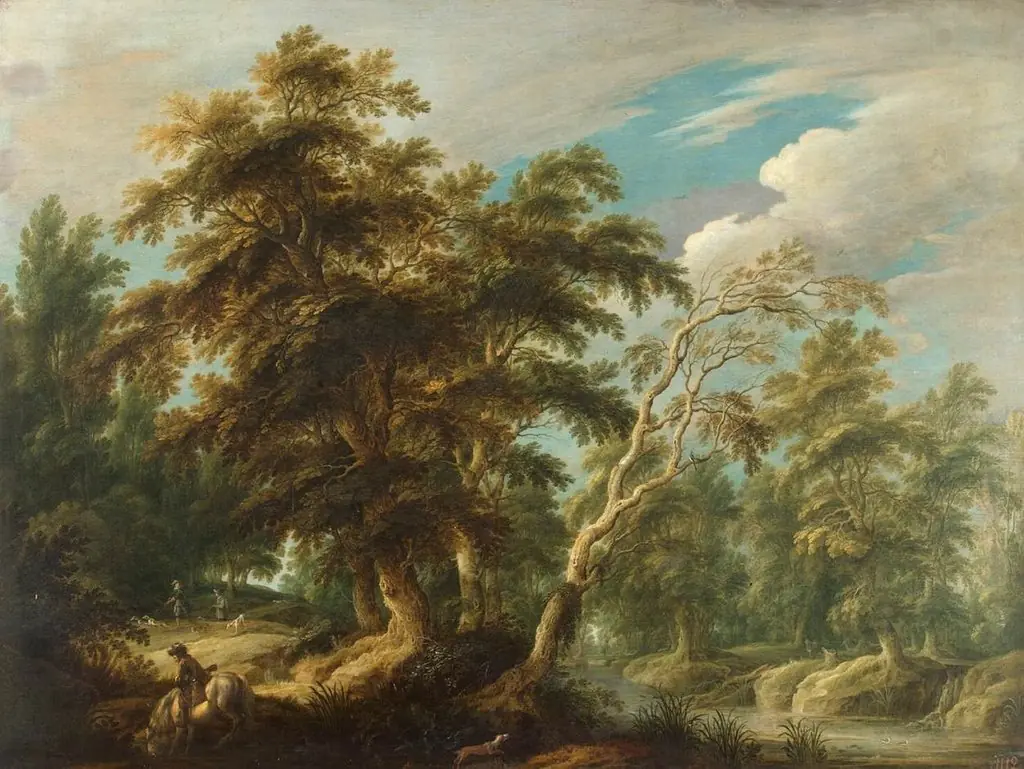
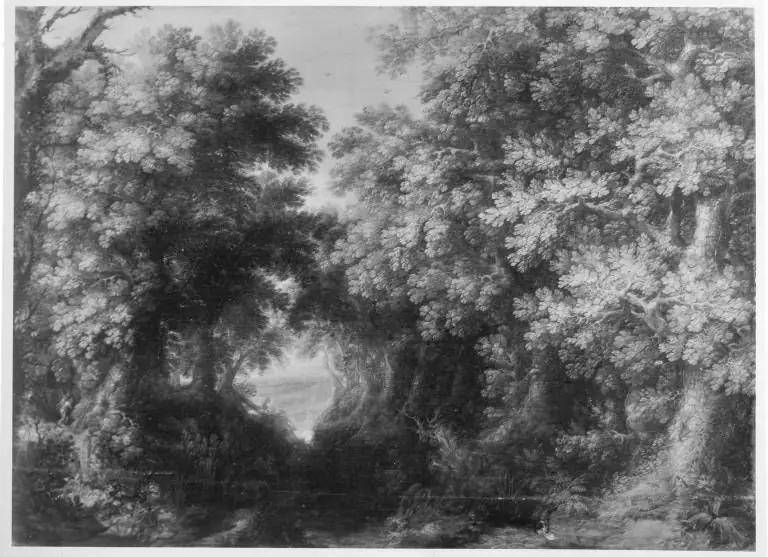
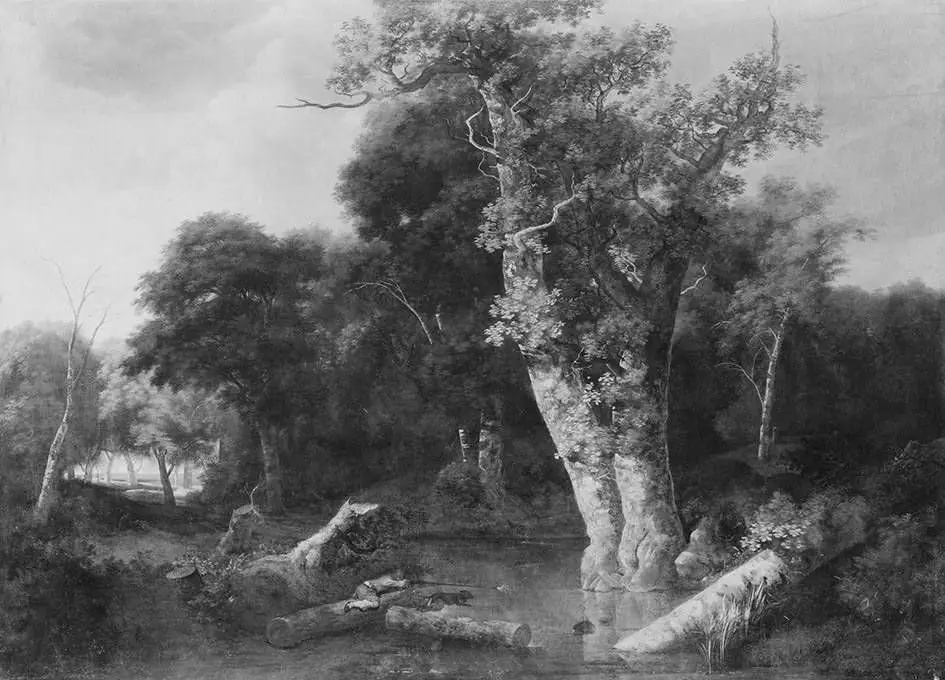
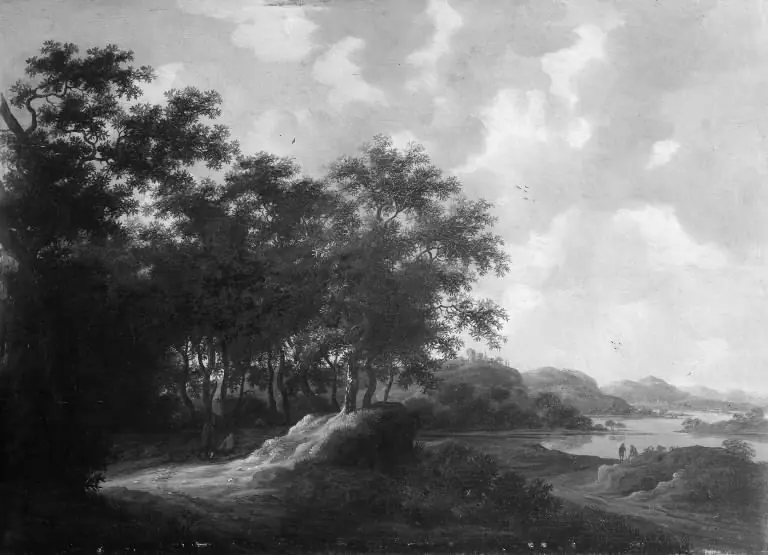
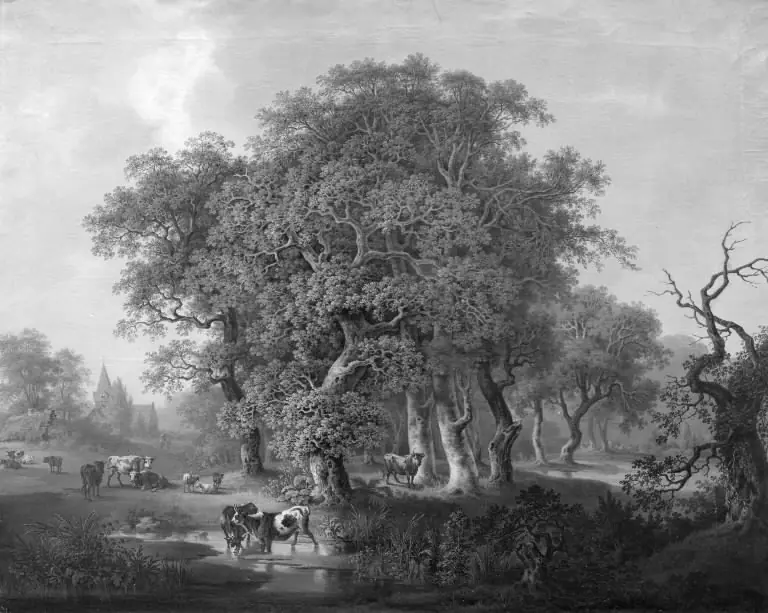
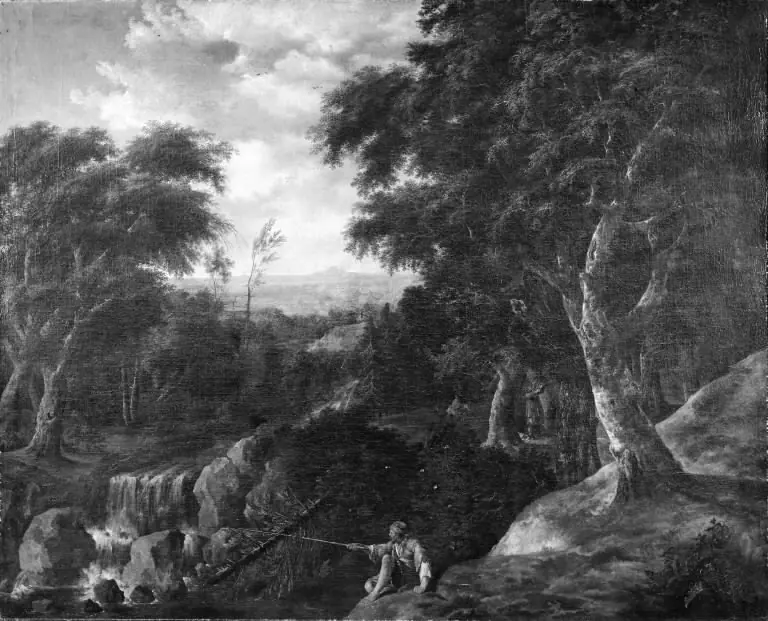
This painting shows a serene wooded landscape with trees and bushes in the foreground. In the center, two men are engaged in an activity, possibly hunting or gathering, surrounded by a few objects on the ground.
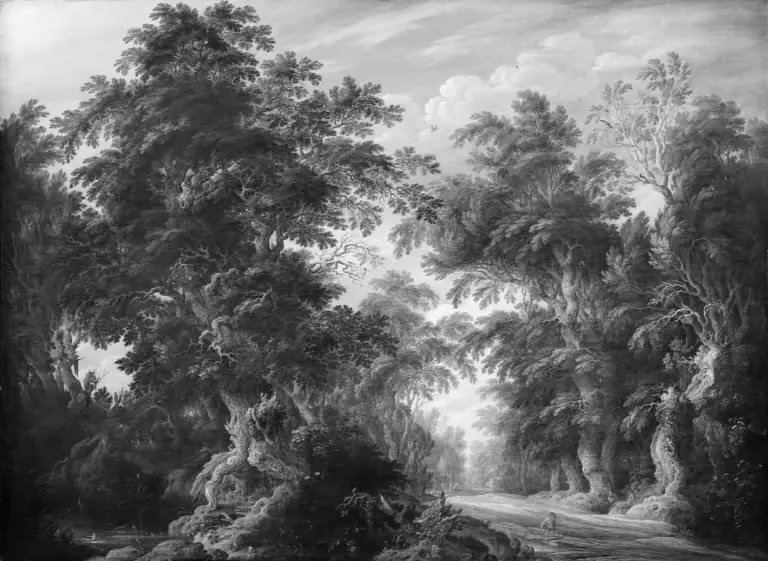
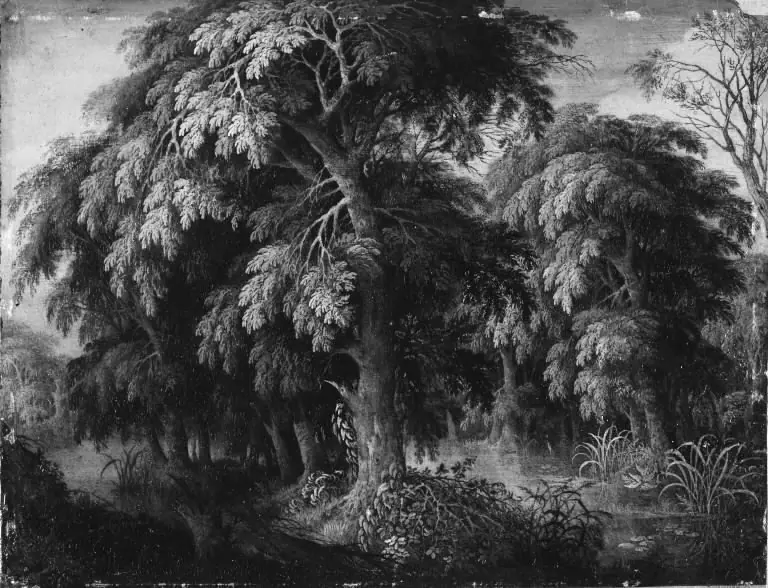
The scene is set in a natural environment, with the trees and foliage creating a sense of depth and atmosphere. The artist's use of color and light adds to the overall mood of the painting.
If you're interested in exploring more works like this, you might want to look into the artist Alexander Keirincx, who created this piece in 1617.
Overview
Painted in 1617 by the Flemish artist Alexander Keirincx, this wooded landscape reflects the detailed naturalism characteristic of early 17th-century Northern European painting. Keirincx, trained in Antwerp, developed a reputation for meticulously rendered forest scenes that combined observed nature with subtle human presence. The work is held in the Statens Museum for Kunst, part of a broader body of landscapes he produced during his travels across the Dutch Republic and England.
Subject & Meaning
The scene depicts a quiet woodland where two figures engage in a quiet activity near the forest floor, their actions ambiguous—perhaps gathering wood, hunting, or resting. The absence of dramatic narrative invites contemplation rather than storytelling. The figures are integrated into the landscape without dominating it, suggesting a harmonious, if unromanticized, relationship between humans and nature, typical of Keirincx’s approach to rural life.
Technique & Style
Keirincx employed fine brushwork to render individual leaves, bark textures, and atmospheric depth, using layered greens and muted earth tones to suggest the density of the forest. Light filters diffusely through the canopy, creating soft contrasts that enhance spatial recession. The composition guides the eye from the detailed foreground through receding planes of trees, demonstrating a careful balance between observation and structured arrangement.
History & Provenance
Created in 1617, the painting entered the collection of the Statens Museum for Kunst in Denmark, where it remains today. Keirincx’s work was sought after by patrons in both the Netherlands and England, including members of royal courts, though this particular piece appears to be a private commission rather than an architectural landscape he later became known for. Its survival and preservation reflect its early recognition among collectors of Northern European art.
Context
In early 17th-century Flanders, landscape painting was gaining independence from religious or mythological themes. Artists like Keirincx contributed to this shift by focusing on natural environments as subjects worthy of sustained attention. His work aligns with broader trends in the Dutch Republic and beyond, where empirical observation of nature and quiet rural life became central to artistic expression outside urban centers.
Legacy
Keirincx’s influence extended through his detailed woodland scenes, which helped shape the development of landscape painting in Northern Europe. While not as widely celebrated as some contemporaries, his consistent focus on naturalism and atmospheric depth informed later generations of painters who sought to capture the quiet character of the countryside. This painting stands as a representative example of his enduring contribution to the genre.
Artist & collection
Artist
Alexander Keirincx (23 January 1600 in Antwerp – 1652 in Amsterdam) was a Flemish landscape painter who is known for his wooded landscapes with figures as well as his 'portraits' of English castles and country houses.