Artwork
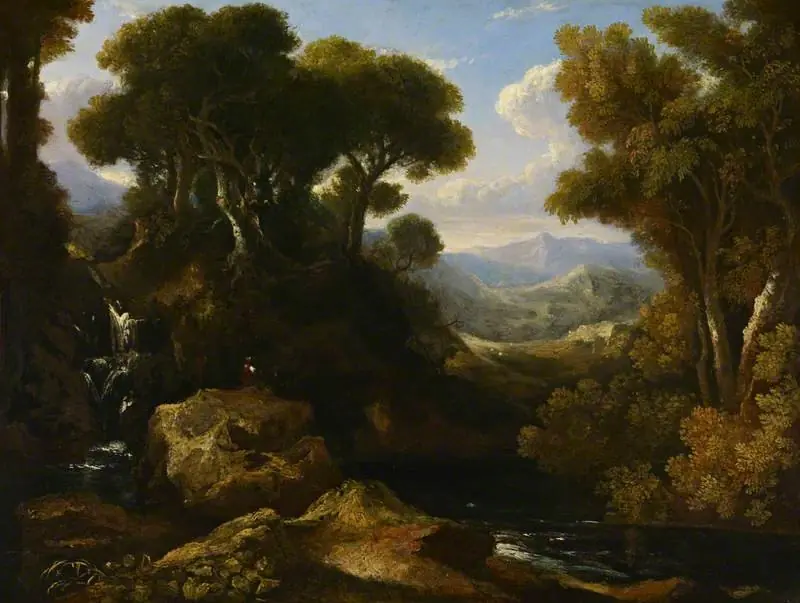
Italian River Landscape with a Hermit
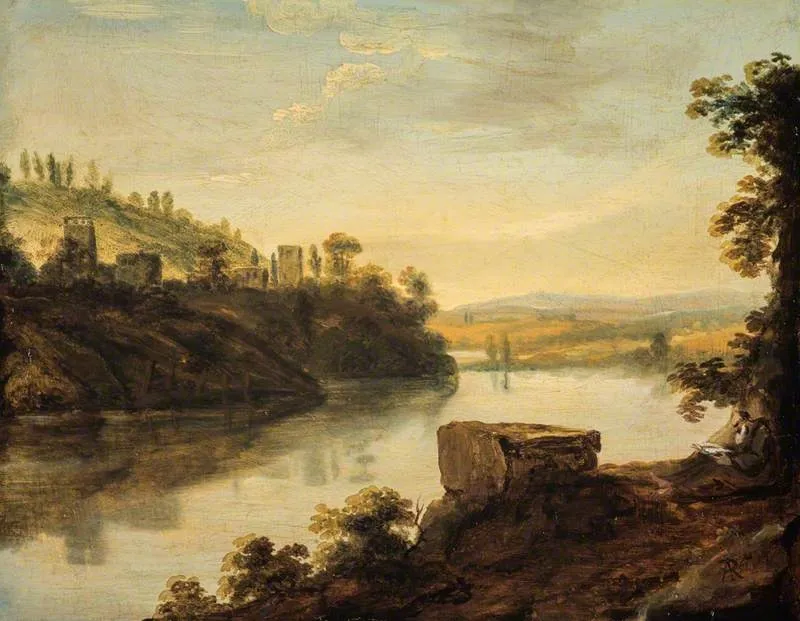
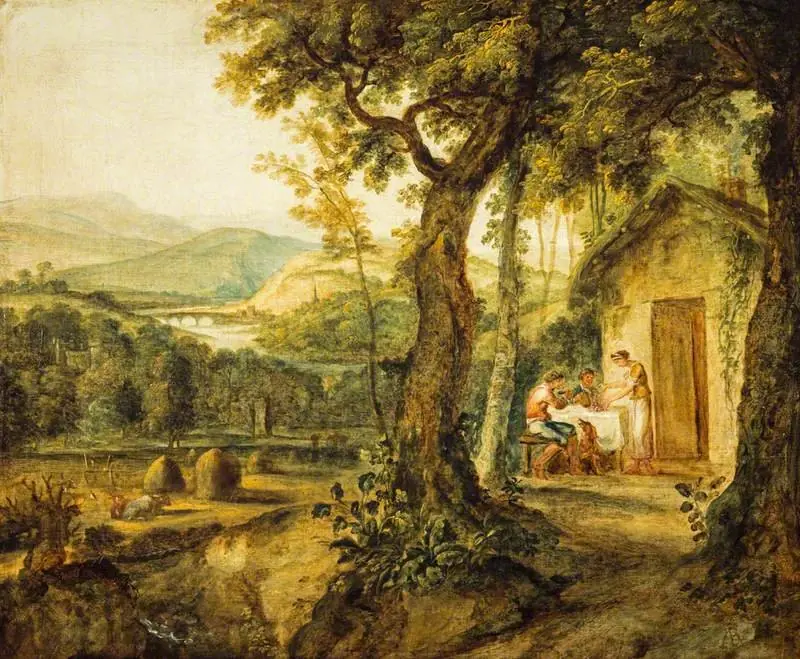
Italian River Landscape with a Hermit is an oil painting by Alexander Runciman. It dates from 1770 and is held in the collection of the National Galleries Scotland.
About this work
Overview
The painting resides in the Scottish National Gallery, part of a small group of topographical works by Runciman that diverge from his more dramatic subjects.
Painted around 1770, *Italian River Landscape with a Hermit* is an oil on canvas work by the Scottish artist Alexander Runciman. Though best known for mythological themes, this piece belongs to his lesser-known landscape output. It depicts a tranquil riverside scene in an imagined Italian setting, reflecting the 18th-century European fascination with pastoral retreats. The painting resides in the Scottish National Gallery, part of a small group of topographical works by Runciman that diverge from his more dramatic subjects.
Subject & Meaning
The painting centers on a solitary hermit seated beside a quiet river, engaged in quiet contemplation. His presence suggests a spiritual or ascetic ideal, common in Enlightenment-era art that valued introspection over spectacle. The surrounding natural elements—dense foliage, distant hills, and modest architecture—frame the figure without intrusion, reinforcing a mood of stillness. The scene is not tied to a specific biblical or literary narrative but evokes a generalized sense of withdrawal from worldly concerns.
Technique & Style
Runciman employed subtle gradations of color to suggest atmospheric depth, using muted greens and browns for the foreground vegetation, cool blues and grays for the water and sky. Brushwork is restrained, avoiding dramatic contrasts in favor of soft transitions. The composition guides the eye from the foreground hermit through the river to the hazy distant hills, creating a sense of spatial recession. The style reflects influences from Dutch and French landscape traditions, adapted to a Scottish sensibility of quiet observation.
History & Provenance
The painting entered the collection of the Scottish National Gallery in the 19th century, likely through a private donation or acquisition from a Scottish collector. Its origins prior to that are undocumented, though it may have been acquired during Runciman’s travels or through his network of patrons. Unlike his mythological works, this landscape received little public attention during his lifetime, and its survival reflects its quiet appeal to later collectors interested in Romantic-era nature studies.
Context
Created during a period when British artists increasingly turned to landscape as a subject worthy of serious attention, Runciman’s work aligns with broader European trends favoring serene, contemplative scenes. While Italianate landscapes were popular among Grand Tour travelers, Runciman never traveled to Italy; his depiction is an idealized synthesis drawn from prints and descriptions. The hermit figure resonates with contemporary philosophical interest in solitude and nature as moral guides, echoing ideas found in Rousseau and other Enlightenment thinkers.
Legacy
Though Alexander Runciman is primarily remembered for his historical paintings, this landscape stands as a quiet testament to his versatility. It contributed to the growing recognition of landscape as a legitimate genre in Scottish art, preceding the more famous Romantic landscapes of the 19th century. The work remains a modest but significant example of how Scottish artists engaged with continental traditions, blending observation with idealism to express a contemplative vision of nature.
Artist & collection
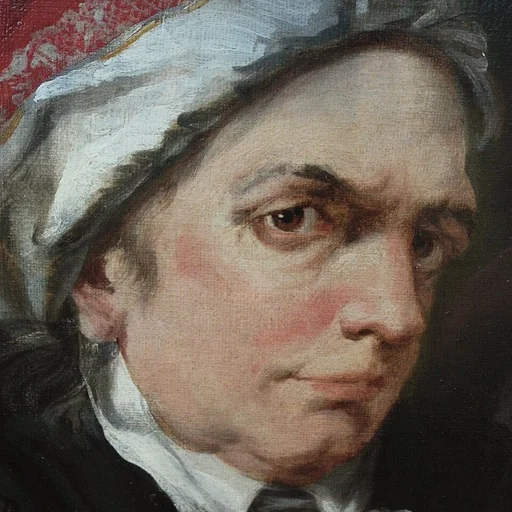
Artist
Alexander Runciman (15 August 1736 – 4 October 1785) was a Scottish painter of historical and mythological subjects. He was the elder brother of John Runciman, also a painter.

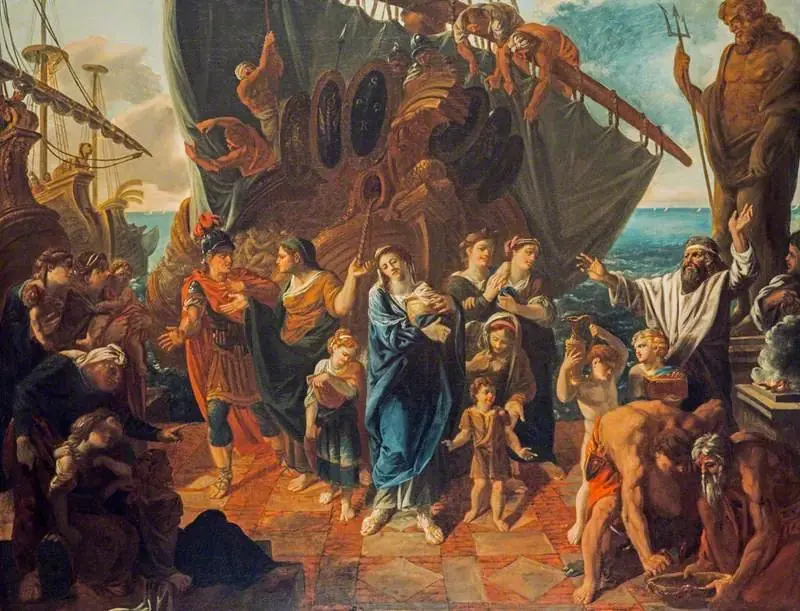 Agrippina Landing at Brundisium with the Ashes of Germanicus
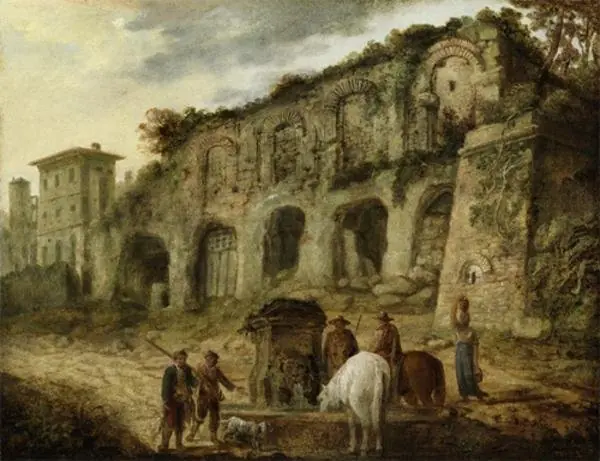 Peasants and Horses Standing By A Fountain: The Curia Ostilia and the Basilica Porzia on the Palatine Hill Beyond
 A View near Perth, Landscape from Milton's 'L'Allegro'
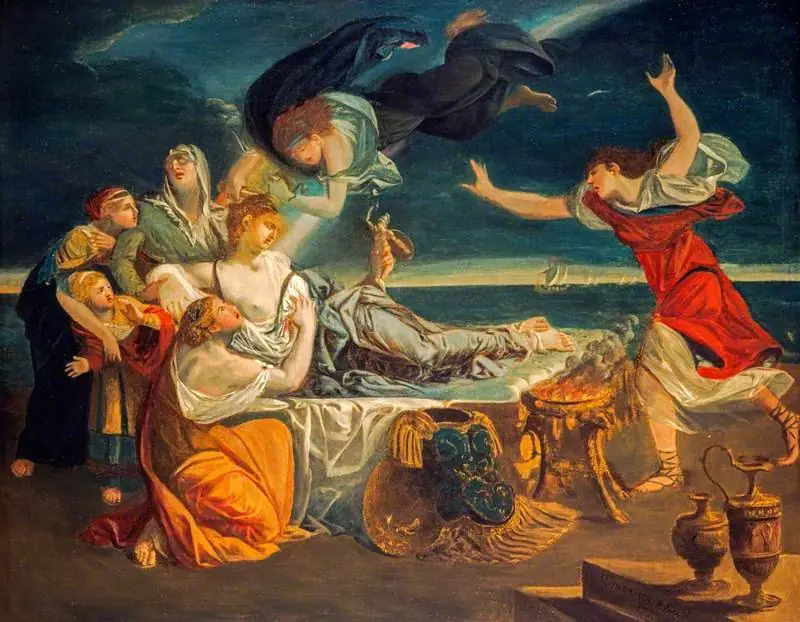 The Death of Dido
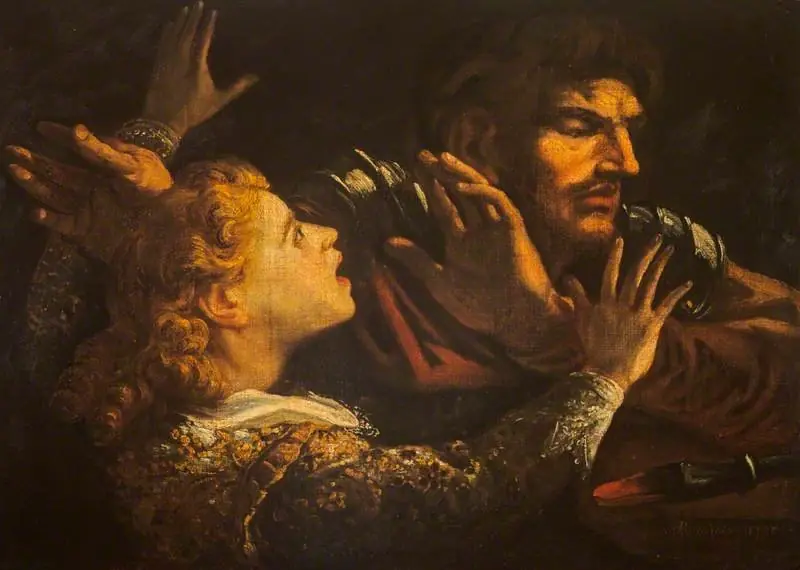 Hubert and Arthur (from Shakespeare's 'King John')
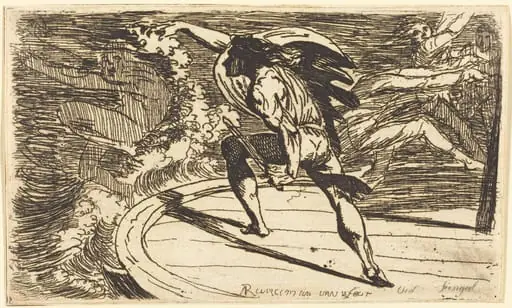 Cormar Attacking the Spirit of the Waters (Ossian, Fingal, Book III)
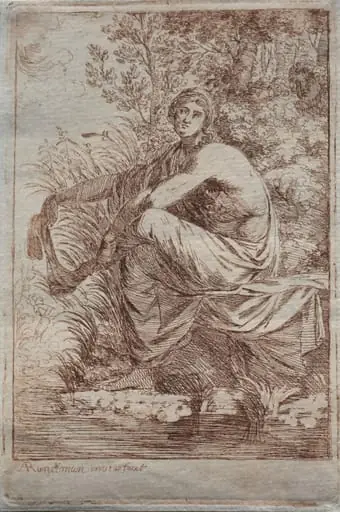 Musidora
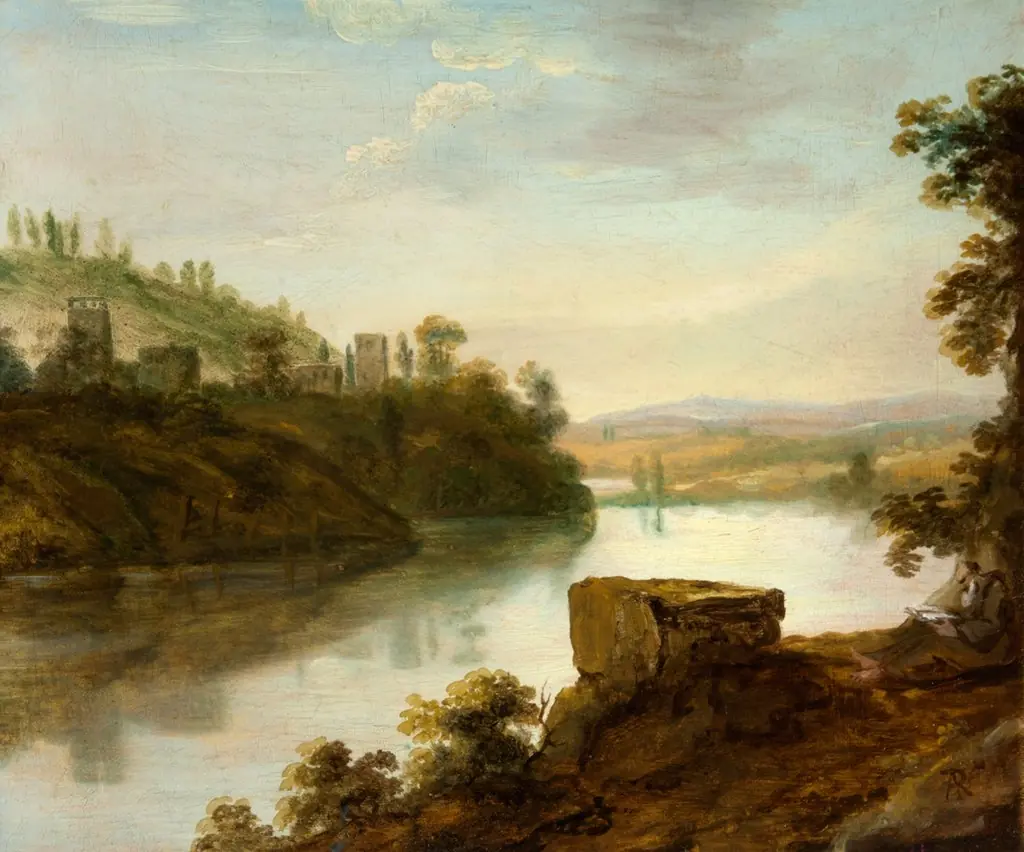 Pastoral Landscape
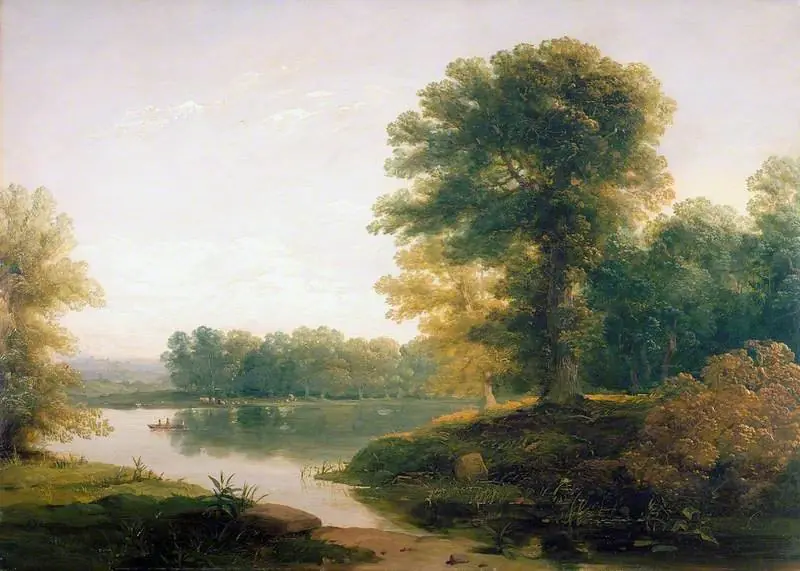 Landscape
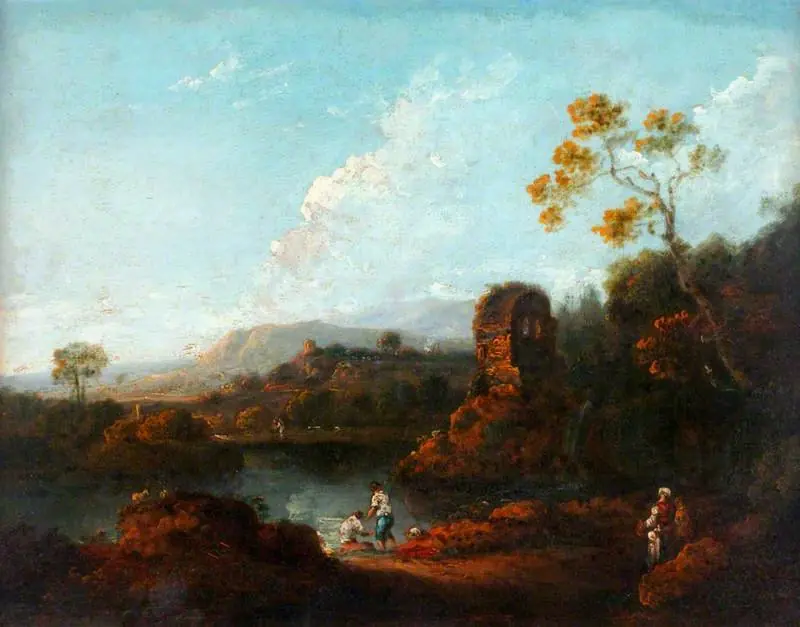 Landscape with a River and Ruins
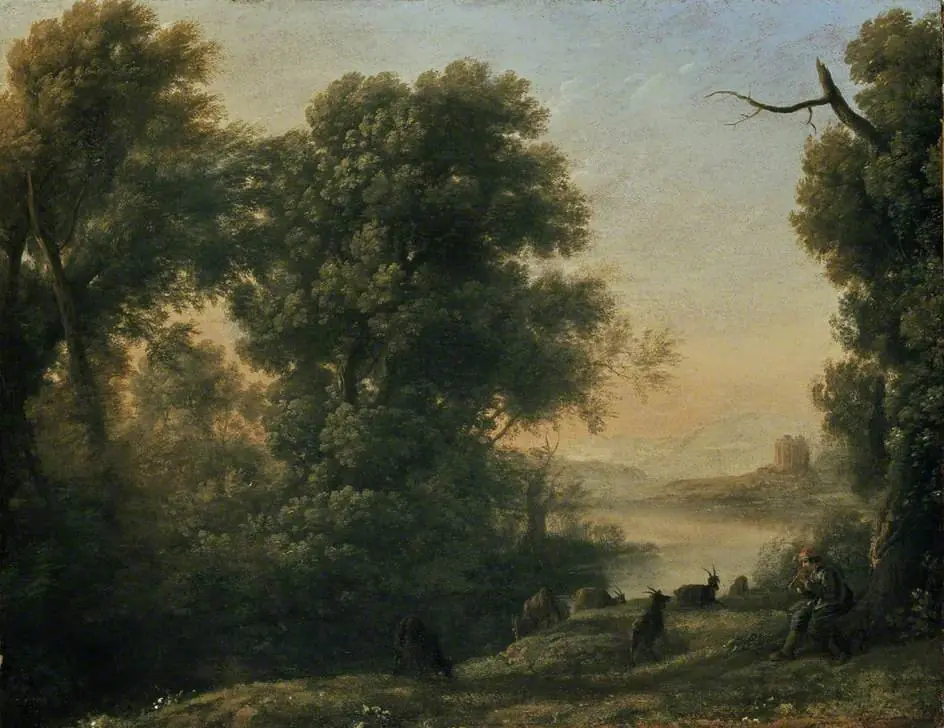 Landscape with a Goatherd
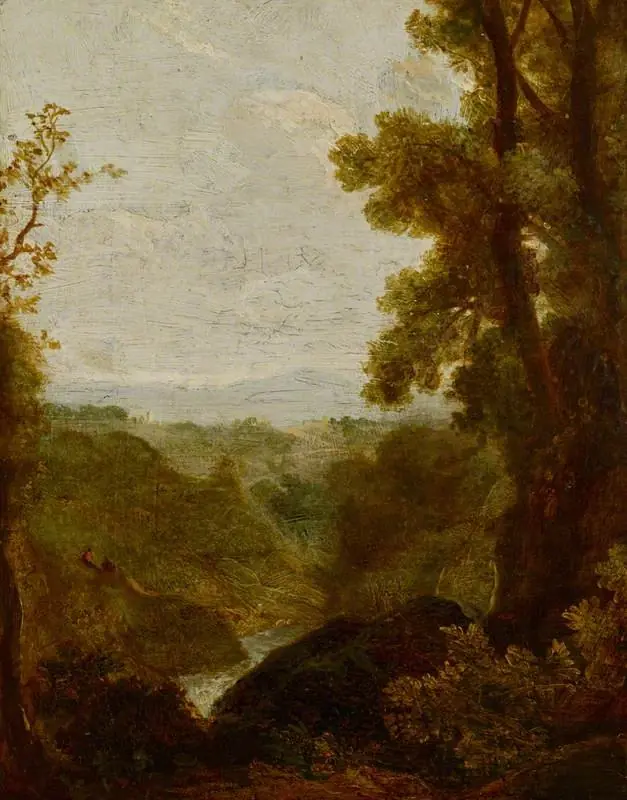 Wooded Landscape
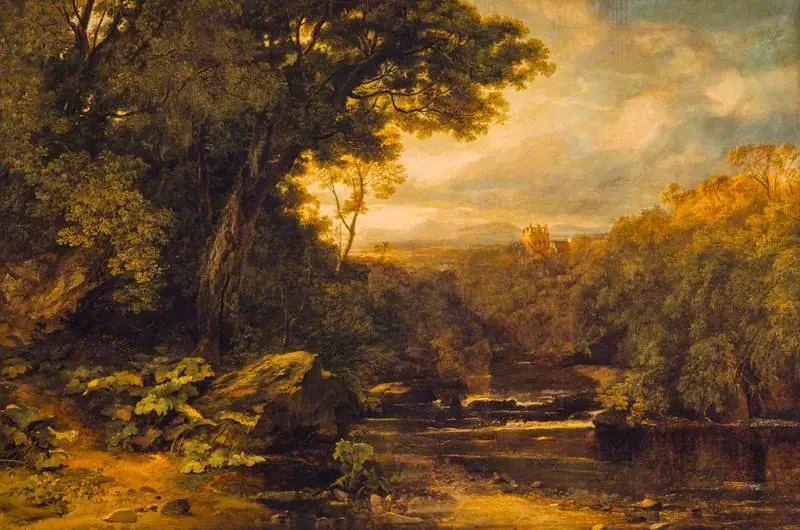 A Lowland River
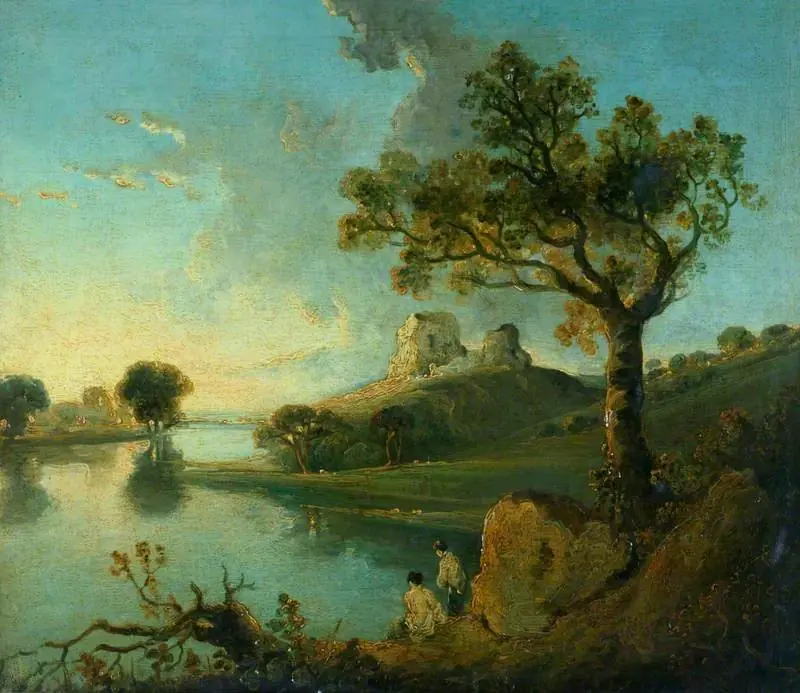 River Scene with a Ruined Castle and Figures
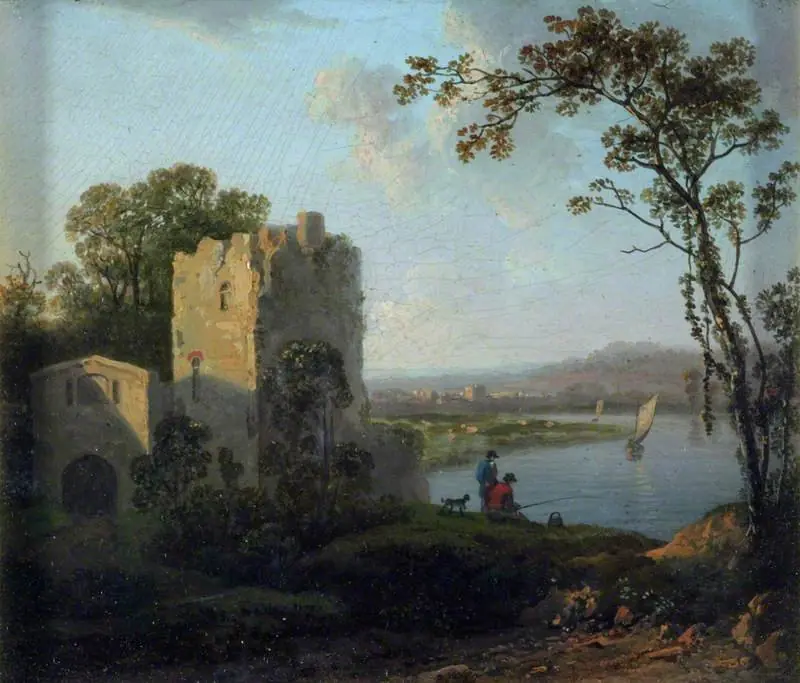 Landscape: Tower on the Bank of a River with Two Men Fishing
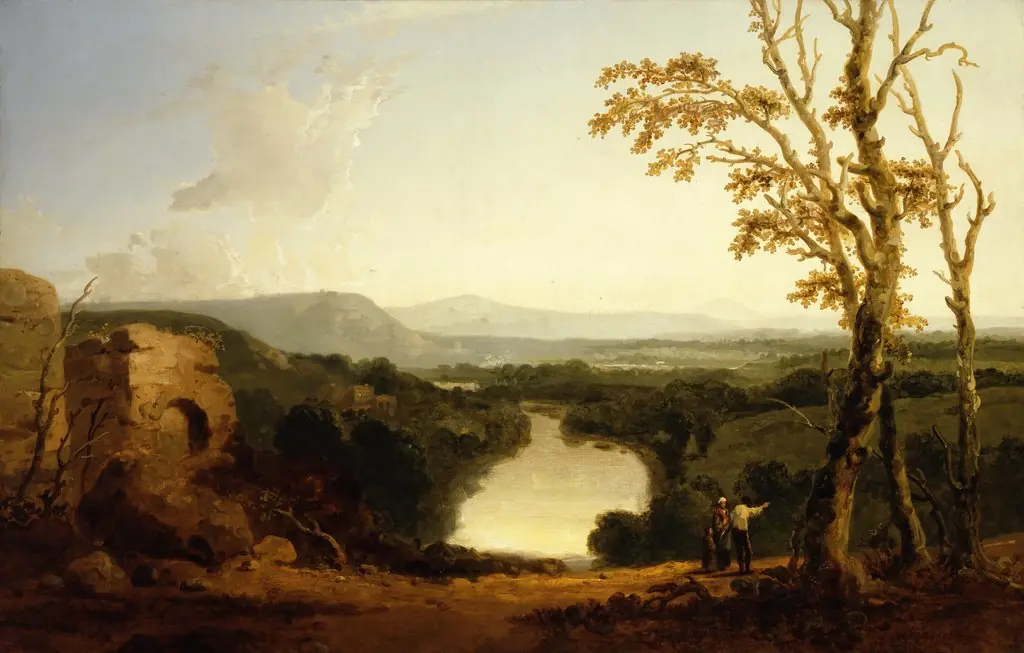 Landscape with River Valley
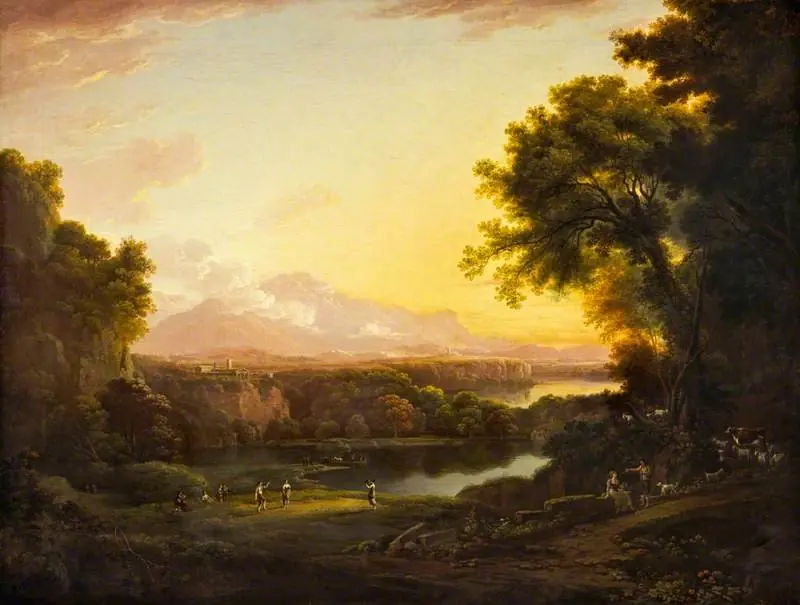 A View of Tivoli
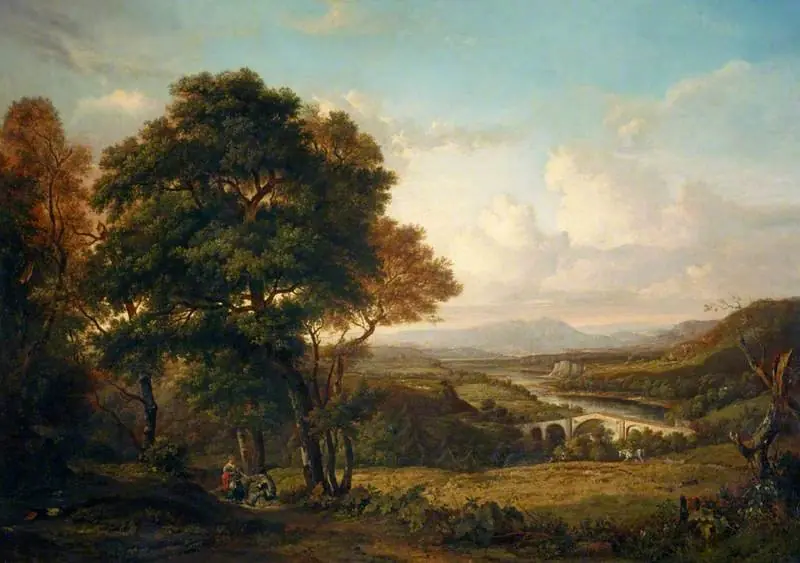 The Valley of the Tweed
 Landscape Composition