Artwork
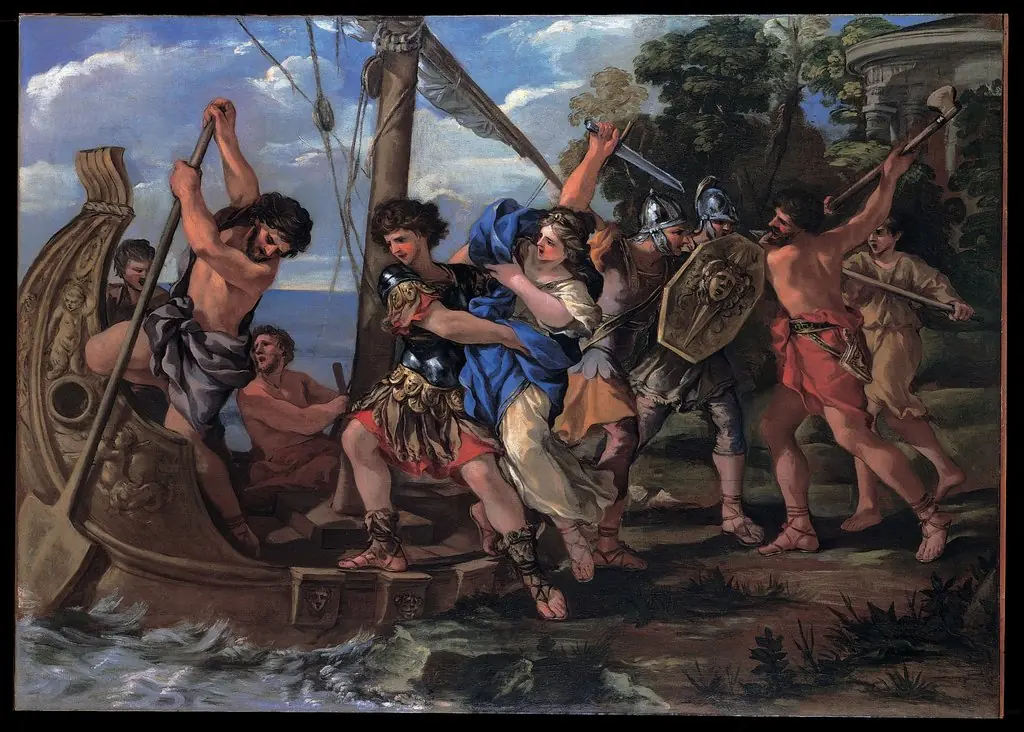
Agrippina Landing at Brundisium with the Ashes of Germanicus
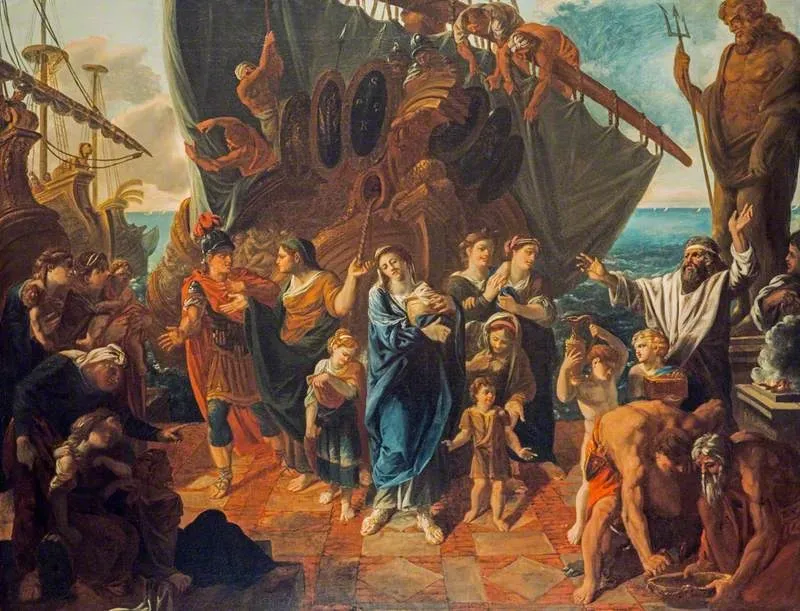
Agrippina Landing at Brundisium with the Ashes of Germanicus is an oil painting by the Neoclassicist artist Alexander Runciman. It is held in the collection of the National Galleries Scotland.
About this work
Overview
Painted in 1791, the work reflects the neoclassical interest in Roman history and moral virtue.
Alexander Runciman’s oil painting, completed after his death in 1785, portrays Agrippina the Elder arriving at Brundisium with the ashes of her husband, Germanicus. Painted in 1791, the work reflects the neoclassical interest in Roman history and moral virtue. Though Runciman did not live to see its finish, the painting was realized by others based on his preparatory work, preserving his intended composition and emotional tone.
Subject & Meaning
The scene captures Agrippina’s solemn return to Rome carrying the remains of Germanicus, a popular general whose death was widely mourned. Her upright posture and direct gaze convey dignified grief, while the surrounding figures—mourning officials and sailors—emphasize the public significance of the moment. The torn sail and overcast sky underscore loss and transition, framing her as a symbol of stoic resilience amid political turmoil.
Technique & Style
Runciman employs chiaroscuro to model form and direct attention toward Agrippina, whose blue robe contrasts with the muted earth tones of the scene. The figures are rendered with precise drapery and classical proportions, reflecting neoclassical ideals. Architectural elements and ship details are carefully observed, grounding the narrative in historical authenticity while enhancing the painting’s somber atmosphere through controlled lighting and spatial depth.
History & Provenance
Runciman began the painting before his death in 1785; it was completed posthumously by assistants or patrons, likely under the supervision of those familiar with his style. The work entered public collections in the late 18th century, where it was recognized for its historical subject and technical execution. Its completion after the artist’s passing adds a layer of historical resonance, mirroring the theme of legacy embedded in the scene itself.
Context
Painted during the height of neoclassicism, the work aligns with contemporary European fascination with Roman virtue and tragedy. Agrippina’s story—widow of a hero, mother of Caligula, and victim of political intrigue—resonated with Enlightenment-era ideals of moral fortitude. The painting’s emphasis on public duty and private sorrow reflects broader cultural preoccupations with civic responsibility and emotional restraint.
Legacy
Though not widely exhibited today, the painting remains a notable example of late 18th-century British neoclassical historiography. It illustrates how historical narratives were visually codified to convey ethical lessons. Its survival and preservation underscore its role in shaping perceptions of Roman womanhood and the enduring appeal of stoic heroism in art of the period.
Artist & collection
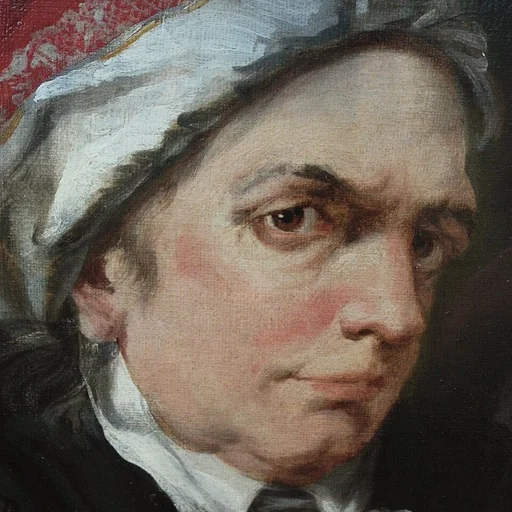
Artist
Alexander Runciman (15 August 1736 – 4 October 1785) was a Scottish painter of historical and mythological subjects. He was the elder brother of John Runciman, also a painter.

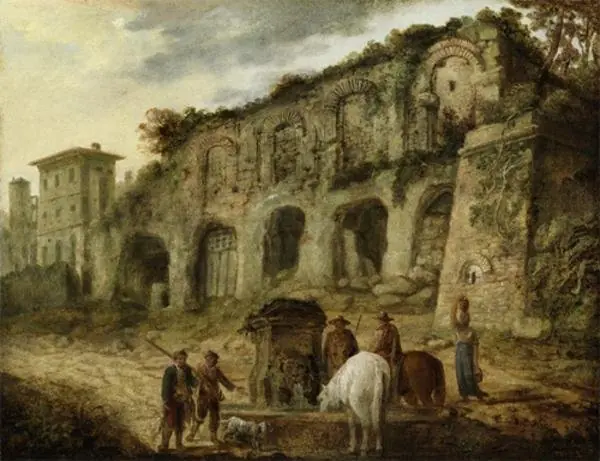 Peasants and Horses Standing By A Fountain: The Curia Ostilia and the Basilica Porzia on the Palatine Hill Beyond
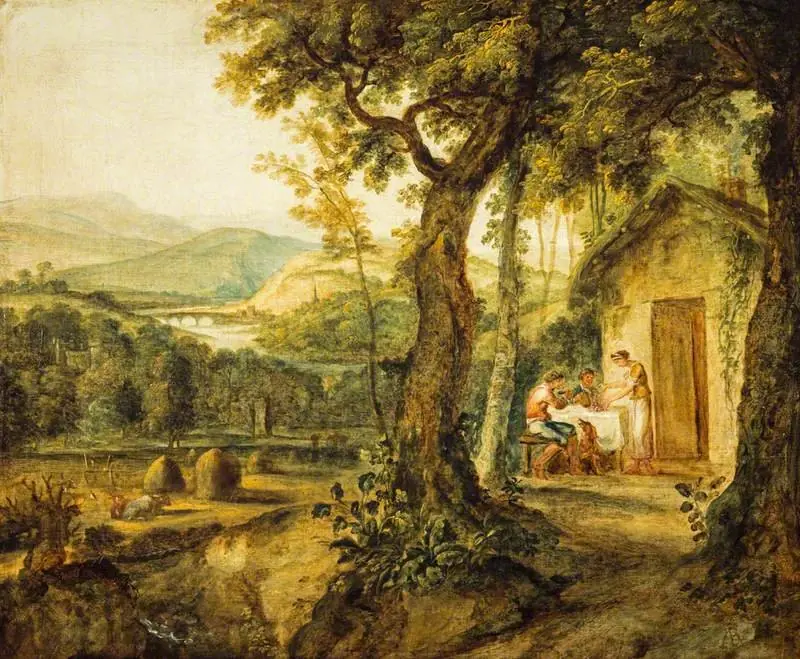 A View near Perth, Landscape from Milton's 'L'Allegro'
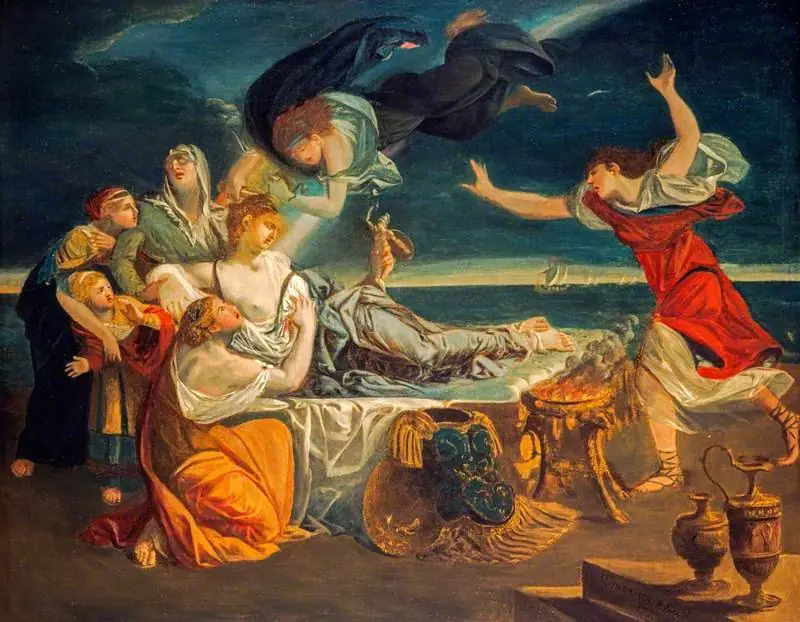 The Death of Dido
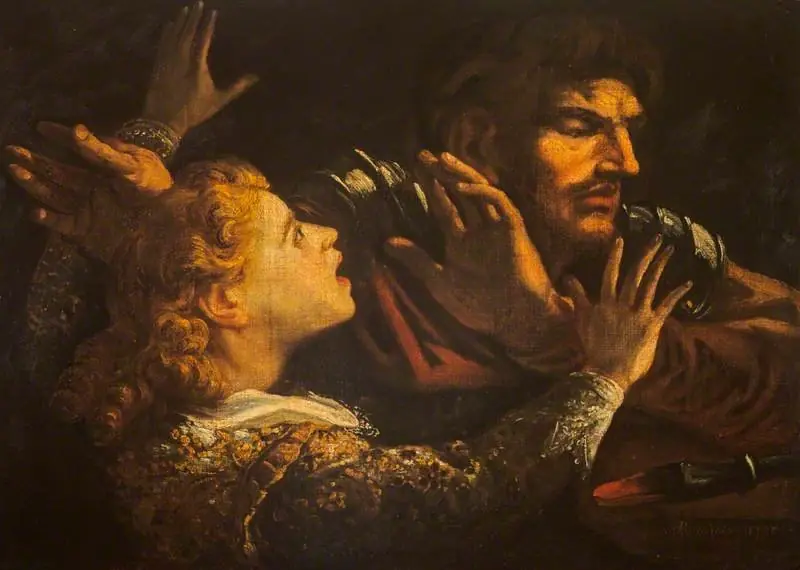 Hubert and Arthur (from Shakespeare's 'King John')
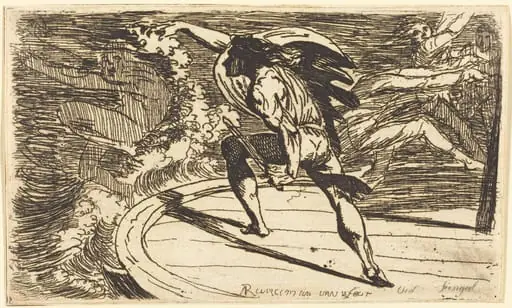 Cormar Attacking the Spirit of the Waters (Ossian, Fingal, Book III)
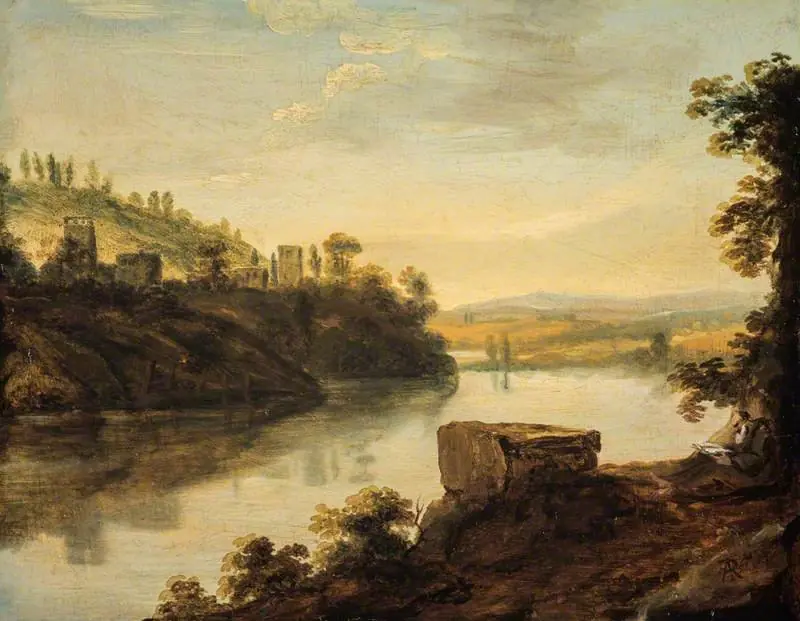 Italian River Landscape with a Hermit
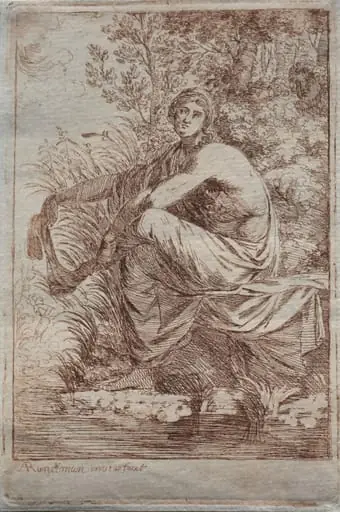 Musidora
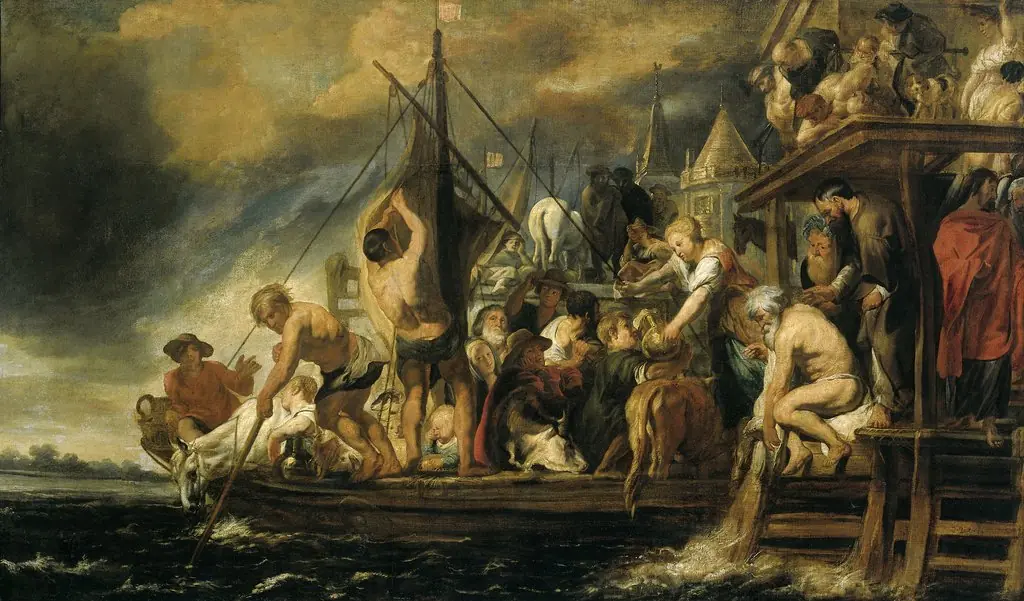 The Tribute Money - Peter Finding the Silver Coin in the Mouth of the Fish
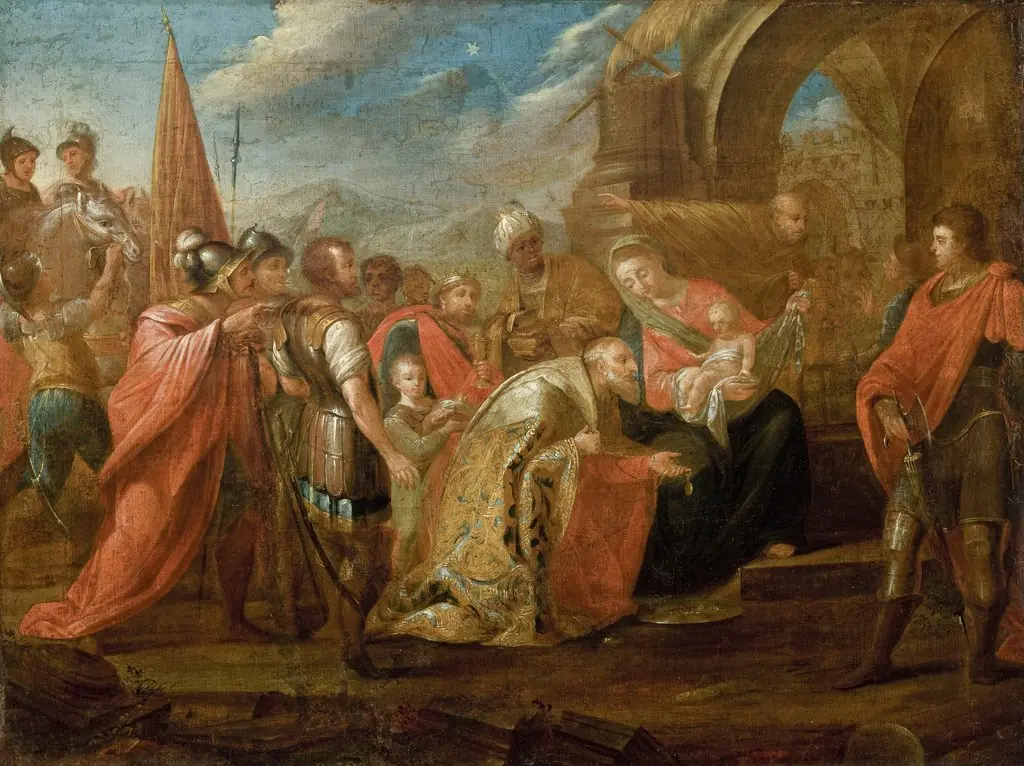 Adoration of the Magi
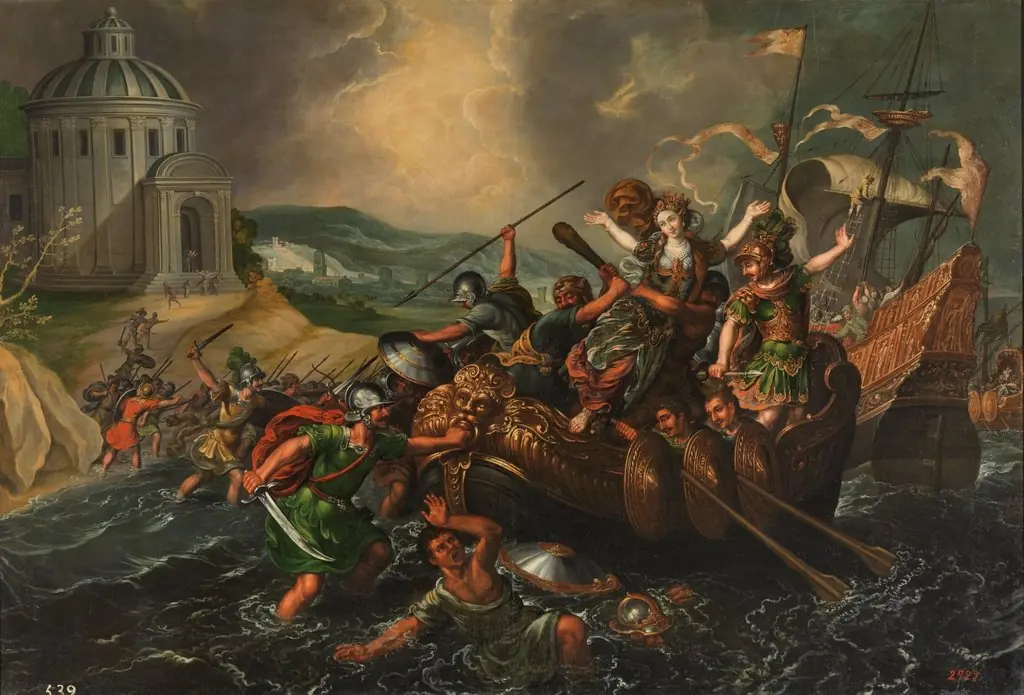 The Rape of Helen by Juan de la Corte
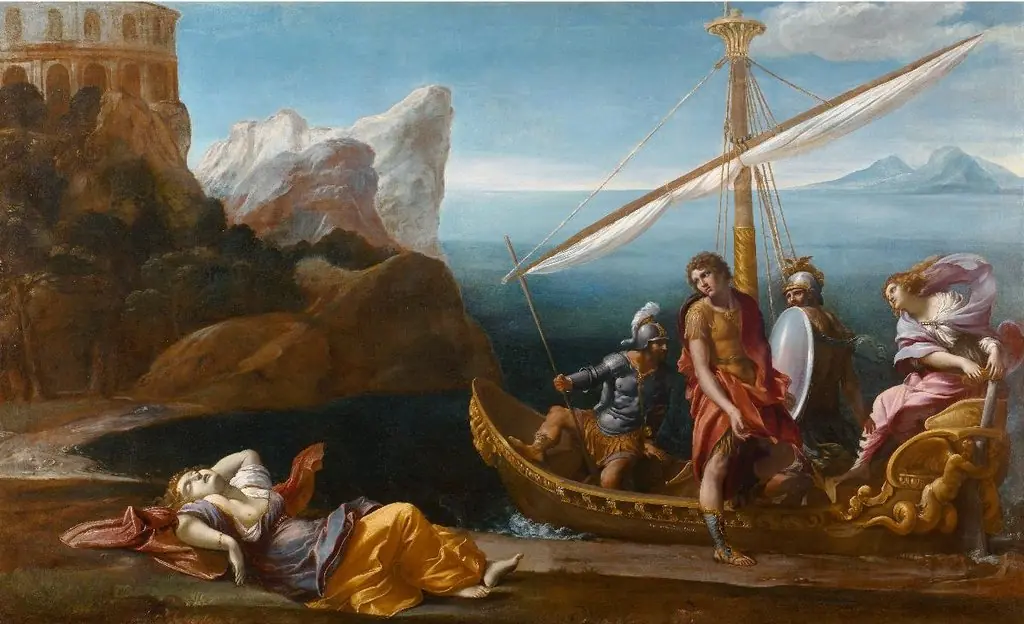 L’addio di Rinaldo ad Armida
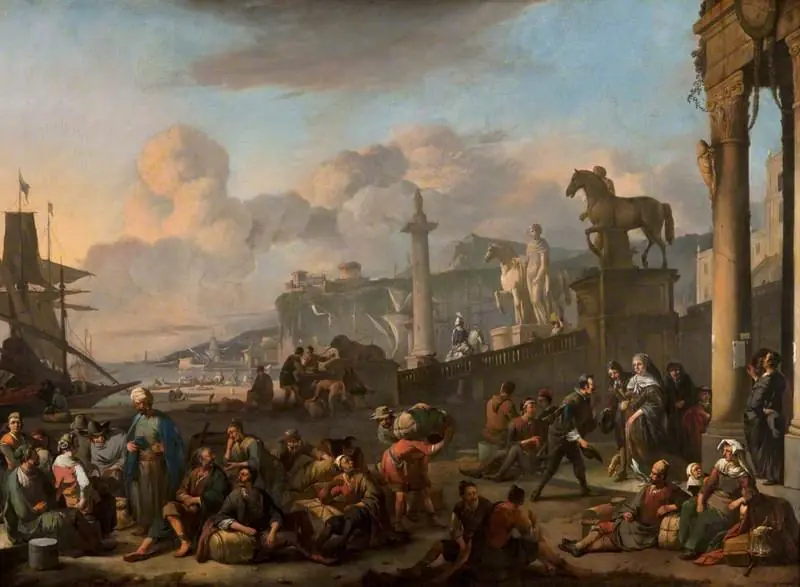 An Imaginary Mediterranean Seaport
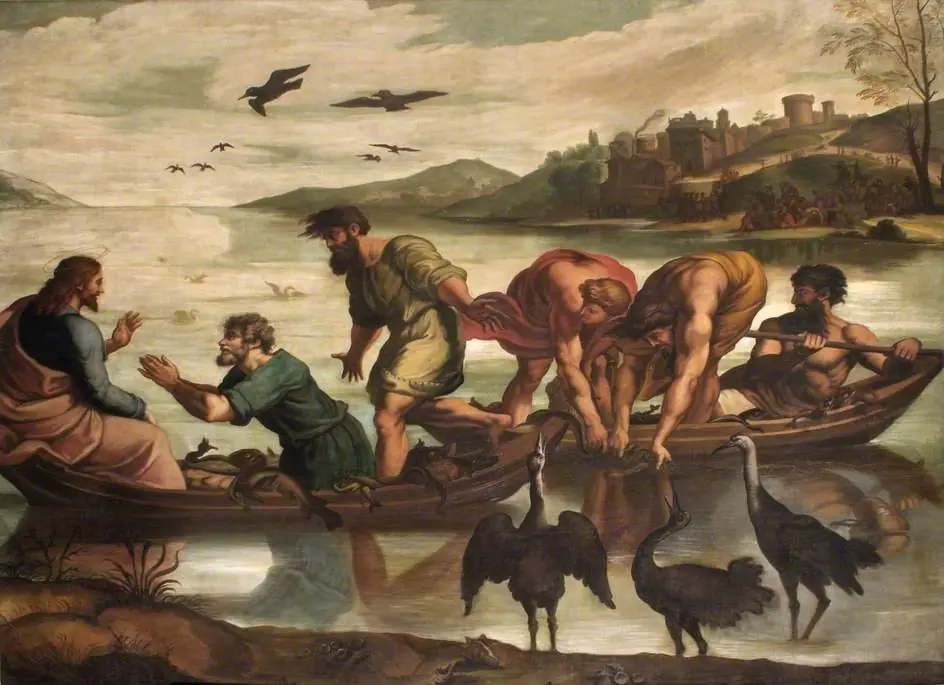 The miraculous Draught of Fishes
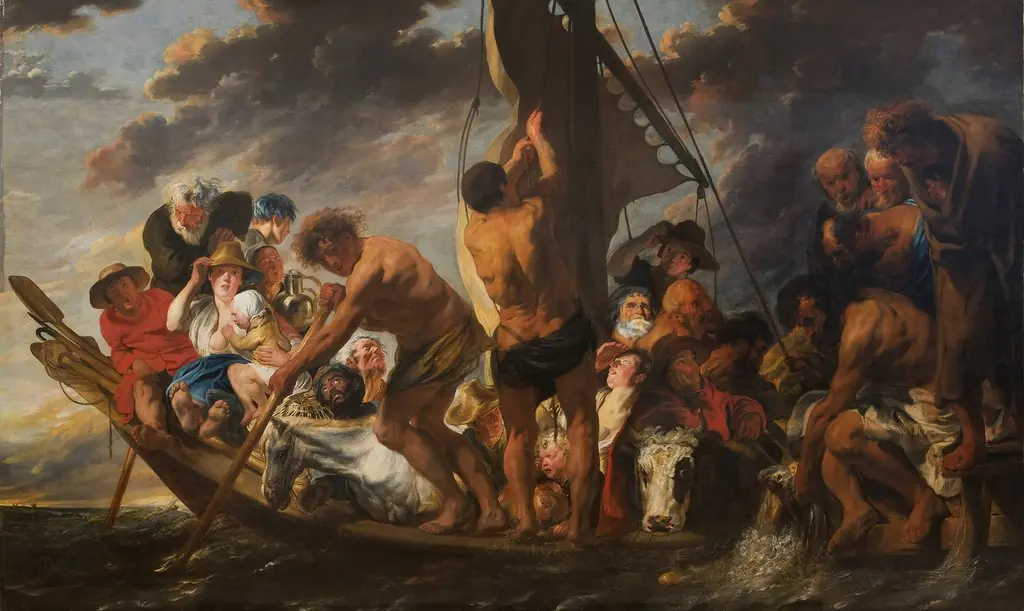 The Tribute Money. Peter Finding the Silver Coin in the Mouth of the Fish. Also called "The Ferry Boat to Antwerp"
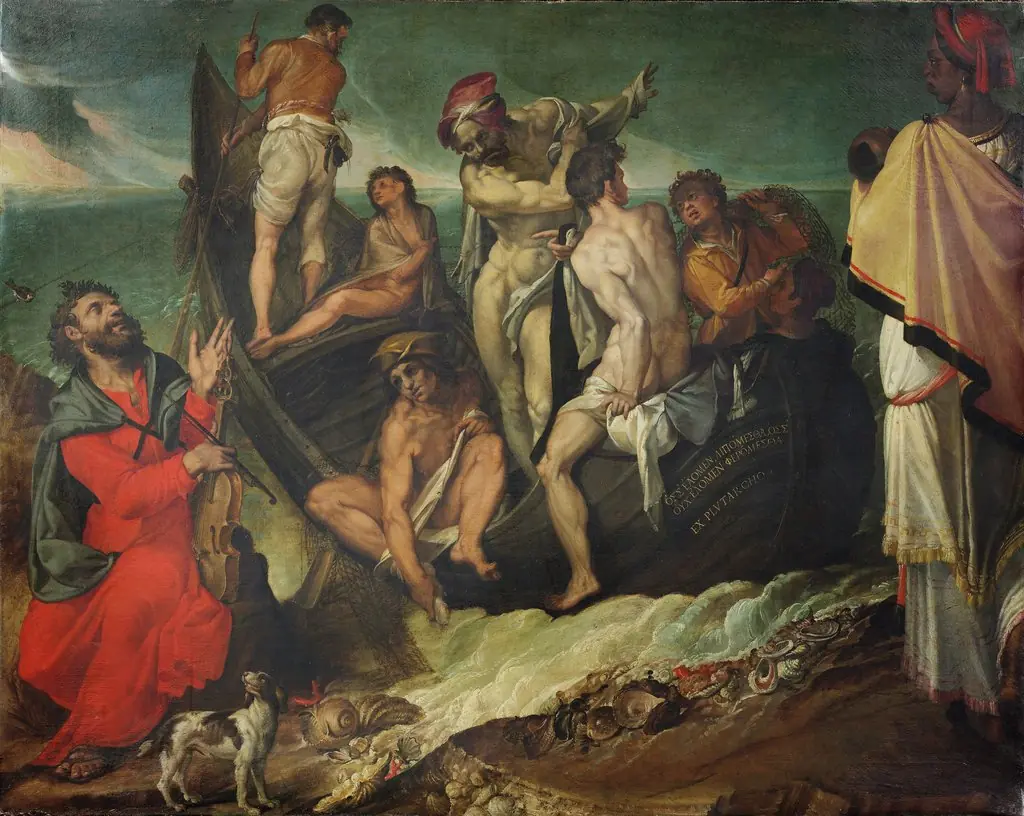 Homer’s Riddle
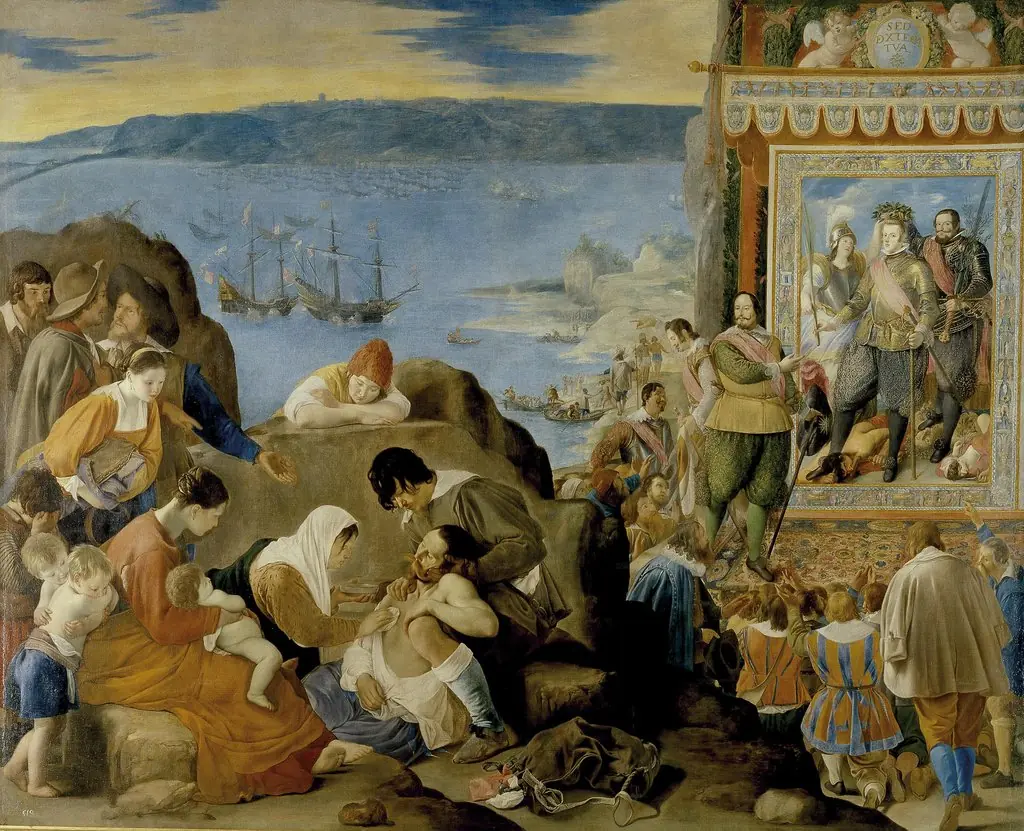 The Recovery of Bahía de Todos los Santos
 Potopul ; pandant: Arca lui Noe
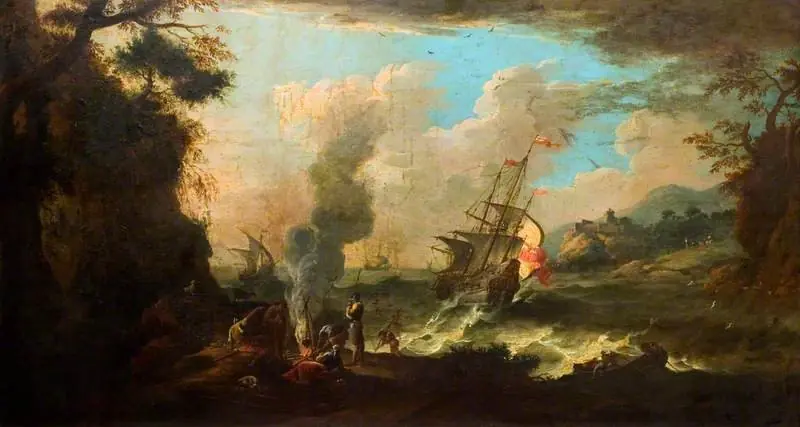 Coast Scene
 The Elena kidnapping