Artwork
Napoleon III
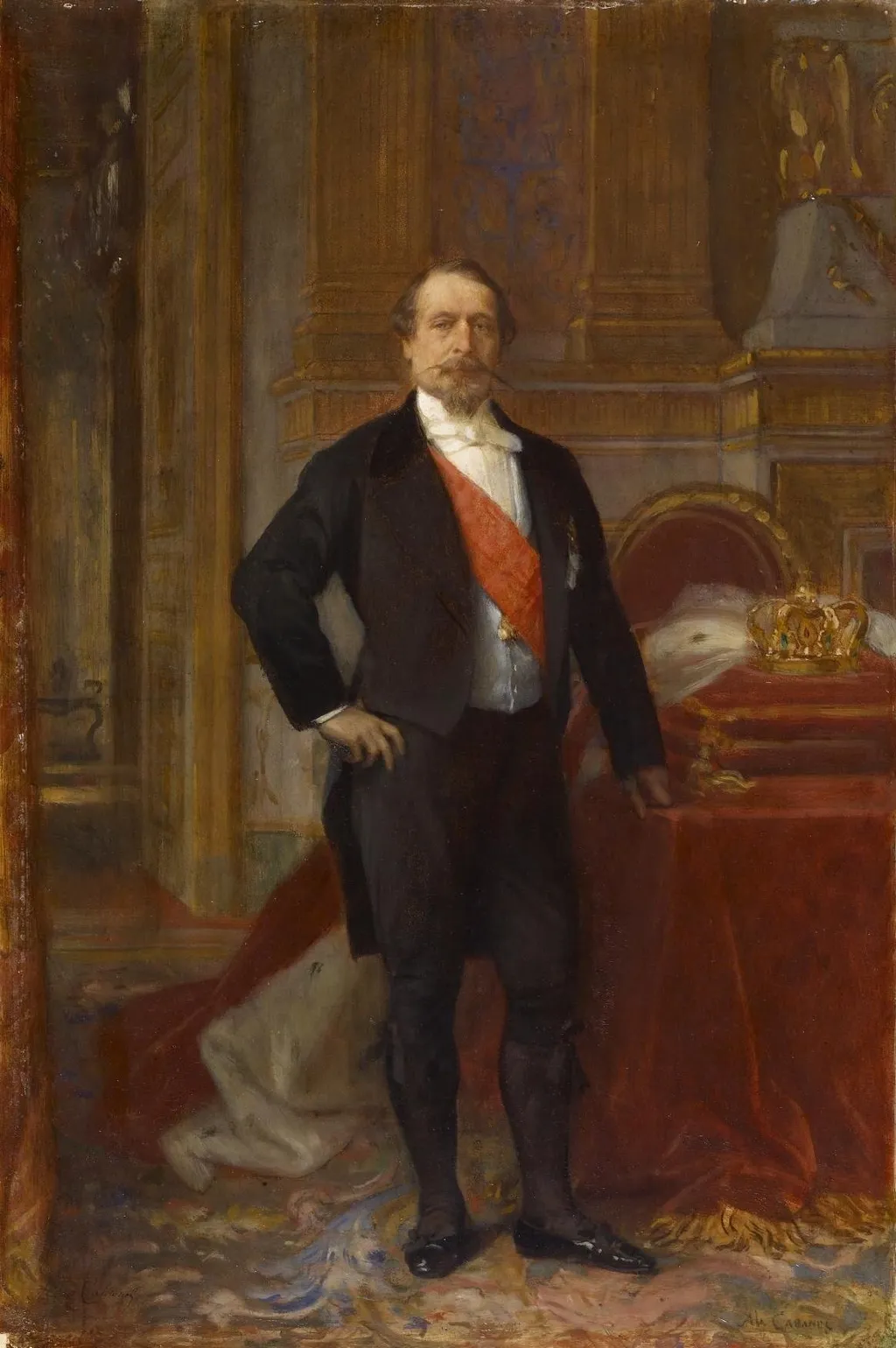
Napoleon III is an unspecified painting by the Realist artist Alexandre Cabanel. It dates from 1865 and is held in the collection of the Walters Art Museum.
About this work
Overview
The work reflects the state’s desire to project authority through controlled visual representation, blending formal dignity with restrained realism.
Painted in 1865 by Alexandre Cabanel, this portrait captures Napoleon III, Emperor of the French, during the height of the Second Empire. Cabanel, a leading academic artist of the time, was commissioned to produce official images of the imperial family. The work reflects the state’s desire to project authority through controlled visual representation, blending formal dignity with restrained realism.
Subject & Meaning
Napoleon III is depicted standing, dressed in a black suit with a white shirt and a red sash, a symbol of his imperial rank. His left hand rests on his hip, a pose suggesting composed authority. Behind him, a crown rests on a table, reinforcing his status without overt symbolism. The setting is modest yet deliberate, avoiding theatricality to emphasize legitimacy through quiet presence rather than spectacle.
Technique & Style
Cabanel employed smooth, polished brushwork characteristic of academic painting, with attention to texture in fabric and skin. Lighting is even and controlled, avoiding dramatic contrasts. The composition is frontal and balanced, minimizing movement to convey stability. While rooted in academic tradition, the portrait avoids idealization, presenting the emperor with a degree of naturalism that aligns with mid-century realism.
History & Provenance
Commissioned by the imperial court, the painting was part of a series of official portraits intended for state display. It remained in government collections throughout the Second Empire and was later transferred to public institutions after the fall of Napoleon III in 1870. Its provenance reflects its role as a tool of political imagery rather than private patronage.
Context
During the 1860s, the French state used portraiture to reinforce imperial legitimacy amid growing political unrest. Cabanel’s approach—formal yet unembellished—contrasted with the grandeur of earlier royal portraits, reflecting a shift toward modern governance. The image was reproduced in prints and displayed in public buildings to cultivate a sense of continuity and order.
Legacy
The portrait endures as a representative example of imperial imagery under the Second Empire. It illustrates how academic art served state interests, balancing realism with symbolic restraint. Though less celebrated than Cabanel’s mythological works, this portrait remains a key document of 19th-century political visual culture.
Artist & collection
Artist
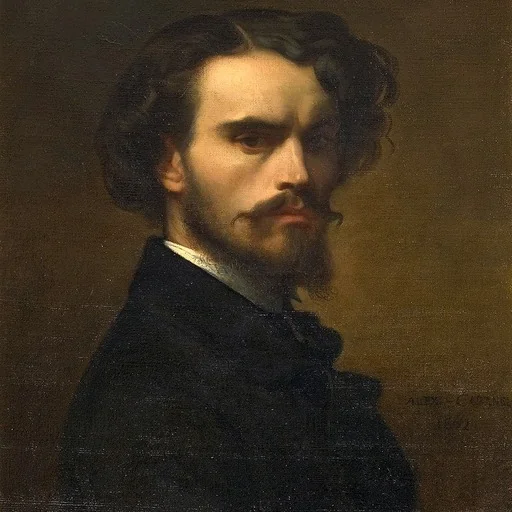
Alexandre Cabanel (French: ; 28 September 1823 – 23 January 1889) was a French painter.

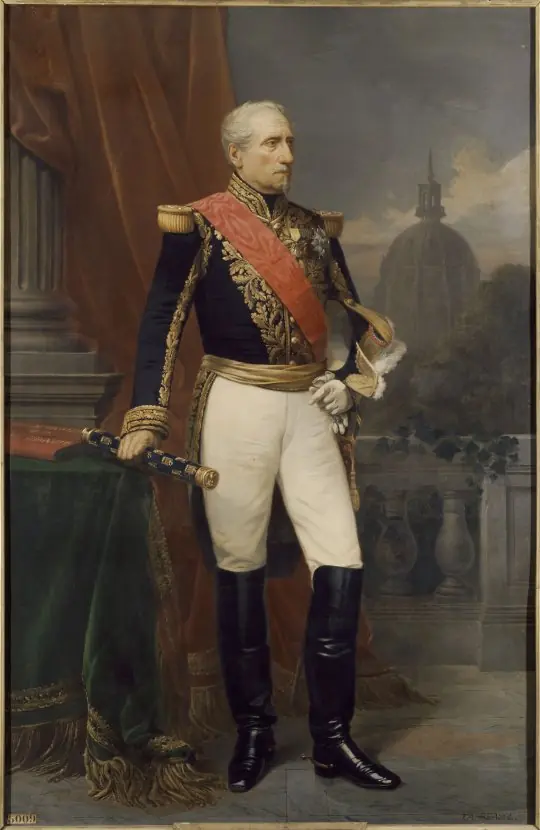 Philippe Antoine, comte d'Ornano, maréchal de France (1784-1863)
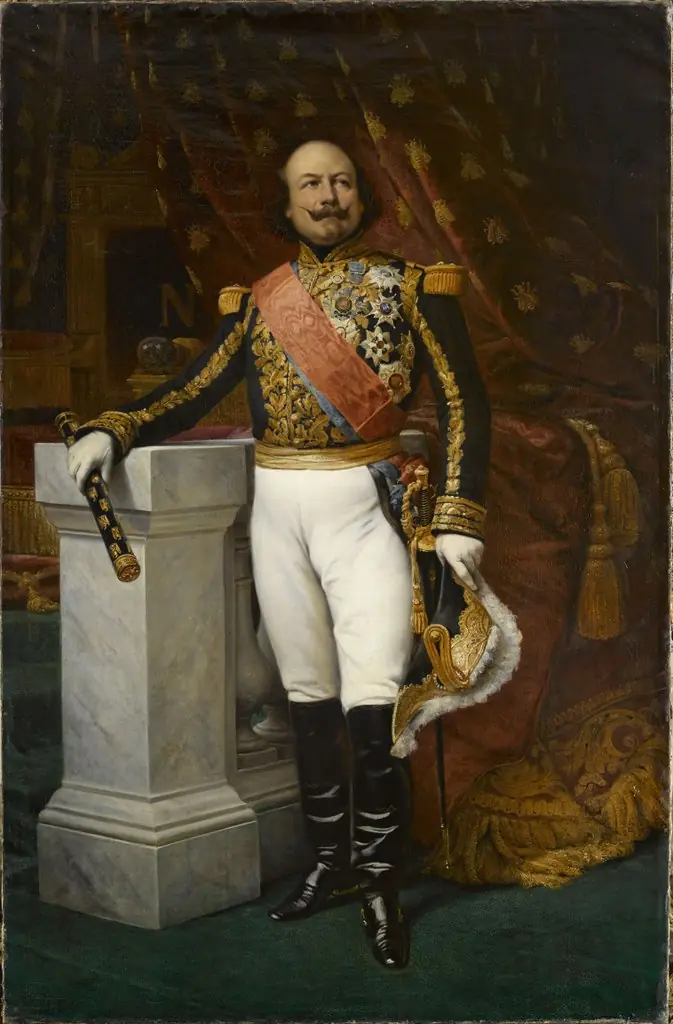 Portrait of Marshal Canrobert
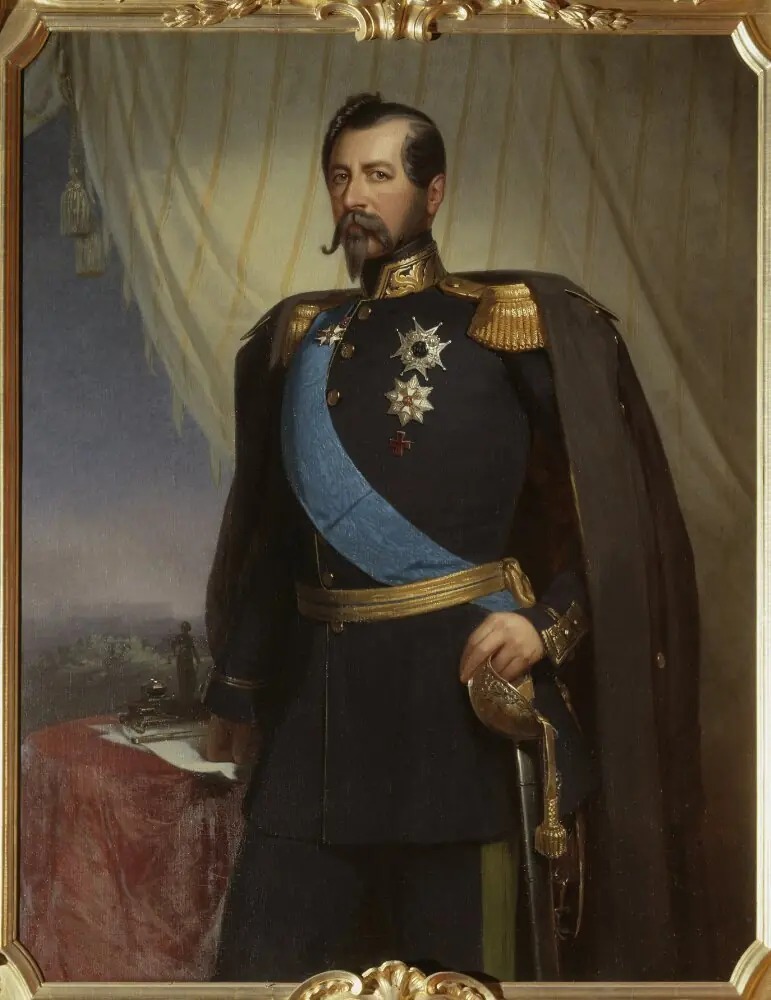 Oskar I, 1799-1859, konung av Sverige och Norge
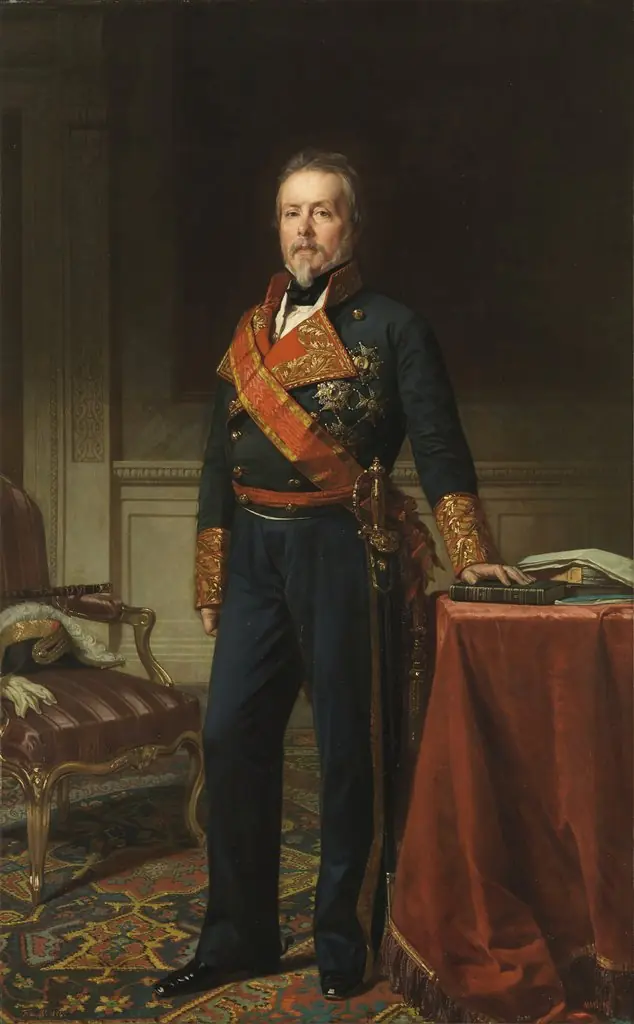 El general Evaristo Fernández San Miguel I duque de San Miguel
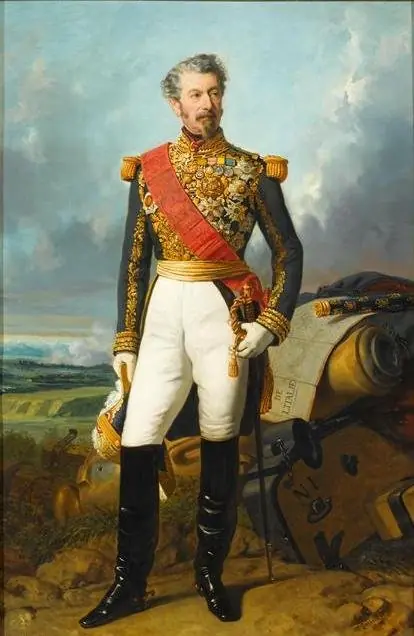 Adolphe Niel, maréchal de France (1802-1869)
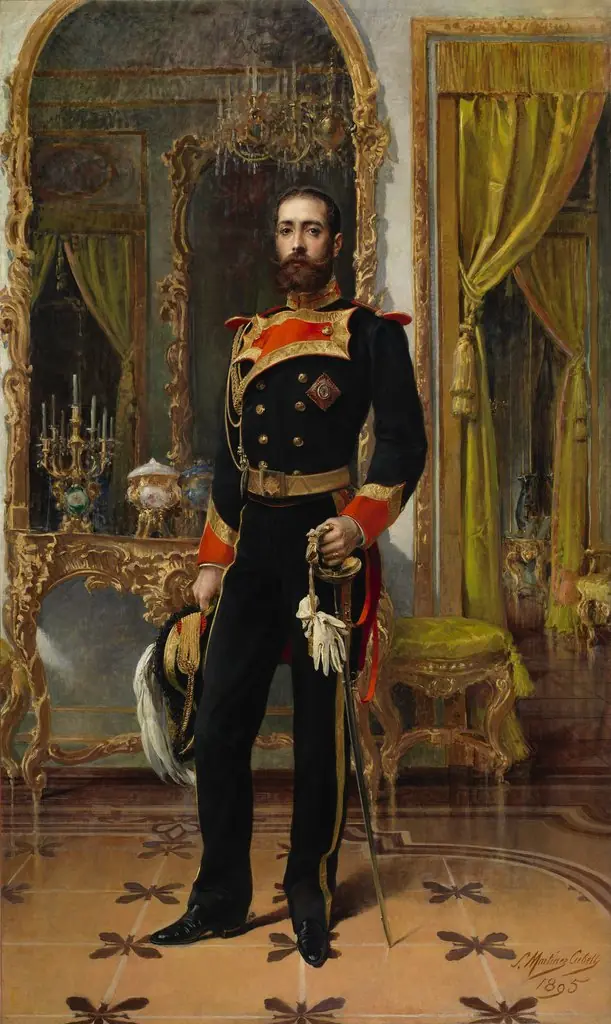 José Martínez de Roda luego marqués de Vistabella
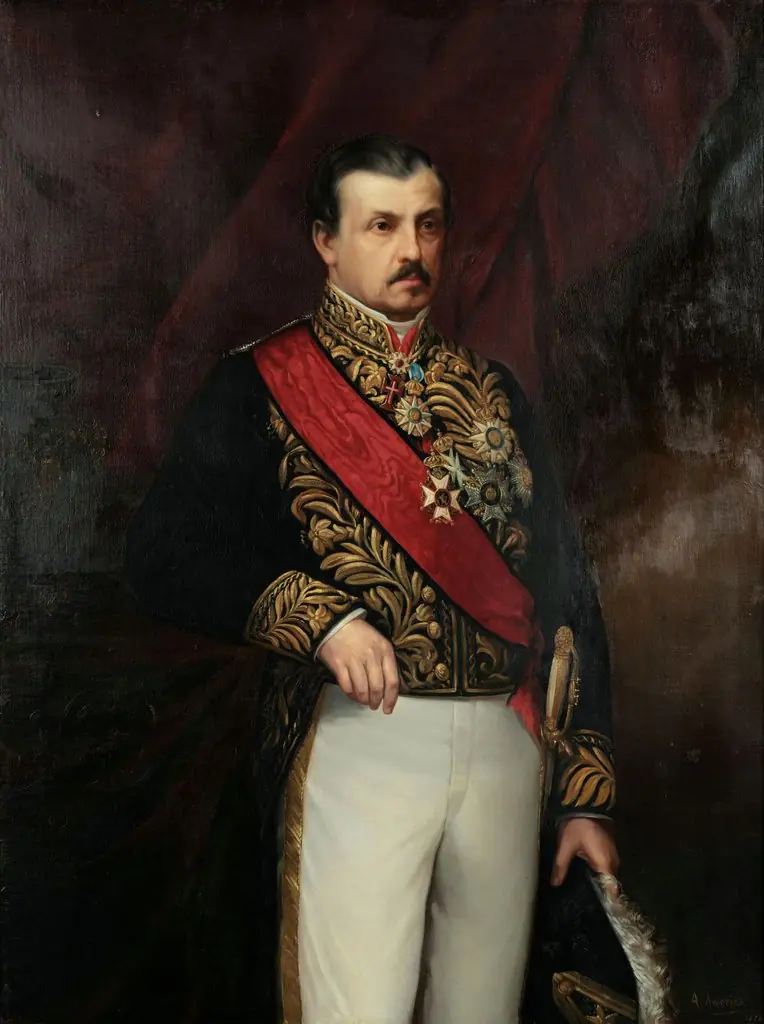 Portrait of the Viscount of Santo Amaro
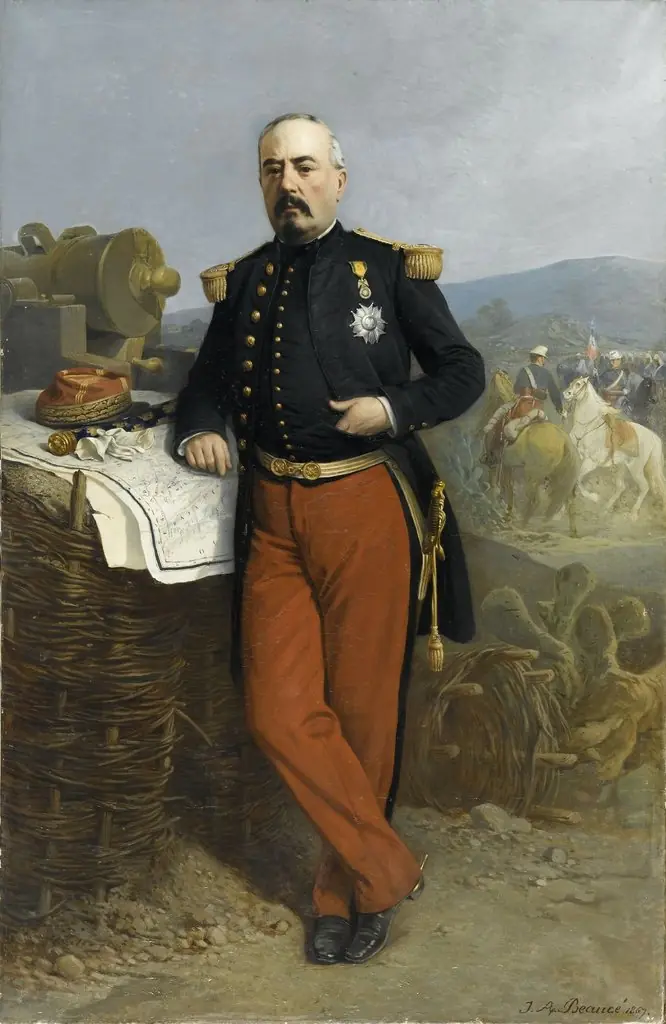 Achille-François Bazaine, Marshal of France
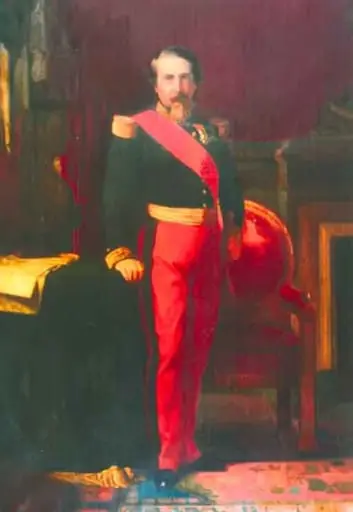 Napoleon al III-lea
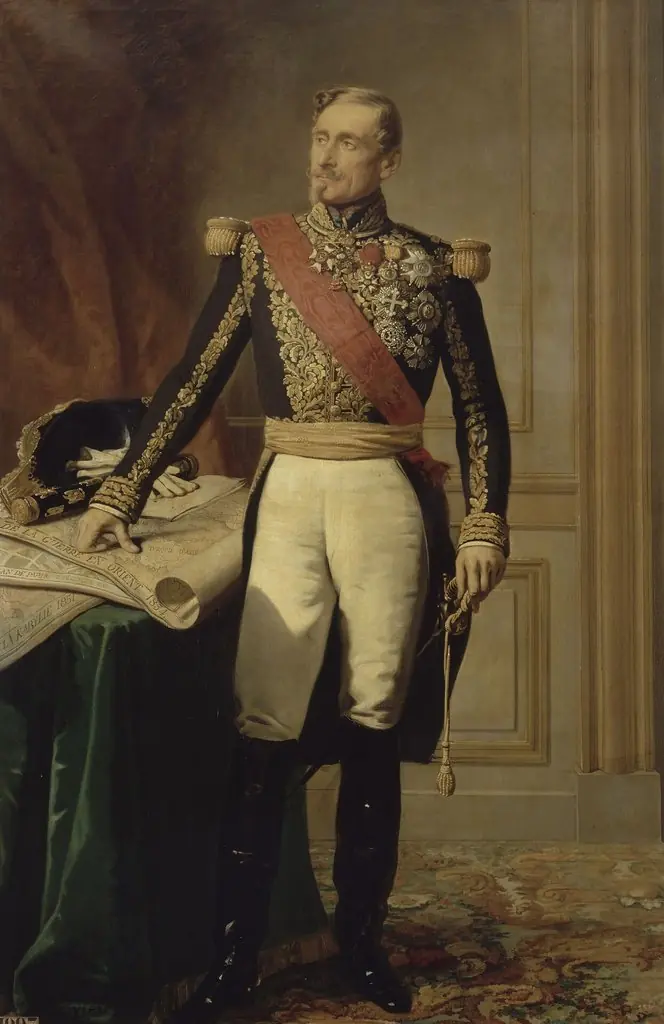 Armand-Jacques Leroy de Saint-Arnaud, Marshal of France