Artwork
Françoise-Marie de Bourbon, Mademoiselle de Blois, duchesse d'Orléans
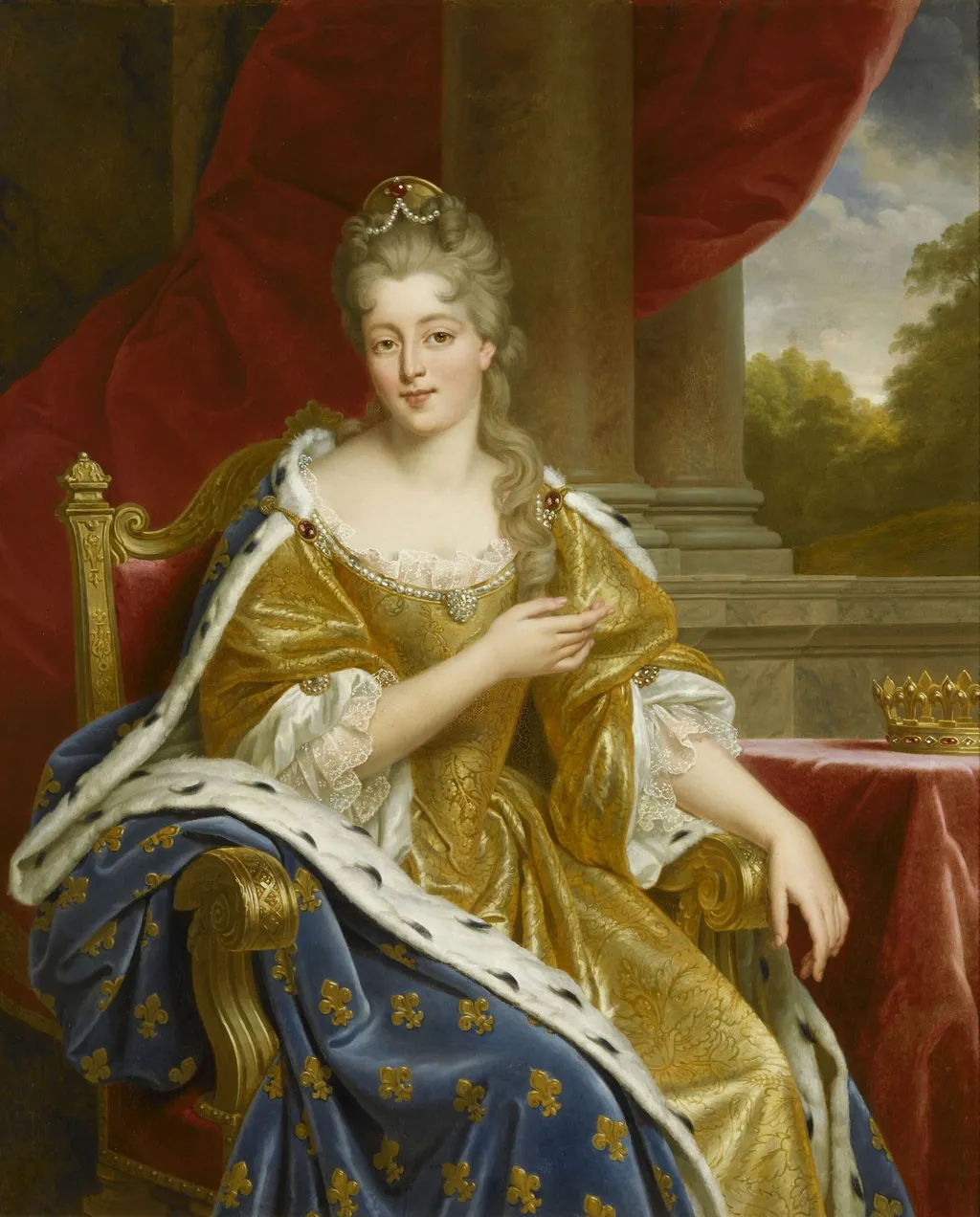
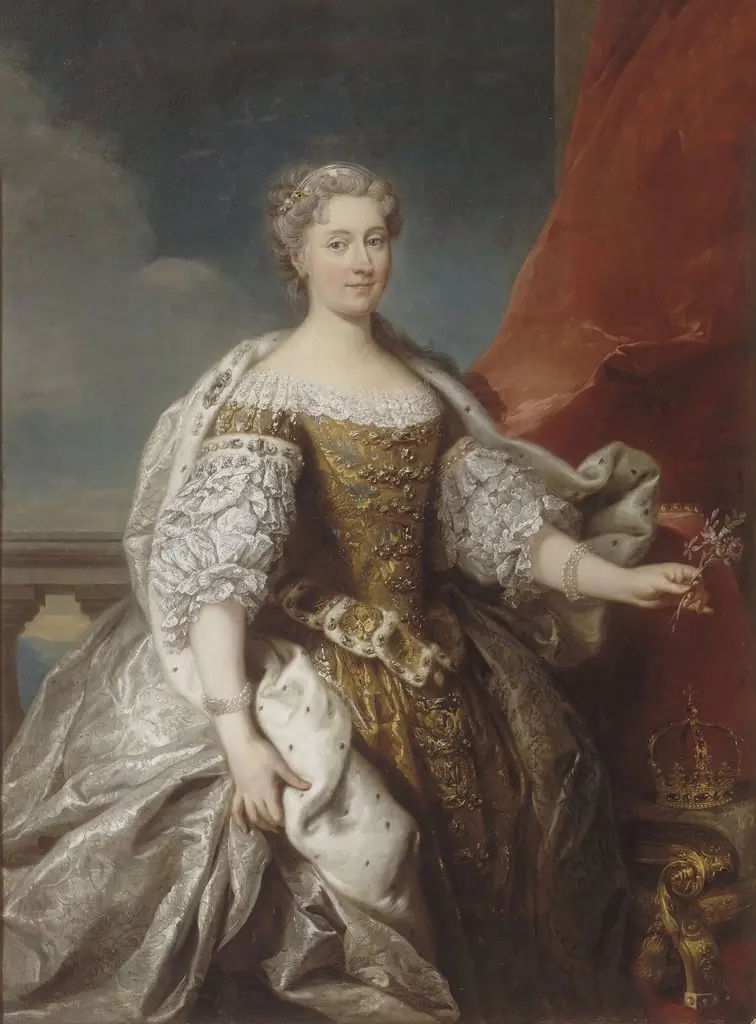
Françoise-Marie de Bourbon, Mademoiselle de Blois, duchesse d'Orléans is an oil painting by Alexandre-François Caminade. It dates from 1834 and is held in the collection of the Palace of Versailles.
About this work
Overview
This work captures a member of the legitimist Bourbon line in formal attire, reflecting her status within the French aristocracy.
An 1834 oil painting by Alexandre-François Caminade depicts Françoise-Marie de Bourbon, Duchess of Orléans. Created during the July Monarchy, the portrait belongs to the Palace of Versailles collection. Caminade, trained under Jacques-Louis David, specialized in portraiture and religious subjects, working primarily in Paris from the late 18th to mid-19th century. This work captures a member of the legitimist Bourbon line in formal attire, reflecting her status within the French aristocracy.
Subject & Meaning
Françoise-Marie de Bourbon, illegitimate daughter of Louis XIV and Madame de Montespan, is portrayed as a duchess of the Orléans branch. The crown on the table and the small diadem on her head signify her royal lineage, while her elaborate dress underscores her position in the nobility. The composition avoids overt symbolism, instead emphasizing dignity and lineage through restrained elegance, aligning with early 19th-century conventions for depicting aristocratic women.
Technique & Style
Caminade employs smooth brushwork and a muted palette to render the subject’s rich garments: a gold gown with white lace, a blue cape adorned with gold floral motifs. The red curtain and stone wall behind her provide depth without distraction. Lighting is even, highlighting facial features and fabric texture. The pose is static, typical of formal portraiture of the era, with attention to detail in jewelry and hair, reinforcing social status over emotional expression.
History & Provenance
The painting entered the collection of the Palace of Versailles in the 19th century, likely acquired during the restoration of royal imagery under Louis-Philippe. Caminade, active in Paris from 1783 to 1862, produced numerous portraits of nobility during a period of political transition. Its preservation at Versailles reflects its role in maintaining visual continuity of the Bourbon legacy, even after the fall of the monarchy.
Context
Painted during the July Monarchy, the portrait aligns with a broader effort to legitimize aristocratic heritage amid republican and revolutionary upheavals. Though Françoise-Marie lived in the 17th and early 18th centuries, Caminade’s depiction responds to contemporary nostalgia for the old regime. Her representation as a duchess, not a royal princess, subtly acknowledges her illegitimate birth while affirming her elevated status within the nobility.
Legacy
Caminade’s portrait of Françoise-Marie remains a documented example of 19th-century historical portraiture that sought to preserve aristocratic identity through visual tradition. It contributes to the Versailles collection’s narrative of French dynastic continuity. While not widely exhibited outside institutional contexts, it serves as a reference for studies on post-revolutionary representations of Bourbon lineage and the persistence of courtly imagery in a changing France.
Own this work as a print
Artist & collection
Artist
Alexandre-François Caminade (14 December 1783 – May 1862) was a French painter. Caminade was born and died in Paris. He was a portraitist and a religious painter. He was Jacques-Louis David's pupil.

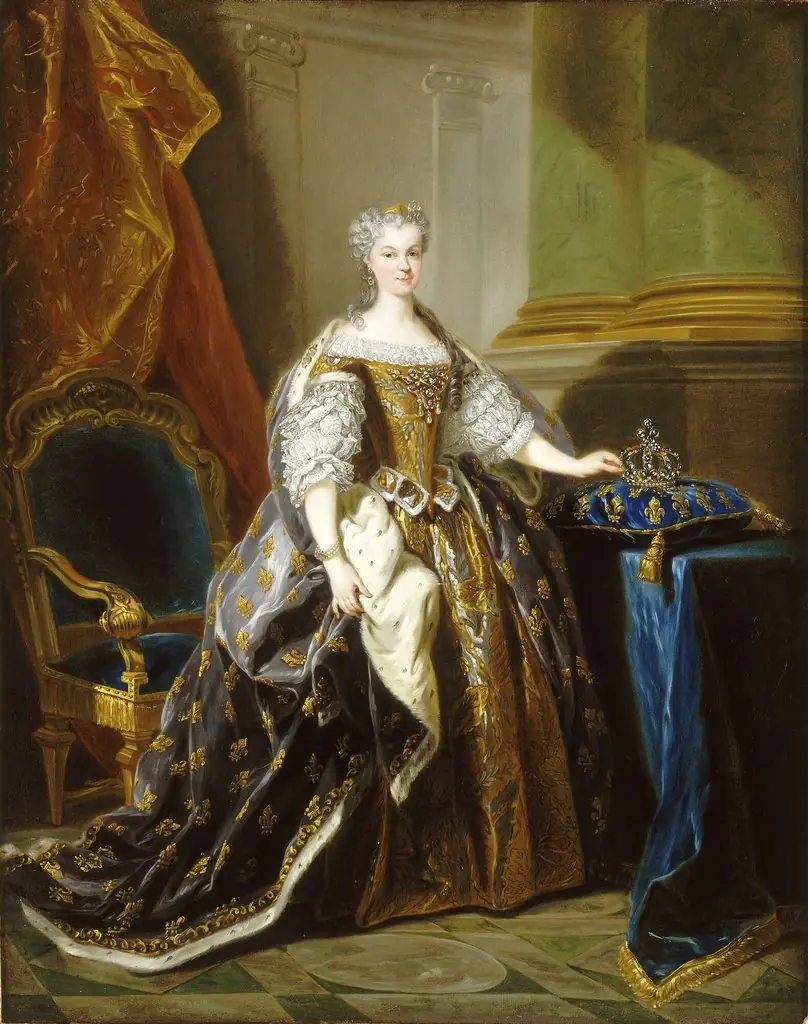 Portrait of Marie Leszczyńka.
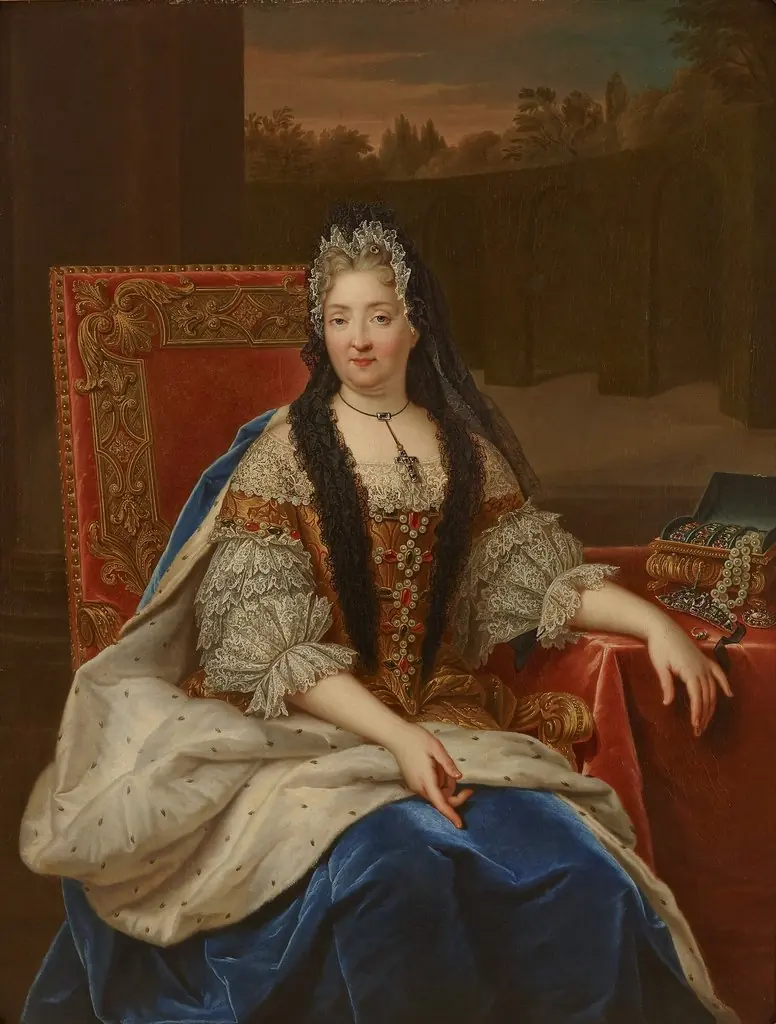 Charlotte de La Mothe Houdancourt, duchesse de Ventadour
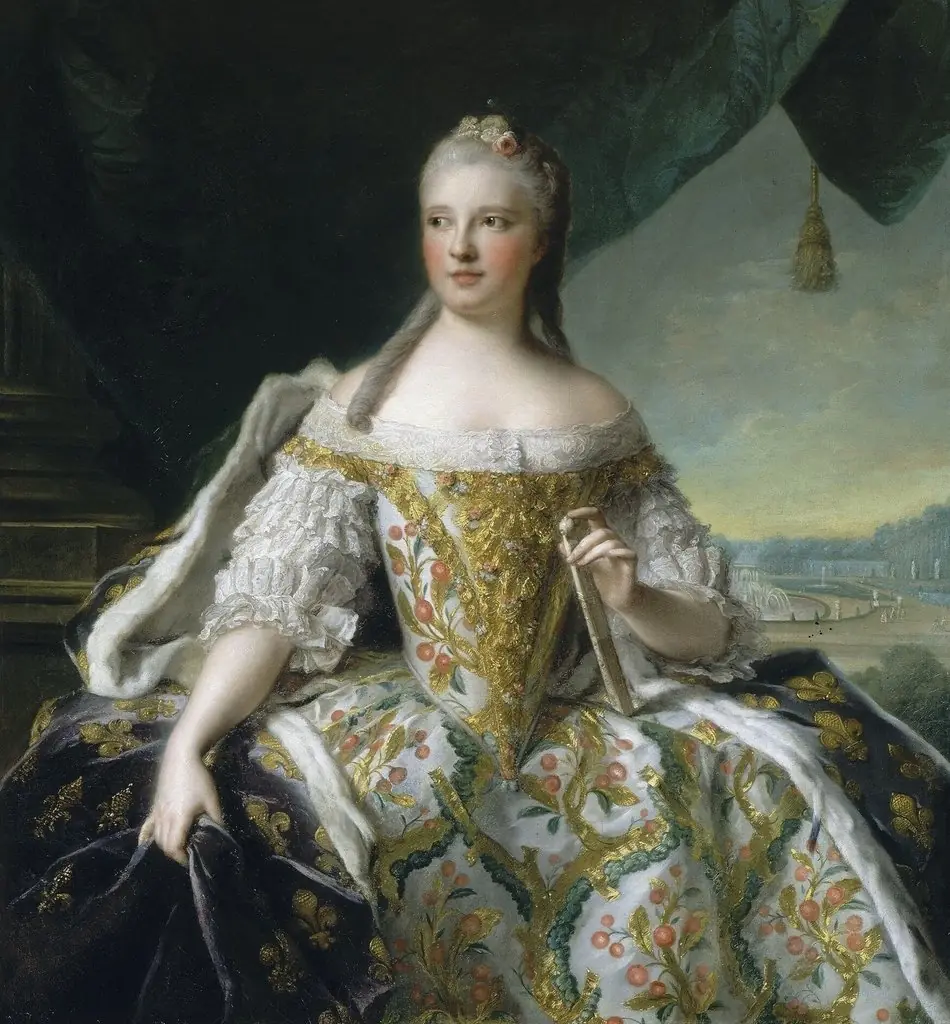 Marie Josèphe of Saxony
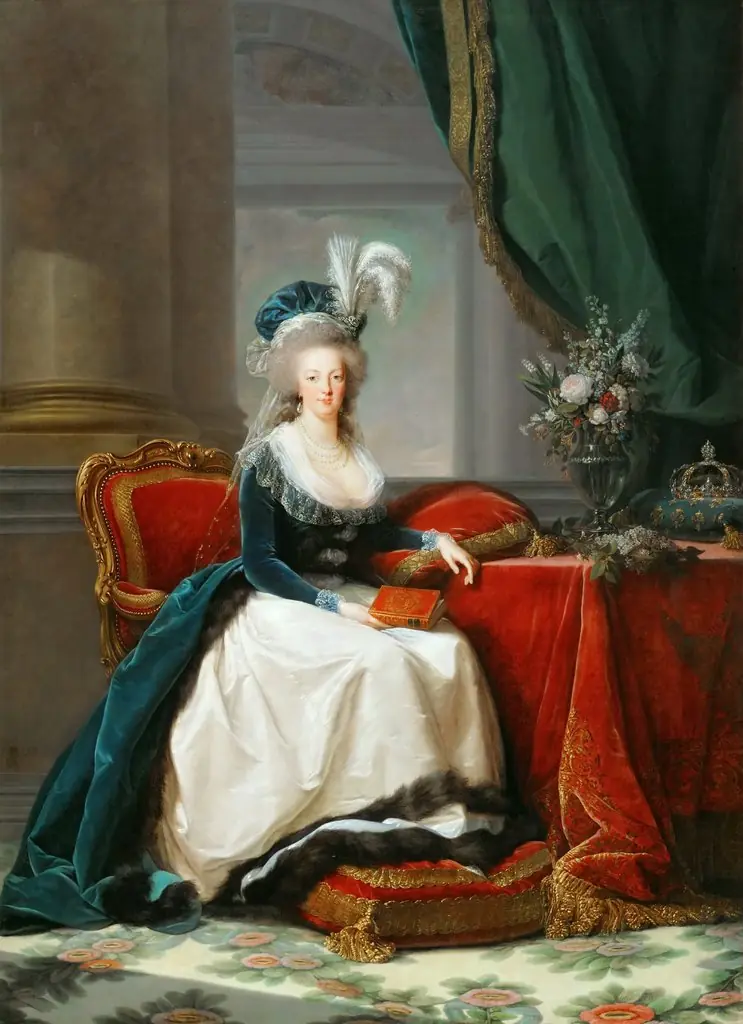 Marie-Antoinette seated, in blue coat and white dress, holding a book in her hand
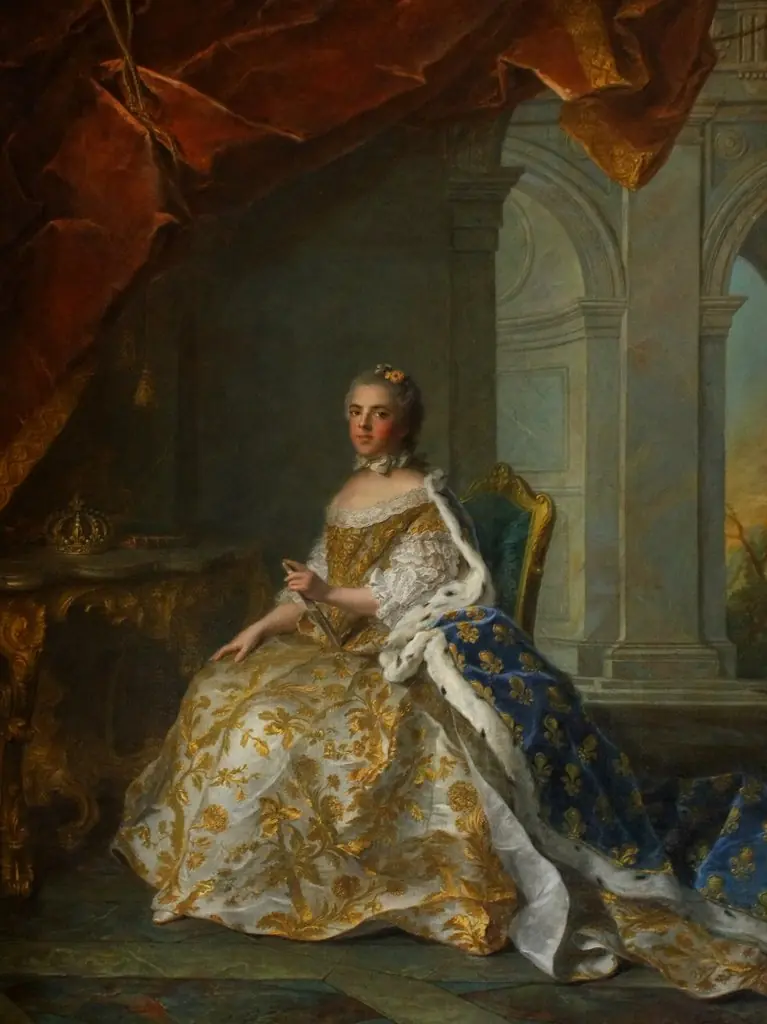 Posthumous portrait of Louise Elisabeth of France (1727-1759), Duchess of Parma, in court dress
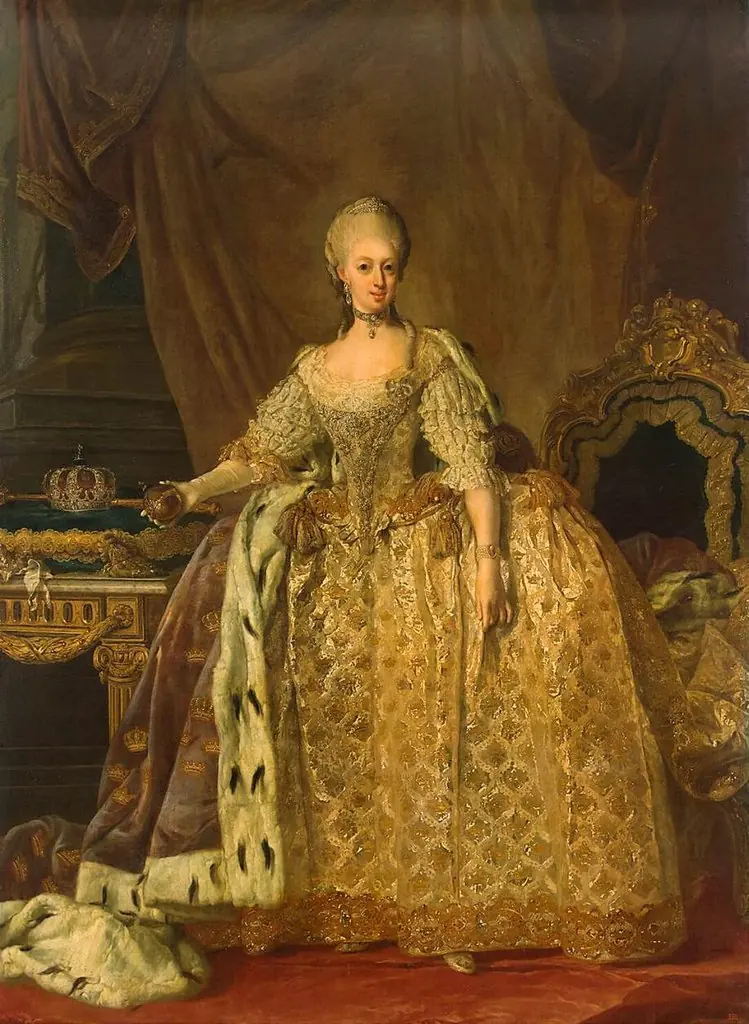 Portrait of Queen Sophie-Magdalene
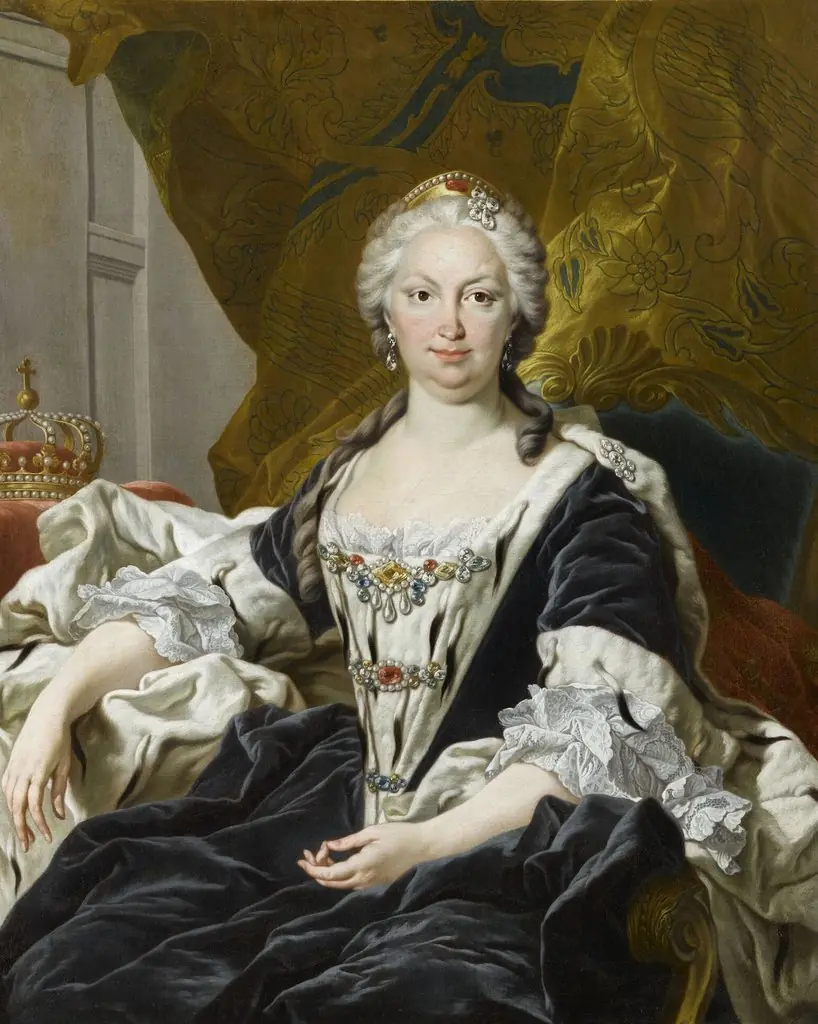 Elisabeth Farnese, Queen of Spain (1692-1766)
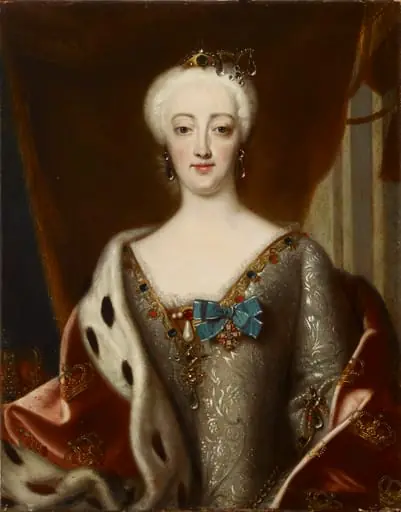 Tanskan kuningatar Sofia Magdalena
 Catherine Opalińska, Queen of Poland