Artwork
Charlotte de La Mothe Houdancourt, duchesse de Ventadour
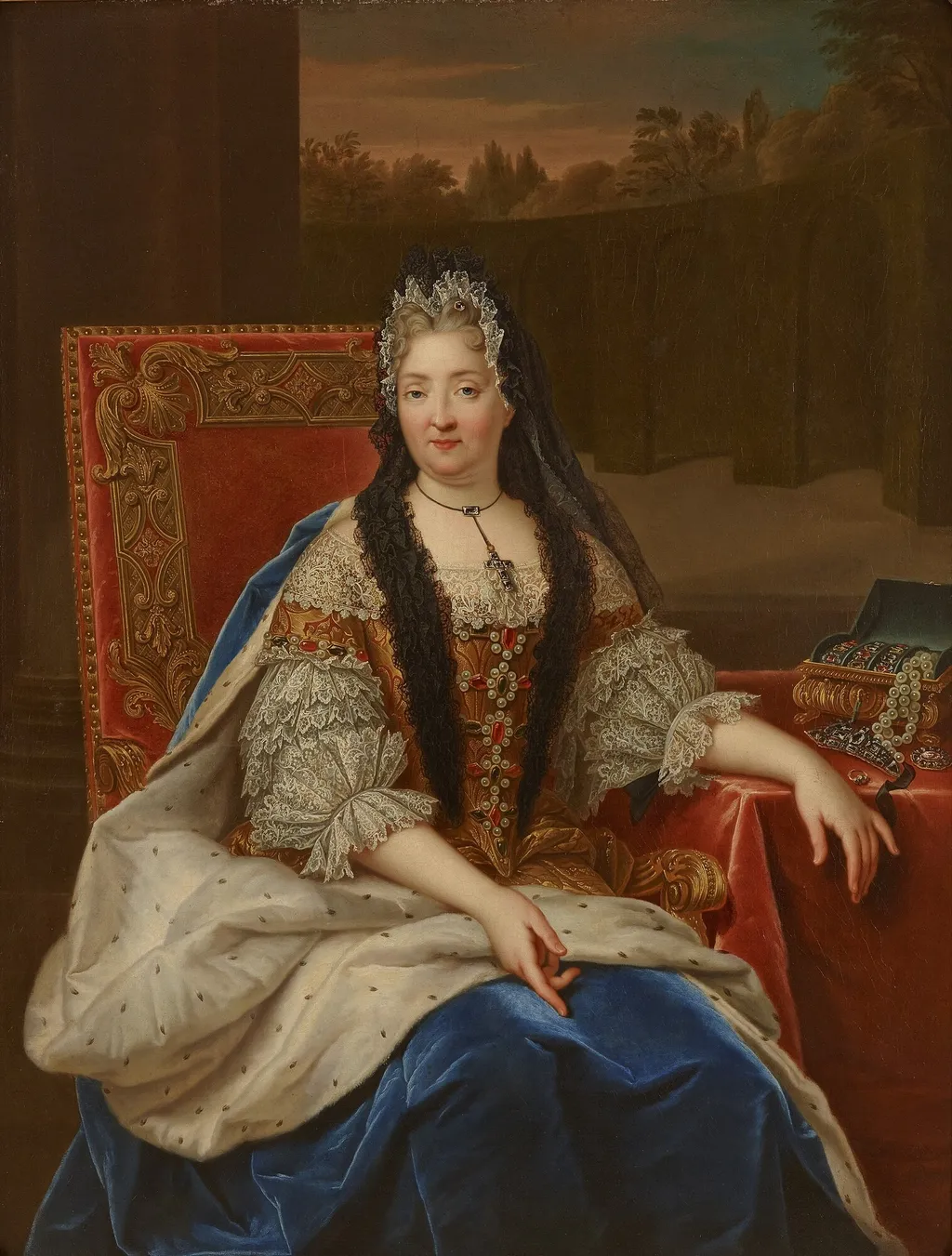
Charlotte de La Mothe Houdancourt, duchesse de Ventadour is an oil painting by the Rococo painting artist Unknown. It dates from 1717 and is held in the collection of the Palace of Versailles.
About this work
Overview
The lighting model suggests a deliberate use of contrast to isolate the subject, a hallmark of court portraiture in early 18th-century France.
This oil painting portrays Charlotte de La Mothe Houdancourt, duchesse de Ventadour, seated formally in an ornate chair. The composition emphasizes her status through rich textiles and jewelry, set against a deep, shadowed background that enhances the three-dimensionality of her figure. The lighting model suggests a deliberate use of contrast to isolate the subject, a hallmark of court portraiture in early 18th-century France.
Subject & Meaning
As duchesse de Ventadour, Charlotte held significant influence at the French court, particularly as governess to the young Louis XV. The portrait conveys authority and dignity through her composed posture, elaborate attire, and the inclusion of a black veil—symbolic of both mourning and noble restraint. Her jewelry and lace sleeves reflect her position within the aristocracy, while the dark setting focuses attention on her presence as a figure of institutional power.
Technique & Style
The artist employs chiaroscuro to model the figure with subtle gradations of light and shadow, lending volume to the fabric and skin. The red and gold chair, along with the blue skirt, is rendered with precise brushwork to suggest texture and weight. The faint landscape behind her is rendered loosely, serving as a distant backdrop rather than a focal element, reinforcing the portrait’s emphasis on the sitter’s persona.
History & Provenance
The painting is attributed to the circle of Hyacinthe Rigaud, the preeminent French portraitist of the era, though not definitively by his hand. It likely dates to the early 1700s, during Charlotte’s tenure at court. Its provenance traces through aristocratic French collections before entering public or institutional holdings, consistent with the movement of noble portraits after the Revolution.
Context
Portraits of noblewomen like Charlotte were commissioned to affirm lineage, status, and loyalty to the monarchy. The formal pose, luxurious materials, and restrained background align with conventions established by Rigaud and his contemporaries. Such images circulated among elite networks, reinforcing social hierarchies and the visual language of power in Louis XIV’s and Louis XV’s courts.
Legacy
Though not among the most widely reproduced works of the period, this portrait exemplifies the refined aesthetic of French court portraiture. It contributes to the historical record of women who wielded influence behind the scenes of royal governance. Its stylistic choices reflect the enduring preference for dignified representation over individual expression in aristocratic imagery of the time.
Artist & collection

 Domestic Scene
 Giacomo and Cardinal Marco, investing Andrea, Abbot of San Zeno, with his Benefice
 The Nymph of Fontainebleau
 Portrait of a Woman
 Madonna and Child with Saints in the Enclosed Garden
 Venus and Minerva
 Family Group of Four on Sofa
 Wall painting from Room H of the Villa of P. Fannius Synistor at Boscoreale
 Catherine Opalińska, Queen of Poland
 Françoise-Marie de Bourbon, Mademoiselle de Blois, duchesse d'Orléans
 Tanskan kuningatar Sofia Magdalena
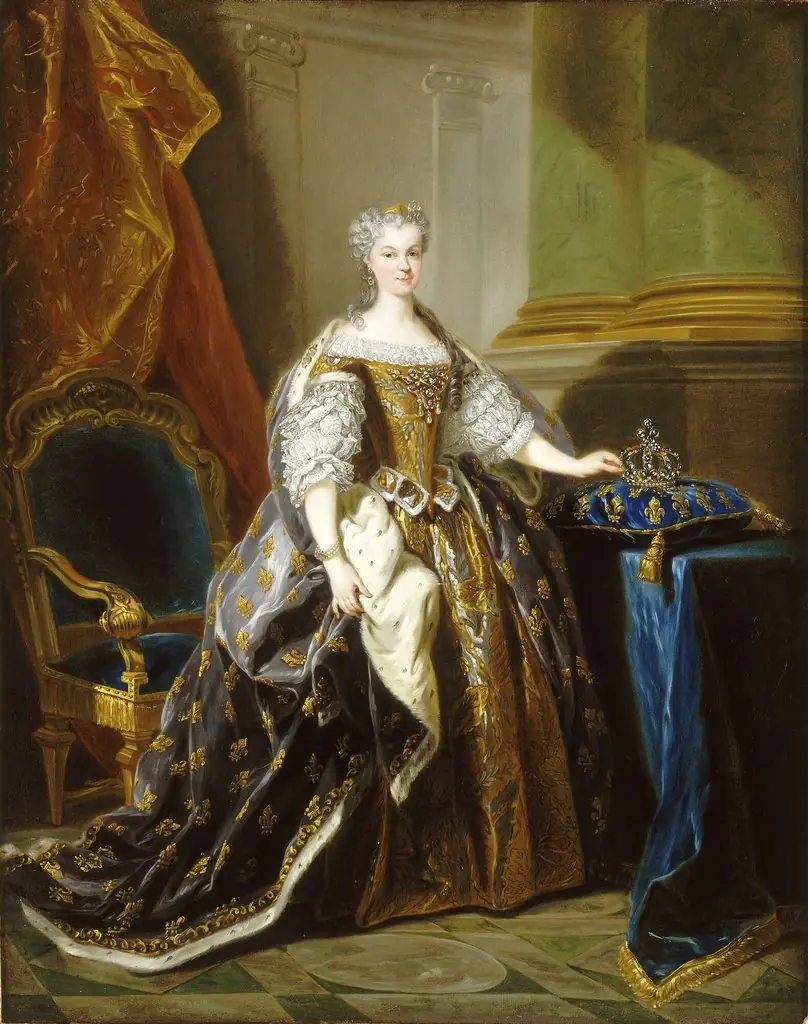 Portrait of Marie Leszczyńka.
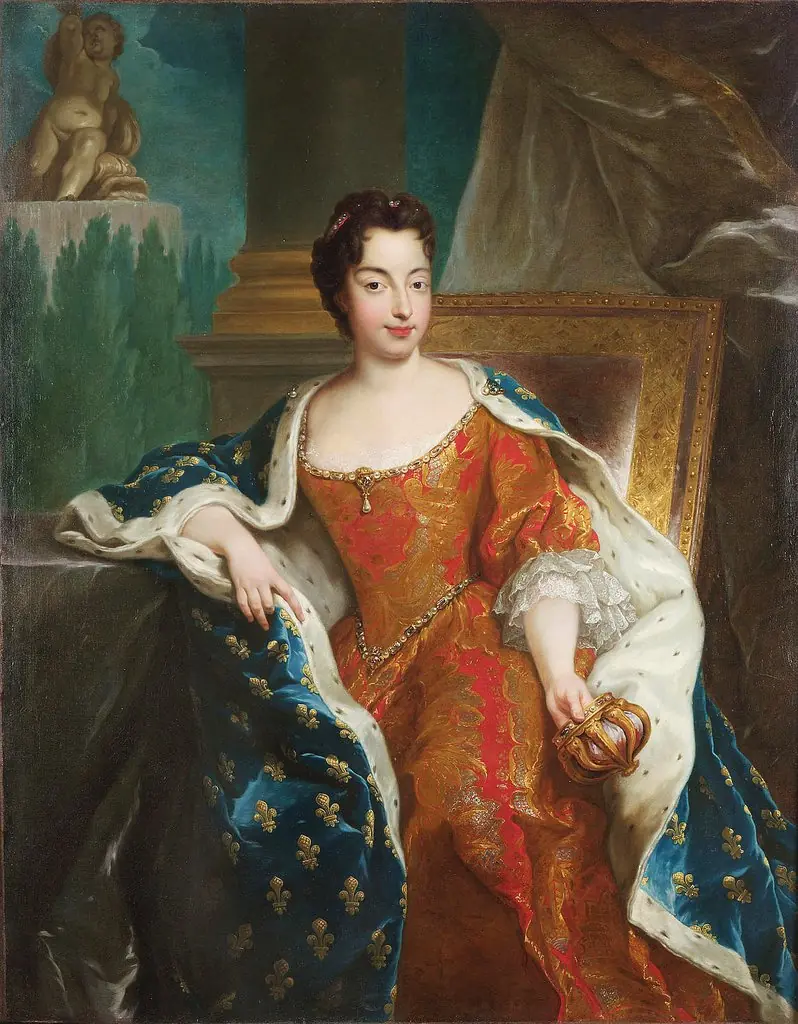 Portrait of Duchess Maria Anna Christina Victoria of Bavaria, 'la Grande Dauphine'
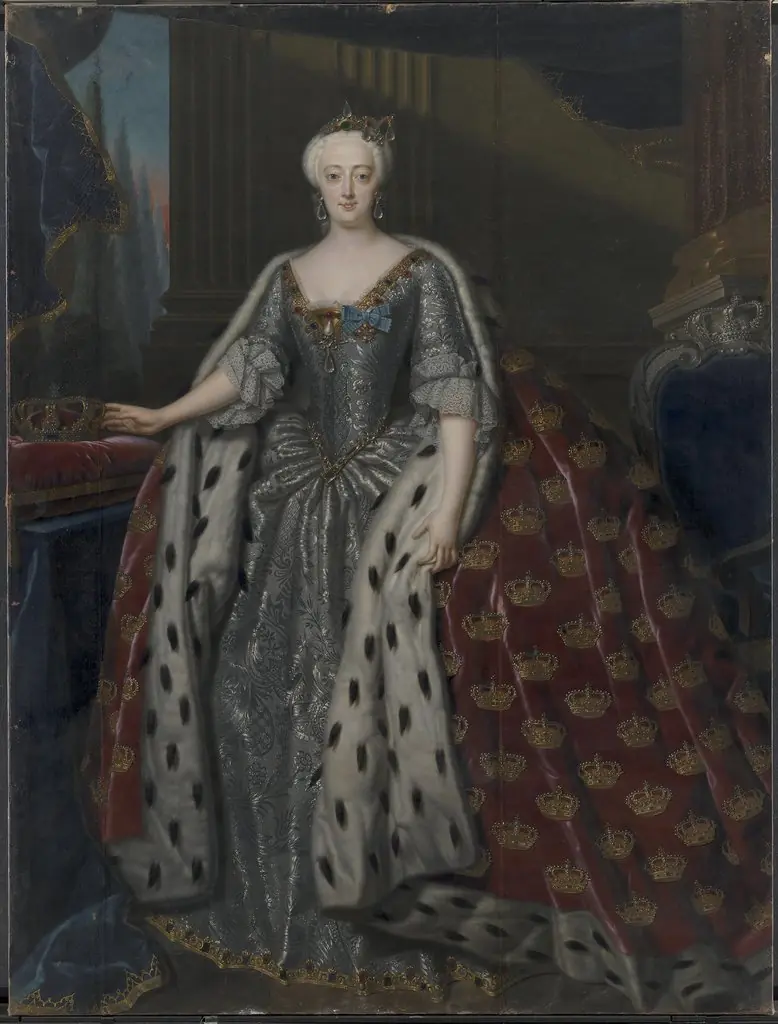 Sophie Magdalene, Christian VI's dronning
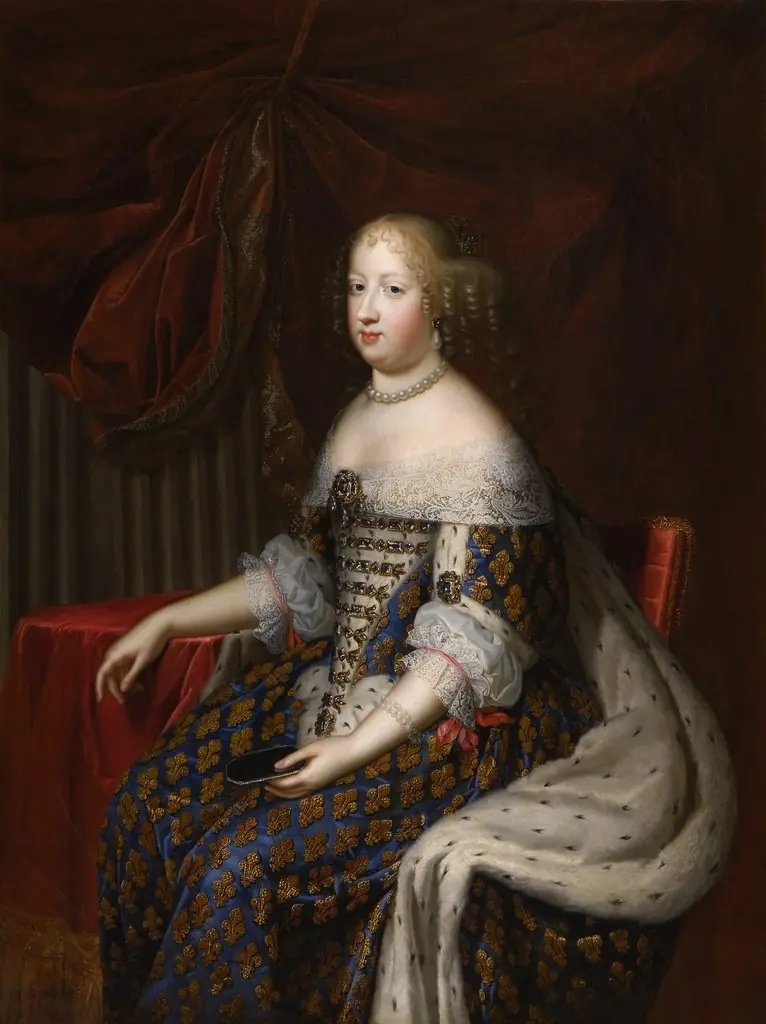 Marie-Thérèse of Austria, Queen of France
 Portrait of Marie Louise-Elisabeth d'Orléans
 Marie Leszczyńska, Queen of France (1703–1768)
 Marie Thérèse of Austria in Royal Costume