Artwork
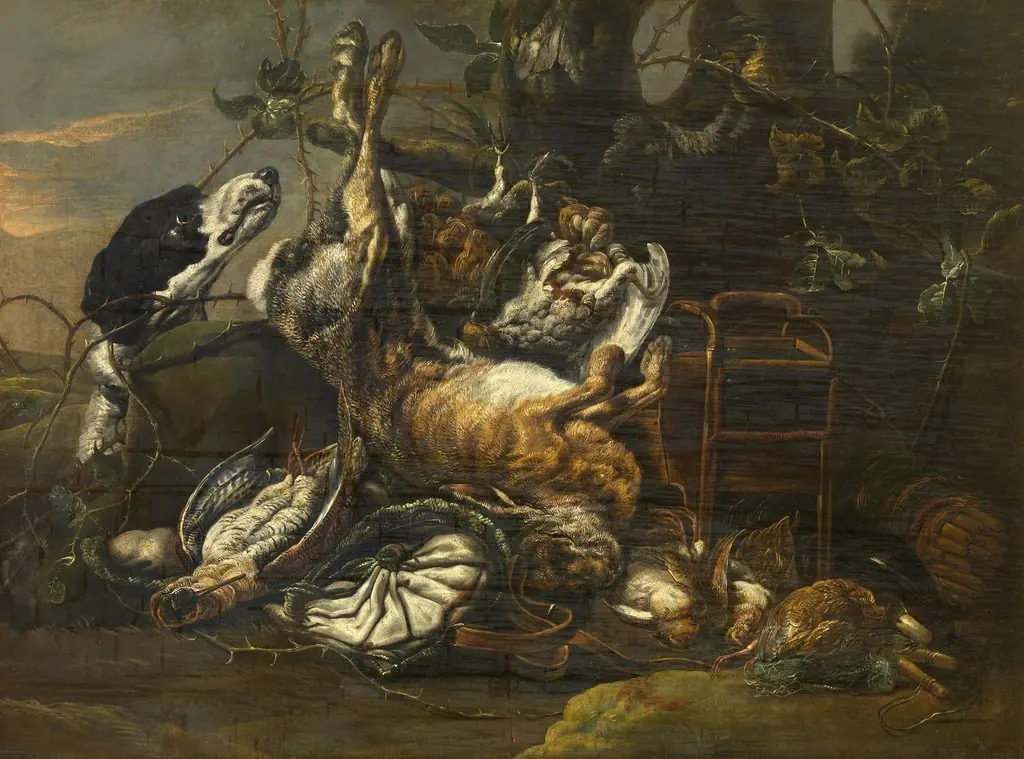
Automne : épagneul et chien de meute, gibier, fruits et légumes
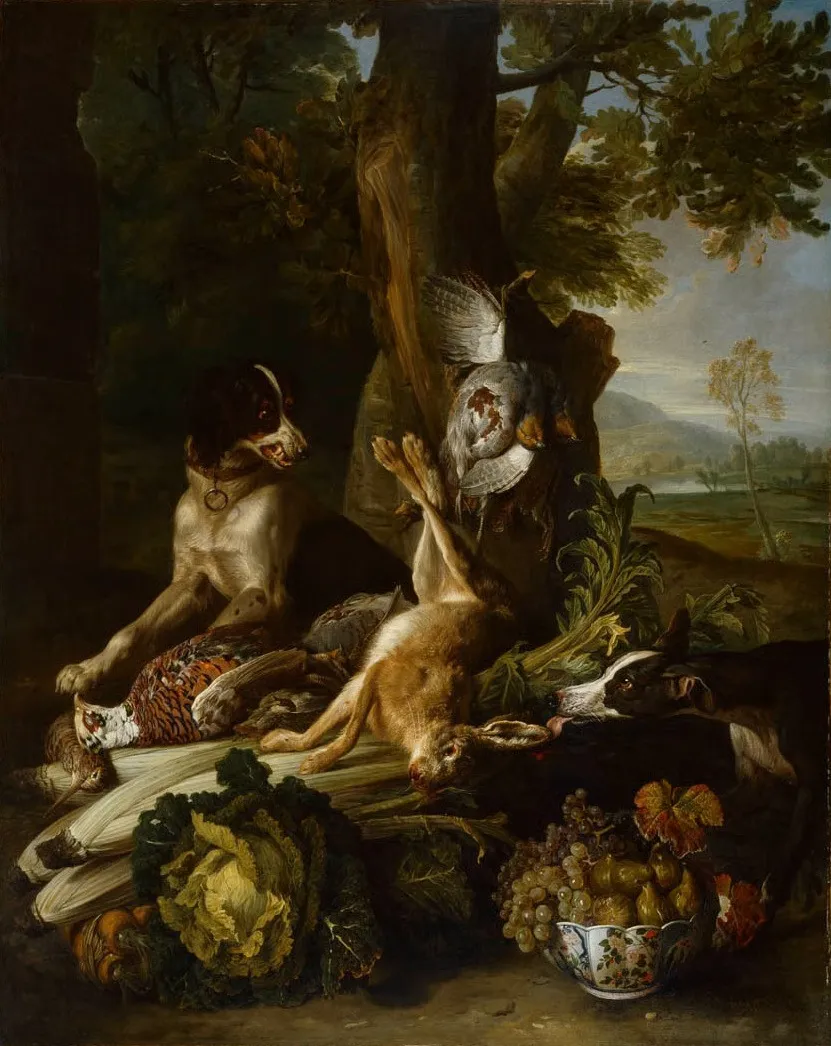
Automne : épagneul et chien de meute, gibier, fruits et légumes is an oil painting by the French Classical Baroque artist Alexandre-François Desportes. It dates from 1713 and is held in the collection of the Montreal Museum of Fine Arts.
About this work
Overview
It belongs to a series of seasonal compositions that reflect the French court’s interest in naturalism and the organized display of rural abundance.
Painted in 1713 by Alexandre-François Desportes, this oil-on-canvas work is a seasonal still life depicting autumn through the presence of game, domestic dogs, and harvested produce. It belongs to a series of seasonal compositions that reflect the French court’s interest in naturalism and the organized display of rural abundance. The painting is part of the Montreal Museum of Fine Arts’ collection.
Subject & Meaning
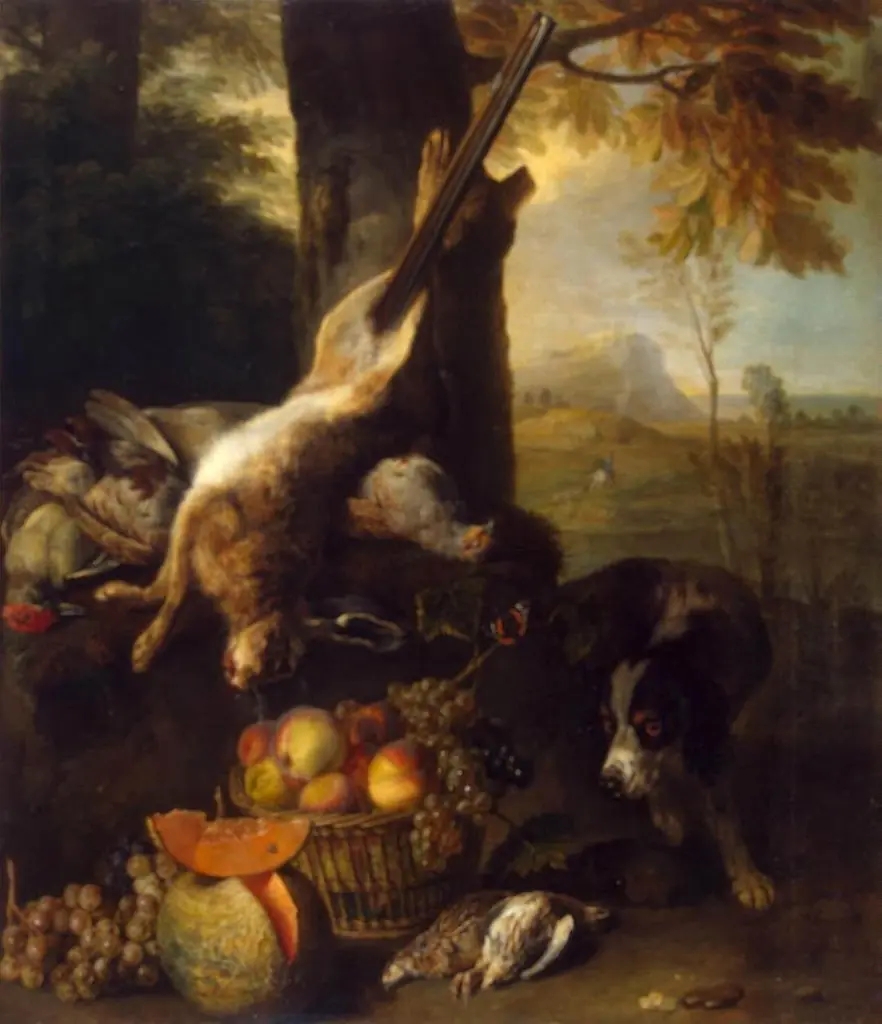
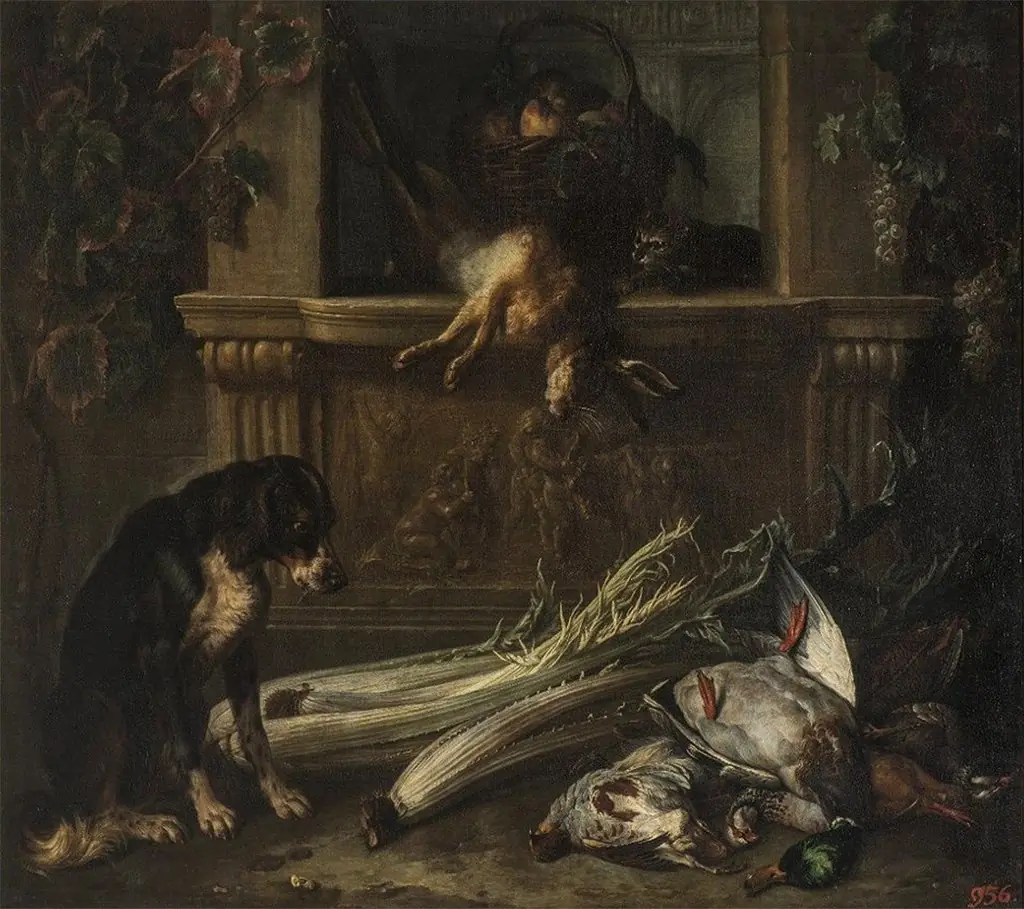
The scene centers on two dogs—an epagneul and a hunting hound—resting beside a tree trunk, surrounded by hunted animals and seasonal crops. A rabbit, a bird, and a mound of root vegetables lie near the foreground, while fruit in a bowl draws the gaze of the second dog. These elements together evoke the harvest season and the aristocratic tradition of hunting, blending domestic tranquility with the remnants of the chase.
Technique & Style
Desportes rendered textures with precise brushwork, capturing the sheen of fur, the roughness of bark, the dewy skin of fruit, and the matte surfaces of vegetables. The composition is carefully balanced, with diagonal lines guiding the eye from the dogs to the bounty and into the soft, receding landscape. The style reflects the French Classical Baroque tradition, emphasizing naturalism without theatricality.
History & Provenance
Desportes, trained under Nicasius Bernaerts, inherited a tradition of animal and still-life painting rooted in Flemish models. This work was likely commissioned for a noble household, as such seasonal series were popular among French elites. It entered the Montreal Museum of Fine Arts through documented acquisitions in the 20th century, preserving its original condition and attribution.
Context
In early 18th-century France, hunting was both a practical activity and a symbol of aristocratic privilege. Paintings like this one served as visual affirmations of wealth and control over nature. Desportes’ role as a court painter to Louis XIV and Louis XV placed him at the center of this cultural trend, where art and status intersected through depictions of the natural world.
Legacy
Desportes’ detailed, serene compositions influenced later French still-life and animal painters. His ability to merge realism with quiet narrative helped shape the evolution of genre painting in France. While not widely known today outside specialized circles, his work remains a key reference for understanding the visual culture of the French ancien régime.
Artist & collection
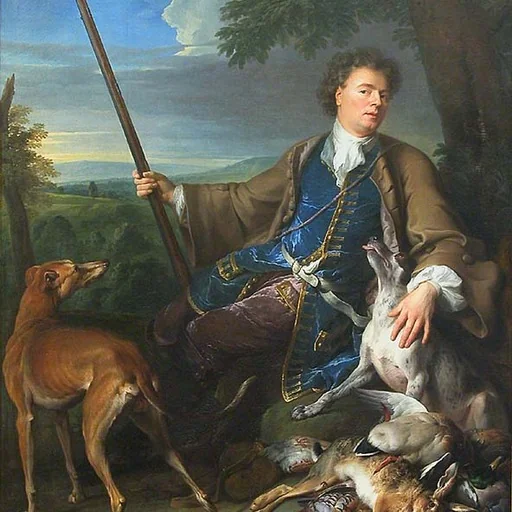
Artist
Alexandre-François Desportes (24 February 1661 — 20 April 1743) was a French painter and decorative designer who specialised in animals.

 Dog and Game
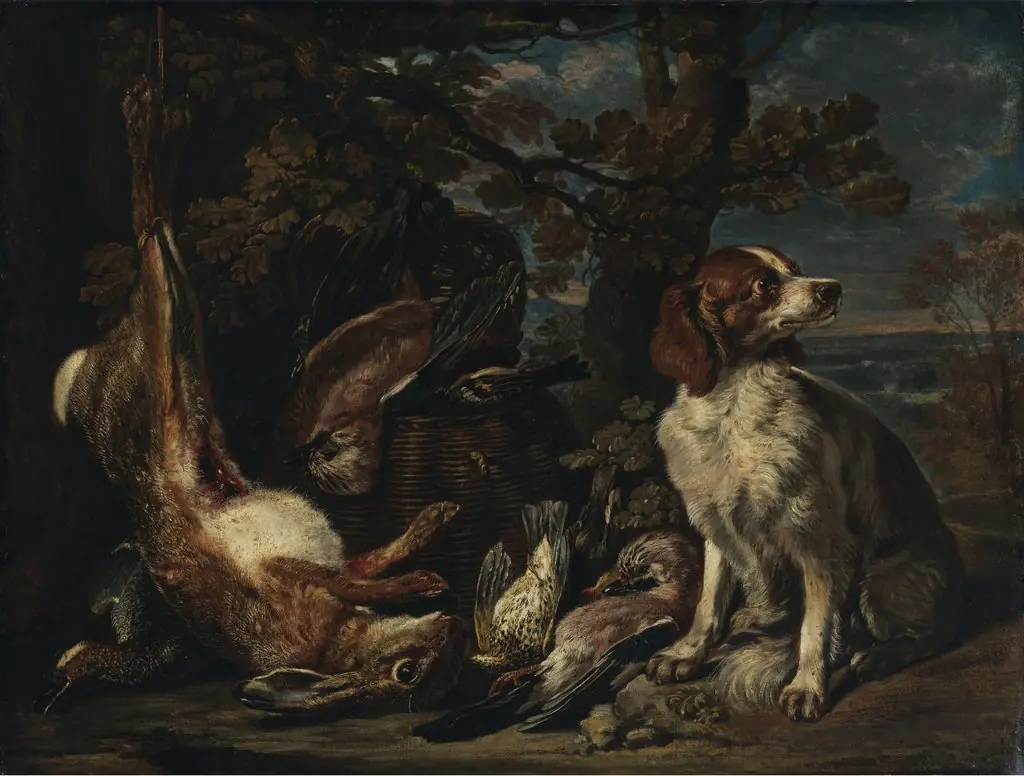 A Dog and Dead Game
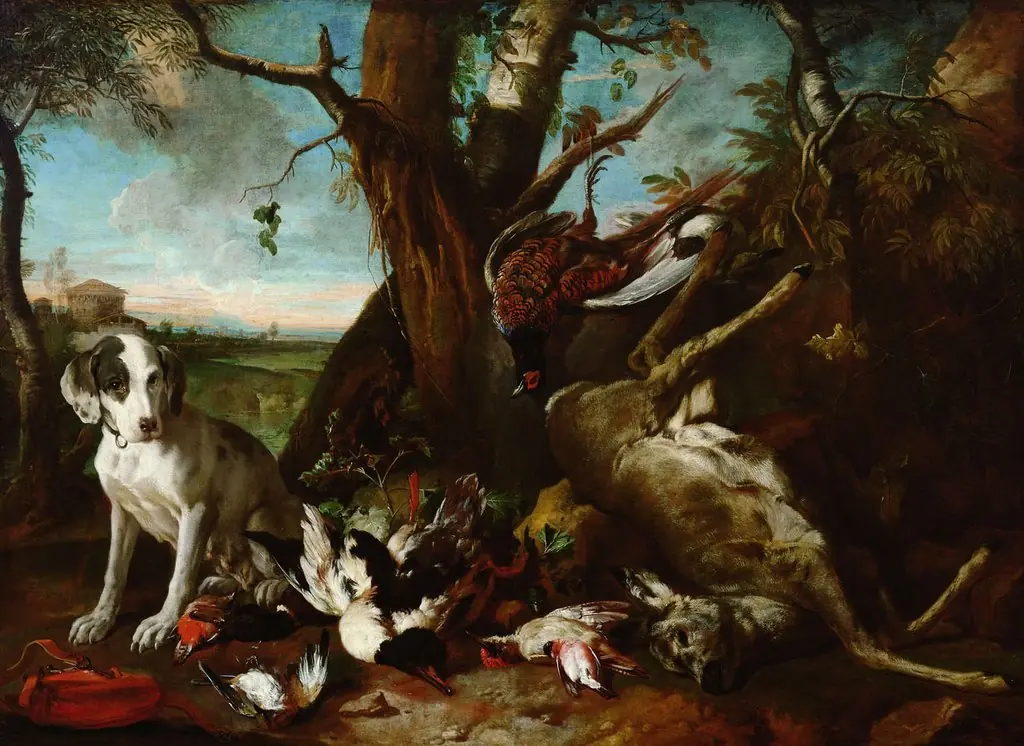 Dead wild game guarded by a hunting dog
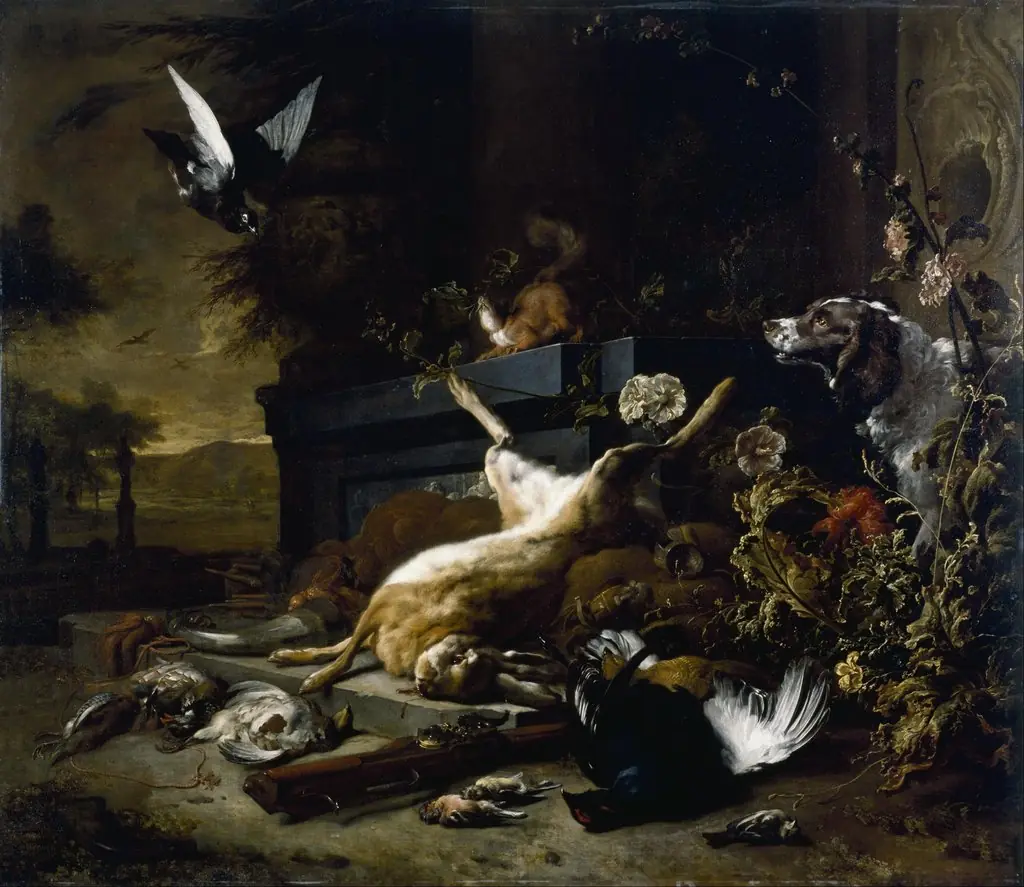 Still Life of Game including a Hare, Black Grouse and Partridge, a Spaniel looking on with a Pigeon in Flight
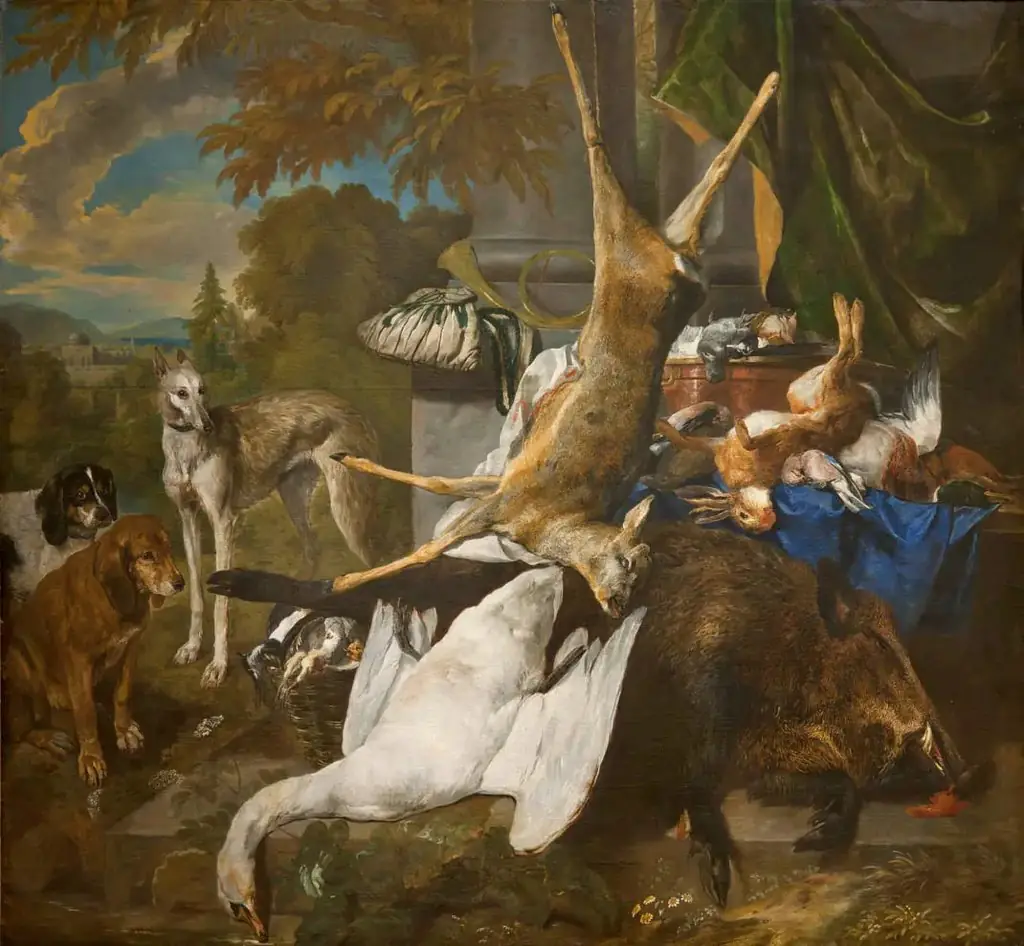 Still life of game and dogs
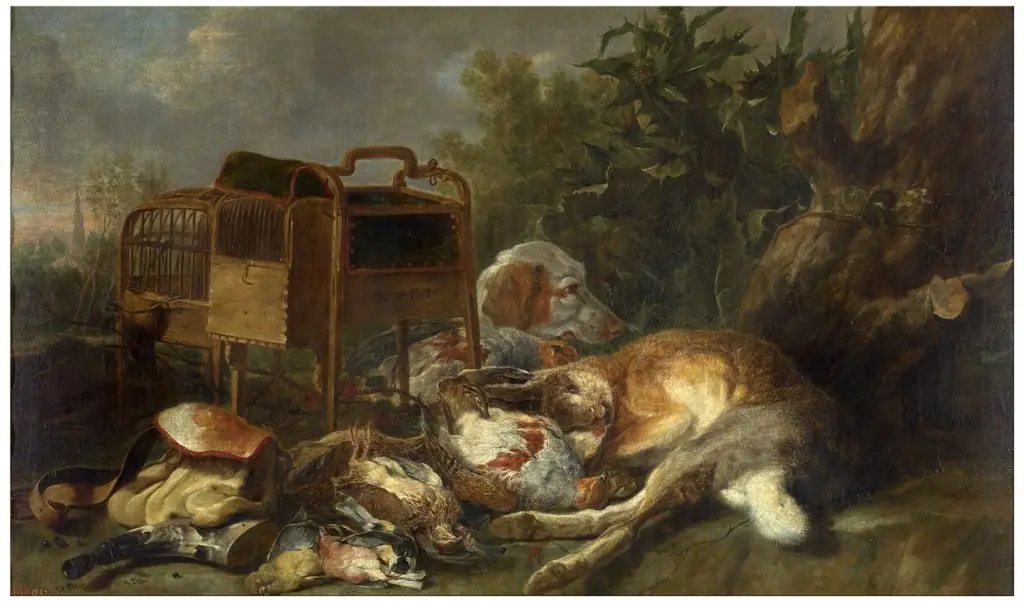 Fruits of the Hunt with a Dog
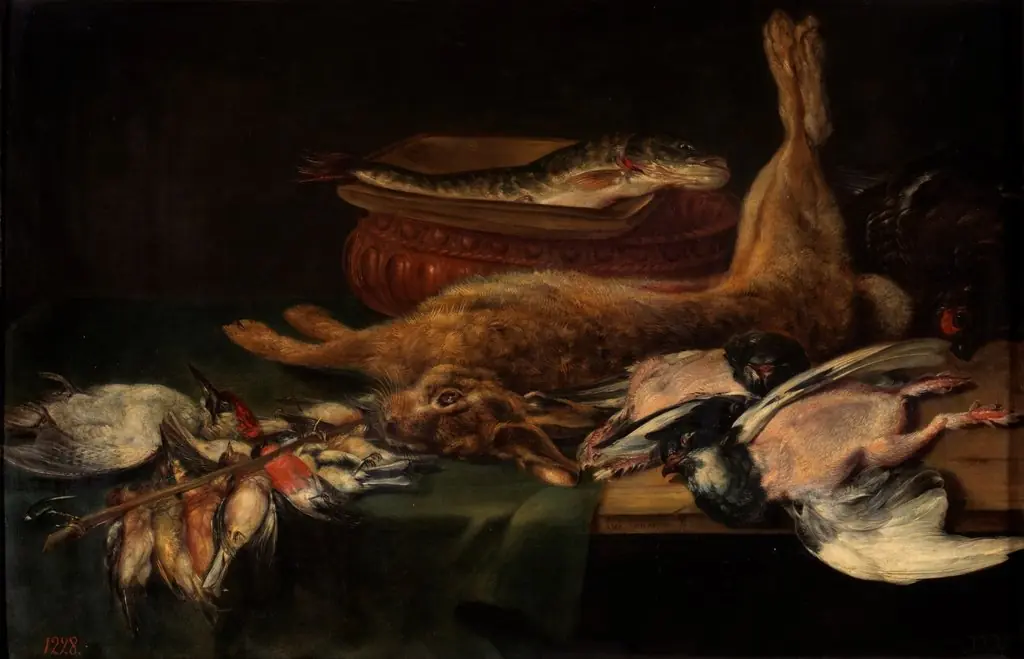 Still life with a hare, dead birds and fish
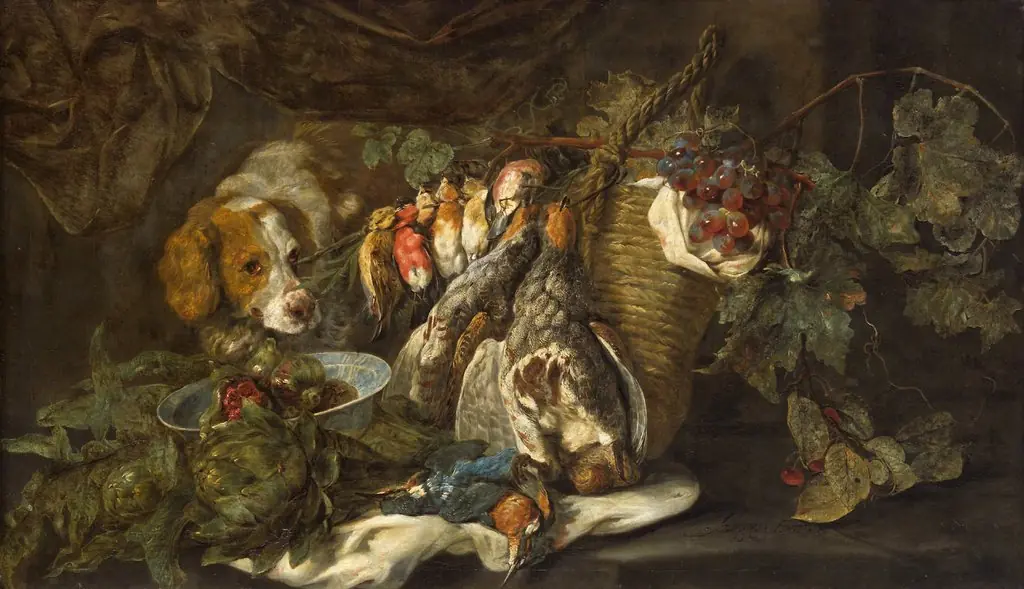 Fruit and poultry with hound
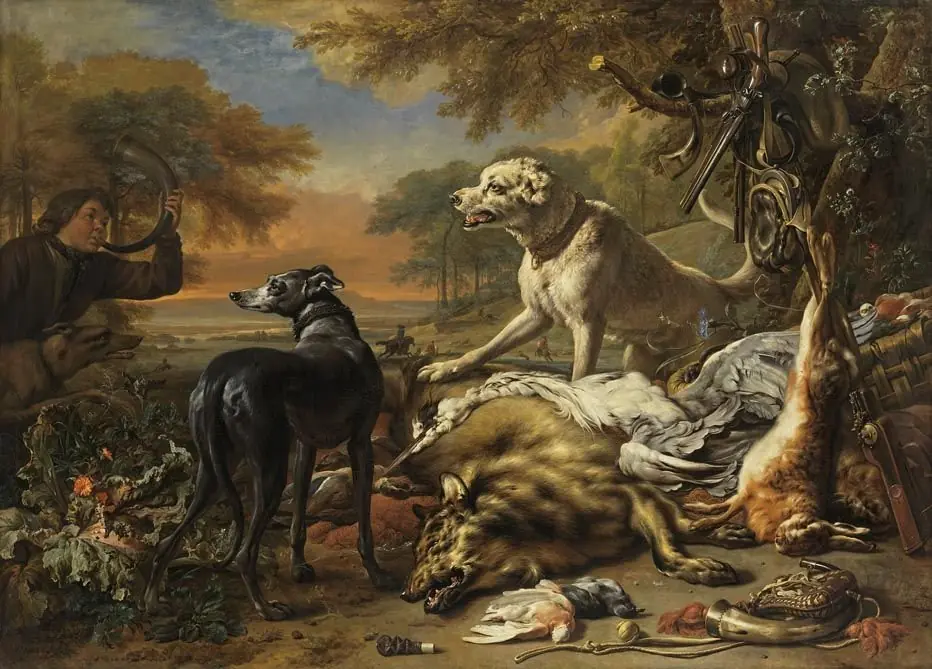 Hunting still life with wolf
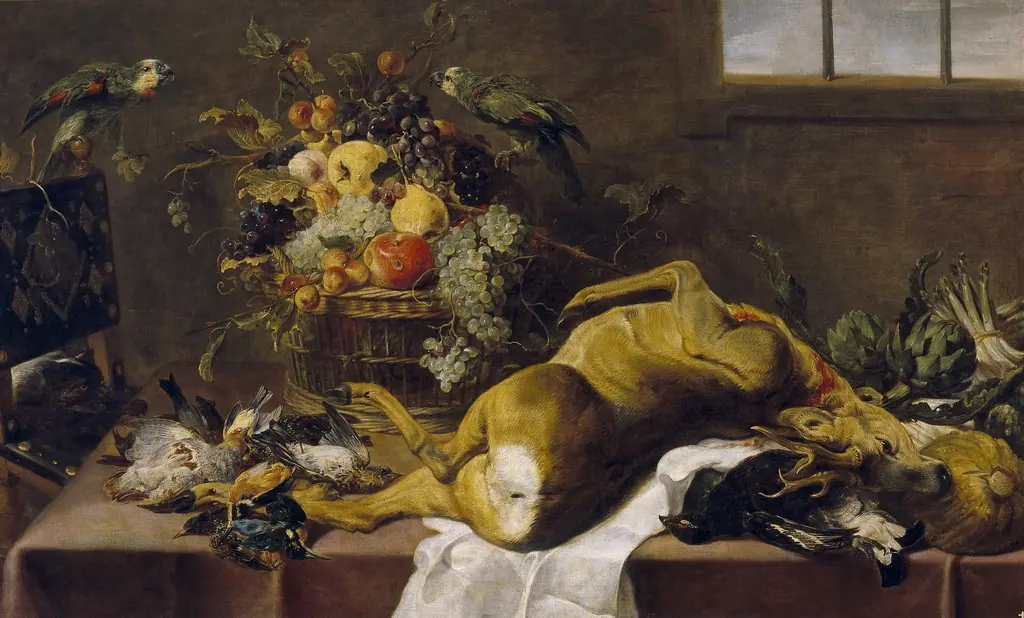 The larder
 Still Life