Artwork
Still Life of Game including a Hare, Black Grouse and Partridge, a Spaniel looking on with a Pigeon in Flight
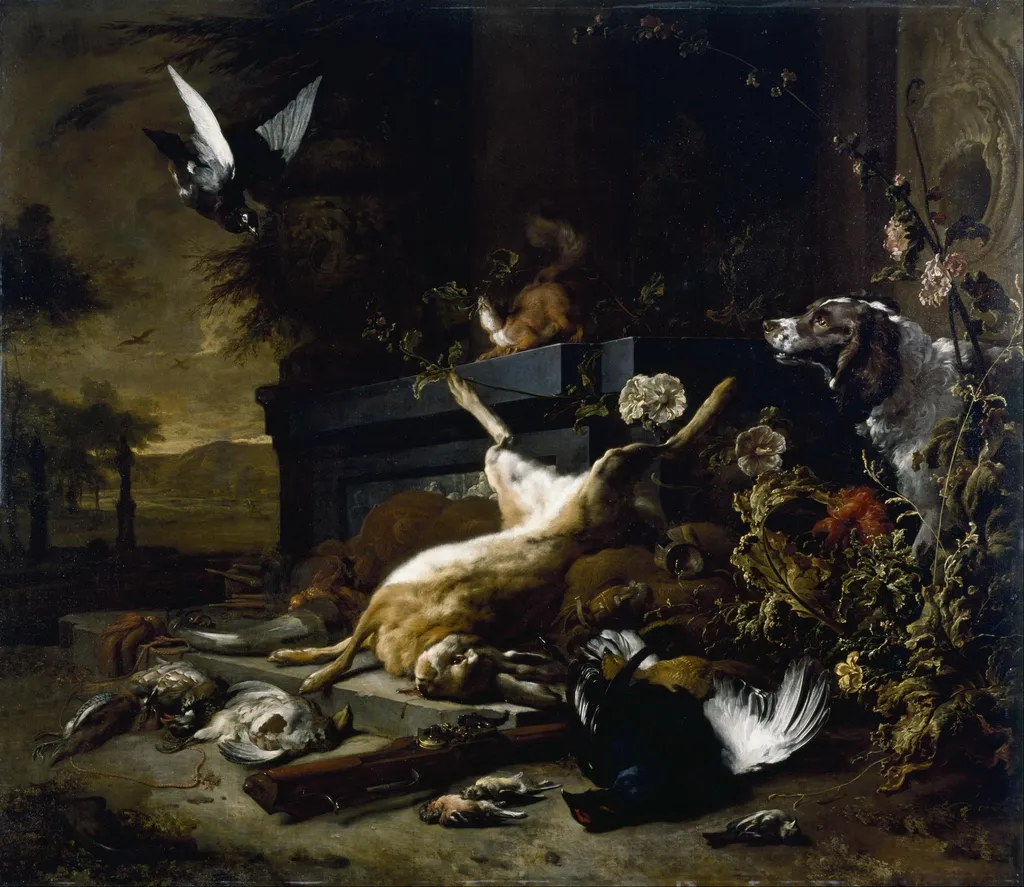
Still Life of Game including a Hare, Black Grouse and Partridge, a Spaniel looking on with a Pigeon in Flight is an oil painting by Jan Weenix. It dates from 1690 and is held in the collection of the Museum of Fine Arts, Houston.
About this work
The level of detail in the painting is impressive, with the textures of the fur and feathers rendered with great accuracy.
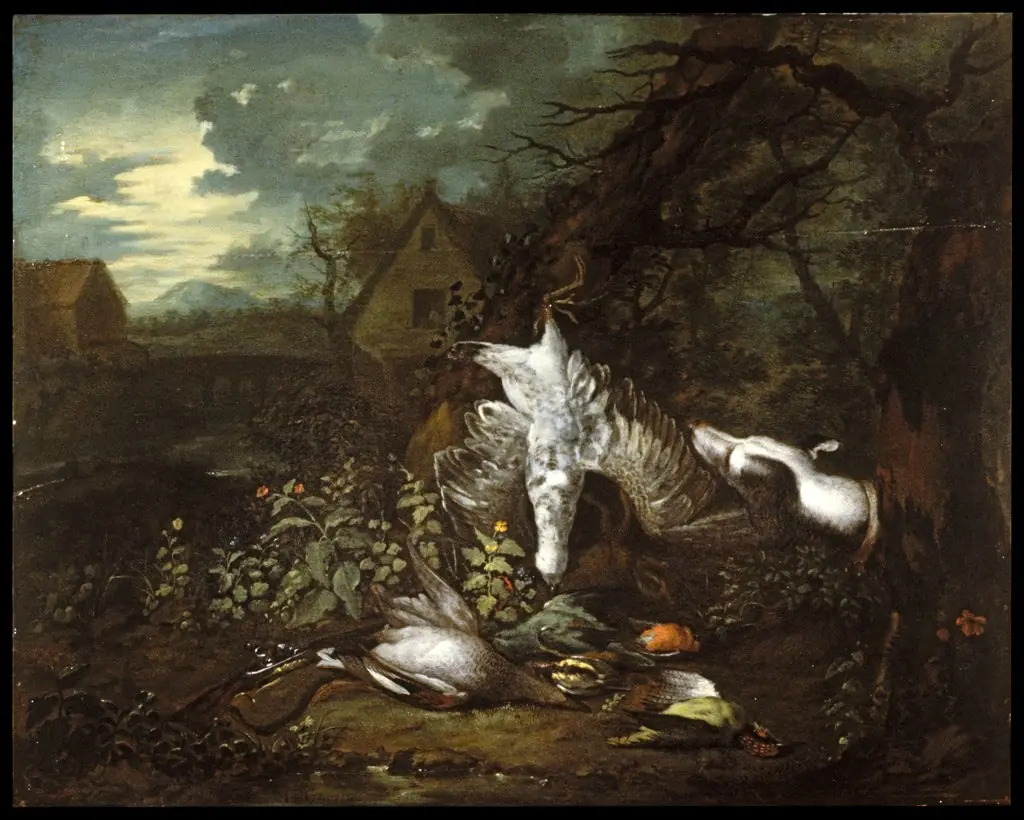
This painting depicts a still life of game, featuring a hare, black grouse, and partridge. A spaniel is shown looking on, while a pigeon is in flight above. The scene is set against a dark background, with the animals and bird arranged on a stone floor. The overall atmosphere is one of quiet contemplation, with the spaniel's gaze drawing the viewer's attention to the game.
The painting is characterized by its use of chiaroscuro, with strong contrasts between light and dark. The artist's use of color is muted, with earth tones dominating the palette. The level of detail in the painting is impressive, with the textures of the fur and feathers rendered with great accuracy.
The painting is a beautiful example of Dutch still life painting from the 17th century. For more information on the artist's use of chiaroscuro, look up the technique.
Overview
Painted in 1690 by Jan Weenix, this oil on canvas work presents a composed arrangement of hunted game—hare, black grouse, and partridge—alongside a watching spaniel and a pigeon mid-flight. Set against a deep, shadowed backdrop and a stone surface, the scene balances stillness and motion, evoking the quiet aftermath of a hunt without overt drama. The painting exemplifies Weenix’s specialization in naturalistic game still lifes, rooted in Dutch tradition.
Subject & Meaning
The composition centers on the remains of a hunt, with the animals arranged as trophies, yet the presence of the spaniel and the flying pigeon introduces a sense of lingering life. The dog’s gaze directs the viewer’s attention, suggesting observation rather than triumph. The pigeon, airborne and separate, may imply freedom or the fleeting nature of the hunt’s outcome, adding a subtle layer of contrast to the stillness of death.
Technique & Style
Weenix employs chiaroscuro to model fur and feathers with precision, using soft gradations of light to define texture and volume. The palette is restrained, dominated by browns, grays, and muted greens, enhancing the somber tone. Brushwork is meticulous yet unobtrusive, allowing the natural surfaces—damp feathers, coarse fur, rough stone—to emerge without artificial embellishment.
History & Provenance
Created during the height of Dutch still-life painting, the work reflects Weenix’s lineage as the son of painter Jan Baptist Weenix and pupil of his cousin, Pieter. It remained within private collections in the Netherlands before entering the Museum of Fine Arts, Houston’s collection, where it is preserved as a representative example of late 17th-century Dutch game painting.
Context
In late 17th-century Holland, still lifes of game were popular among wealthy patrons who valued both artistic skill and symbolic references to status, leisure, and the natural world. These works often served as displays of control over nature, yet Weenix’s restrained approach avoids overt glorification, favoring quiet realism over theatricality.
Legacy
Weenix’s attention to biological detail and atmospheric tone influenced later still-life painters in the Netherlands and beyond. His ability to merge naturalism with compositional calm helped define a quieter strand of the genre, distinct from more ornate or symbolic interpretations. This painting remains a key example of his mature style and technical discipline.
Own this work as a print
Artist & collection
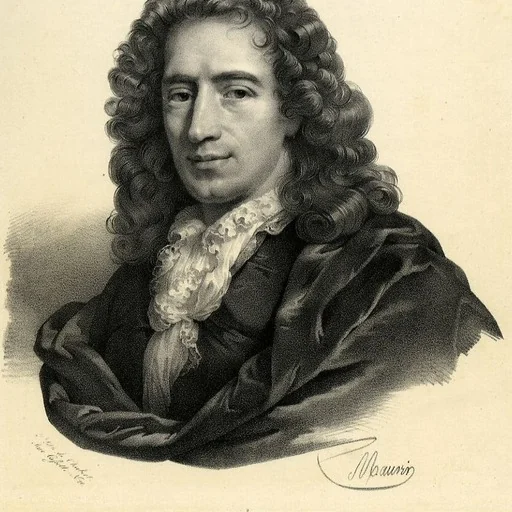
Artist
Jan Weenix or Joannis Wenix (between 1641/1649 – 19 September 1719 (buried)) was a Dutch painter.

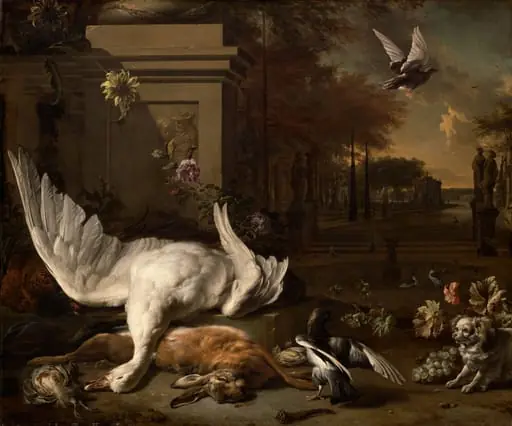 Still Life with Goose and Game before a Country Estate
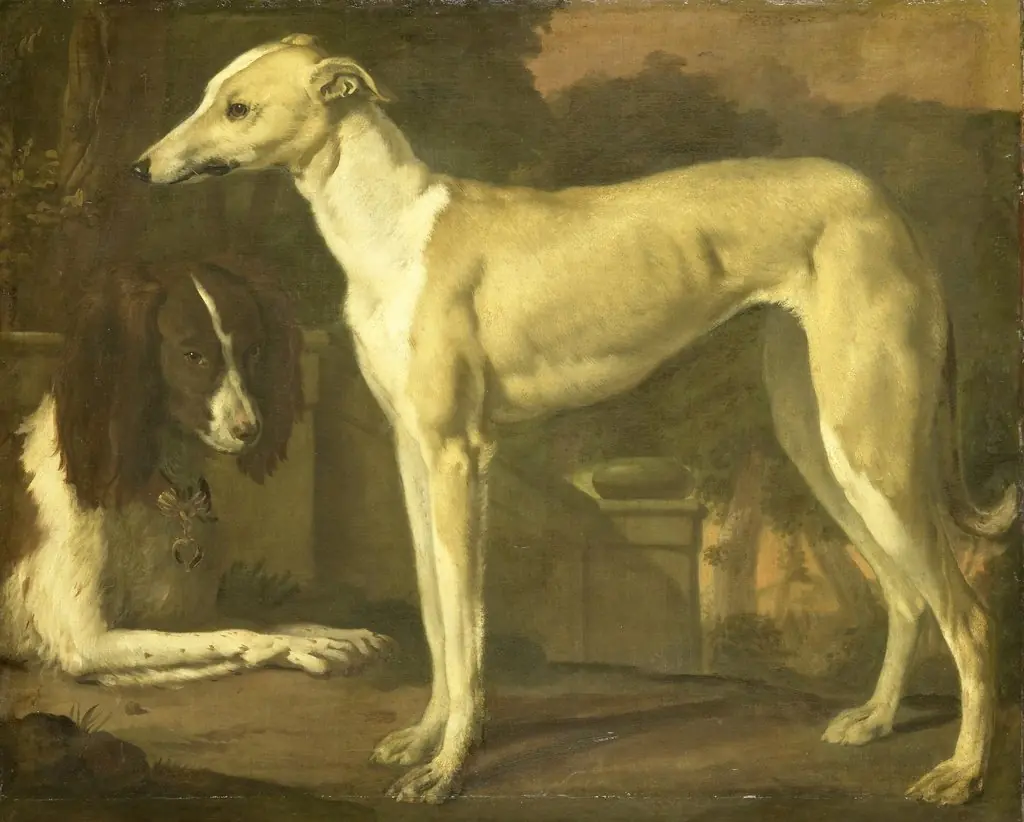 Portrait of a greyhound and a spaniel
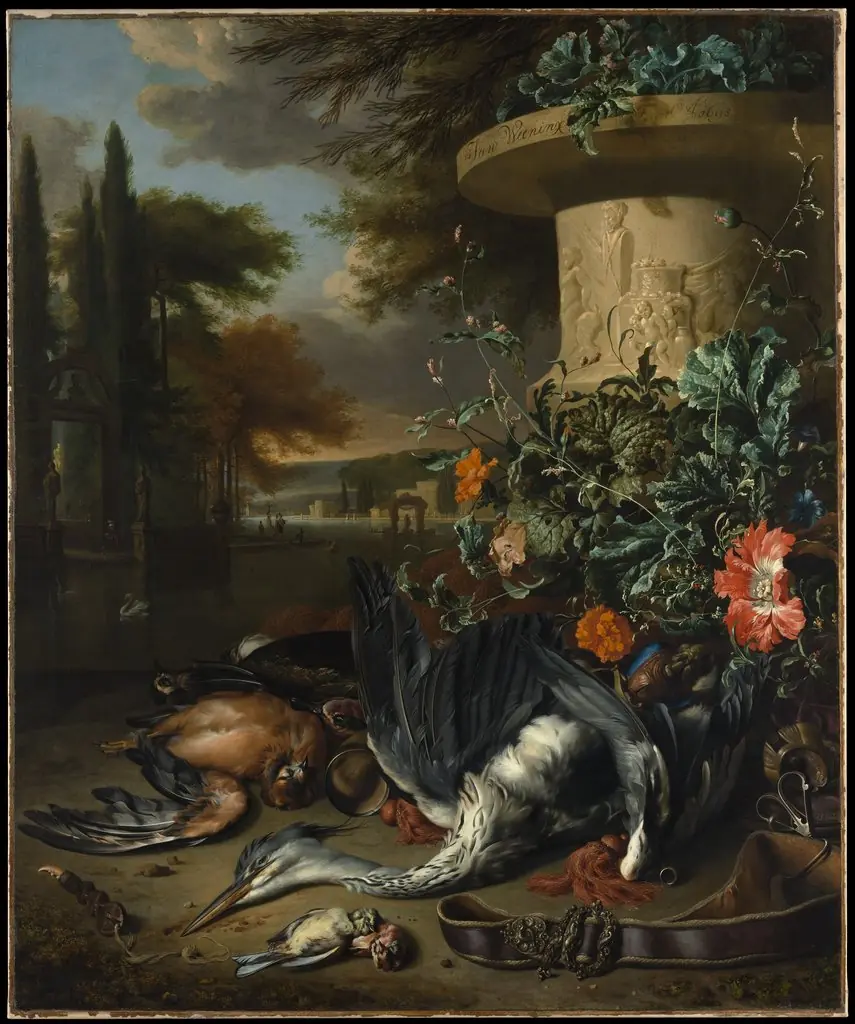 Gamepiece with a Dead Heron ("Falconer's Bag")
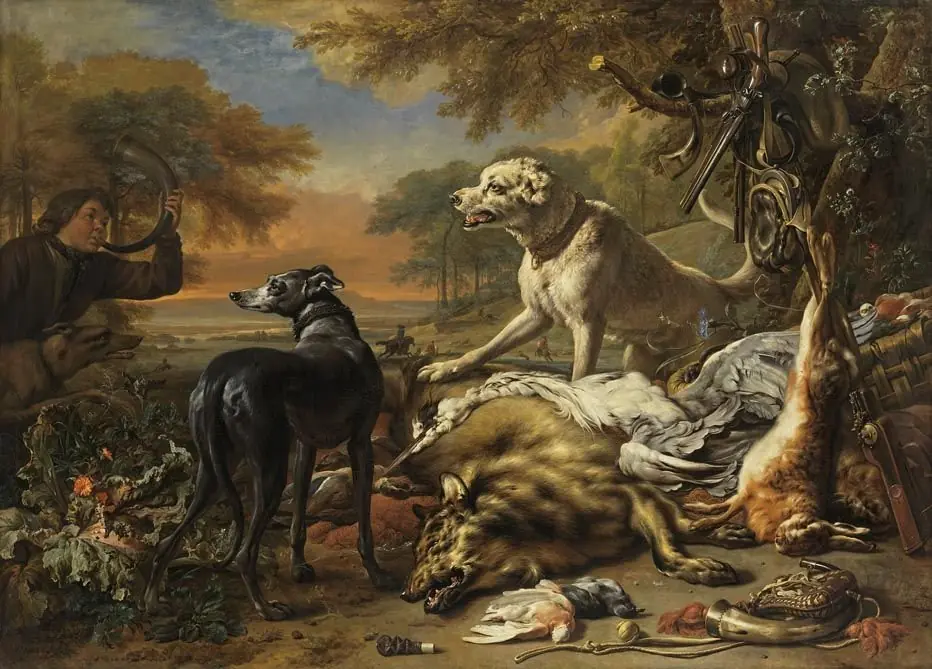 Hunting still life with wolf
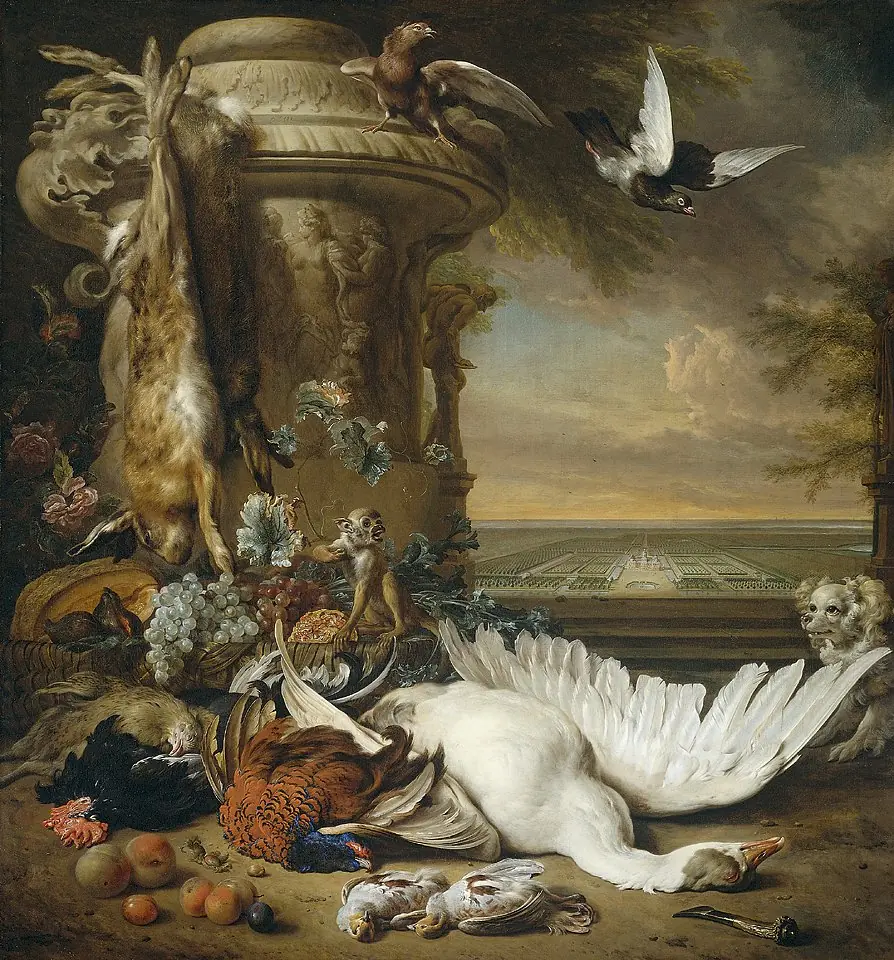 Still Life with Dead Game and Fruit beside a Garden Vase, with a Monkey, a Dog and Two Pigeons; in the Background Rijksdorp near Wassenaar, the Estate of Jonkheer Jacob Emmery, Baron of Wassenaar
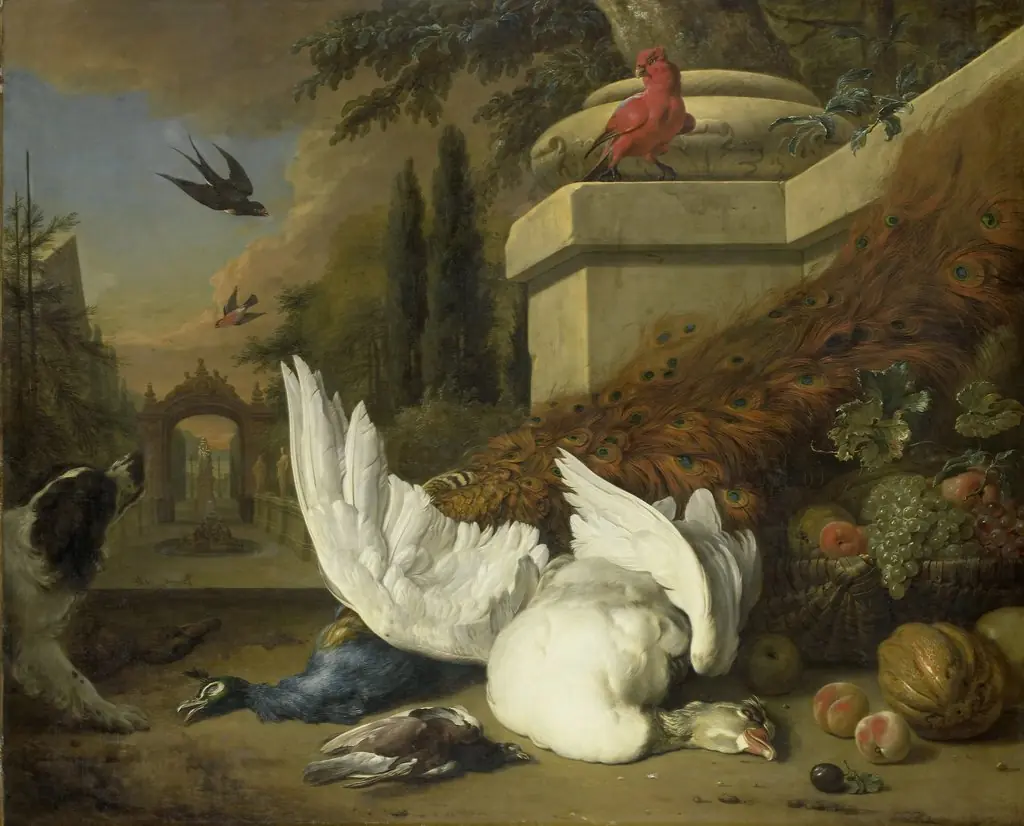 A monkey and a dog beside dead game and fruits, with the estate of Rijxdorp near Wassenaar in the background
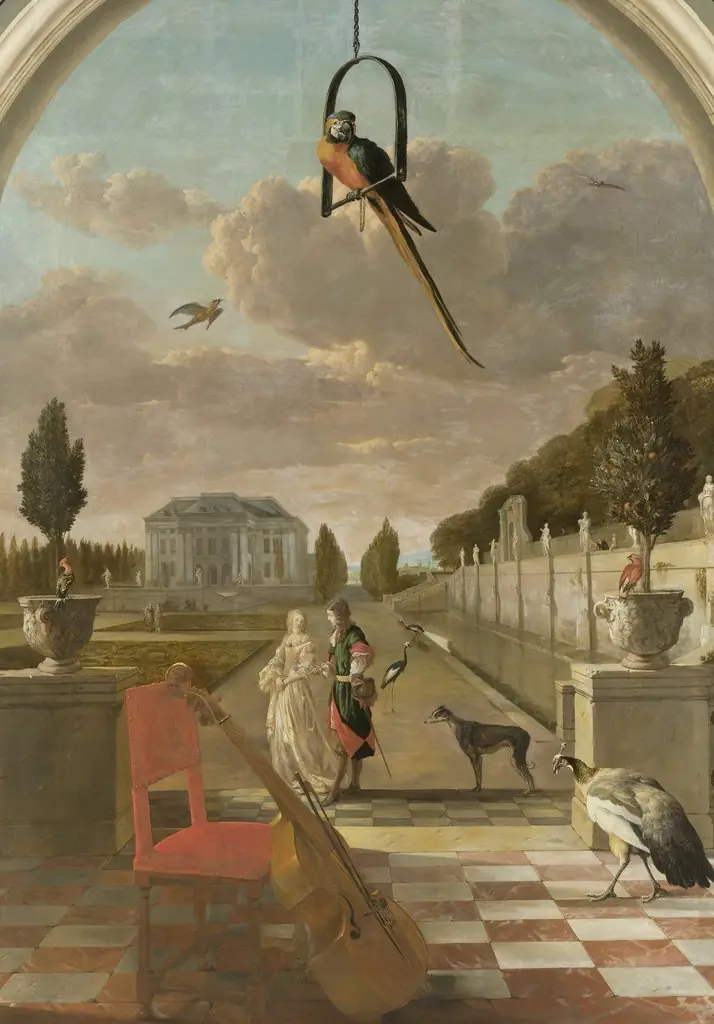 Park with country home
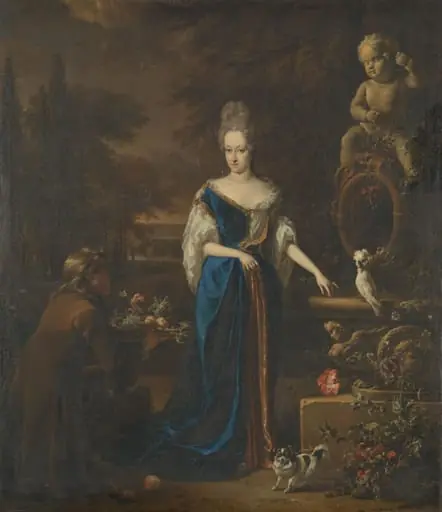 Portrait of Maria Cornelisz, Wife of Silvester van Tongeren
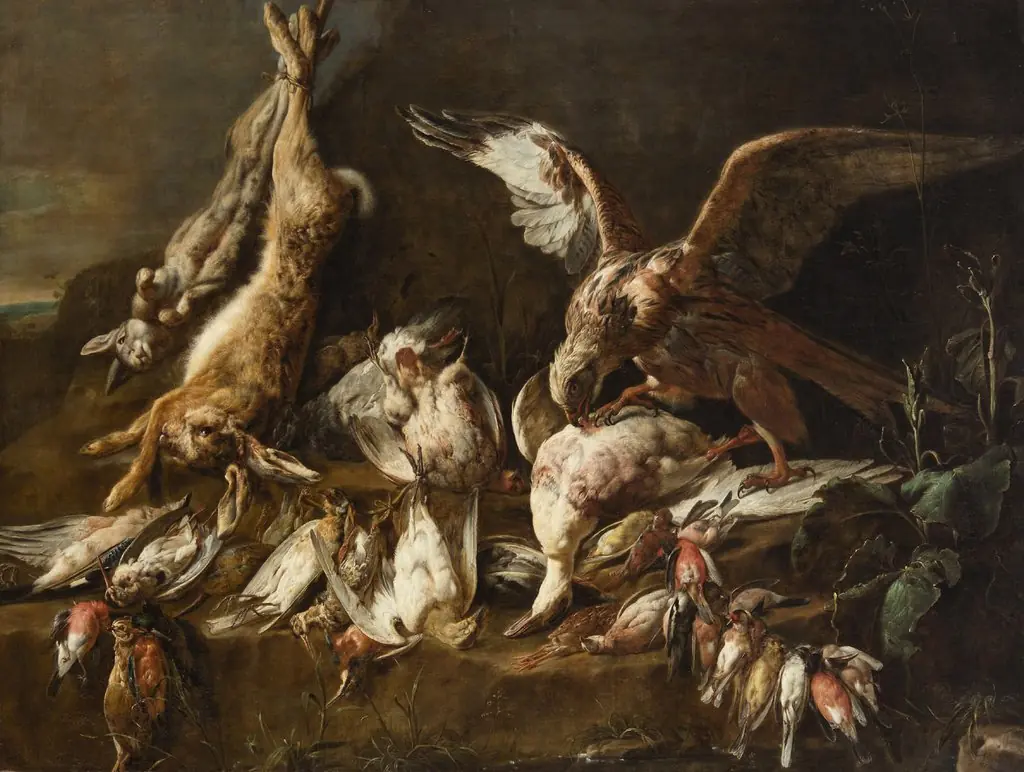 Still life of game
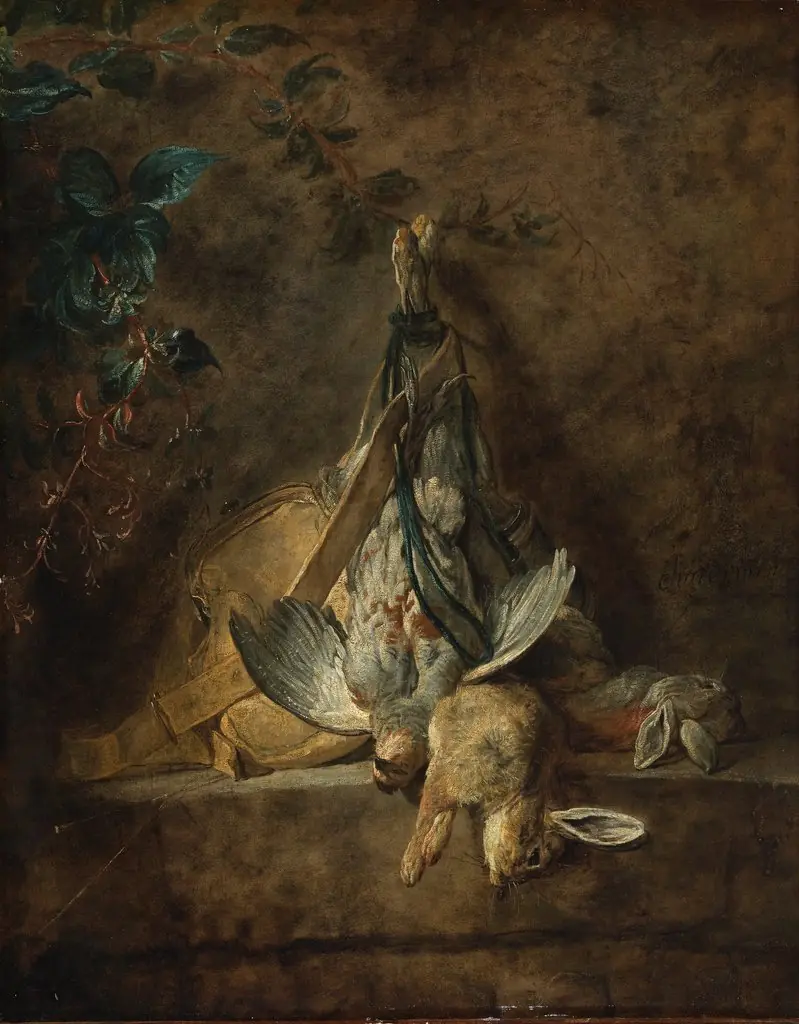 A Still Life: Two Rabbits, a Grey Partridge, Game Bag and a Powder Flask
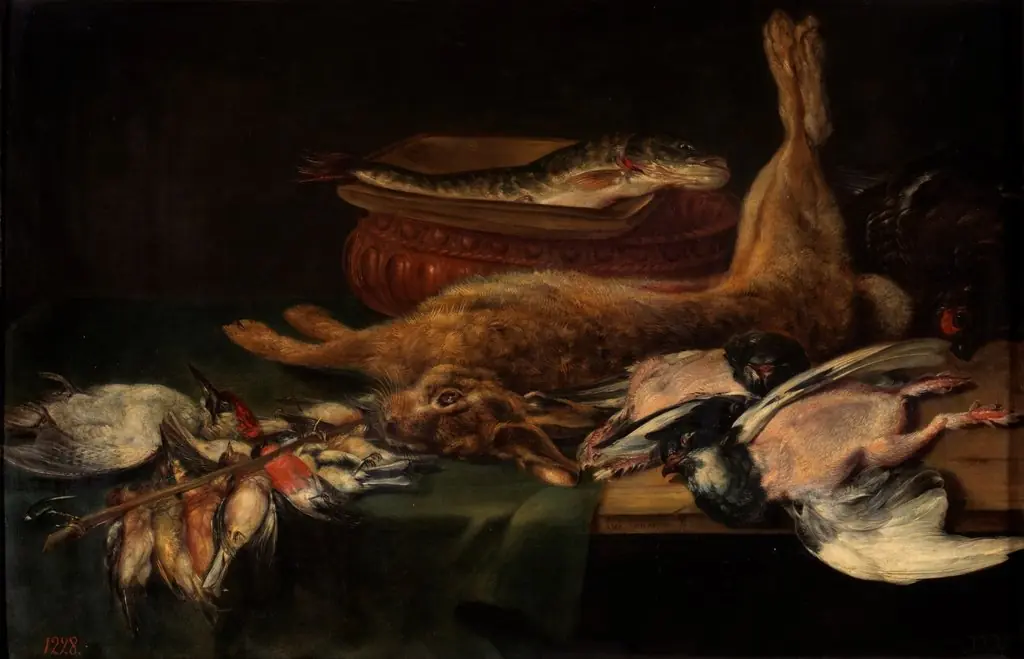 Still life with a hare, dead birds and fish
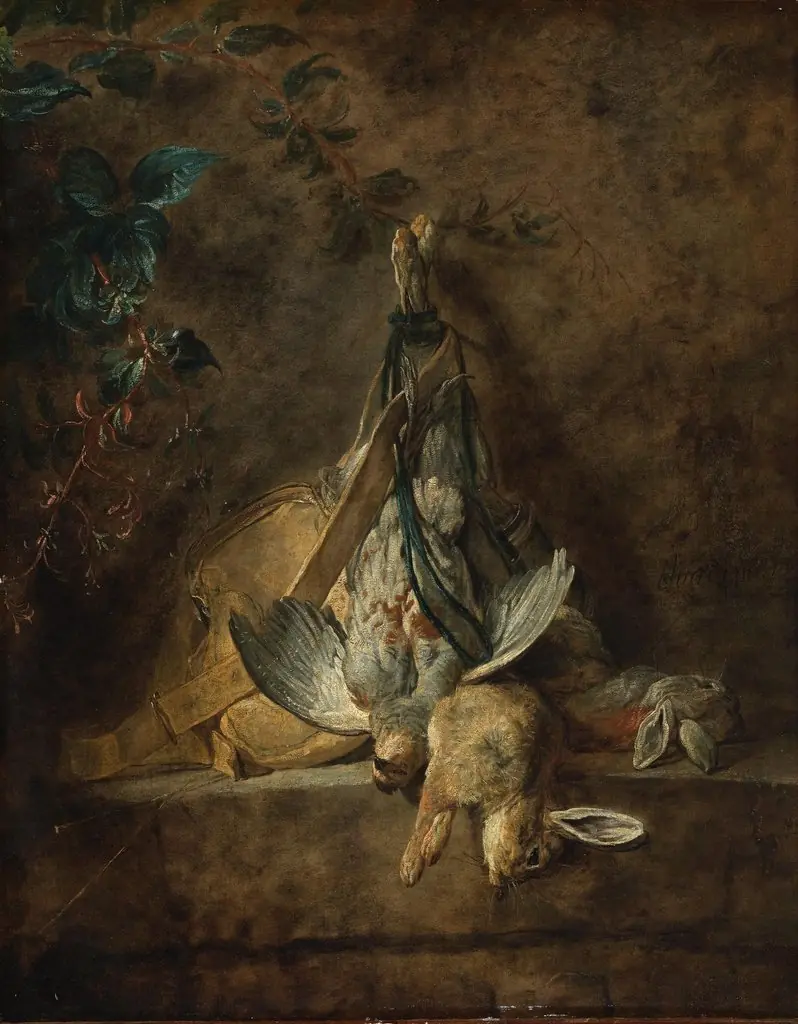 A Still Life Two Rabbits, a Grey Partridge, Game Bag and a Powder Flask
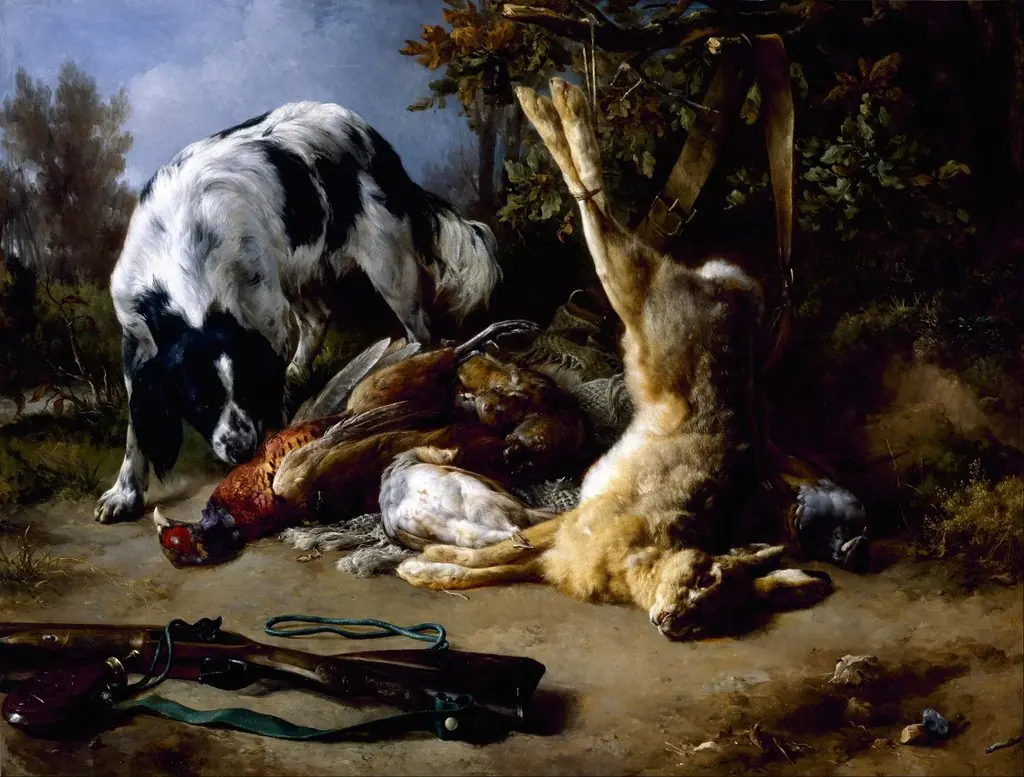 Spaniel with a Still Life of Dead Game
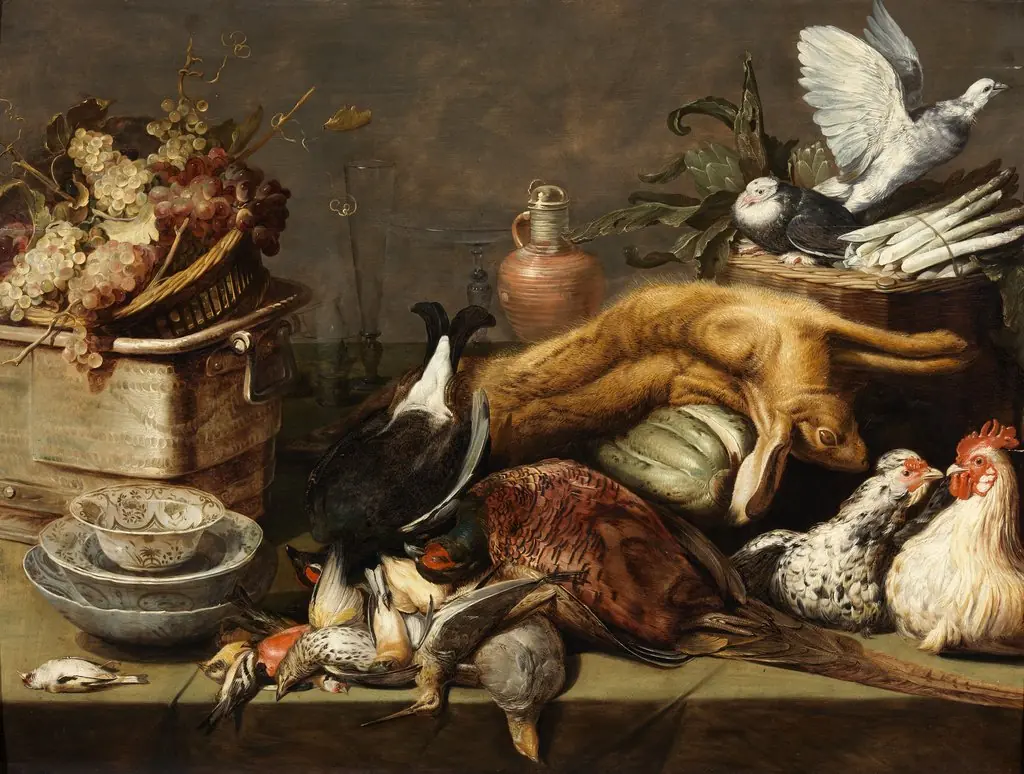 A Still Life with Dead Birds and a Hare
 Still Life with Dead Game Birds
 Still Life with Game, Vegetables, Fruit and a Cockatoo