Artwork
Young Woman
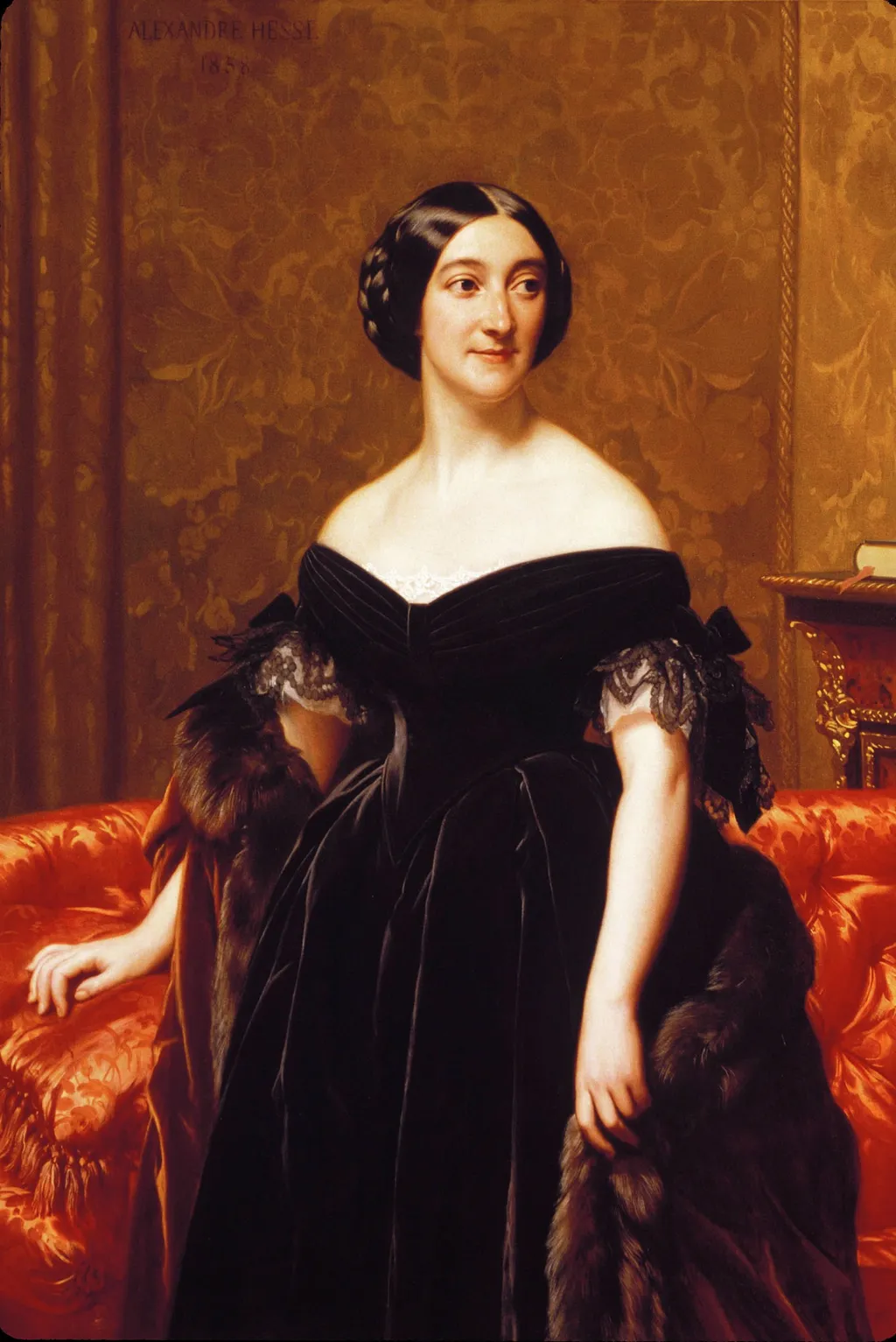
Young Woman is an oil painting by the Realist artist Alexandre Hesse. It dates from 1858 and is held in the collection of the Detroit Institute of Arts.
About this work
Overview
Painted in 1858 by Alexandre Hesse, this oil on canvas portrait captures a young woman in a moment of quiet composure. The work resides in the Detroit Institute of Arts, where it is noted for its restrained elegance and attention to textile detail. Hesse’s focus on posture and attire reflects mid-19th-century portraiture conventions, emphasizing social grace over narrative drama.
Subject & Meaning
The subject is a woman of likely middle- or upper-class standing, depicted in formal attire that signals refinement. Her black dress, lace-trimmed sleeves, and fur shawl suggest both modesty and affluence. The faint smile and direct gaze convey a sense of self-possession rather than sentimentality, aligning with contemporary ideals of feminine dignity in domestic settings.
Technique & Style
Hesse employs subtle chiaroscuro to model the figure’s form, particularly in the folds of the dress and the soft transition of light across the face. The background’s muted floral wallpaper provides texture without distraction, allowing the subject to remain central. Brushwork is precise yet unobtrusive, favoring clarity over expressive flourish.
History & Provenance
The painting was completed in 1858 and entered the Detroit Institute of Arts’ collection in the 20th century. While little is documented about its early ownership, its preservation suggests it was valued within private collections before institutional acquisition. No significant alterations or restorations are publicly recorded.
Context
Created during a period when portraiture remained a dominant genre in European and American art, the work reflects the influence of academic traditions. Hesse, trained in France, brought a refined sensibility to his subjects, aligning with the era’s emphasis on decorum and material detail in depictions of private life.
Legacy
Though not widely exhibited outside institutional settings, the painting contributes to the understanding of 19th-century American and European portraiture. It exemplifies how artists of the time used clothing, lighting, and composition to communicate social identity without overt symbolism, preserving a quiet record of everyday elegance.
Own this work as a print
Artist & collection

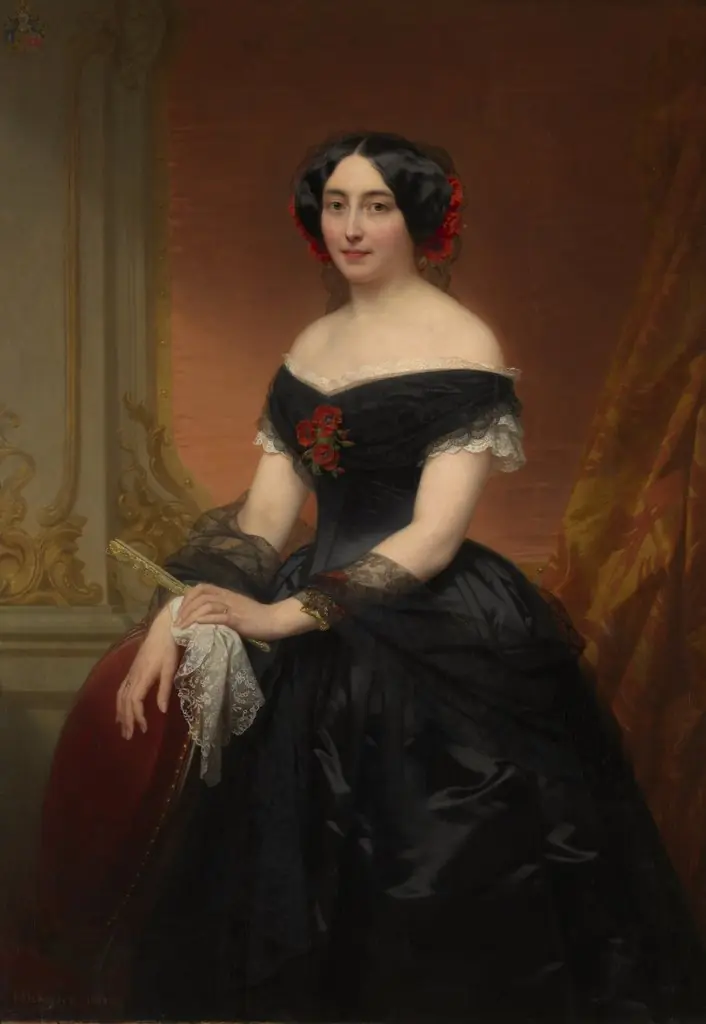 Madame Mols-de Brialmont
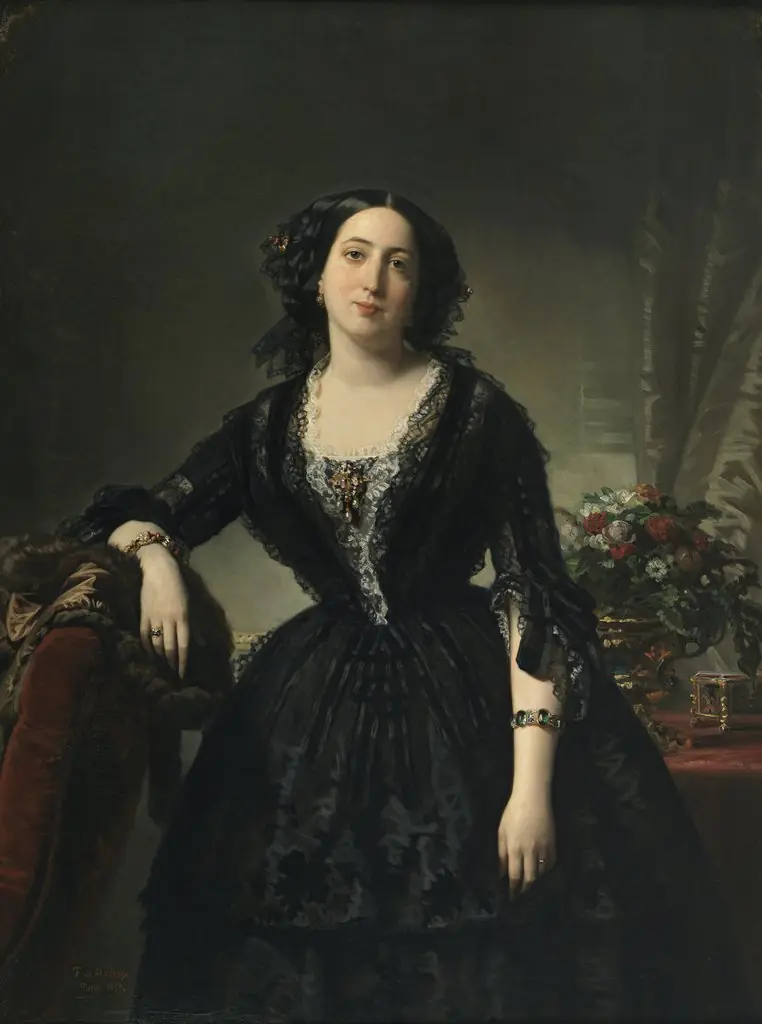 María Dolores de Aldama, Marchioness of Montelo
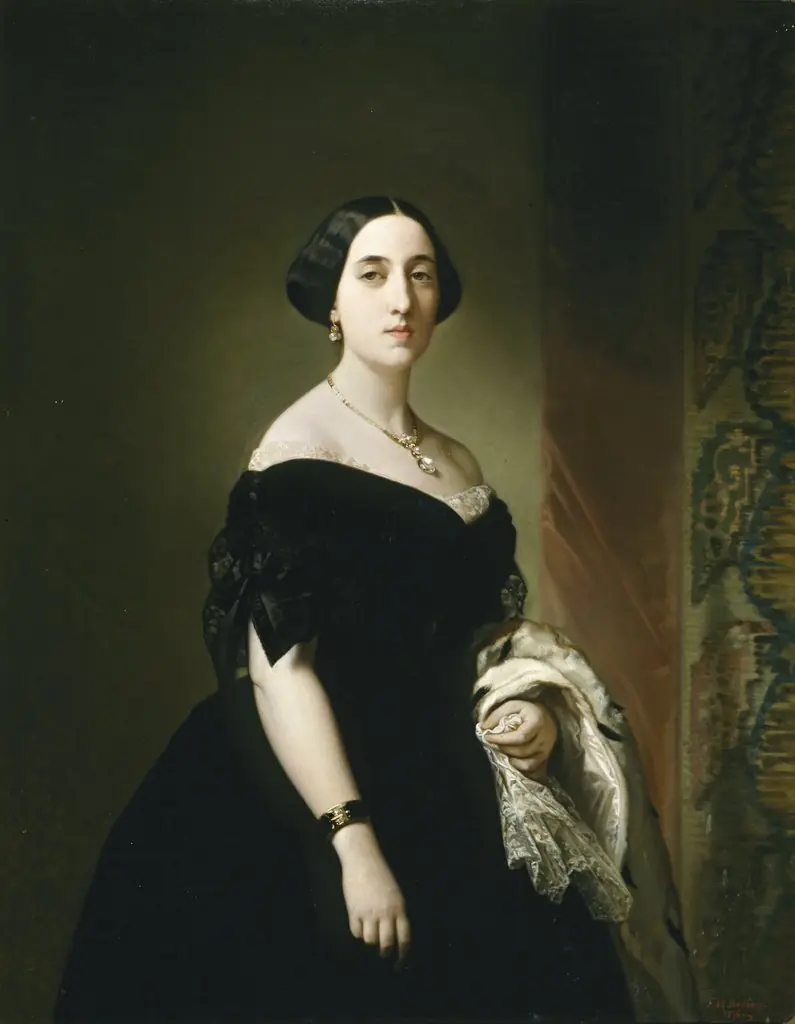 Concepción Remisa
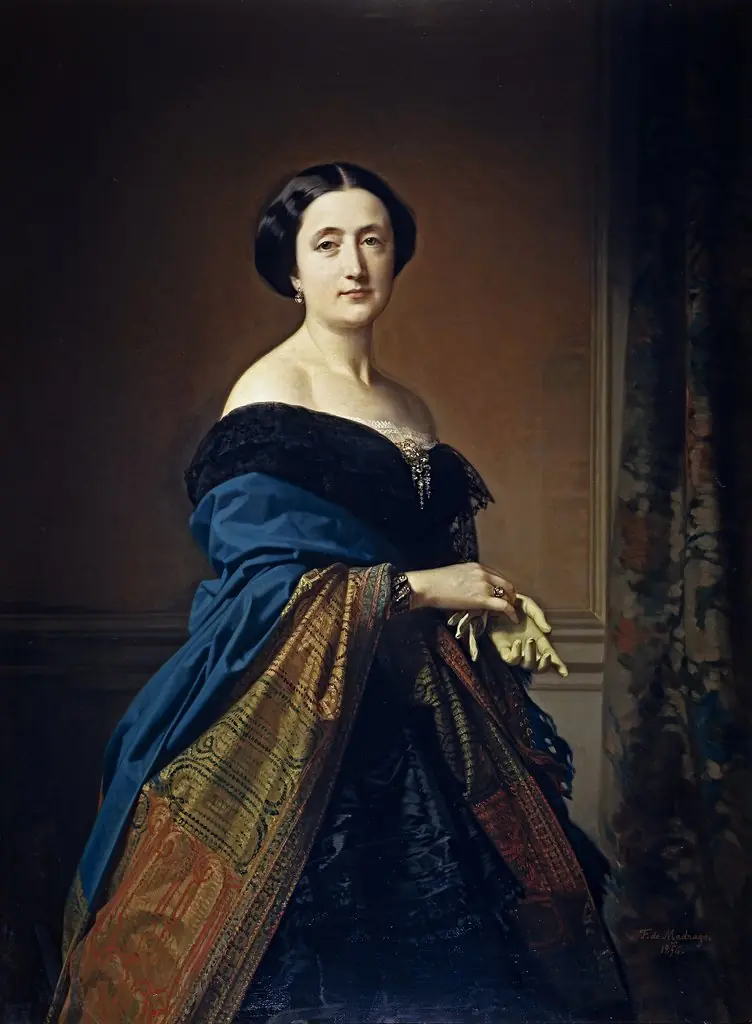 Saturnina Canaleta de Girona
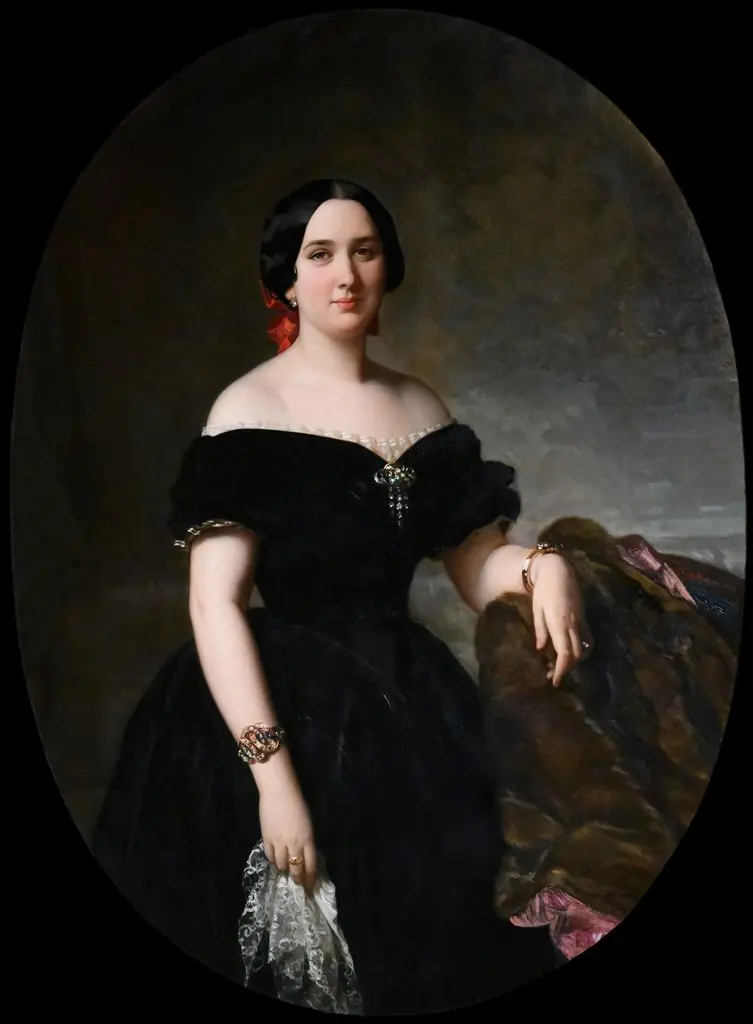 Amelia de Vilanova y Nadal
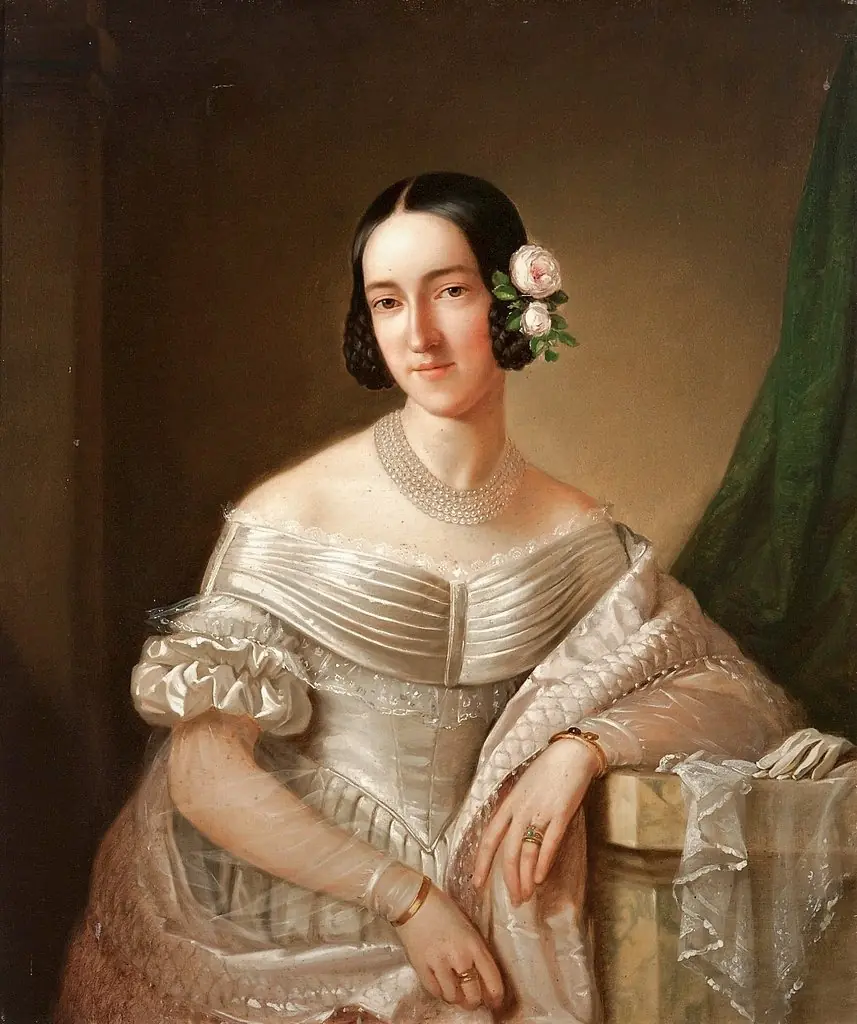 Portrait of Archduchess Hermine of Austria
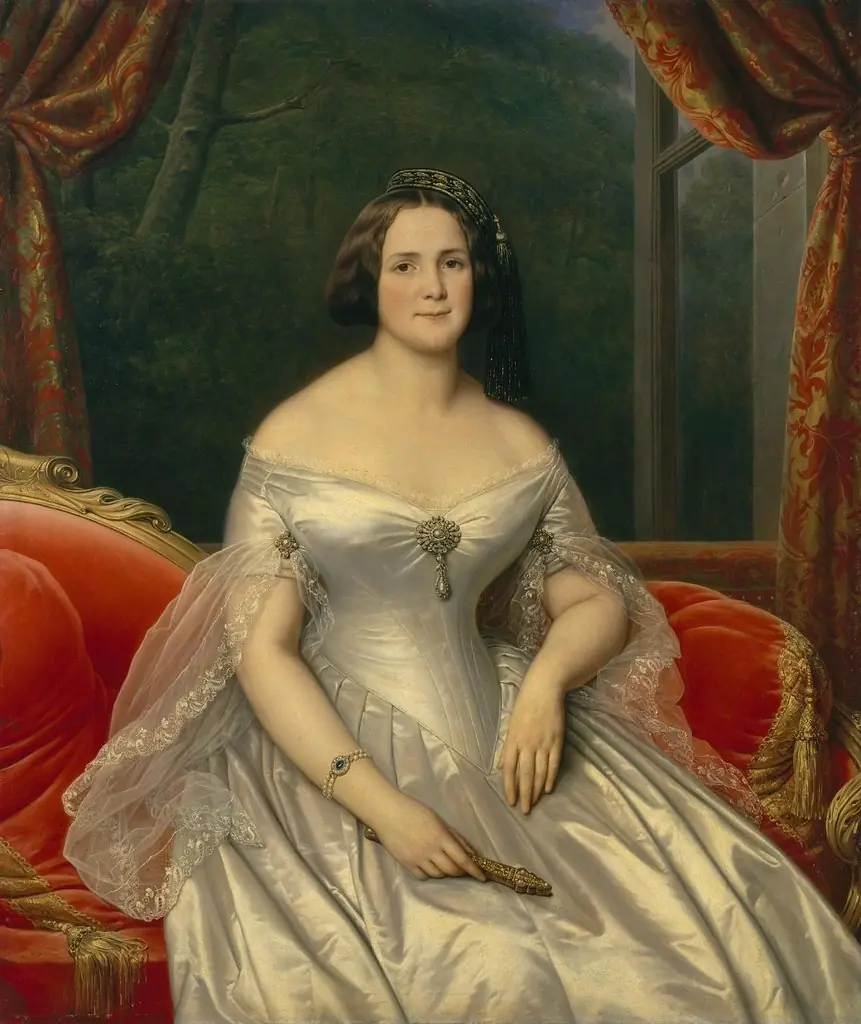 Portrait of Anna Benardaki
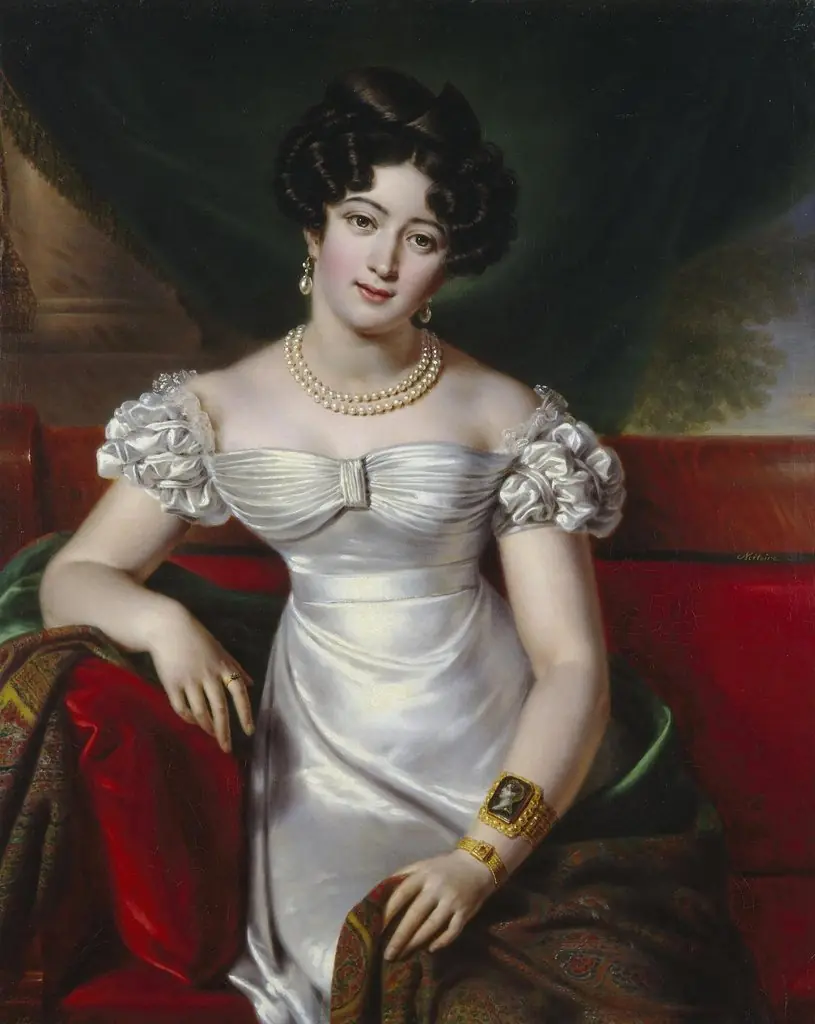 Portrait of Countess Yulia Samoilova
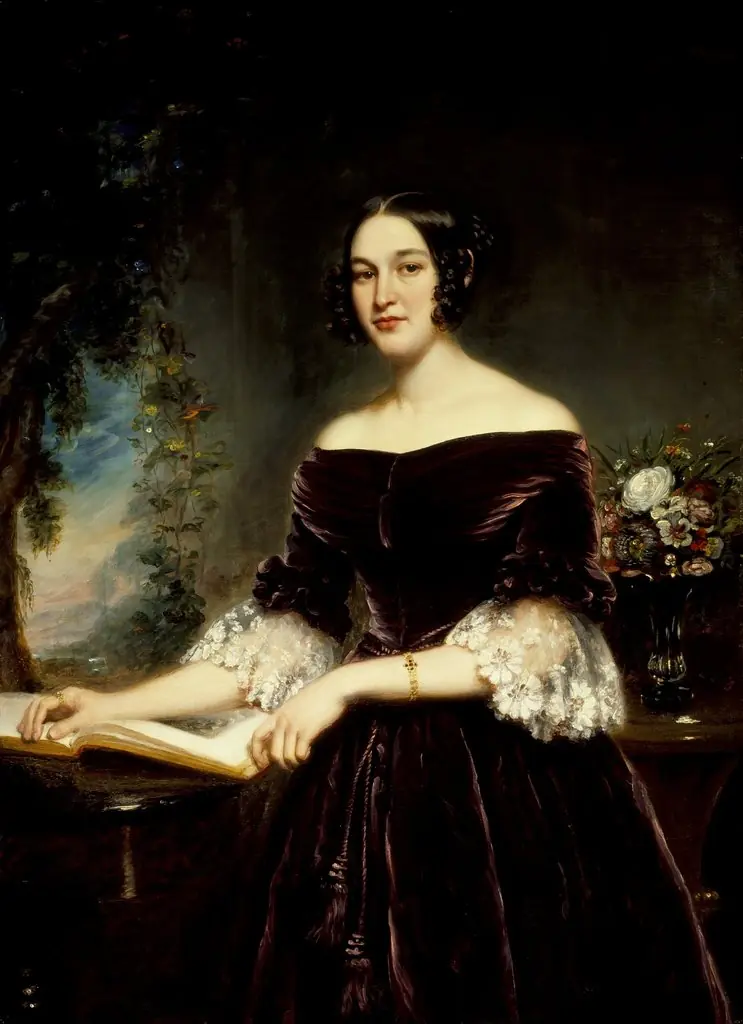 Portrait of Mrs. Sackett
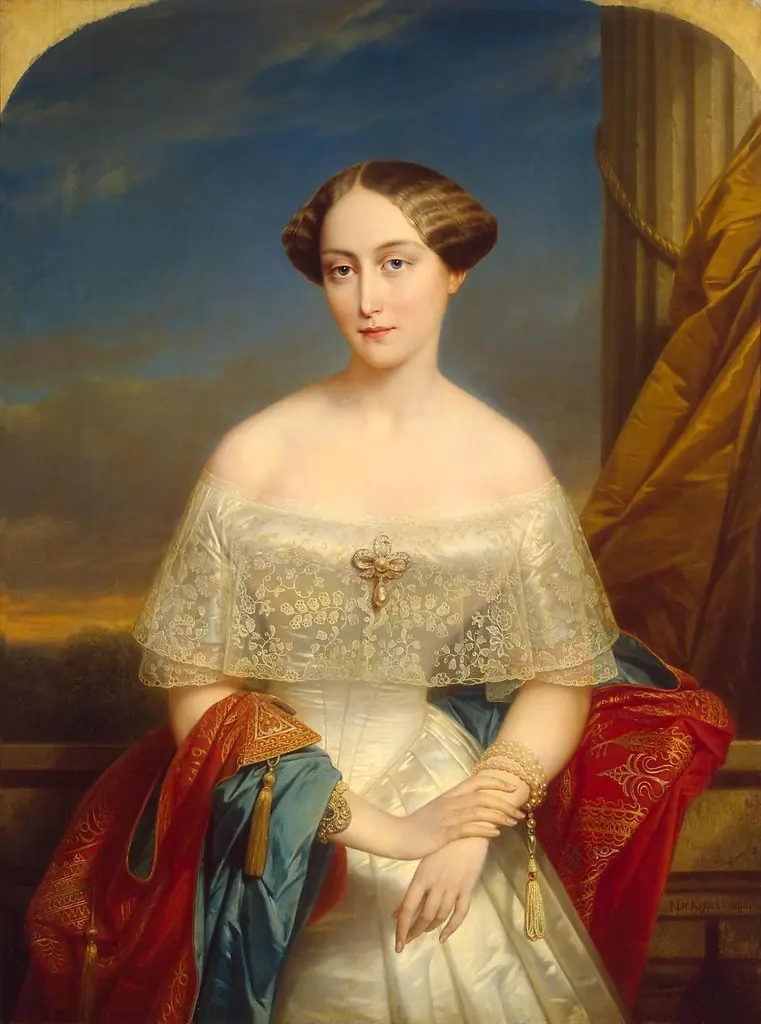 Portrait of Grand Duchess Olga Nikolayevna
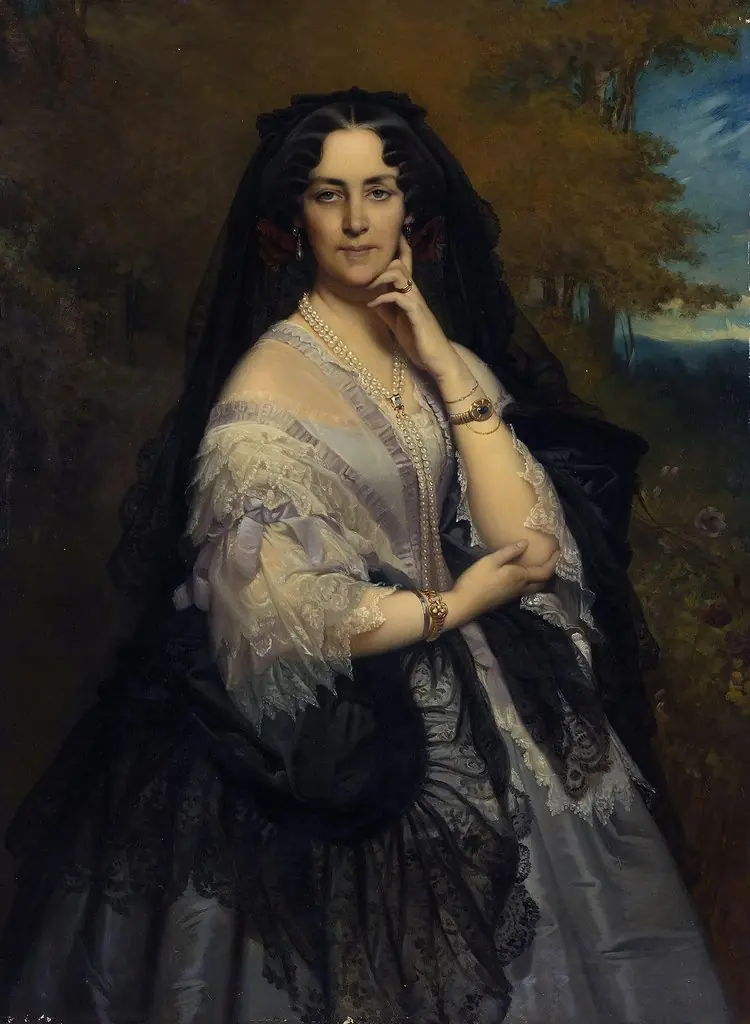 Portrait of Princess Zinaida I. Yusupova
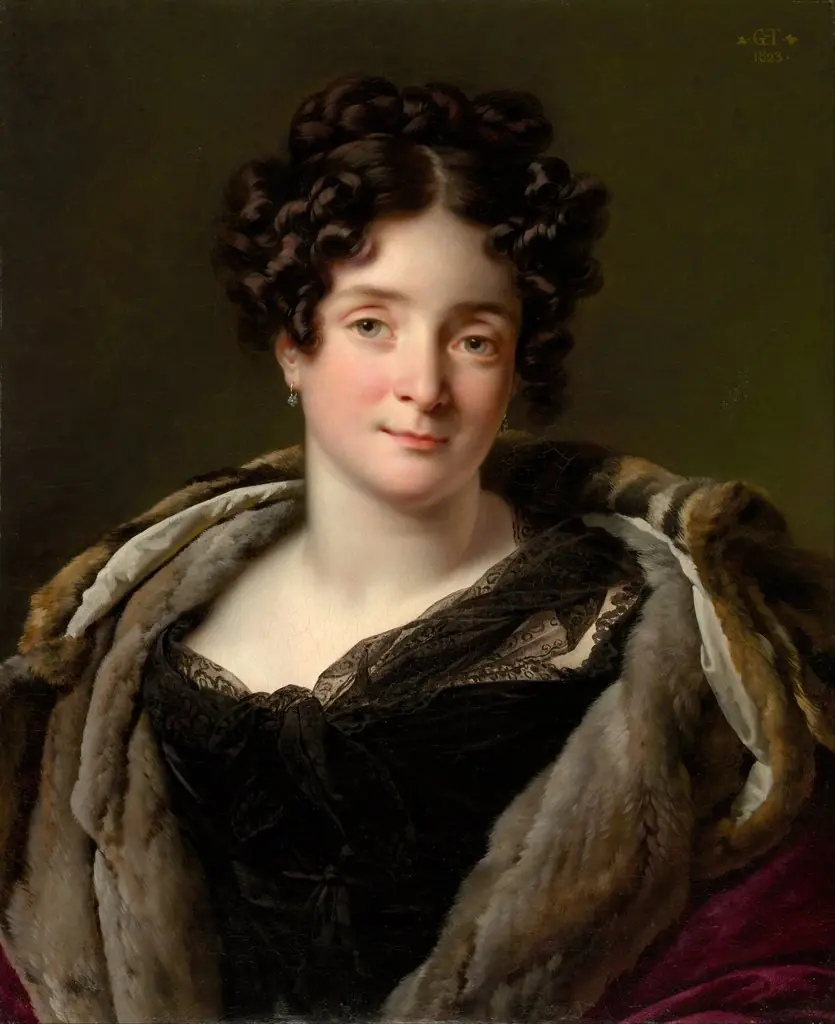 Madame Jacques-Louis-Étienne Reizet (Colette-Désirée-Thérèse Godefroy, 1782–1850)