Artwork
Amelia de Vilanova y Nadal
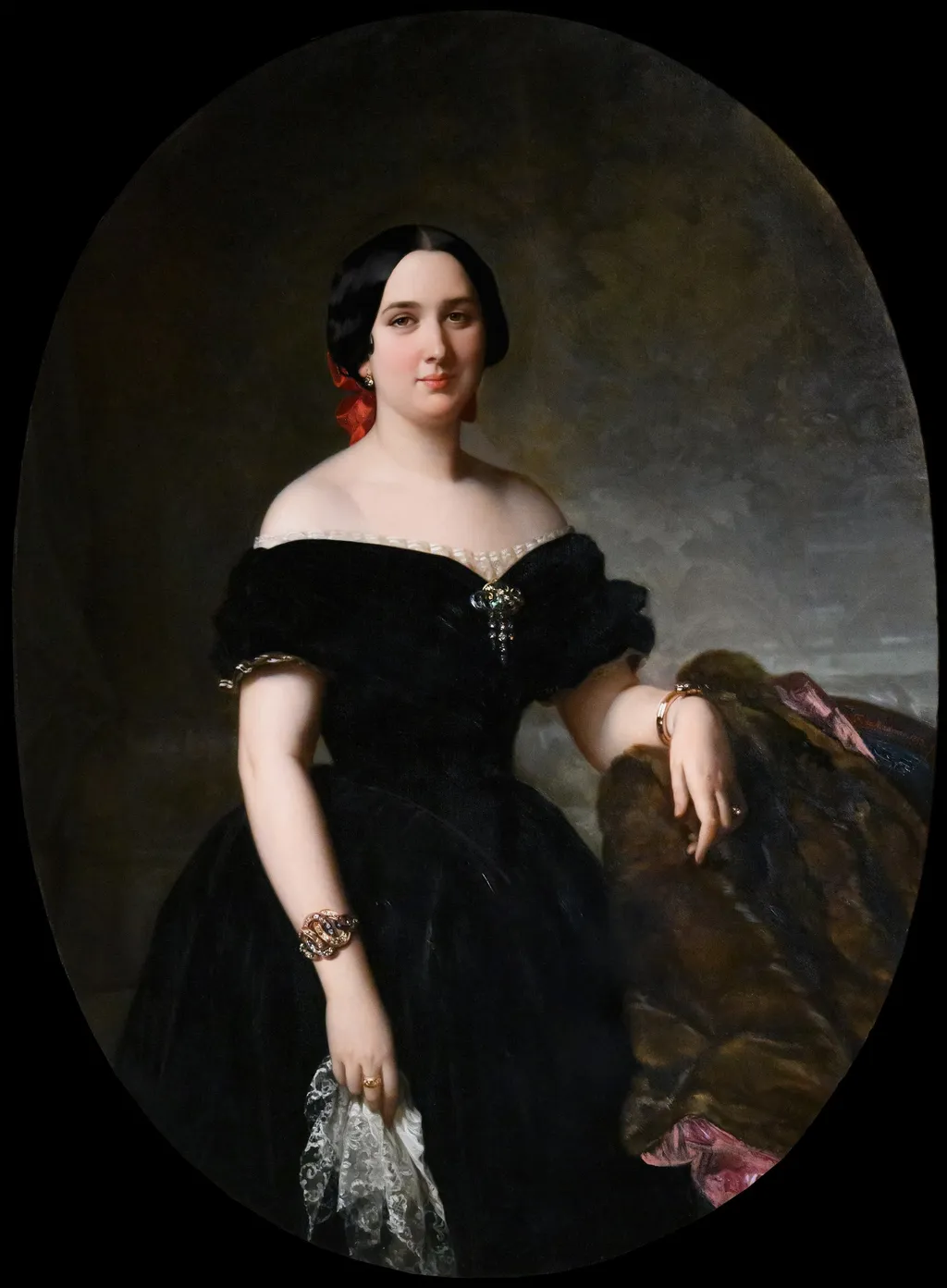
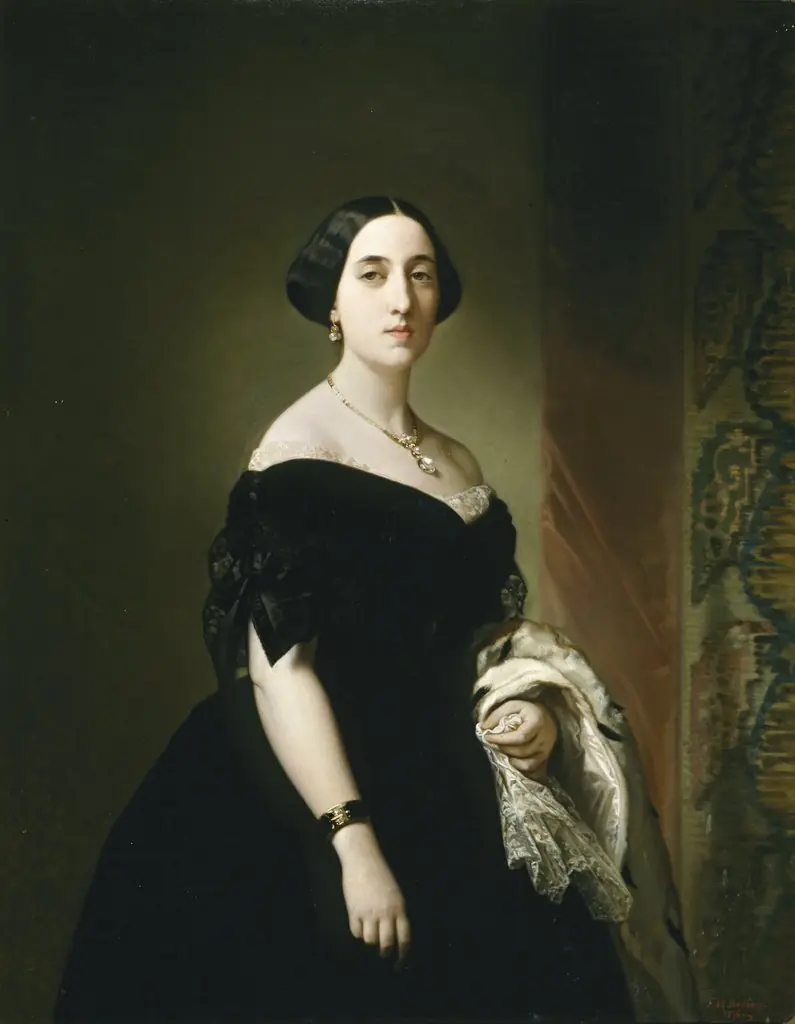
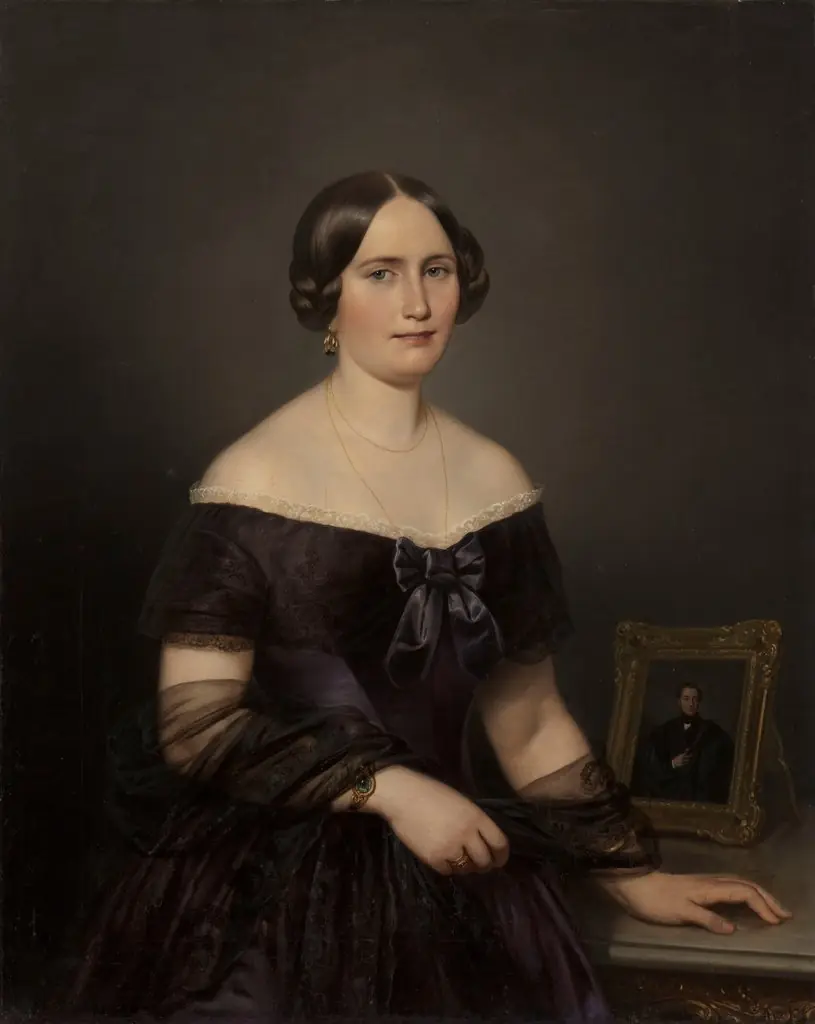
Amelia de Vilanova y Nadal is an oil painting by the Spanish Baroque Tenebrist artist Federico de Madrazo y Kuntz. It dates from 1853 and is held in the collection of the Museu Nacional d'Art de Catalunya.
About this work
Overview
Its restrained palette and precise rendering reflect the academic traditions of the time, emphasizing dignity and social standing over theatrical expression.
Painted in 1853 by Federico de Madrazo y Kuntz, this oil portrait depicts Amelia de Vilanova y Nadal, a member of Spain’s aristocracy. The work is part of the collection at the Museu Nacional d'Art de Catalunya, where it exemplifies mid-19th-century Spanish portraiture. Its restrained palette and precise rendering reflect the academic traditions of the time, emphasizing dignity and social standing over theatrical expression.
Subject & Meaning
Amelia de Vilanova y Nadal is portrayed with composed stillness, her gaze direct yet reserved. The black dress and minimal adornments suggest mourning or formal propriety, while the lace fan and brooch signal refinement and status. Her posture and attire convey the quiet authority expected of noblewomen in mid-century Spain, where personal identity was often expressed through controlled elegance rather than overt display.
Technique & Style
Madrazo employed smooth brushwork and subtle tonal gradations to render fabric and skin with quiet realism. The dark background isolates the figure, enhancing the contrast of her pale complexion and the white lace of the fan. Delicate details—such as the earring, bracelet, and brooch—are rendered with precision, reflecting the artist’s training in academic portraiture and his attention to the textures of aristocratic dress.
History & Provenance
The portrait entered the Museu Nacional d'Art de Catalunya’s collection as part of the broader consolidation of Spanish artistic heritage in the late 19th and early 20th centuries. Its provenance traces back to the Vilanova y Nadal family, who commissioned the work during a period when elite Spanish households regularly engaged artists to document lineage and social position through portraiture.
Context
Created during the reign of Isabella II, the painting reflects the cultural values of Spain’s upper class, where appearance and decorum were central to identity. Madrazo, a leading portraitist of the era, was known for his ability to capture the subtleties of aristocratic life. This work aligns with a broader European trend of formal portraiture that prioritized restraint, lineage, and social order.
Legacy
The portrait remains a representative example of Madrazo’s mature style and the academic tradition in Spanish painting. While not widely exhibited outside Catalonia, it continues to inform studies of 19th-century Spanish elite culture and the role of portraiture in preserving familial and social narratives within a rapidly changing society.
Artist & collection
Artist
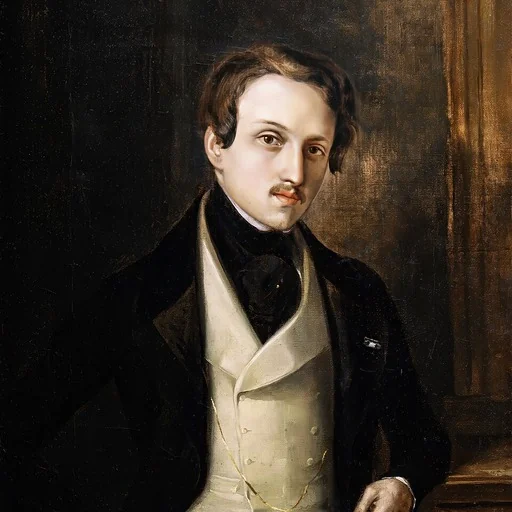
Federico de Madrazo y Kuntz (1815–1894) was an artist, born in Spain.

 Saturnina Canaleta de Girona
 Princess Maria Amélia of Brazil
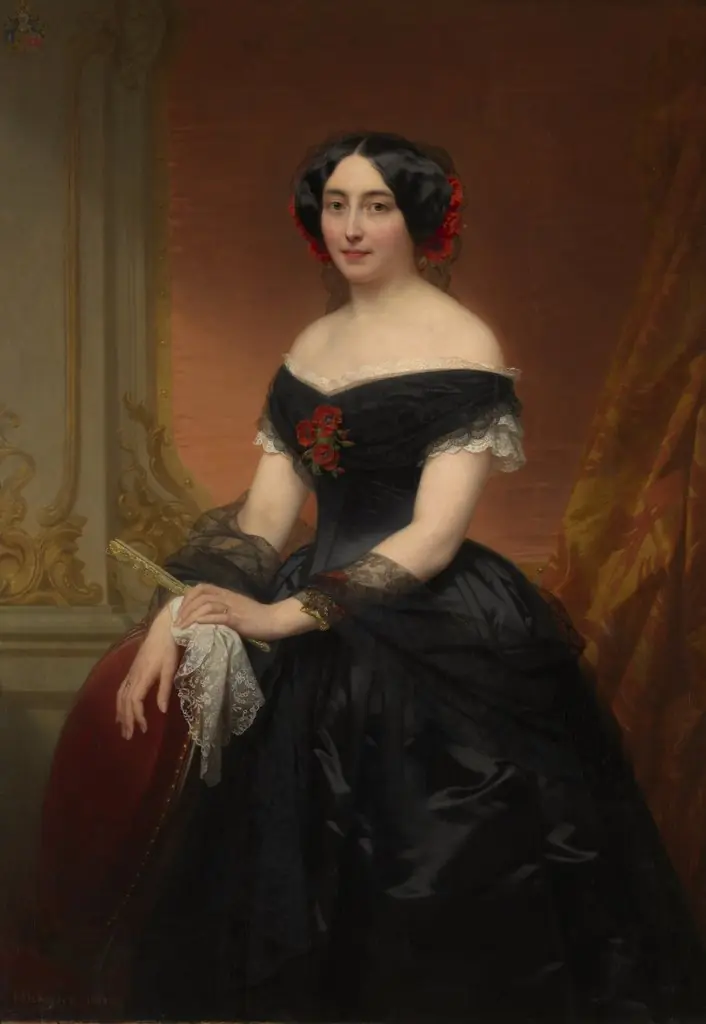 Madame Mols-de Brialmont
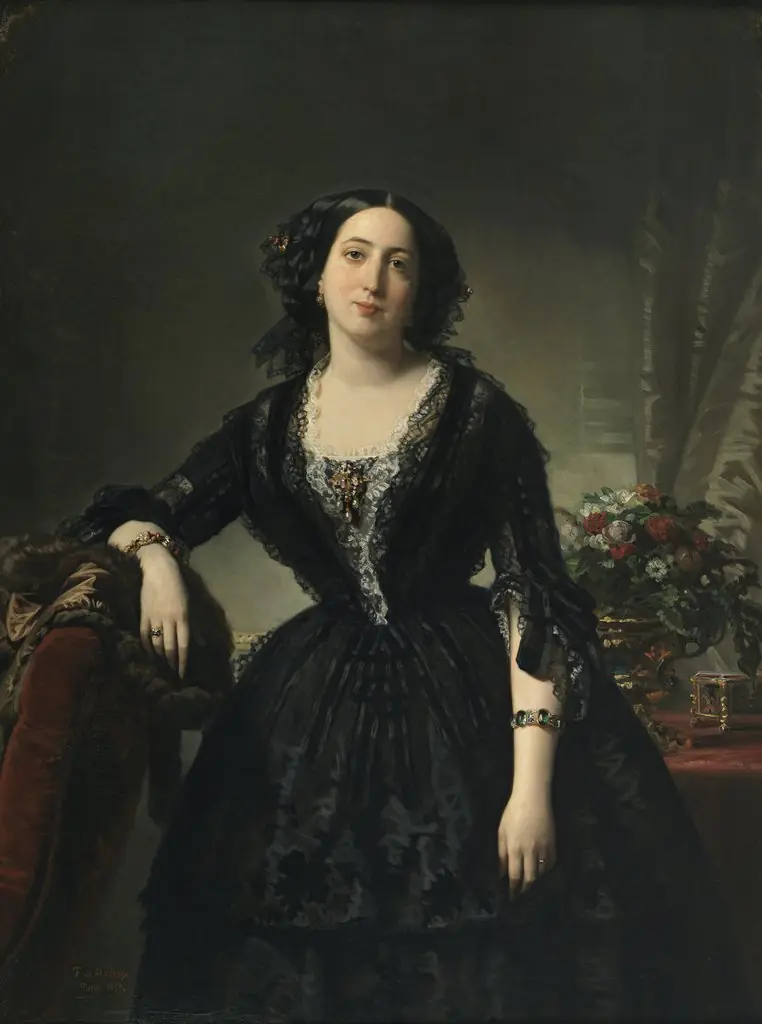 María Dolores de Aldama, Marchioness of Montelo
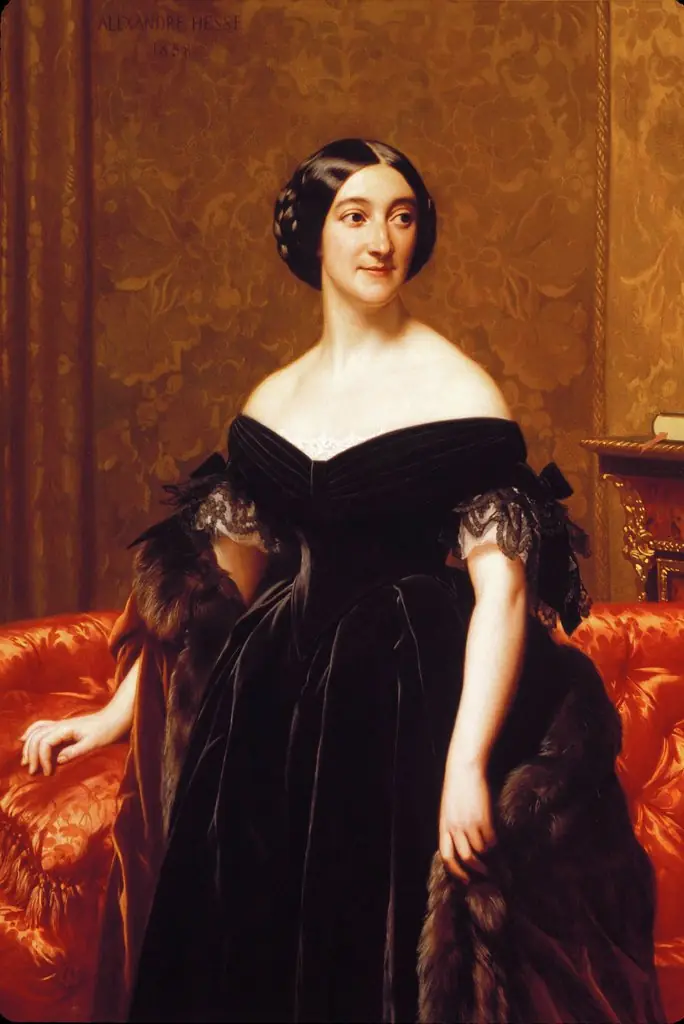 Young Woman
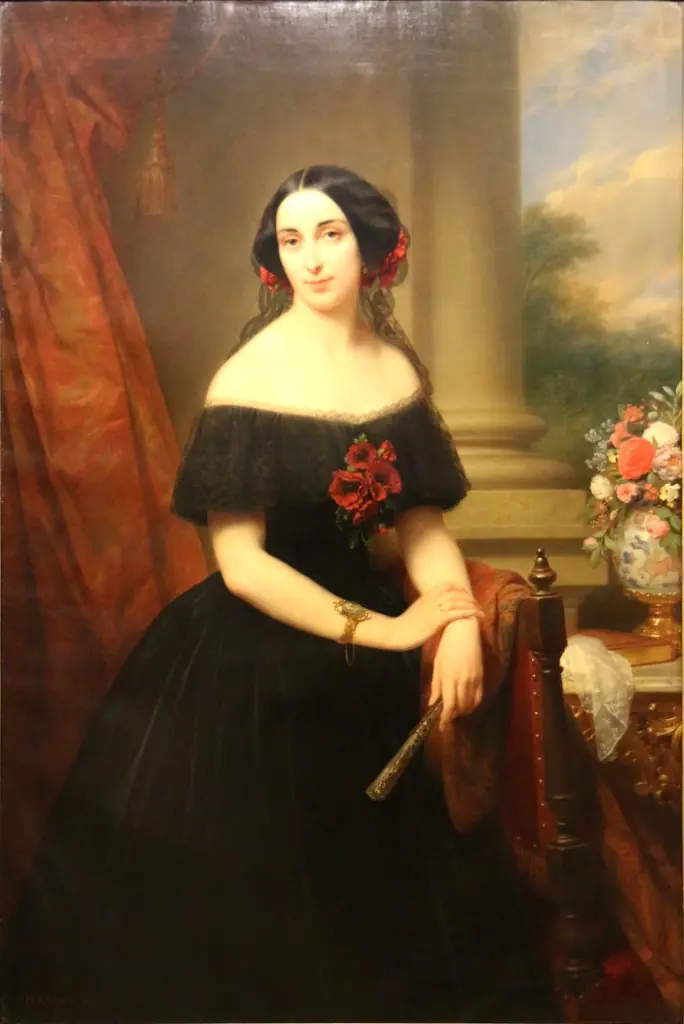 portrait of Louise van Campenhout (Louise-Caroline-Françoise van Campenhout)
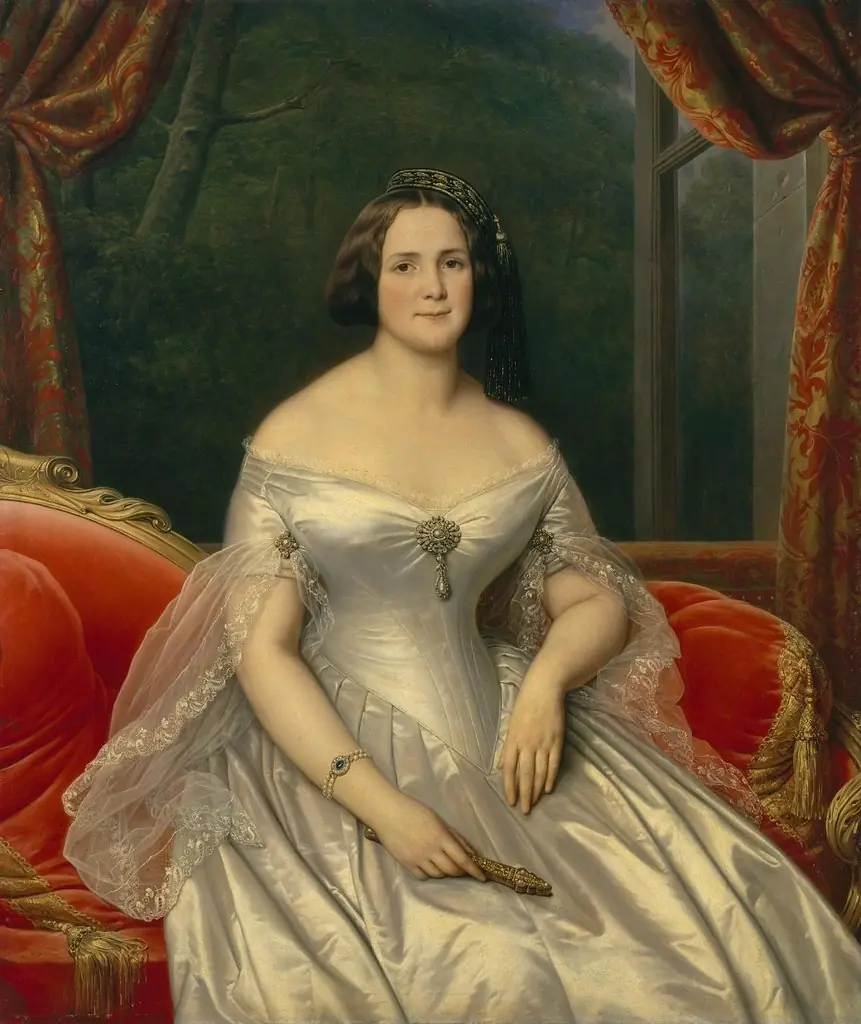 Portrait of Anna Benardaki
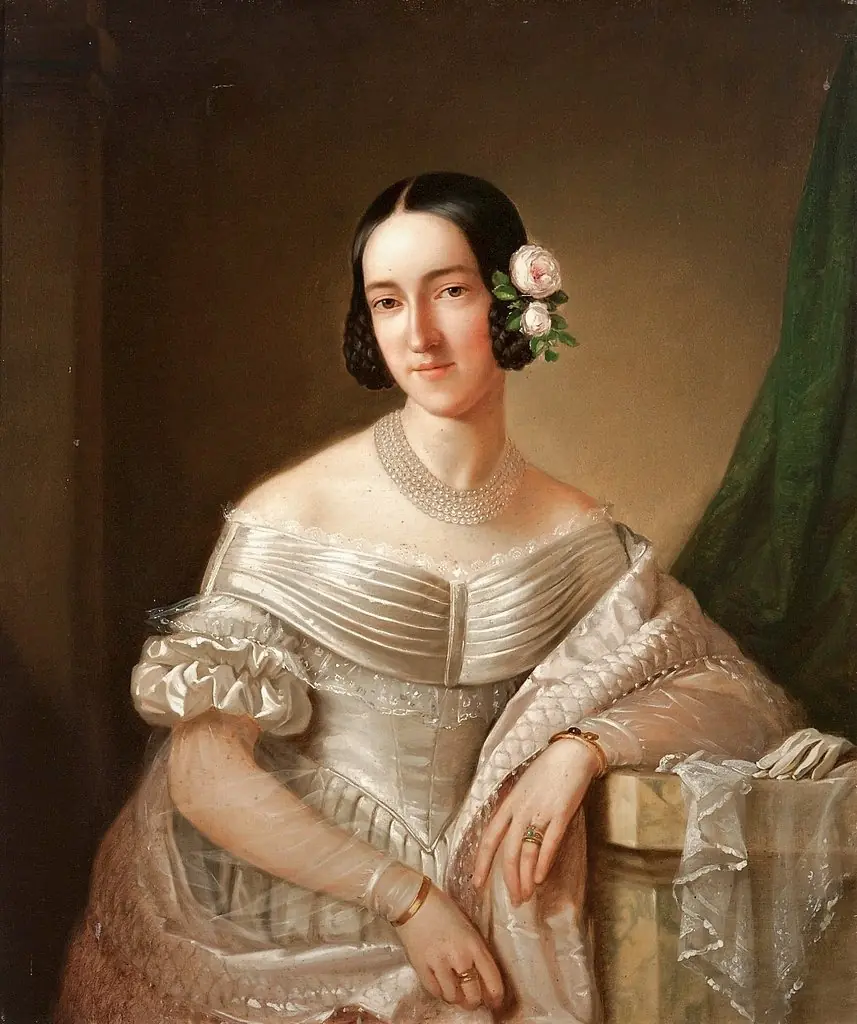 Portrait of Archduchess Hermine of Austria
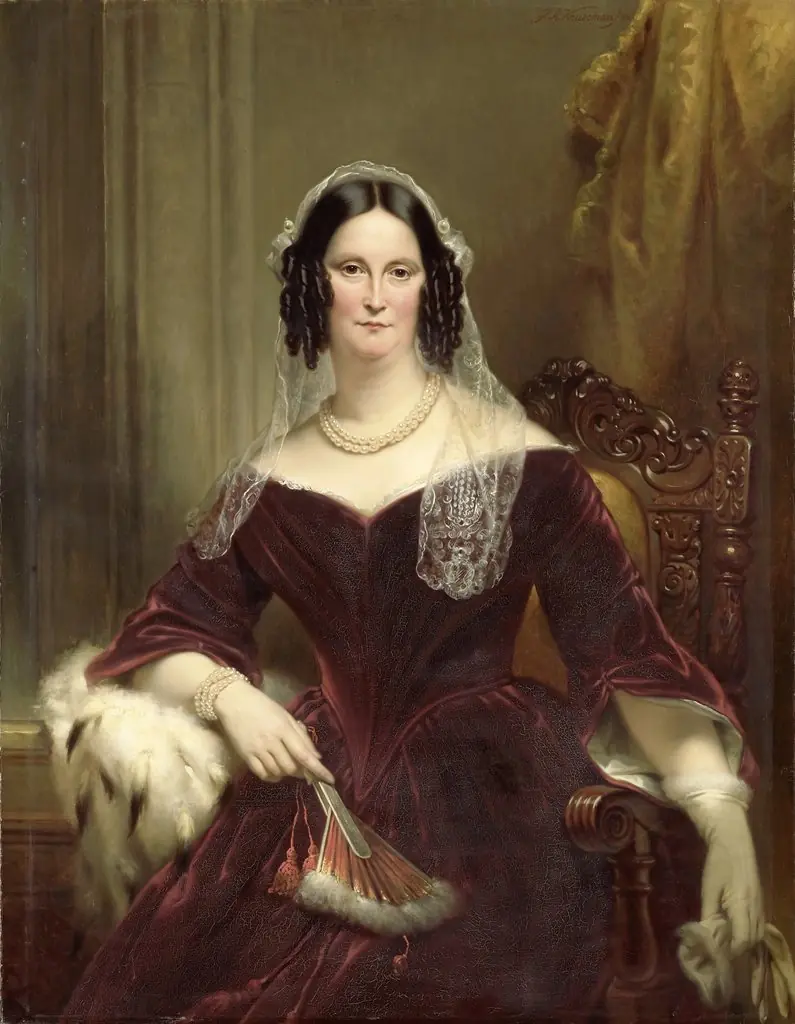 Portrait of Dieuwke Fontein, second Wife of Adriaan van der Hoop
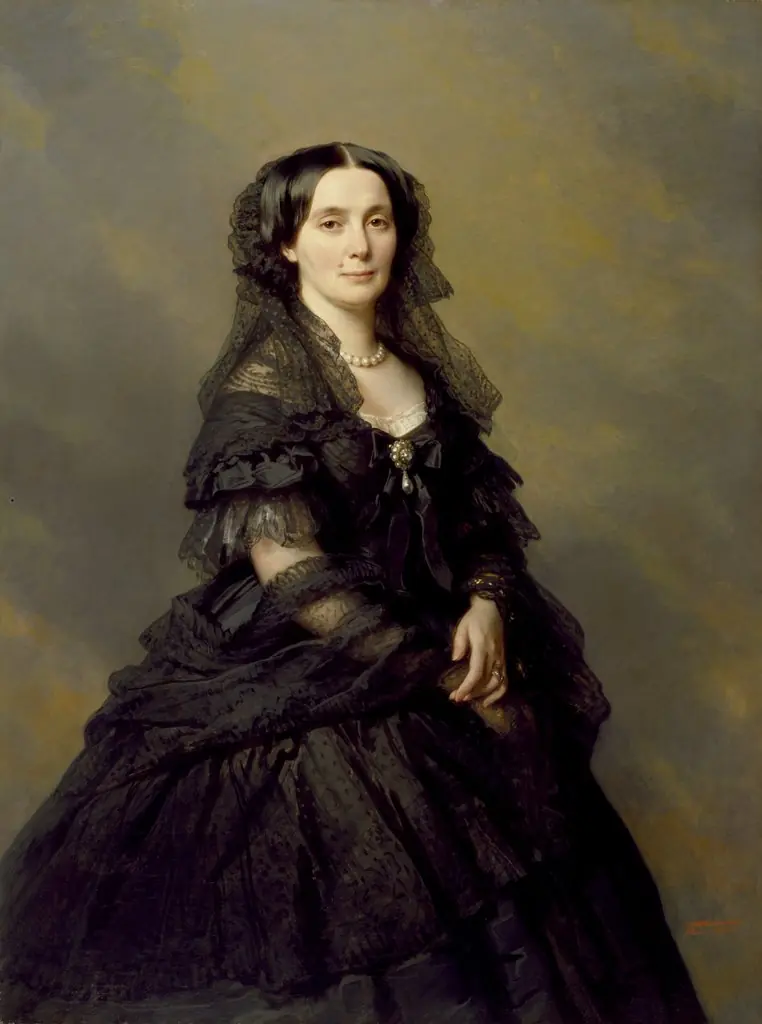 Portrait of Princess Kotschoubey
 Ksenia Cavos