Artwork
Madame Mols-de Brialmont
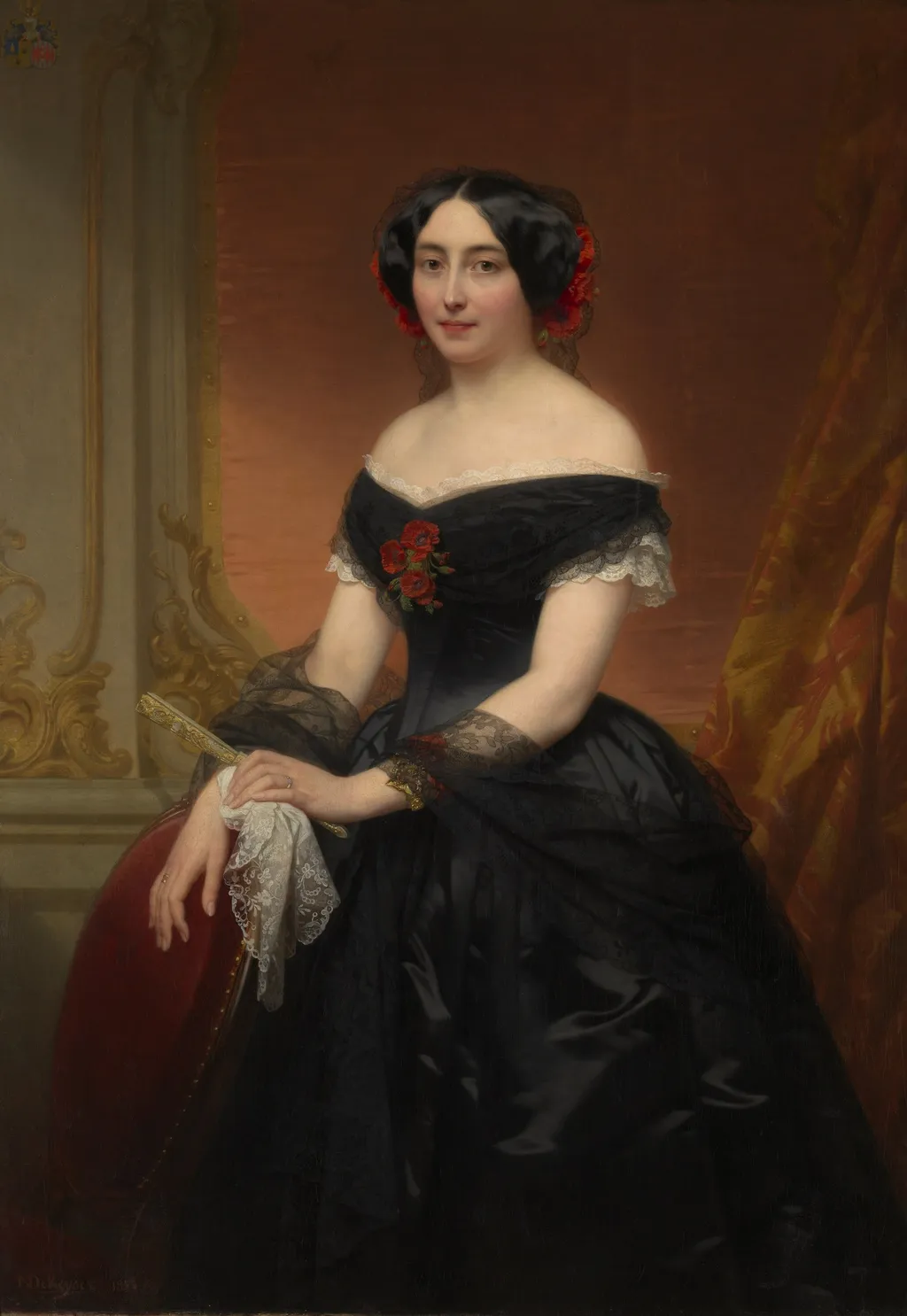
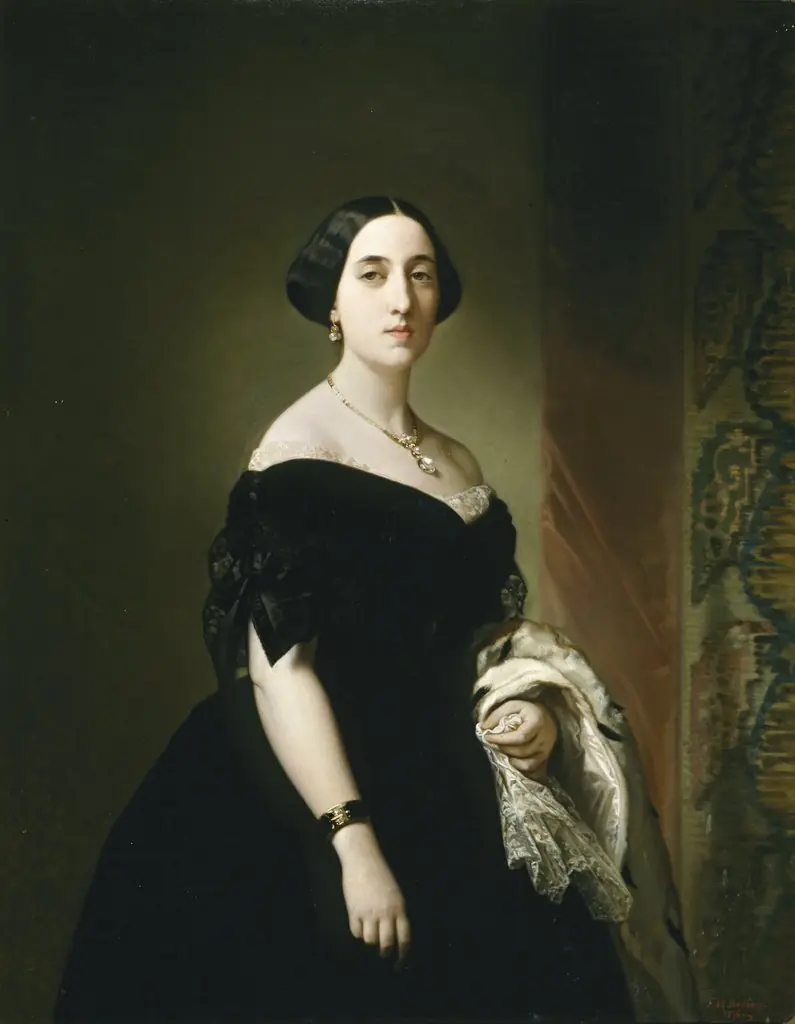
Madame Mols-de Brialmont is an oil painting by Nicaise De Keyser. It dates from 1853 and is held in the collection of the Royal Museum of Fine Arts Antwerp.
About this work
Overview
Painted in 1853 by Nicaise De Keyser, this oil portrait captures Madame Mols-de Brialmont, a Belgian noblewoman.
Painted in 1853 by Nicaise De Keyser, this oil portrait captures Madame Mols-de Brialmont, a Belgian noblewoman. De Keyser, a central figure in 19th-century Belgian art, was known for both historical scenes and portraiture. The work belongs to the collection of the Royal Museum of Fine Arts Antwerp, where it reflects his skill in rendering aristocratic presence through quiet, detailed observation rather than dramatic gesture.
Subject & Meaning
The sitter, Madame Mols-de Brialmont, is portrayed with composed dignity, her posture and attire signaling social status. The black dress, adorned with red floral motifs, and the lace accents suggest refined taste and mourning attire, possibly indicating recent loss. The white lace cloth in her hand may imply modesty or ritual, while the red flowers in her hair echo the dress’s decoration, reinforcing a theme of restrained elegance and personal symbolism.
Technique & Style
De Keyser employed fine brushwork to render textures: the velvet of the chair, the delicacy of lace, and the sheen of gold trim. The palette is subdued, anchored by black and brown, with red accents drawing attention to the sitter’s adornments. Lighting is soft and even, avoiding theatricality, which aligns with his broader shift from Romantic drama toward a more intimate, naturalistic approach in portraiture.
History & Provenance
The painting entered the Royal Museum of Fine Arts Antwerp’s collection in the 19th century, likely through acquisition or donation tied to the sitter’s family or De Keyser’s established reputation in the city. As a leading Antwerp artist, De Keyser maintained strong ties to local elites, making such commissions common. The work’s preservation reflects its early recognition within Belgium’s institutional art heritage.
Context
In mid-19th-century Belgium, portraiture served as a tool for affirming social identity among the bourgeoisie and aristocracy. While De Keyser gained fame for historical subjects, his portraits reveal a nuanced engagement with individual presence. This work aligns with broader European trends favoring psychological subtlety over grandeur, even as it retains elements of traditional aristocratic representation.
Legacy
Though less celebrated than his historical works, this portrait exemplifies De Keyser’s ability to convey character through detail and restraint. It remains a key example of Belgian portraiture from the period, illustrating how artists balanced social expectation with personal expression. The painting continues to inform scholarly understanding of elite visual culture in post-independence Belgium.
Artist & collection
Artist
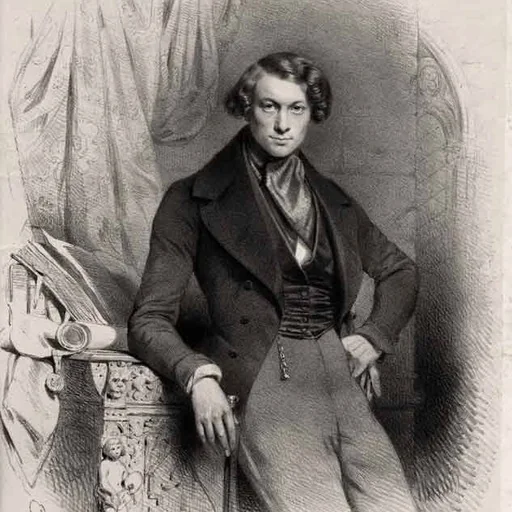
Nicaise de Keyser (alternative first names: Nicaas, Nikaas of Nicasius; 26 August 1813, Zandvliet – 17 July 1887, Antwerp) was a Belgian painter of mainly history paintings and portraits who was one of the key figures…

 Portrait of Grand Princess Anna Pavlovna
 Eberhard (1445-96), Duke of Würtemberg, as a Pilgrim in the Holy Land
 Eberhard (1445-96), Duke of Würtemberg, as a Pilgrim in the Holy Land
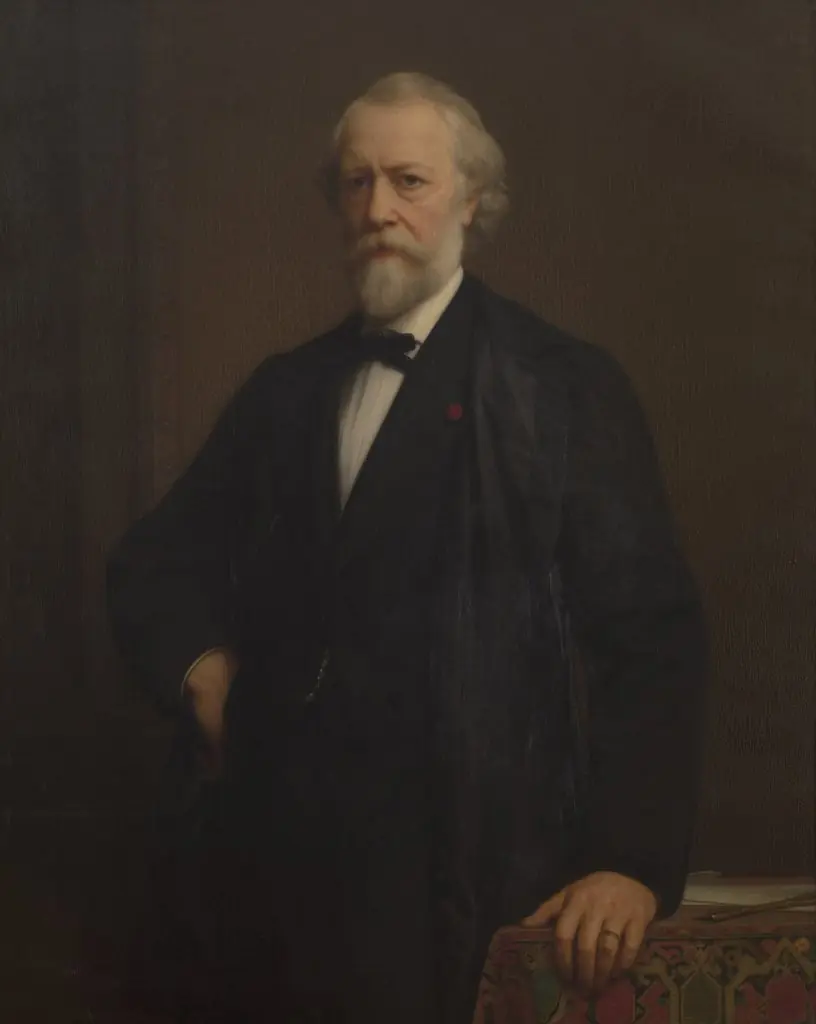 Self Portrait
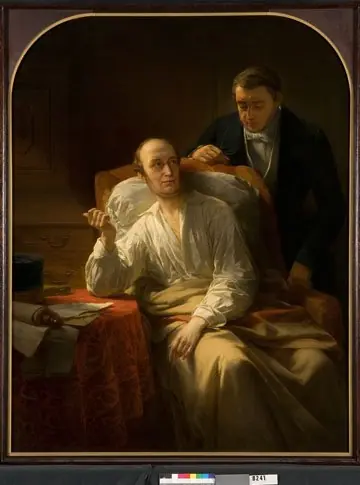 King Willem II Making his Last Will
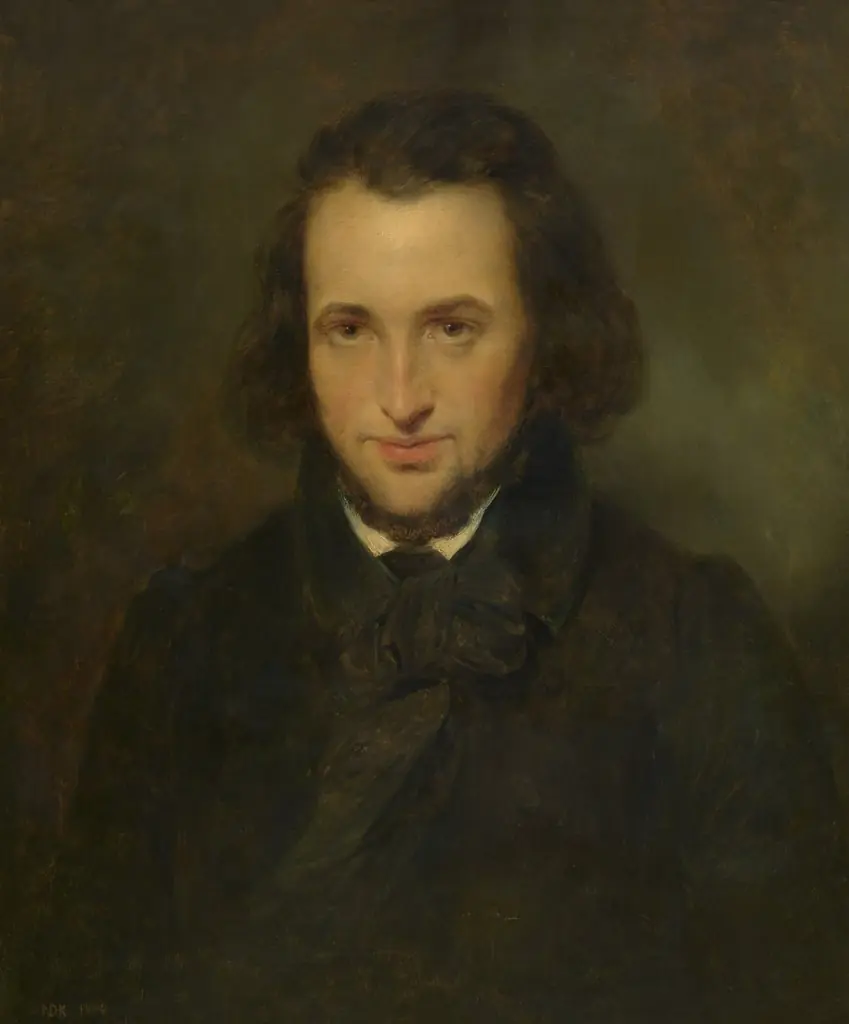 The Printer-Publisher Jozef-Ernest Buschmann
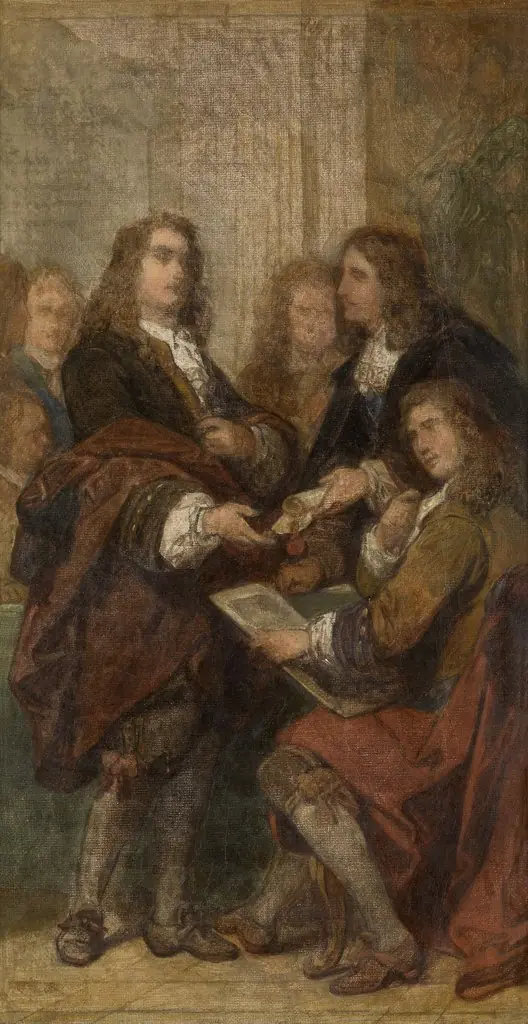 The Engraver Gerard Edelinck in Paris
 The Sculptor Artus Quellinus I in Amsterdam
 Amelia de Vilanova y Nadal
 María Dolores de Aldama, Marchioness of Montelo
 portrait of Louise van Campenhout (Louise-Caroline-Françoise van Campenhout)
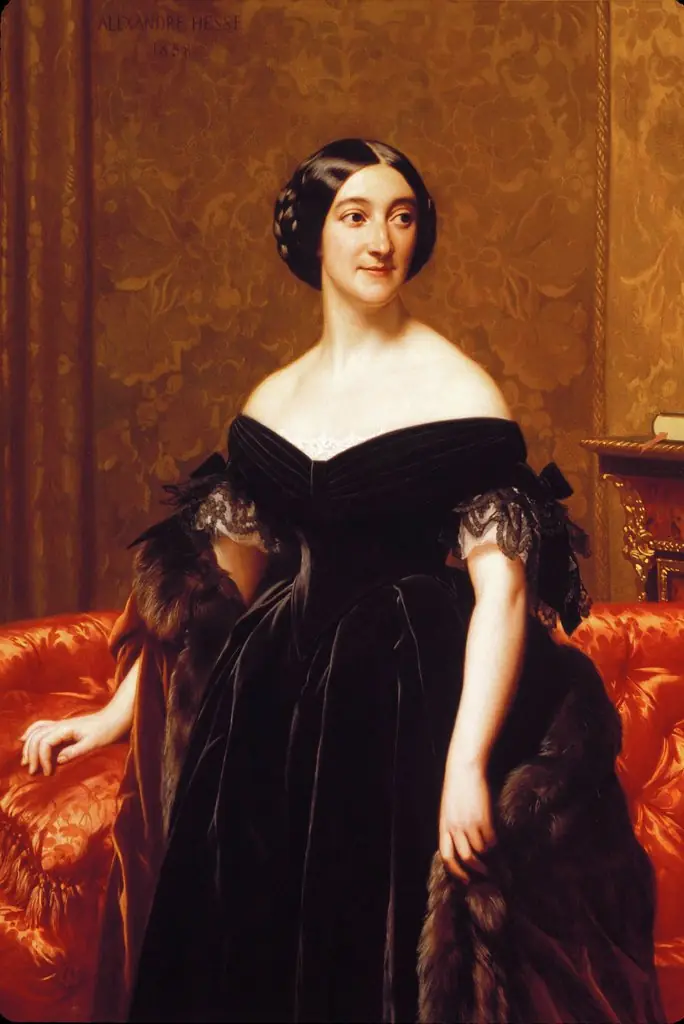 Young Woman
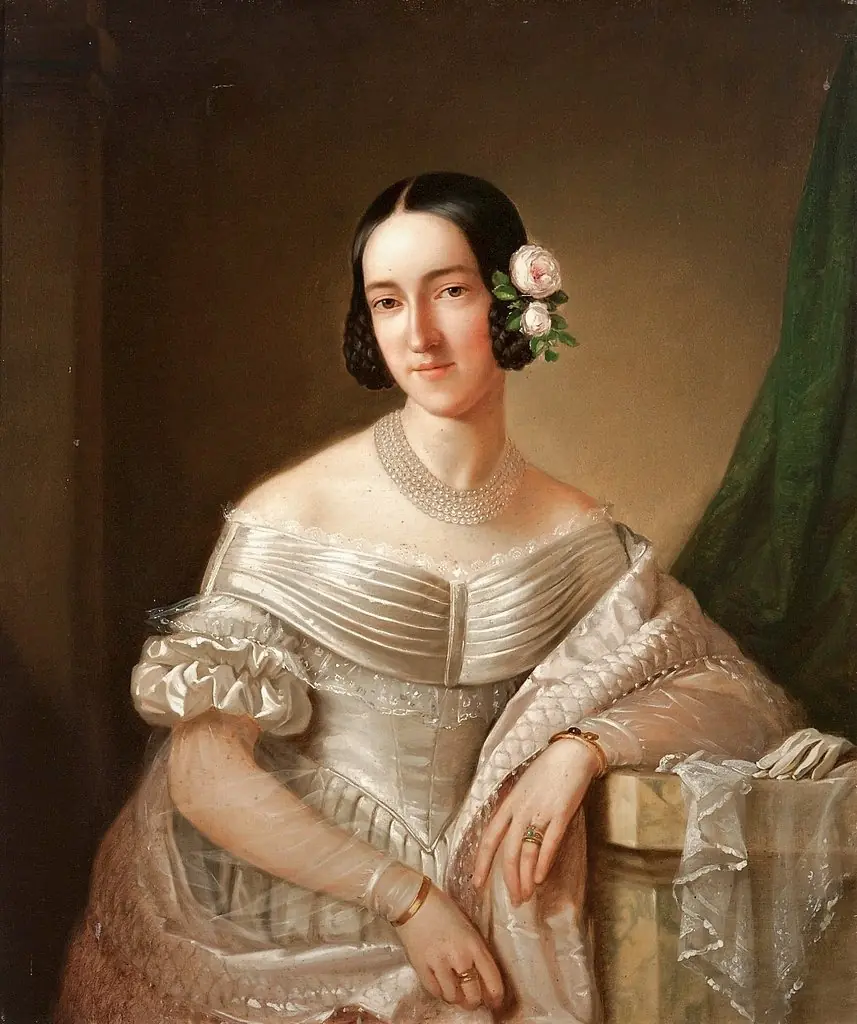 Portrait of Archduchess Hermine of Austria
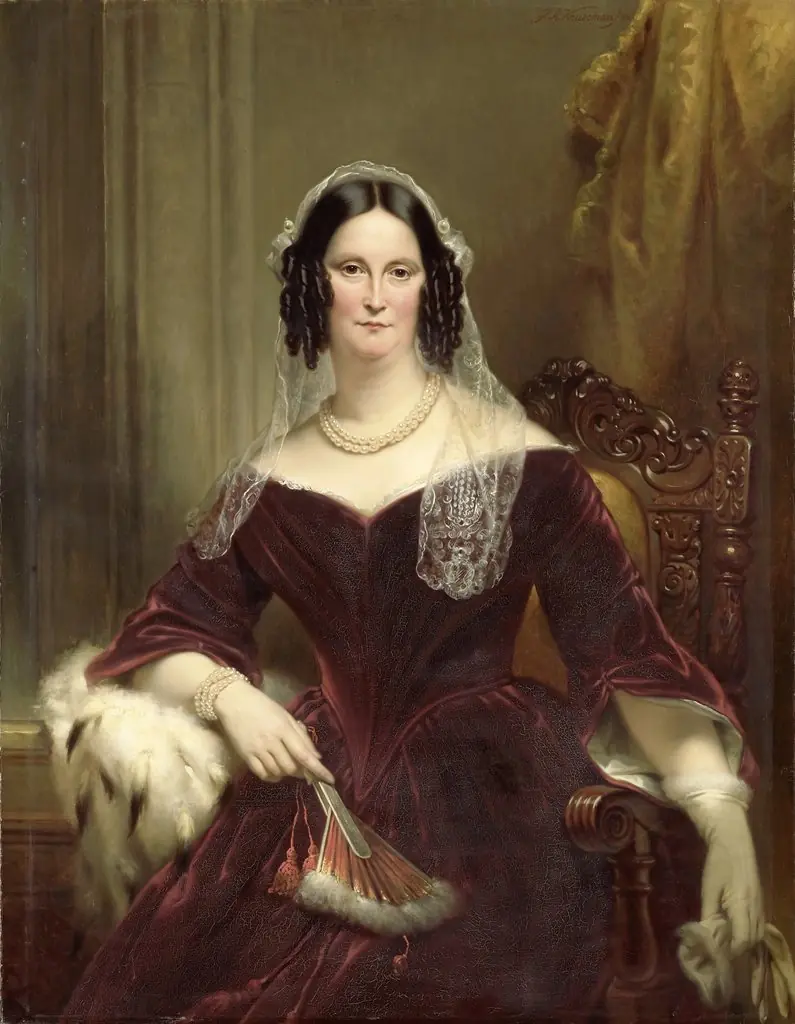 Portrait of Dieuwke Fontein, second Wife of Adriaan van der Hoop
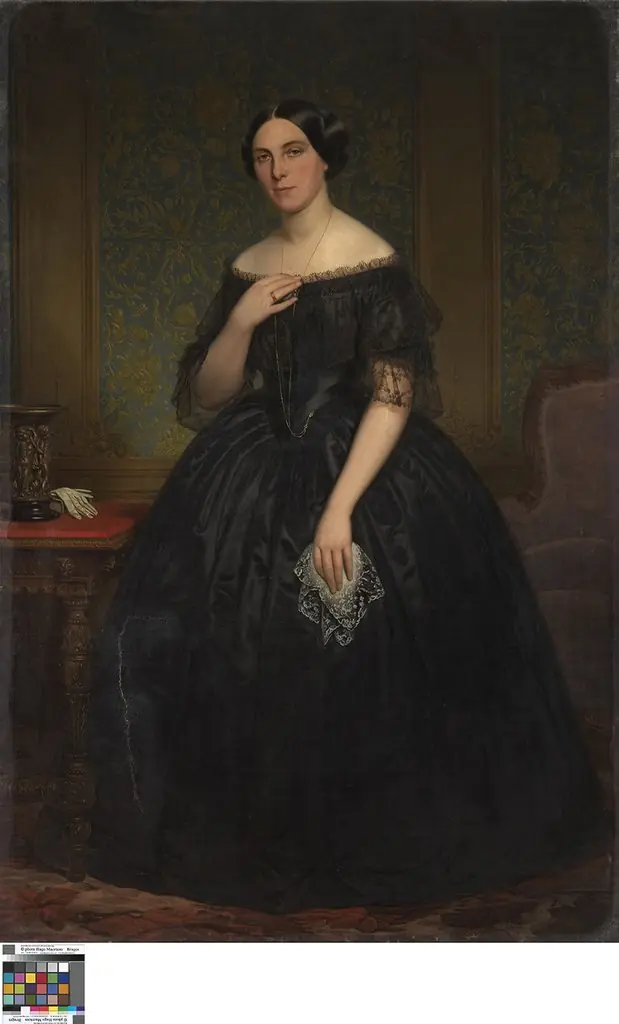 Portret van Beatrix van Herreweghe
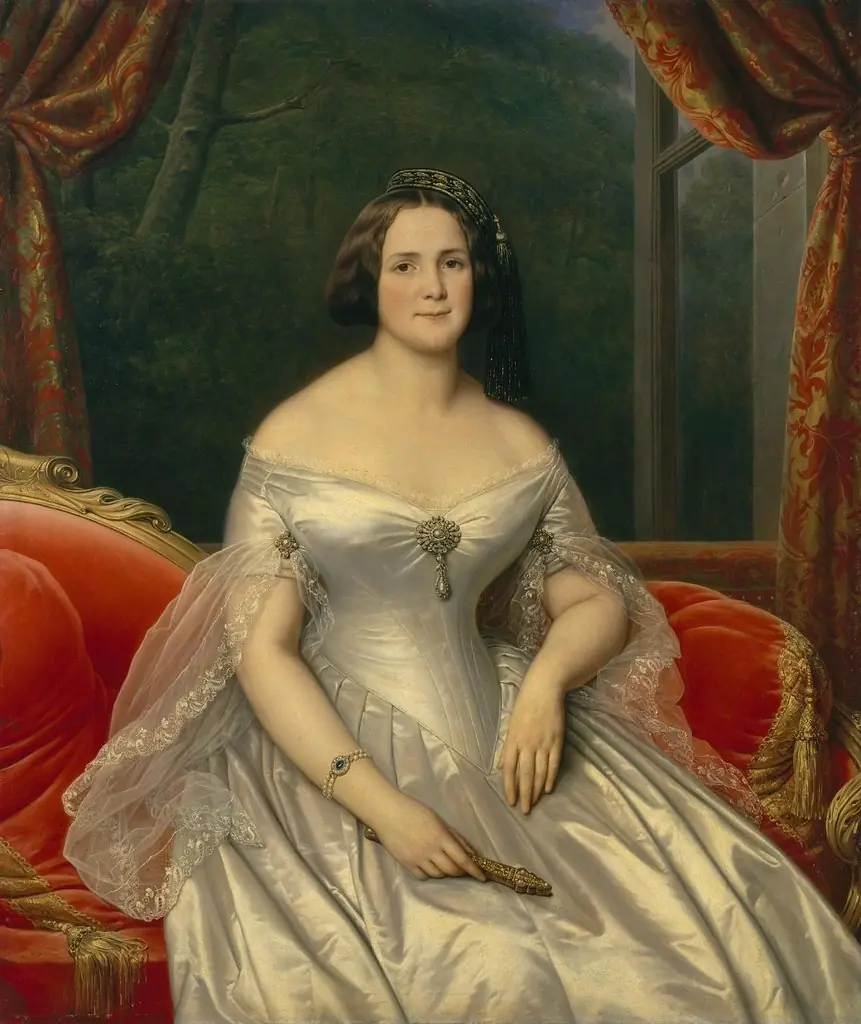 Portrait of Anna Benardaki
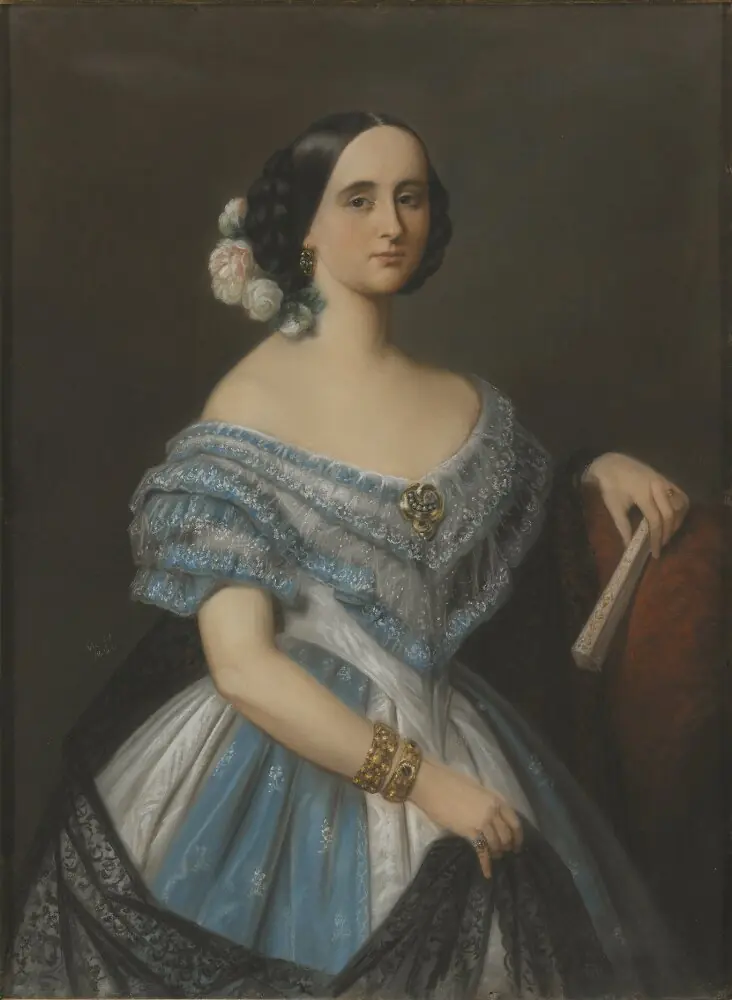 Julie (Julia Mathilda) Berwald, g. Åkerhielm af Margrethelund (1822-1877), operasångerska, gift med friherre hovmarskalk Gustaf Georg Knut Åkerhielm af Mergrethelund
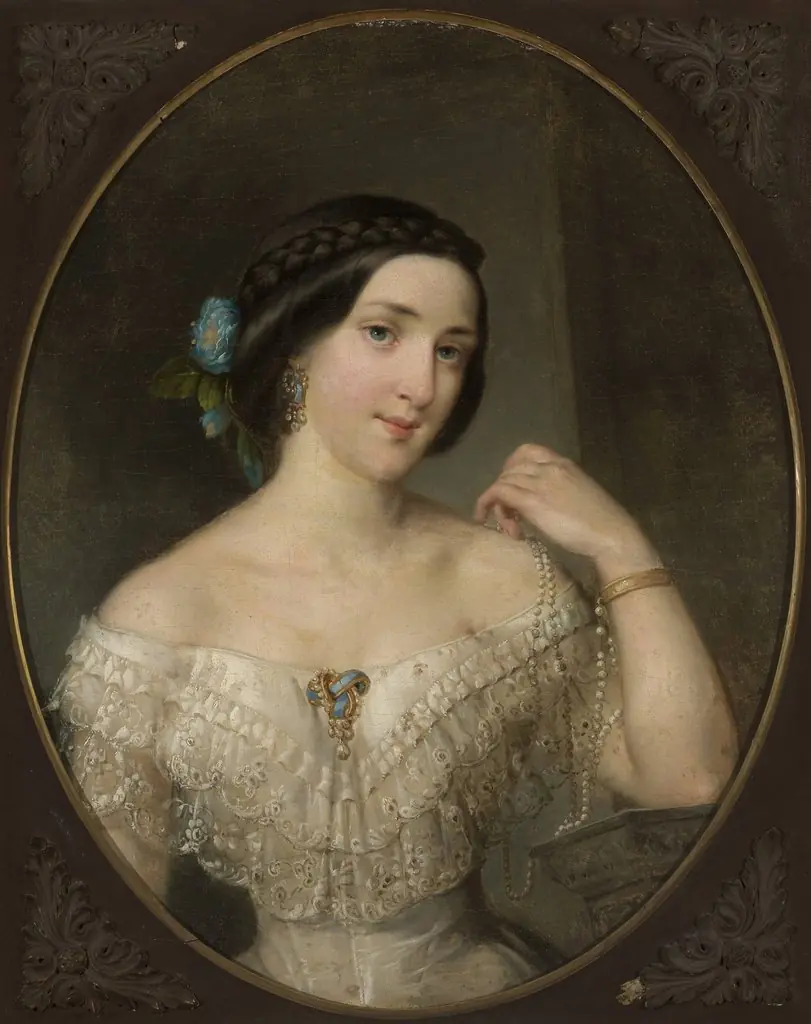 Portrait of Maria Ludwika Blumenfeld née Kobyłecka
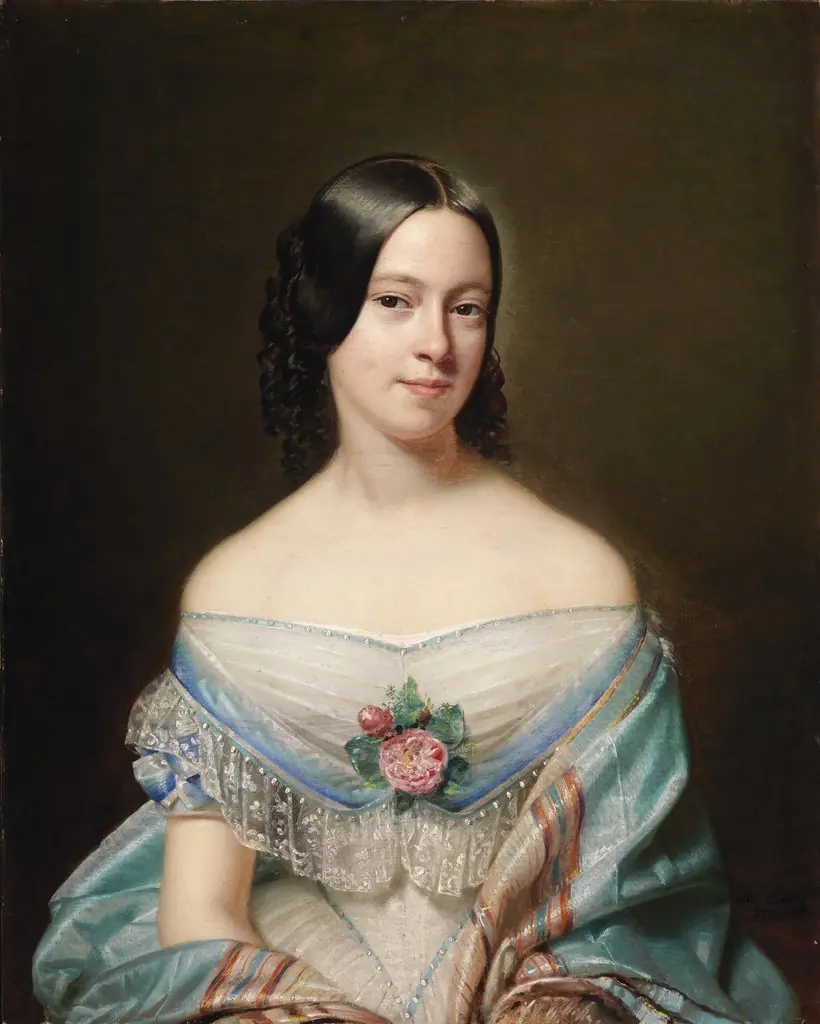 Portrait of Anna von Minarelli-Fitzgerald
 Concepción Remisa