Artwork
Bessie Grieve
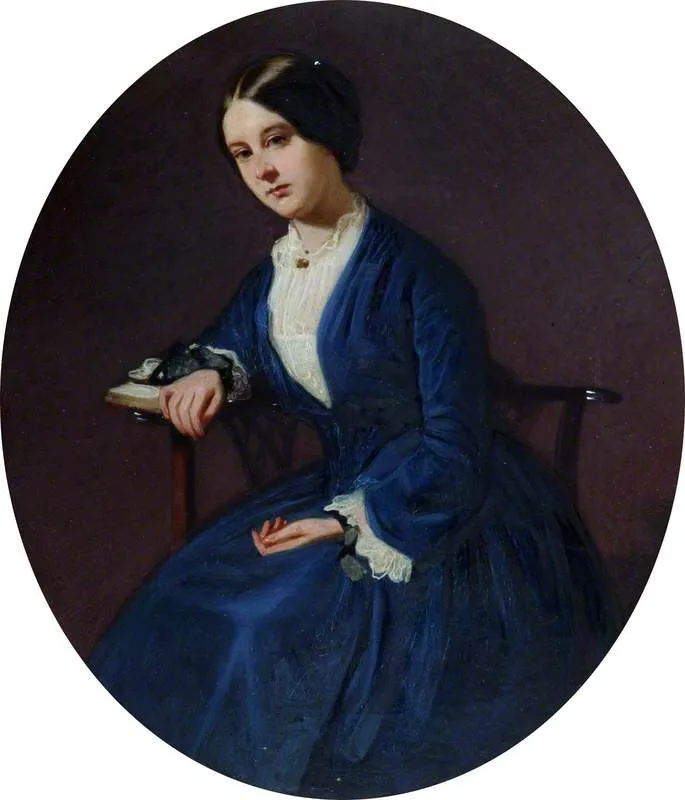
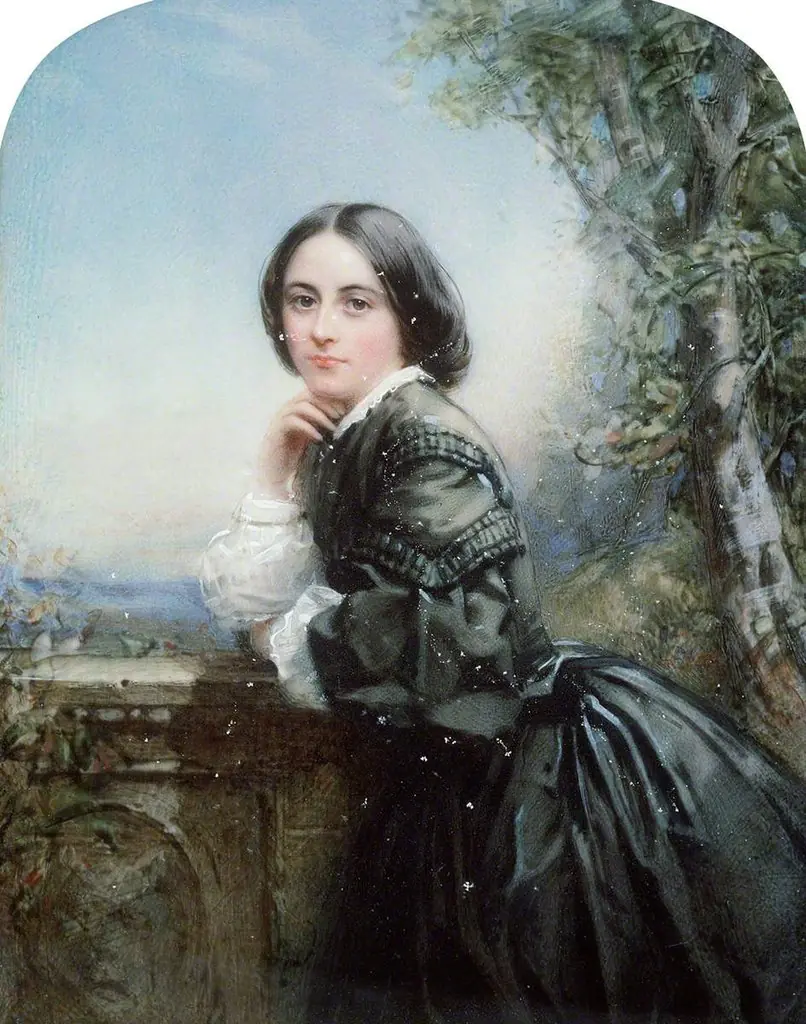
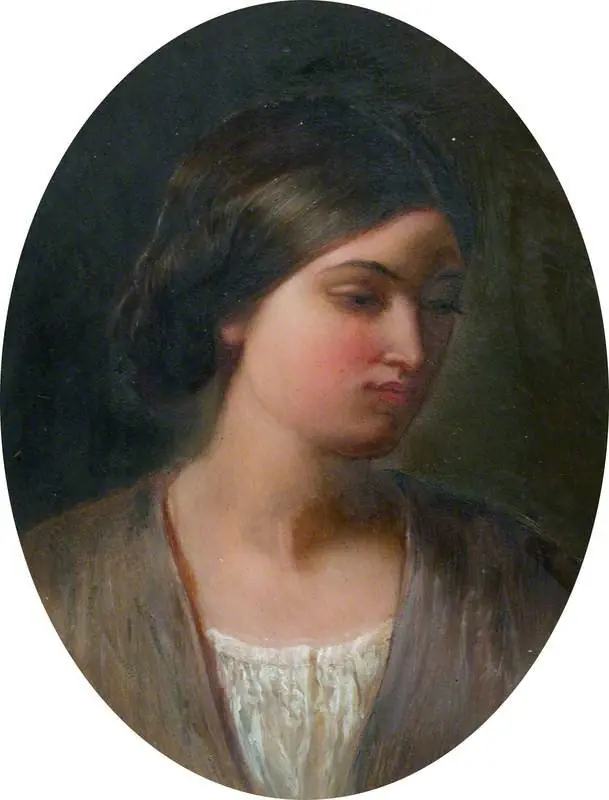
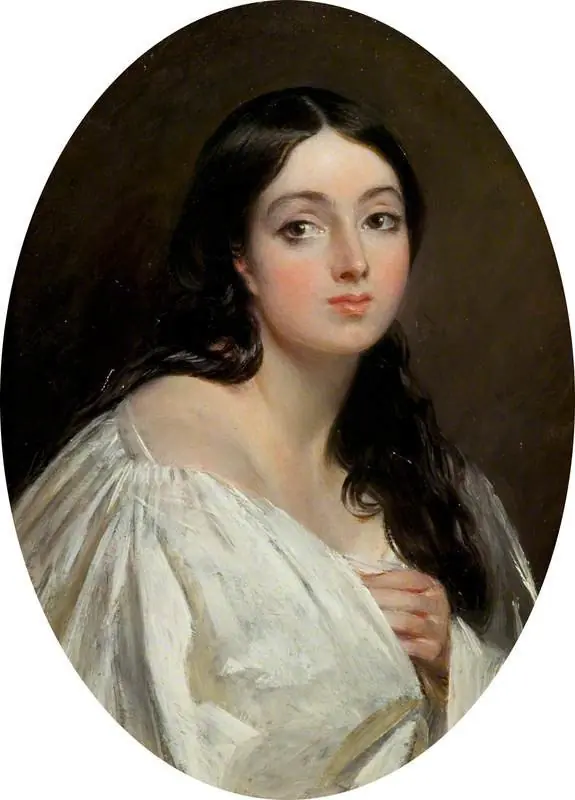
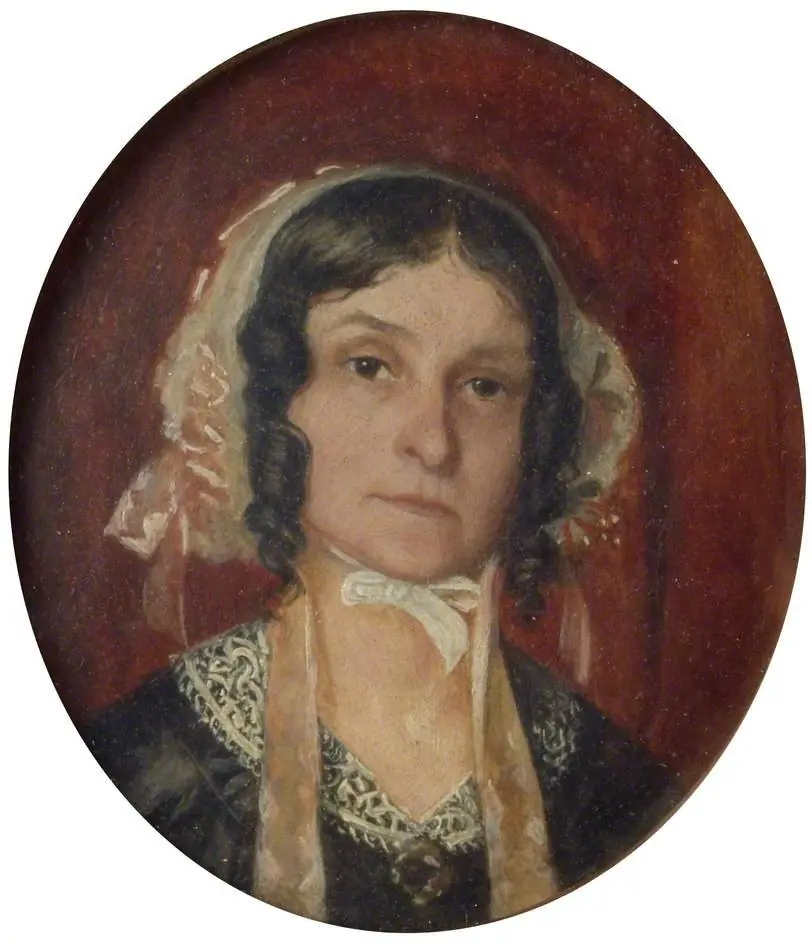
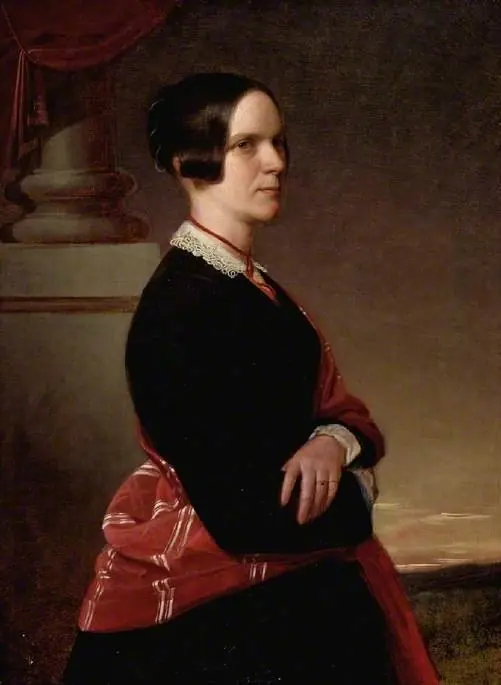
Bessie Grieve is an oil painting by the Realist artist Alfred Hitchens Corbould. It dates from 1852 and is held in the collection of the Victoria and Albert Museum.
About this work
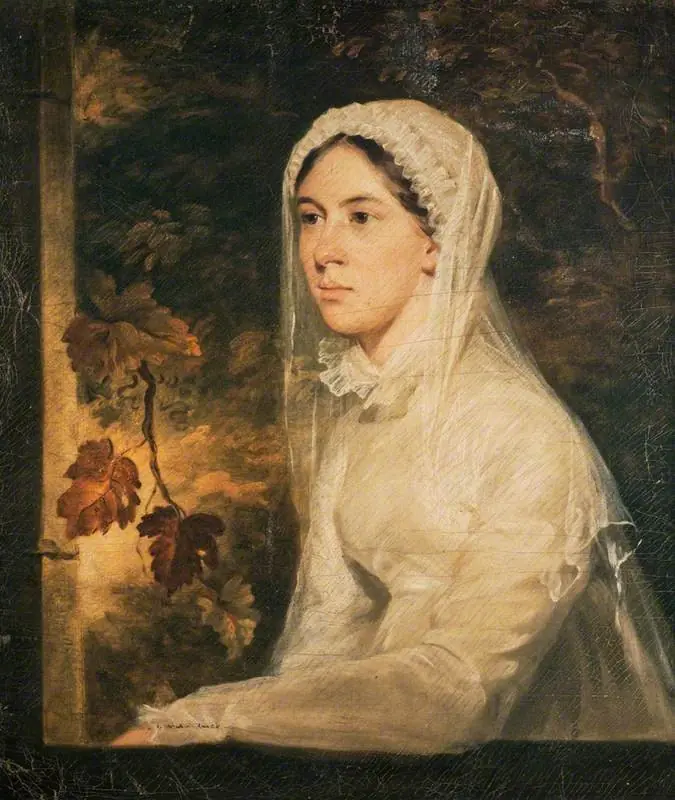
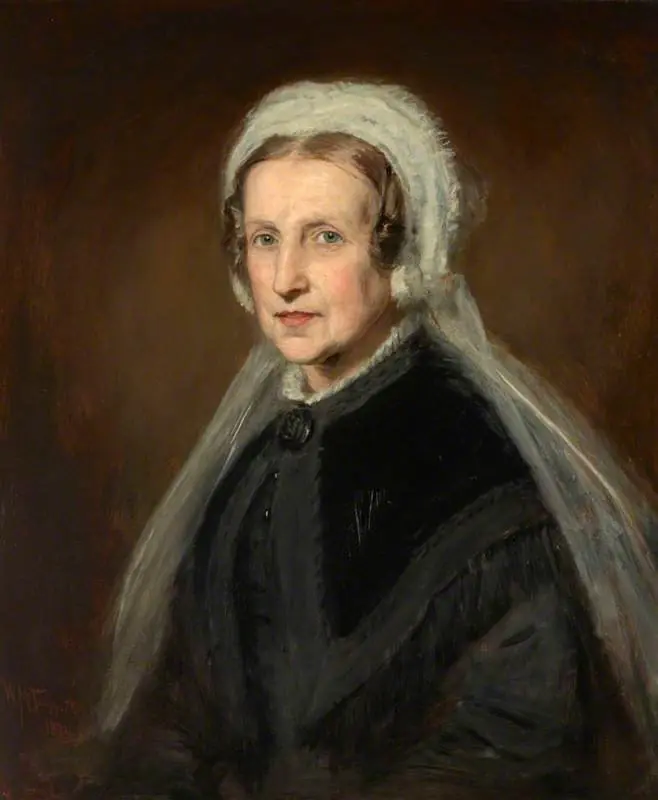
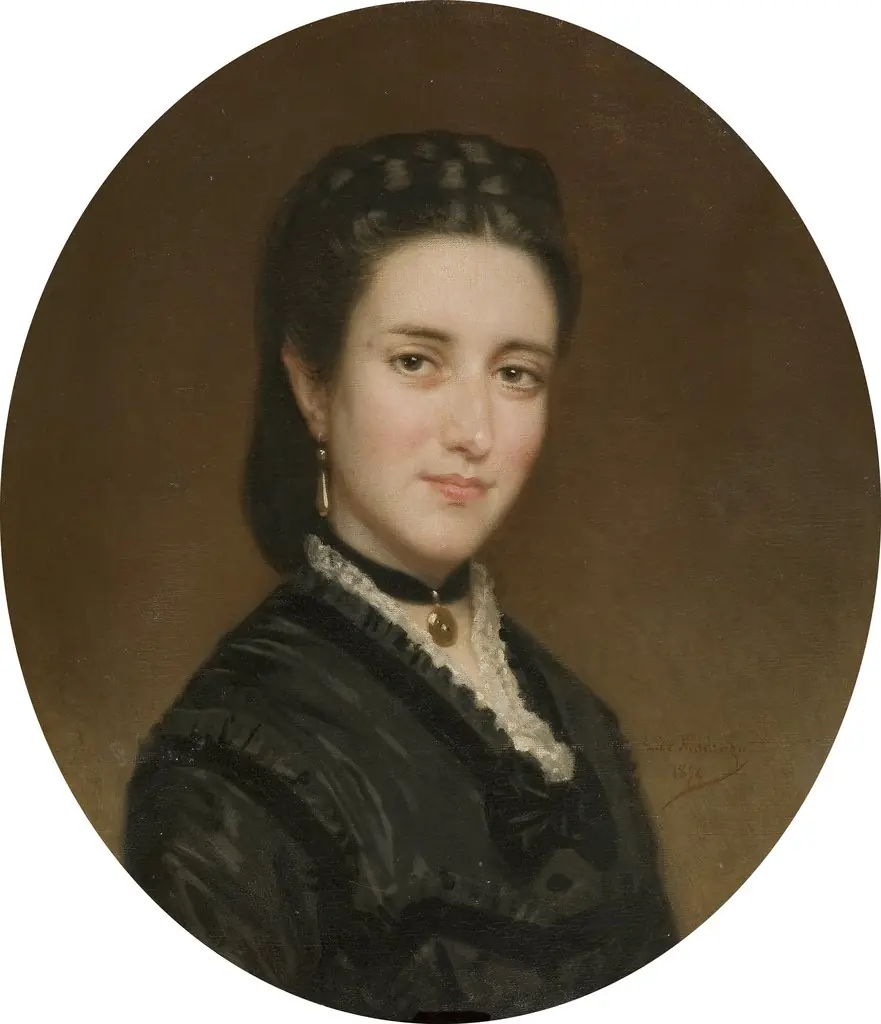
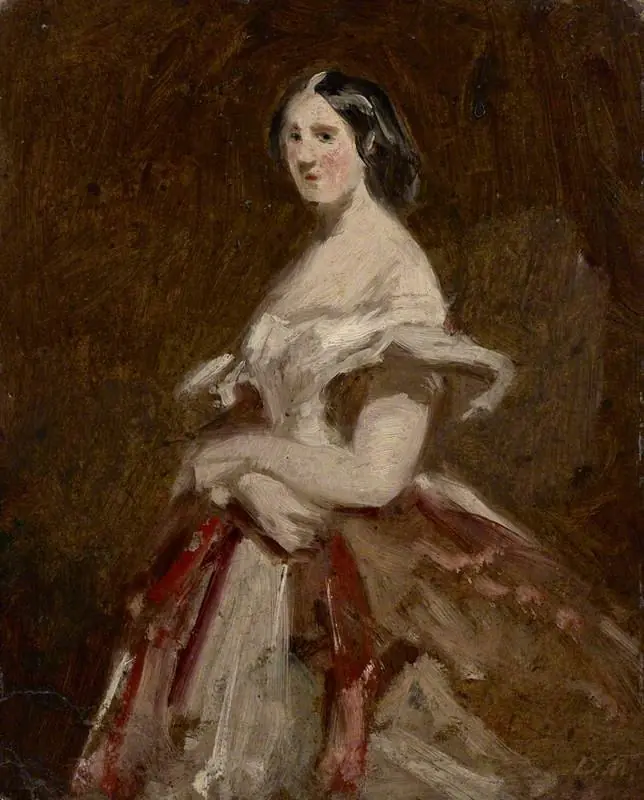
This painting depicts a woman in a blue dress, sitting in a chair with her right hand resting on the armrest.
This painting depicts a woman in a blue dress, sitting in a chair with her right hand resting on the armrest. She is wearing a white lace collar and has her dark hair pulled back. The background of the painting is a dark brown color.
The woman's dress is a deep blue color with white lace trim on the cuffs and collar. Her hair is pulled back, revealing her face and neck. The chair she is sitting in is dark brown and has a simple design.
The painting is a portrait of a woman, likely from the 19th century. To learn more about the artist's use of chiaroscuro, look up Alfred Hitchens Corbould.
Overview
Bessie Grieve is an 1852 oil painting by Alfred Hitchens Corbould, currently in the collection of the Victoria and Albert Museum.
Subject & Meaning
The painting is a portrait of a woman, presumably from the 19th century, depicted in a seated pose with restrained elegance, conveying a sense of quiet contemplation.
Technique & Style
Corbould employs a somber color palette, juxtaposing the subject's deep blue dress with white lace accents against a dark brown background, suggesting the use of chiaroscuro to create depth and highlight the sitter's face and hands.
History & Provenance
Created in 1852, the work's history prior to its acquisition by the Victoria and Albert Museum is not detailed here, emphasizing the museum as its current, documented custodian.
Context
As a mid-19th-century portrait, 'Bessie Grieve' reflects the era's aesthetic preferences for simplicity and the emerging interest in capturing the everyday lives of individuals beyond royalty and nobility.
Legacy
While specific influence or widespread recognition of 'Bessie Grieve' is not highlighted, its preservation in a major museum suggests its value as a representative of Victorian-era portraiture techniques and styles.
Artist & collection