Artwork
La señora de Creus
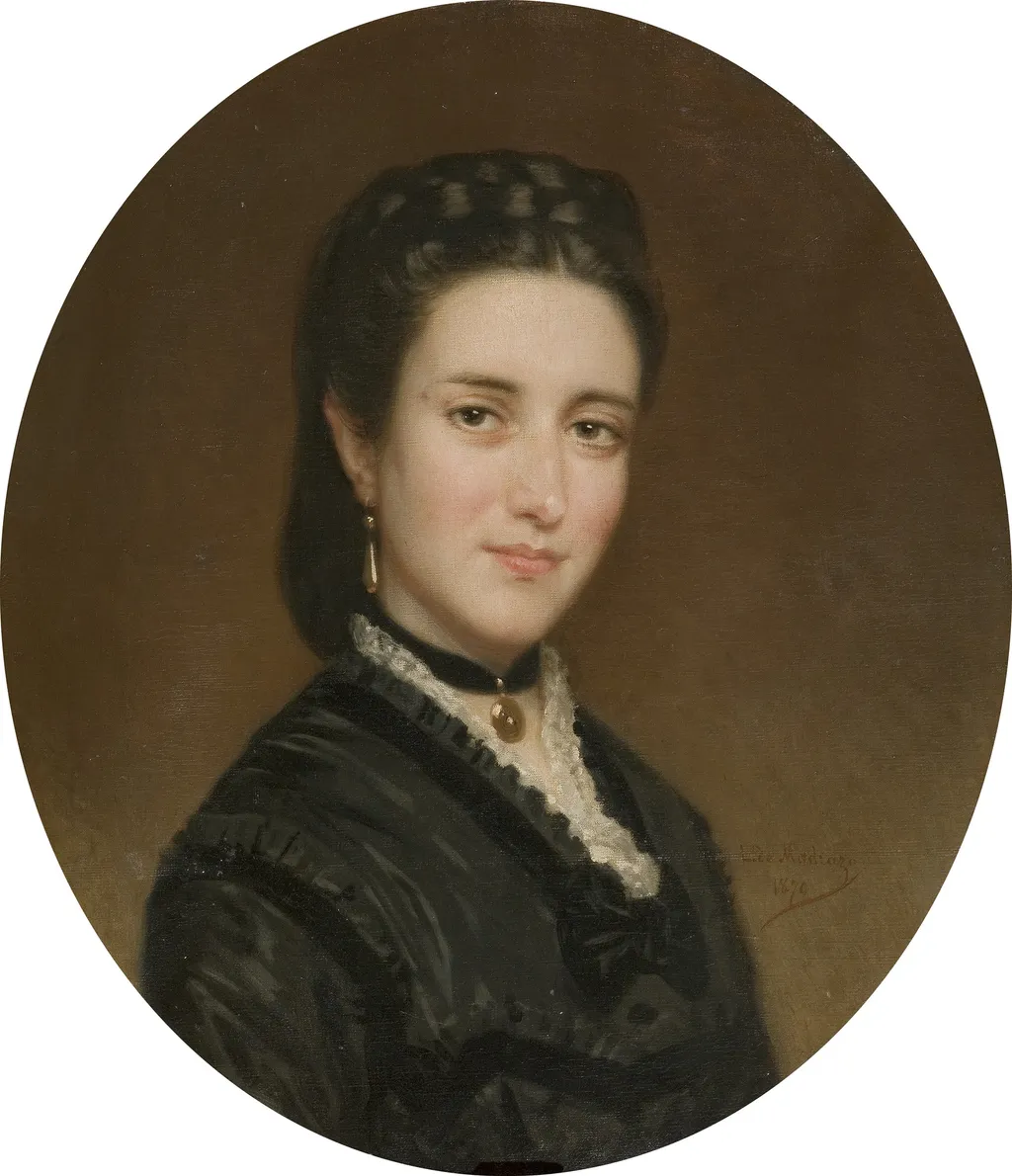
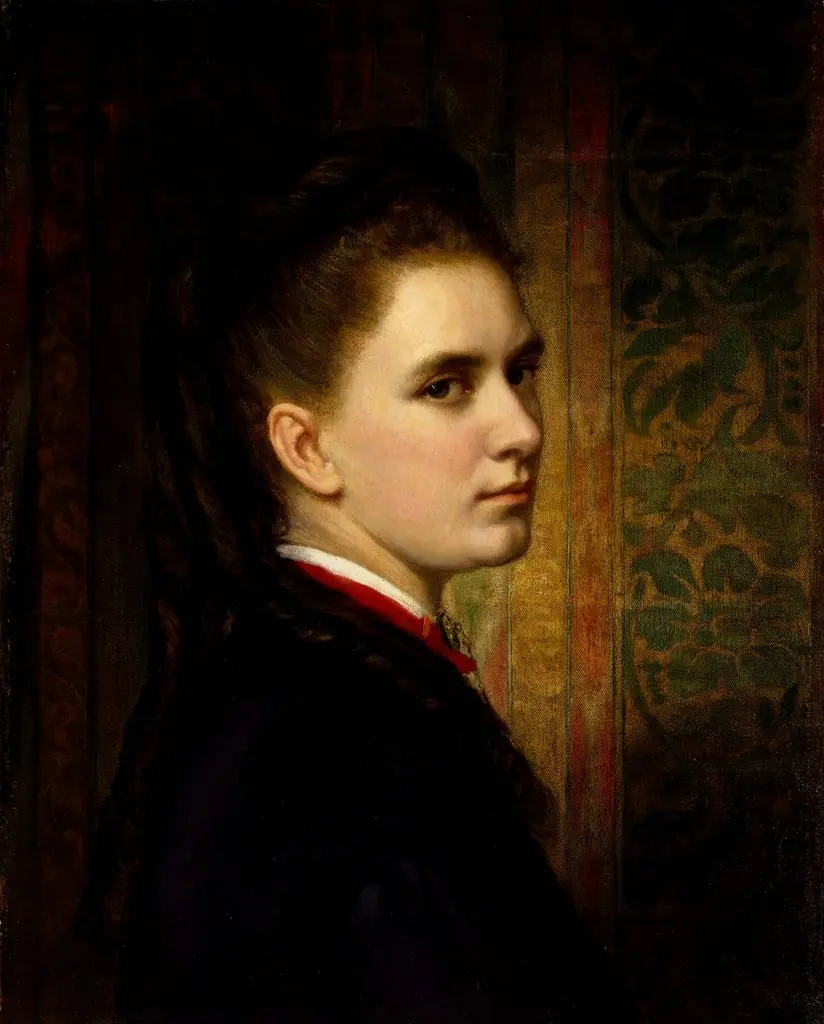
La señora de Creus is an oil painting by the Realist artist Luis de Madrazo. It dates from 1870 and is held in the collection of the Museo del Prado.
About this work
Overview
La señora de Creus is an 1870 oil painting by Spanish artist Luis de Madrazo, part of the Realism movement. It is a portrait of a woman in a three-quarter view, characterized by simplicity and elegance, with a solid brown background emphasizing the subject.
Subject & Meaning
The subject, a woman with dark hair in a braid, wears a black dress with white lace trim and a gold-pendant choker. Her neutral expression and direct gaze at the viewer convey a sense of understated dignity.
Technique & Style
Executed in oil paint, the work exemplifies Realist principles through its attention to detail in attire and the subject's demeanor, set against a subdued, monochromatic background that focuses attention on the figure.
History & Provenance
Created in 1870 by Luis de Madrazo, from a notable Spanish artistic family, the painting is currently part of the Museo del Prado's collection.
Context
As a product of the Realism movement, La señora de Creus reflects the era's emphasis on everyday life and accurate representation, differing from the more romanticized or idealized portrayals of preceding artistic movements.
Legacy
While specific impact details are not provided, as part of the Museo del Prado's collection, La señora de Creus contributes to the broader understanding and appreciation of 19th-century Spanish Realist portraiture.
Artist & collection
Artist
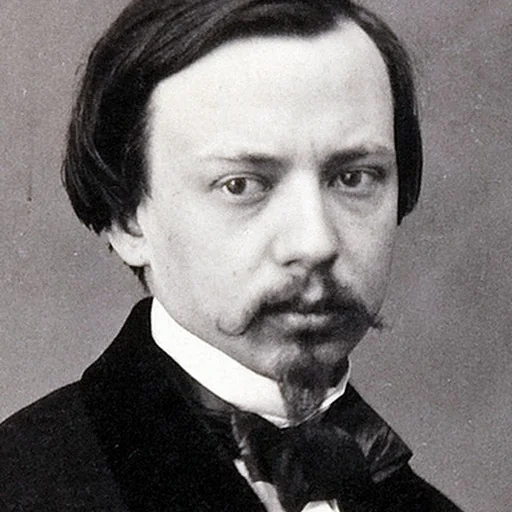
Luis de Madrazo y Kuntz (27 February 1825 – 9 February 1897) was a Spanish painter of portraits and religious scenes from a well-known family that included his father José (a painter), and his brothers Federico (also a…

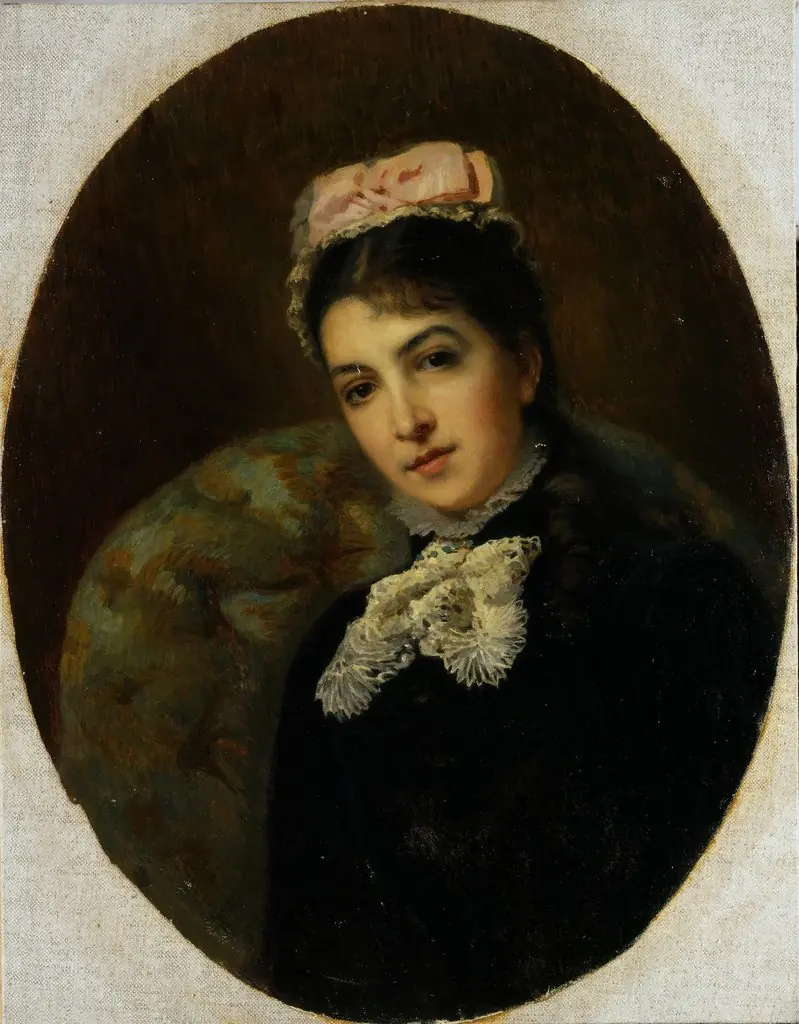 Portrait of M.G. Savina
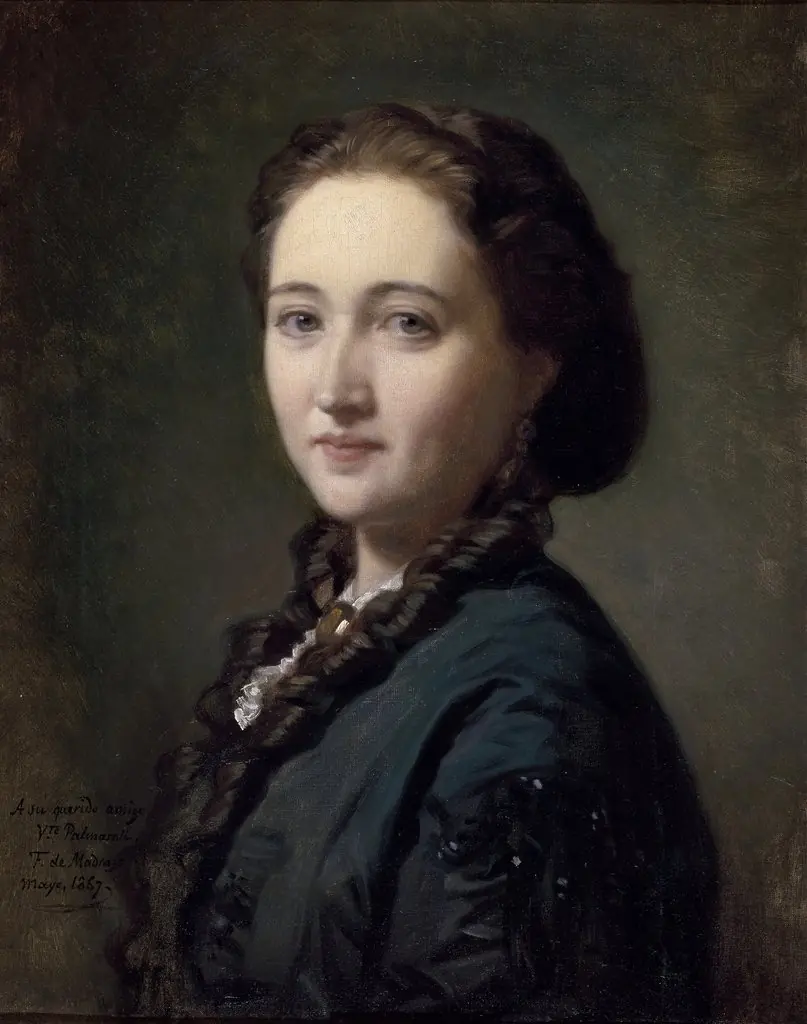 Sofía Reboulet
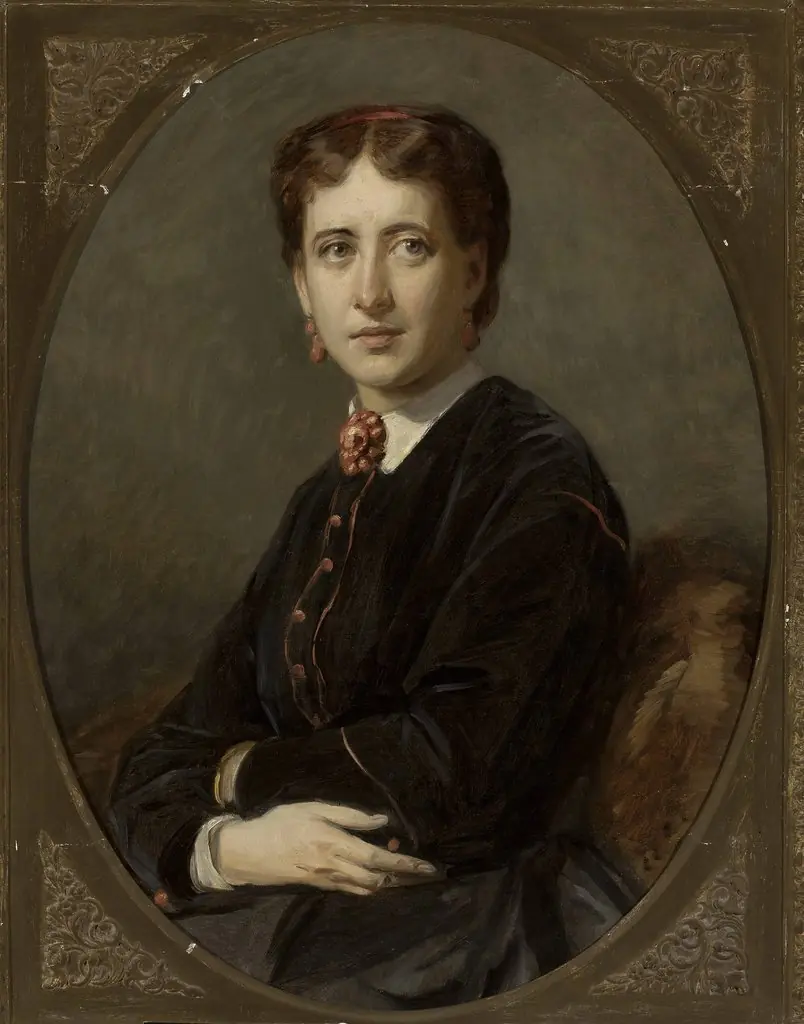 Portrait of Emilia Mielżyńska née Bnińska
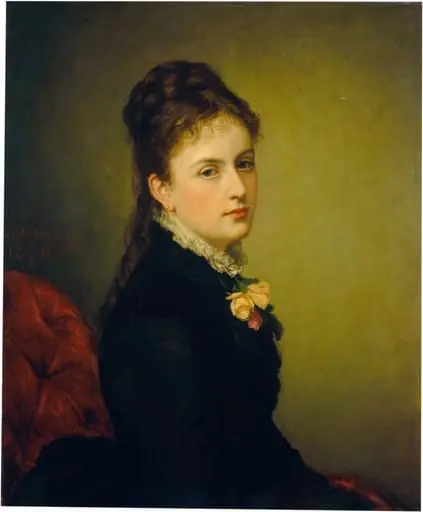 Roxana Atwater Wentworth
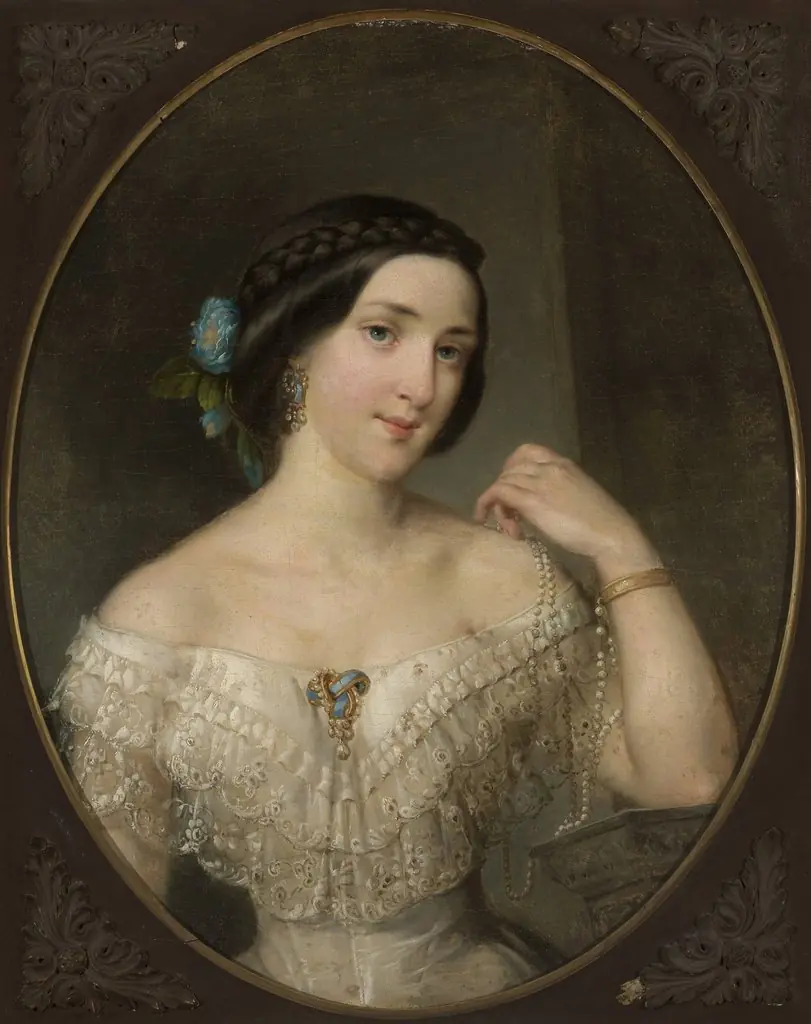 Portrait of Maria Ludwika Blumenfeld née Kobyłecka
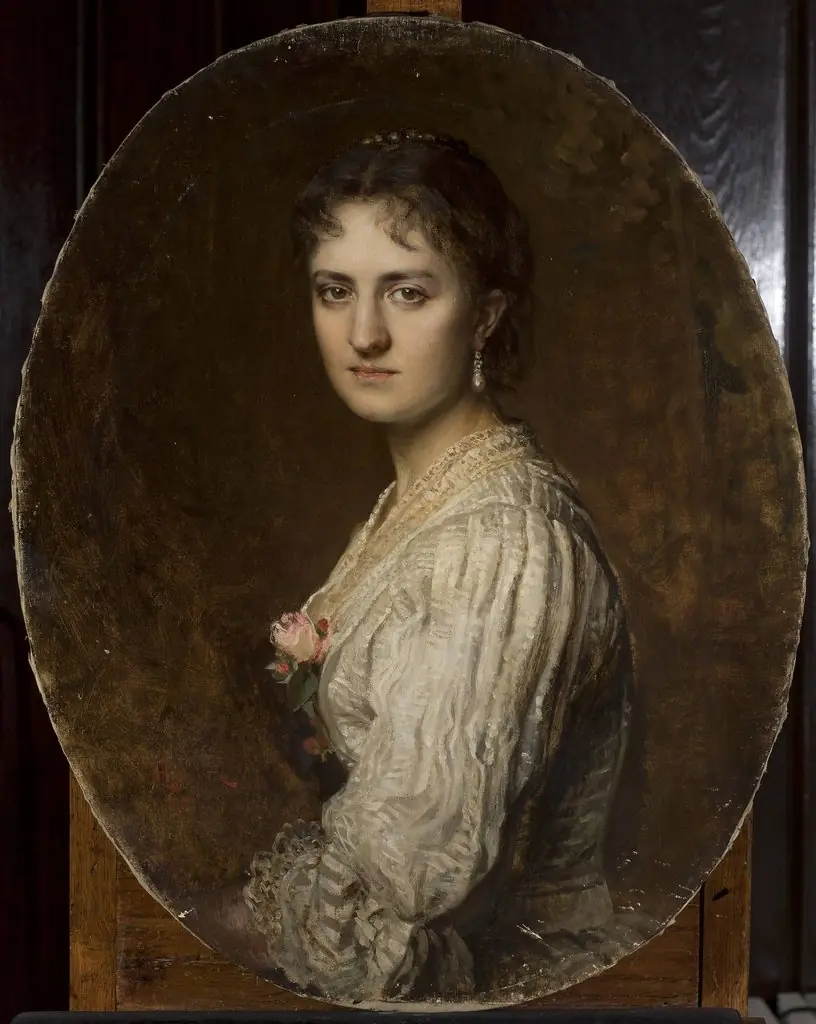 Portrait of Anna Branicka
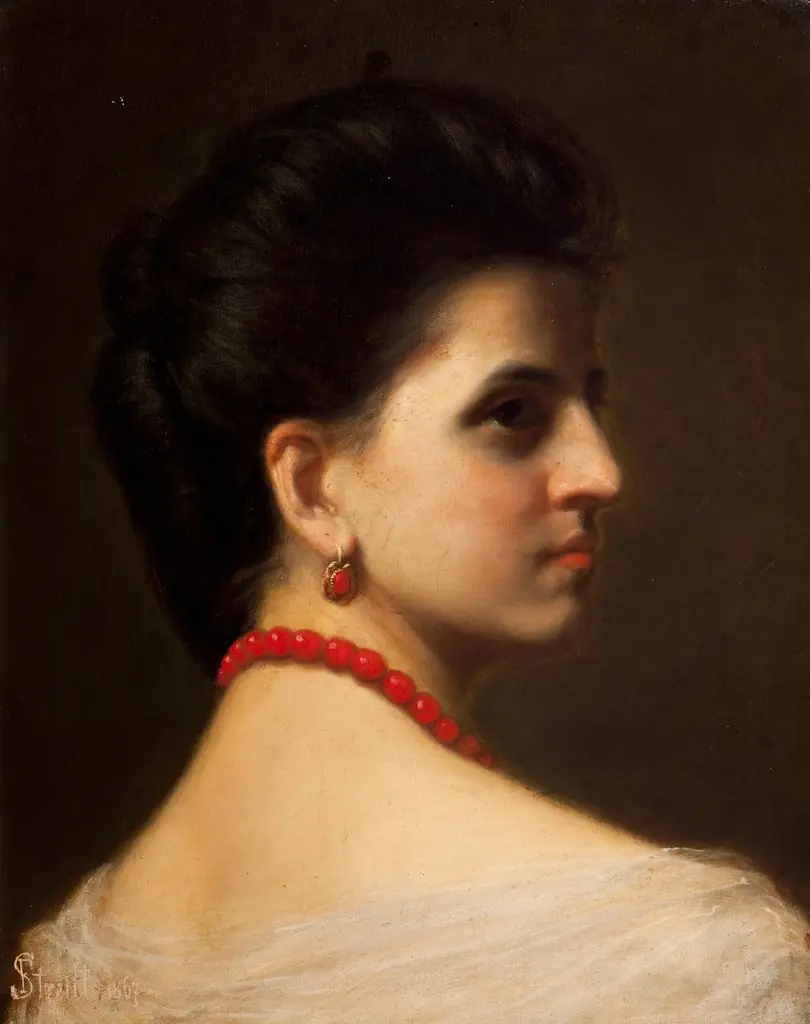 Portrait of Wanda Monné
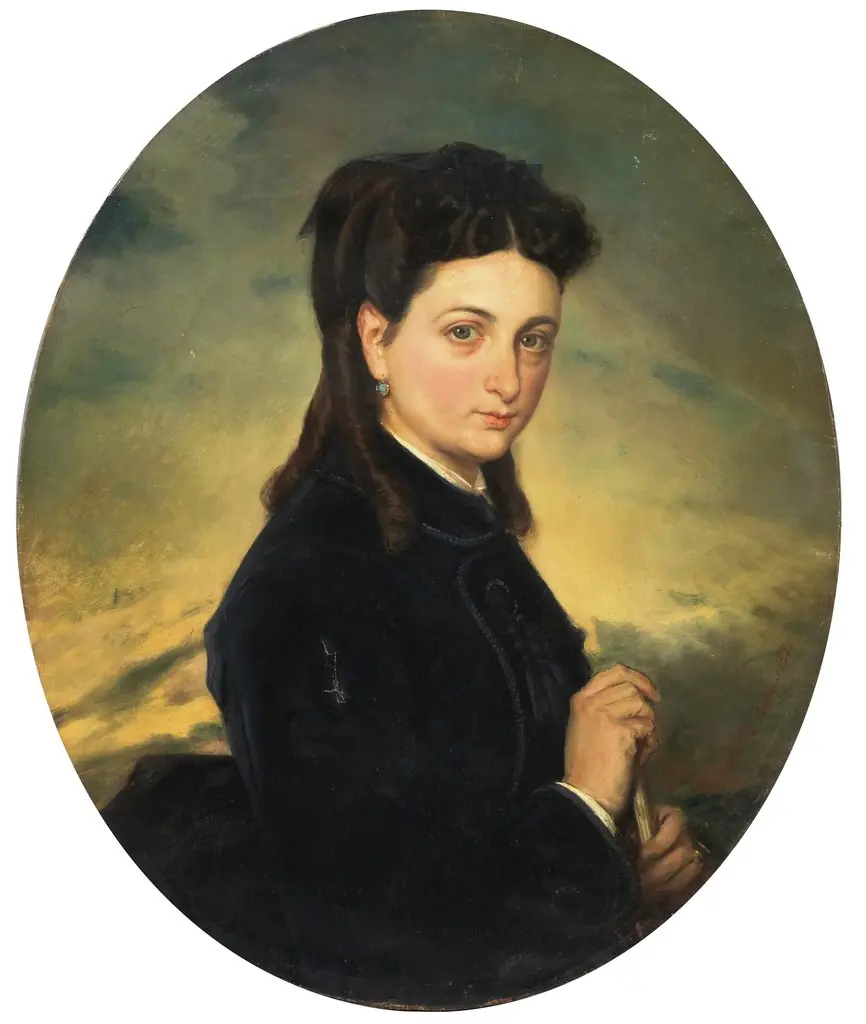 Elvira Álvarez Espino
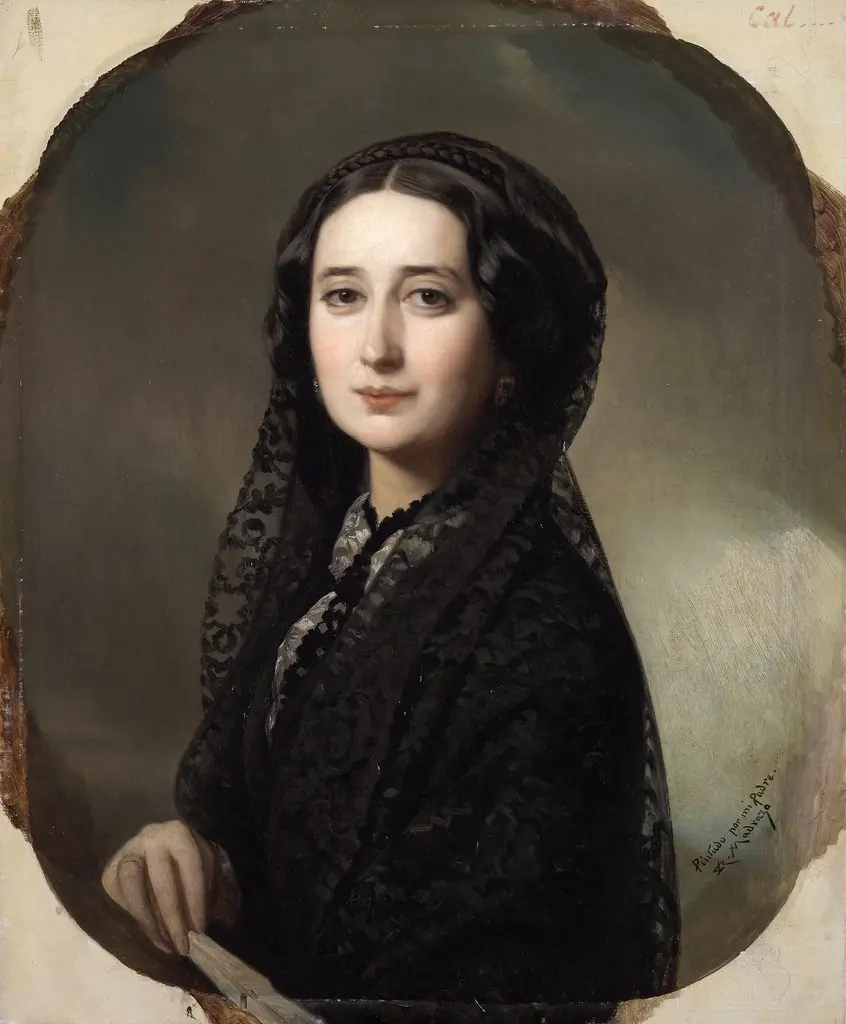 Carolina Coronado
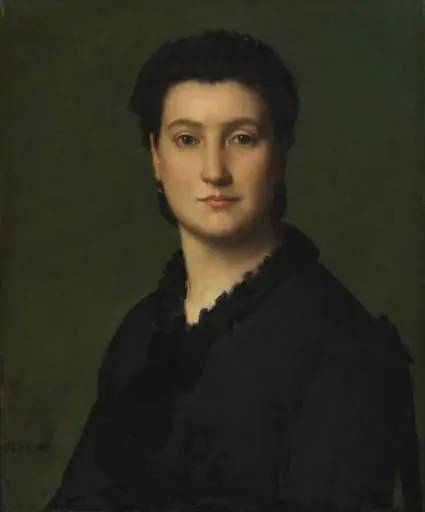 Portrait of a Woman
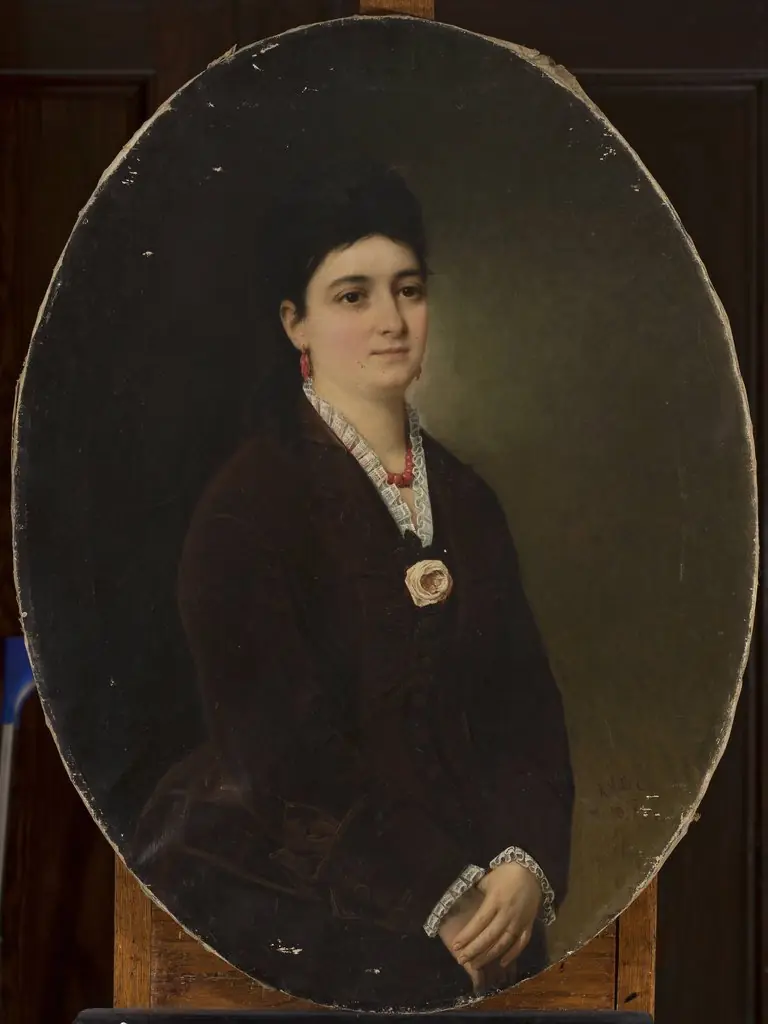 Portrait of Maria Sędziak née Żyżniewska
 Portrait of Maria Healy, the Artist's Daughter