Artwork
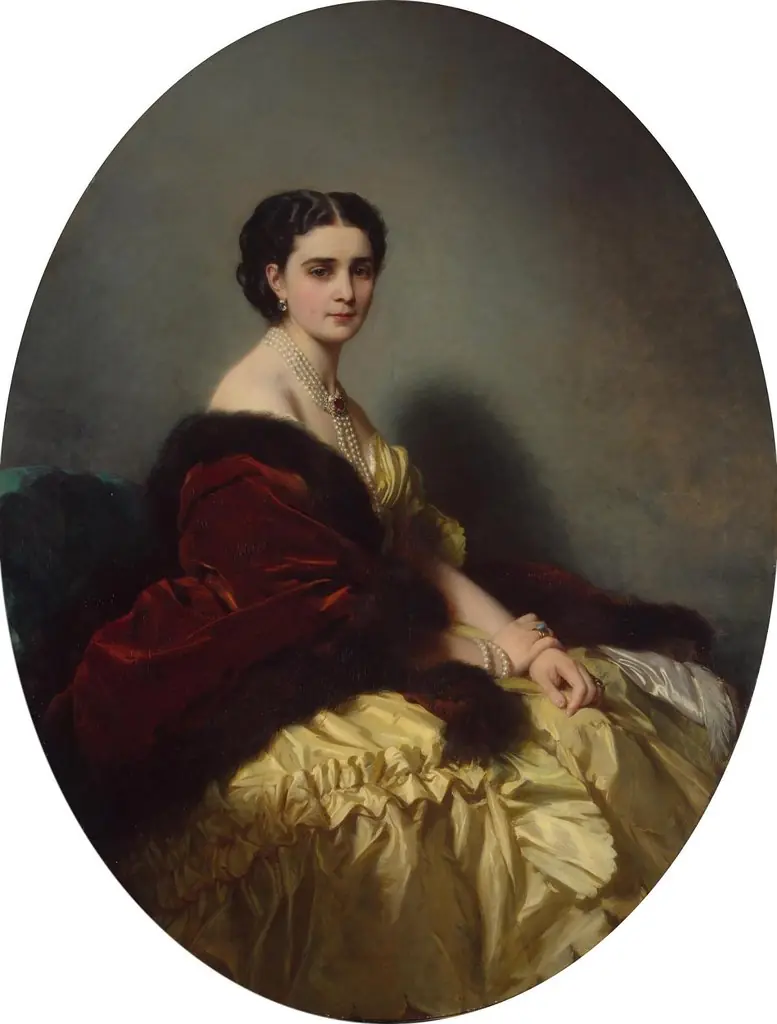
Portrait of Countess Olga Shuvalova
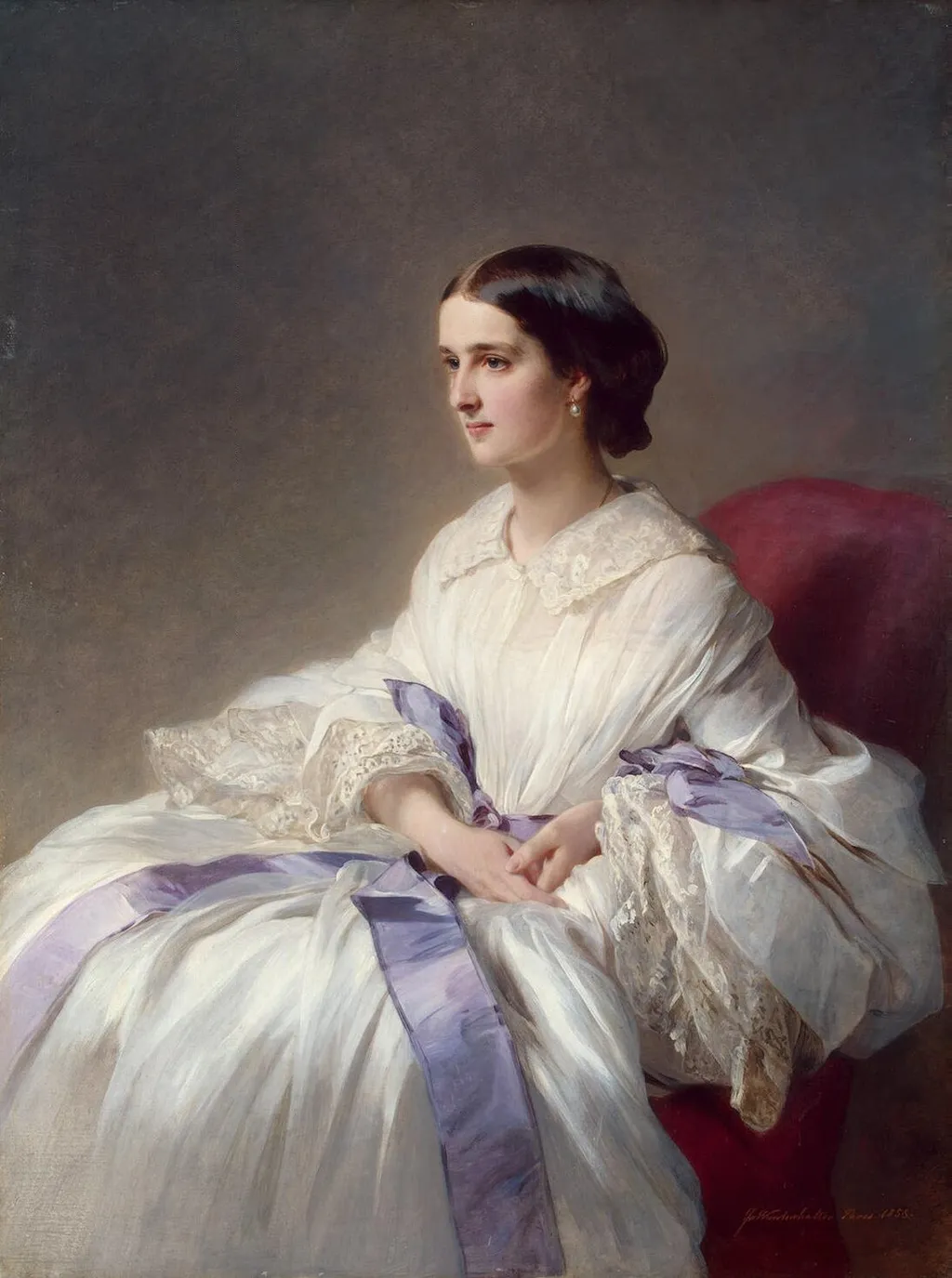
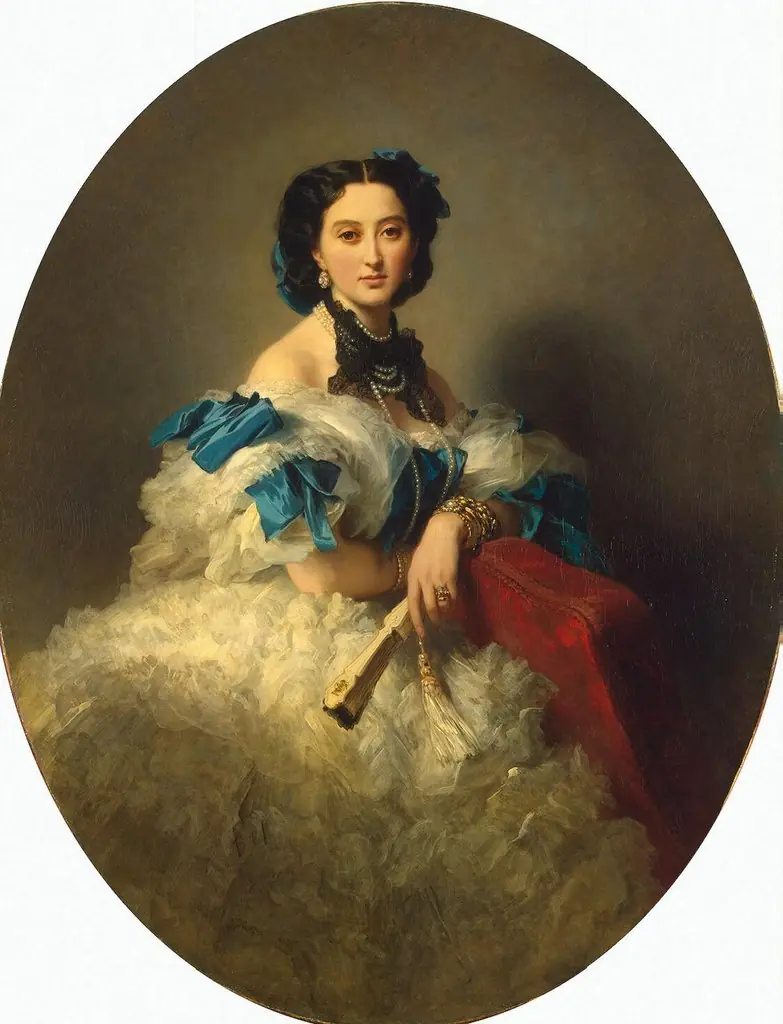
Portrait of Countess Olga Shuvalova is an oil painting by the Realist artist Franz Xaver Winterhalter. It dates from 1858 and is held in the collection of the Hermitage Museum.
About this work
Overview
Franz Xaver Winterhalter painted a portrait of Countess Olga Shuvalova in 1858. Executed in oil on canvas, the work is part of the State Hermitage Museum’s collection. It presents the countess seated, her attire and pose rendered with the refined elegance typical of Winterhalter’s courtly commissions.
Subject & Meaning
The sitter, Olga Shuvalova, is shown seated in a simple chair, dressed in a white gown trimmed with lace and accented by a purple sash. Her hair is neatly pulled back and she wears modest earrings, suggesting a restrained aristocratic poise. The dark, unadorned background isolates her figure, emphasizing personal presence over narrative context.
Technique & Style
Winterhalter employs a smooth, almost invisible brushwork that captures the play of light across the fabric. Subtle chiaroscuro models the folds of the dress, creating a tactile sense of depth while the seamless transition between shadows and highlights gives the portrait a polished, three‑dimensional quality.
History & Provenance
Completed in 1858, the portrait entered the collection of the State Hermitage Museum, where it remains on display. Its provenance traces back to the Shuvalov family, a prominent Russian noble house, reflecting the artist’s role in documenting European aristocracy during the mid‑nineteenth century.
Context
Winterhalter was a leading portraitist for European courts, known for his ability to convey status through refined detail and compositional restraint. This work aligns with his broader output of aristocratic portraiture, where the emphasis lies on elegance, precise rendering of textiles, and a dignified, timeless presentation of the sitter.
Artist & collection
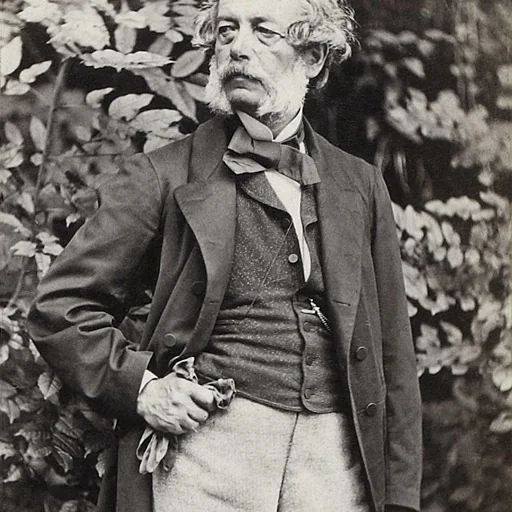
Artist
Franz Xaver Winterhalter (20 April 1805 – 8 July 1873) was a German painter and lithographer, known for his flattering portraits of royalty and upper-class society in the mid-19th century.

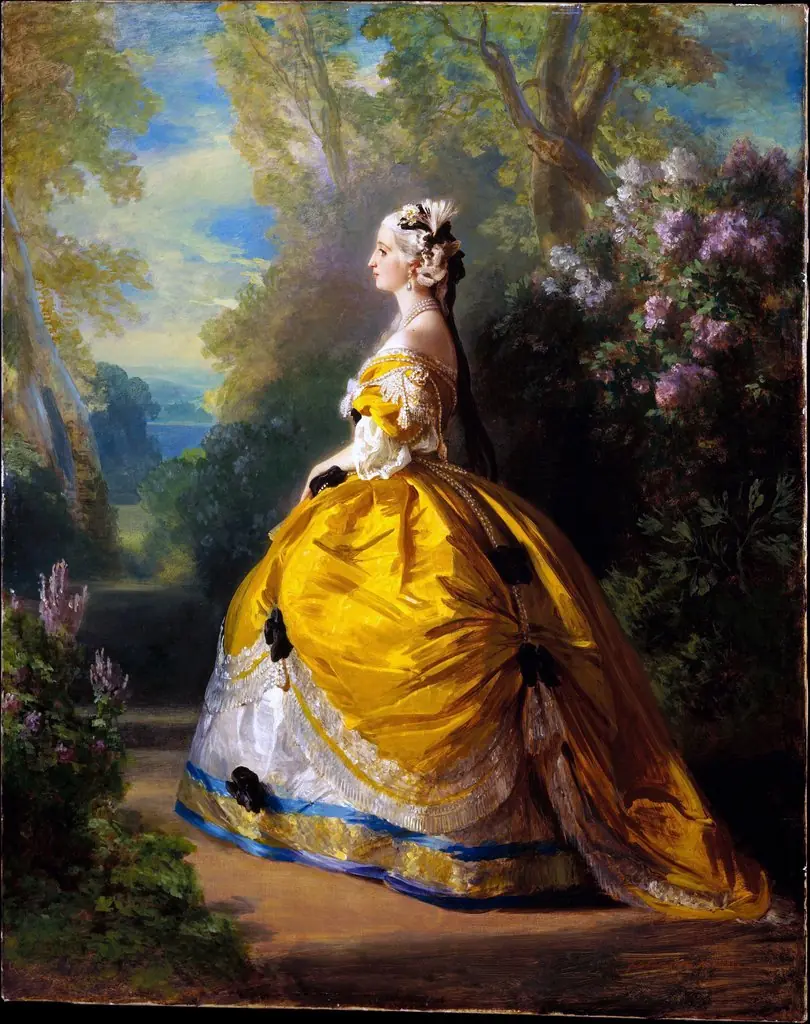 Portrait of Empress Eugénie de Montijo
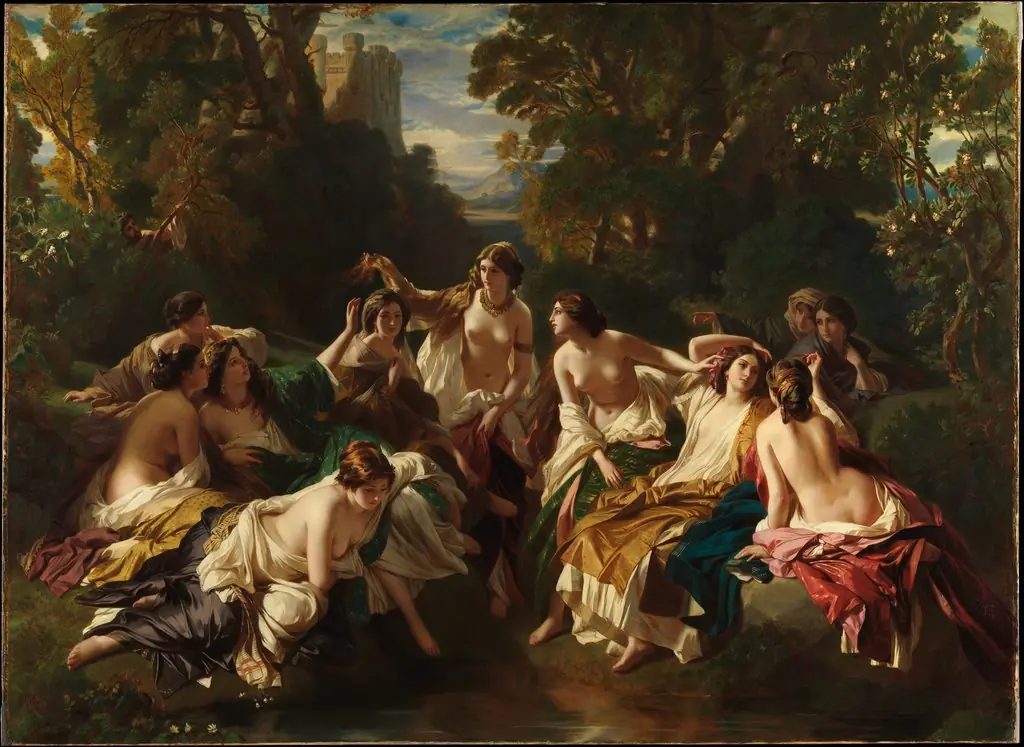 Florinda
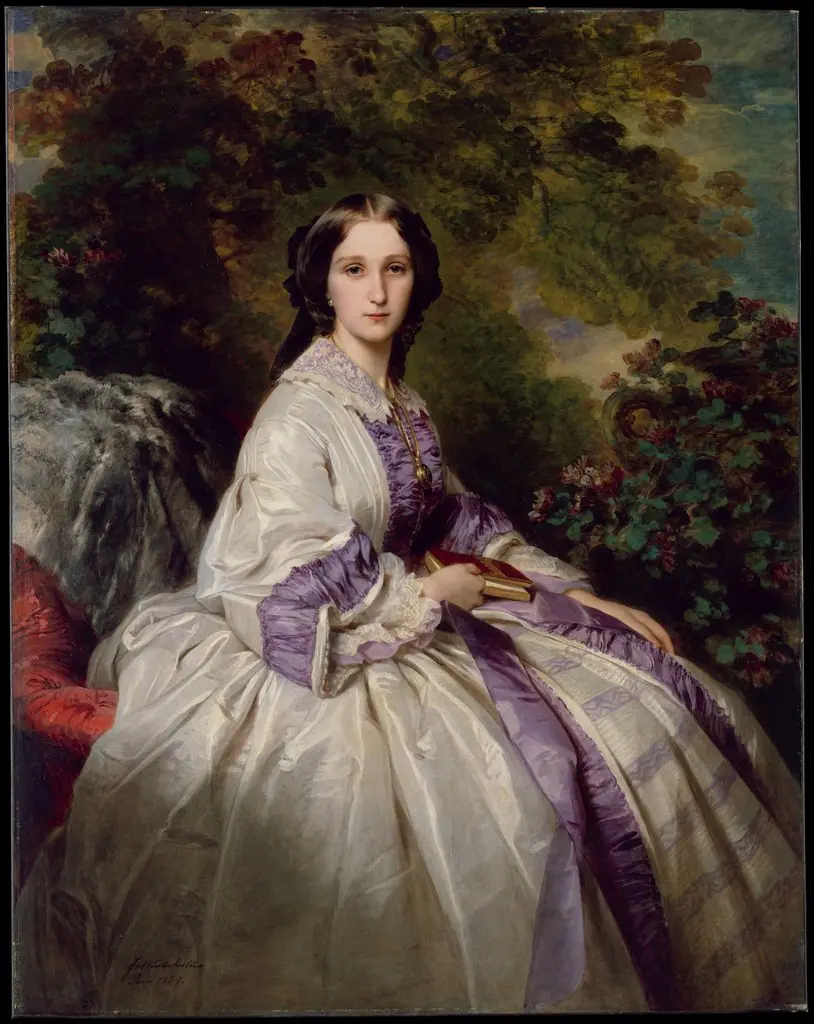 Portrait of Countess Alexander Nikolaevitch Lamsdorff
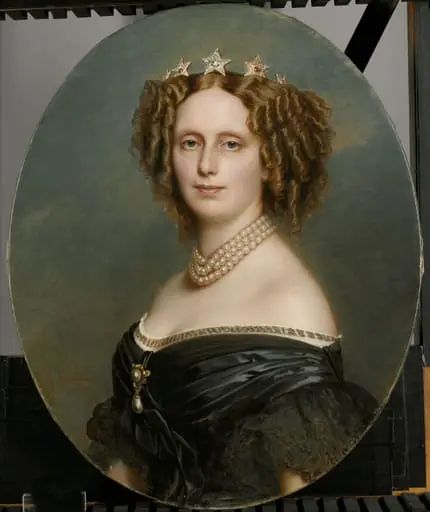 Portrait of Sophia Frederika Mathilda (1818-77), Princess of Württemberg
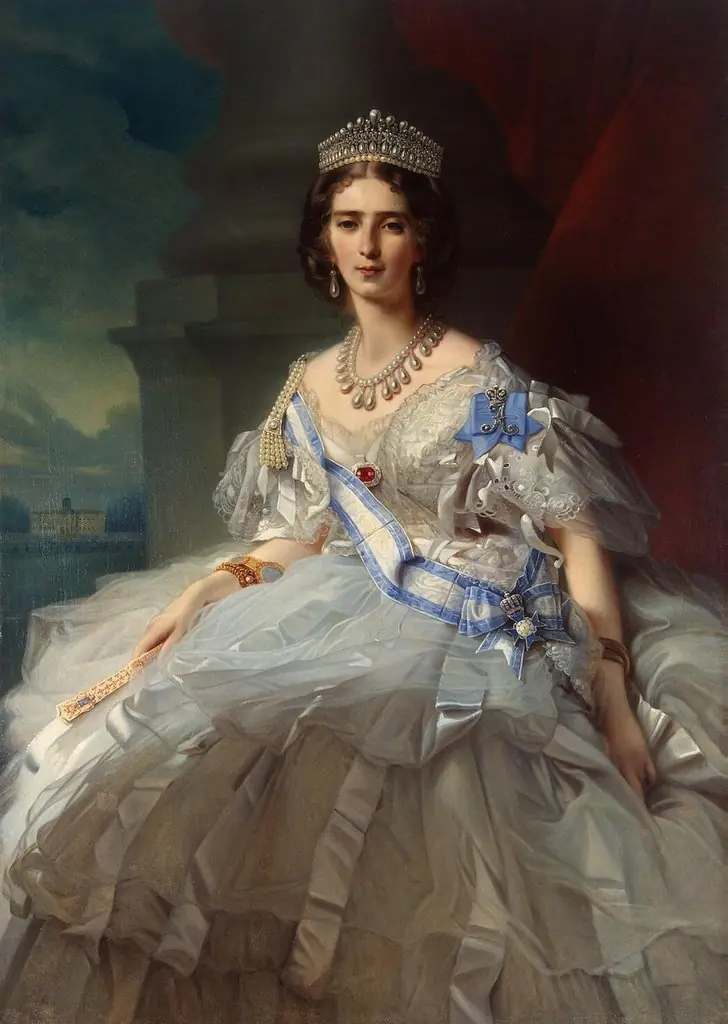 Portrait of Princess Tatyana Yusupova
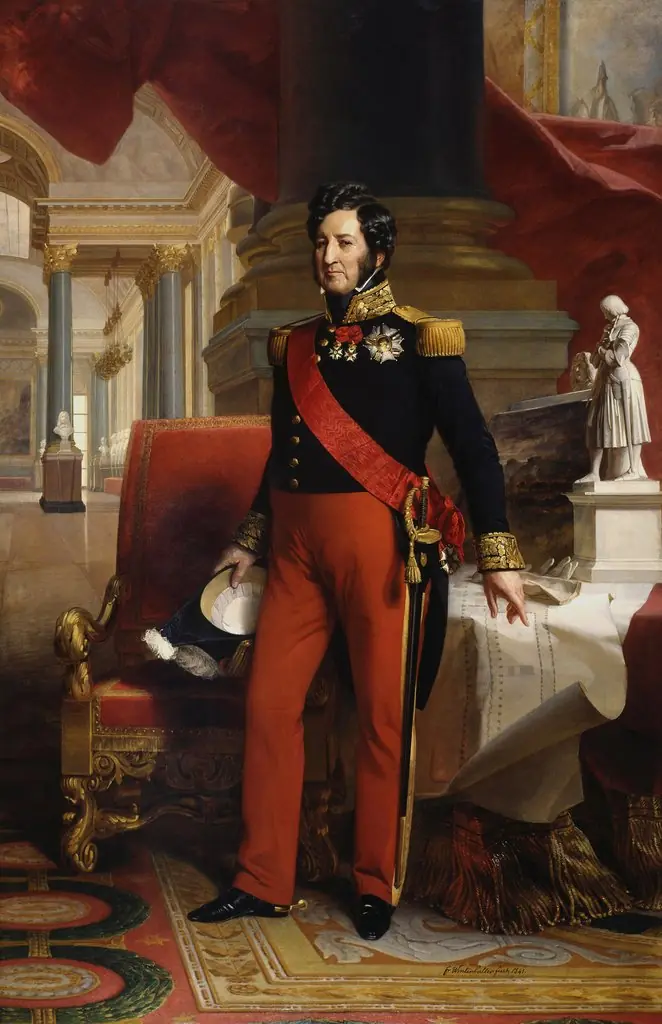 Louis-Philippe I, King of the French (1773–1850)
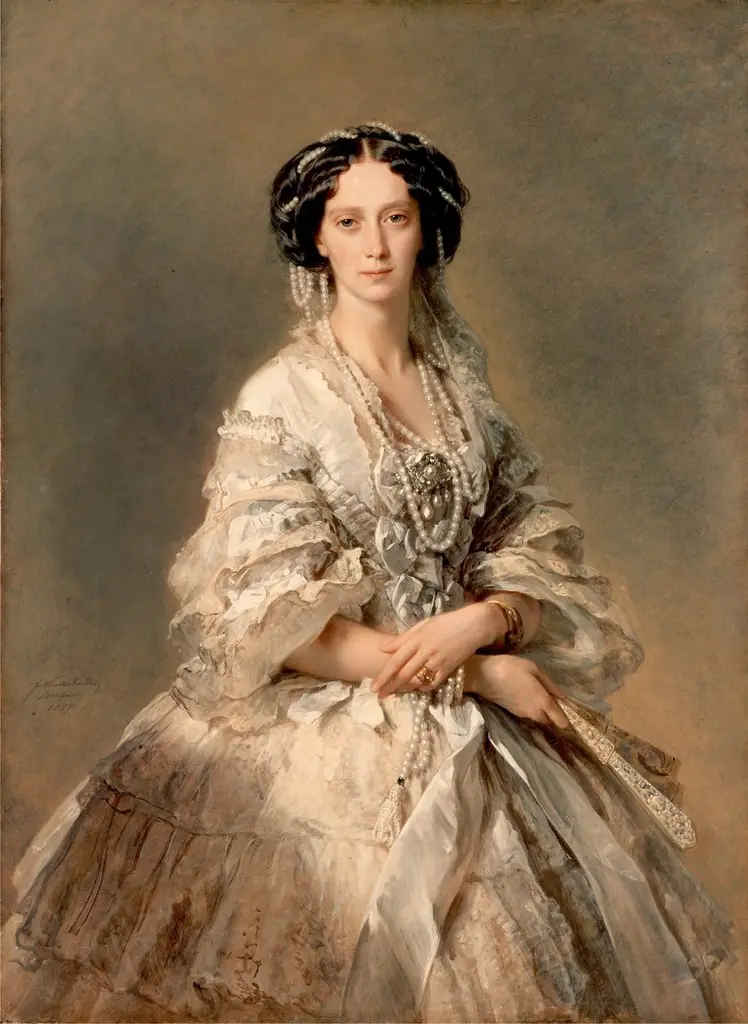 Portrait of Empress Maria Alexandrovna
 Portrait of Countess Varvara Musina-Pushkina