Artwork
La Seine au Point du jour (D. 297)
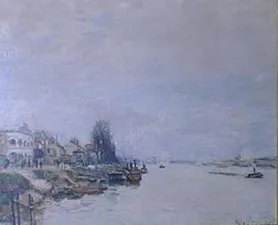
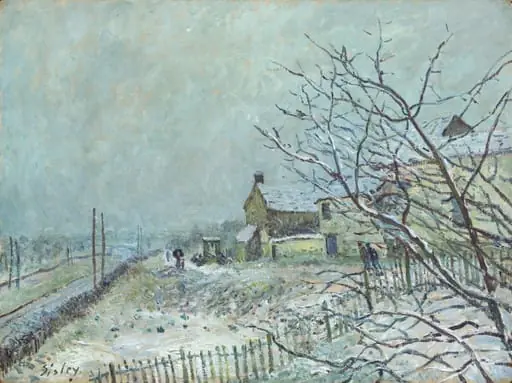
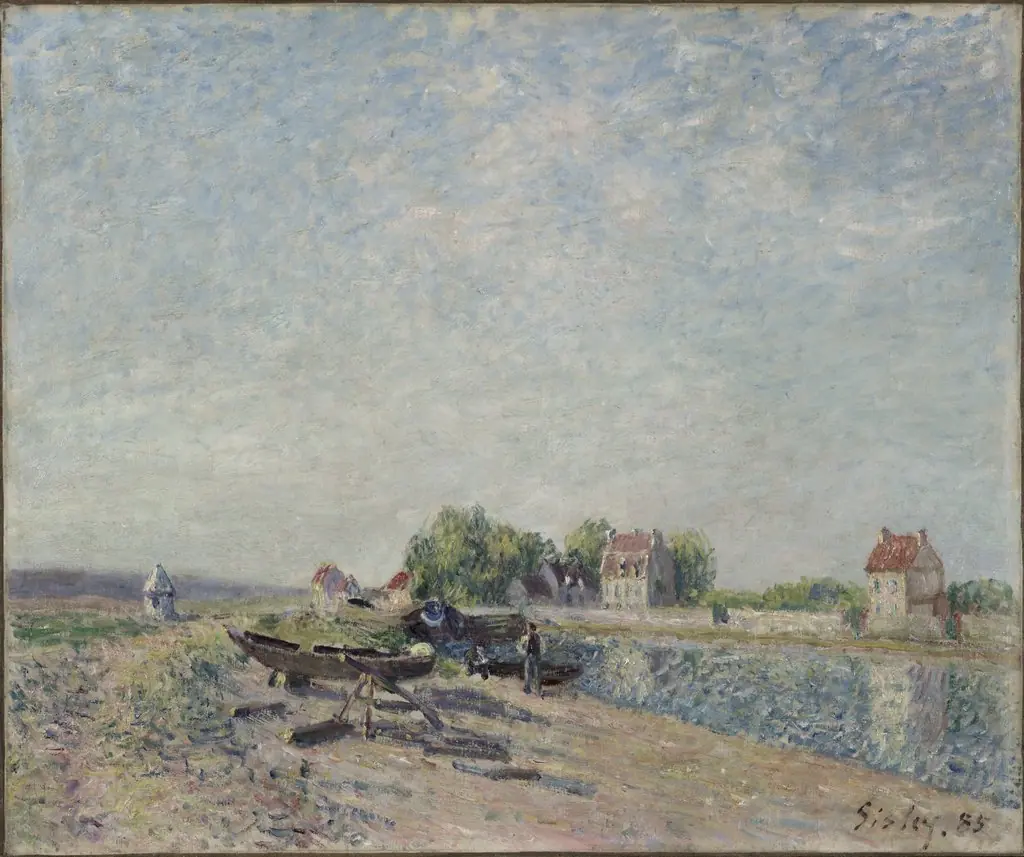
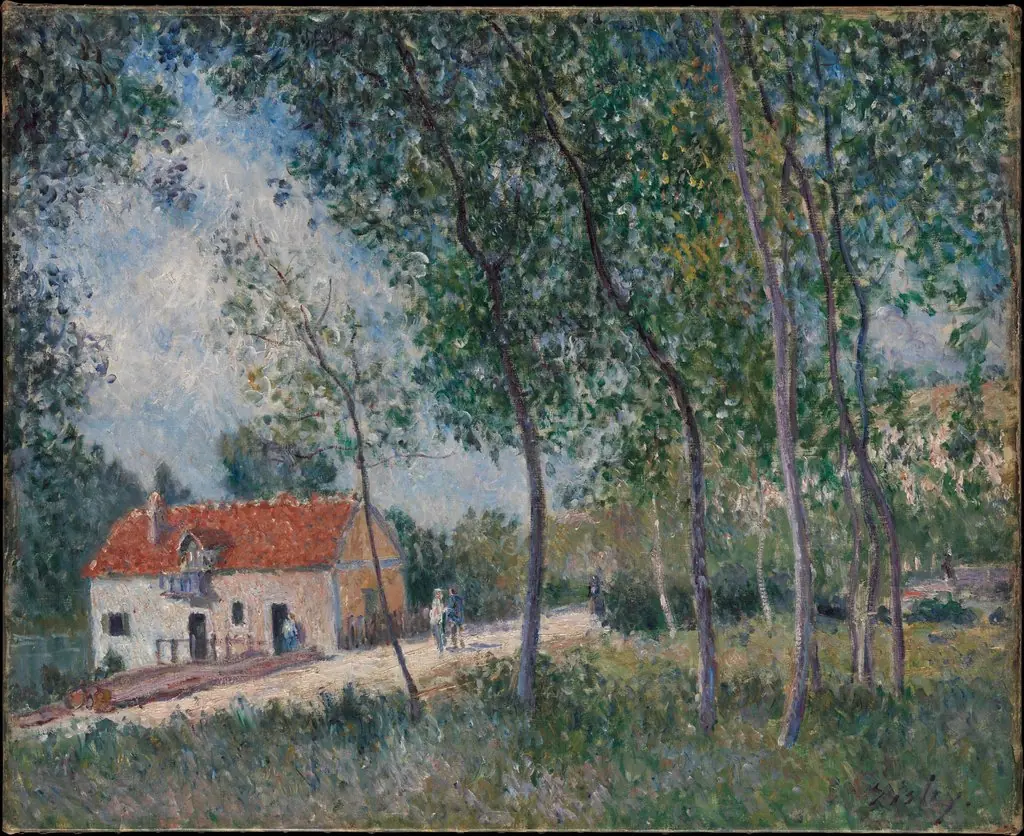
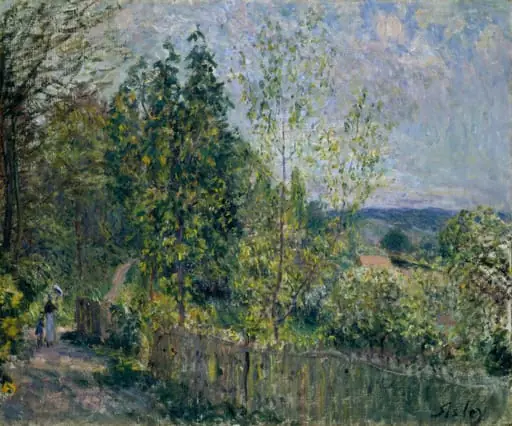
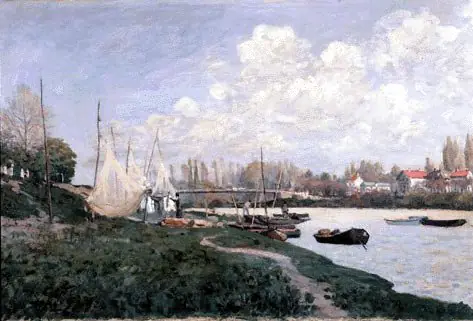
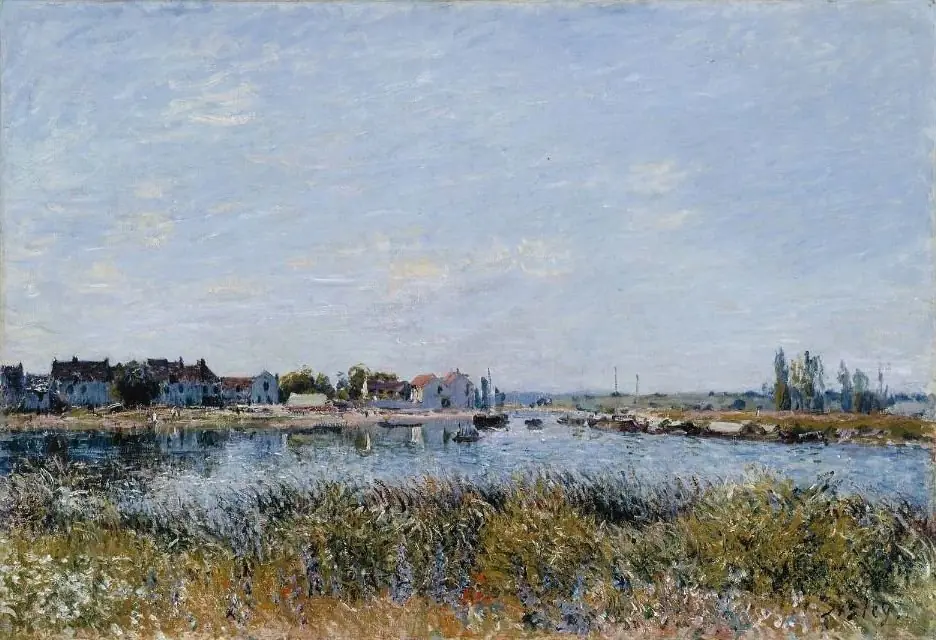
La Seine au Point du jour (D. 297) is an oil painting by the Impressionist artist Alfred Sisley. It dates from 1890 and is held in the collection of the National Museum of Fine Arts, Argentina. Painted in 1890, *La Seine au Point du jour (D.
About this work
Overview
Executed in oil on canvas, the work exemplifies his commitment to plein air painting and the Impressionist pursuit of transient atmospheric effects.
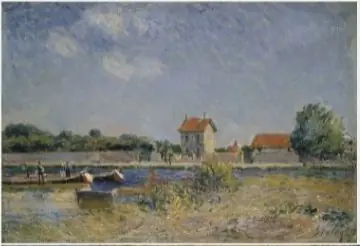
Painted in 1890, *La Seine au Point du jour (D. 297)* is a landscape by Alfred Sisley, a British-born artist who lived and worked primarily in France. It belongs to his sustained exploration of the French countryside, particularly river scenes along the Seine. Executed in oil on canvas, the work exemplifies his commitment to plein air painting and the Impressionist pursuit of transient atmospheric effects.
Subject & Meaning
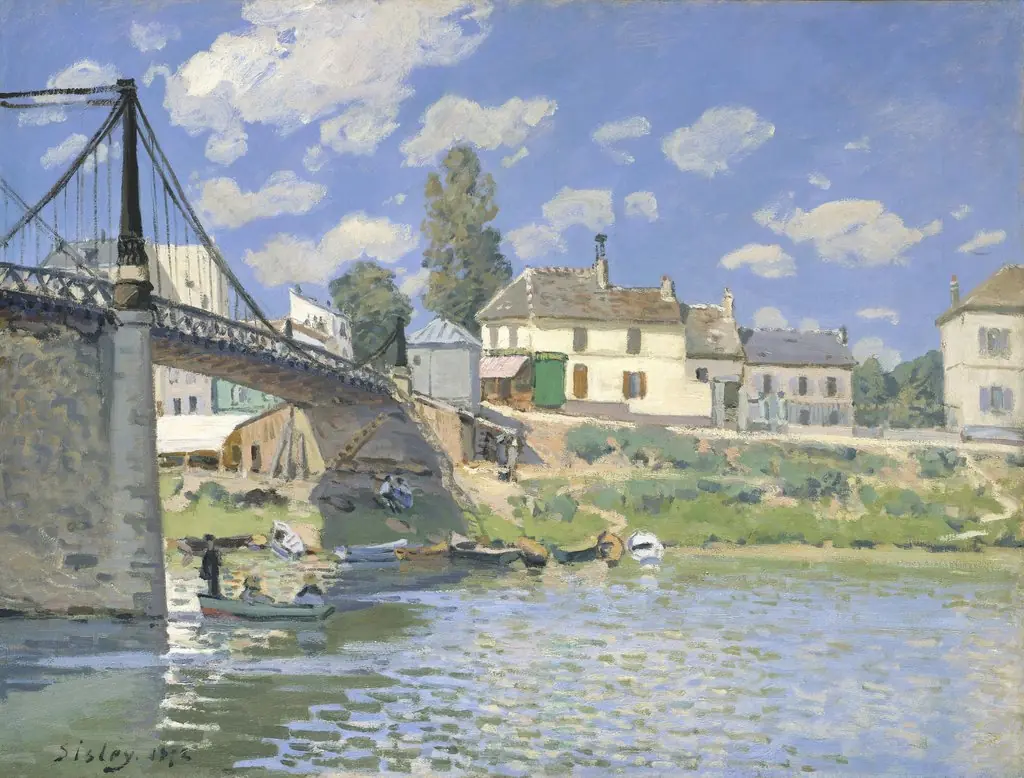
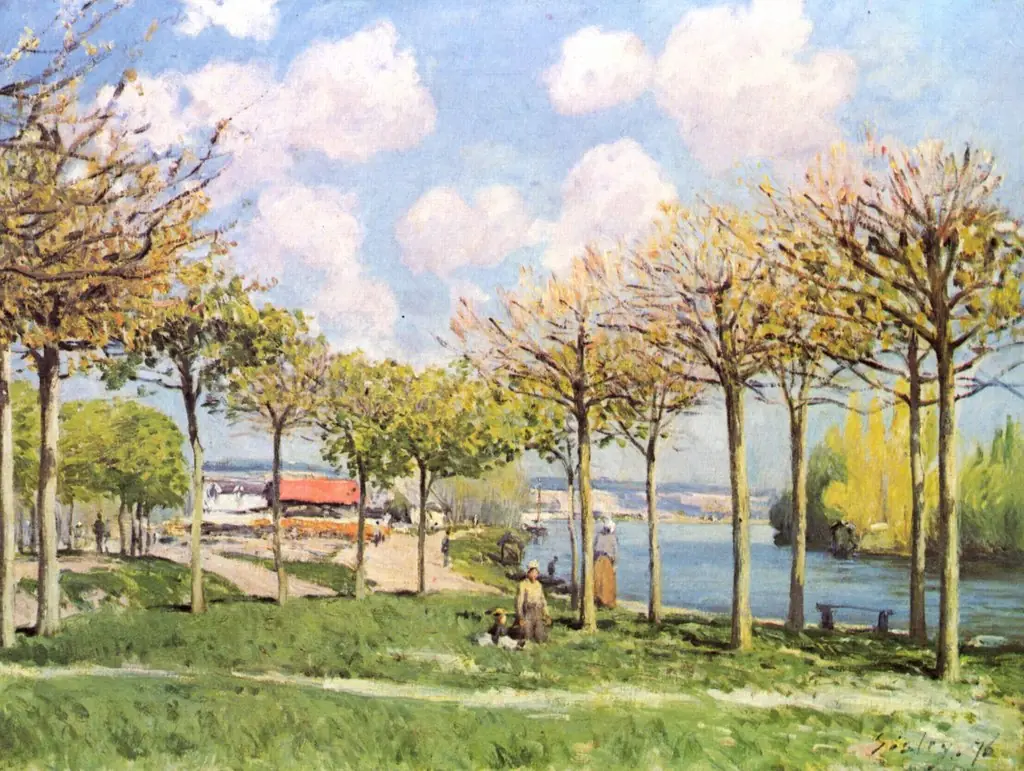
The painting captures the Seine at Boulogne-Billancourt just after sunrise, with still water reflecting the pale sky and the quiet presence of moored boats. Sparse buildings line the left bank, while trees soften the right. No human figures appear, emphasizing solitude and the quiet rhythm of nature at daybreak. The scene conveys a sense of stillness, not as an absence of life, but as a moment of calm between night and activity.
Technique & Style
Sisley applied thin, deliberate brushstrokes to render the hazy light and subtle shifts in tone. The palette is restrained—soft grays, muted blues, and pale greens—mirroring the early morning atmosphere. Water is suggested through broken touches of color rather than detailed rendering, and the surface retains a sense of immediacy, characteristic of Impressionist practice. The composition is balanced yet unforced, avoiding dramatic focal points.
History & Provenance
Created during the final decade of Sisley’s life, the painting remained in private hands until acquired by the National Museum of Fine Arts in Buenos Aires. Its journey to Argentina reflects broader patterns of late 19th- and early 20th-century art collecting, where European Impressionist works found new audiences beyond their origin. The museum’s acquisition preserved the painting’s integrity and accessibility to Latin American viewers.
Context
Sisley was among the few Impressionists who never abandoned landscape as his central subject. While contemporaries like Monet and Renoir explored urban life and figures, Sisley returned repeatedly to rivers, fields, and villages. This work aligns with his late-period focus on the Seine’s changing moods, made more urgent by his financial struggles and the marginalization of Impressionism in Parisian salons by the 1890s.
Legacy
Though less celebrated than some of his peers, Sisley’s consistent dedication to natural light and quiet observation left a quiet but enduring mark on landscape painting. *La Seine au Point du jour* exemplifies his ability to convey emotional resonance through restraint. Today, it stands as a testament to the value of subtle, sustained attention to the everyday world, influencing later generations of landscape artists seeking calm amid modernity.
Artist & collection
Artist
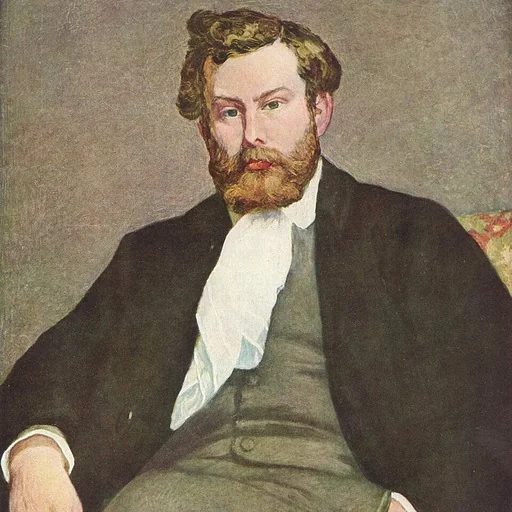
Alfred Sisley (; French: ; 30 October 1839–29 January 1899) was a French-Born British Impressionist landscape painter who was born to British parents, but spent most of his life in France.

Museum
National Museum of Fine Arts, Argentina
Continue through works from the same source collection.