Artwork
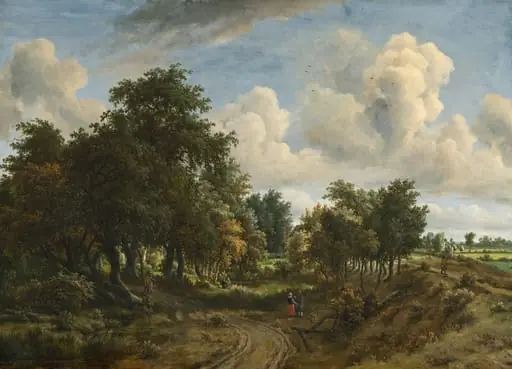
Baumreiche Dünenlandschaft
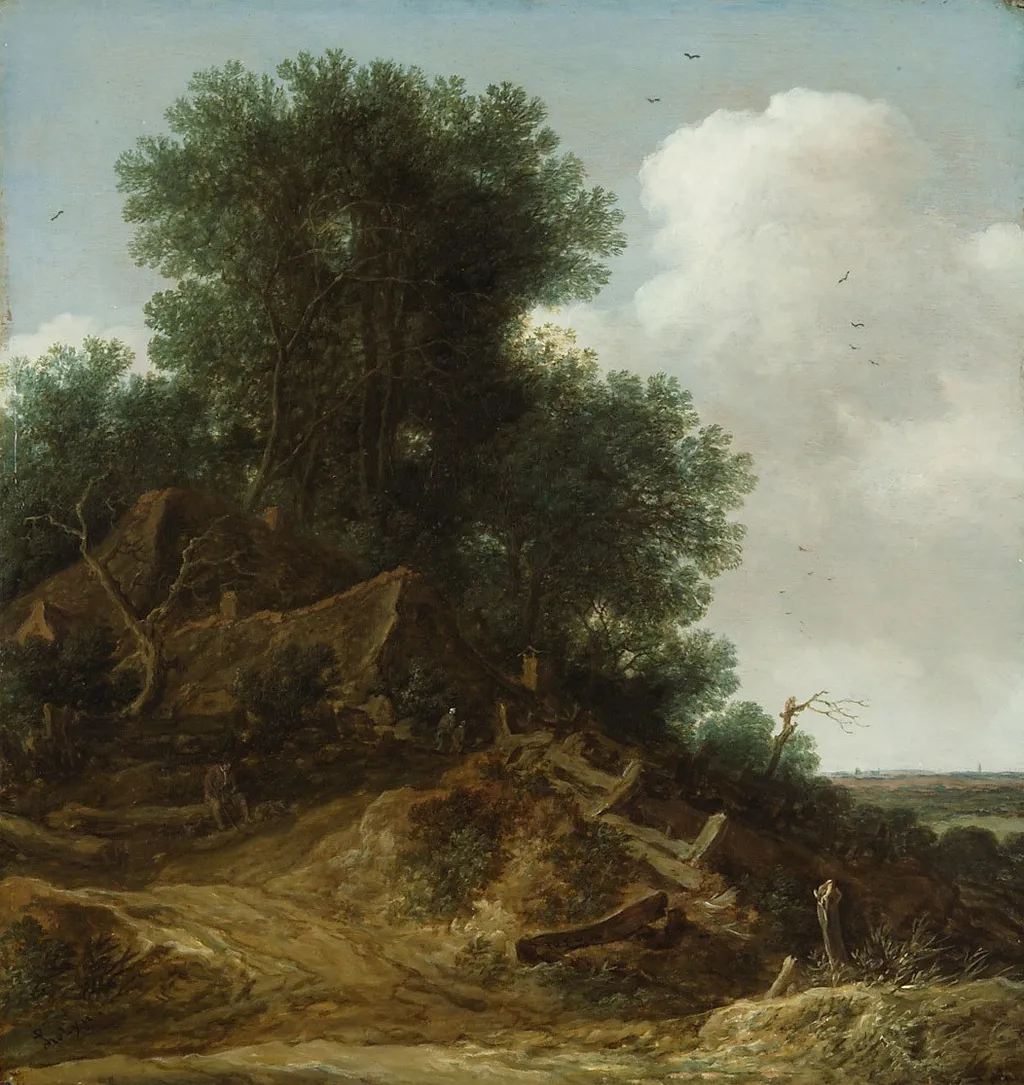
Baumreiche Dünenlandschaft is an unspecified painting by the Dutch Golden Age artist Pieter de Molijn. It dates from 1652 and is held in the collection of the Kunsthistorisches Museum.
About this work
Overview
His 1652 painting *Baumreiche Dünenlandschaft* exemplifies his engagement with Dutch landscape traditions.
Pieter de Molijn, born in London to Flemish parents, settled in the Netherlands and became a recognized figure in Haarlem’s artistic community after joining the Guild of St. Luke in 1616. His 1652 painting *Baumreiche Dünenlandschaft* exemplifies his engagement with Dutch landscape traditions. The work captures a quiet dune scene with careful attention to natural elements, reflecting the era’s preference for observed, unidealized nature over dramatic or mythological subjects.
Subject & Meaning
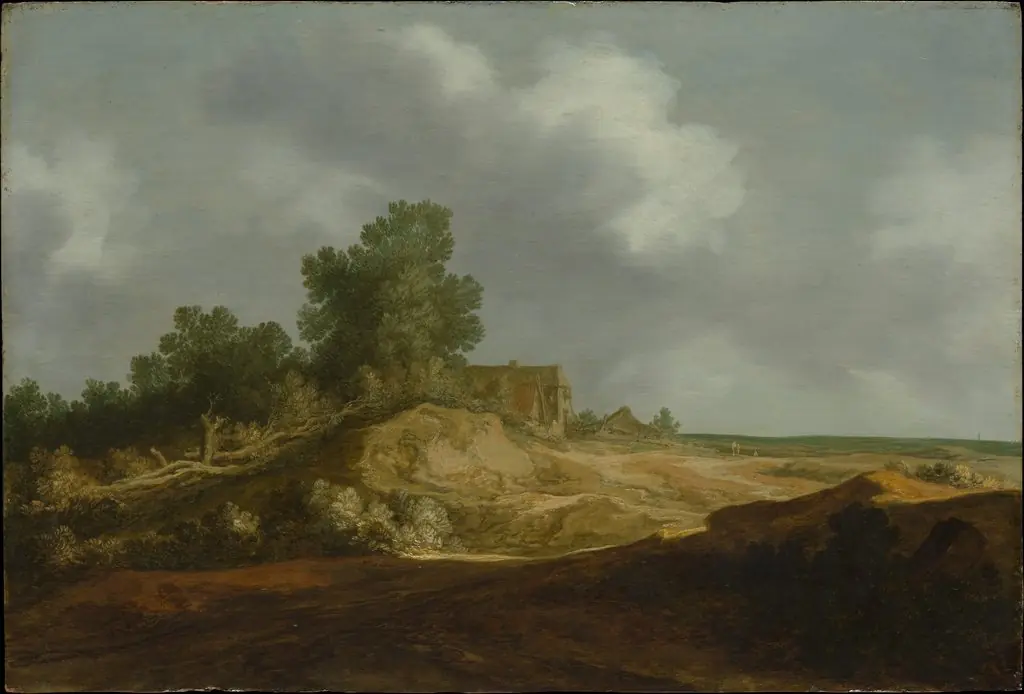
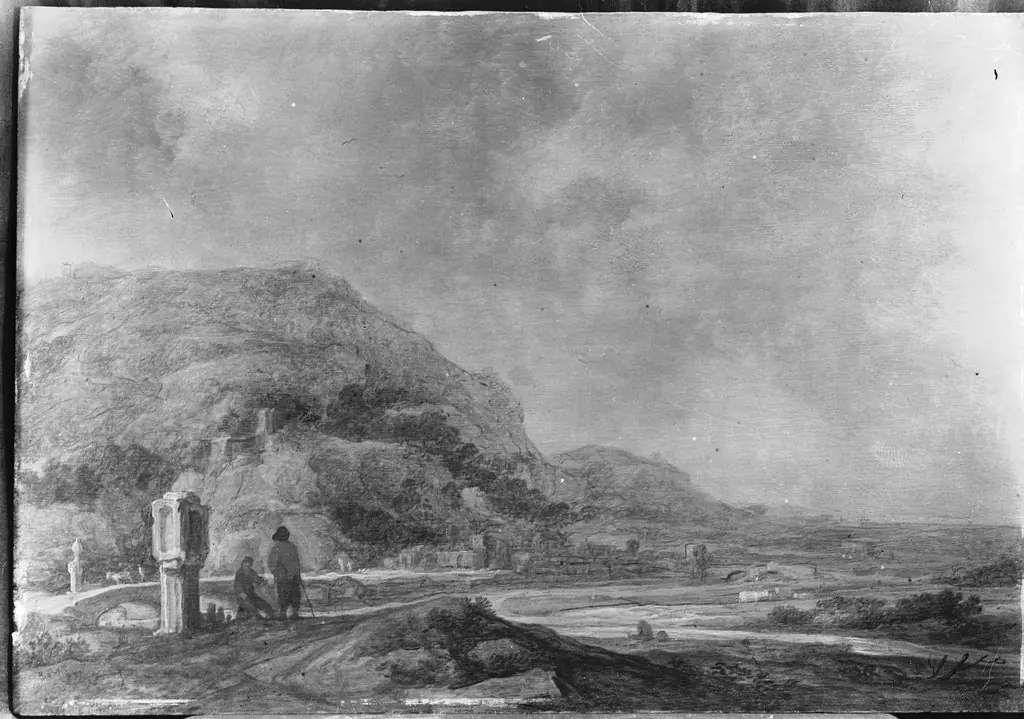
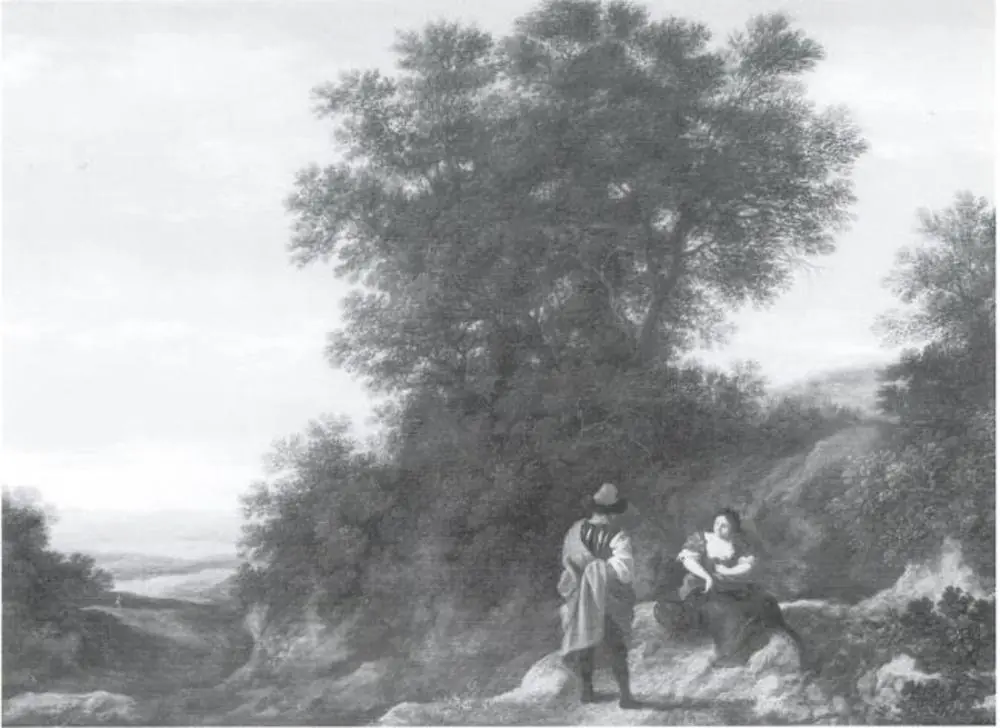
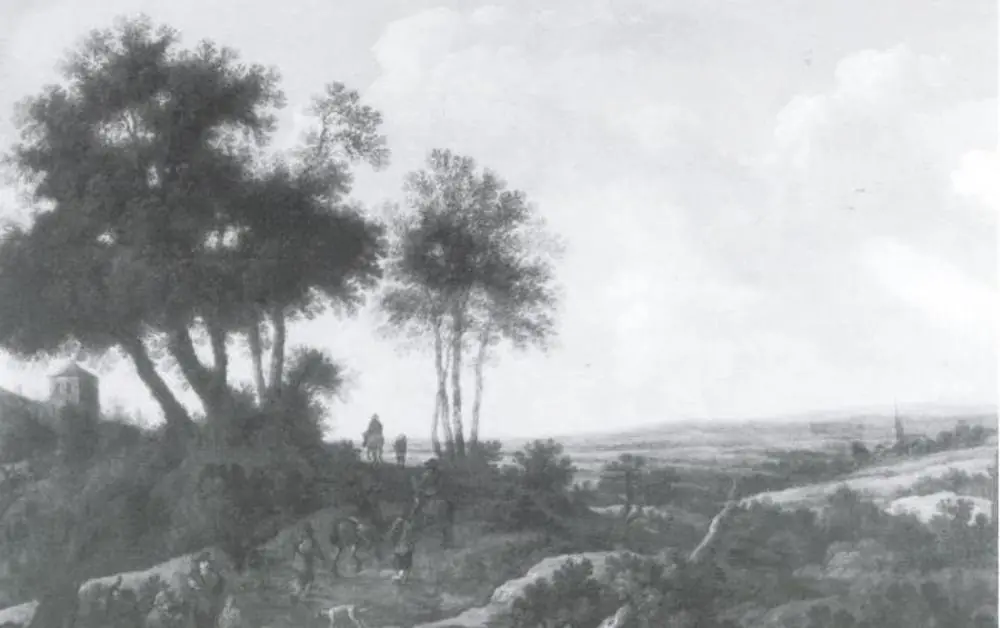
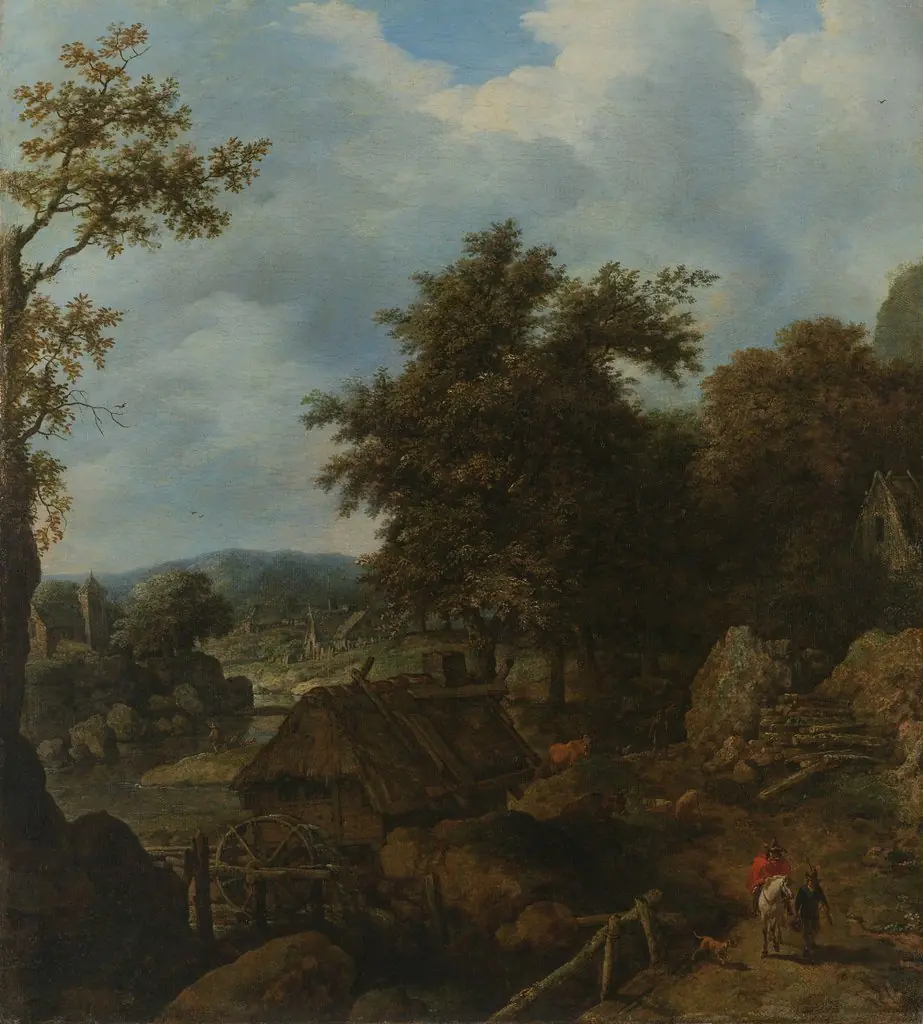
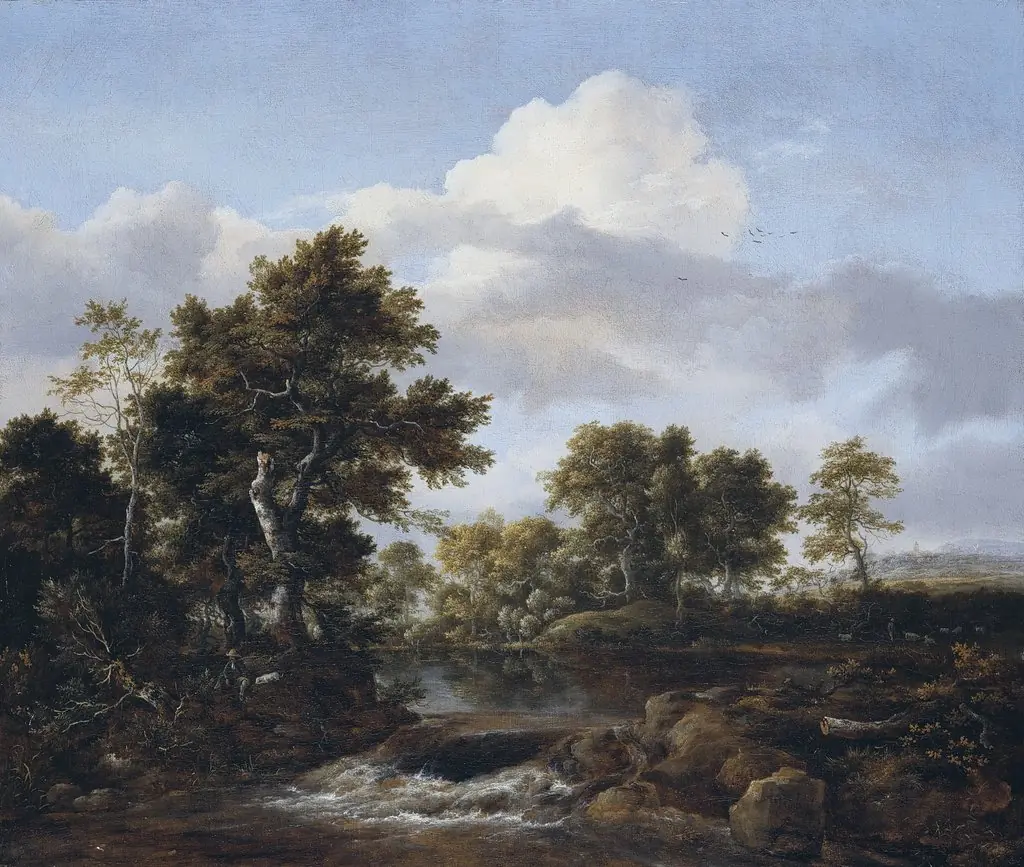
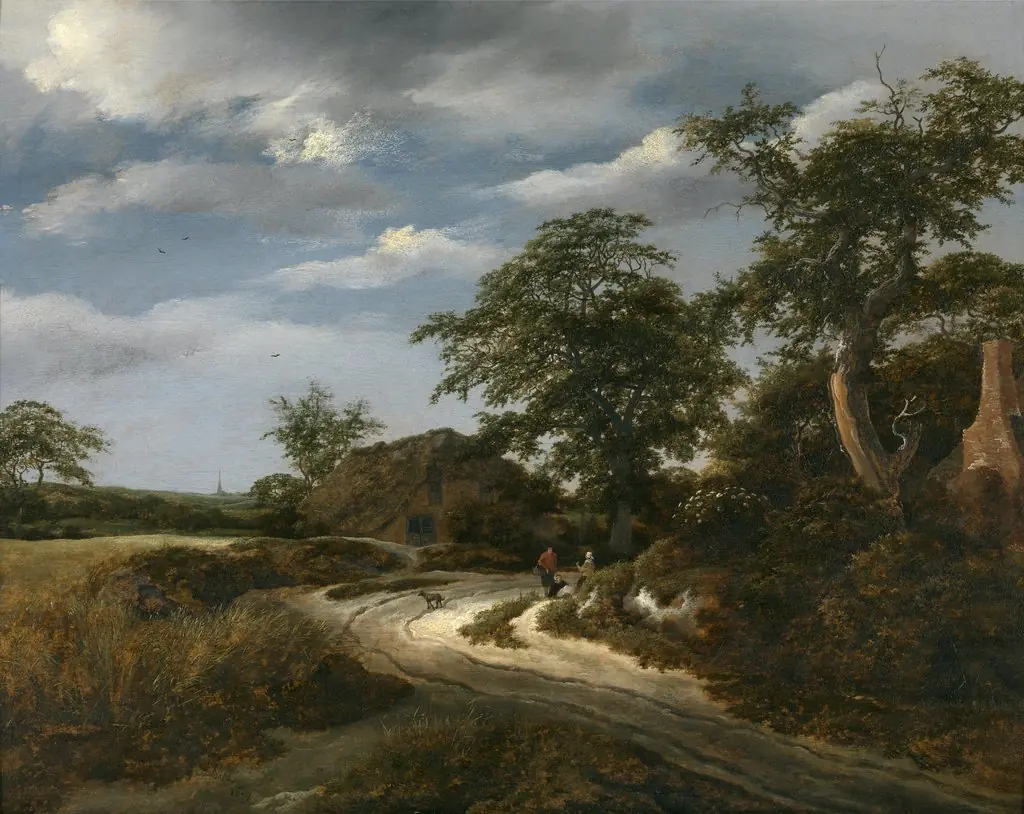
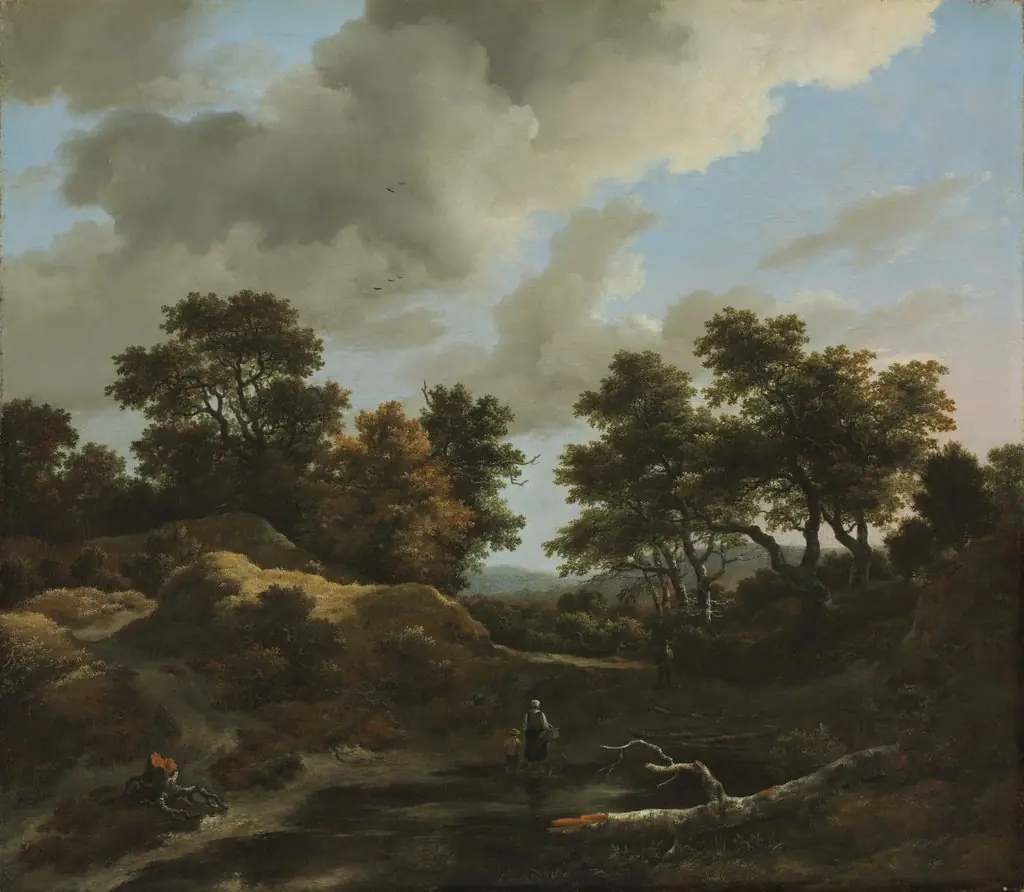
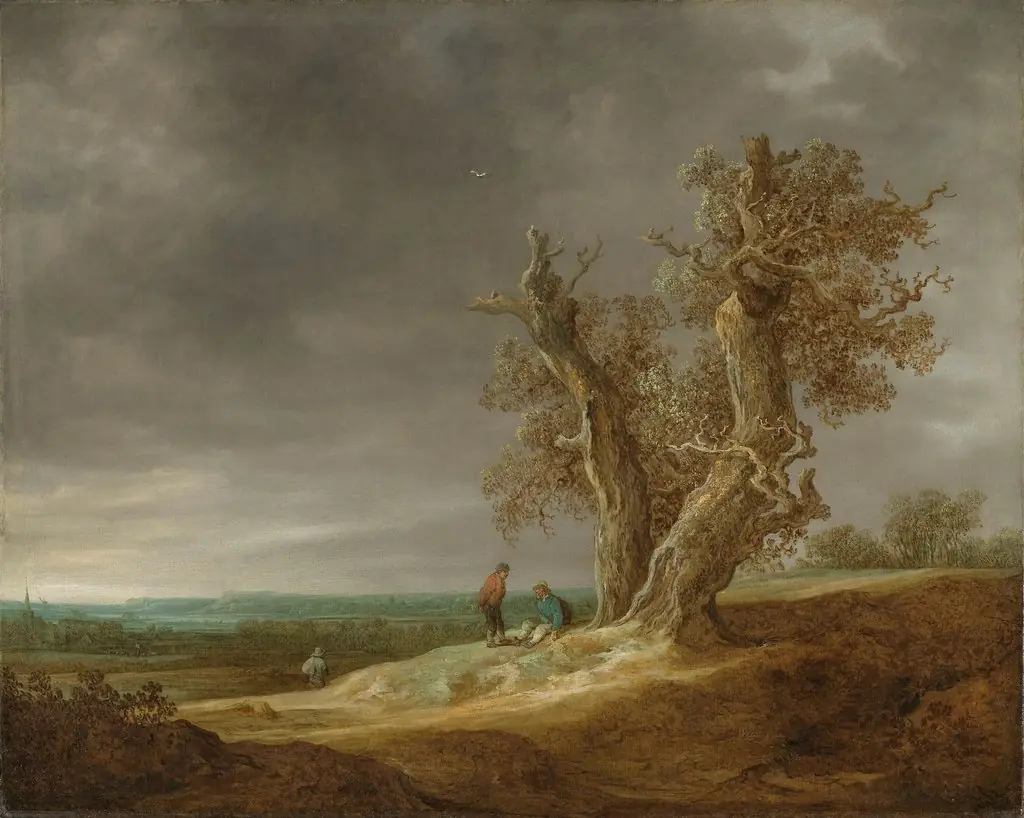
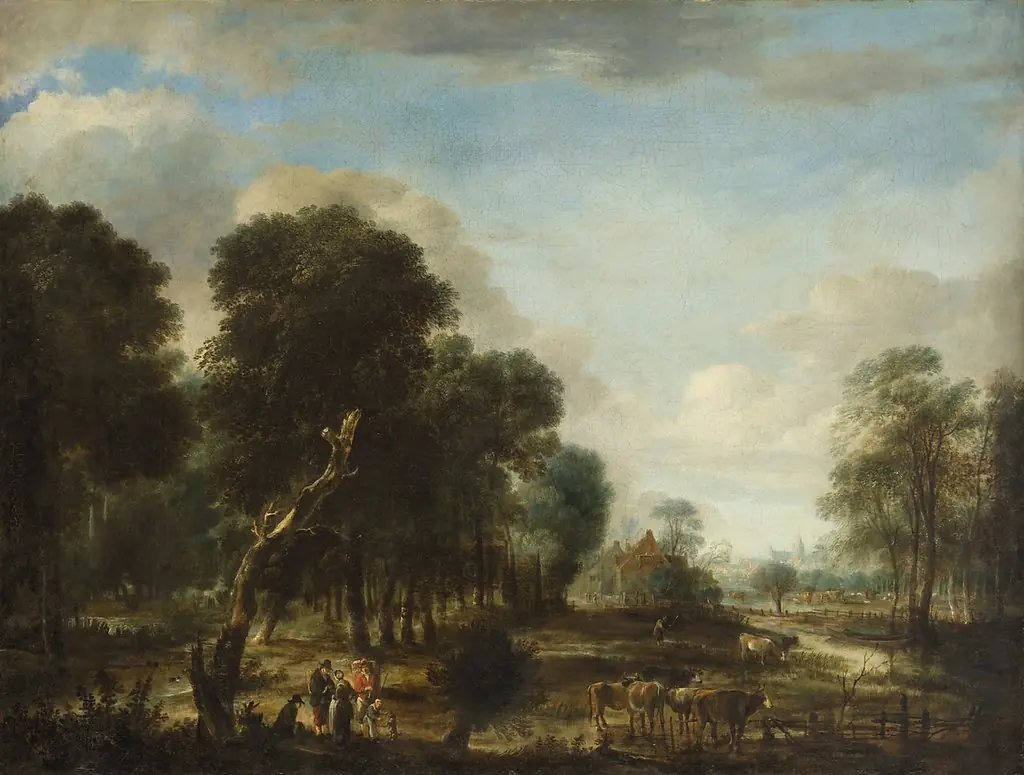
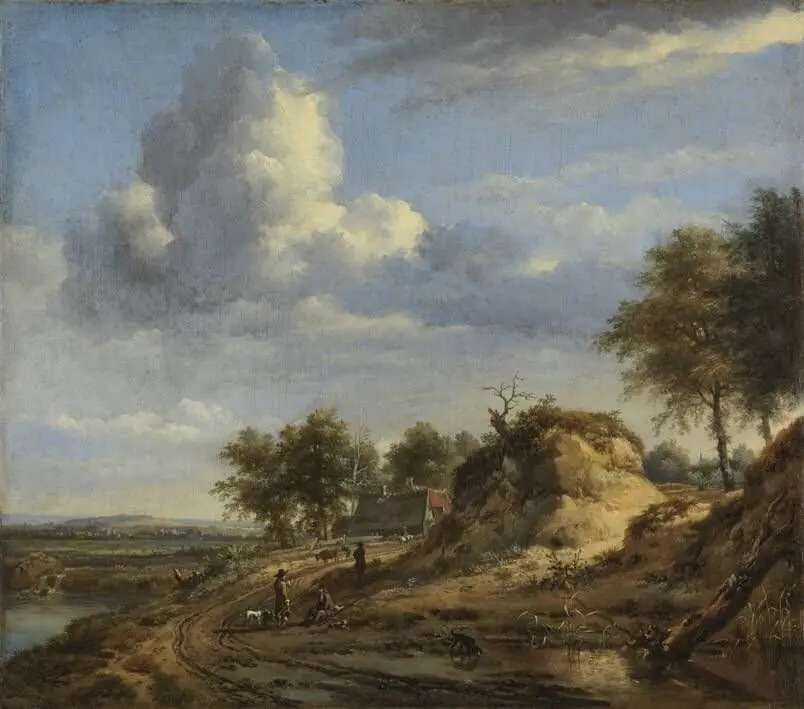
The painting depicts a rolling dune landscape dominated by a solitary large tree on a rise, flanked by scattered shrubs and smaller trees. Birds glide through a pale, cloud-streaked sky, suggesting movement and openness. There is no human presence or narrative; the focus lies in the quiet dignity of the terrain itself. The scene conveys a sense of stillness and endurance, aligning with Dutch landscape ideals that valued harmony with the natural world.
Technique & Style
De Molijn employs a restrained palette of muted greens, browns, and grays, avoiding vivid contrasts to emphasize atmospheric tone. Brushwork is deliberate yet visible, building texture in foliage and earth without excessive detail. The sky is rendered with soft, fluid strokes, allowing clouds to blend naturally into the blue. The composition guides the eye gently across the dunes, reinforcing a sense of calm spatial depth rather than dramatic perspective.
History & Provenance
Created in 1652, the painting entered the collection of the Kunsthistorisches Museum in Vienna, where it remains today. While specific ownership details between its creation and acquisition are not fully documented, its presence in a major European museum suggests early recognition of de Molijn’s reputation. The work’s survival in good condition reflects its continued appreciation among collectors and institutions over centuries.
Context
During the Dutch Golden Age, landscape painting flourished as a distinct genre, valued for its truthful depiction of local terrain. Artists like de Molijn moved away from idealized Italianate views, favoring the flat, windswept dunes and heaths of the Netherlands. His work aligns with contemporaries such as Jacob van Ruisdael and Aelbert Cuyp, contributing to a broader cultural interest in the nation’s own environment as worthy of artistic attention.
Legacy
De Molijn’s *Baumreiche Dünenlandschaft* stands as a representative example of mid-17th-century Dutch landscape painting, emphasizing observation over ornamentation. Though less widely known today than some of his peers, his consistent focus on naturalistic detail and subdued tonality influenced later generations of regional painters. The painting endures as a quiet testament to the aesthetic values of its time: restraint, authenticity, and reverence for the ordinary landscape.
Artist & collection
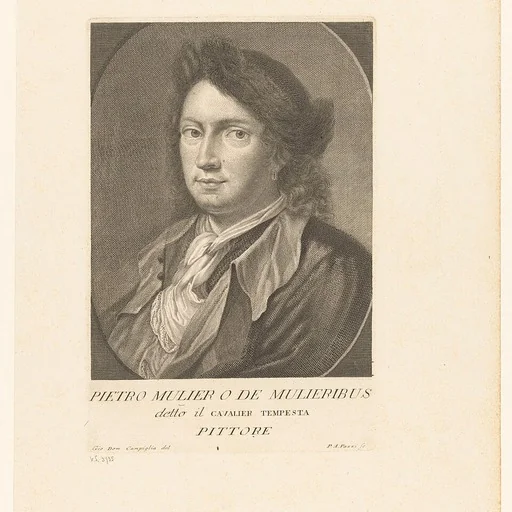
Artist
Pieter de Molijn (6 April 1595 in London – 23 March 1661 in Haarlem) was a Dutch Golden Age painter and engraver of English birth and Flemish descent.