Artwork
Reynard the Fox: Badger Comes to Warn Reynard
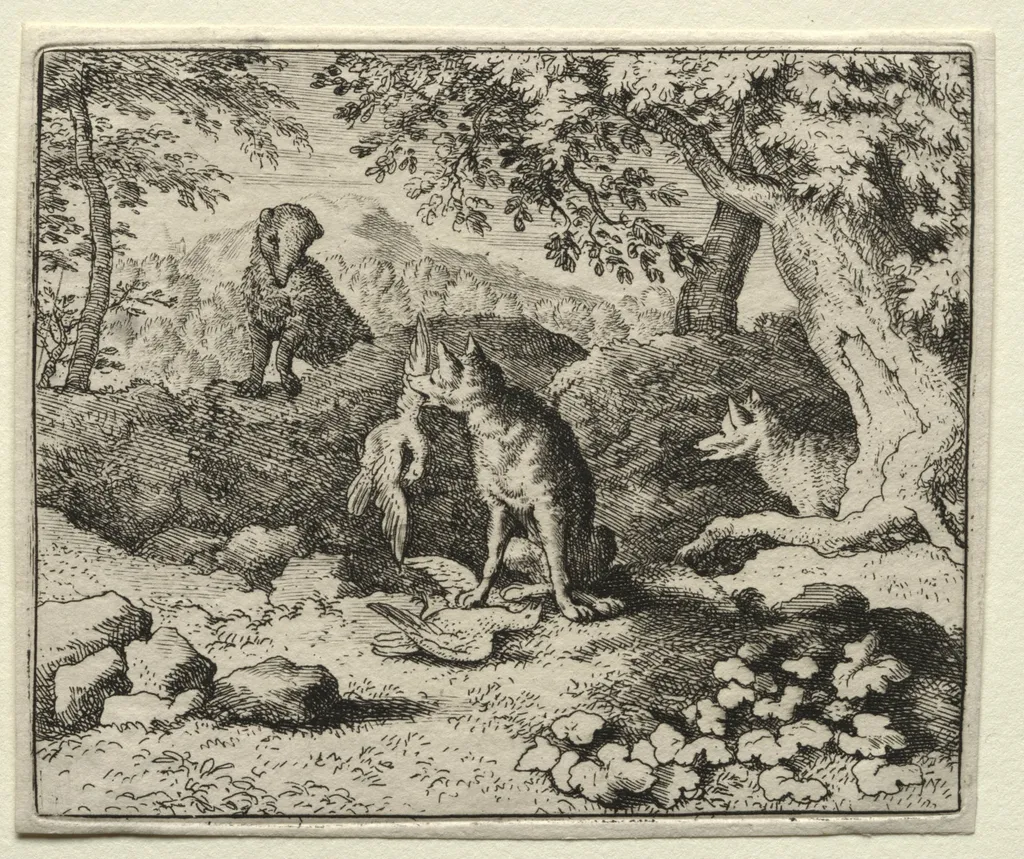
Reynard the Fox: Badger Comes to Warn Reynard is a print by the Baroque artist Allart van Everdingen. It dates from 1662 and is held in the collection of the Cleveland Museum of Art.
About this work
Overview
Though van Everdingen is known for dramatic northern landscapes, here he applies his skill to an intimate, narrative scene set in a quiet Dutch village.
Created in 1662 by Allart van Everdingen, this print illustrates a moment from the medieval Reynard the Fox tales, a cycle of animal fables popular across Europe. Though van Everdingen is known for dramatic northern landscapes, here he applies his skill to an intimate, narrative scene set in a quiet Dutch village. The work is an etching, reflecting the artist’s mastery of printmaking during the Dutch Golden Age, when illustration and storytelling flourished alongside painting.
Subject & Meaning
The scene captures the badger arriving at Reynard’s door to deliver a warning, likely of impending danger from other animals or humans. Reynard, dressed in a red coat, listens intently, his posture suggesting both caution and cunning. The surrounding villagers remain oblivious, emphasizing the fox’s isolation and the secrecy of his world. The moment reflects themes of betrayal, survival, and the tension between appearance and truth central to the Reynard legends.
Technique & Style
Van Everdingen employs chiaroscuro to heighten the drama of the encounter, using stark contrasts between light and shadow to draw attention to the fox and badger. Fine, controlled lines define the architecture of cottages and the texture of snow, while the figures in the background are rendered with minimal detail, enhancing the focus on the central interaction. The print’s precision reflects the technical rigor of Dutch etching traditions of the period.
History & Provenance
The print was produced during a period when van Everdingen was actively exploring narrative subjects beyond his usual wilderness scenes. It was likely part of a series illustrating Reynard tales, though few complete sets survive. The work entered the collection of The Cleveland Museum of Art in the 20th century, where it remains one of the few known impressions of this particular scene from the Reynard cycle rendered in Dutch printmaking.
Context
While Dutch Golden Age artists often depicted domestic interiors and landscapes, van Everdingen stood apart by turning to folkloric and mythic subjects. The Reynard stories, rooted in medieval European satire, retained cultural relevance in the 17th century as allegories of social hypocrisy and survival. This print bridges the gap between traditional fable and contemporary Dutch visual culture, offering a quiet commentary on human behavior through animal characters.
Legacy
Van Everdingen’s interpretation of Reynard the Fox remains a rare example of a Dutch artist engaging deeply with continental animal fables. His use of printmaking to convey narrative complexity influenced later illustrators interested in folklore. Though not widely reproduced in his lifetime, the work endures as a subtle, thoughtful contribution to the visual legacy of Reynard tales in Northern Europe.
Artist & collection
Artist
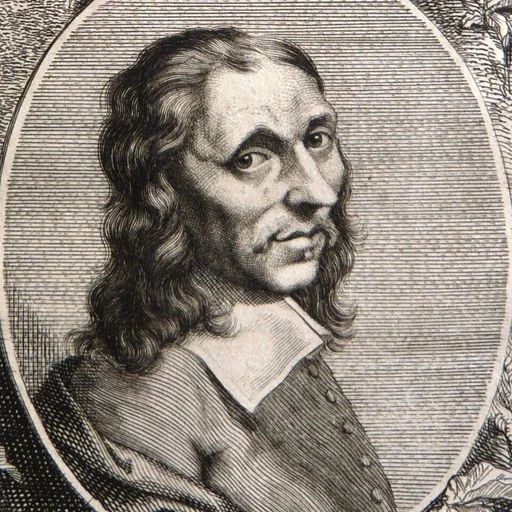
Allaert van Everdingen (Dutch pronunciation: ; bapt. 18 June 1621 – 8 November 1675 (buried)), was a Dutch Golden Age painter and printmaker in etching and mezzotint.


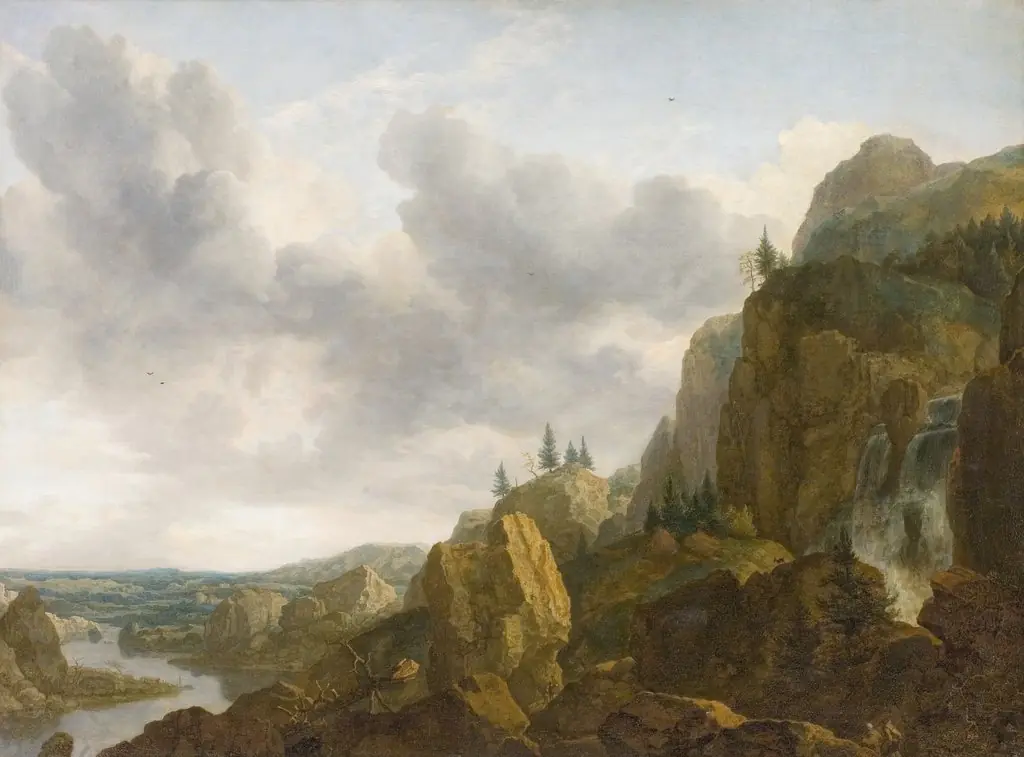
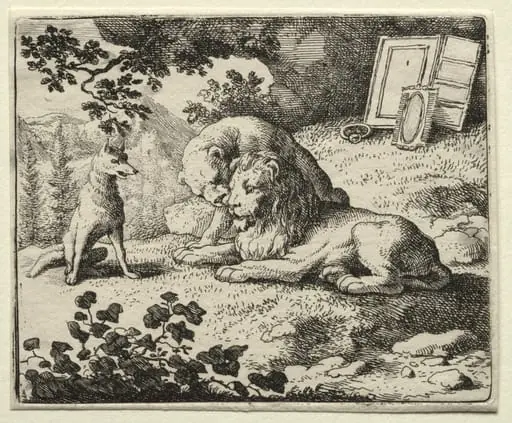 Reynard the Fox: Reynard Promises Gifts to the Lion
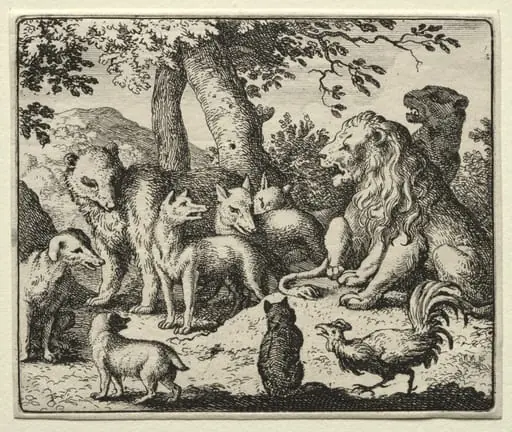 Reynard the Fox: Reynard Exonerates Himself
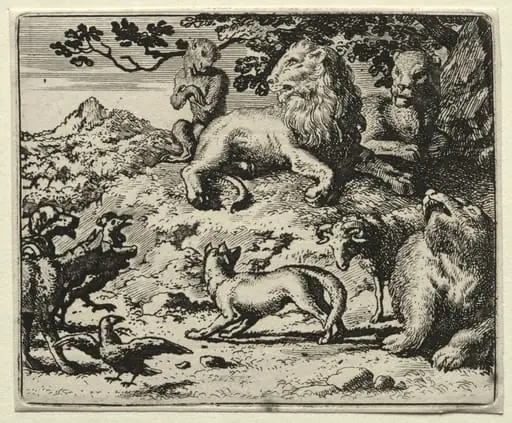 Reynard the Fox: The Animals Complain of Reynard's Pardon
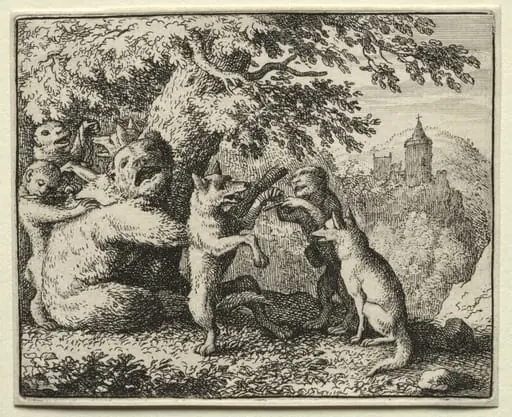 Reynard the Fox: Reynard Equipped for his Pilgrimage
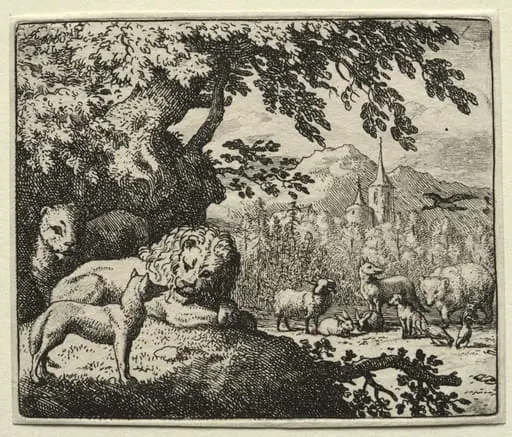 Reynard the Fox: Reynard Continues His Story
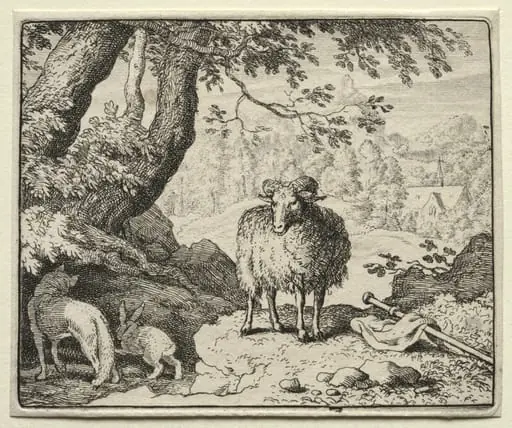 Reynard the Fox: Reynard Returns Home
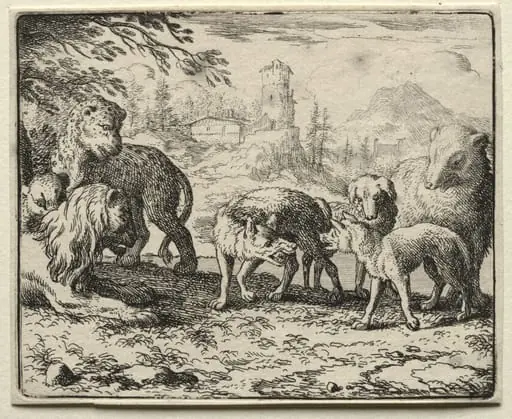 Reynard the Fox: The Condemnation of Reynard