Artwork
Reynard the Fox: Further False Testimony from Reynard
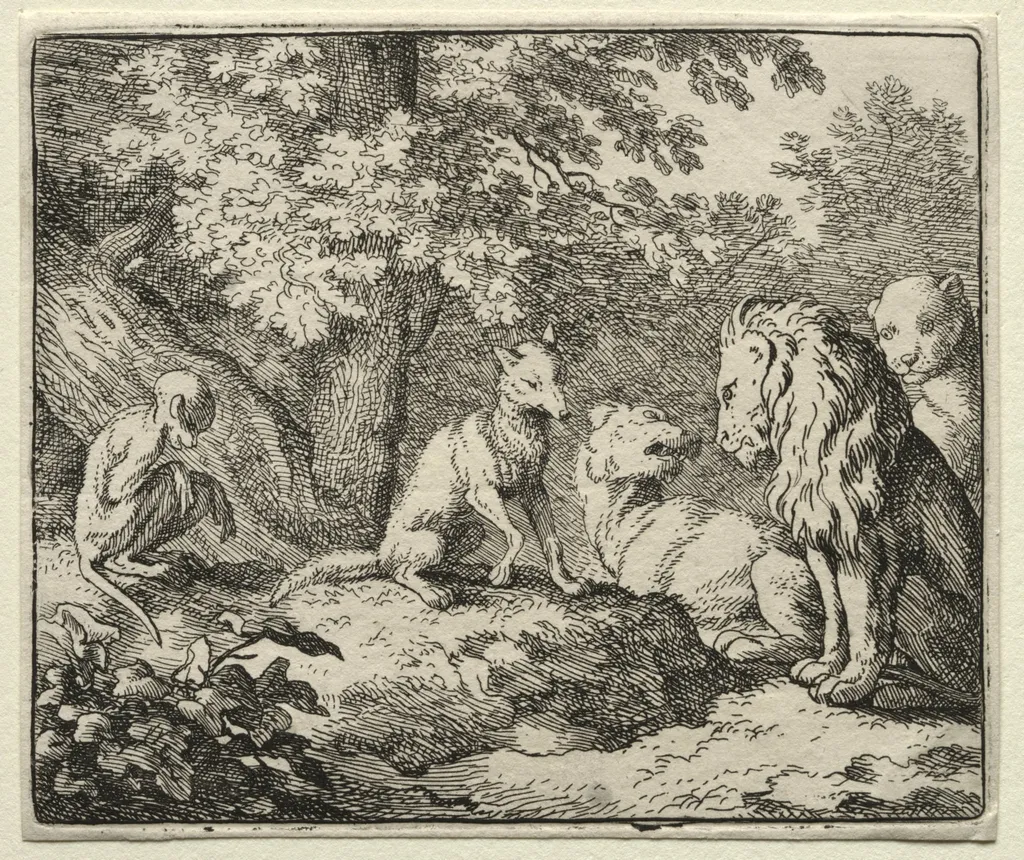
Reynard the Fox: Further False Testimony from Reynard is a print by the Baroque artist Allart van Everdingen. It dates from 1662 and is held in the collection of the Cleveland Museum of Art.
About this work
Overview
Allart van Everdingen’s 1662 print, *Reynard the Fox: Further False Testimony from Reynard*, belongs to a series that visualises episodes from the medieval Reynard the Fox fables. Executed as an engraving, the work captures a moment in which the cunning fox addresses a gathering of forest animals, illustrating the narrative’s moral themes.
Subject & Meaning
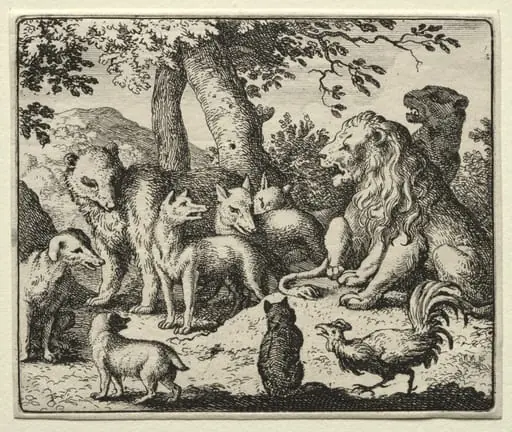
The composition shows the fox standing upright, gesturing with its forepaws and speaking to a lion, a monkey, a dog and other creatures. The animal audience listens attentively, underscoring the fox’s role as a persuasive deceiver—a common allegorical device used to comment on human folly and the perils of false testimony.
Technique & Style
Van Everdingen employs a pronounced chiaroscuro, contrasting deep shadows with illuminated forms to give the figures a three‑dimensional presence. The engraving’s fine line work and tonal gradations reflect Baroque sensibilities, emphasizing drama, movement, and the psychological tension between the speaker and its listeners.
History & Provenance
Created during the Dutch Golden Age, the print was part of a broader Northern European fascination with Reynard narratives. It entered the collection of the Cleveland Museum of Art, where it remains a representative example of 17th‑century narrative printmaking.
Own this work as a print
Artist & collection
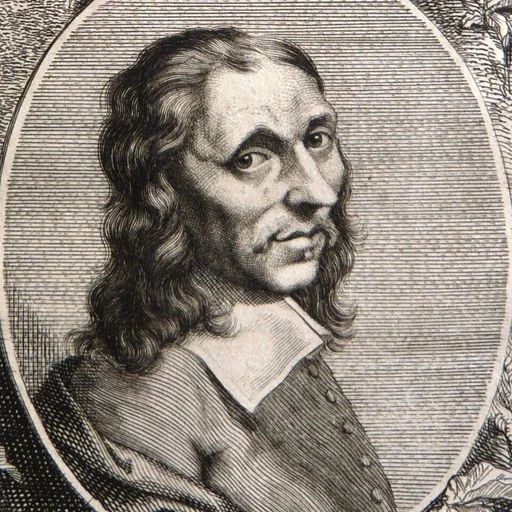
Artist
Allaert van Everdingen (Dutch pronunciation: ; bapt. 18 June 1621 – 8 November 1675 (buried)), was a Dutch Golden Age painter and printmaker in etching and mezzotint.







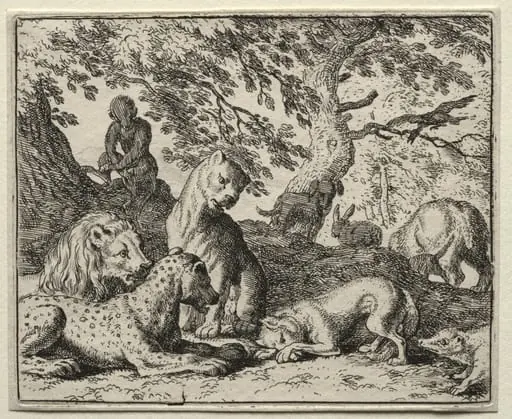 Reynard the Fox: Reynard Describes a False Plot Against the Lion
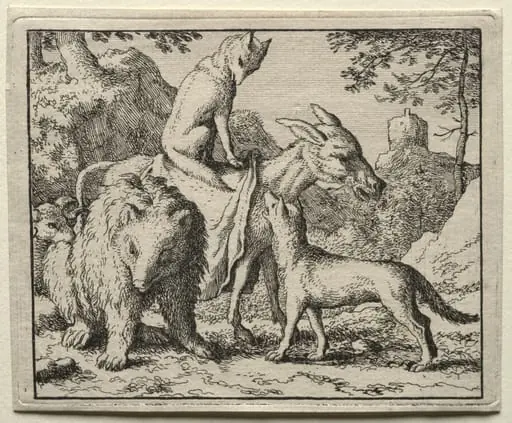 Reynard the Fox: Reynard and his Companions
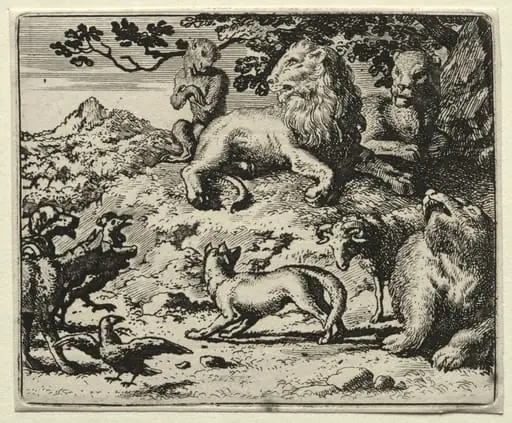 Reynard the Fox: The Animals Complain of Reynard's Pardon
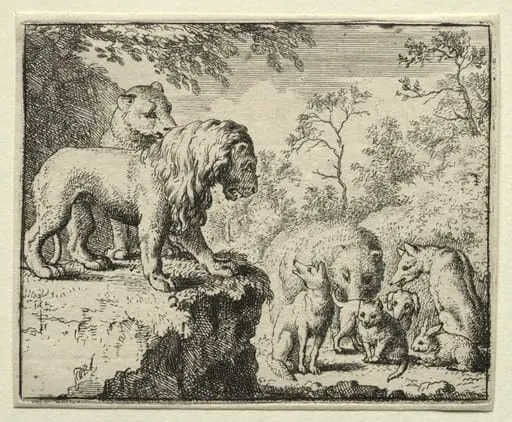 Reynard the Fox: The Pardon of Reynard
 Reynard the Fox: Reynard Exonerates Himself
 Reynard the Fox: Reynard Appears at Court
 Reynard the Fox: Reynard Tells of Hidden Treasure
 Reynard the Fox
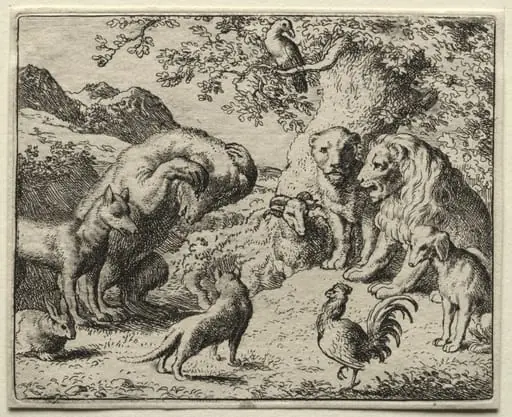 Reynard the Fox: The Complaint of the Bear
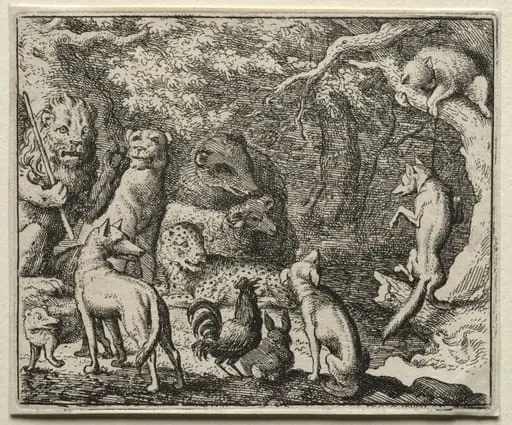 Reynard the Fox: Reynard Asks Permission to Confess
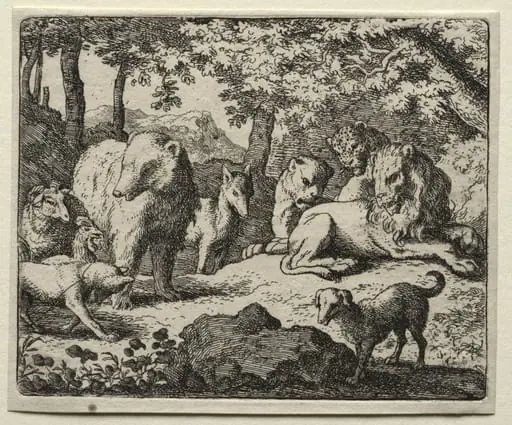 Reynard the Fox: The Suspension of the Sentence
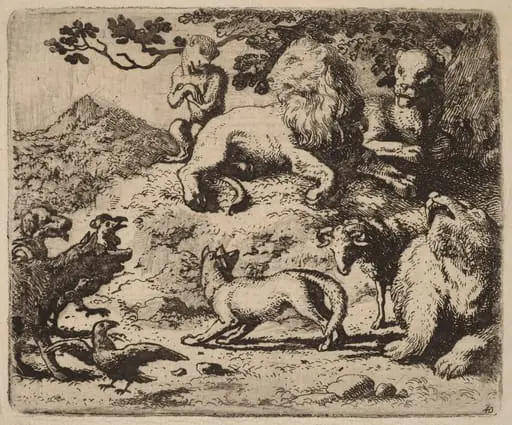 Reynard's Enemies are Dismayed