Artwork
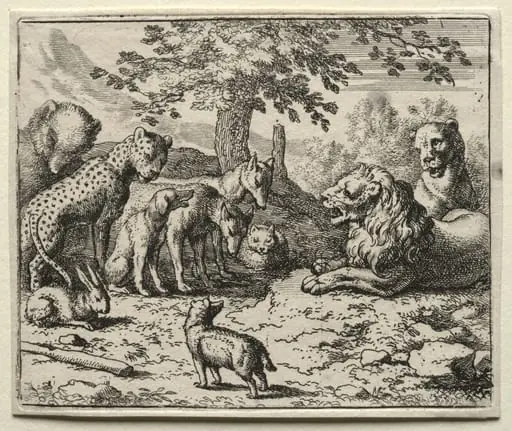
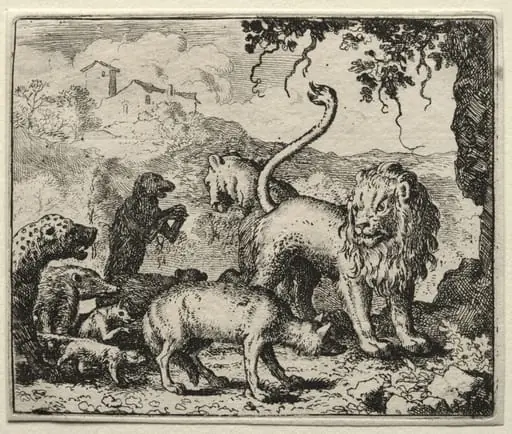
Reynard the Fox: Lion Orders Search for Reynard
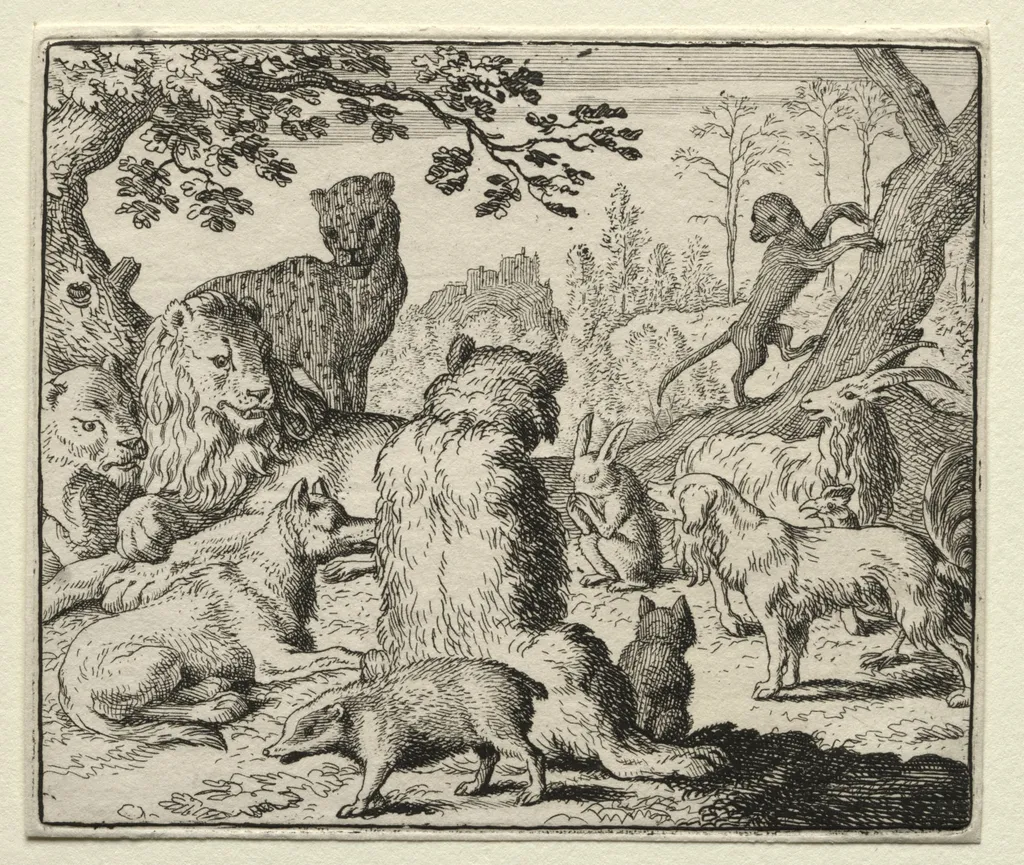
Reynard the Fox: Lion Orders Search for Reynard is a print by the Baroque artist Allart van Everdingen. It dates from 1662 and is held in the collection of the Cleveland Museum of Art.
About this work
Overview
The work reflects the Dutch Golden Age’s interest in secular storytelling and animal allegory, blending naturalism with symbolic narrative.
Created in 1662 by Dutch artist Allart van Everdingen, this etching illustrates a moment from the medieval Reynard the Fox cycle. Van Everdingen, known for his landscape prints and detailed engravings, translated a popular folk narrative into a dynamic visual scene. The work reflects the Dutch Golden Age’s interest in secular storytelling and animal allegory, blending naturalism with symbolic narrative.
Subject & Meaning
The scene captures the lion, ruler of the animal kingdom, commanding his subjects to track down Reynard, the elusive fox. The animals respond with varied expressions of urgency and confusion, while Reynard, partially hidden in a tree, embodies cunning evasion. The imagery draws on centuries-old European fables that used animal behavior to critique human politics, power, and deceit.
Technique & Style
Van Everdingen employed etching to achieve fine linear detail and tonal contrast, characteristic of his printmaking practice. The composition is densely packed with figures and foliage, creating a sense of motion through directional glances and overlapping forms. The Baroque influence is evident in the dramatic tension and theatrical arrangement, though the style remains restrained compared to continental counterparts.
History & Provenance
The print was produced during Van Everdingen’s mature period, following his travels to Scandinavia and his growing reputation for landscape and narrative prints. While specific early ownership records are sparse, the work entered institutional collections in the 19th century, where it was recognized for its role in illustrating popular medieval literature through print culture.
Context
In 17th-century Netherlands, Reynard tales were widely circulated in printed chapbooks and theatrical performances. Van Everdingen’s etching reflects a broader cultural fascination with allegorical animal stories, which offered subtle commentary on authority and social hierarchy. The print’s production coincided with a surge in illustrated books and broadsheets aimed at literate urban audiences.
Legacy
This print contributed to the preservation and visual codification of Reynard’s legend in Northern European art. Though less celebrated than Van Everdingen’s landscapes, the work remains a significant example of how folk narratives were adapted into fine art prints. It continues to be studied for its narrative clarity and its place in the intersection of print media and oral tradition.
Artist & collection
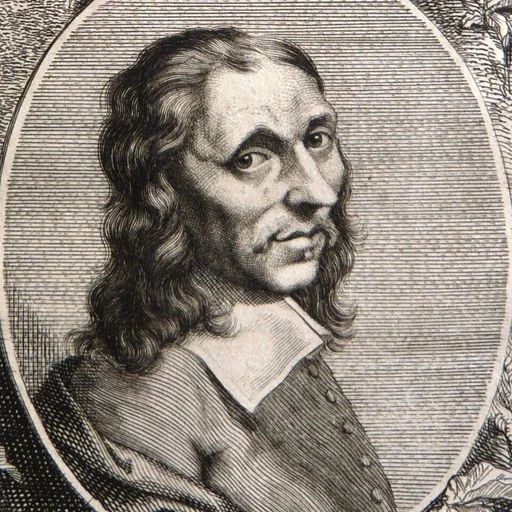
Artist
Allaert van Everdingen (Dutch pronunciation: ; bapt. 18 June 1621 – 8 November 1675 (buried)), was a Dutch Golden Age painter and printmaker in etching and mezzotint.

 Reynard the Fox: The Lion's Council
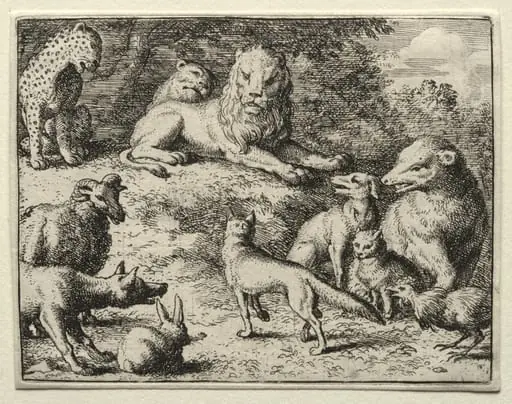 Reynard the Fox: Reynard Appears at Court
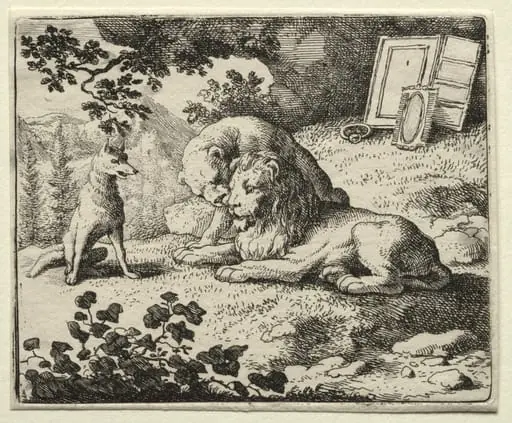 Reynard the Fox: Reynard Promises Gifts to the Lion
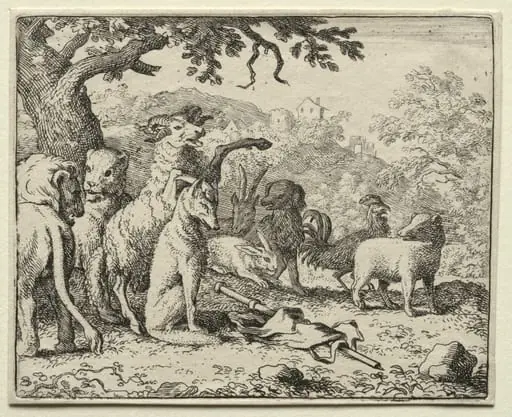 Reynard the Fox: The Benediction Given to Reynard
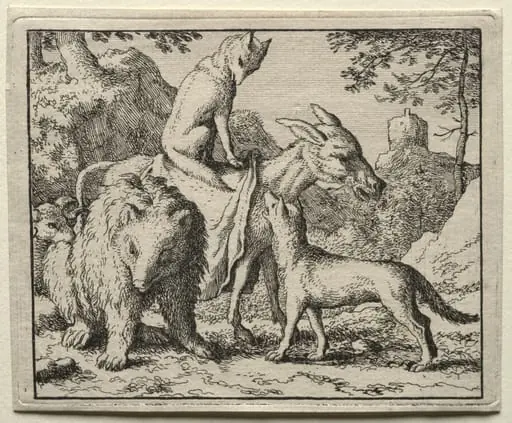 Reynard the Fox: Reynard and his Companions
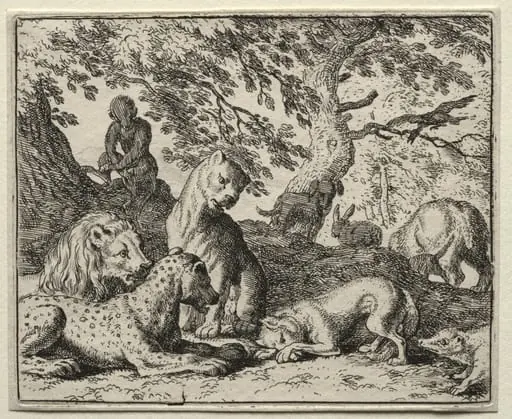 Reynard the Fox: Reynard Describes a False Plot Against the Lion
 Reynard the Fox: First Complaint of the Wolf