Artwork
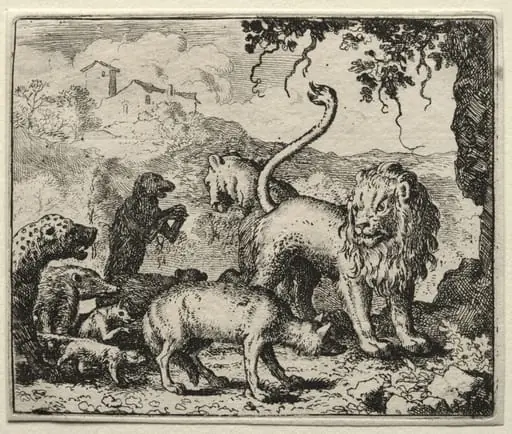
Reynard the Fox: The Arrival of the Packet
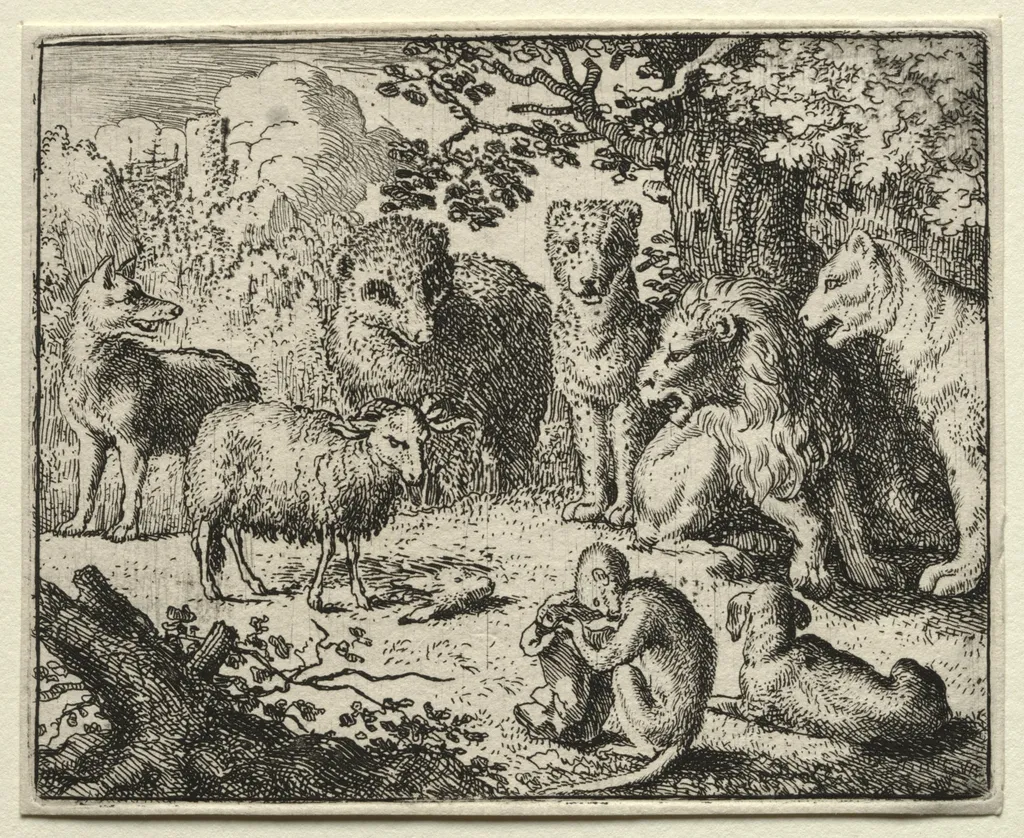
Reynard the Fox: The Arrival of the Packet is a print by the Baroque artist Allart van Everdingen. It dates from 1662 and is held in the collection of the Cleveland Museum of Art.
About this work
Overview
Created in 1662 by Dutch artist Allart van Everdingen, this etching is one of a series illustrating the medieval Reynard the Fox tales.
Created in 1662 by Dutch artist Allart van Everdingen, this etching is one of a series illustrating the medieval Reynard the Fox tales. Van Everdingen, known for his landscape prints and expressive line work, used etching to capture the chaotic energy of the fable. The scene depicts Reynard’s arrival by ship, a moment of disruption in a forest setting. The work resides in the Cleveland Museum of Art’s print collection, where it exemplifies 17th-century Dutch narrative printmaking.
Subject & Meaning
The print illustrates a key episode from the Reynard cycle, in which the cunning fox arrives by boat, triggering disorder among woodland creatures and humans. Reynard, positioned centrally, is alert and calculating, while surrounding figures—ram, bear, and small human forms—appear disoriented. The scene reflects the trickster’s role in medieval allegory: a disruptor of social order, whose arrival signals impending chaos and moral ambiguity.
Technique & Style
Van Everdingen employed fine, incised lines typical of etching to render dense foliage and textured animal forms. The composition is tightly packed, with twisting tree branches and overlapping figures creating visual tension. Shading is achieved through cross-hatching, enhancing the sense of depth and movement. The style blends naturalistic detail with expressive distortion, emphasizing emotional chaos over idealized form.
History & Provenance
The print was produced in the Netherlands during the height of the Dutch Golden Age, a period rich in narrative printmaking. Van Everdingen’s Reynard series was likely circulated among collectors interested in folk tales and moral allegories. The work entered the Cleveland Museum of Art’s collection in the 20th century, where it remains part of a broader holding of European prints from the 1600s.
Context
Reynard the Fox stories, originating in medieval Europe, were widely known in the Low Countries through illustrated manuscripts and broadsheets. Van Everdingen’s etchings responded to this popular tradition, translating oral and literary tales into visual form. His choice of subject reflects a broader Dutch interest in fable, satire, and the human-animal boundary during a time of social and economic transformation.
Legacy
Van Everdingen’s Reynard series contributed to the persistence of folk narratives in early modern visual culture. While not widely reproduced today, the prints remain significant for their fusion of landscape, allegory, and narrative detail. They offer insight into how medieval tales were adapted for early modern audiences, preserving the trickster’s enduring role as a symbol of subversion and wit.
Own this work as a print
Artist & collection
Artist
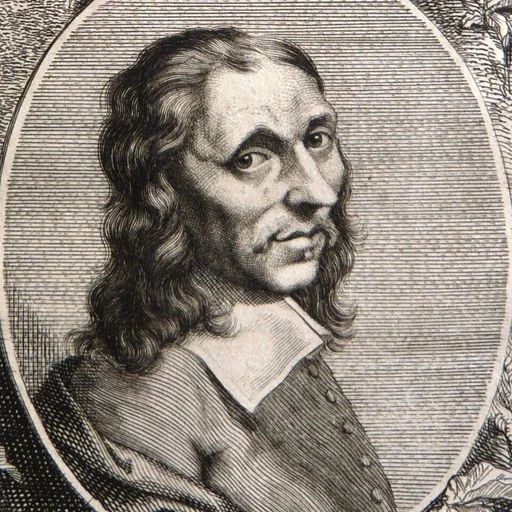
Allaert van Everdingen (Dutch pronunciation: ; bapt. 18 June 1621 – 8 November 1675 (buried)), was a Dutch Golden Age painter and printmaker in etching and mezzotint.

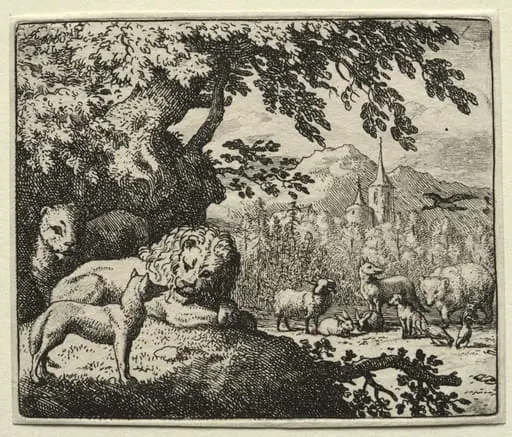 Reynard the Fox: Reynard Continues His Story
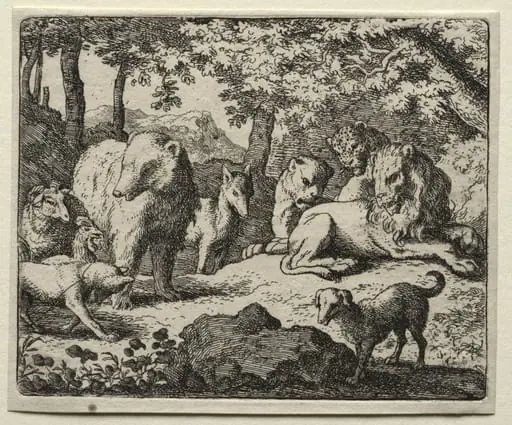 Reynard the Fox: The Suspension of the Sentence
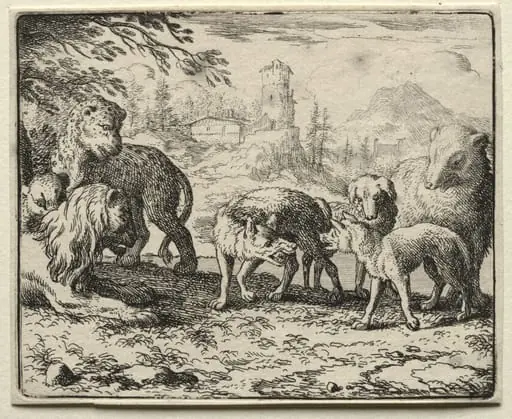 Reynard the Fox: The Condemnation of Reynard
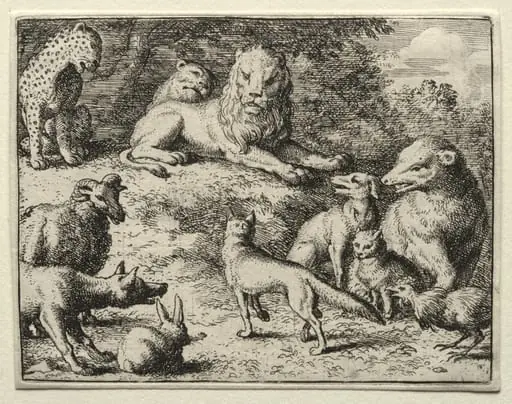 Reynard the Fox: Reynard Appears at Court
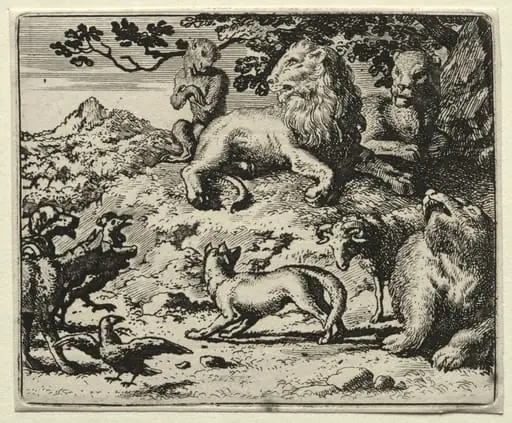 Reynard the Fox: The Animals Complain of Reynard's Pardon
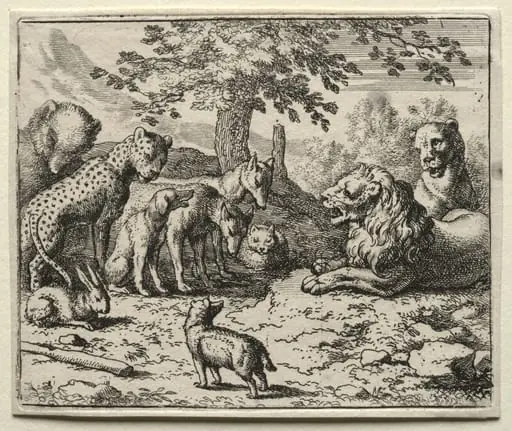 Reynard the Fox: The Lion's Council
 Reynard the Fox: First Complaint of the Wolf