Artwork
Grotesque Masks: Mask 13, Book I
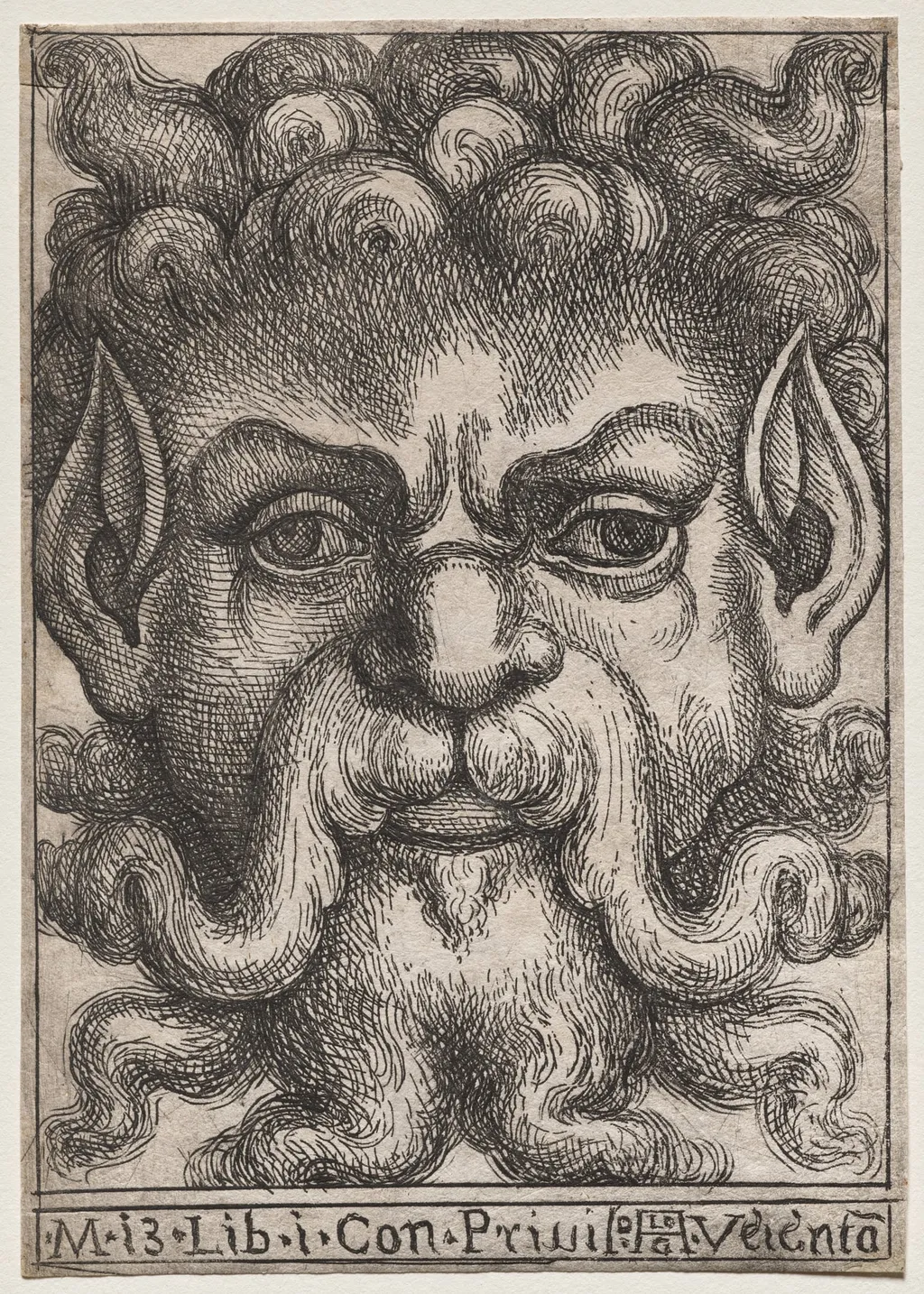
Grotesque Masks: Mask 13, Book I is a print by the Baroque artist Aloisio Giovannoli. It dates from 1610 and is held in the collection of the Cleveland Museum of Art.
About this work
Overview
Grotesque Masks: Mask 13, Book I is a printed image from a series produced around 1610 by the Italian artist Aloisio Giovannoli.
Grotesque Masks: Mask 13, Book I is a printed image from a series produced around 1610 by the Italian artist Aloisio Giovannoli. Part of a small collection of fantastical facial studies, it was intended for inclusion in a printed book. The work exemplifies the early 17th-century fascination with distorted human forms, rendered through bold, expressive linework. It is now held in the collection of The Cleveland Museum of Art.
Subject & Meaning
The print depicts a singular, exaggerated face with wide, unblinking eyes and a faint, ambiguous smile. Surrounding the head are dense, sinuous forms resembling tangled hair or creeping vines, suggesting organic growth or inner turmoil. These features evoke psychological unease rather than mere caricature, hinting at themes of identity, madness, or the uncanny within human expression.
Technique & Style
Giovannoli employed thick, fluid black lines to define the mask’s contours and surrounding tendrils, creating a sense of movement and tension. The absence of tone or shading emphasizes the graphic quality of the drawing, aligning with printmaking conventions of the period. The style blends Mannerist distortion with emerging Baroque dynamism, prioritizing emotional intensity over naturalistic detail.
History & Provenance
The print originates from a series titled Grotesque Masks, published as part of a printed volume around 1610. While Giovannoli’s broader career remains poorly documented, this series reflects a trend among Italian artists to explore fantastical and grotesque imagery for private or scholarly audiences. The work entered The Cleveland Museum of Art’s collection through established acquisition channels in the 20th century.
Context
In early 17th-century Italy, grotesque imagery—inspired by ancient Roman wall decorations—resurged as a vehicle for artistic experimentation. Artists used distorted faces to probe human psychology and challenge classical ideals. Giovannoli’s series fits within this context, paralleling contemporaneous works by artists like Agostino Carracci and the broader Baroque interest in emotional expression and theatricality.
Legacy
Though Giovannoli’s name is not widely remembered, his Grotesque Masks series contributed to a visual language that influenced later generations of printmakers and illustrators. The series helped sustain interest in the grotesque as a legitimate artistic mode, bridging Renaissance curiosity with Baroque expressiveness and prefiguring 18th-century satirical and fantastical traditions in graphic art.
Artist & collection
Artist
Aloisio Giovannoli (1550–1618) was an Italian artist, born in Civita Castellana.

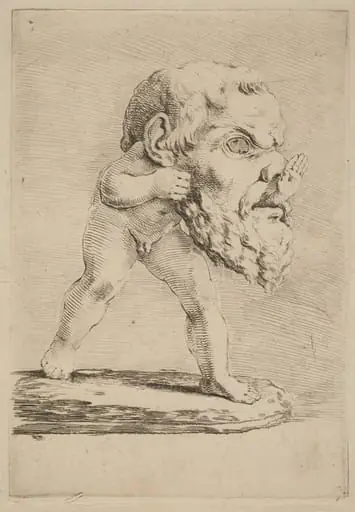 Child Wearing a Mask
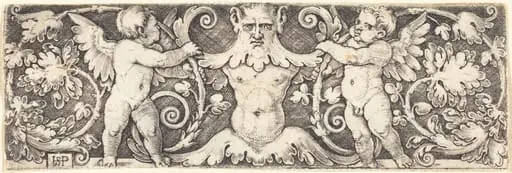 Ornament with Male Half Figure Between Two Genii
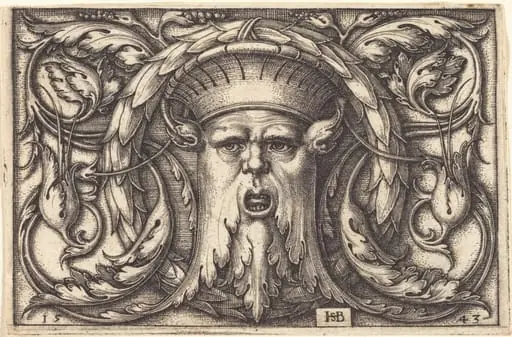 Ornament Panel with a Large Bearded Mask
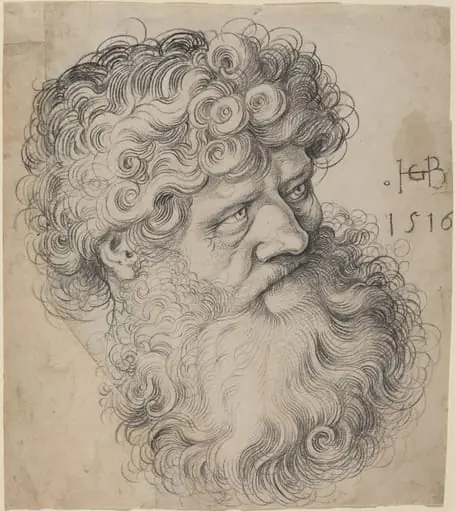 Head of Saint John the Baptist
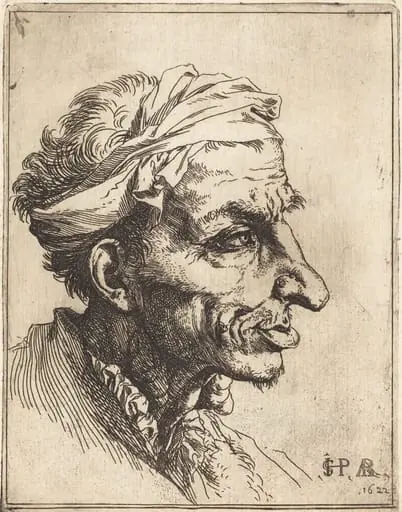 Small Grotesque Head
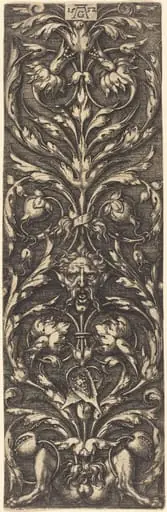 Ornament
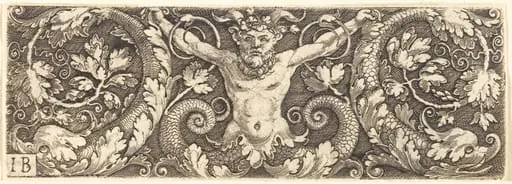 Ornament with Fantastic Satyr and Dolphins
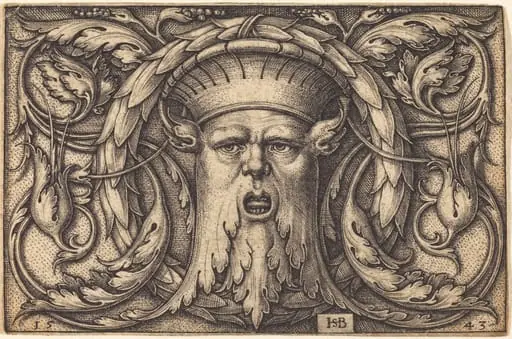 Ornament Panel with a Large Bearded Mask
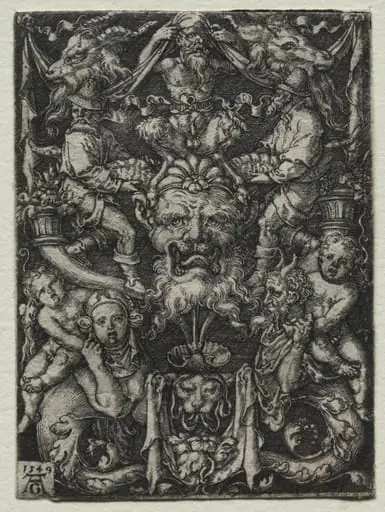 Ornament Design with a Mask, A Couple of Tritons, and Two Children Below
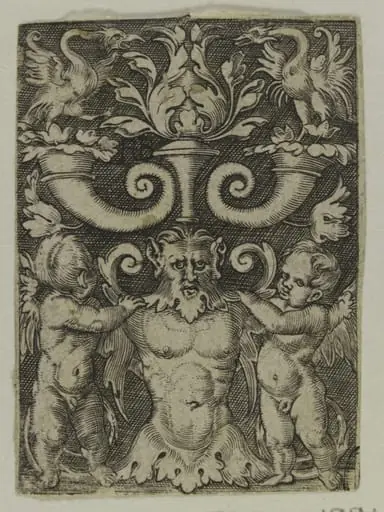 Untitled
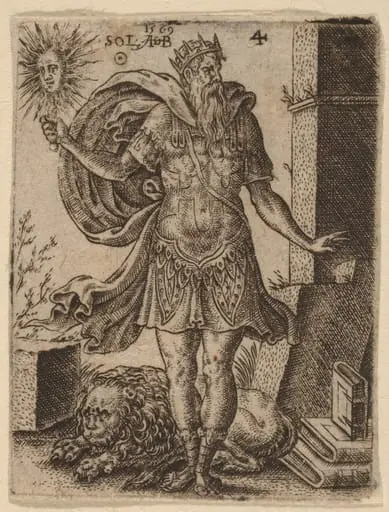 Sun
Sun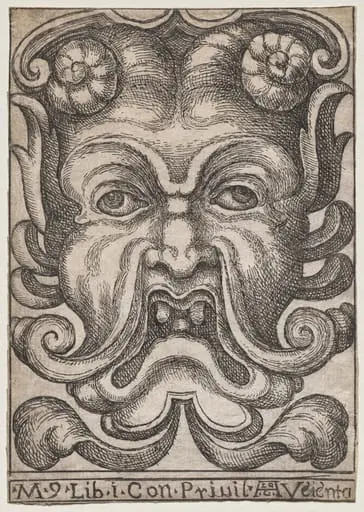 Grotesque Masks: Mask 9, Book I