Artwork
Sun
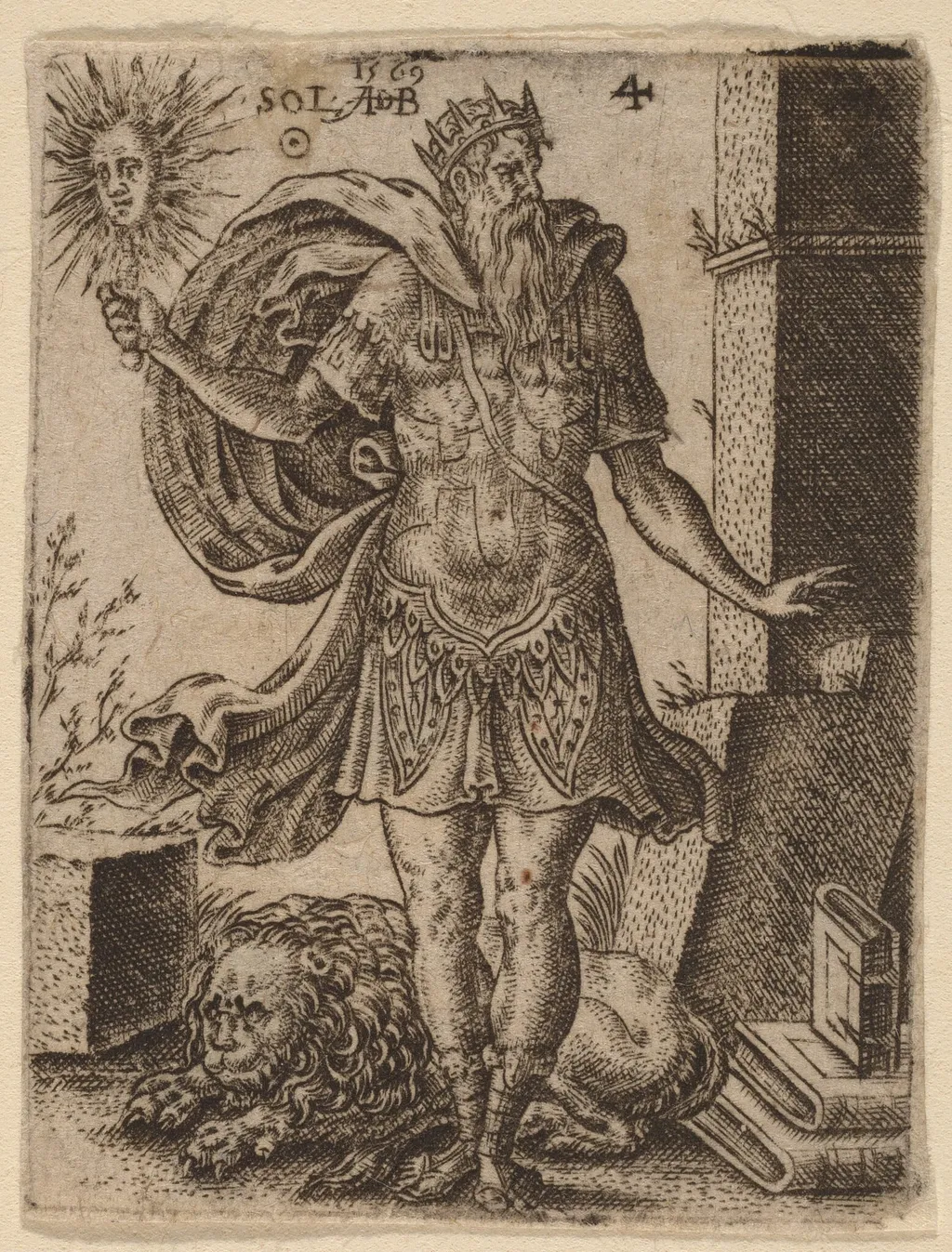
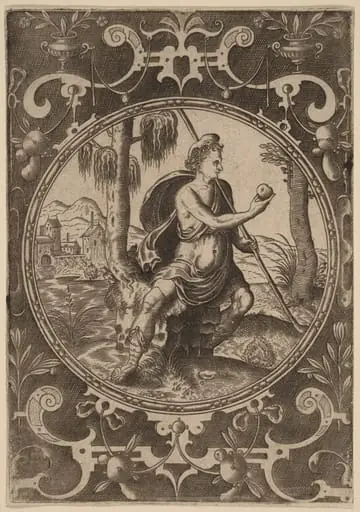
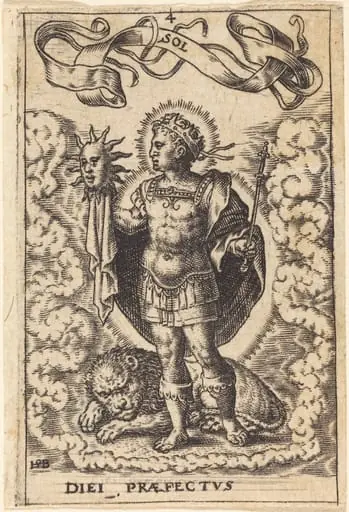
Sun is an ink print by the Renaissance artist Abraham de Bruyn. It dates from 1569 and is held in the collection of the National Gallery of Art.
About this work
Etchings use acid to bite lines into metal, but this one feels more like scratchy drypoint.
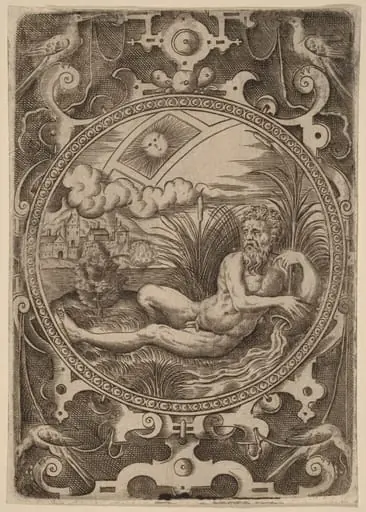
This etching shows a bright sun with short, spiky rays against a plain background. It’s small, just a few inches wide, but the sun looks bold and sharp. The lines are rough in places, almost like scratches.
De Bruyn made this in 1569, early for printmaking. Etchings use acid to bite lines into metal, but this one feels more like scratchy drypoint. The paper is old, laid with thin threads you can almost see.
Try looking up Rembrandt’s etchings next.
Overview
The print 'Sun' is a work by Abraham de Bruyn, created in 1569 using etching and engraving techniques on laid paper.
Subject & Meaning
The image depicts a bright sun with short, spiky rays set against a plain background, conveying a sense of boldness and sharpness despite its small size.
Technique & Style
The print's lines are characterized by a rough, scratchy quality, reminiscent of drypoint technique, although it was created using etching and engraving methods.
History & Provenance
Dating to 1569, 'Sun' is an early example of printmaking, a technique that would later be explored by other notable artists.
Artist & collection