Artwork
Landscape in Drenthe
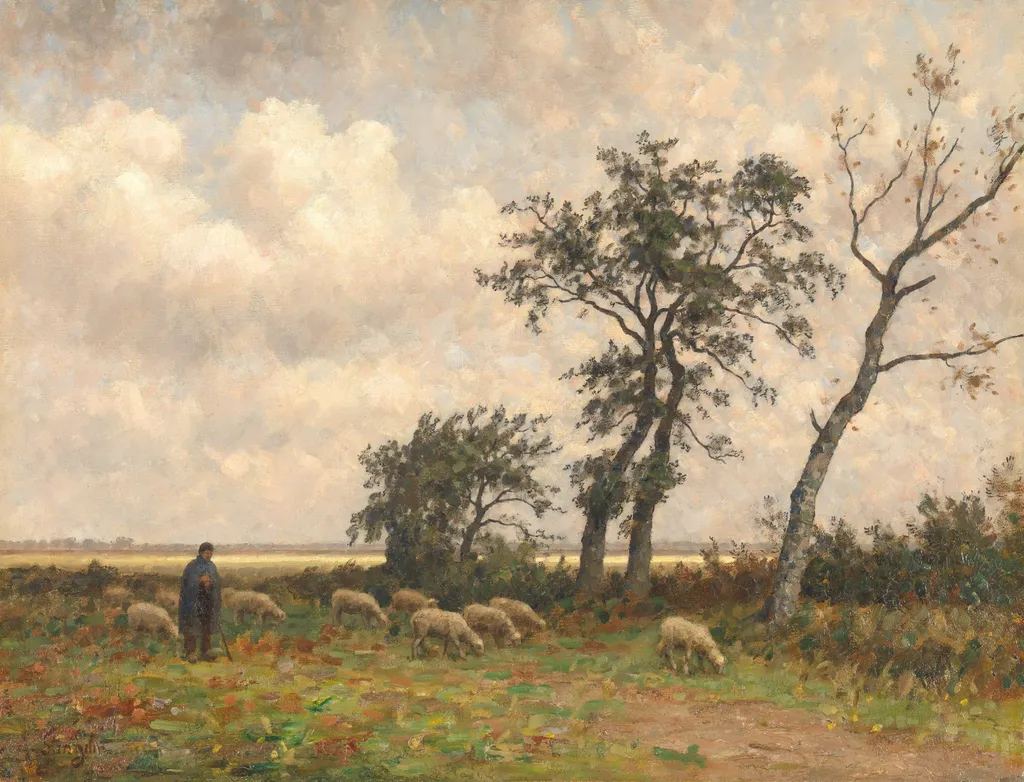
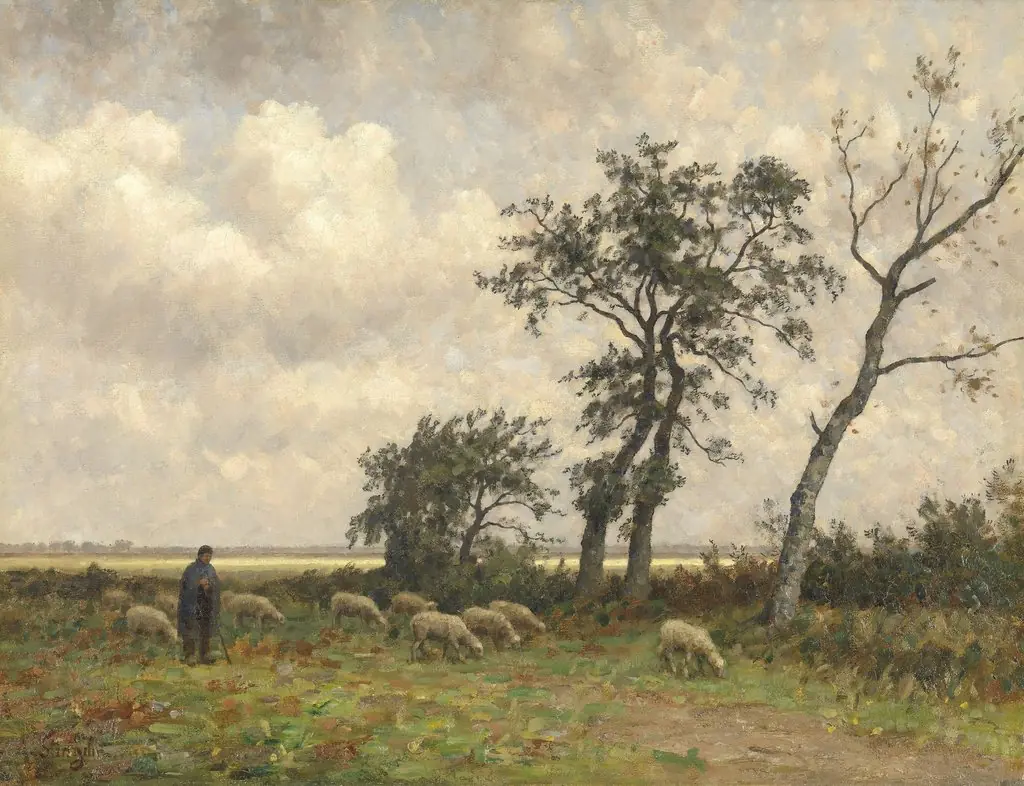
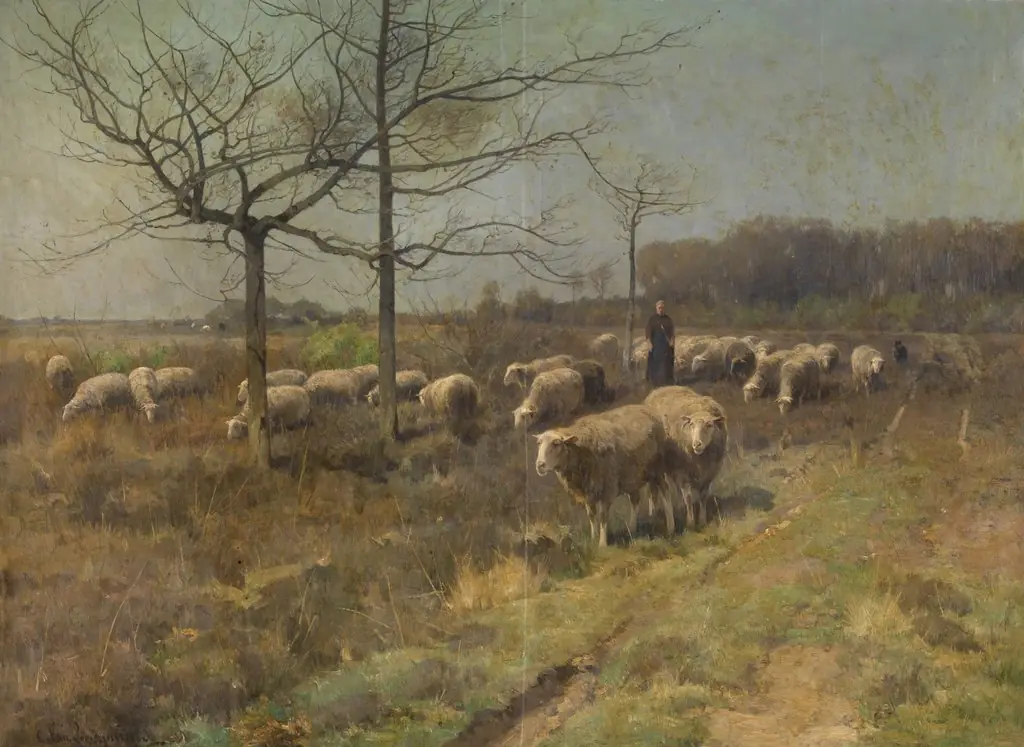
Landscape in Drenthe is an unspecified painting by the Dutch Golden Age artist Alphonse Stengelin. It dates from 1892 and is held in the collection of the Rijksmuseum.
About this work
Overview
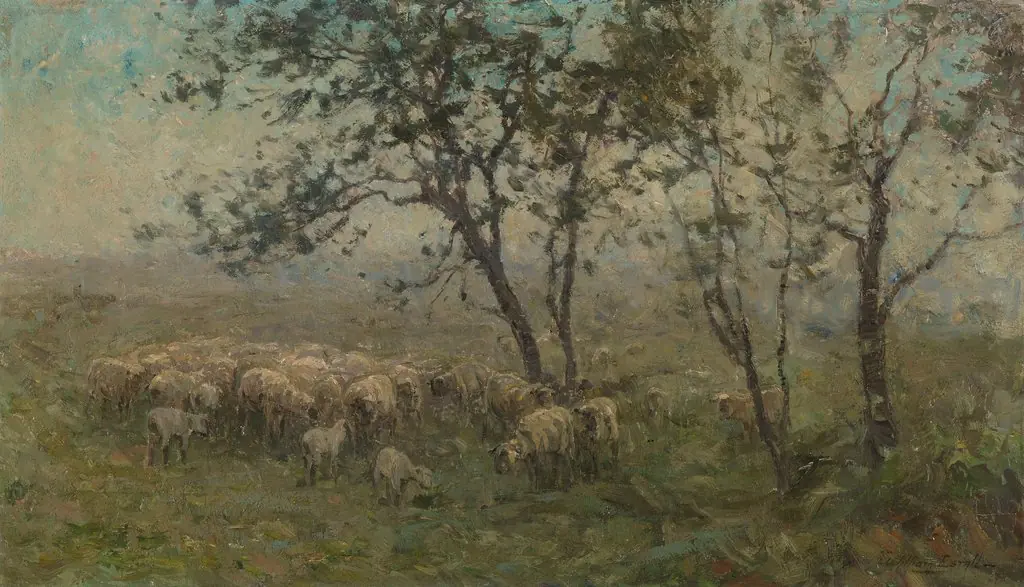
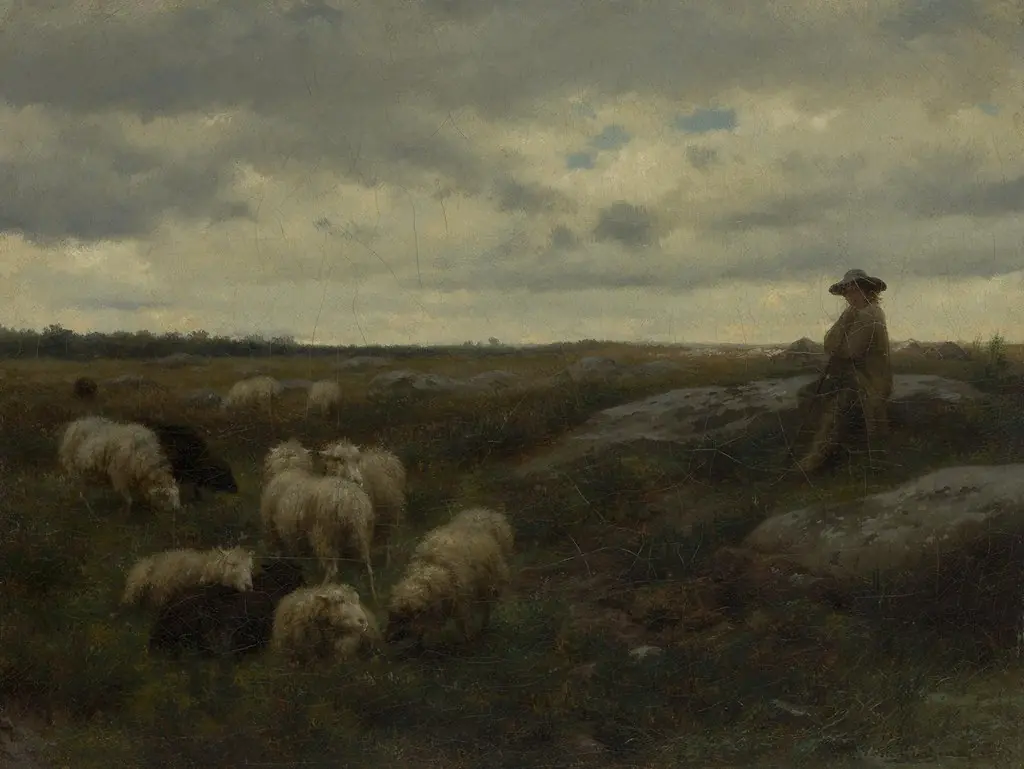
The work titled *Landscape in Drenthe* presents a modest Dutch rural scene. A shepherd walks alongside a small flock of sheep across a level, grassy expanse punctuated by a handful of solitary trees. The composition is restrained, emphasizing the calm of everyday countryside life rather than any narrative drama.
Subject & Meaning
The painting focuses on ordinary agrarian activity: a lone herder guiding his sheep through an open field. By portraying this routine, the image reflects the importance of pastoral labor in the Netherlands and suggests a quiet harmony between humans, animals, and the landscape.
Technique & Style
Executed with loose, fluid brushwork, the surface appears slightly diffused, giving the scene a gentle, atmospheric quality. The lack of sharp outlines and the soft handling of light create a hazy effect that softens details while preserving the overall sense of space and tranquility.
History & Provenance
The canvas bears no signature, leaving the artist’s identity unknown. Its attribution rests on stylistic analysis rather than documented authorship. The work is part of the Rijksmuseum’s collection, where it is displayed among other examples of Dutch countryside painting from the same period.
Own this work as a print
Artist & collection
Artist
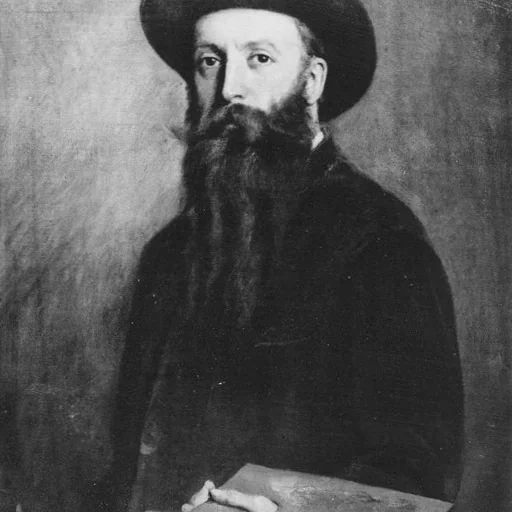
Alphonse Stengelin (1852–1938) was a French painter, engraver, and lithographer who spent much of his life working outside France. He is remembered mostly for his landscapes.