Artwork
Sheep in pasture
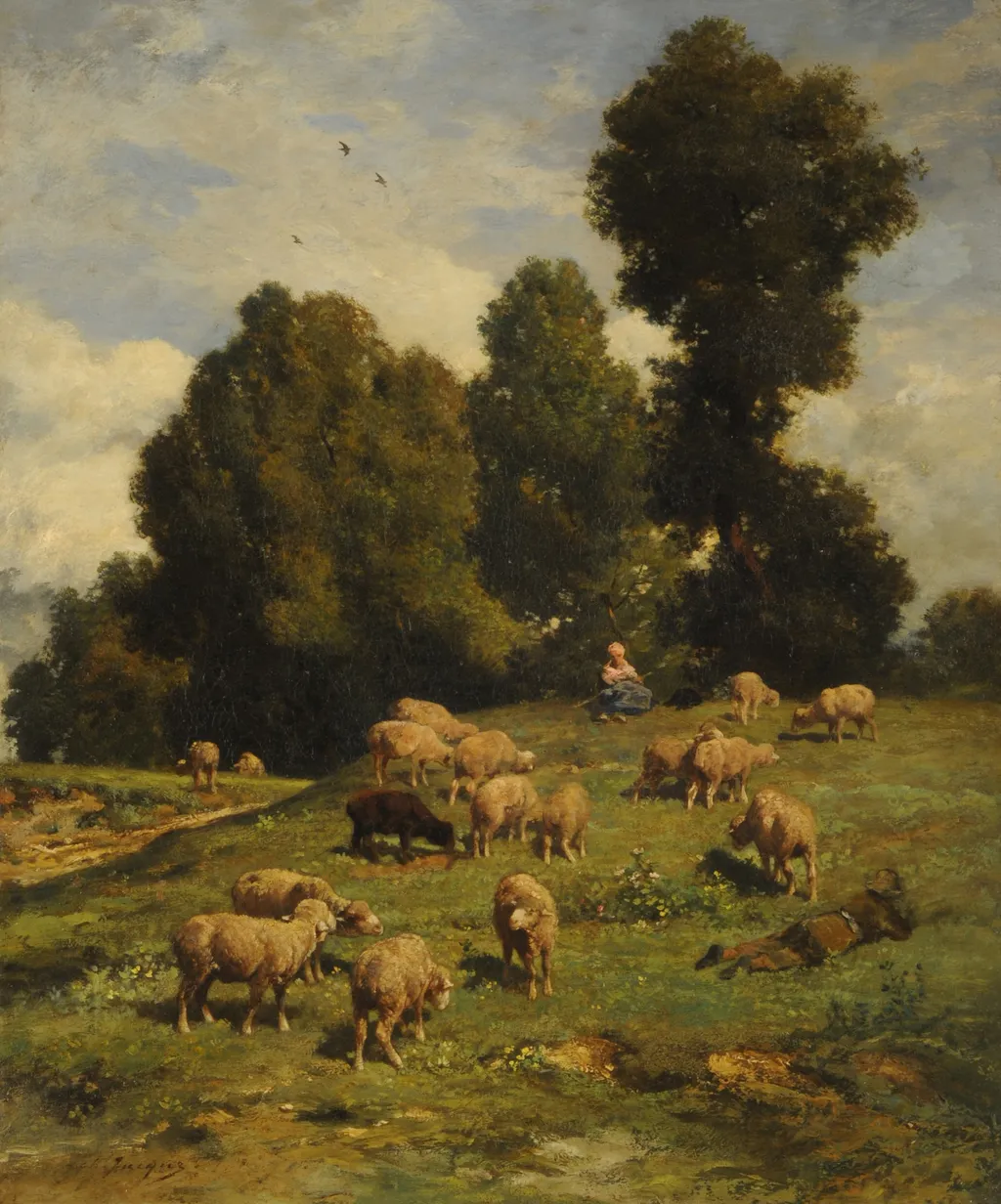
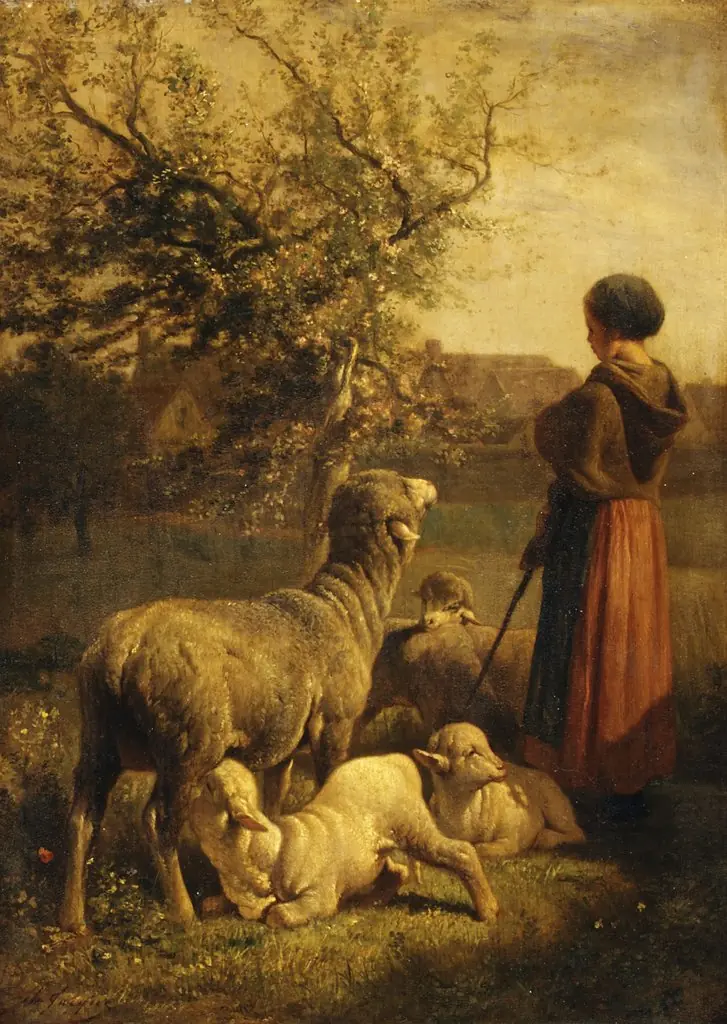
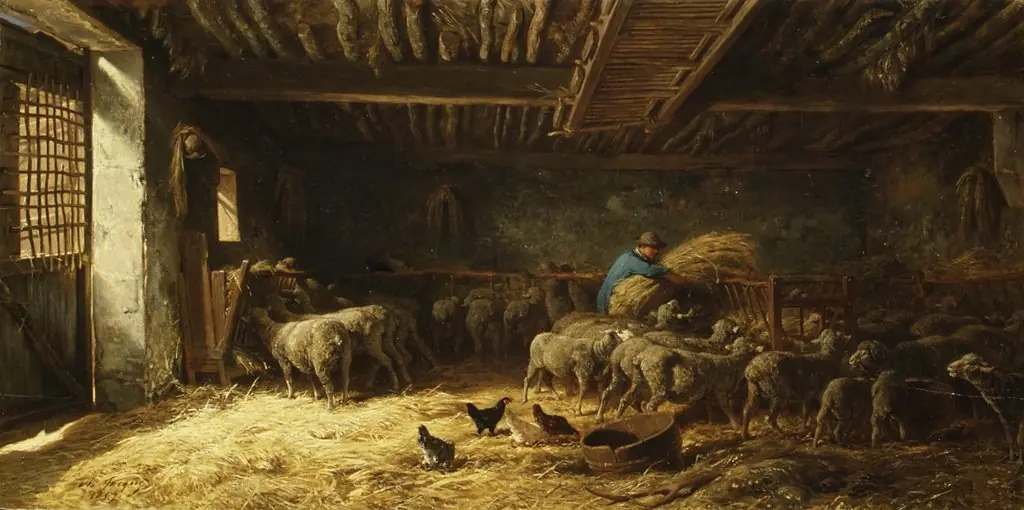
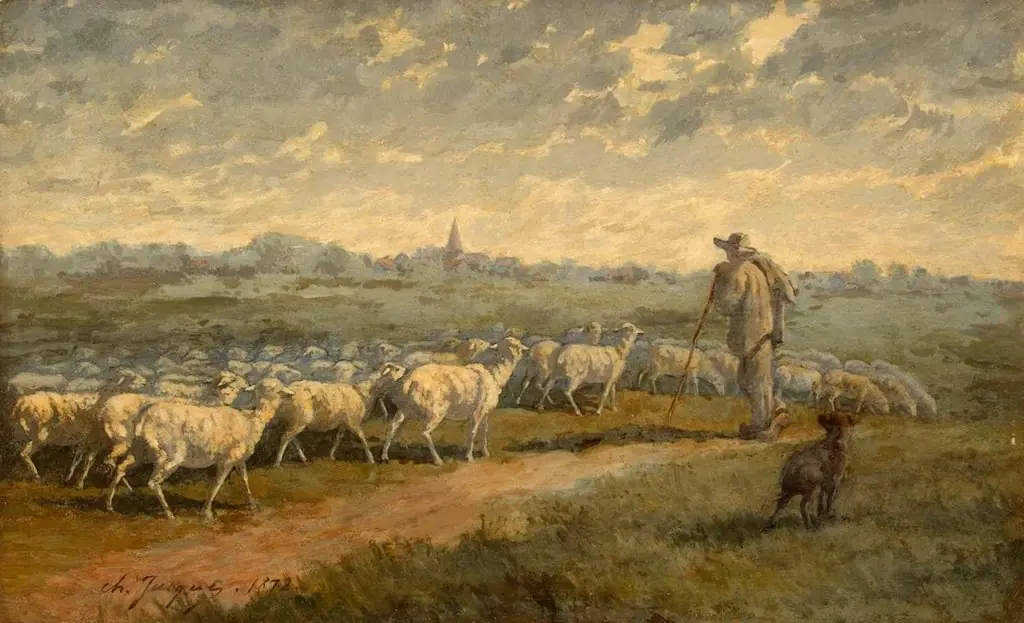
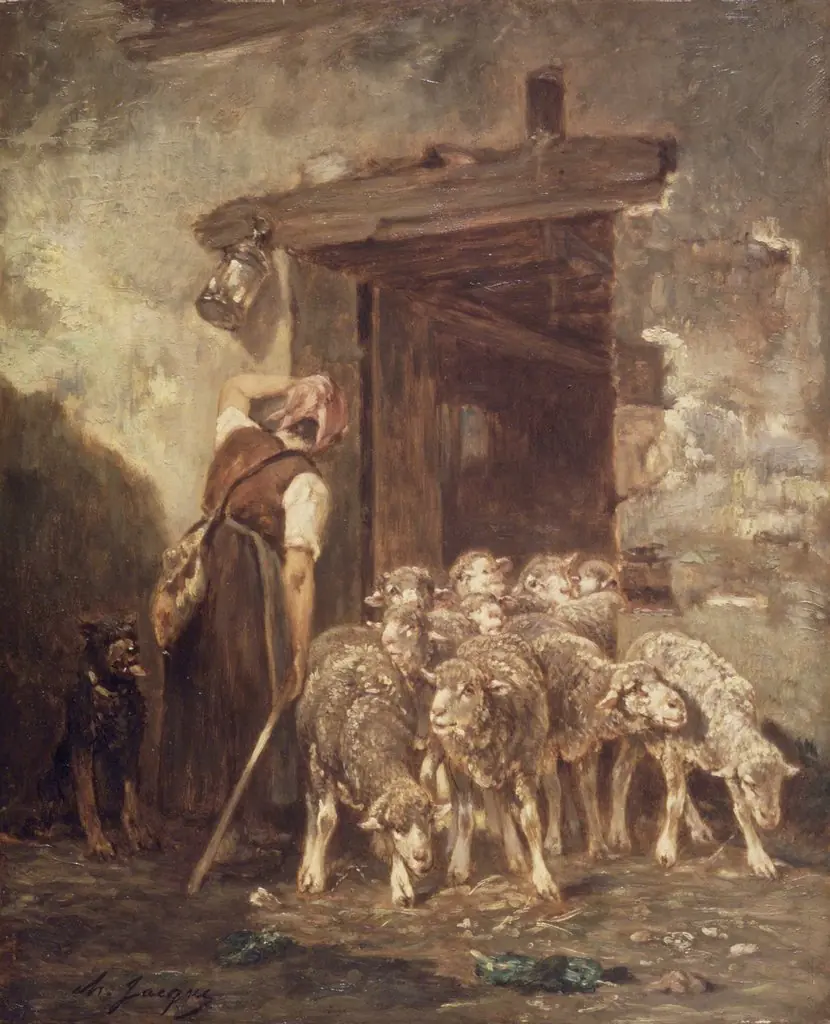
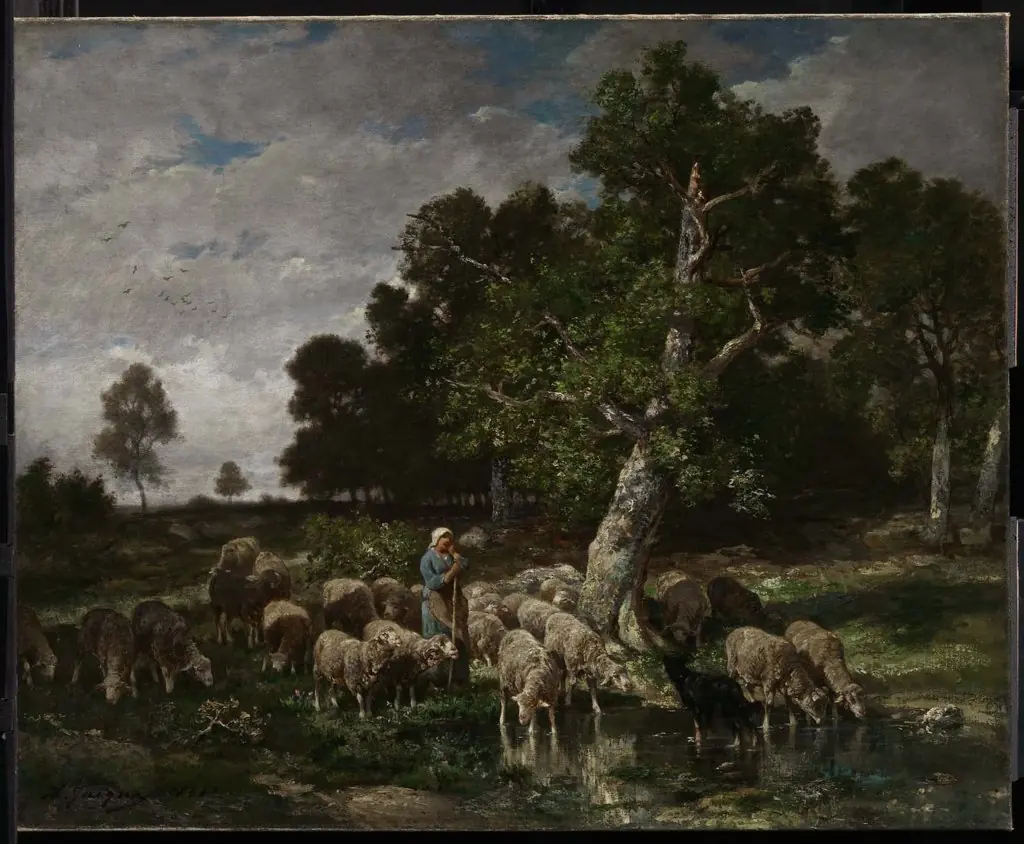
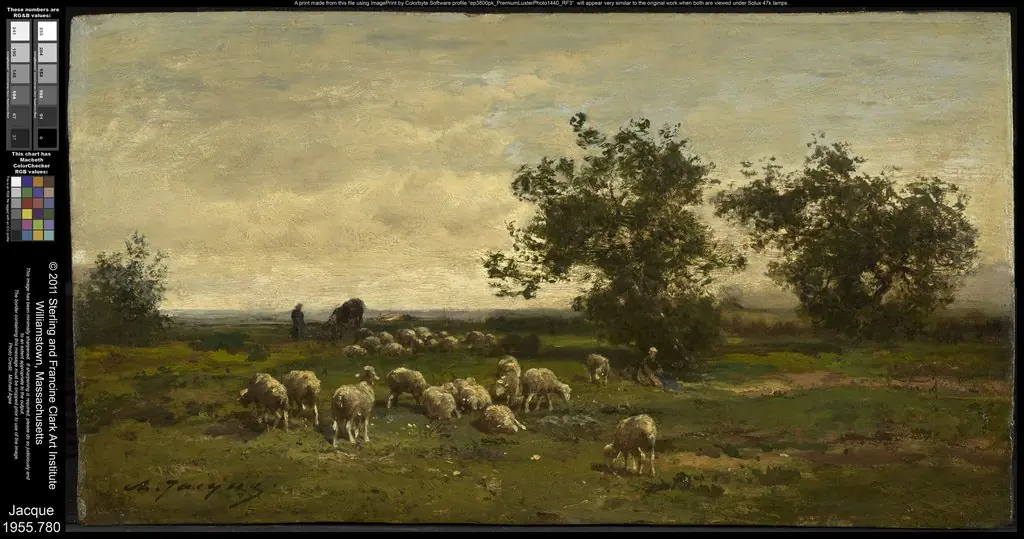
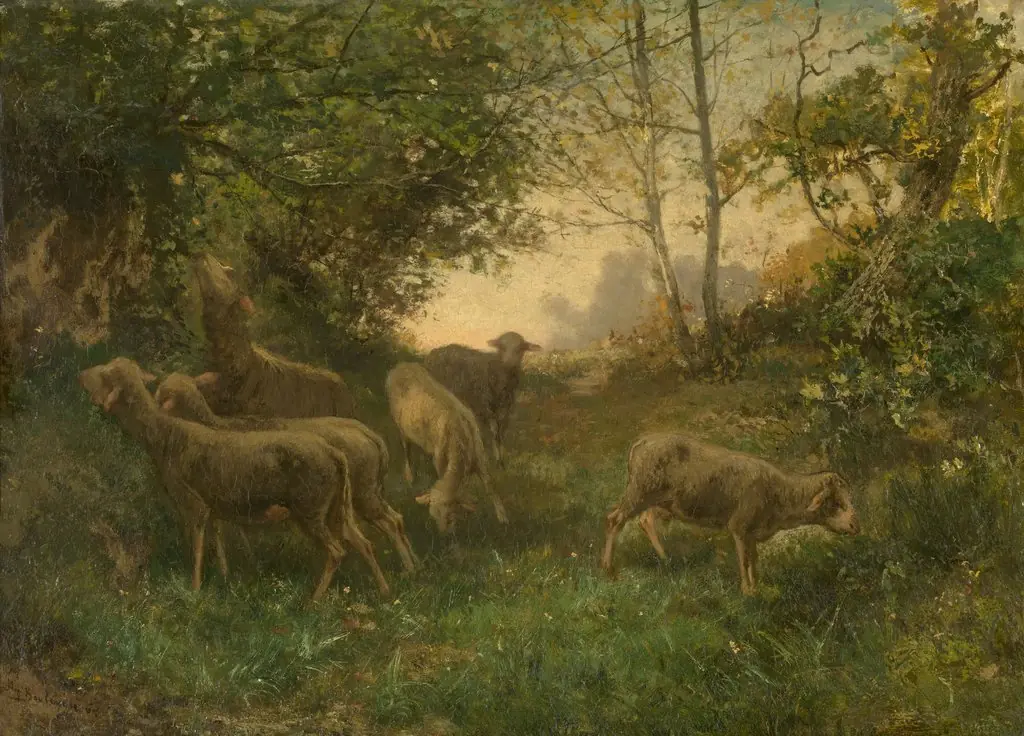
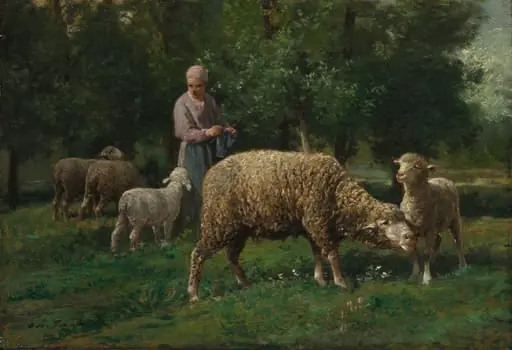
Sheep in pasture is an oil painting by the Barbizon school artist Charles Jacque. It dates from 1871 and is held in the collection of the National Museum of Fine Arts, Argentina.
About this work
Overview
Created in 1871, *Sheep in Pasture* is an oil painting by French artist Charles‑Émile Jacque. The work depicts a tranquil grouping of sheep within a verdant meadow, framed by distant trees and a cloud‑filled sky. Its composition balances foreground activity with a softened background, offering a calm representation of rural life.
Subject & Meaning
The canvas focuses on a flock of sheep, some standing, others lying, set against a lush green field. By presenting the animals in a natural setting, Jacque emphasizes the everyday rhythms of agrarian existence, reflecting the Barbizon School’s interest in portraying the dignity of ordinary countryside scenes.
Technique & Style
Jacque employs oil pigments to render the textures of wool and foliage with careful brushwork, achieving a subtle chiaroscuro that models the forms against light and shadow. The palette of greens and blues is restrained yet harmonious, while the precise rendering of each animal underscores the artist’s commitment to realistic observation.
History & Provenance
The painting belongs to the collection of the National Museum of Fine Arts in Buenos Aires. Jacque, a contemporary of Jean‑François Millet, worked within the Barbizon movement, which sought naturalistic depictions of landscape and livestock, a principle evident in this work’s provenance and institutional acquisition.
Own this work as a print
Artist & collection
Artist
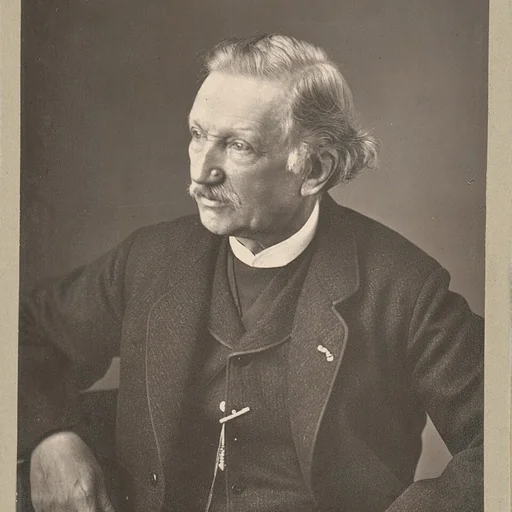
Charles-Émile Jacque (23 May 1813 – 7 May 1894) was a French painter of Pastoralism and engraver who was, with Jean-François Millet, part of the Barbizon School. He first learned to engrave maps when he spent seven years in the French Army.

Museum
National Museum of Fine Arts, Argentina
Continue through works from the same source collection.