Artwork
Shepherd and sheep
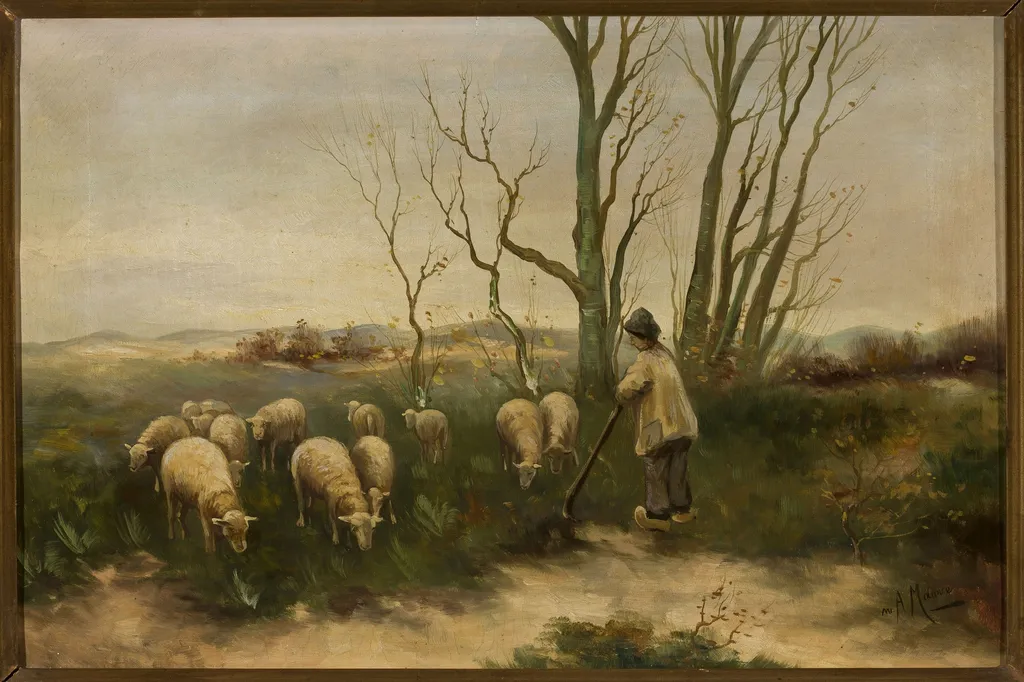
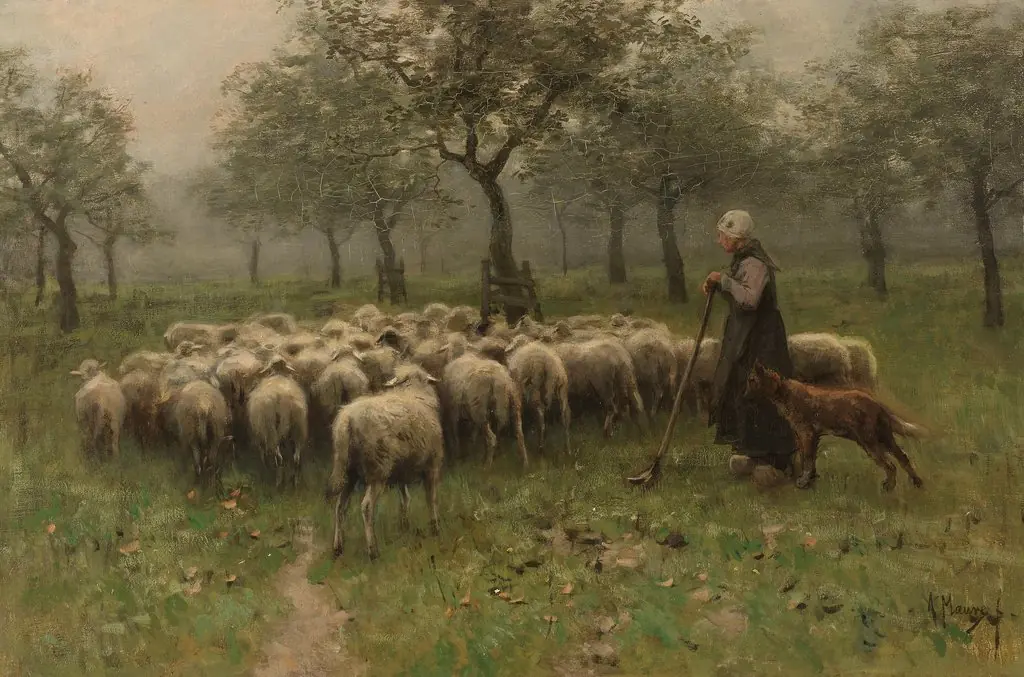
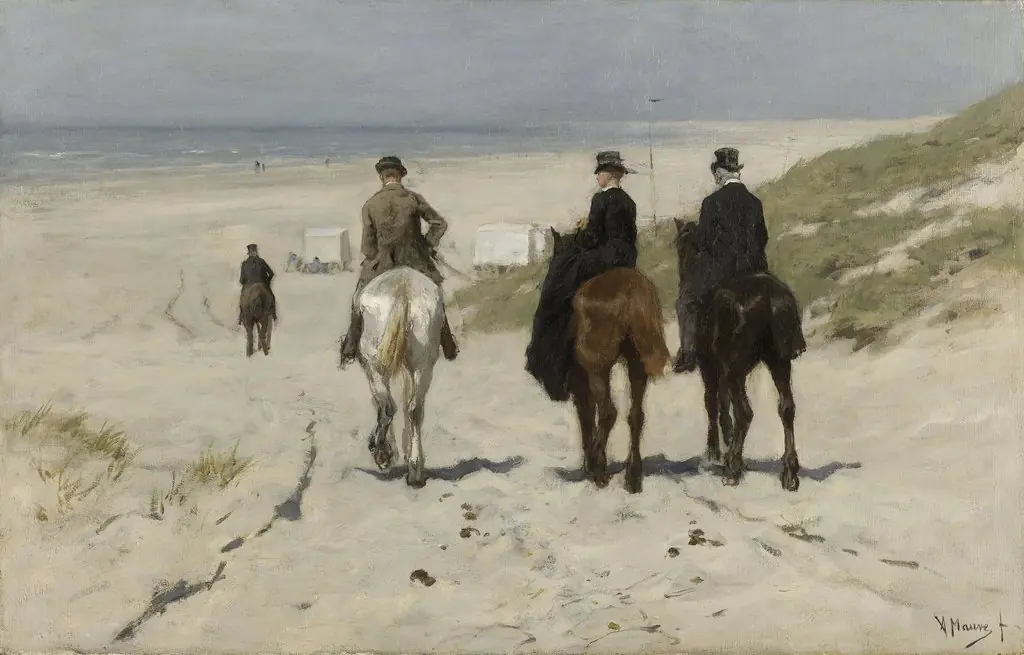
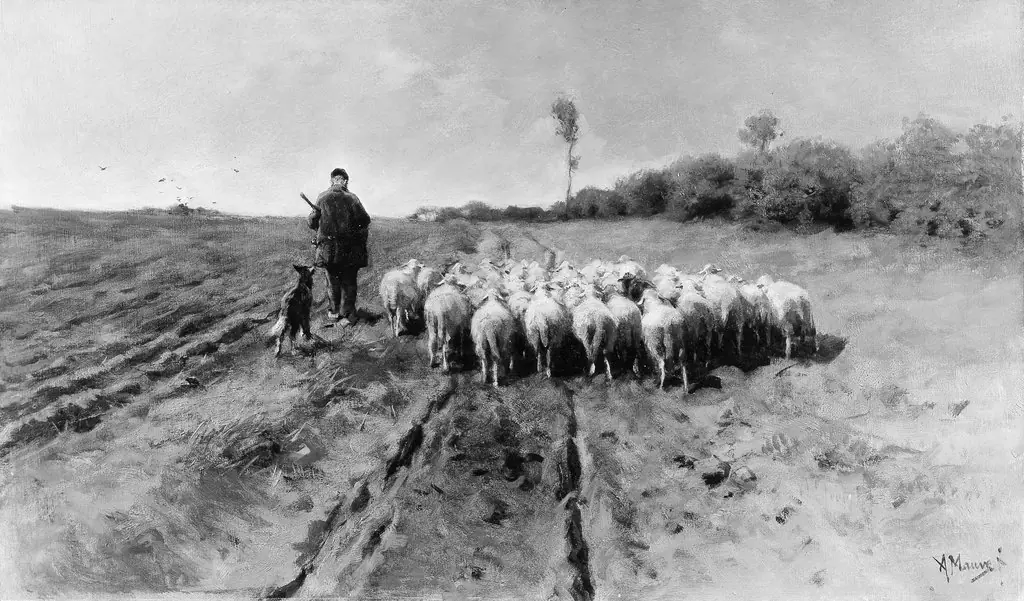
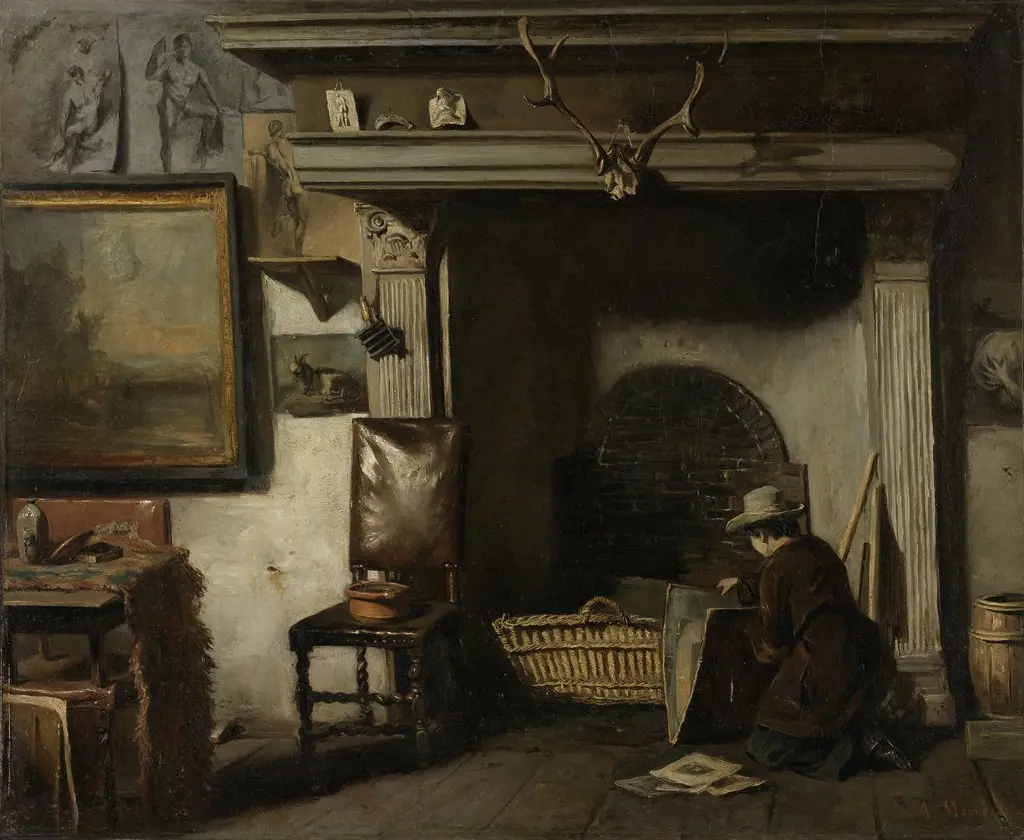
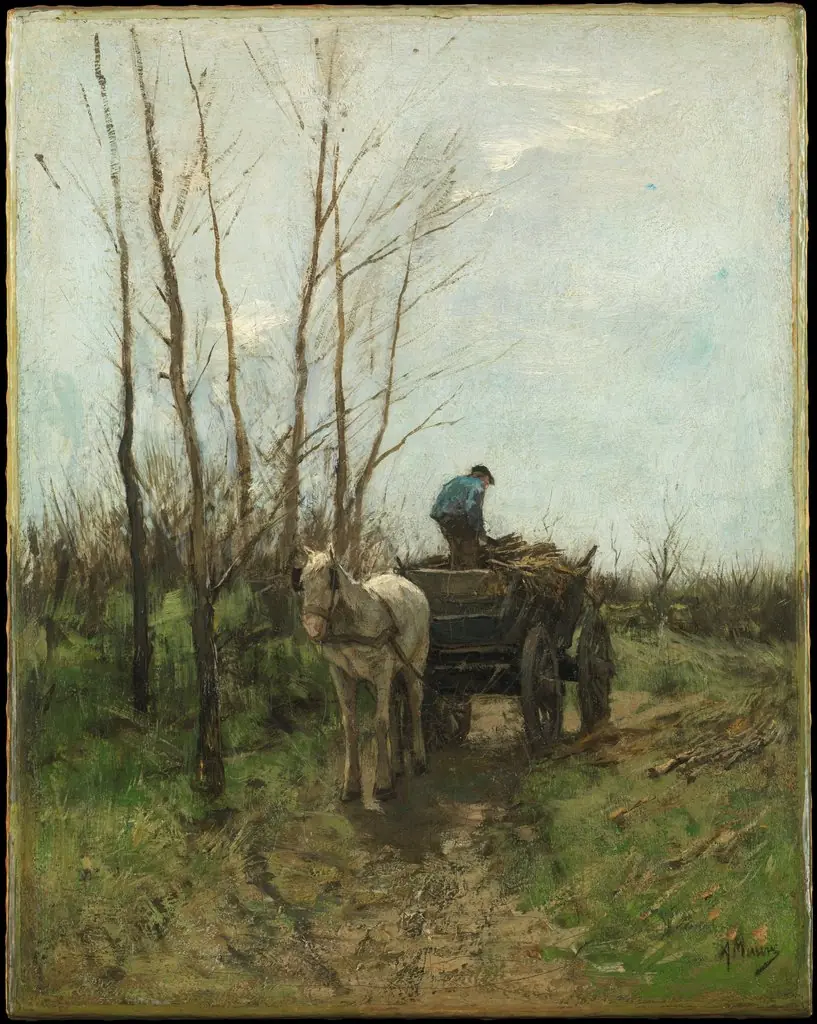
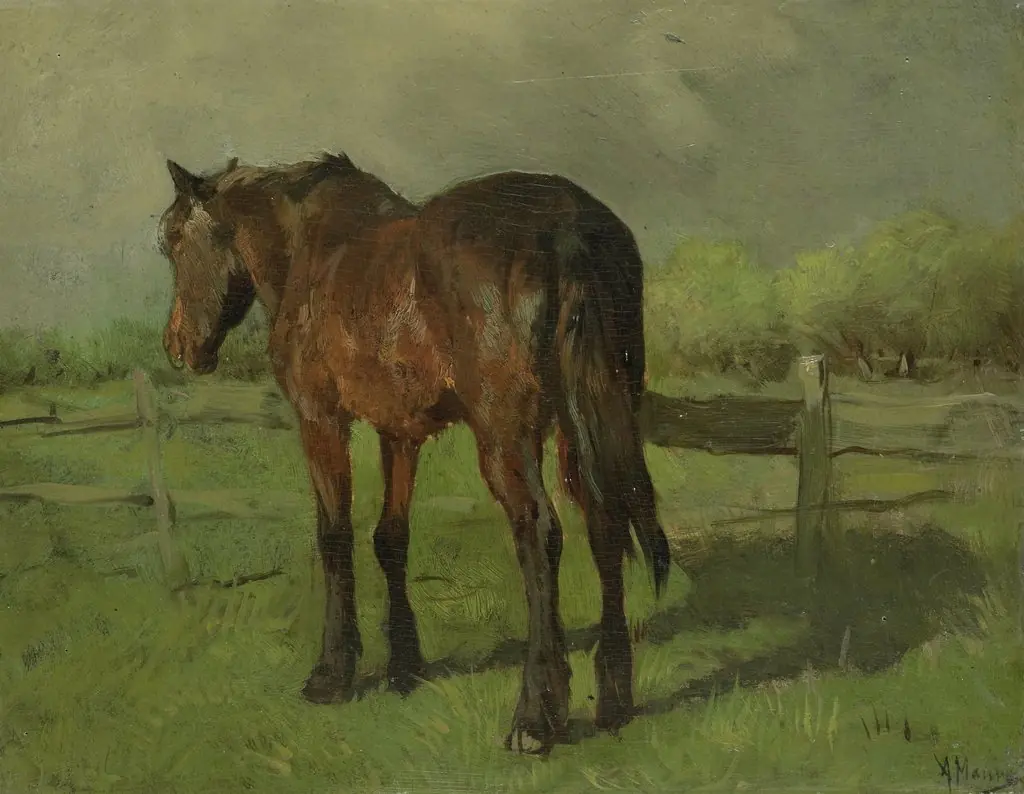
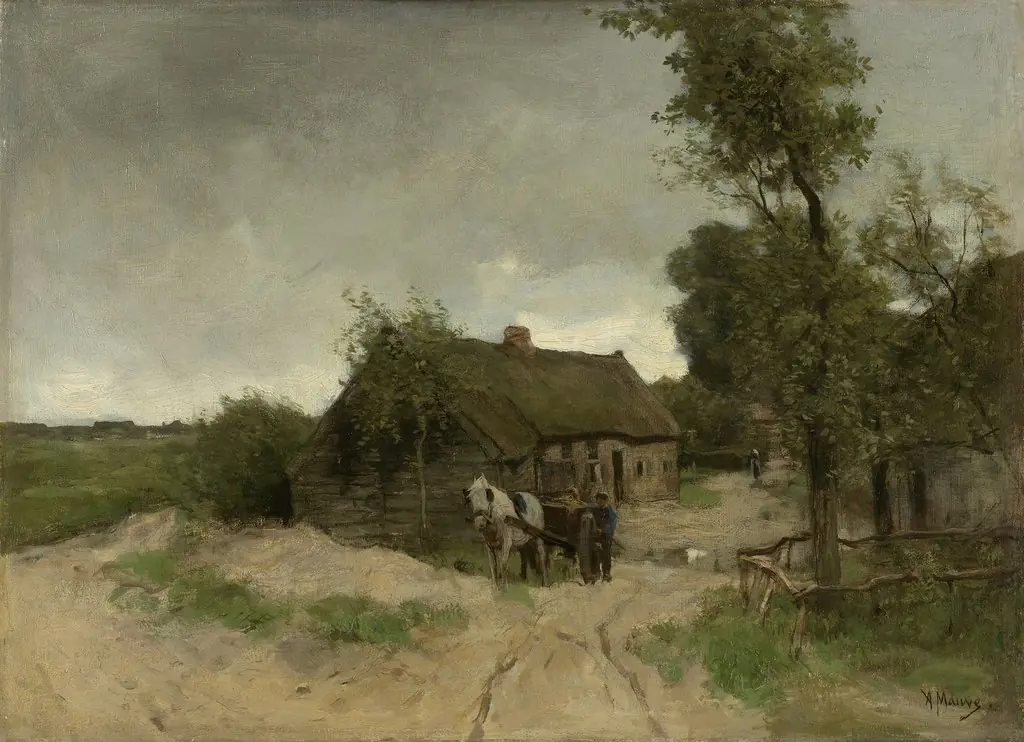
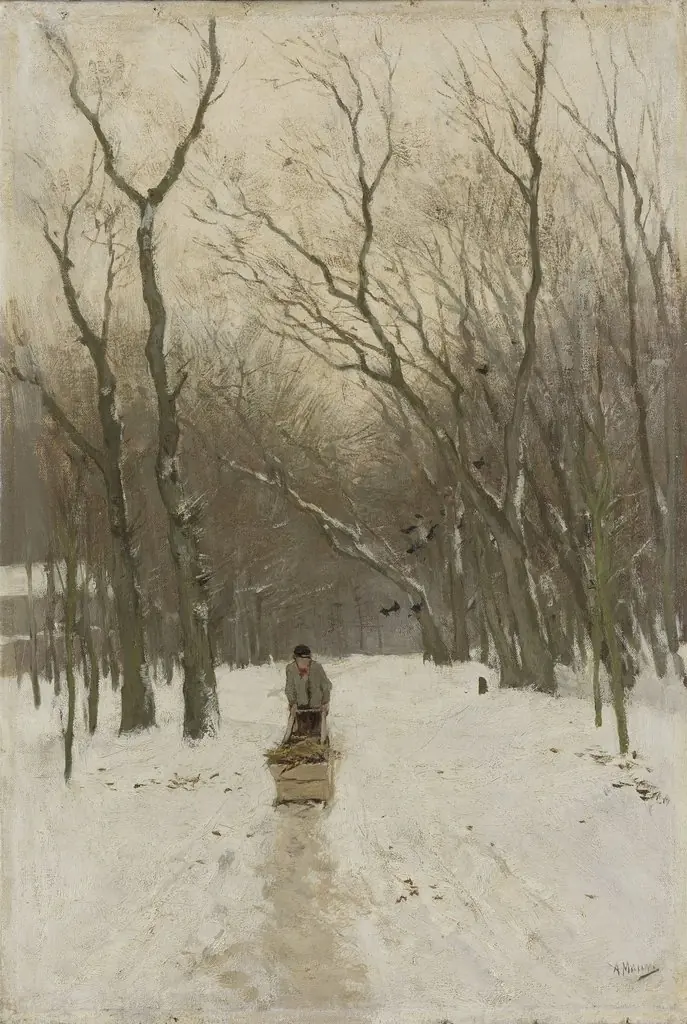
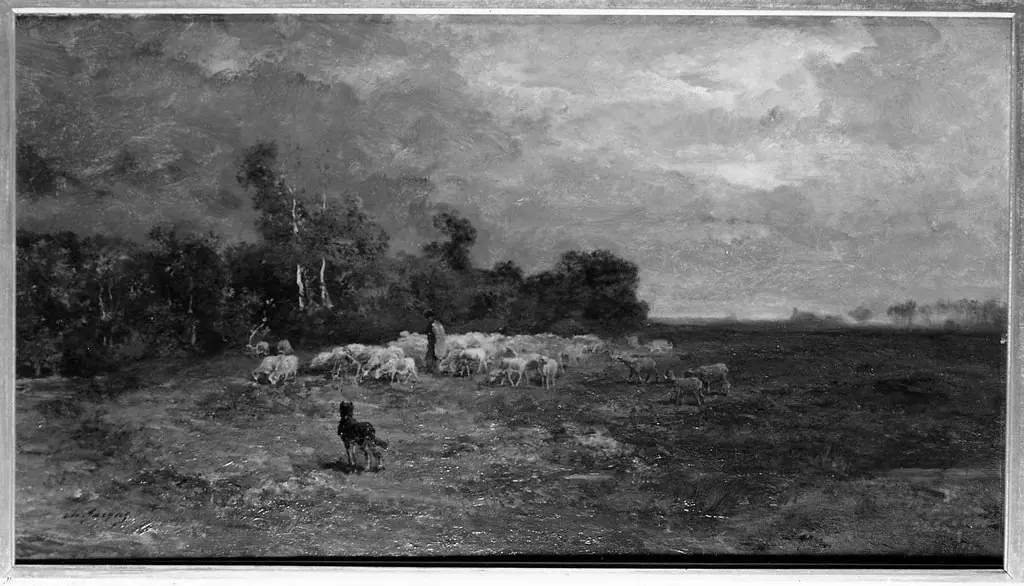
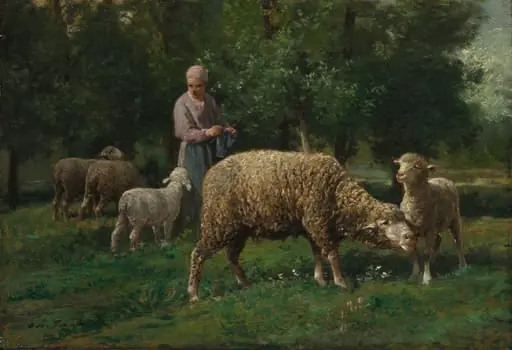
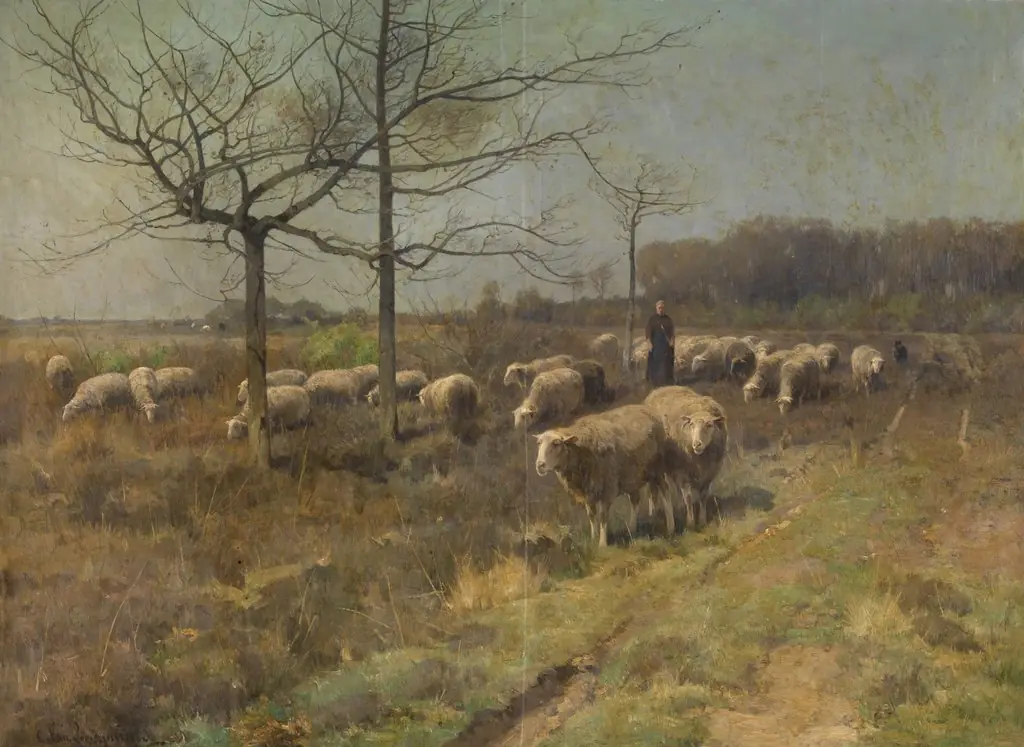
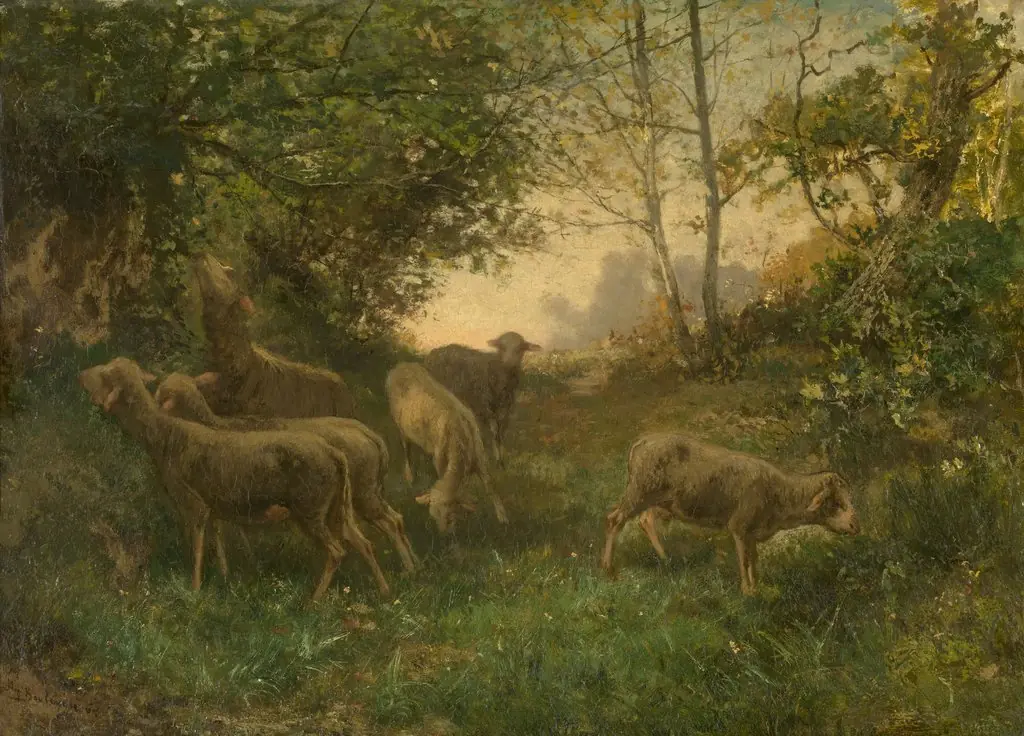
Shepherd and sheep is an oil painting by the Hague School artist Anton Mauve. It dates from 1873 and is held in the collection of the National Museum in Warsaw.
About this work
Overview
Anton Mauve painted *Shepherd and Sheep* circa 1873 in oil, capturing a quiet moment of rural life in the Dutch countryside.
Anton Mauve painted *Shepherd and Sheep* circa 1873 in oil, capturing a quiet moment of rural life in the Dutch countryside. As a central figure in the Hague School, he focused on ordinary scenes rendered with observational precision. The work exemplifies his commitment to naturalism and the subtle interplay of light and atmosphere, distinguishing his approach from more dramatic or idealized pastoral traditions.
Subject & Meaning
The painting portrays a solitary shepherd guiding a small flock of sheep along a winding path through open grassland. There is no narrative drama—only the quiet rhythm of daily labor. The figure’s modest attire and unassuming posture emphasize dignity in routine work, reflecting the Hague School’s reverence for the lives of rural laborers and their connection to the land.
Technique & Style
Mauve employed a restrained palette of earth tones and soft grays, blending tones to suggest the diffuse quality of daylight. Brushwork is loose yet deliberate, conveying texture in grass, wool, and soil without overt detail. The composition avoids sharp contrasts, instead relying on tonal gradations to model form and space, aligning with the Hague School’s preference for atmospheric realism over theatrical lighting.
History & Provenance
Created during Mauve’s mature period, the painting entered the collection of the National Museum in Warsaw at an unknown date, likely through acquisition or donation in the early 20th century. While it was widely admired in the Netherlands and by American collectors of the time, its presence in Poland suggests broader European circulation of Hague School works beyond their country of origin.
Context
In the 1870s, Dutch artists turned away from urban themes to depict the countryside with sincerity and restraint. Mauve’s work aligned with this shift, influenced by French Realism and the Barbizon School. His focus on shepherds and flocks resonated with contemporary interests in rural authenticity and the changing face of agricultural life amid industrialization.
Legacy
Mauve’s pastoral scenes, including this one, helped define the Hague School’s visual language and influenced younger artists like Vincent van Gogh, who studied under him. Though less celebrated today than some of his contemporaries, his quiet, luminous depictions of rural labor remain important for their unembellished observation of everyday nature and human presence.
Artist & collection
Artist
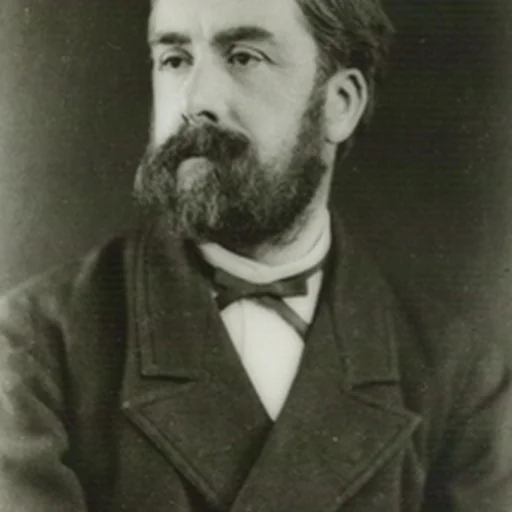
Anthonij "Anton" Rudolf Mauve (Dutch pronunciation: ; 18 September 1838 – 5 February 1888) was a Dutch realist painter who was a leading member of the Hague School.