Artwork
Belvedere Palace, Vienna
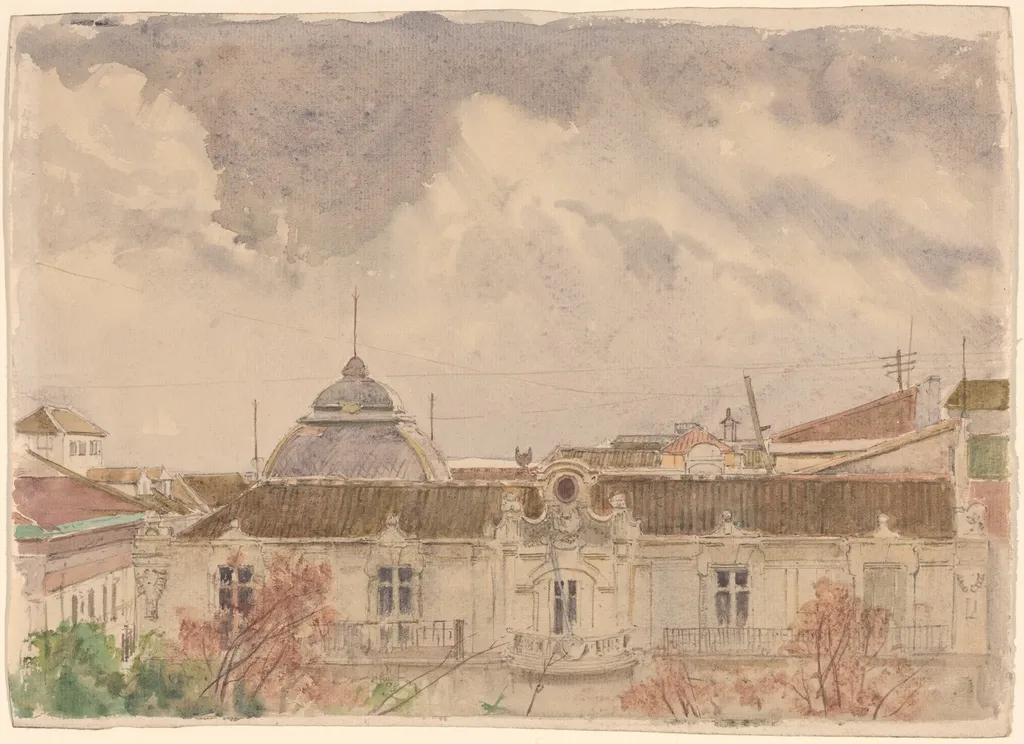
Belvedere Palace, Vienna is a watercolor drawing by the Romanticist artist Rudolf von Alt. It dates from 1858 and is held in the collection of the National Gallery of Art.
About this work
Overview
Rudolf von Alt’s 1858 drawing depicts the Belvedere Palace in Vienna.
Rudolf von Alt’s 1858 drawing depicts the Belvedere Palace in Vienna. Executed in watercolor and chalk, the work presents the palace’s white façade, domed roof and prominent arched entrance, set amid a cluster of auxiliary buildings. In the foreground, a modest grouping of trees and shrubs introduces muted greens and browns, while a cloudy, gray sky hovers above, lending the scene a tranquil atmosphere.
Subject & Meaning
The composition focuses on the architectural grandeur of the Belvedere, emphasizing its symmetrical lines and the interplay of light on its stone surfaces. By situating the palace within a softened natural setting, von Alt underscores the harmony between built heritage and its surrounding landscape, inviting contemplation of the structure’s role within Vienna’s urban fabric.
Technique & Style
Von Alt combines transparent watercolor washes with chalk accents to achieve a delicate, atmospheric effect. The chalk outlines define structural elements, while the watercolor layers render subtle tonal variations in sky, foliage, and stone. This approach aligns with mid‑nineteenth‑century Romantic sensibilities, favoring mood and impression over strict realism.
History & Provenance
Created in 1858, the drawing belongs to a period when von Alt traveled extensively throughout Austria, documenting notable sites. The work entered museum collections in the early twentieth century, reflecting the artist’s reputation as a chronicler of Austrian architecture and landscape.
Context
The Belvedere Palace, originally a summer residence for Prince Eugene of Savoy, exemplifies Baroque architecture. Von Alt’s rendering captures the building during a time of growing interest in historic preservation, offering a visual record that complements contemporary architectural studies and the broader Romantic fascination with historic monuments.
Artist & collection

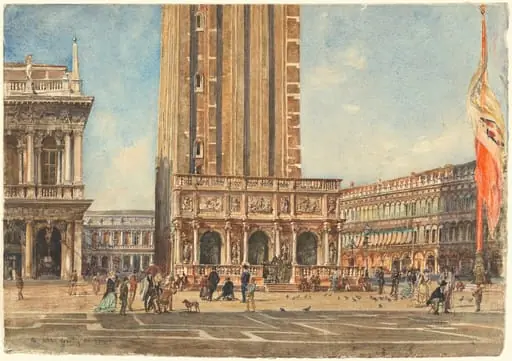
 A Corner of the Library in Venice
 Place du Tertre
 Brunswick Terrace, Hove
 Shelley House, Marlow
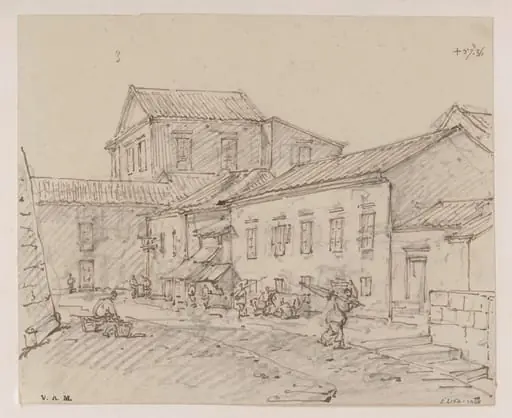 A street in Macau
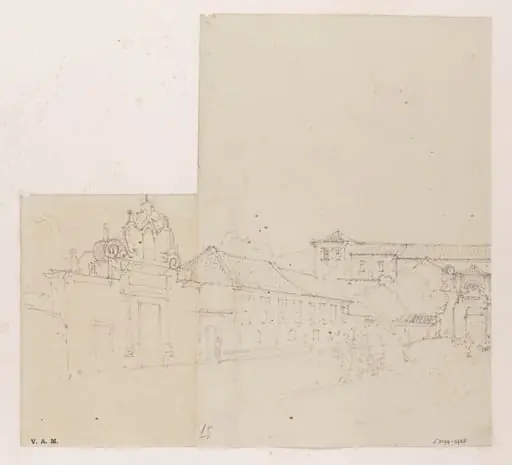 The gateway to the convent of Santa Clara, Macau
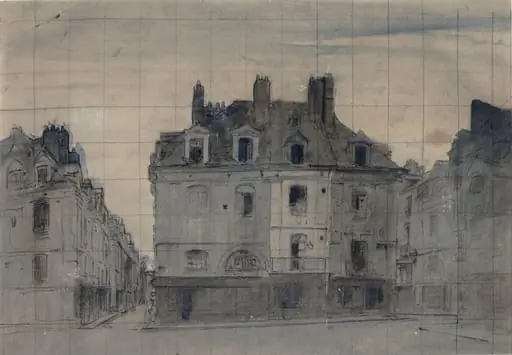 The Haunted House, Dieppe
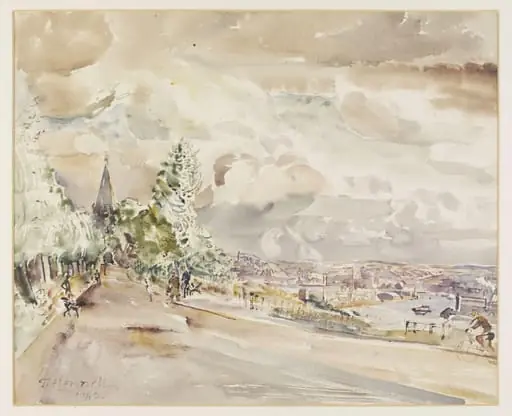 View of the Medway and part of Chatham from Frindsbury
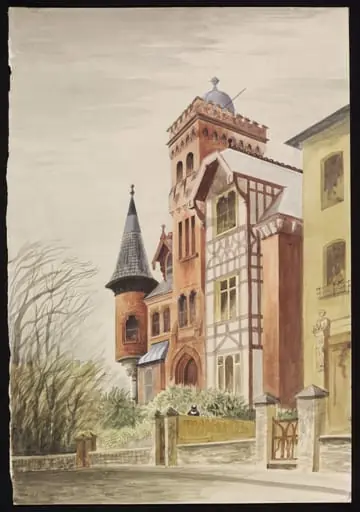 House in Amberley Grove, Sydenham, built by an Astronomer c.1867
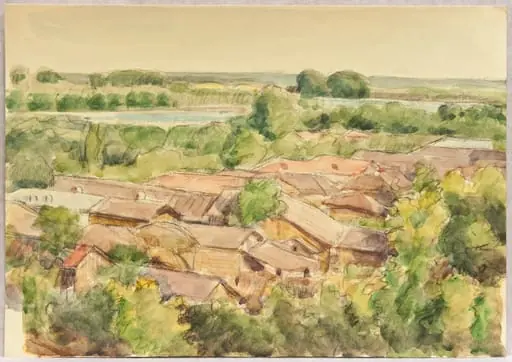 Peisaj panoramic cu case
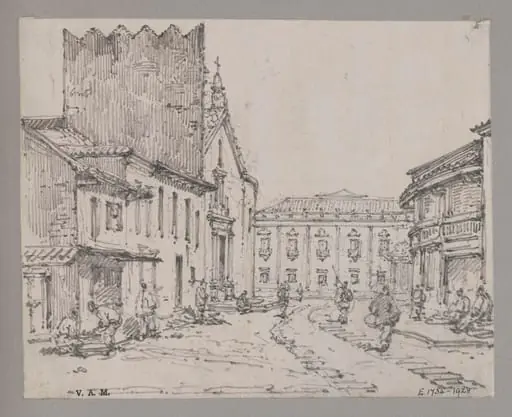 Misericordia Church and Senate House, Macao
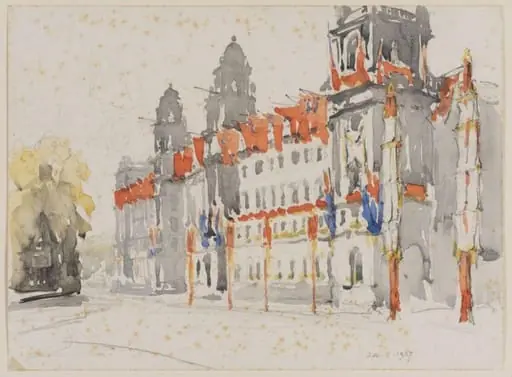 Foriegn Office looking down Whitehall