Artwork
Shelley House, Marlow
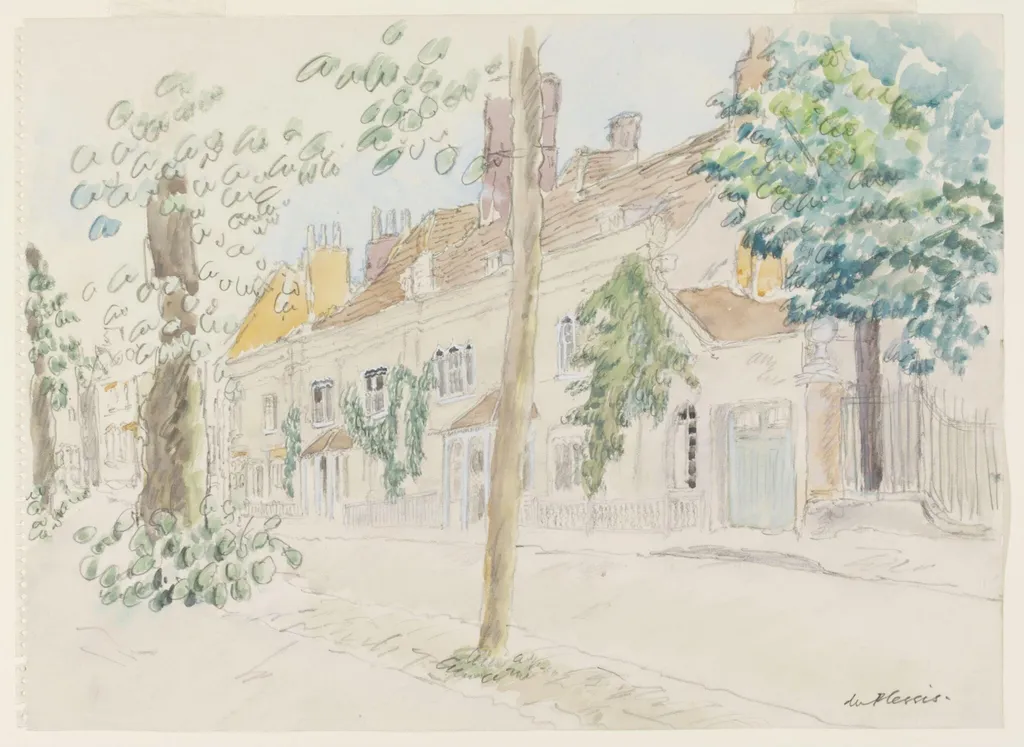
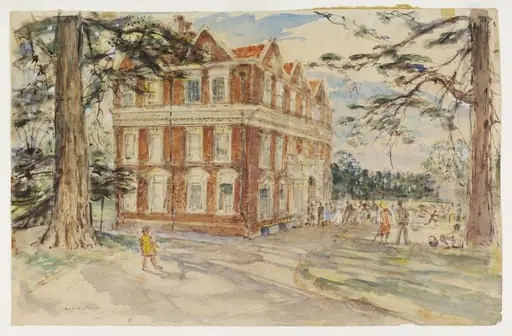
Shelley House, Marlow is a watercolor work on paper by the Impressionist artist Du Plessis. It dates from 1940 and is held in the collection of the Victoria and Albert Museum.
About this work
Overview
Shelley House, Marlow is a 1940 watercolour by Du Plessis, capturing a serene street scene in Marlow with a row of light-colored houses and a prominent tree, rendered in gentle hues and soft, delicate watercolour technique.
Subject & Meaning
The painting depicts a quintessential English street, embodying national identity and everyday life. Created during wartime, it reflects the 'Recording Britain' project's goal to preserve a visual record of the country's landscape and architecture, amid fears of destruction and change.
Technique & Style
Du Plessis employed watercolour to achieve a soft, delicate appearance. Gentle colors and subtle shading create depth and atmosphere, characteristic of the medium's expressive capabilities.
History & Provenance
Commissioned under the 'Recording Britain' initiative (1940s), led by Sir Kenneth Clark, this work is part of a larger effort by artists like John Piper and Rowland Hilder to document England's topography during WWII.
Context
Produced amidst WWII concerns over bomb damage and social upheaval, the painting is a wartime record of England's everyday landscape, distinct from more dramatic depictions of the era.
Legacy
As part of the 'Recording Britain' collection, Shelley House, Marlow contributes to a comprehensive archival record of England's pre-war appearance, retaining historical and artistic significance within this collective project.
Artist & collection
Artist
Plessis Plessy, and de Plessis are related surnames of French origin, may refer to:

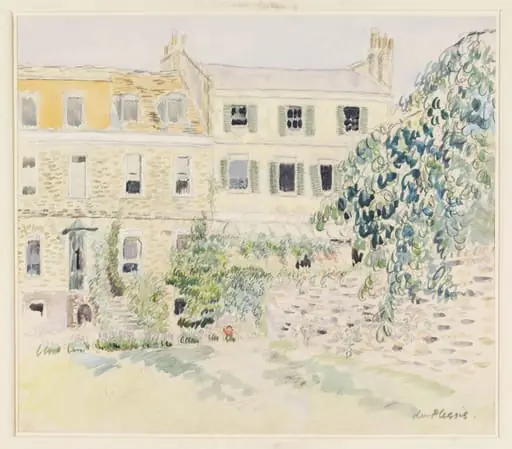
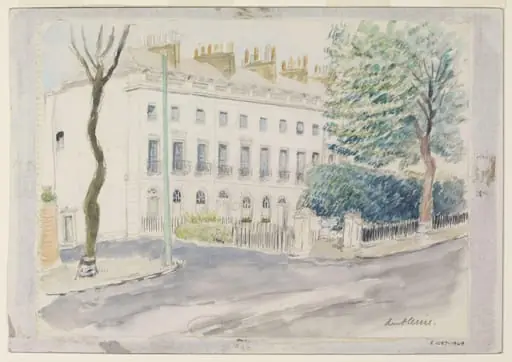
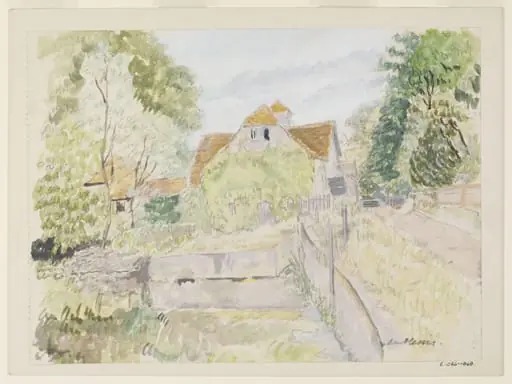
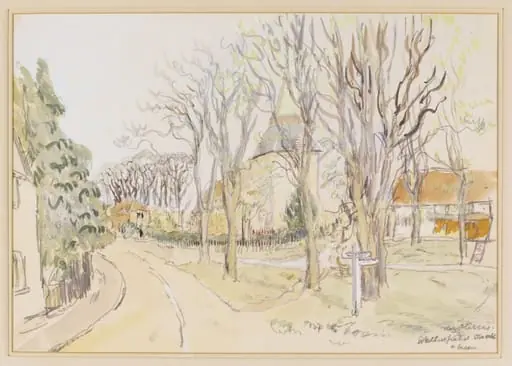
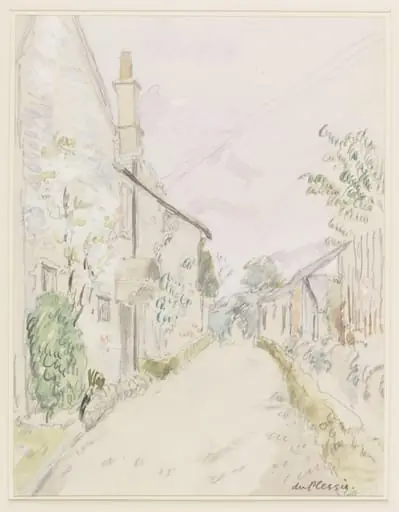
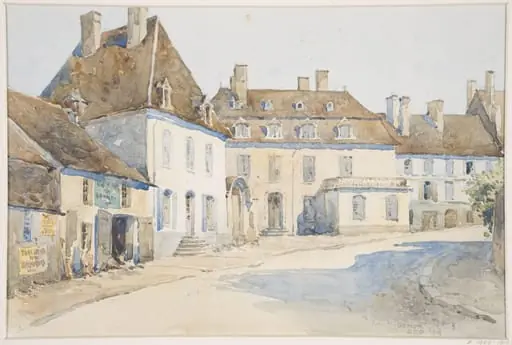 Semur, France
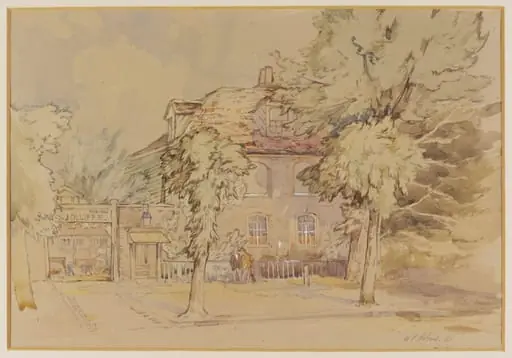 Elm Hall, Wanstead
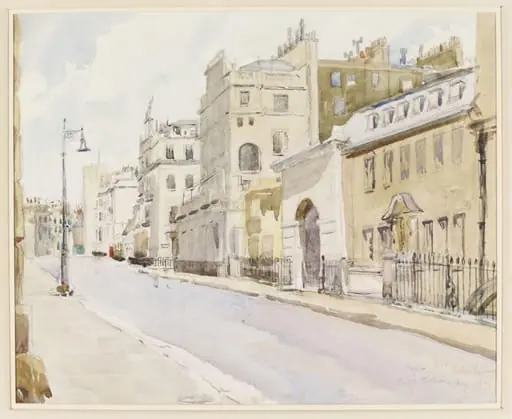 Lyall Street, Eaton Square
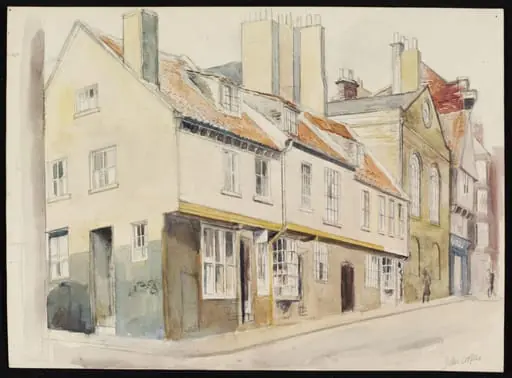 Tudor Houses, Church Street, Whitby
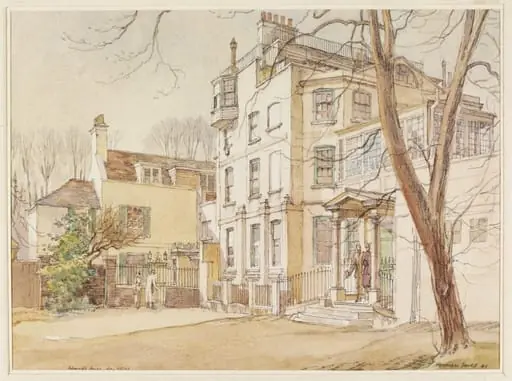 Admiral's House, Hampstead
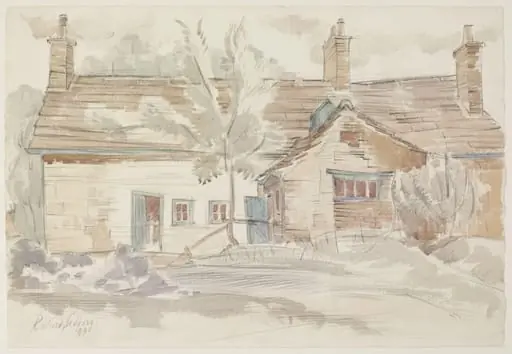 Cottages at Norton, No.4
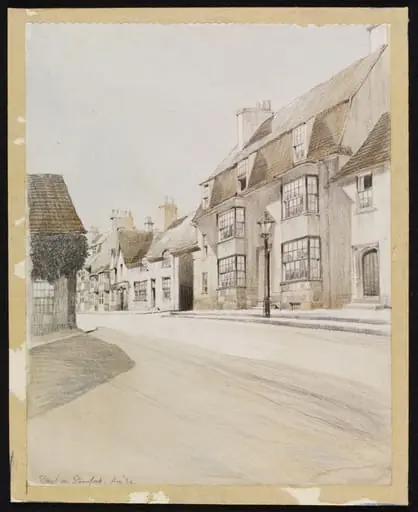 Street in Stamford, Rutlandshire
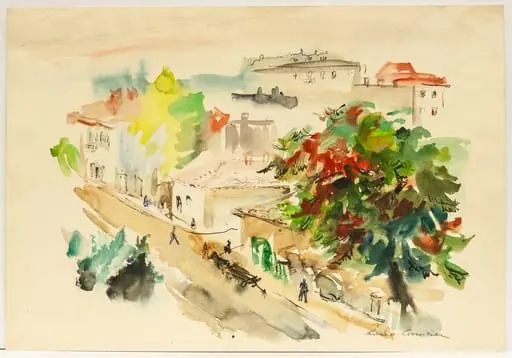 Stradă la Constanța
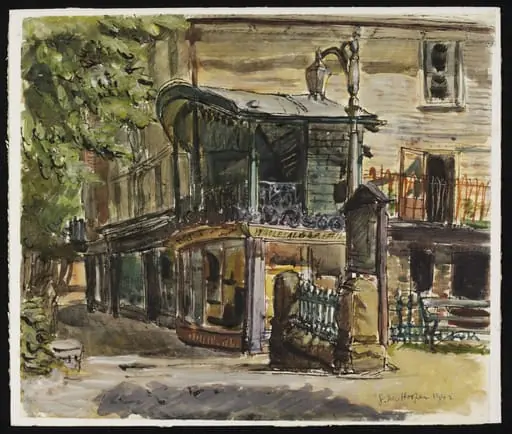 The Music Gallery, Tunbridge Wells
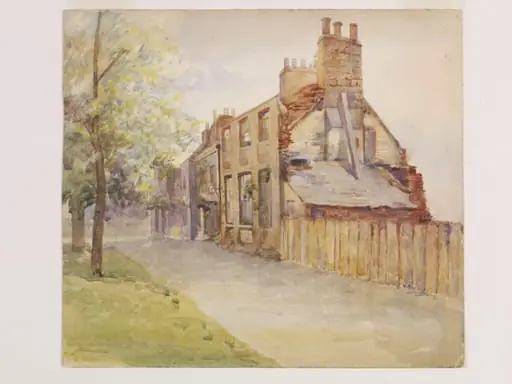 Old brick residences in the grounds of the South Kensington Museum (now the Victoria and Albert Museum)
 Boston House (Boston Manor Park) Brentford