Artwork
The Transfiguration
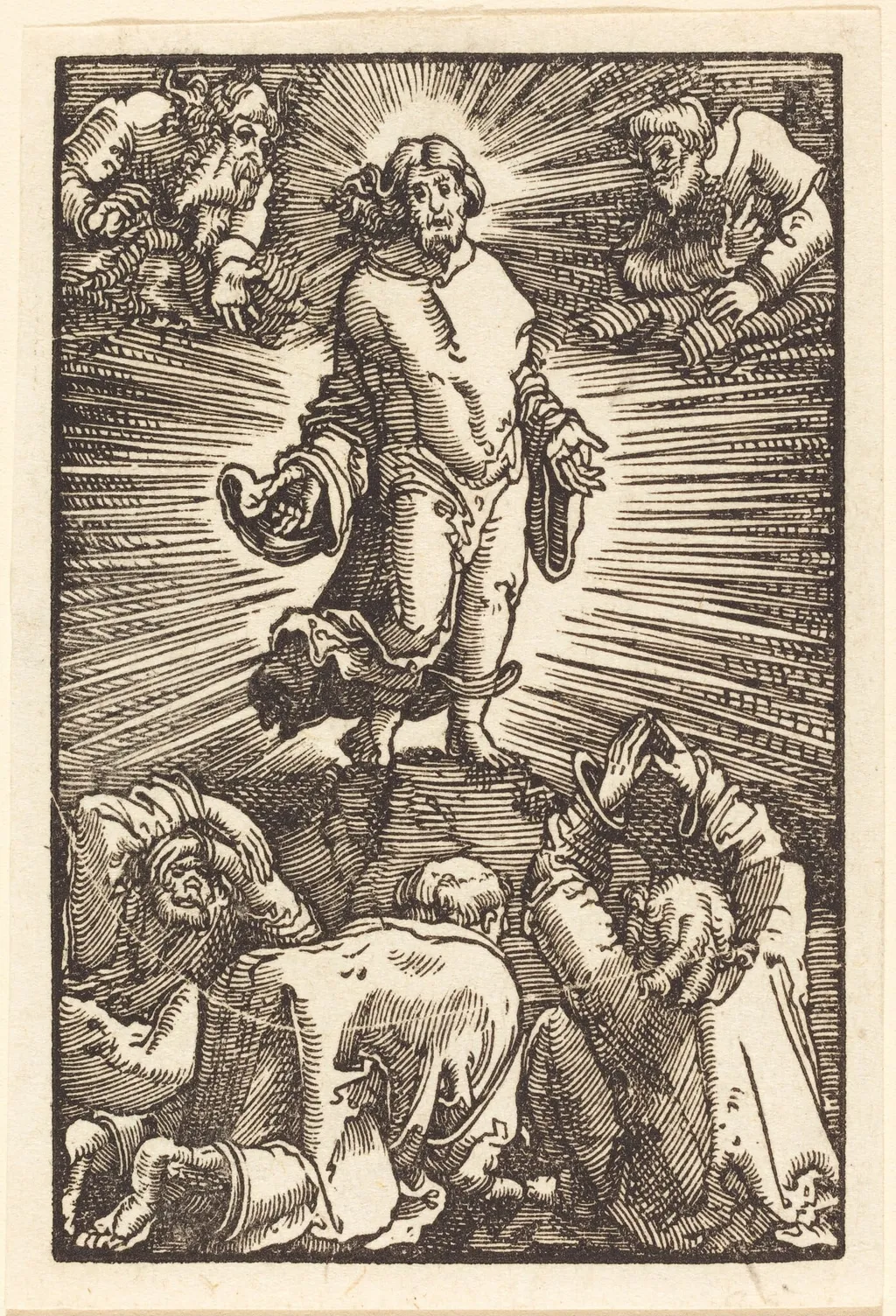
The Transfiguration is an ink print by the Renaissance artist Albrecht Altdorfer. It dates from 1513 and is held in the collection of the National Gallery of Art.
About this work
Overview
The Transfiguration is a woodcut on laid paper created by Albrecht Altdorfer around 1513. It is a representative work by a prominent figure of the Danube School, a group known for their emphasis on landscape.
Subject & Meaning
The print depicts a dramatic scene, likely the Transfiguration of Christ, with a central robed figure surrounded by light and attended by kneeling figures below. The background features swirling clouds and faces, adding to the scene's emotional intensity.
Technique & Style
Altdorfer employed the woodcut technique, carving the image into wood to produce a black-and-white print characterized by sharp lines and deep shadows. This style conveys a sense of movement and emotion, reflecting the artist's skill in engraving and his focus on expressive landscapes.
Context
As a member of the Danube School, Altdorfer's work was distinguished by its emphasis on landscape and the integration of natural scenery into religious and historical scenes. His style and technique also show affinities with the Nuremberg Little Masters, a group known for their intricate engravings.
Artist & collection
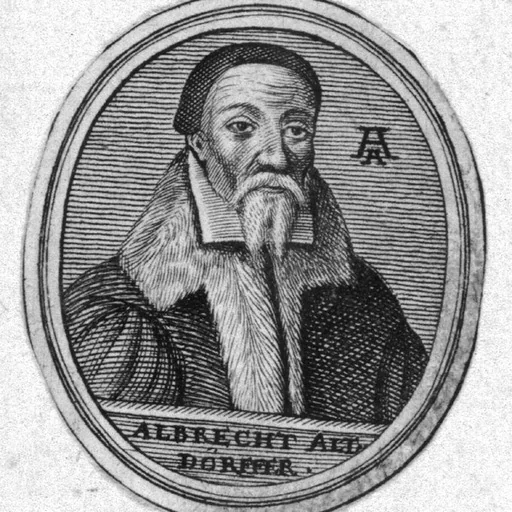
Artist
Albrecht Altdorfer (c. 1480 – 12 February 1538) was a German painter, engraver and architect of the Renaissance working in Regensburg. Along with Lucas Cranach the Elder and Wolf Huber he is regarded to be the main…

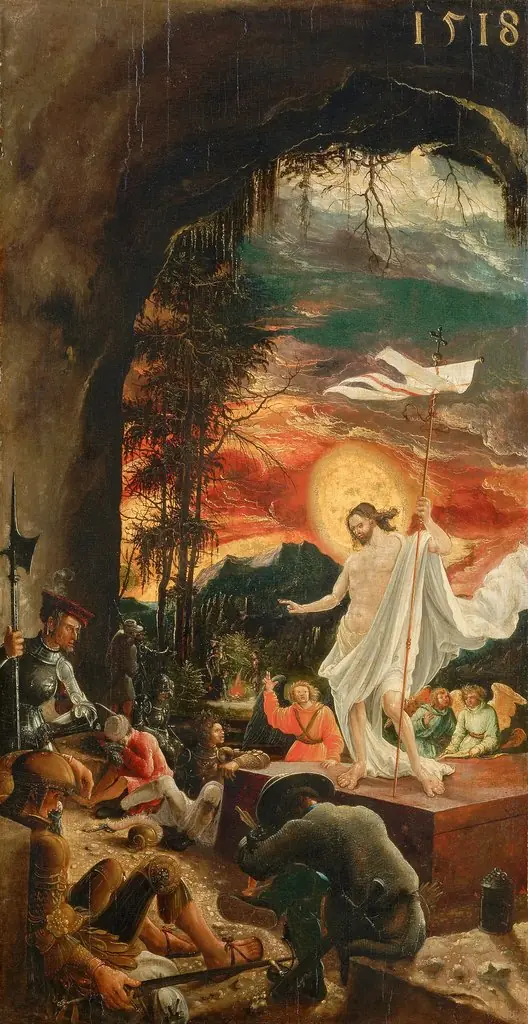
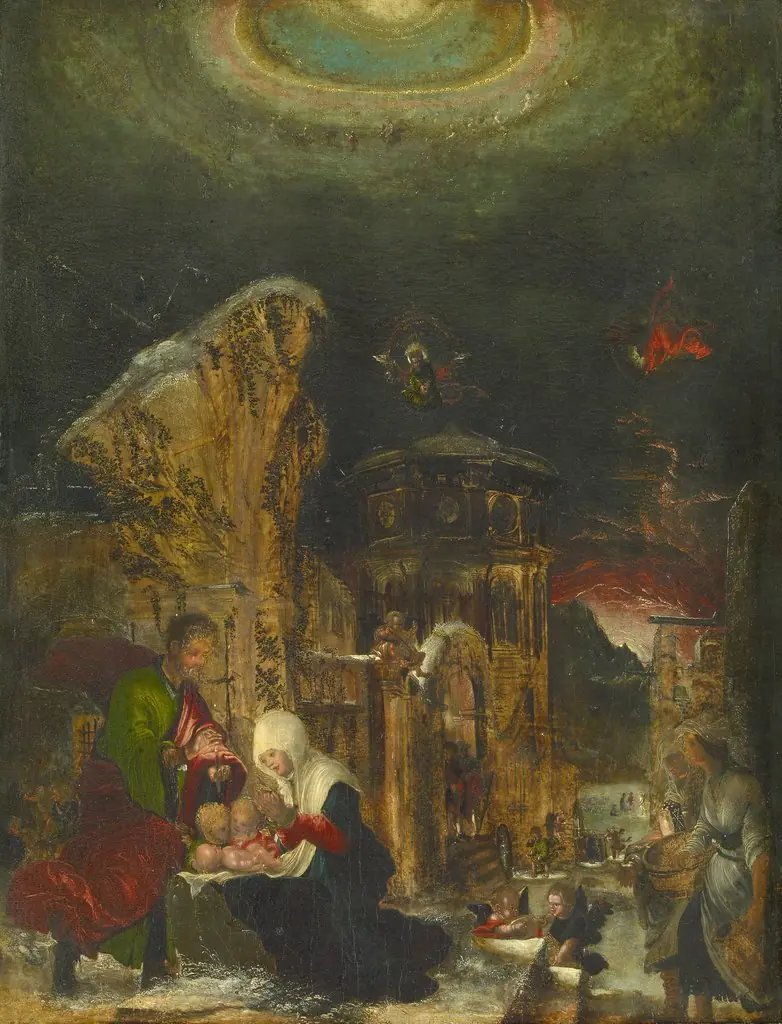
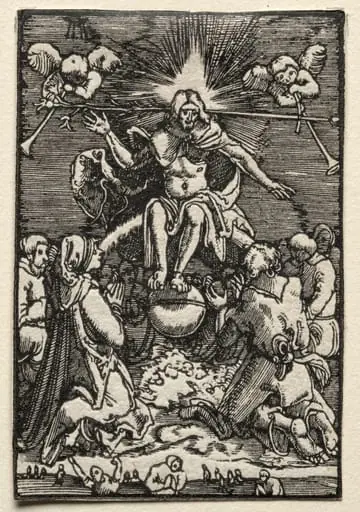 The Fall and Redemption of Man: The Last Judgment
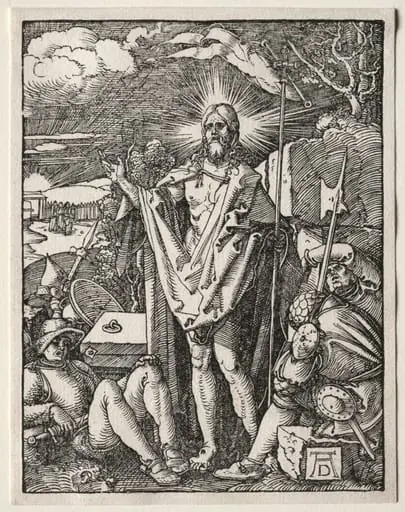 The Small Passion: The Resurrection
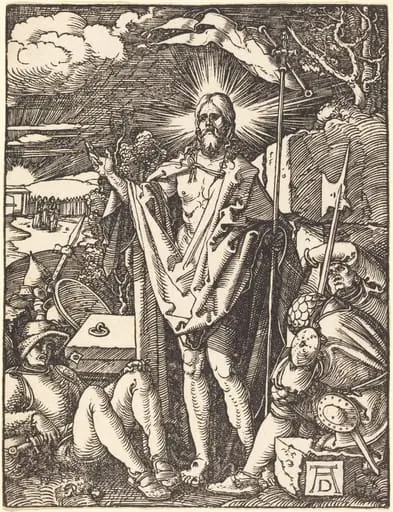 The Resurrection
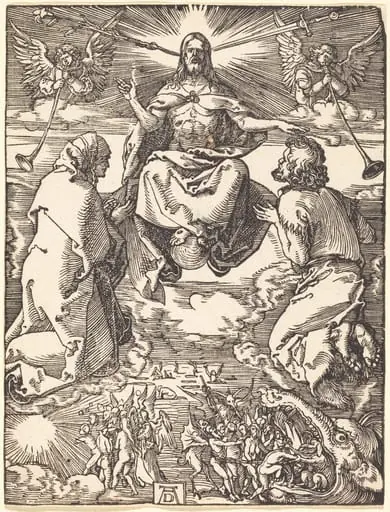 The Last Judgment
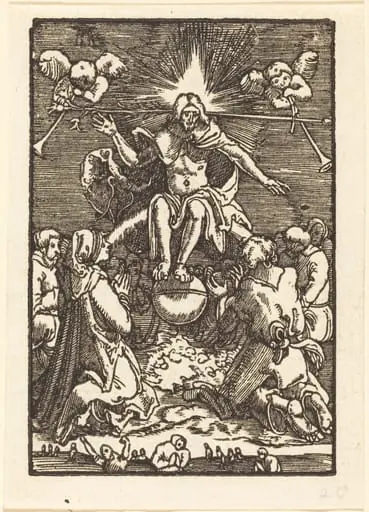 The Last Judgment
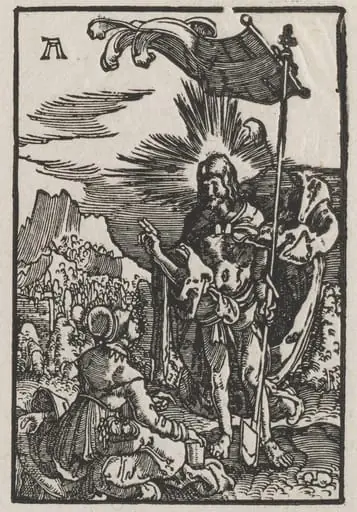 The Fall and Redemption of Man: Christ Appearing to St. Mary Magdalen
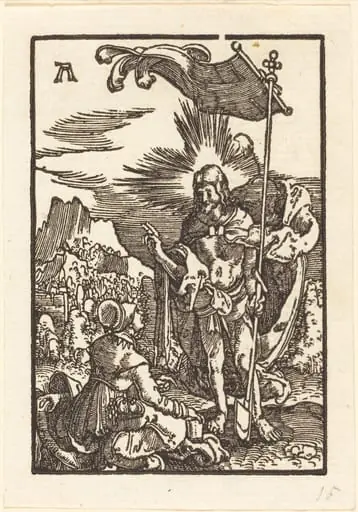 Noli me Tangere
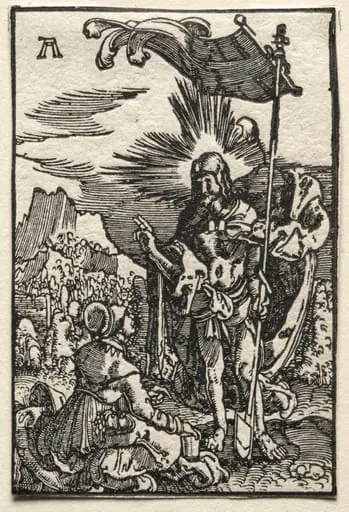 The Fall and Redemption of Man: Christ Appearing to St. Mary Magdalen
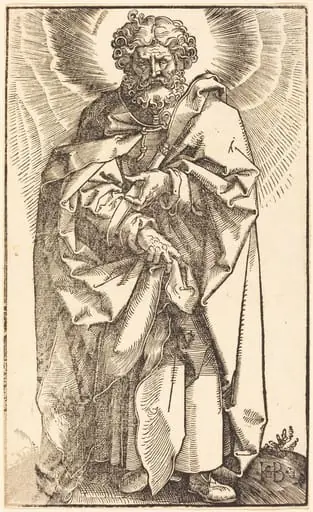 Saint Bartholomew