Artwork
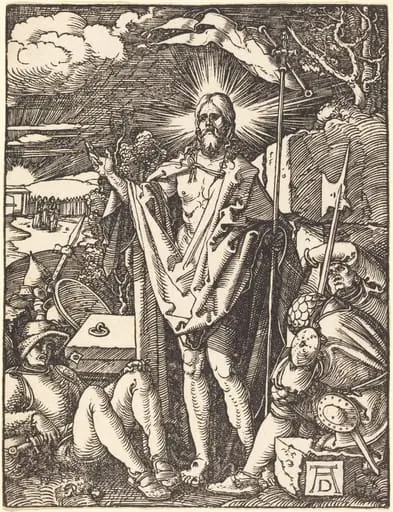
The Small Passion: The Resurrection
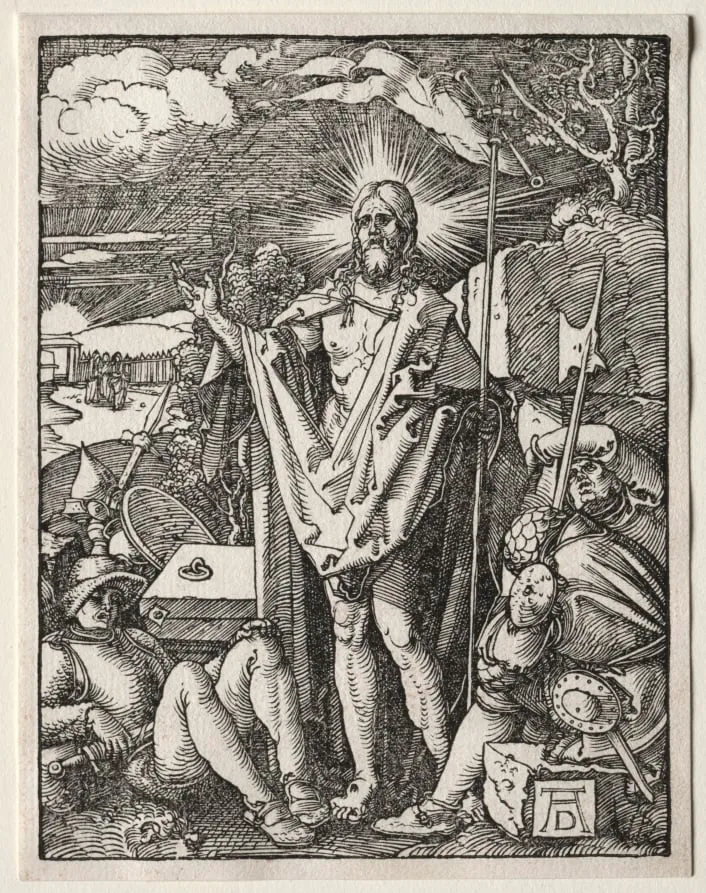
The Small Passion: The Resurrection is a print by the Renaissance artist Albrecht Dürer. It dates from 1510 and is held in the collection of the Cleveland Museum of Art.
About this work
Overview
Created in 1510, *The Small Passion: The Resurrection* is one of 37 woodcuts in Albrecht Dürer’s series illustrating the suffering and triumph of Christ.
Created in 1510, *The Small Passion: The Resurrection* is one of 37 woodcuts in Albrecht Dürer’s series illustrating the suffering and triumph of Christ. Produced in Nuremberg, the print reflects Dürer’s mastery of the woodcut medium and his deep engagement with Christian narrative. Unlike his earlier engravings, this series was designed for broader distribution, making religious imagery accessible beyond elite audiences. The work is now part of the Cleveland Museum of Art’s permanent collection.
Subject & Meaning
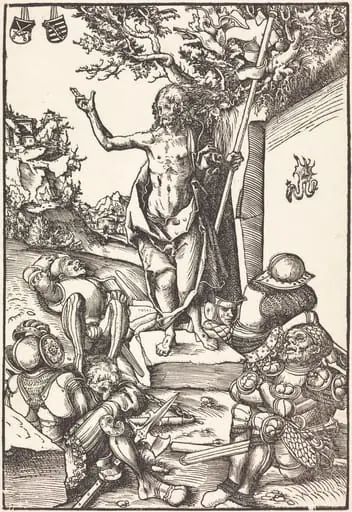
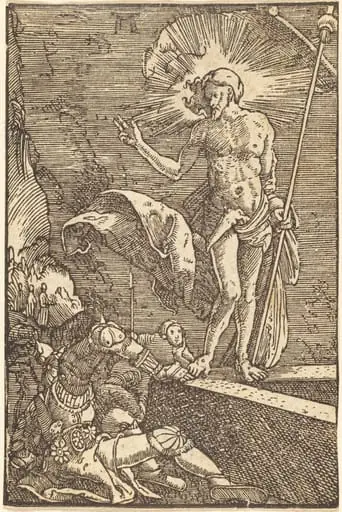
The scene depicts Christ rising from the tomb, his figure centered and radiant, holding a cloth as a symbol of resurrection and purity. Surrounding him, Roman soldiers lie in disarray—some asleep, others startled—emphasizing the divine nature of the event and human failure to comprehend it. The composition avoids overt spectacle, instead conveying spiritual power through stillness and quiet authority, aligning with devotional ideals of the early 16th century.
Technique & Style
Dürer employed fine, controlled lines in woodcut to model form and texture with remarkable precision. Subtle gradations of tone, achieved through cross-hatching, create a sense of volume and spatial depth. The contrast between the luminous figure of Christ and the shadowed, inert soldiers enhances the scene’s emotional gravity. The landscape background, though minimal, is rendered with careful attention to naturalistic detail, reflecting Renaissance ideals of observation and harmony.
History & Provenance
The print was produced during Dürer’s mature period, following his return from Italy, where he absorbed classical and humanist influences. The *Small Passion* series was published in 1511 and quickly circulated across Europe, establishing Dürer’s reputation beyond Germany. The Cleveland Museum of Art acquired the print in the 20th century, preserving it as a key example of Northern Renaissance printmaking and devotional art.
Context
In early 16th-century Germany, religious imagery was central to both Catholic devotion and emerging Protestant thought. Dürer’s series responded to a growing demand for personal, portable devotional aids. While the Catholic Church still dominated artistic patronage, the accessibility of woodcuts allowed laypeople to engage with sacred stories directly, foreshadowing the Reformation’s emphasis on individual faith and scriptural access.
Legacy
Dürer’s *Small Passion* set a new standard for narrative clarity and technical refinement in printmaking. Its influence extended to later artists across Europe, who adopted his compositional strategies and attention to psychological nuance. The series remains a touchstone for understanding how religious themes were translated into visual language during a period of profound cultural and theological change.
Artist & collection
Artist
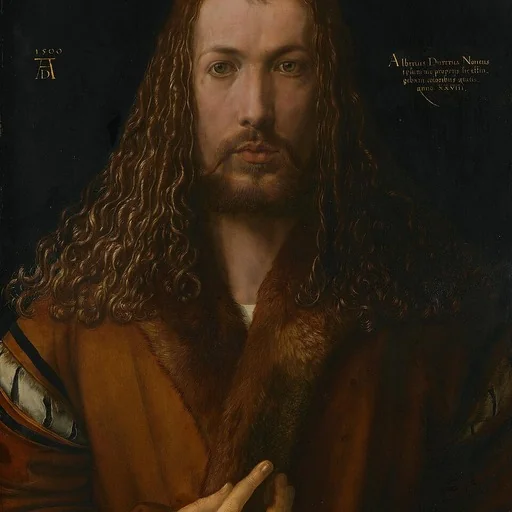
Albrecht Dürer spent his life in Nuremberg, a busy German city where artists traded prints like currency.

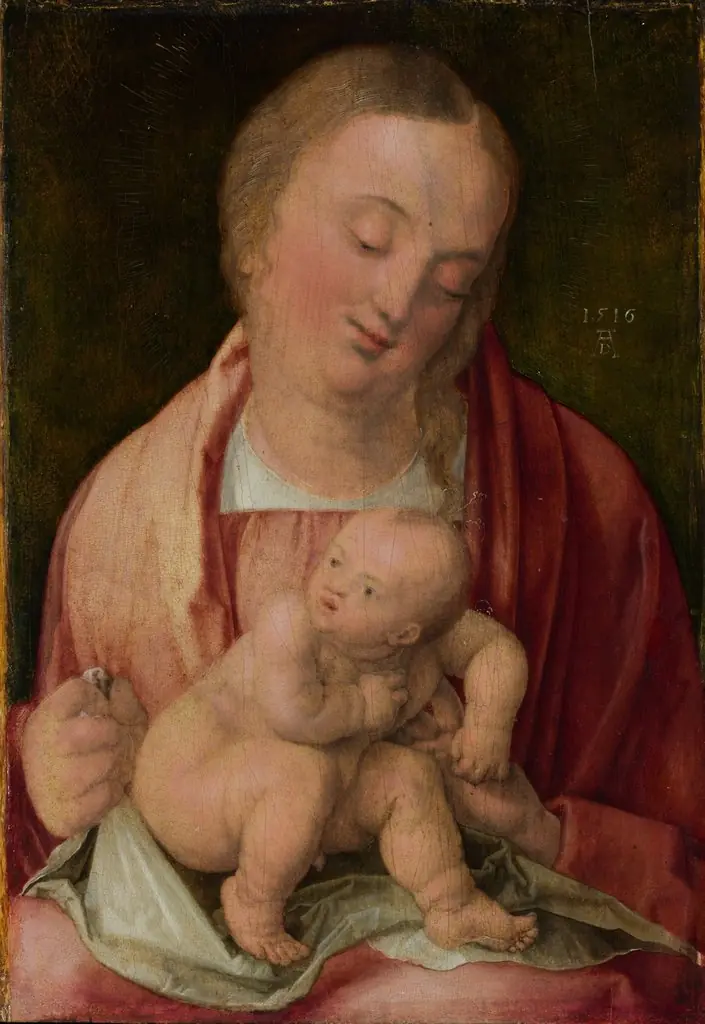
![Madonna and Child [obverse], by Albrecht Dürer](https://artifactworldgallery.com/img/albrecht-durer--madonna-and-child-obverse--d7b8ebf05d22ebe5-w320.webp)
![Lot and His Daughters [reverse], by Albrecht Dürer](https://artifactworldgallery.com/img/albrecht-durer--lot-and-his-daughters-reverse--b4ebf9b282faa17a-w320.webp)
 The Resurrection
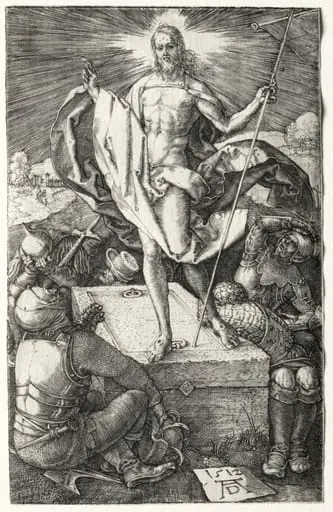 The Resurrection
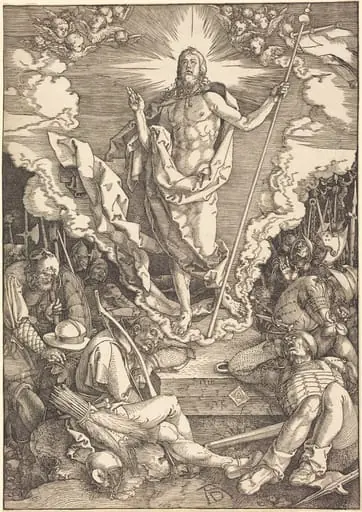 The Resurrection
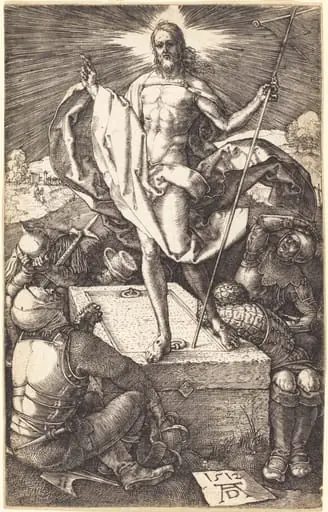 The Resurrection
 The Resurrection
 The Resurrection
 The Resurrection
 The Fall and Redemption of Man: Christ Appearing to St. Mary Magdalen
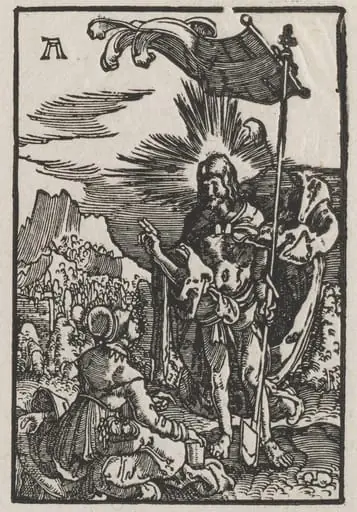 The Fall and Redemption of Man: Christ Appearing to St. Mary Magdalen
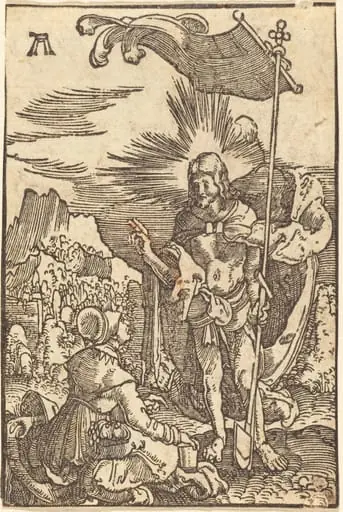 Noli me Tangere
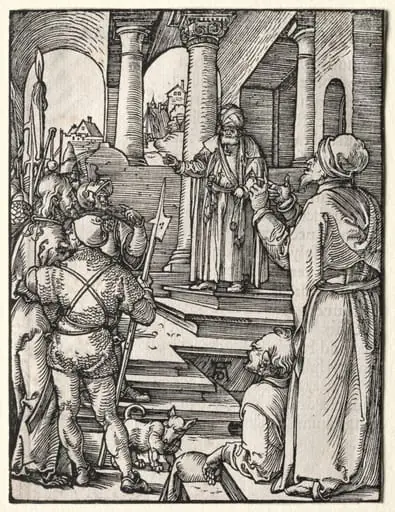 The Small Passion: Christ Before Pilate
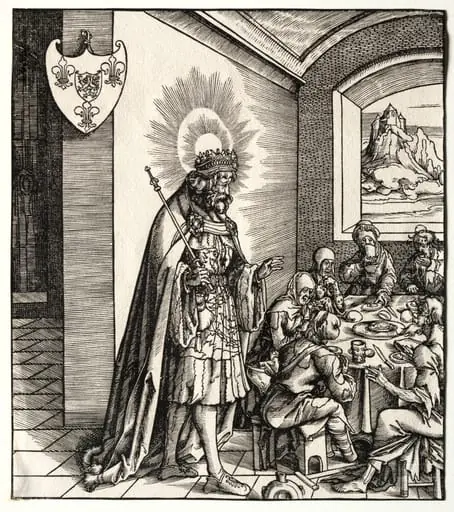 Saints Connected with the House of Habsburg: A General Account of the Ancestry of Emperor Maximilian I