Artwork
The Fall and Redemption of Man: Christ Appearing to St. Mary Magdalen
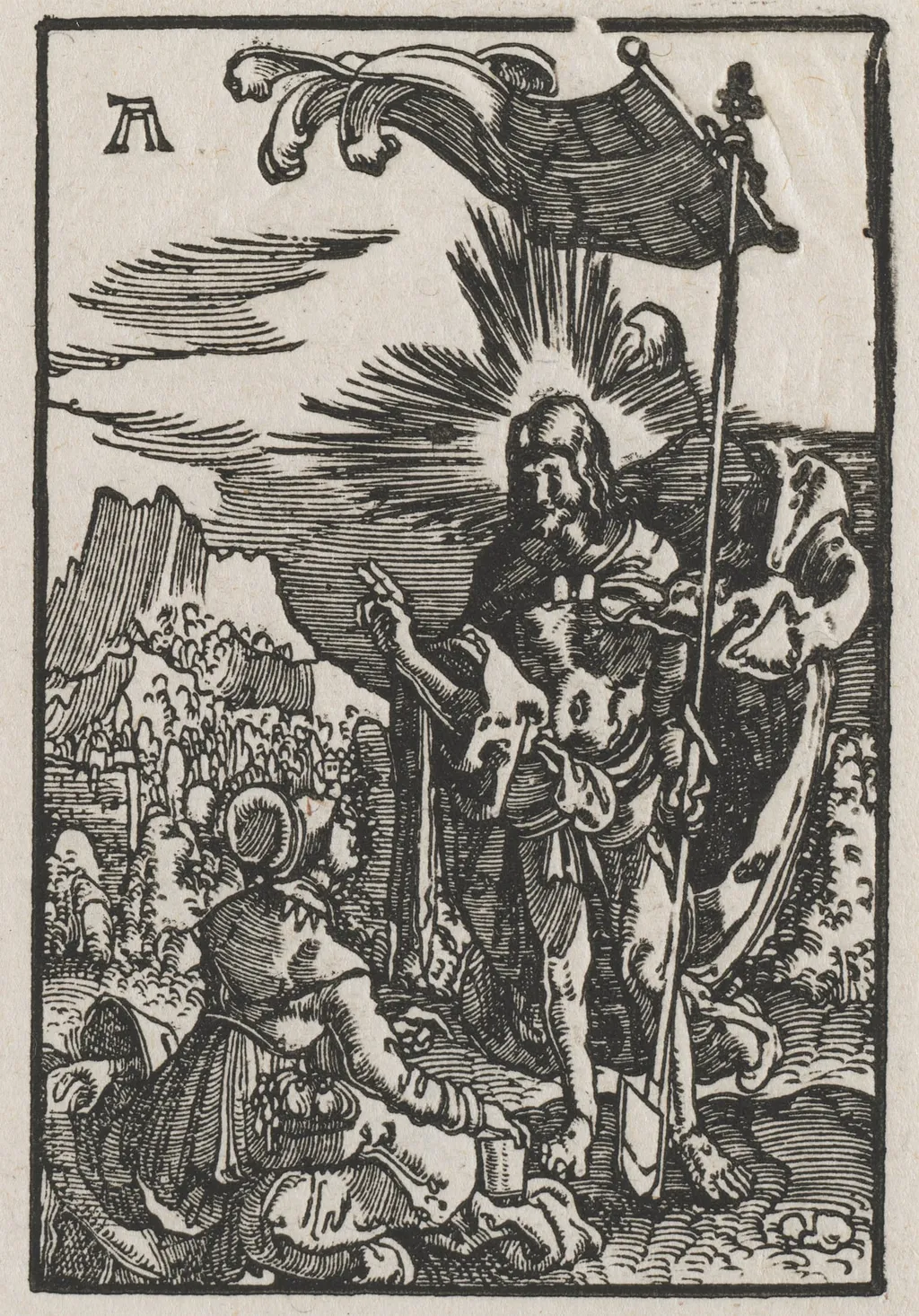
The Fall and Redemption of Man: Christ Appearing to St. Mary Magdalen is a print by the Renaissance artist Albrecht Altdorfer. It dates from 1515 and is held in the collection of the Cleveland Museum of Art.
About this work
Overview
Unlike contemporaries who prioritized human figures, he gave equal weight to the surrounding landscape, elevating it as a carrier of spiritual meaning.
Created in 1515 by Albrecht Altdorfer, this print is part of a series illustrating biblical themes of sin and salvation. Altdorfer, active in Regensburg, merged religious narrative with detailed natural settings, reflecting his role in the Danube School. Unlike contemporaries who prioritized human figures, he gave equal weight to the surrounding landscape, elevating it as a carrier of spiritual meaning.
Subject & Meaning
The scene captures Christ’s post-resurrection appearance to Mary Magdalene, a moment of divine recognition and emotional reconciliation. Mary kneels in humility before the risen Savior, who stands elevated on a hill, haloed and serene. The composition underscores themes of redemption and grace, with the quiet interaction between the figures conveying spiritual revelation rather than dramatic spectacle.
Technique & Style
Altdorfer employed fine engraving techniques to render delicate textures in foliage, rock, and fabric. Warm tones define Christ’s figure, contrasting with the cool, muted greens and blues of the landscape. The precise linework and layered shading create depth without overt perspective, characteristic of Northern Renaissance printmaking. The natural setting is rendered with observational detail, suggesting a personal engagement with the environment.
History & Provenance
The print was produced during Altdorfer’s mature period in Regensburg, a center of artistic and intellectual exchange. Though the original plate’s early ownership is undocumented, surviving impressions suggest circulation among German humanist and ecclesiastical circles. It was likely intended for private devotion, reflecting the growing demand for portable religious imagery in the early Reformation era.
Context
In early 16th-century Germany, religious imagery was shifting amid rising theological debate. Altdorfer’s integration of landscape as a spiritual backdrop diverged from Italian humanist focus, instead aligning with Northern traditions that saw nature as a manifestation of divine order. His work bridges late medieval symbolism and emerging Renaissance naturalism, offering a uniquely German interpretation of sacred narrative.
Legacy
Altdorfer’s treatment of landscape as an expressive, autonomous element influenced later German printmakers and painters. His ability to embed theological meaning within natural forms helped redefine the role of environment in religious art. Though less celebrated than his Italian peers, his prints contributed to a distinct Northern aesthetic that valued introspection and atmospheric depth.
Artist & collection
Artist
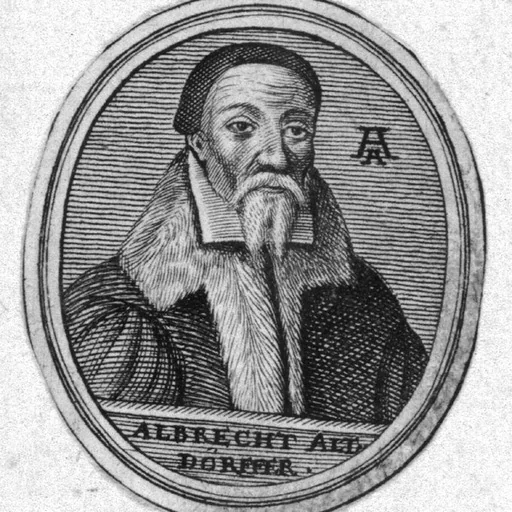
Albrecht Altdorfer (c. 1480 – 12 February 1538) was a German painter, engraver and architect of the Renaissance working in Regensburg. Along with Lucas Cranach the Elder and Wolf Huber he is regarded to be the main…

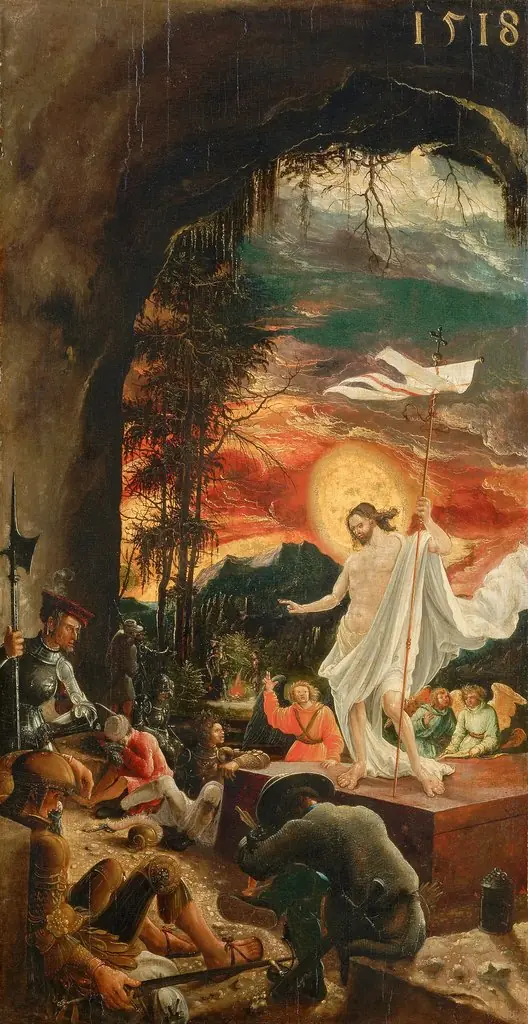
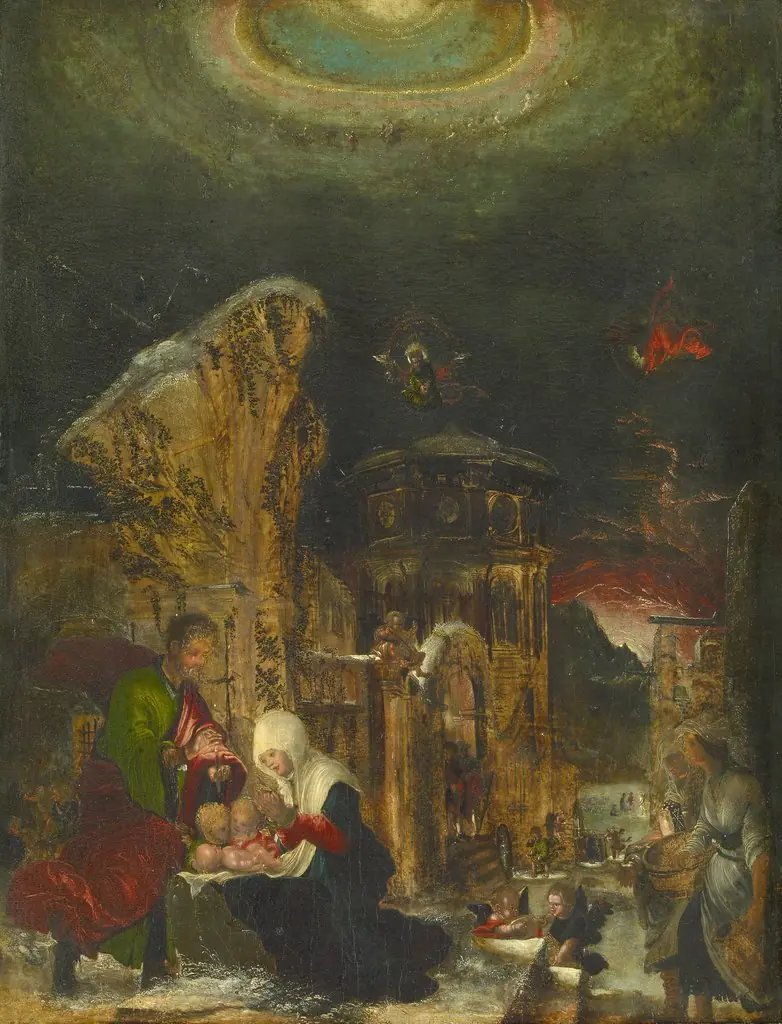
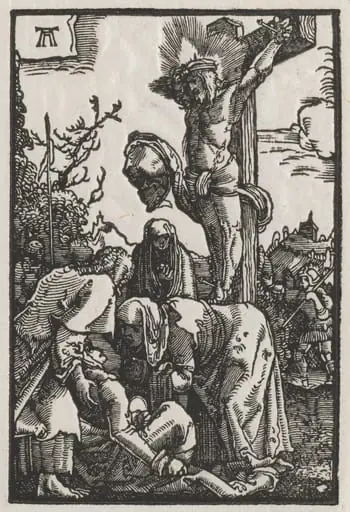 The Fall and Redemption of Man: Christ on the Cross
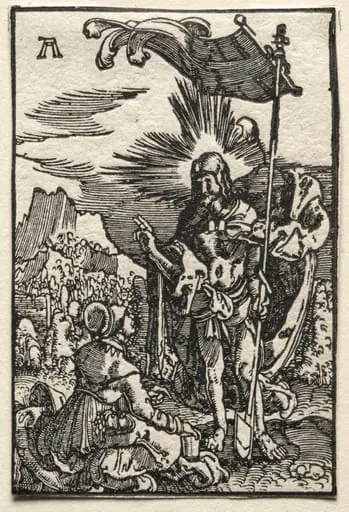 The Fall and Redemption of Man: Christ Appearing to St. Mary Magdalen
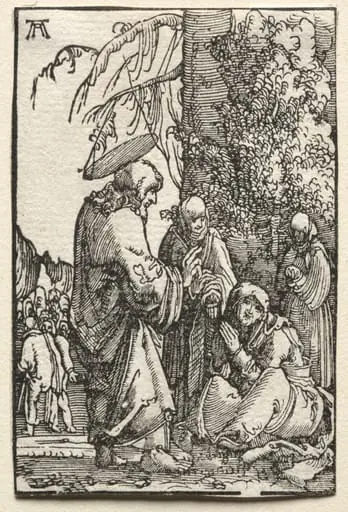 The Fall and Redemption of Man: Christ Taking Leave of His Mother before the Passion
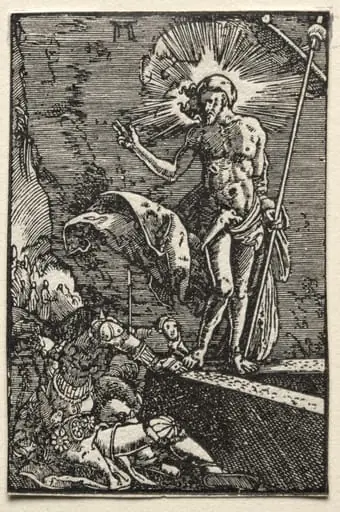 The Fall and Redemption of Man: The Resurrection
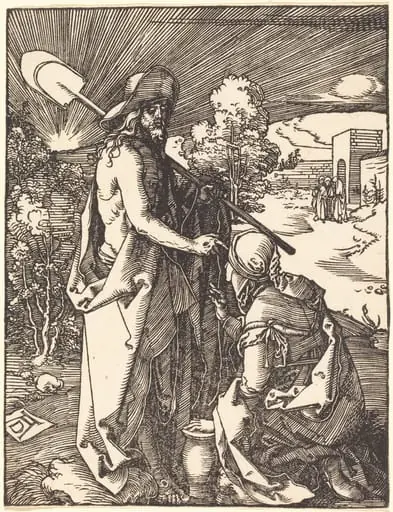 Christ Appearing to Mary Magdalene
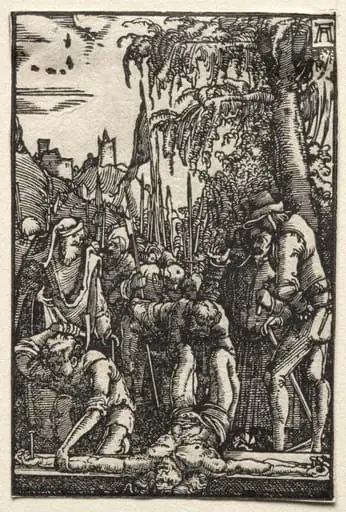 The Fall and Redemption of Man: Christ Nailed to the Cross
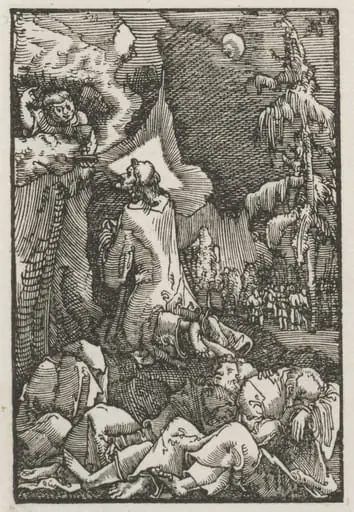 The Fall and Redemption of Man: Christ on the Mount of Olives
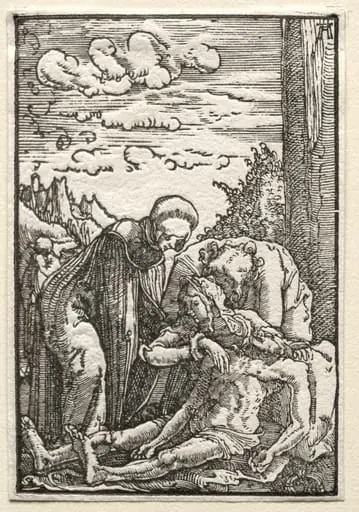 The Fall and Redemption of Man: The Lamentation beneath the Cross
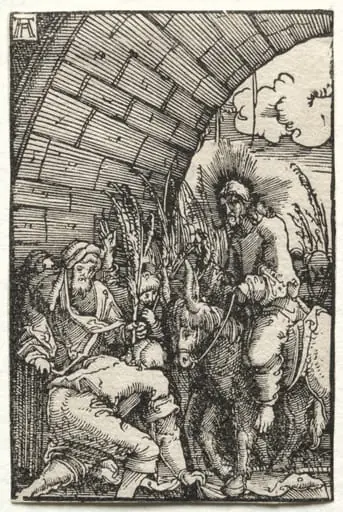 The Fall and Redemption of Man: The Entry into Jerusalem