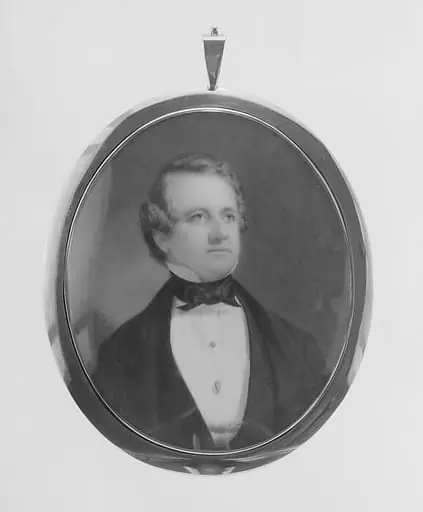
Artwork
Henry Codman
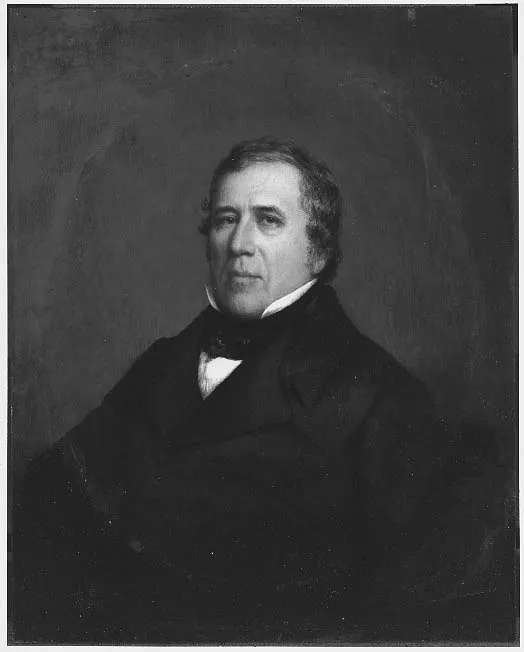
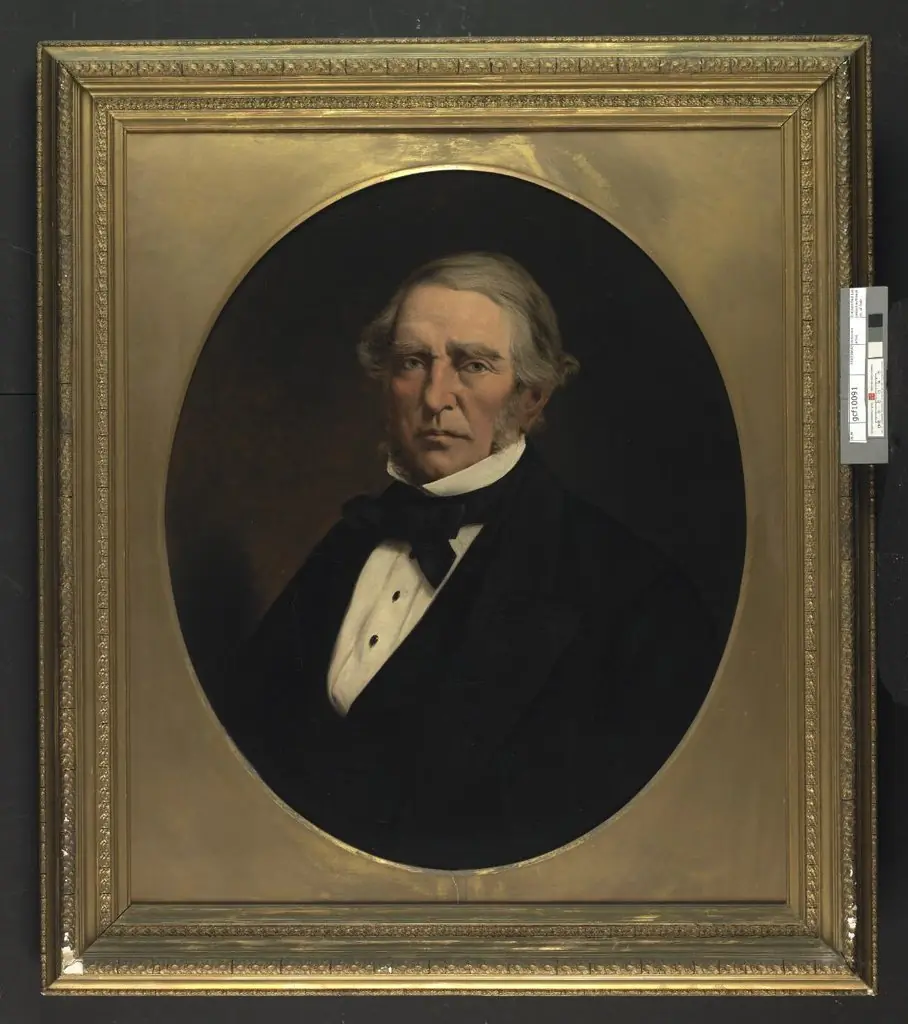
Henry Codman is an unspecified painting by the American Folk Art artist Alvan Clark. It dates from 1850 and is held in the collection of the Museum of Fine Arts Boston.
About this work
If you're interested in learning more about the artist who created this portrait, you might want to look up the work of Alvan Clark.
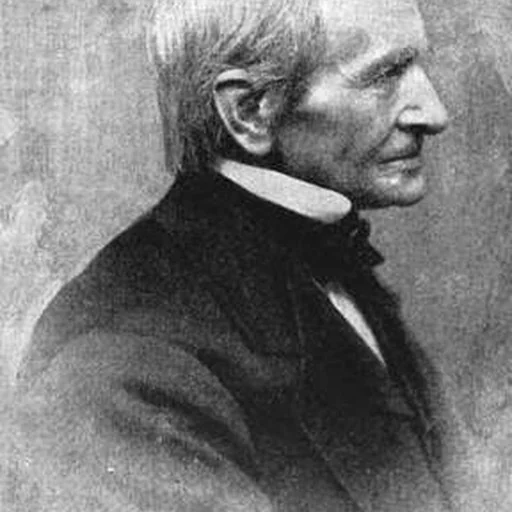
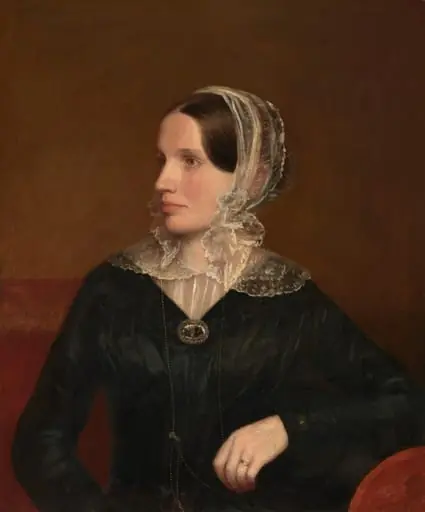
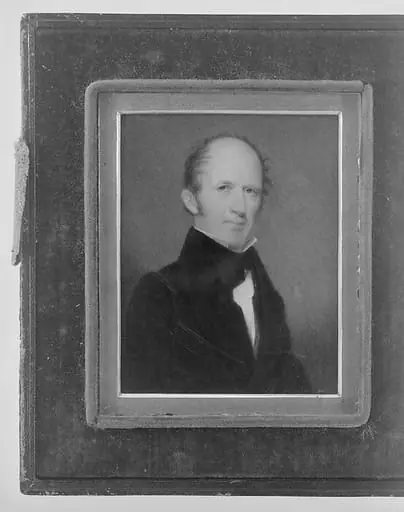
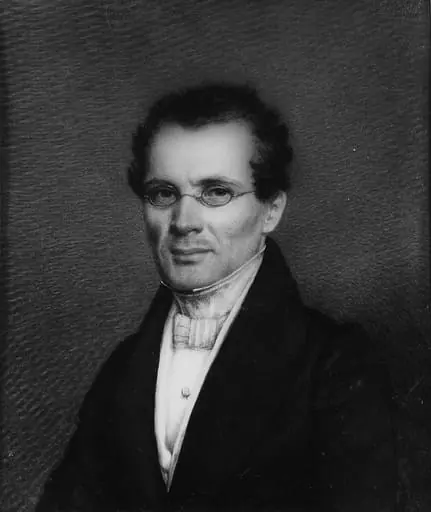
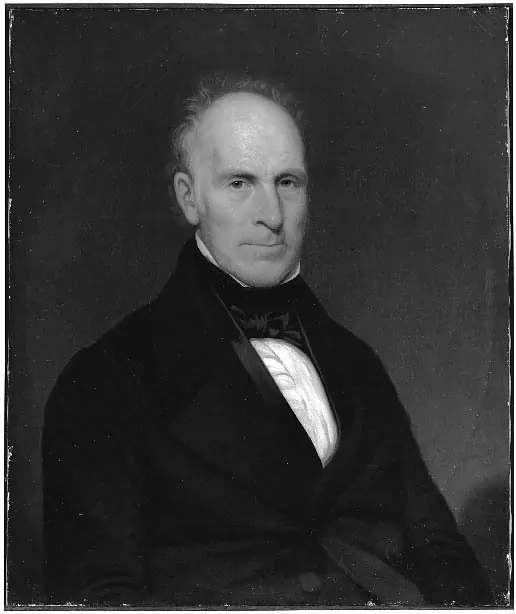
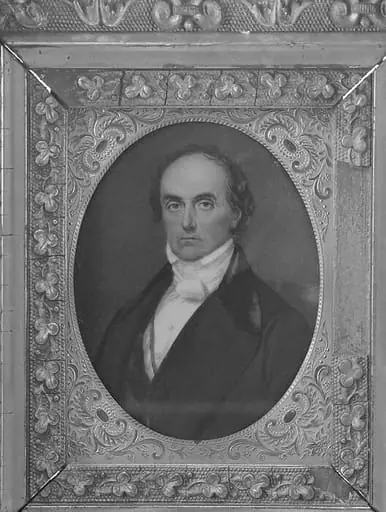
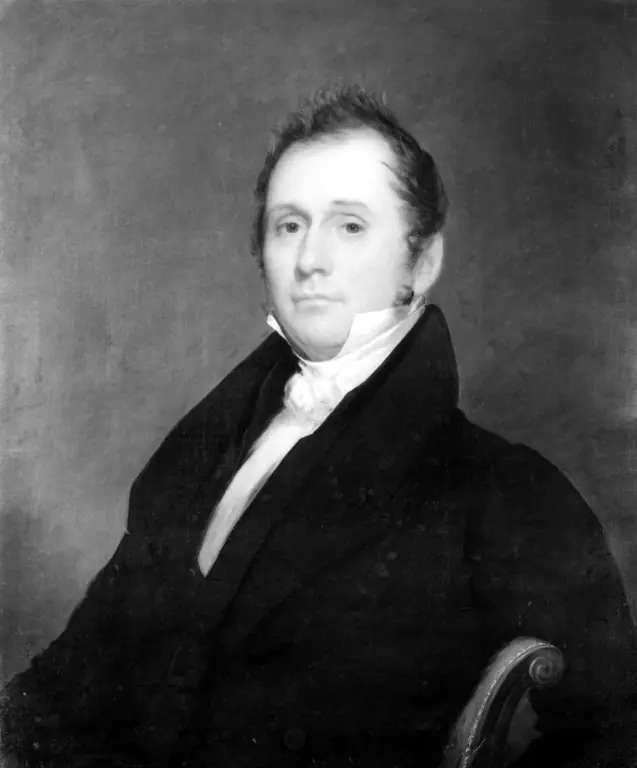
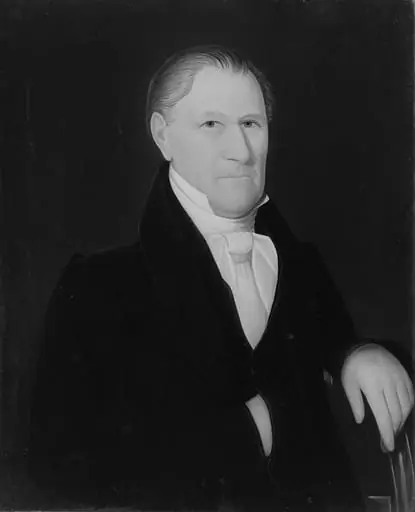
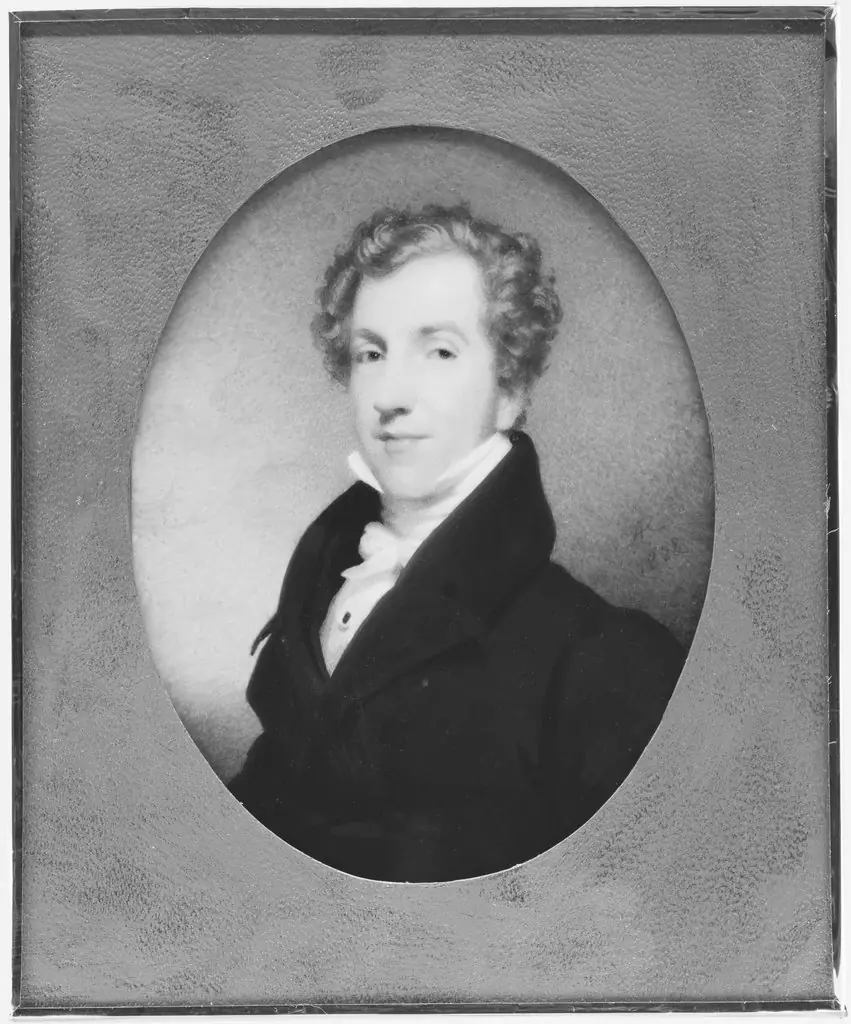
This painting depicts a man with short, dark hair and a serious expression. He is dressed in a dark coat with a white shirt and a black bow tie. The background of the painting is a solid, dark color.
The man's attire and the style of the painting suggest that it is a portrait from the 19th century. The artist's use of dark colors and the subject's formal attire create a sense of solemnity.
If you're interested in learning more about the artist who created this portrait, you might want to look up the work of Alvan Clark.
Overview
Painted around 1850 by Alvan Clark, this portrait depicts Henry Codman, a figure likely known within his social or professional circle. The work is part of the permanent collection at the Museum of Fine Arts, Boston. Rendered in a restrained palette and composed with quiet precision, the painting reflects the conventions of mid-19th-century American portraiture, emphasizing dignity over ornamentation.
Subject & Meaning
Henry Codman is portrayed with a composed, unsmiling expression, his posture upright and gaze direct. His attire—a dark coat, white shirt, and black bow tie—signals formality and social standing, typical of middle- or upper-class men of the era. The absence of contextual elements focuses attention on his presence, suggesting a desire to convey character through stillness and restraint rather than narrative.
Technique & Style
Clark employs a muted color scheme dominated by deep browns and blacks, with subtle contrasts in the white shirt and skin tones to define form. Brushwork is controlled and smooth, avoiding dramatic flourishes. The solid, dark background isolates the figure, enhancing the portrait’s intimacy and seriousness. This approach aligns with the academic tradition of American portraiture, prioritizing clarity and psychological presence.
History & Provenance
The painting entered the Museum of Fine Arts, Boston’s collection in the late 19th or early 20th century, though its earlier ownership remains undocumented. Alvan Clark, primarily known as an astronomer and telescope maker, produced portraits as a secondary pursuit. This work stands as one of his few surviving painted portraits, offering insight into his artistic practice beyond scientific instrumentation.
Context
In the 1850s, American portraiture was dominated by artists trained in Europe or influenced by European conventions. Clark, though not a professional painter, worked within this framework, reflecting the era’s emphasis on dignified representation. Portraits like this one served as markers of identity and status, often commissioned by families to commemorate individuals of local importance.
Legacy
Though Alvan Clark is better remembered for his contributions to astronomy, this portrait preserves a quiet record of his artistic skill. It contributes to the understanding of amateur artists in 19th-century America who engaged with portraiture as a personal or civic practice. The work remains a modest but significant example of non-professional portraiture within a major museum collection.
Artist & collection