Artwork
Unidentified Lay-preacher/Minister, of Bala
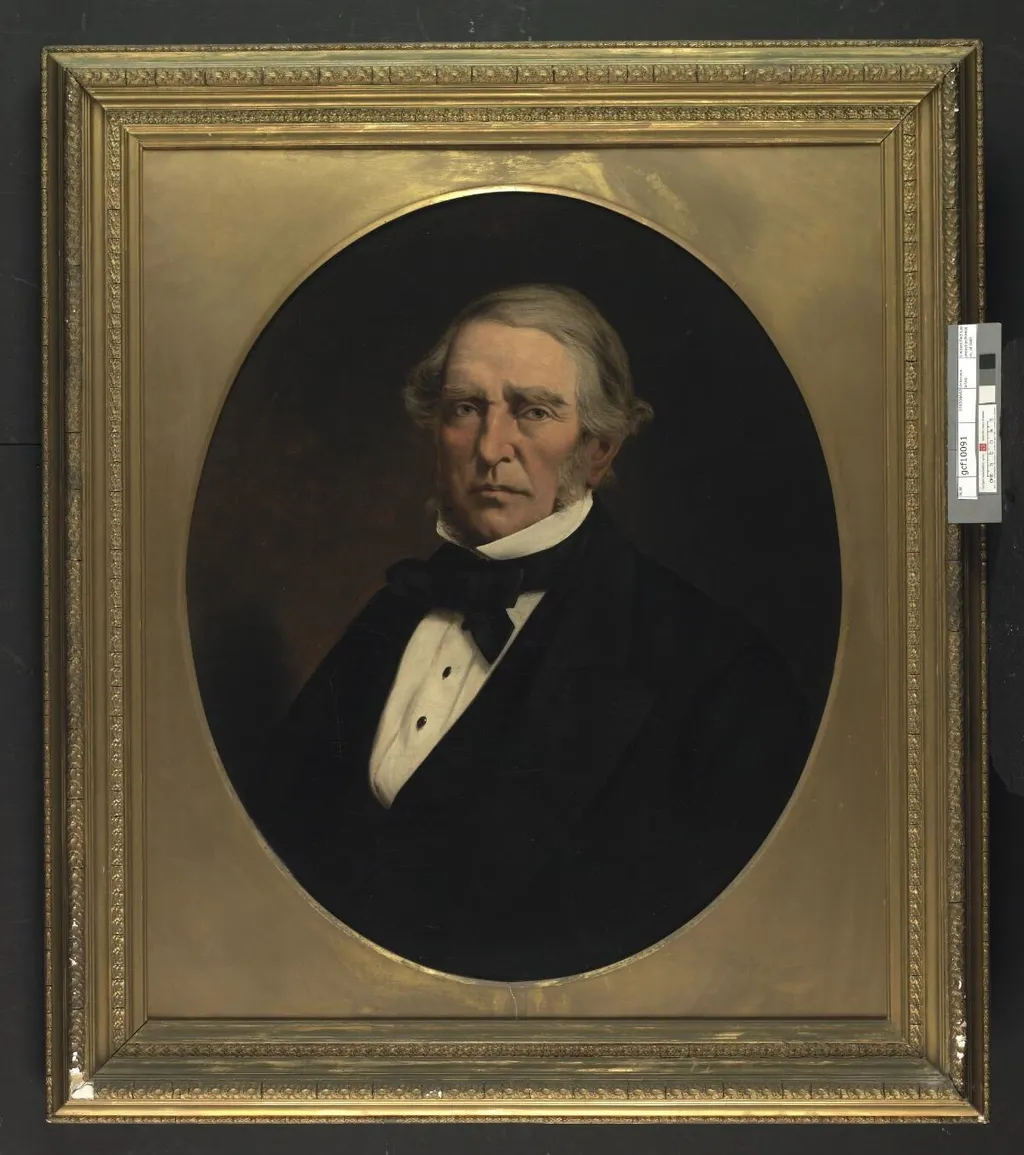
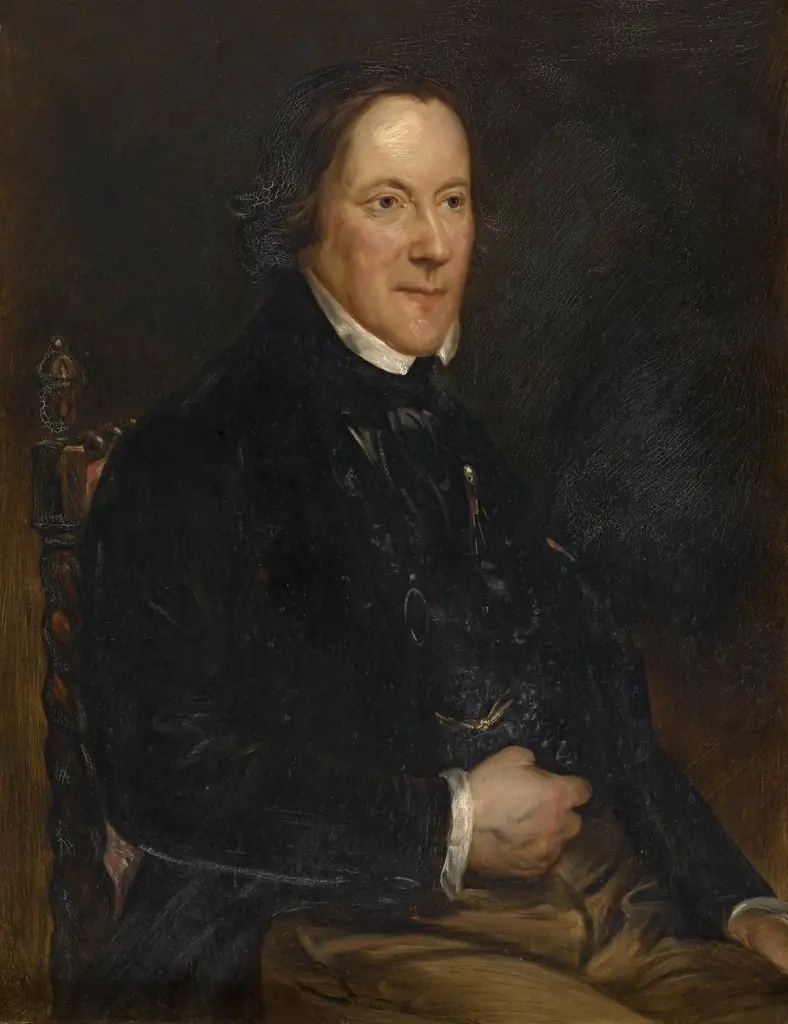
Unidentified Lay-preacher/Minister, of Bala is an oil painting by the Realist artist Unknown. It dates from 1860 and is held in the collection of the National Library of Wales. The work is an oil portrait presenting a middle‑aged man with greying hair, dressed in a black suit, white shirt and black bow tie.
About this work
The man's attire and hairstyle suggest that he may be a member of the clergy or a professional from the 19th century.
The painting depicts an older man with grey hair, dressed in a black suit with a white shirt and black bow tie. He is shown from the chest up, facing forward with a neutral expression. The background of the painting is dark, which helps to highlight the subject's features. The man's attire and hairstyle suggest that he may be a member of the clergy or a professional from the 19th century. The painting's style and technique are reminiscent of traditional portraiture from that era.
Overview
The work is an oil portrait presenting a middle‑aged man with greying hair, dressed in a black suit, white shirt and black bow tie. Rendered from the chest upward, the figure looks directly at the viewer with a composed, neutral expression, set against a dark, non‑descriptive background that isolates his features.
Subject & Meaning
The sitter appears to be a lay preacher or minister from the town of Bala, suggested by his formal attire and modest demeanor. The absence of overt religious symbols focuses attention on his personal character rather than ecclesiastical authority, implying a portrait intended for private remembrance or local recognition.
Technique & Style
Executed in oil on canvas, the painting employs a restrained palette of deep blacks, whites, and muted flesh tones. The brushwork is smooth and controlled, typical of 19th‑century academic portraiture, while the chiaroscuro of the dark backdrop accentuates the sitter’s face and hands, creating a subtle three‑dimensional effect.
History & Provenance
The portrait’s exact date and artist remain unidentified, and no documented chain of ownership is available. It is associated with the community of Bala, suggesting it may have been commissioned locally and retained within regional collections or family holdings.
Context
Portraits of clergy and lay religious figures were common in 19th‑century Wales, serving both as personal memorials and as visual affirmations of moral standing within tight‑knit communities. The formal dress and sober composition reflect contemporary expectations of respectability and modesty.
Legacy
Although the artist is unknown, the painting contributes to the visual record of regional religious life in the period, offering scholars a glimpse into the attire, demeanor, and portrait conventions applied to non‑ordained religious leaders in rural Wales.
Artist & collection

 Domestic Scene
 Giacomo and Cardinal Marco, investing Andrea, Abbot of San Zeno, with his Benefice
 The Nymph of Fontainebleau
 Portrait of a Woman
 Madonna and Child with Saints in the Enclosed Garden
 Venus and Minerva
 Family Group of Four on Sofa
 Wall painting from Room H of the Villa of P. Fannius Synistor at Boscoreale
 Johan Lindroos vanhana.
 Rev. Owen Thomas
 The Grandfather of William Williams
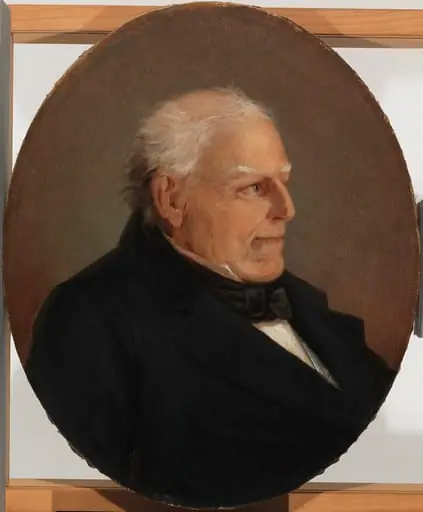 Kamarineuvos H. Rosenbergin muotokuva
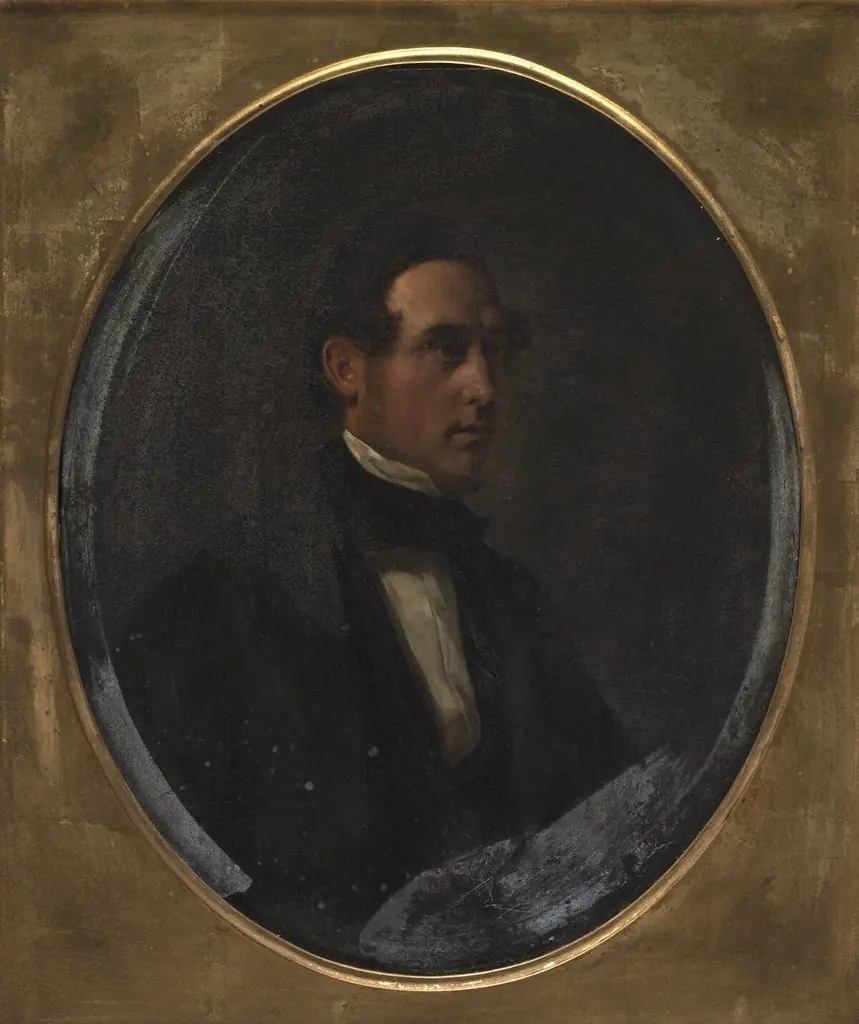 Portrait of a gentleman, aged 34
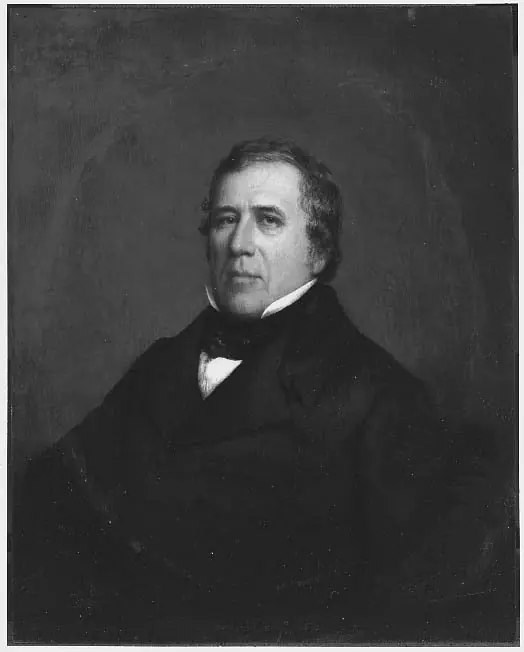 Henry Codman
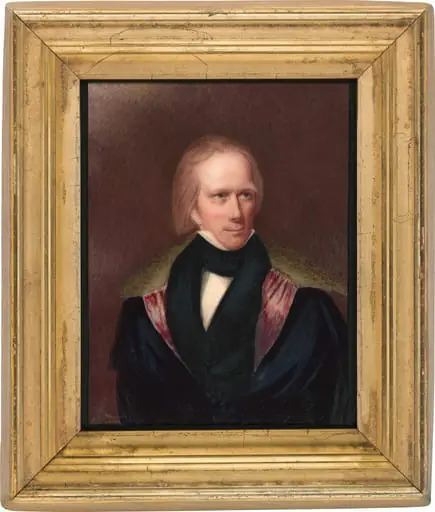 Henry Clay
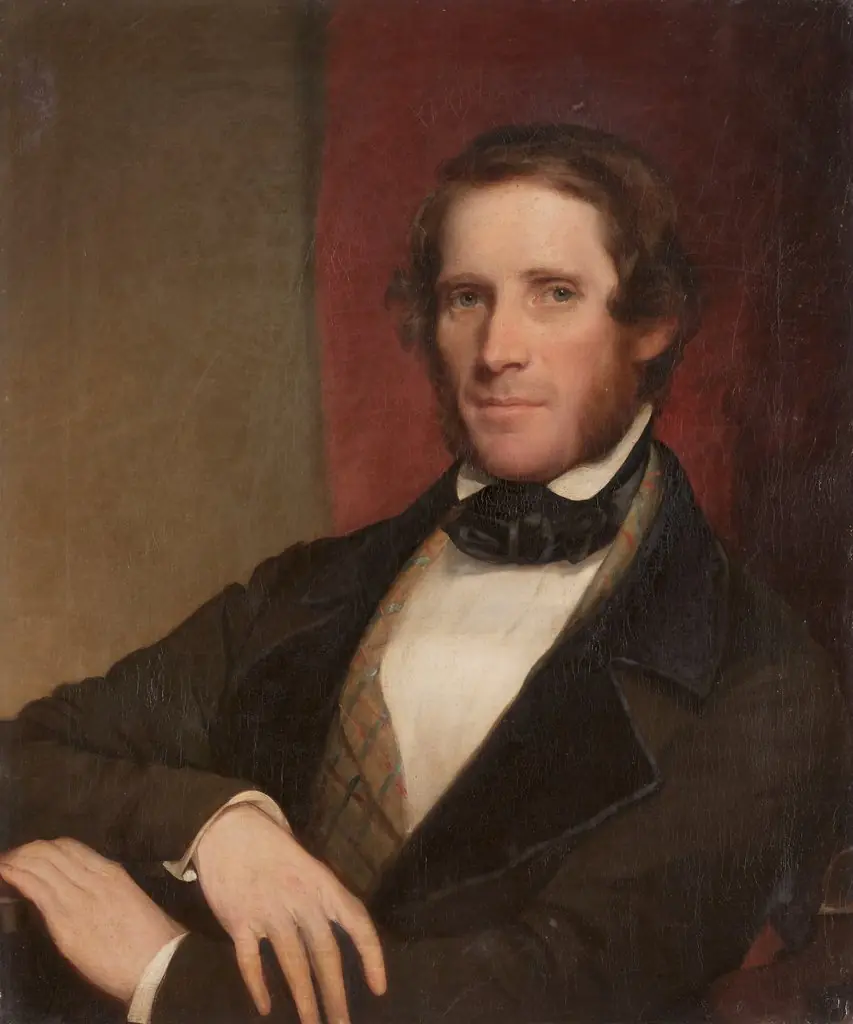 John Childe
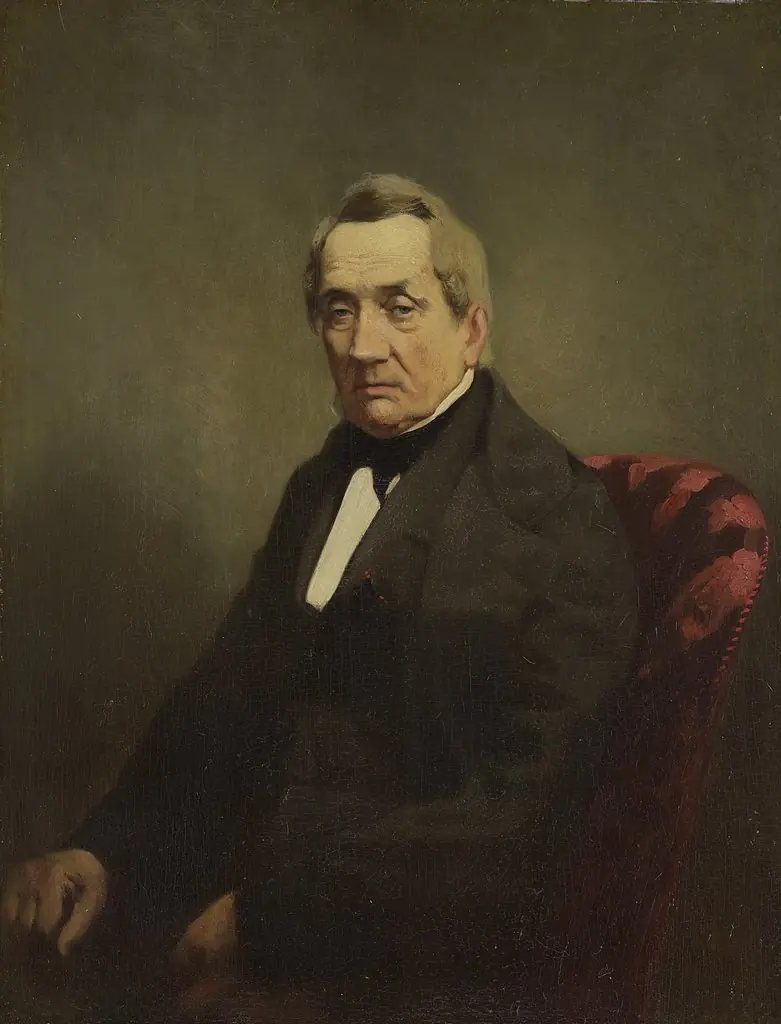 Portrait of J C de Brunett, Consul-General of Russia to Amsterdam
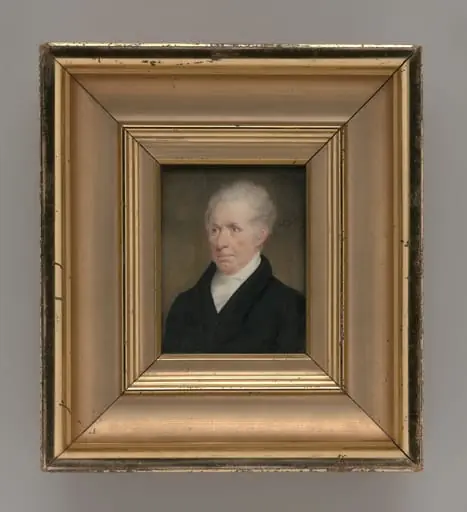 Gilbert Stuart
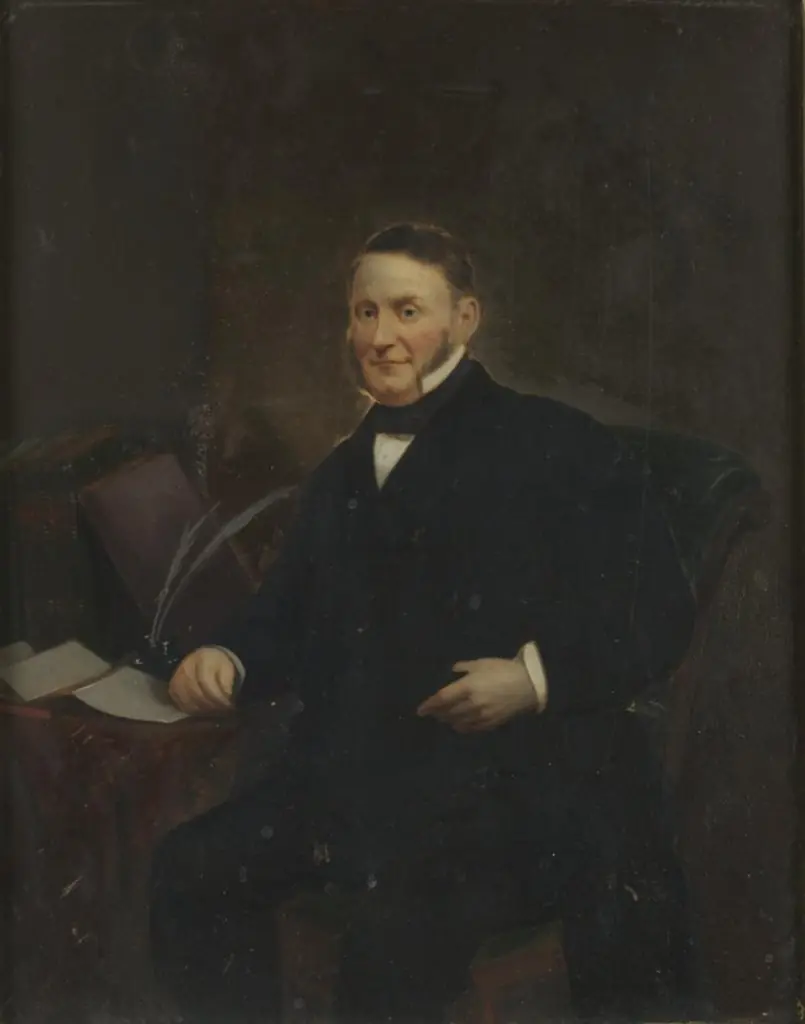 Ebenezer Cooper, Llangollen
 Constant van den Nest, Secretary of the Royal Academy of Fine Arts Antwerp