Artwork
Mary Magdalene, Martha, Lazarus and Maximinus Worshipped by the Prince and Princess of Provence and Mary Magdalene Listening to Christ's Sermon
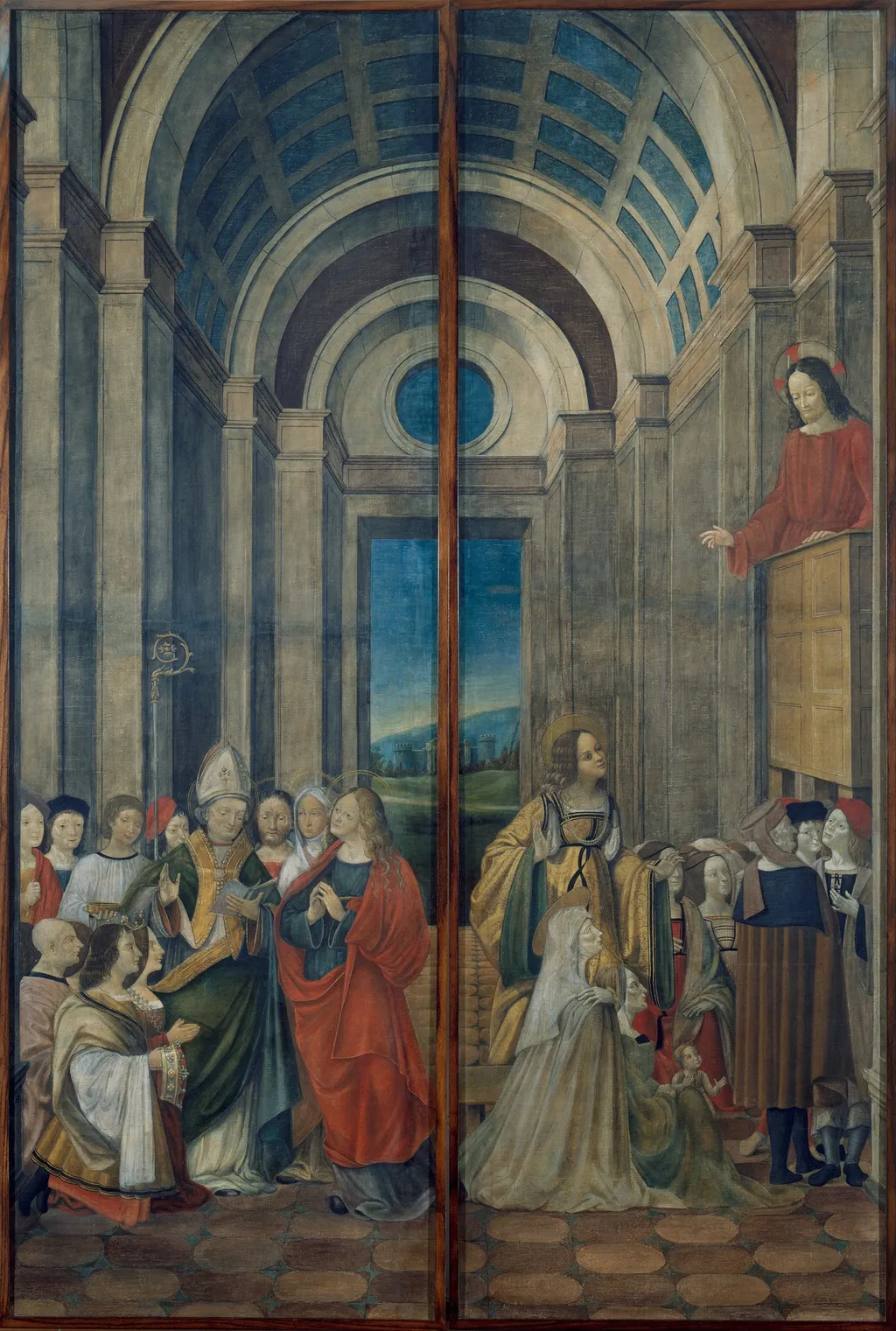
Mary Magdalene, Martha, Lazarus and Maximinus Worshipped by the Prince and Princess of Provence and Mary Magdalene Listening to Christ's Sermon is an unspecified painting by the Early Renaissance artist Alvise Donati. It dates from 1508 and is held in the collection of the Museu Nacional d'Art de Catalunya.
About this work
Overview
Painted in 1508 by Alvise Donati, this work combines two biblical narratives into a single composition. It portrays Mary Magdalene at the center, flanked by Martha, Lazarus, and Maximinus, while also depicting the Prince and Princess of Provence in acts of devotion. The scene unfolds within a monumental stone interior, emphasizing sacred space through architectural grandeur and subdued lighting.
Subject & Meaning
Mary Magdalene’s central position underscores her significance as a witness to Christ’s teachings, reinforcing her status among early Christian followers.
The painting merges the veneration of saints associated with Provence with Mary Magdalene’s role as a devoted listener to Christ. The royal figures, shown in prayerful postures, symbolize the region’s spiritual lineage, linking earthly nobility to divine grace. Mary Magdalene’s central position underscores her significance as a witness to Christ’s teachings, reinforcing her status among early Christian followers.
Technique & Style
Donati employs chiaroscuro to model forms with subtle gradations of light and shadow, enhancing the three-dimensionality of figures and architecture. The stone walls and tiled floor are rendered with careful attention to texture, while the figures’ drapery suggests volume without excessive ornamentation. The composition is restrained, favoring quiet solemnity over dramatic action, aligning with devotional painting conventions of the period.
History & Provenance
Created in 1508, the painting entered the collection of the Museu Nacional d'Art de Catalunya, where it remains today. Its origins likely lie in a regional commission tied to the cult of Mary Magdalene in Provence, a devotion that spread into northeastern Spain. The inclusion of local nobility suggests it may have served a devotional or commemorative function within a religious or aristocratic context.
Context
In early 16th-century southern Europe, depictions of Mary Magdalene and her companions were common in areas with strong traditions of her veneration, particularly Provence and Catalonia. This painting reflects the blending of local hagiography with broader Christian iconography. The architectural setting echoes contemporary ecclesiastical spaces, grounding the sacred narrative in a tangible, recognizable environment.
Legacy
Though not widely known outside regional collections, the painting exemplifies how devotional imagery in northern Italy and southern France adapted to local religious identities. Its quiet intensity and integration of noble patrons into sacred scenes offer insight into the intersection of piety and social status during the Renaissance, preserving a moment of spiritual reflection tied to a specific cultural milieu.
Artist & collection

 Susanna and the Elders in the Garden, and the Trial of Susanna before the Elders
 De roeping van Sint-Antonius
 Christ and the Woman Taken in Adultery
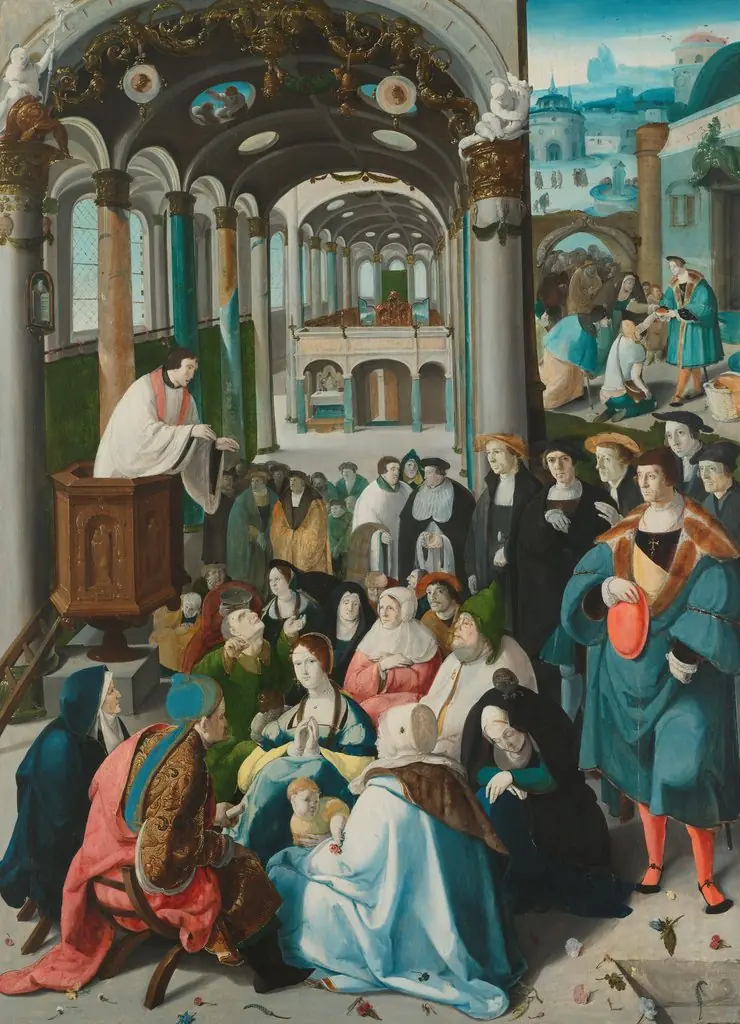 The Calling of Saint Anthony
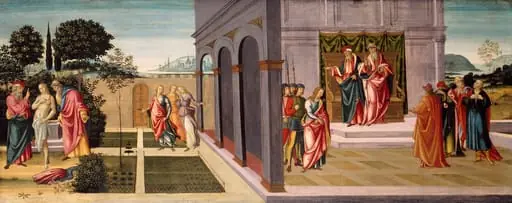 Susanna and the Elders in the Garden, and the Trial of Susanna before the Elders
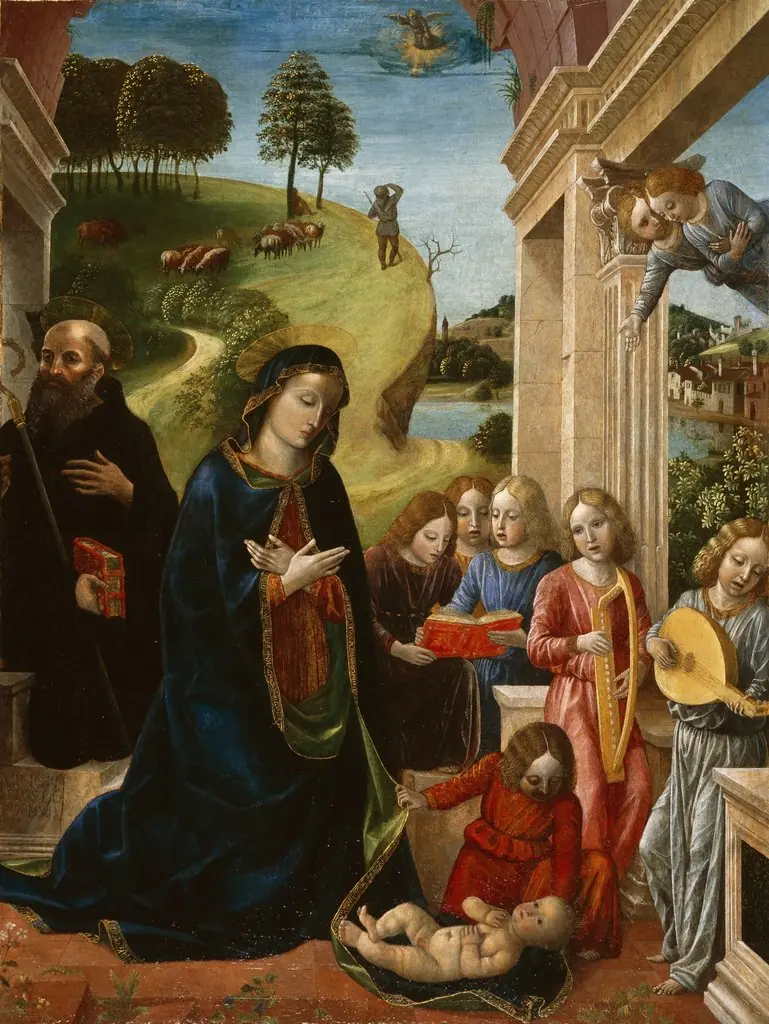 Adoration of the Child with St. Benedict and Angels
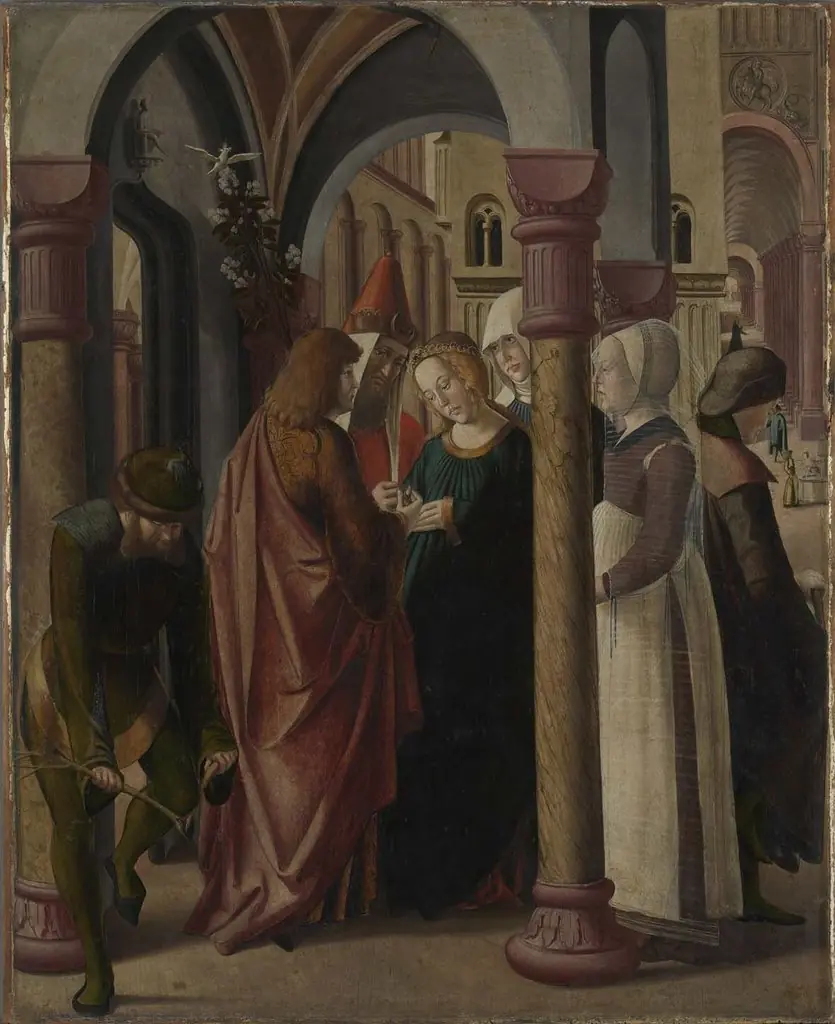 Marienaltar: Vermählung Mariae
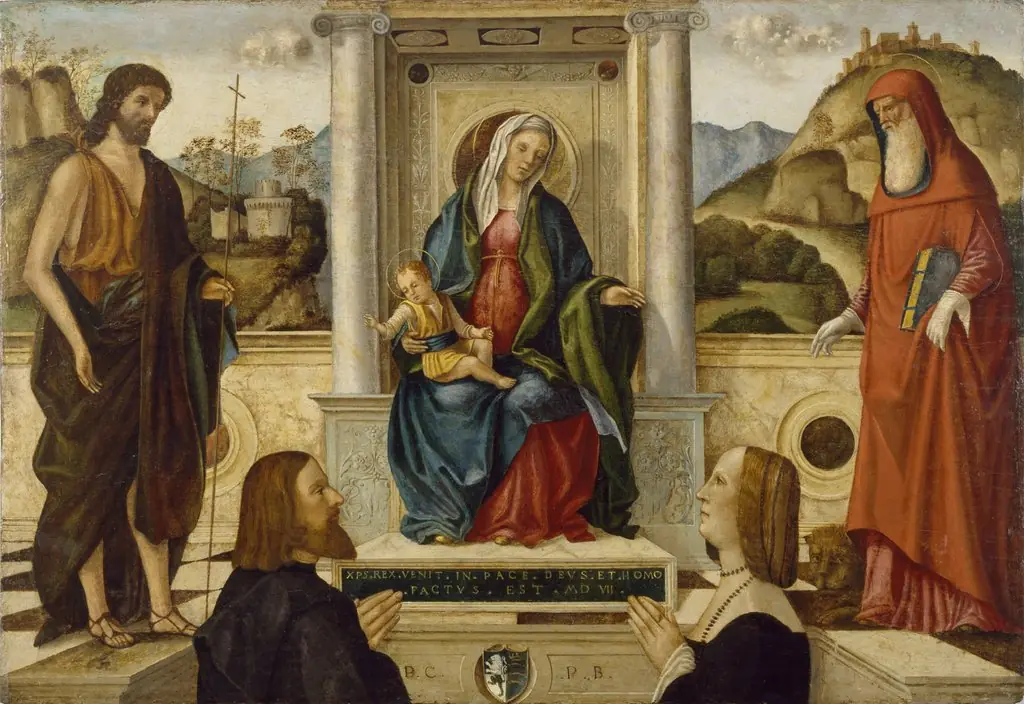 Madonna and Child Enthroned with Saints and Donor
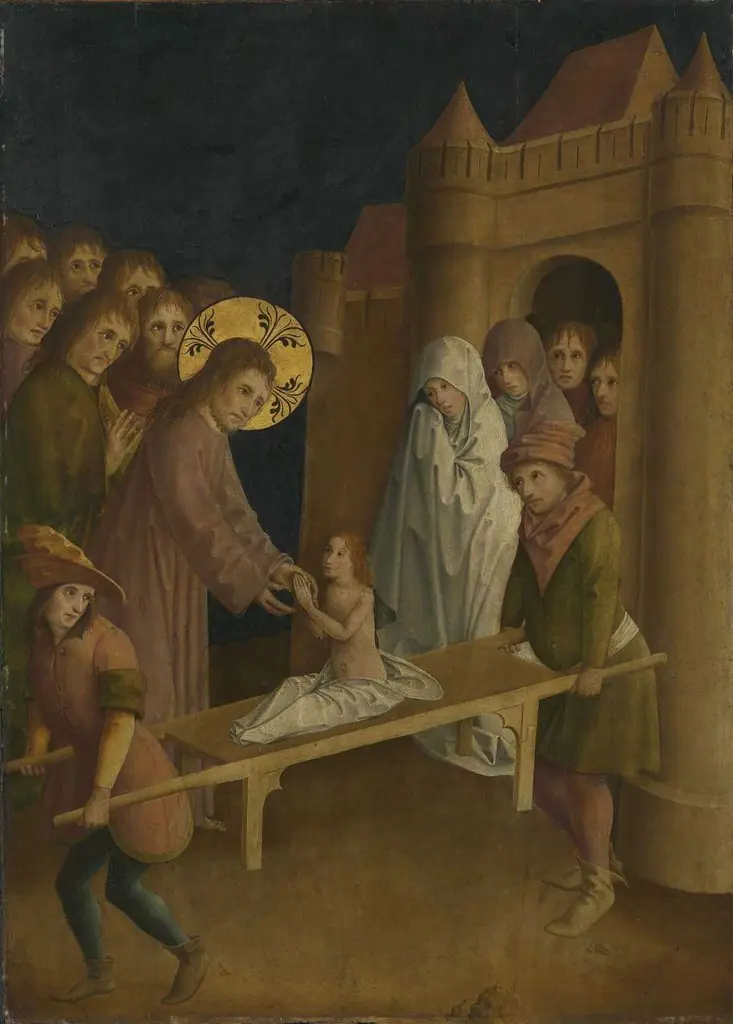 Die Erweckung des Jünglings von Nain
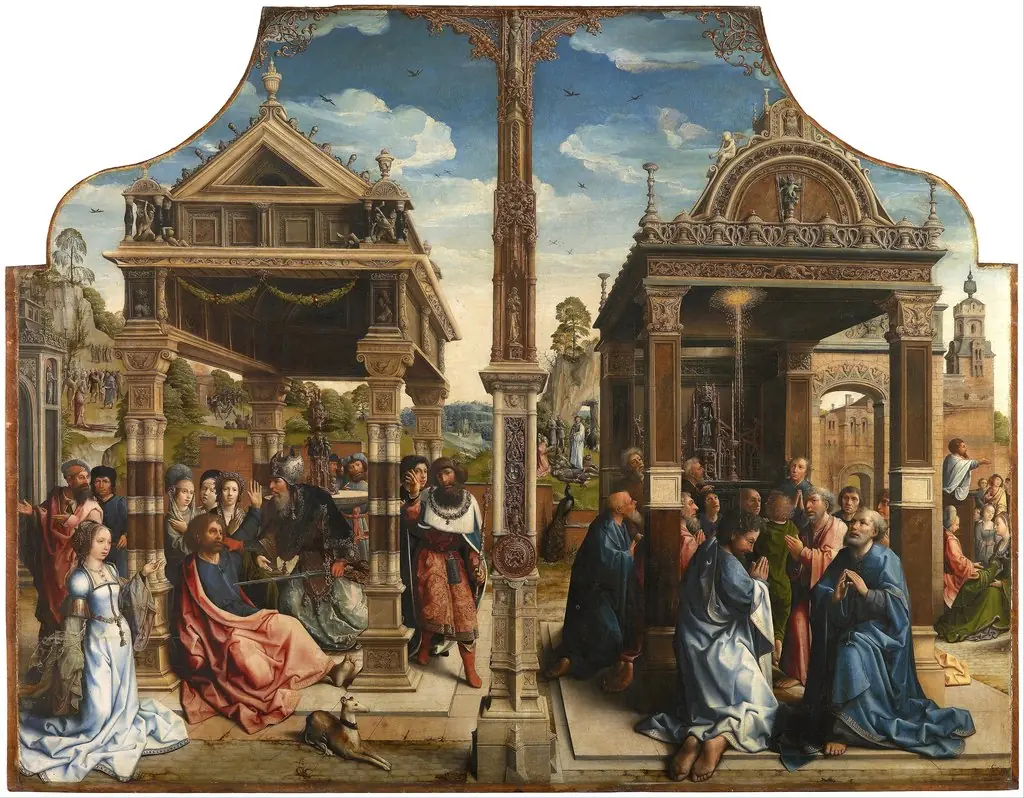 Altarpiece of Saints Thomas and Matthias
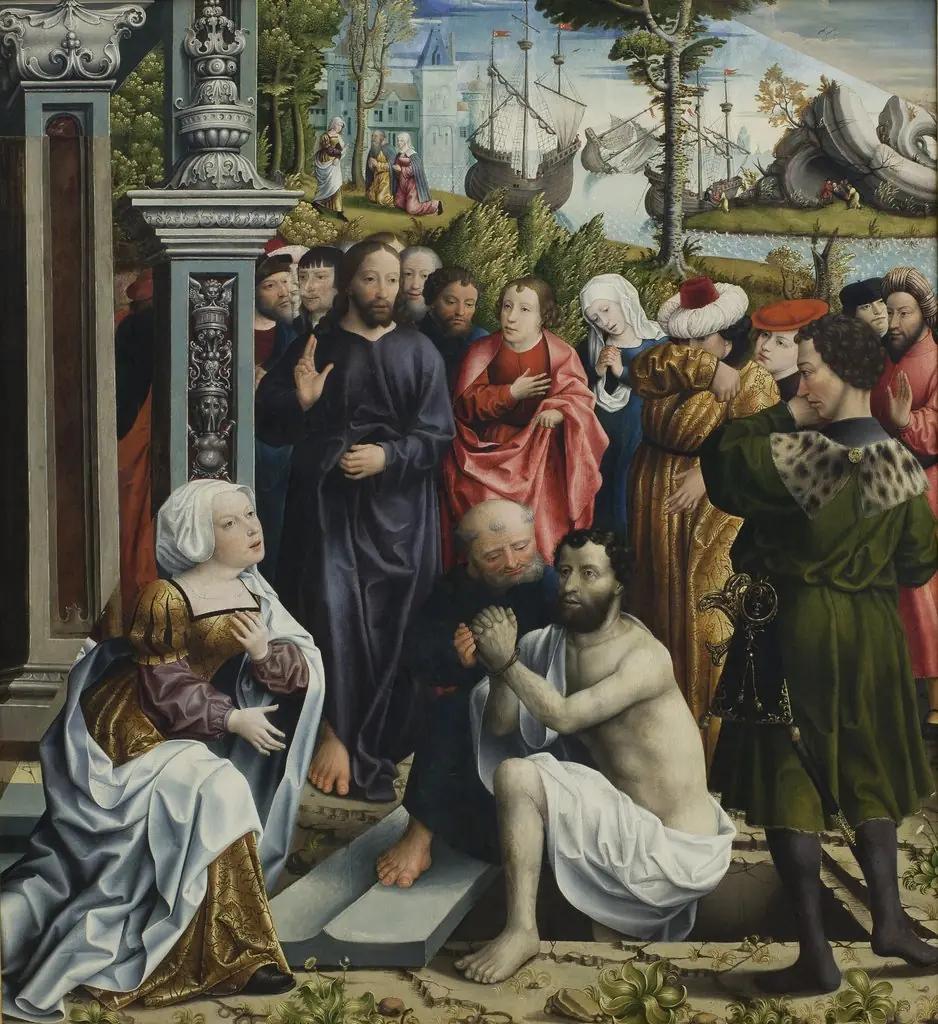 The Raising of Lazarus
 Pentecostes