Artwork
Susanna and the Elders in the Garden, and the Trial of Susanna before the Elders
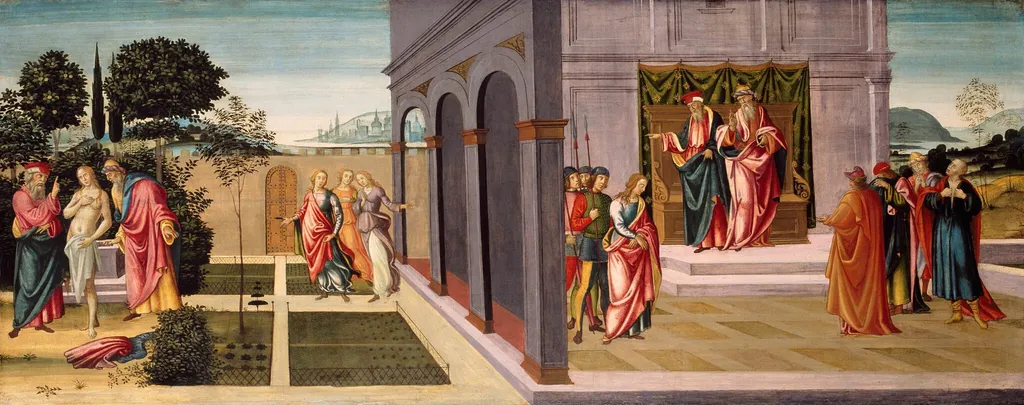
Susanna and the Elders in the Garden, and the Trial of Susanna before the Elders is a tempera painting by the Northern Renaissance artist Master of the Apollo and Daphne Legend. It dates from 1500 and is held in the collection of the Art Institute of Chicago. This tempera-on-panel painting from around 1500 depicts two episodes from the biblical story of Susanna in a single composition.
About this work
Overview
This tempera-on-panel painting from around 1500 depicts two episodes from the biblical story of Susanna in a single composition. Attributed to the artist known as the Master of Apollo and Daphne, it is housed in the Art Institute of Chicago. The work combines narrative sequence and symbolic space to convey a moral tale of virtue under threat.
Subject & Meaning
The painting illustrates Susanna’s harassment by two elders in a garden and her subsequent trial before them. The dual scenes emphasize the contrast between her innocence and their deceit. The story, drawn from the Book of Daniel, was favored in Renaissance art for its themes of justice, female virtue, and the danger of false testimony.
Technique & Style
Tempera paint was applied with fine brushwork to create crisp details in fabric, foliage, and facial expressions. The composition divides the panel horizontally: the garden scene in the foreground, the trial in the background, linked by architectural elements. Color is restrained but purposeful, using red and blue to draw attention to Susanna’s figure.
History & Provenance
The painting entered the Art Institute of Chicago’s collection in the early 20th century. Its attribution to the Master of Apollo and Daphne—named for another work in the same style—rests on stylistic comparisons with a small group of anonymous panels from northern Italy. No earlier documentation of its ownership is known.
Context
Created during a period when biblical narratives were commonly rendered in devotional art, this work reflects the popularity of Susanna’s story in northern Italian painting. Its dual-scene format aligns with contemporary practices that sought to condense complex tales into single, legible compositions for private devotion or civic display.
Legacy
Though the artist’s identity remains obscure, this painting contributes to the understanding of regional Renaissance practices that prioritized narrative clarity over naturalism. It stands as an example of how religious stories were visually adapted to reinforce moral and social values in early 16th-century Italy.
Artist & collection
Artist
Master of the Apollo and Daphne Legend
Master of the Apollo and Daphne Legend (1470–1520) was an artist.

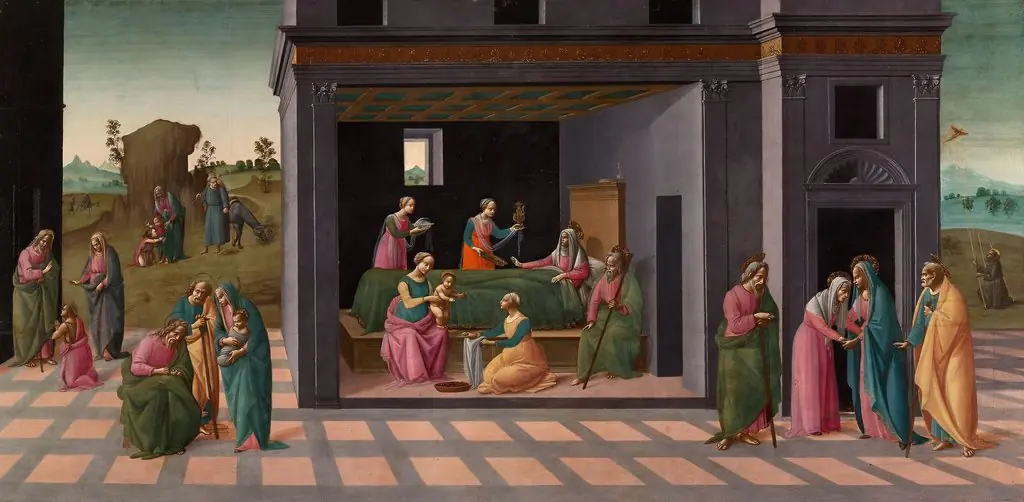 Scenes from the Life of Saint John the Baptist
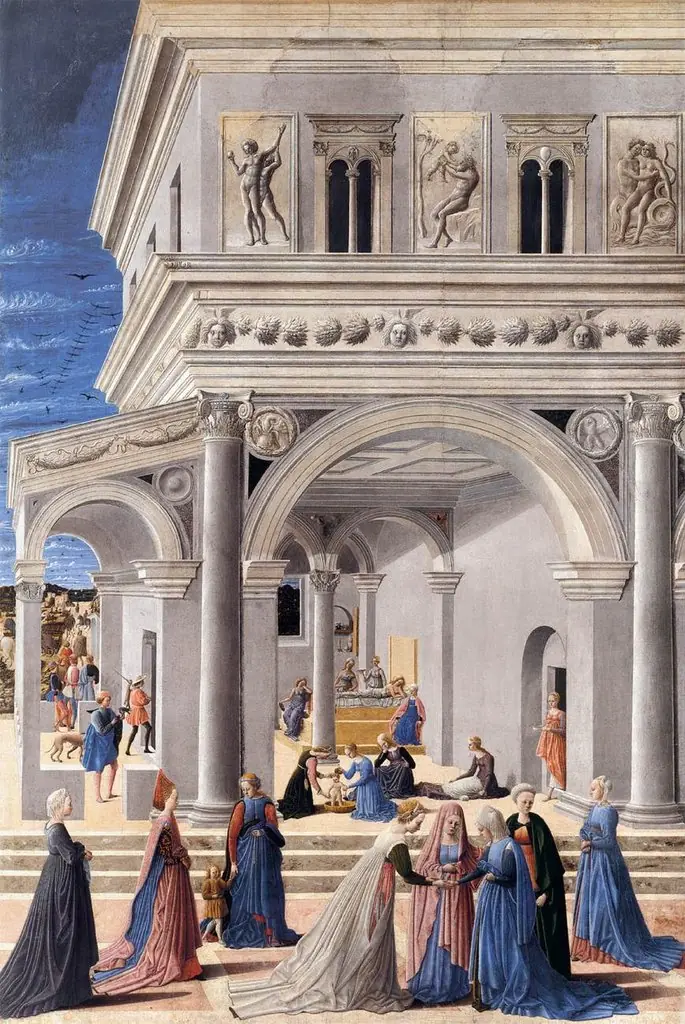 The Birth of the Virgin
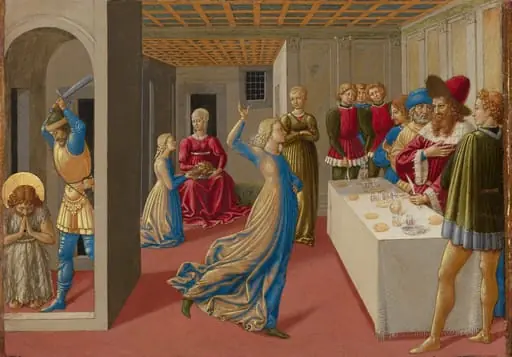 The Feast of Herod and the Beheading of Saint John the Baptist
 Scenes from the Life of Saint John the Baptist
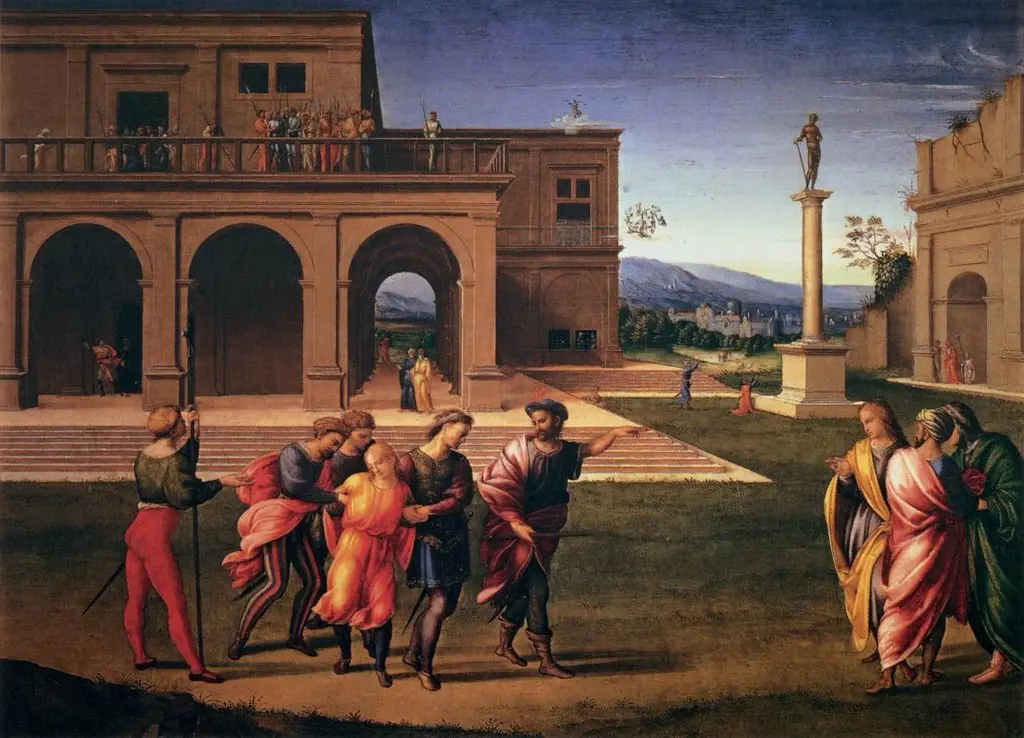 Joseph going to prison
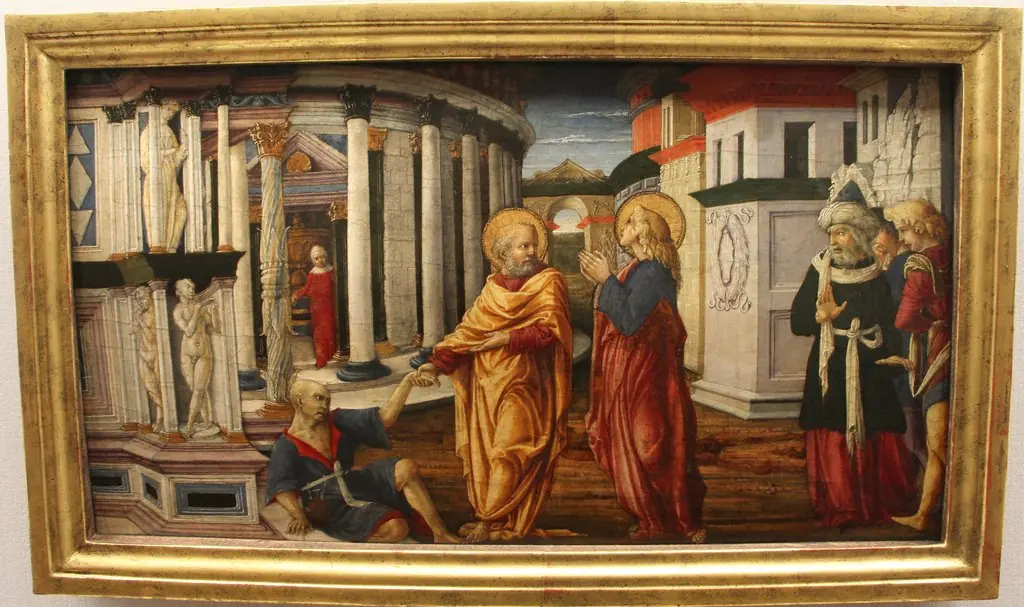 Petrus heilt einen Lahmen
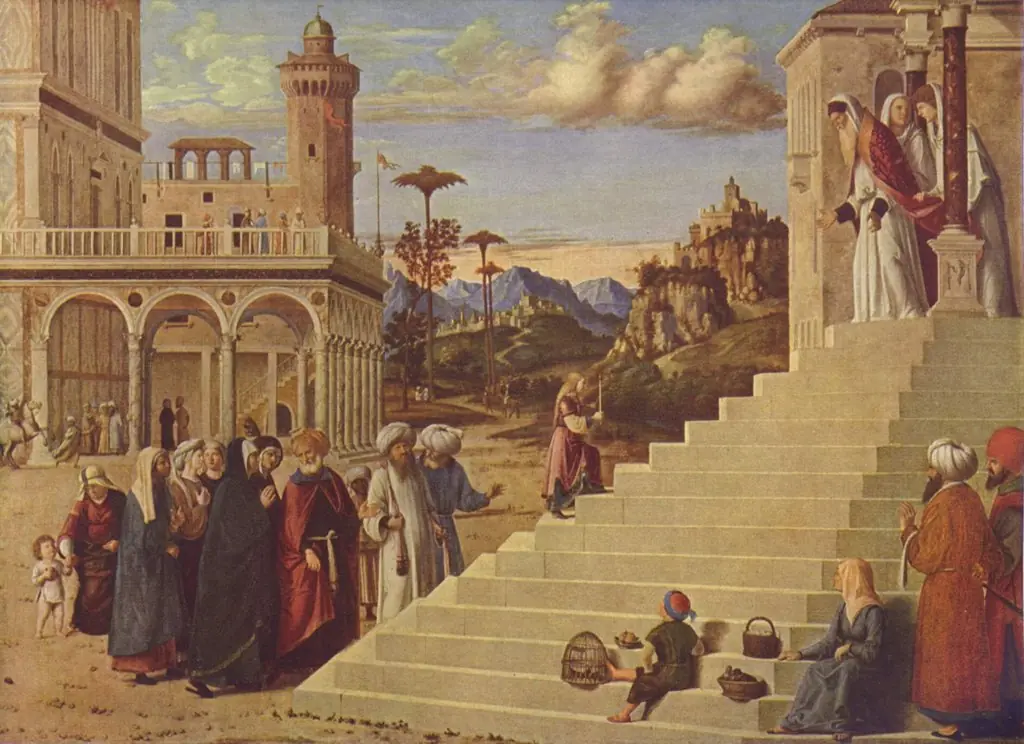 Presentation of the Virgin Mary at the Temple
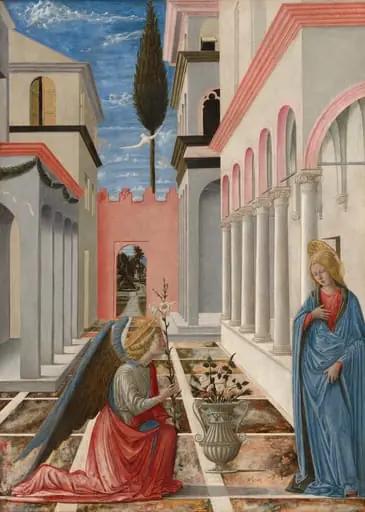 The Annunciation
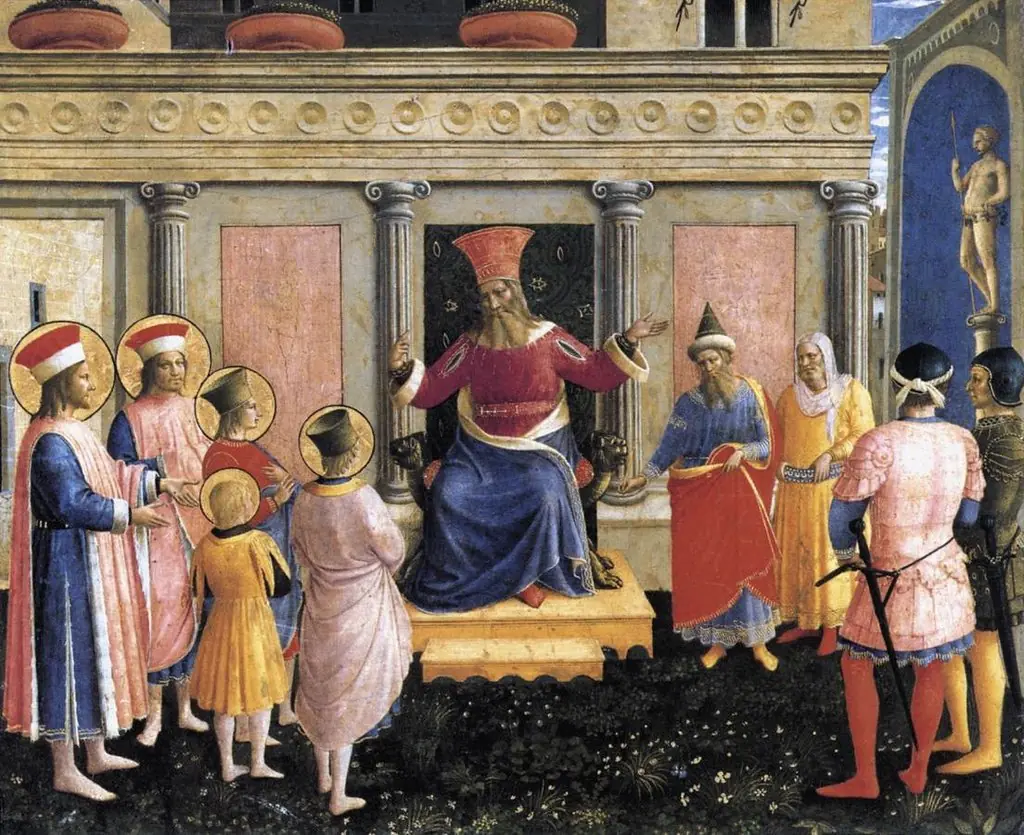 The Saints Cosmas and Damian with their Brothers before the Proconsul Lysias