Artwork
Elizabeth Marius Kemper
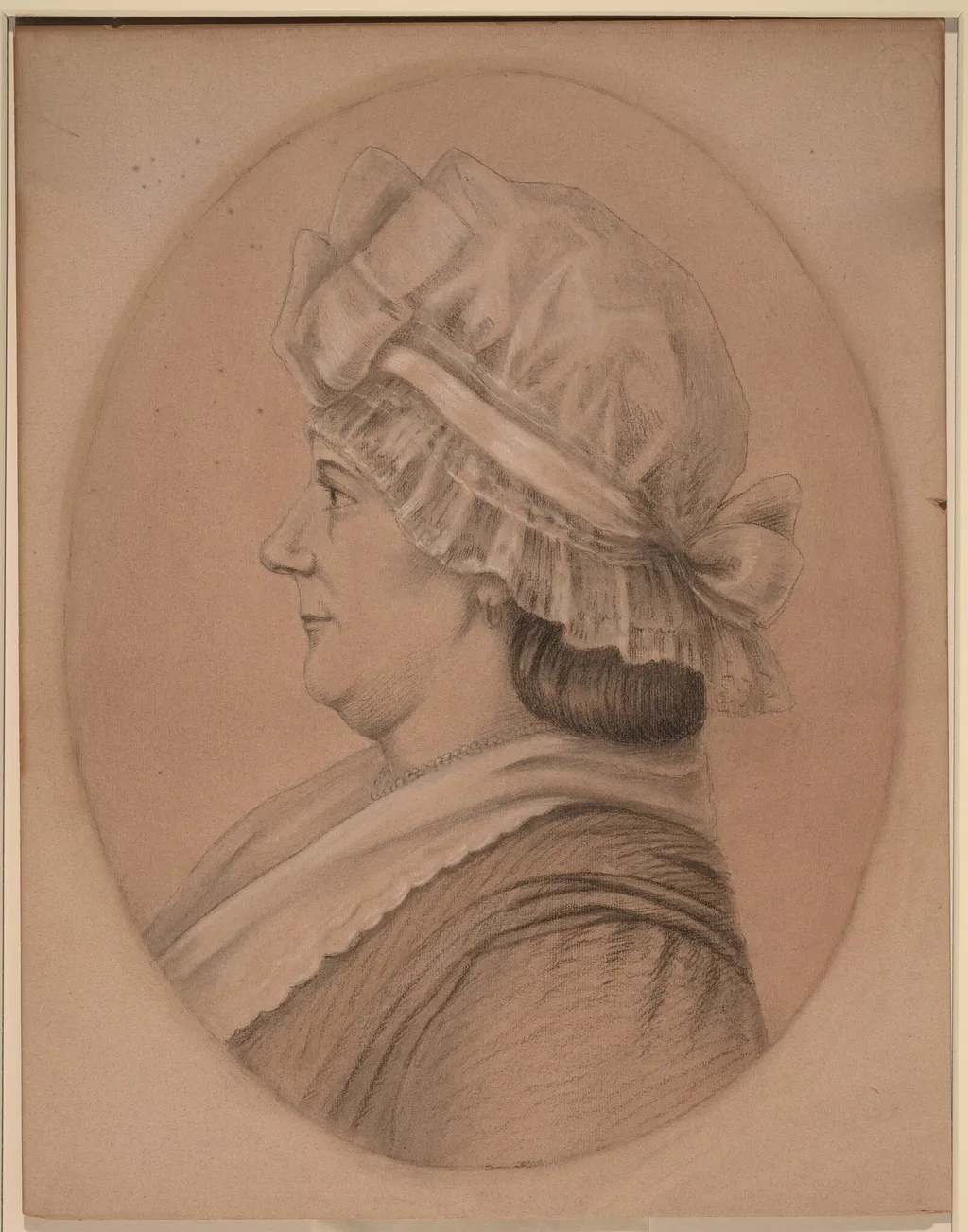
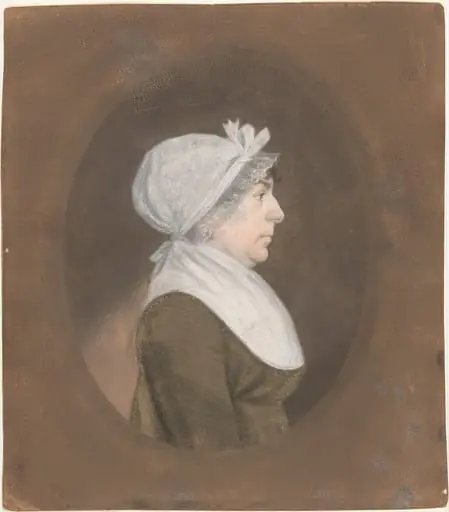
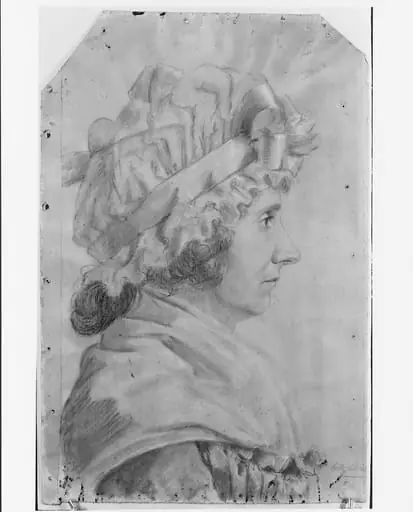
Elizabeth Marius Kemper is a chalk drawing by the Romanticist artist American 19th Century. It dates from 1801 and is held in the collection of the National Gallery of Art. This portrait is a delicate drawing executed in black and white chalk on pink laid paper.
About this work
Overview
This portrait is a delicate drawing executed in black and white chalk on pink laid paper. It depicts a woman in profile, her gaze directed forward with restrained composure. The soft contrast between the chalk tones and the warm paper ground enhances the subtlety of her features, while the minimal palette focuses attention on form and expression rather than color.
Subject & Meaning
These elements suggest modest refinement rather than ostentation, conveying a sense of private identity rather than public display.
The sitter, identified as Elizabeth Marius Kemper, is portrayed with quiet dignity. Her hair is neatly bound beneath a hat featuring a bow and ruffled trim, and a single strand of pearls rests at her throat. These elements suggest modest refinement rather than ostentation, conveying a sense of private identity rather than public display. The stillness of her pose invites contemplation of her inner life.
Technique & Style
The artist employs cross-hatching with precision to model the contours of the face and hat, creating volume through layered tonal transitions. The pink paper serves as a mid-tone base, allowing the white chalk to highlight and the black to deepen shadows. This restrained technique emphasizes texture and form without overt dramatization, aligning with intimate portraiture traditions of the early 19th century.
History & Provenance
The drawing is attributed to an artist active in the early 1800s, though the creator remains unconfirmed. It was likely made as a personal or commissioned likeness, given the specificity of the sitter’s name and attire. The paper’s condition and the absence of a frame suggest it was kept as a study or private keepsake rather than a public display piece.
Context
Created during a period when chalk portraiture flourished among amateur and professional artists alike, this work reflects a trend toward intimate, unidealized depictions of individuals. While not part of the Romantic movement’s grand narratives, its emotional restraint and focus on personal presence echo its quieter, domestic expressions, particularly in women’s portraiture of the era.
Legacy
The drawing endures as an example of skilled, understated portraiture in a medium often overlooked in favor of oil painting. Its preservation offers insight into how individuals of modest means or social standing were visually recorded in the early 19th century, preserving not just appearance but a sense of quiet individuality.
Artist & collection

Artist
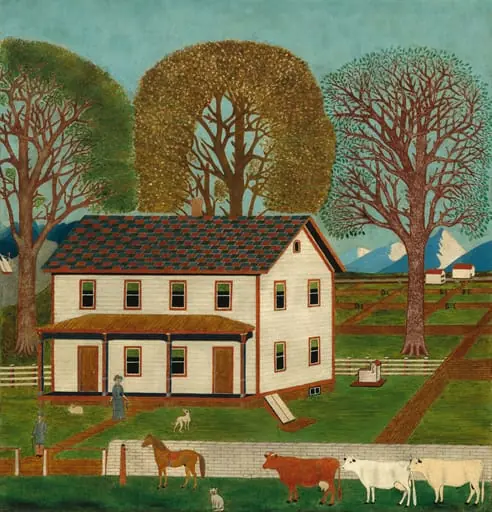
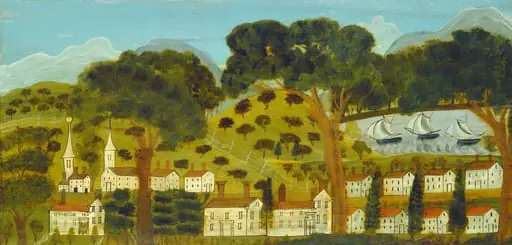
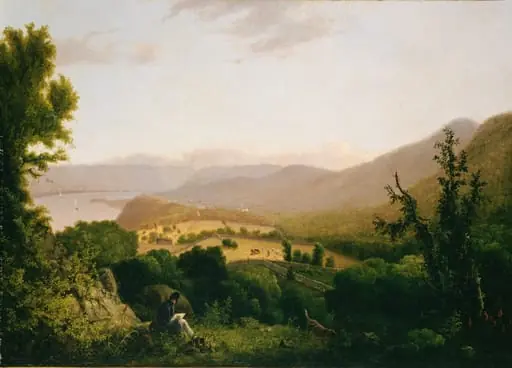
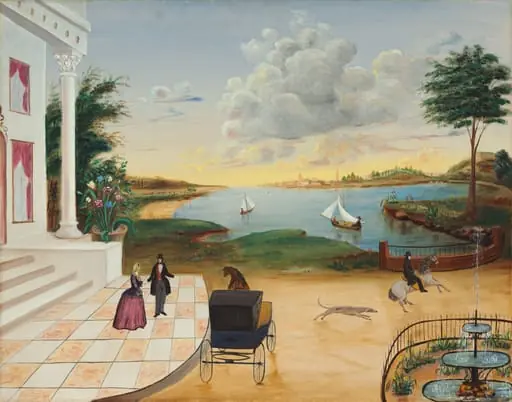
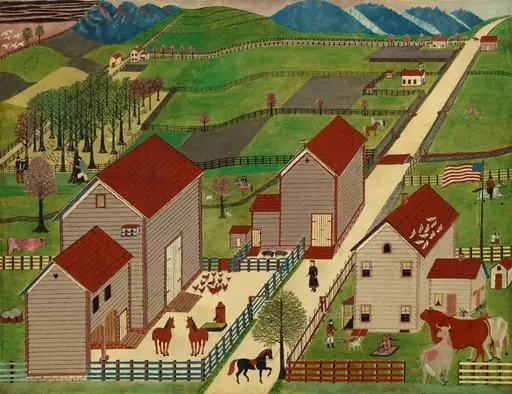
This artist painted everyday American life in the 1800s. Look at *Farmhouse in Mahantango Valley*—a quiet, sunlit scene of rural Pennsylvania. *Boy and Girl* shows two children standing close, their faces turned toward…