Artwork
Miss Burges
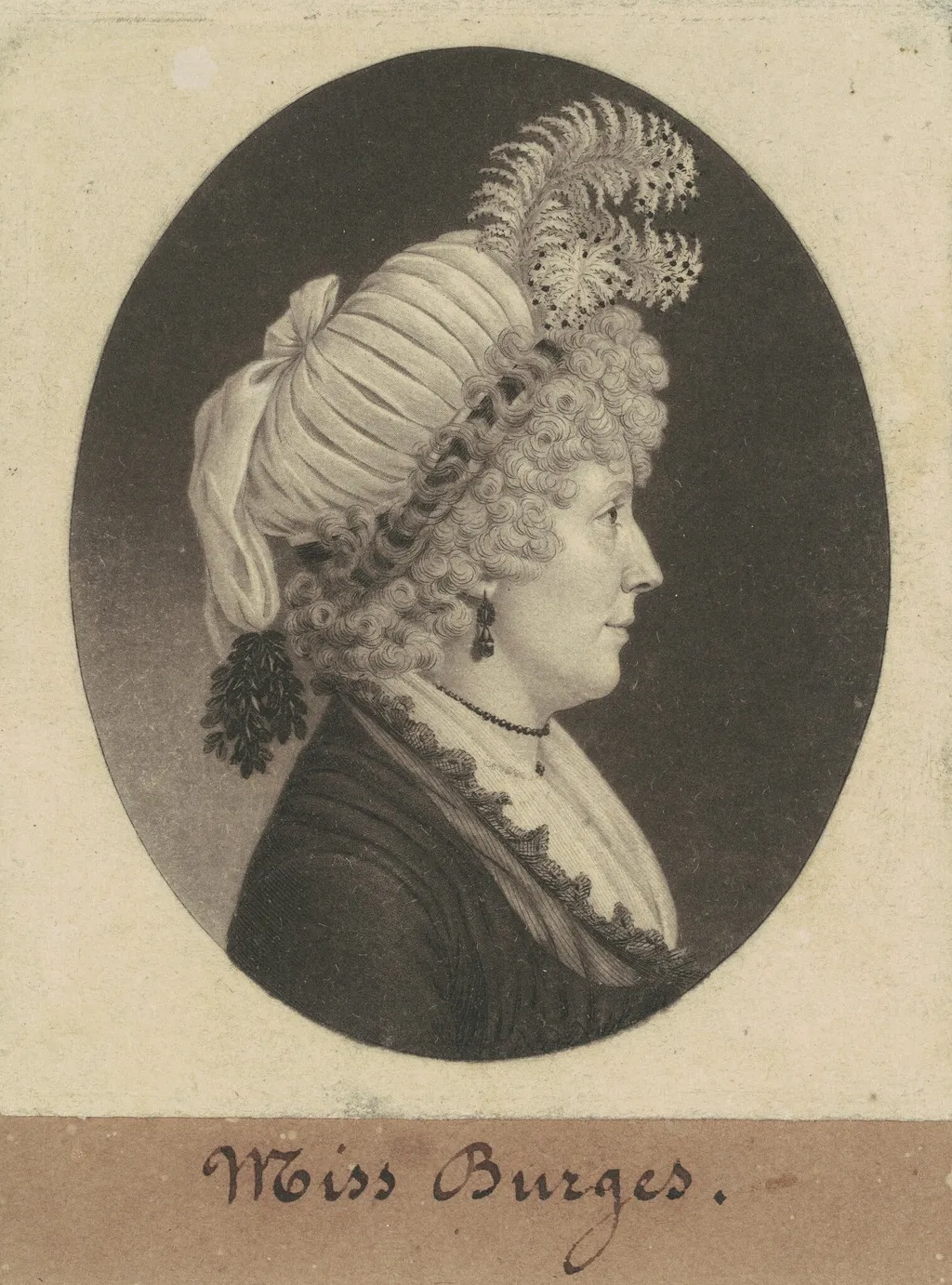
Miss Burges is an ink print by the Romanticist artist Charles Balthazar Julien Févret de Saint-Mémin. It dates from 1799 and is held in the collection of the National Gallery of Art. Charles B.
About this work
Overview
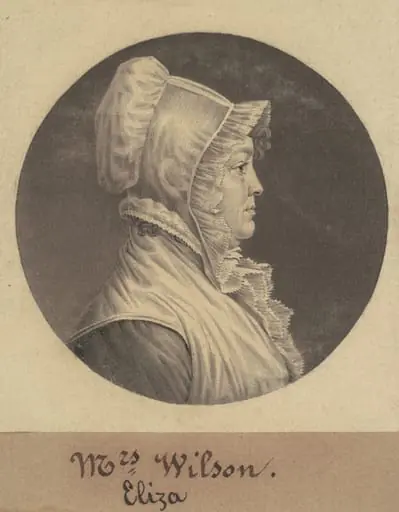
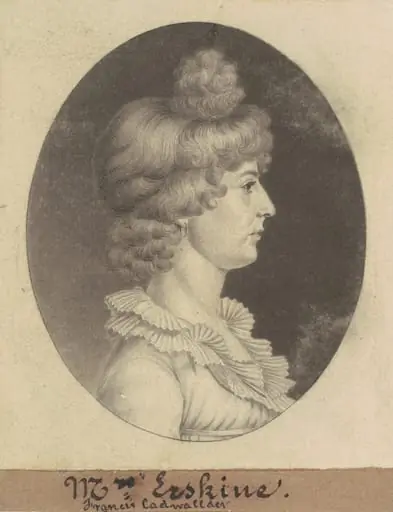
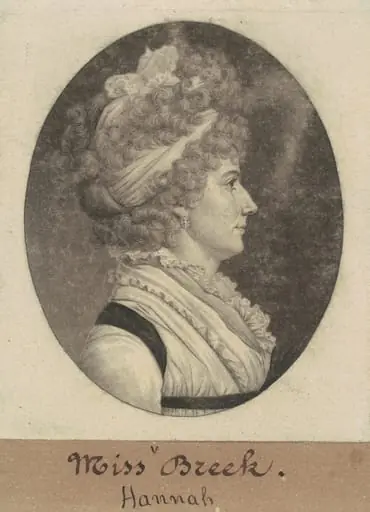
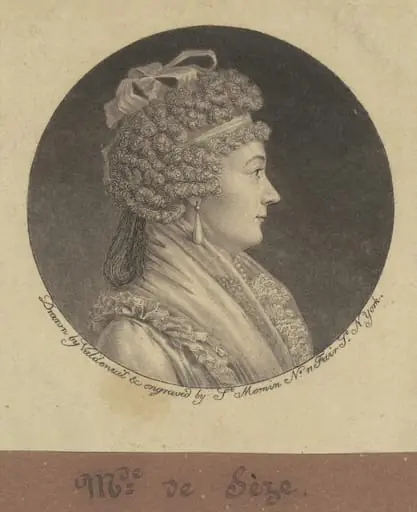
Charles B. J. Févret de Saint‑Mémin’s print titled “Miss Burges” was executed in 1799. It is a small work, measuring roughly 6.5 × 5.2 cm, and is composed of a mezzotint combined with engraving on wove paper that has been mounted to a brown‑toned backing. The image is held in the Corcoran Collection and represents a single‑figure portrait typical of late‑eighteenth‑century printmaking.
Subject & Meaning
The portrait depicts a young woman identified as Miss Burges, attired in fashion characteristic of the 1780s–1790s.
The portrait depicts a young woman identified as Miss Burges, attired in fashion characteristic of the 1780s–1790s. Her clothing, hairstyle, and accessories convey the genteel attire of the period, while the careful rendering of her facial features suggests an intention to capture both likeness and social standing. No narrative beyond the sitter’s identity is provided, leaving the work primarily as a personal commemoration.
Technique & Style
Saint‑Mémin employed the mezzotint process, a labor‑intensive method that begins with a roughened metal plate and is then smoothed to produce tonal gradations. He supplemented this with line engraving to sharpen details, especially in the facial features and costume ornamentation. The resulting print demonstrates the high level of control over light and shadow that made mezzotint a favored medium for portraiture in the late eighteenth century.
History & Provenance
Created at the close of the French Revolutionary era, the print entered the Corcoran Collection, a major American repository of fine and decorative arts. Its acquisition history beyond the museum’s holdings is not recorded in the available documentation, but its presence in the collection underscores the transatlantic interest in French portrait prints during the early nineteenth century.
Artist & collection

Artist
Charles Balthazar Julien Févret de Saint-Mémin
Charles Balthazar Julien Févret de Saint-Mémin (French pronunciation: ; 1770–1852) was a French portrait painter and museum director.