Artwork
St Cassiano
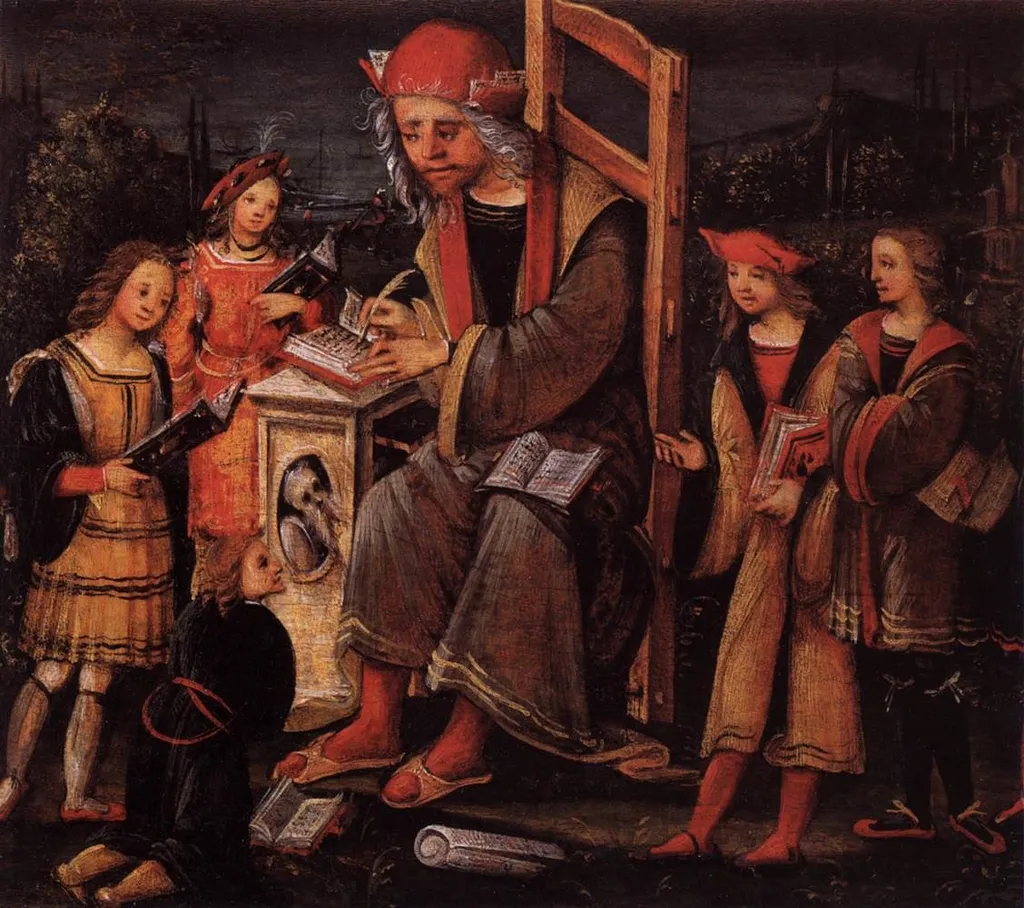
St Cassiano is an unspecified painting by the Mannerist artist Amico Aspertini. It dates from 1550 and is held in the collection of the Pinacoteca di Brera.
About this work
Overview
Painted around 1550 by Amico Aspertini, *St Cassiano* is a panel work from the Bolognese School that bridges late Renaissance and early Mannerist tendencies.
Painted around 1550 by Amico Aspertini, *St Cassiano* is a panel work from the Bolognese School that bridges late Renaissance and early Mannerist tendencies. It depicts a revered figure surrounded by attendants in a quiet, intimate setting. The piece is held in the Pinacoteca di Brera, Milan, and exemplifies Aspertini’s distinctive approach to form and spatial arrangement, marked by deliberate stylization over naturalism.
Subject & Meaning
The central figure, identified as St. Cassian, is portrayed as an elderly scholar-cleric, his white hair and red hat suggesting ecclesiastical authority. He is engaged in writing, surrounded by five young men, one kneeling before him, implying a moment of instruction or spiritual transmission. The scene evokes monastic pedagogy, emphasizing the transmission of knowledge within a religious context rather than a dramatic narrative.
Technique & Style
Aspertini employs warm, muted tones and soft, diffused lighting to create a contemplative atmosphere. The figures are rendered with elongated proportions and carefully articulated drapery, reflecting Mannerist tendencies. The dark background isolates the group, enhancing focus on their interaction. Subtle chiaroscuro models the forms without strong contrasts, contributing to a quiet, introspective mood.
History & Provenance
The painting entered the Pinacoteca di Brera’s collection in the early 19th century, following the suppression of religious institutions in northern Italy. Its attribution to Aspertini is supported by stylistic parallels with his other known works, particularly in the treatment of figures and spatial compression. No earlier documented provenance is recorded, but its condition suggests it remained in ecclesiastical hands prior to its acquisition.
Context
Created during a period of artistic transition in northern Italy, the work reflects Bologna’s resistance to High Renaissance ideals in favor of expressive, individualized forms. Aspertini’s style, influenced by earlier Lombard and Venetian traditions, diverged from classical harmony, embracing complexity and emotional nuance. This painting aligns with regional trends favoring intimate, psychologically nuanced religious scenes over grand altarpieces.
Legacy
Though not widely reproduced, *St Cassiano* remains a key example of Aspertini’s mature style and the Bolognese School’s unique trajectory. It illustrates how local artists adapted Mannerist principles to devotional subjects, prioritizing quiet dignity over spectacle. The painting continues to inform studies of post-Renaissance religious imagery in northern Italy, particularly regarding the representation of scholarly sanctity.
Artist & collection
Artist
Amico Aspertini, also called Amerigo Aspertini (ca 1474 – 1552), was an Italian Renaissance painter and sculptor whose complex, eccentric, and eclectic style anticipates Mannerism.

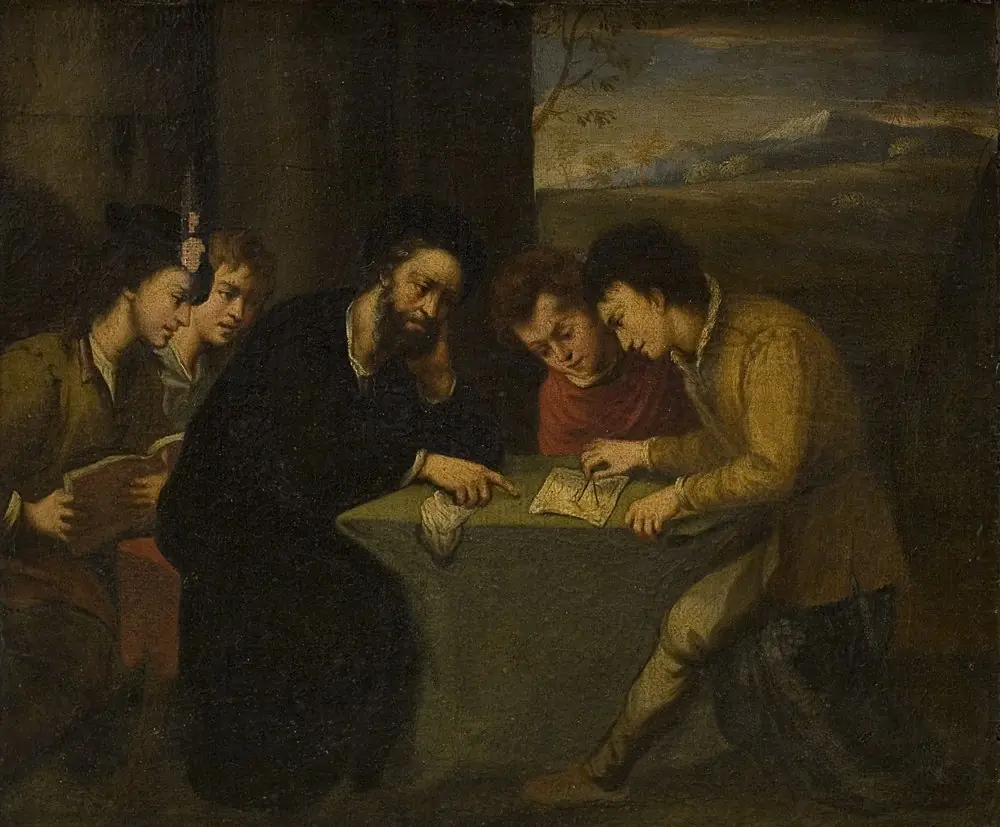 School Teaching, a Teacher with Four Pupils
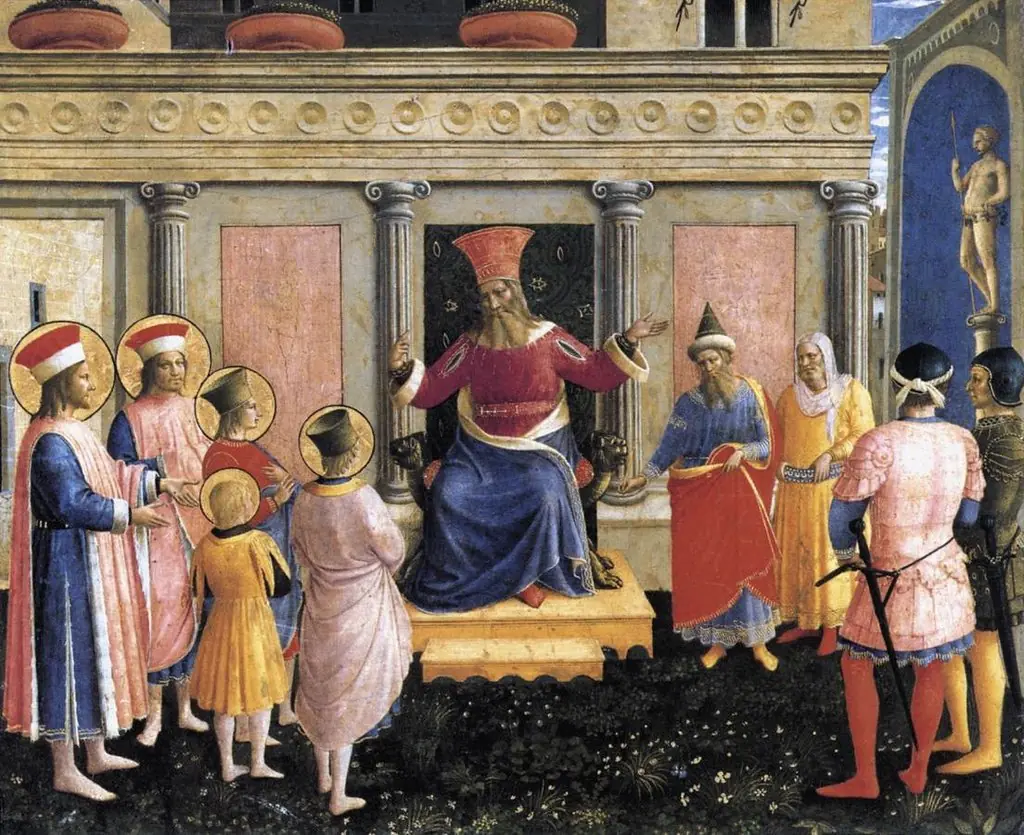 The Saints Cosmas and Damian with their Brothers before the Proconsul Lysias
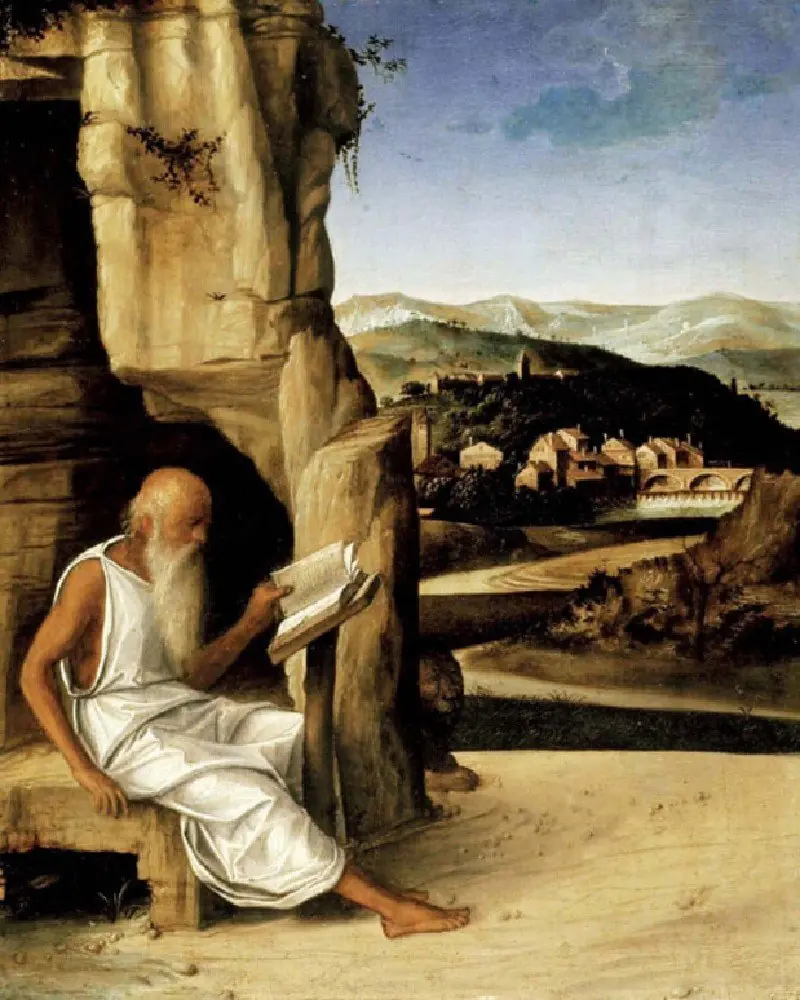 St Jerome reading in a Landscape
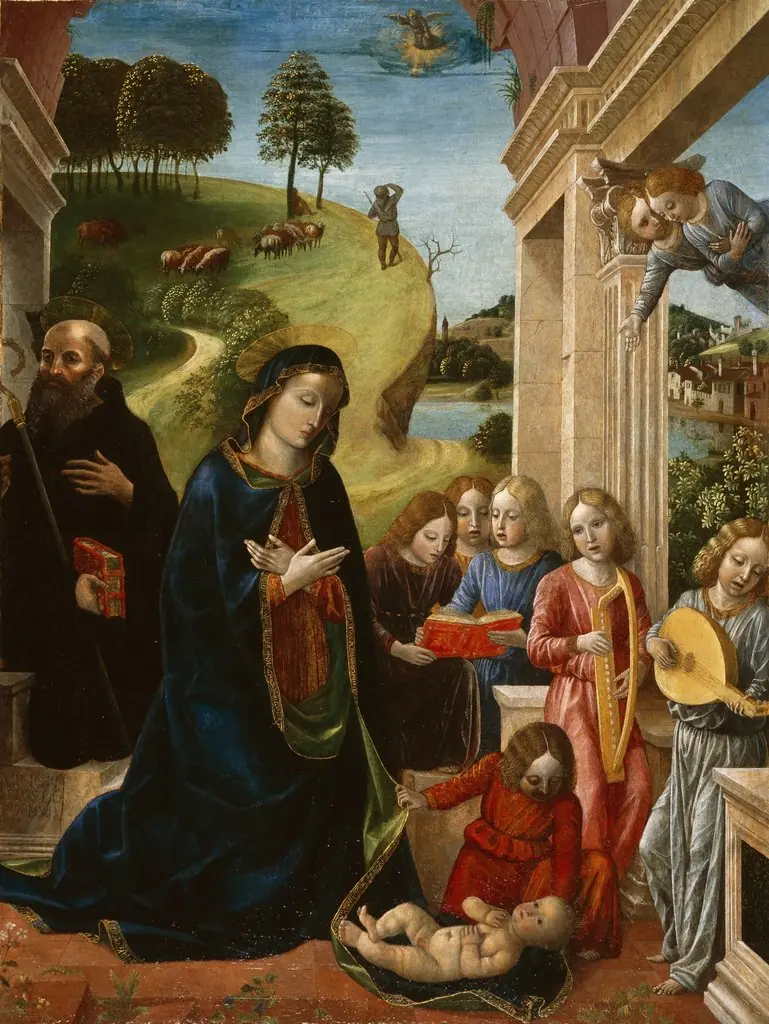 Adoration of the Child with St. Benedict and Angels
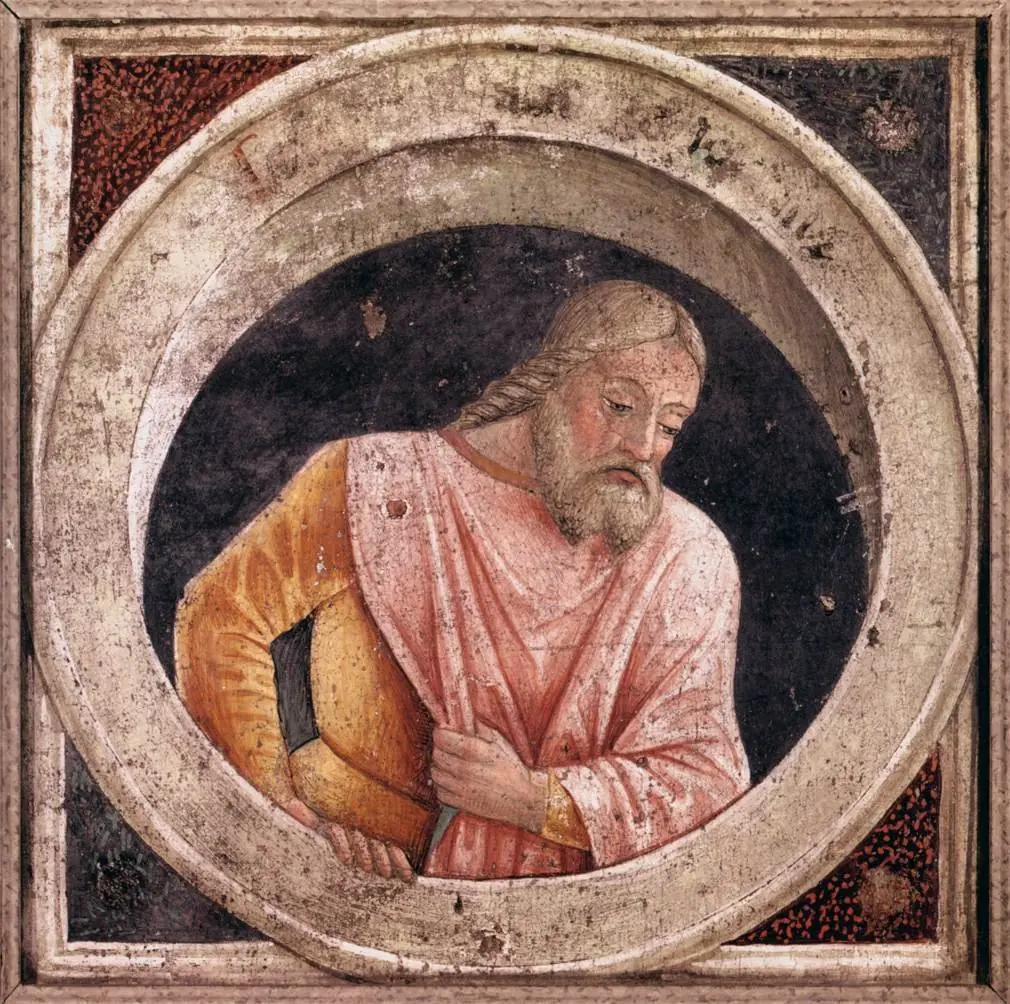 Josaphat
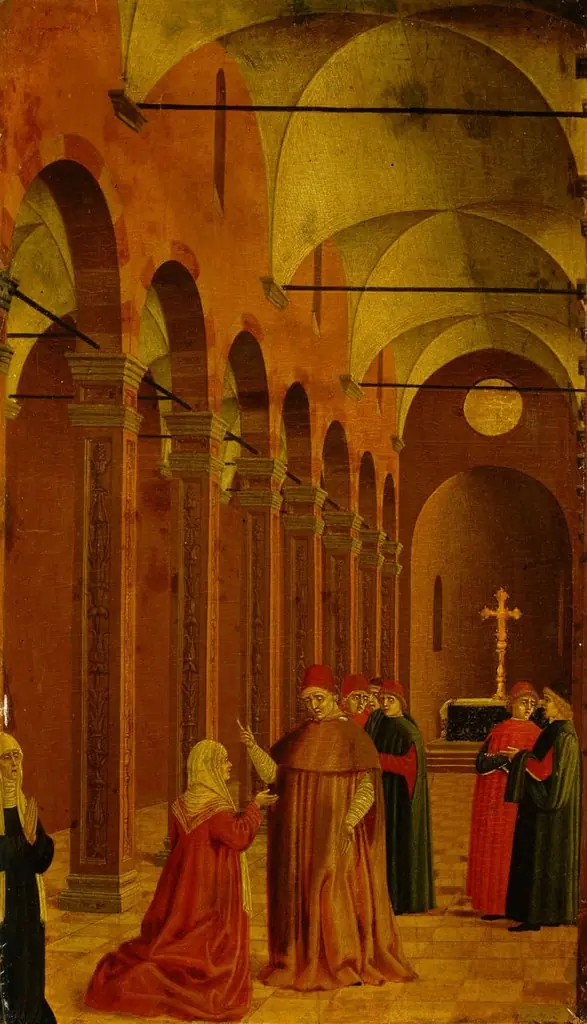 Szene aus dem Leben des Hl. Vinzenz Ferrer: Die Mutter des Heiligen fragt den Bischof von Valencia nach dem Sinn der wunderbaren Zeichen, die die Geburt ihres Kindes ankündigen
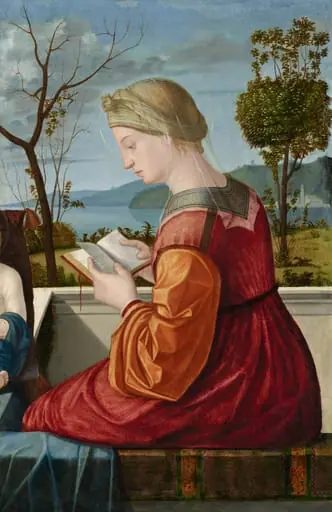 The Virgin Reading
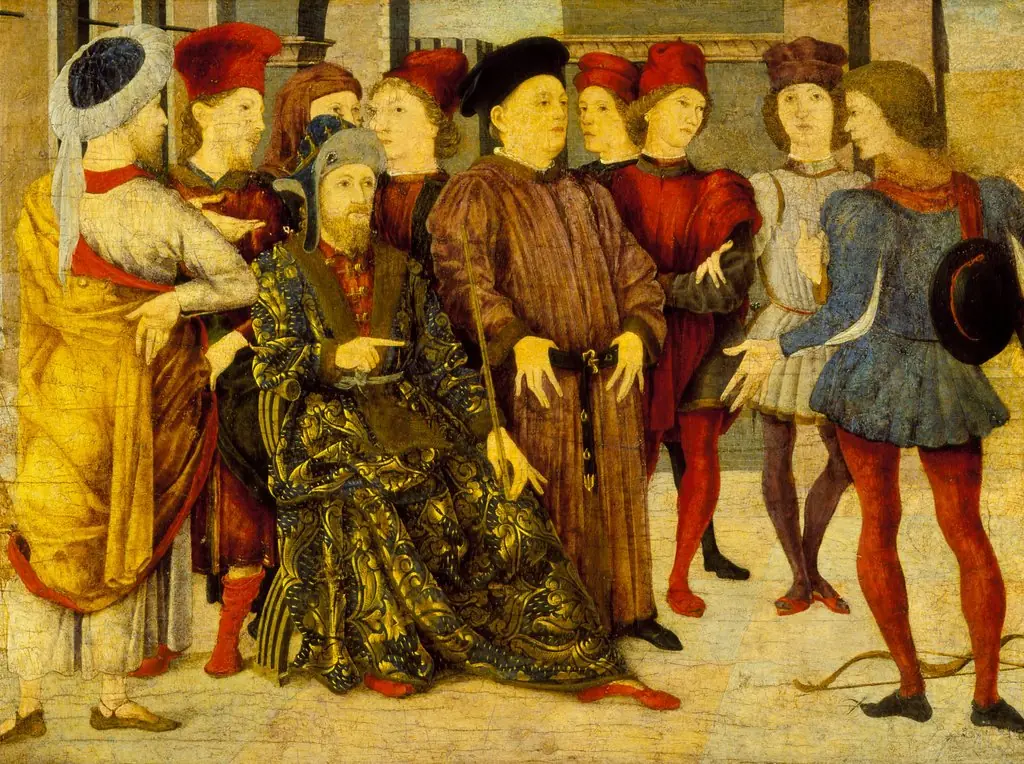 Fragment from a Cassone Panel 'Shooting at Father's Corpse'
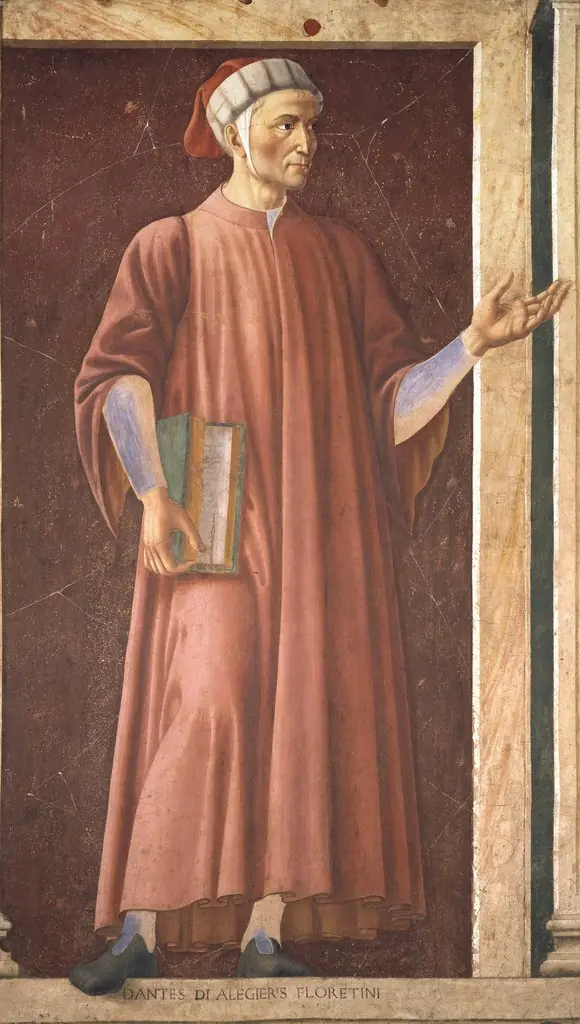 Dante Alighieri
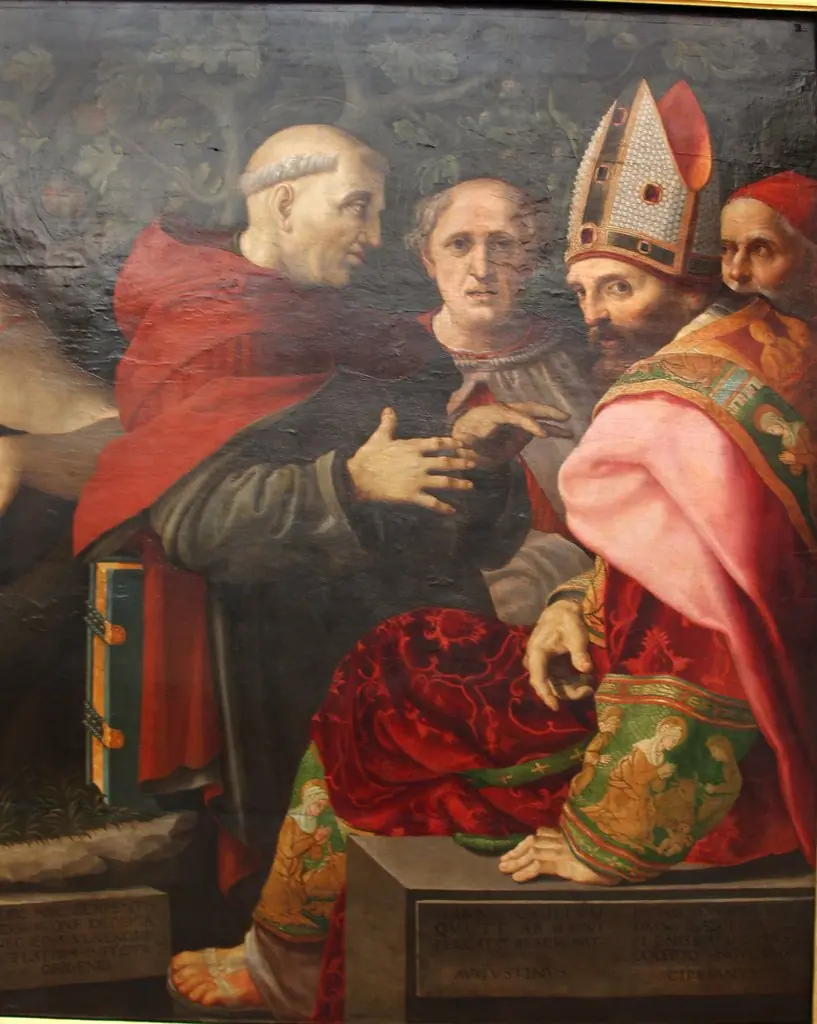 Der Disput von Kirchenlehrern über das Mysterium der unbefleckten Empfängnis
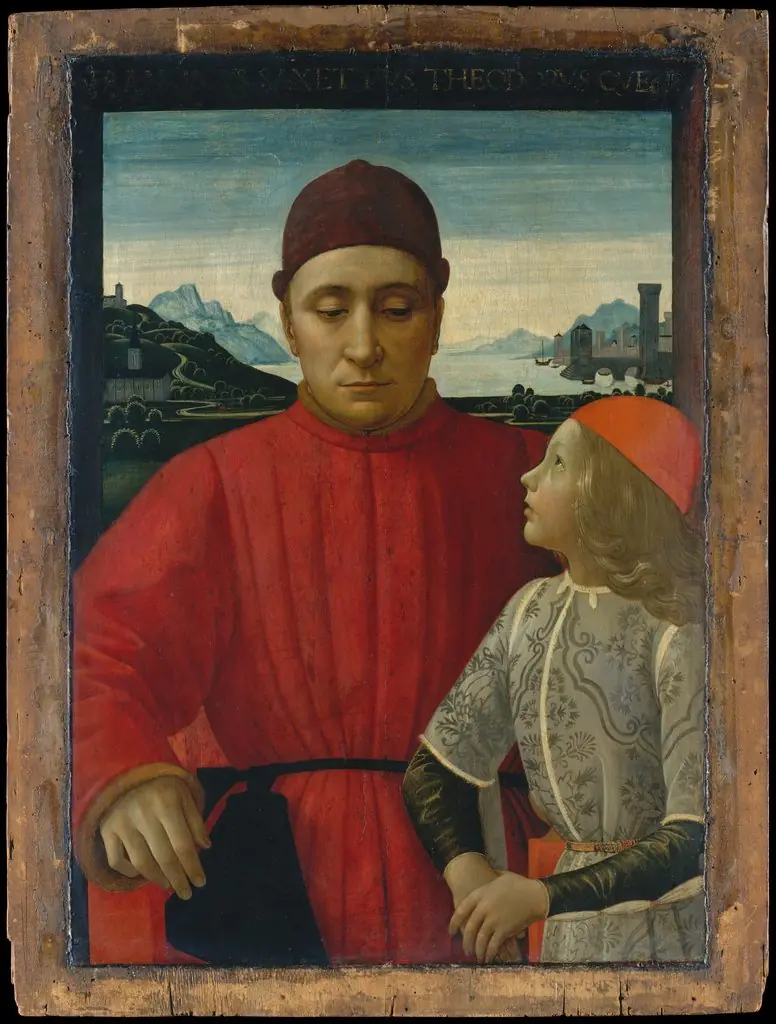 Francesco Sassetti and His Son Teodoro
 Saint Jerome Reading