Artwork
Dante Alighieri
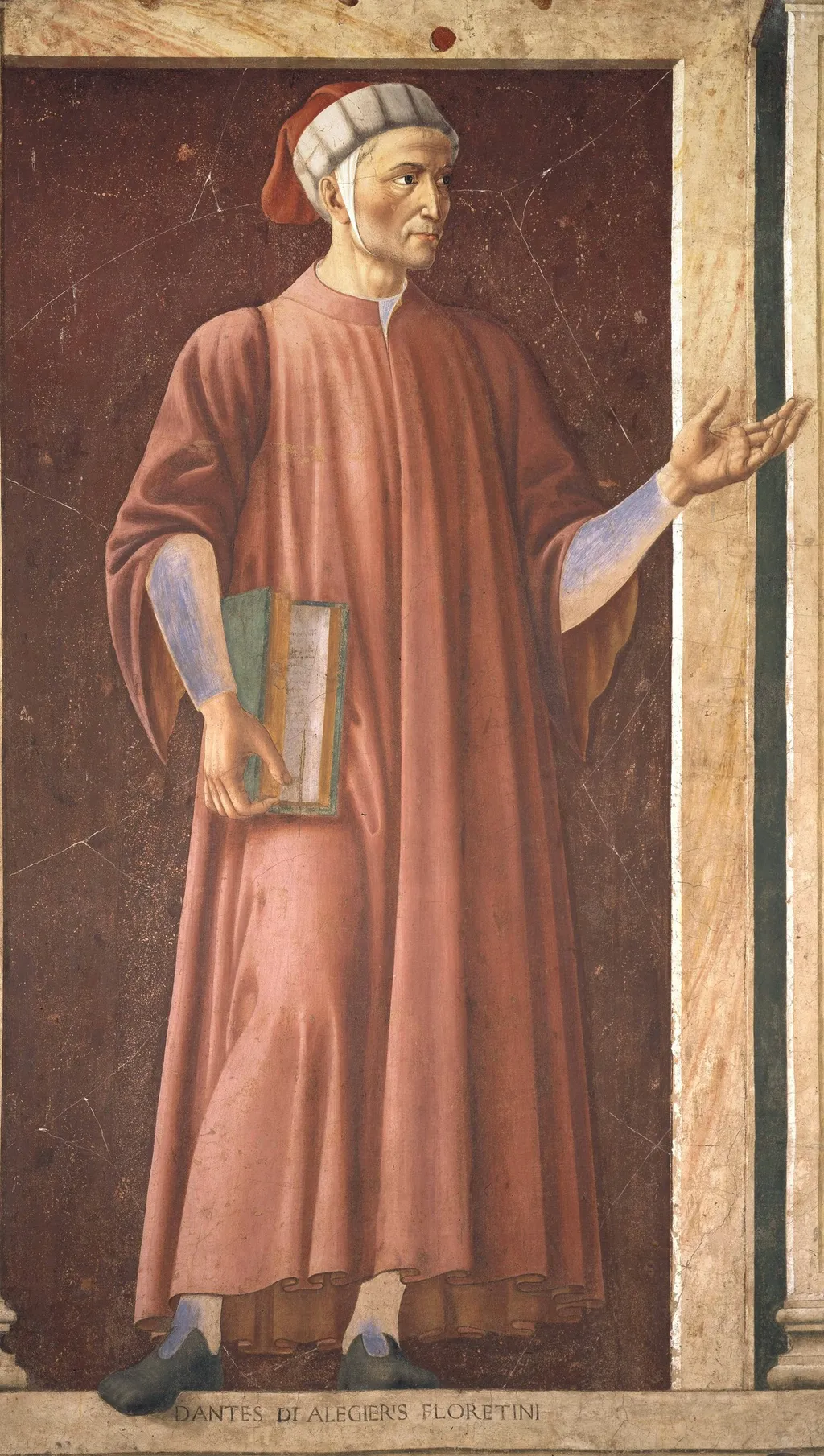
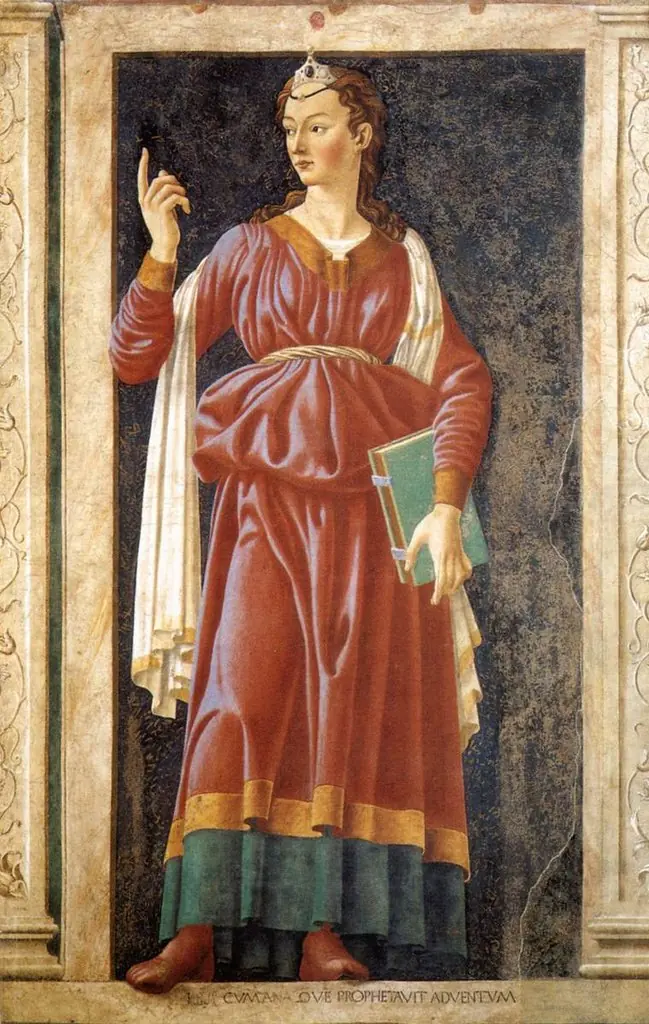
Dante Alighieri is a fresco painting by the Early Renaissance artist Andrea del Castagno. It dates from 1450 and is held in the collection of the Uffizi Gallery.
About this work
Overview
Andrea del Castagno’s fresco, dated to around 1450, presents the medieval poet Dante Alighieri. Executed in the fresco technique, the work shows the figure standing against a dark backdrop, framed by a lighter border that isolates him within the composition. The painting is part of the Uffizi Gallery’s collection in Florence.
Subject & Meaning
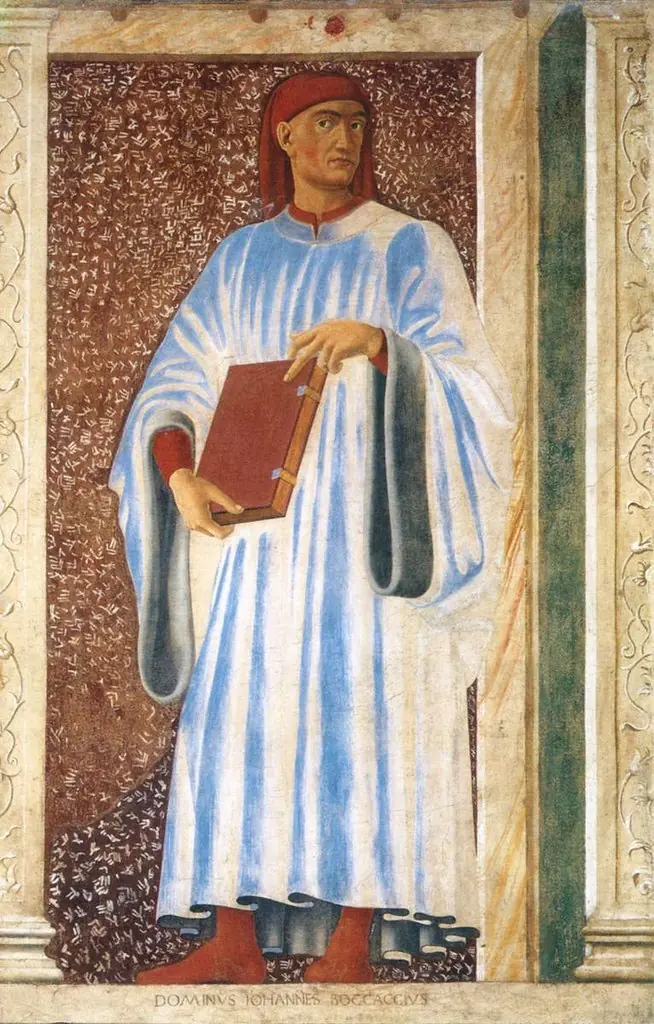
The central figure is identified as Dante, recognizable by the book he holds in his right hand, a symbol of his literary legacy. His attire—a long pink robe and a vivid red cap—suggests scholarly status and reflects the Renaissance interest in portraying historical intellectuals with dignified poise.
Technique & Style
Created as a true fresco, the pigment was applied to wet plaster, allowing the colors to become integral to the wall surface. The contrast between the dark background and the illuminated frame highlights the figure, while the use of bright clothing tones aligns with the early Renaissance’s move toward naturalistic representation and vivid coloration.
History & Provenance
The work was produced in the mid‑15th century, a period when del Castagno was active in Florence. It later entered the Uffizi Gallery, where it remains on display. Its attribution to del Castagno is based on stylistic analysis and documentation linking the artist to the commission.
Artist & collection

Artist
Andrea del Castagno had a quick, sharp career in 15th-century Florence. He wasn’t the most famous painter of his time, but he stood out for his bold, almost sculptural figures that looked ready to step off the wall. His…