Artwork
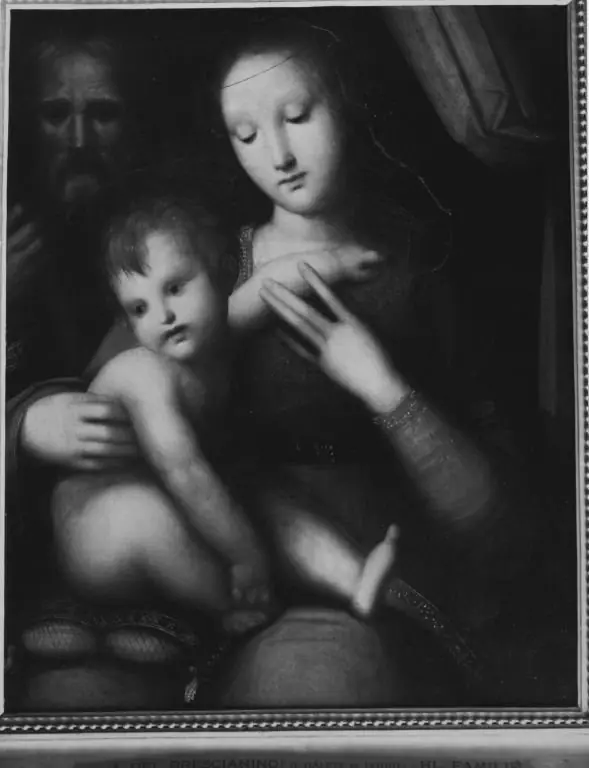
Virgin and Child with Saint Anne
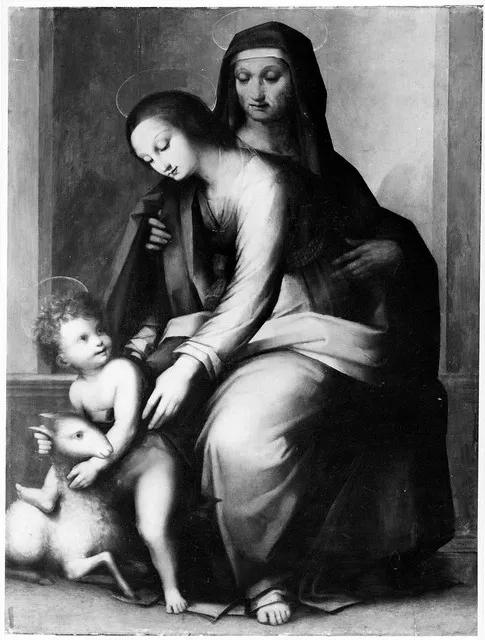
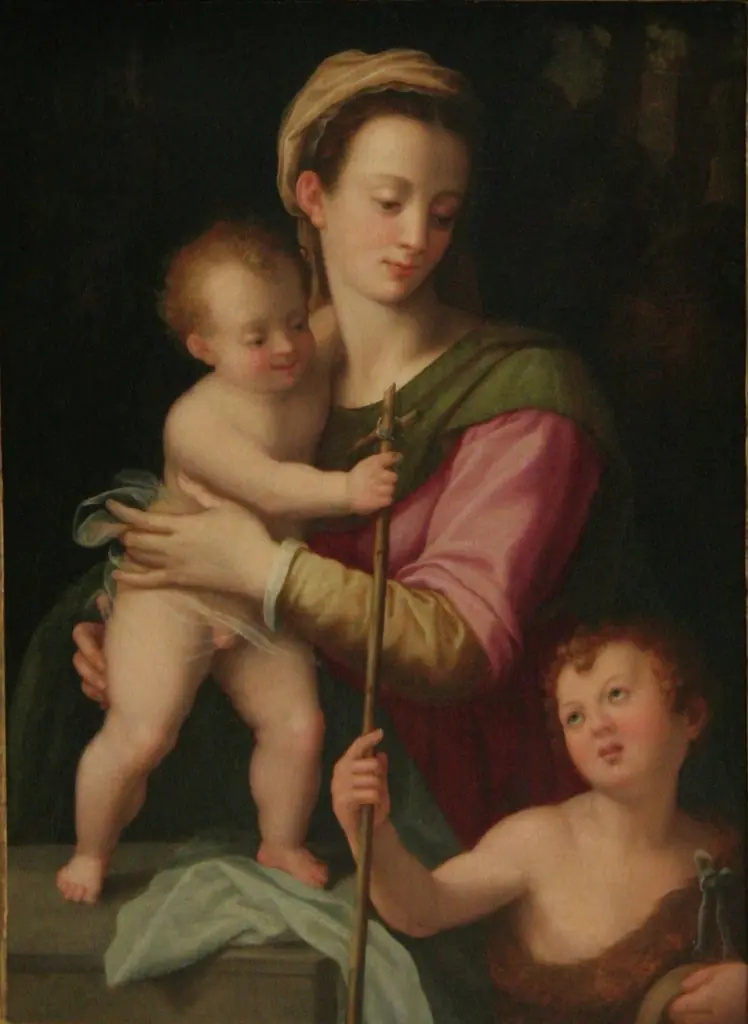
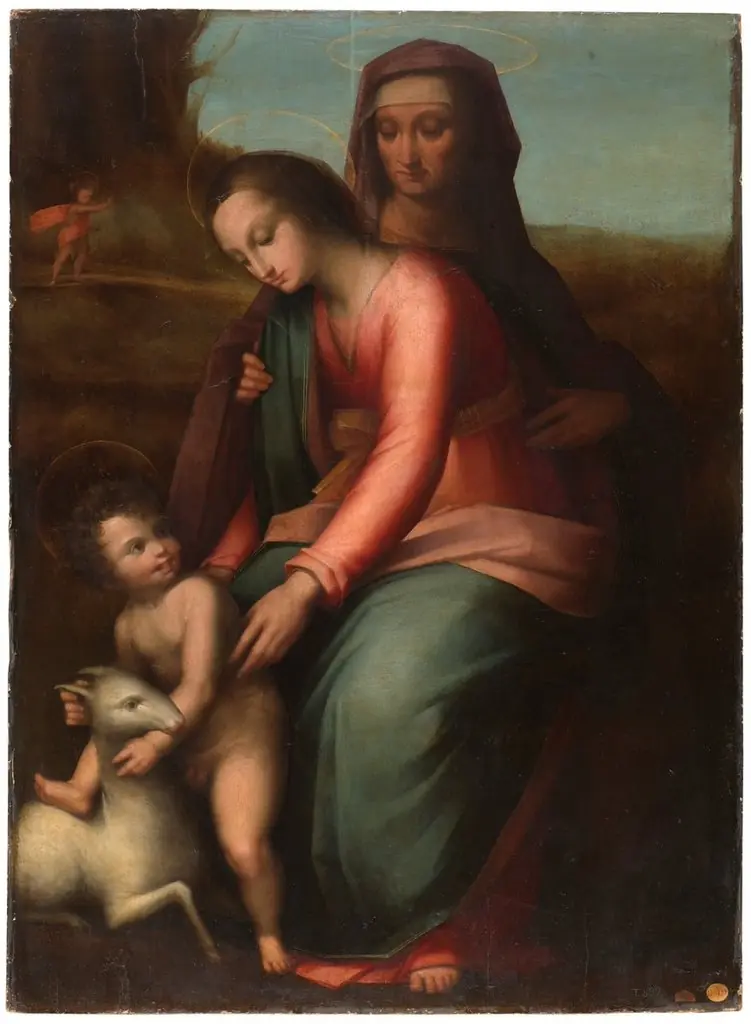
Virgin and Child with Saint Anne is a paint painting by the Early Renaissance artist Andrea del Brescianino. It dates from 1501 and is held in the collection of the Gemäldegalerie Berlin.
About this work
Overview
Virgin and Child with Saint Anne is a painting created by Andrea del Brescianino in 1501, characteristic of the early Renaissance period. It is now part of the collection at the Gemäldegalerie Berlin.
Subject & Meaning
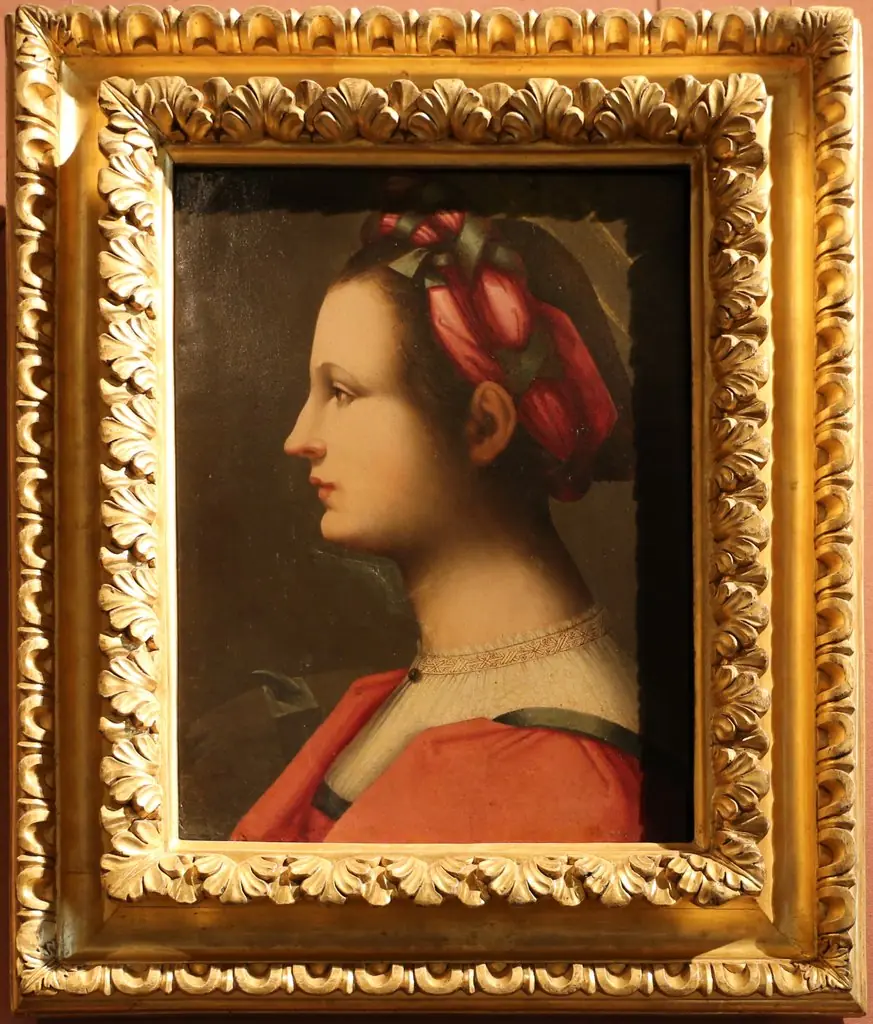
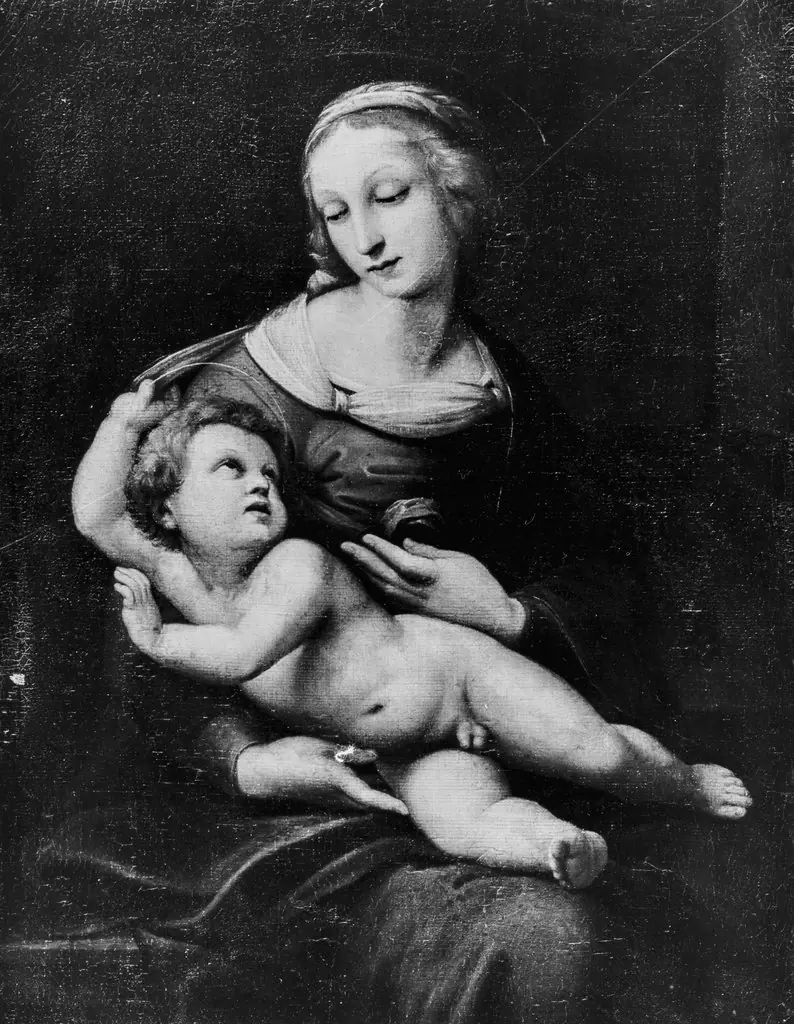
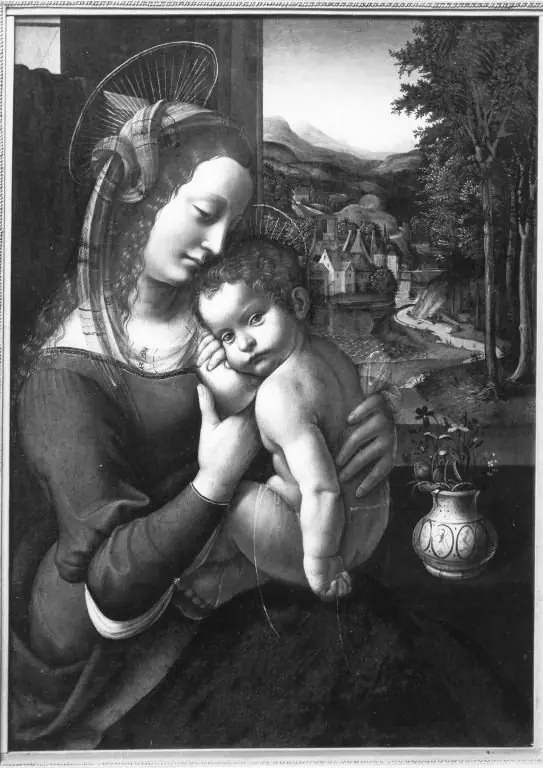
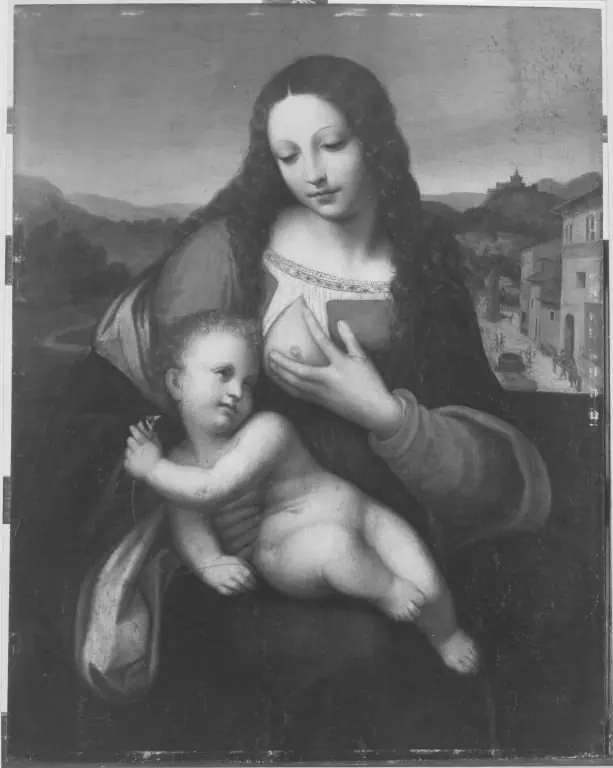
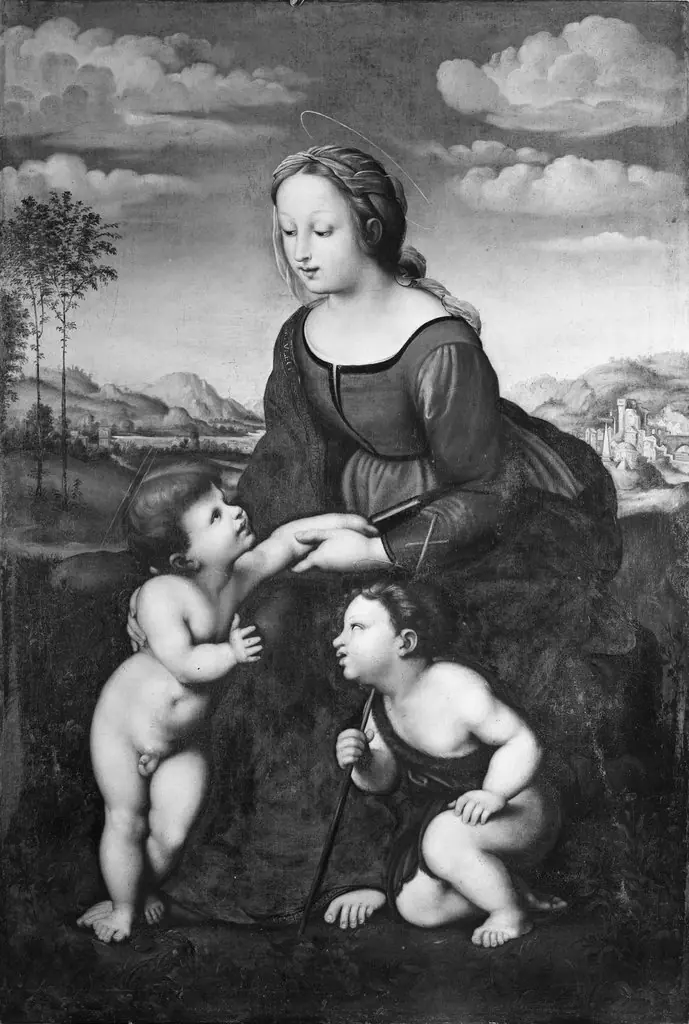
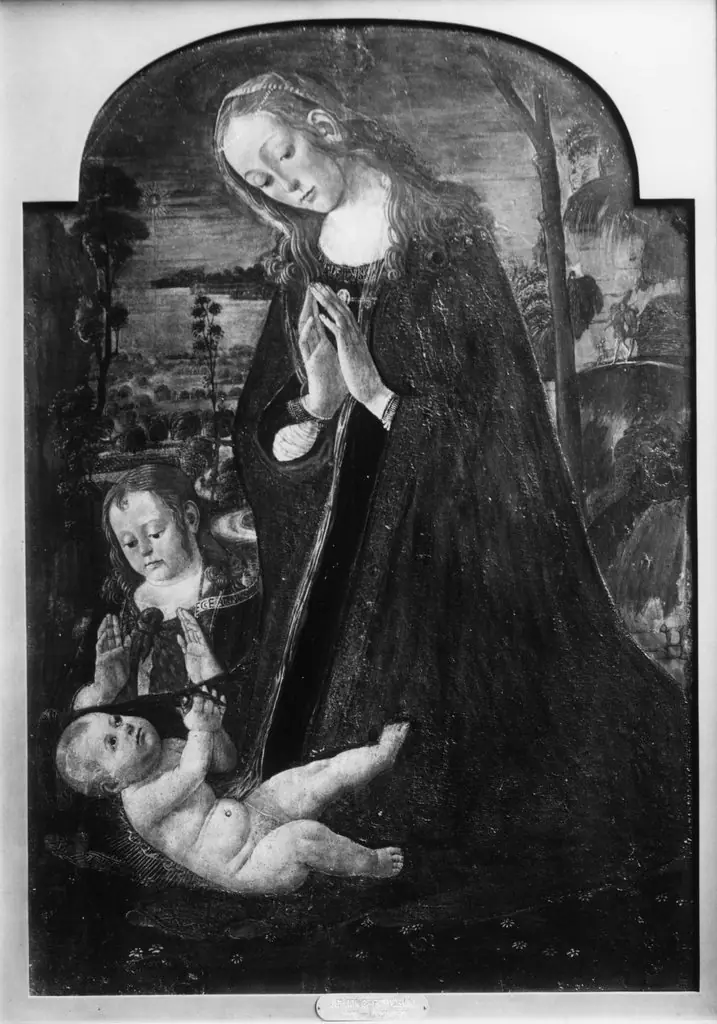
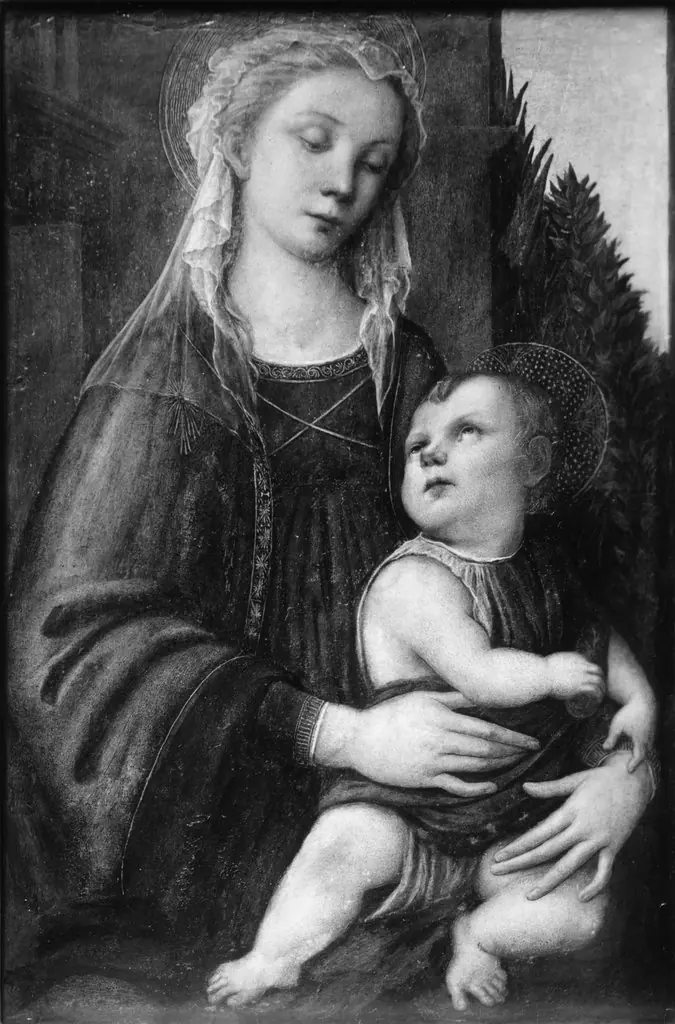
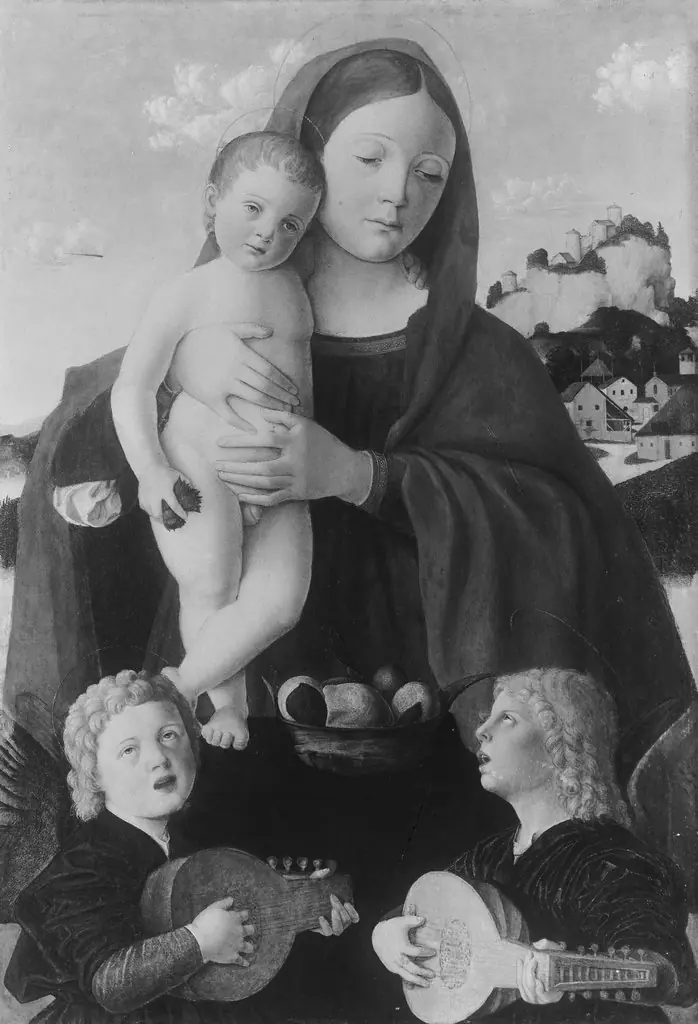
The painting depicts an intimate scene of three closely seated figures: the Virgin Mary holding the Christ Child, who gestures towards a lamb at their feet, symbolizing innocence and sacrifice. Behind them, Saint Anne, draped in a dark cloak, observes with a contemplative gaze.
Technique & Style
The work employs chiaroscuro, evident in the pronounced light falling on the subjects' faces and hands, achieving a near three-dimensional effect. The contrast between light and dark is rendered softly, enhancing the overall depth and emotional intimacy of the scene.
History & Provenance
Created in 1501 by Andrea del Brescianino, an Italian painter based in Siena, the painting's history prior to its current location in the Gemäldegalerie Berlin is not detailed here.
Context
As an early Renaissance piece, it reflects the period's emphasis on realism, emotional depth, and the use of chiaroscuro to create volume and mood, characteristic of the artistic innovations of the time.
Legacy
While specific influences or subsequent artworks directly inspired by *Virgin and Child with Saint Anne* are not highlighted, its use of chiaroscuro contributes to the broader legacy of Renaissance techniques influencing Western art.
Artist & collection
Artist
Andrea del Brescianino or Dei Piccinelli was an Italian painter of the Renaissance period, active mainly in Siena. Together with his brother Raffaello they were known as the Brescianini of Siena.